
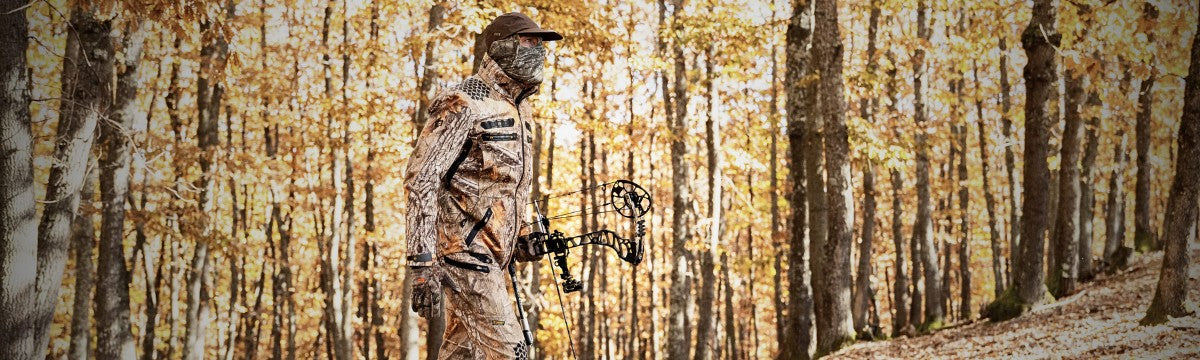
Picking-Up Clothing for Wet Grass, Dogs and Long Stops Between Drives

Wet grass, dogs, rain and waiting around mean picking up clothing that keeps you dry, warm and useful.
Picking up clothing for wet grass has one goal: to keep you working. Not posing. Not looking perfect for a nice clean product photo. Working. If your clothing cannot deal with wet grass, dogs, rain, mud, cold wind and standing about between drives, it is not proper field clothing. It is just kit that looks the part until the day gets ugly.
Picking-up looks easy when someone watches from the side. Walk behind the guns. Keep the dogs under control. Pick birds. Wait. Move again. Simple enough. Then the ground tells the truth. Your trousers are wet from the knee down. Mud is building on your boots. A wet dog has wiped itself across your legs for the tenth time. Rain has found the weak seam you did not know was there.
Then comes the worst bit. You stop. The walking kept you warm for a while, but now you are standing in one position, waiting for the next drive, and the cold starts getting into your back and legs. That is when bad clothing really shows itself.
The right clothing does not need to be fancy. It needs to be useful. Proper footwear. Socks that do not turn horrible when damp. Waterproof trousers. A shooting jacket that moves. Pockets that make sense. Layers that can handle stop-start work. That is the basic setup.
Start With Boots and Trousers, Because That Is Where the Wet Gets You

People often start with jackets. Fair enough, jackets are the obvious bit. But on a wet picking-up day, the trouble usually starts lower down. Wet grass attacks boots, socks and trousers long before your shoulders are the main problem.
One damp field is not too bad. A full day through soaked grass is different. Every step brushes water into the lower leg. Dogs make it worse. A wet spaniel or labrador passing close by again and again can soak your clothing faster than a light shower.
That is why picking up clothing for wet grass should start with footwear, socks and trousers. If those fail, the rest of your setup is already in trouble. You can wear the best shooting jacket in the world and still have a grim day if your feet are cold and your trouser legs are wet.
Field practicality comes first. Style comes after. Looking smart is nice. Staying dry is better.
Shooting Boots Need to Bite Into the Ground

Trainers are useless for this job. They let water in, slide on wet grass and give poor support on rough land. Some casual outdoor boots are not much better. They look fine in the shop, then start slipping around once the gateways turn muddy.
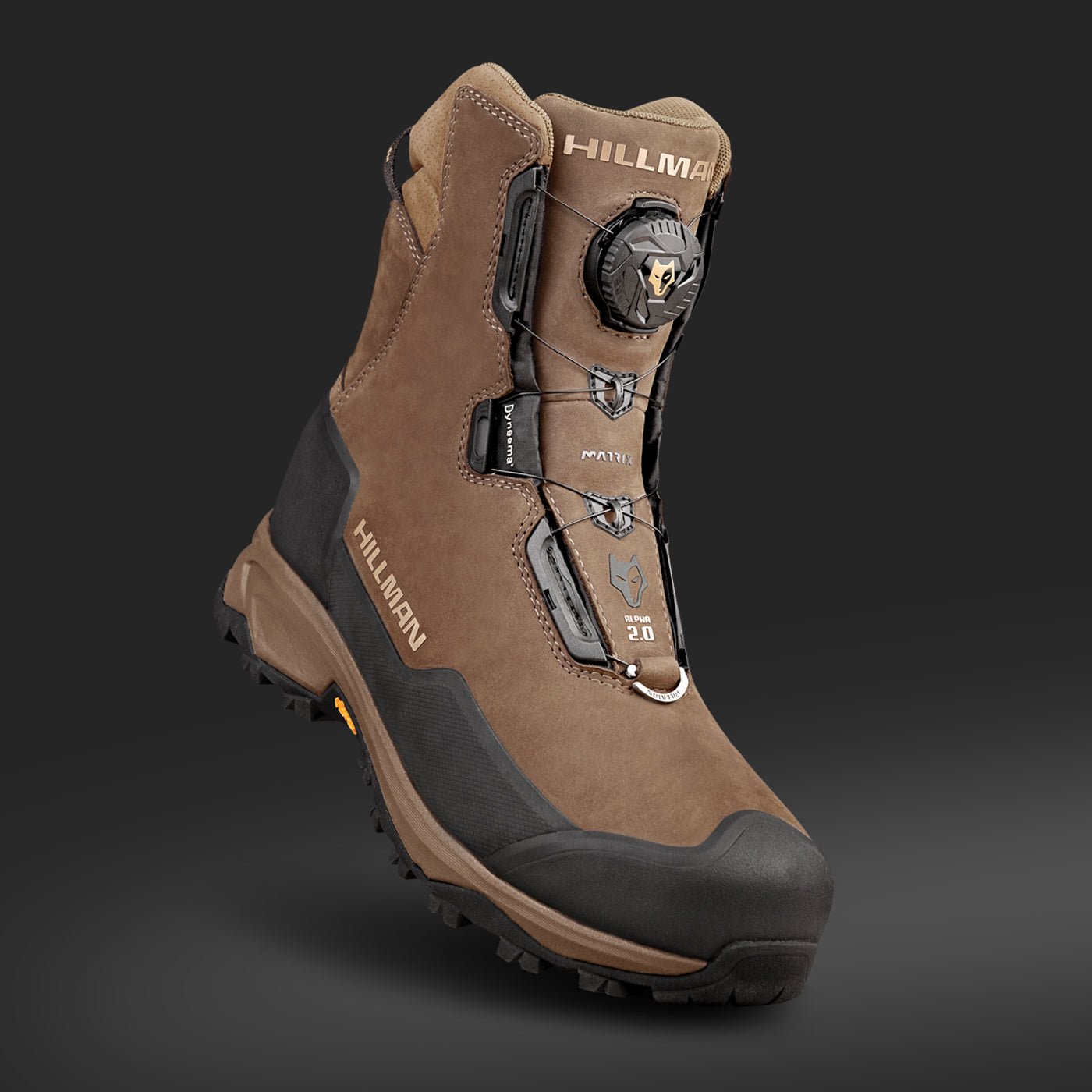
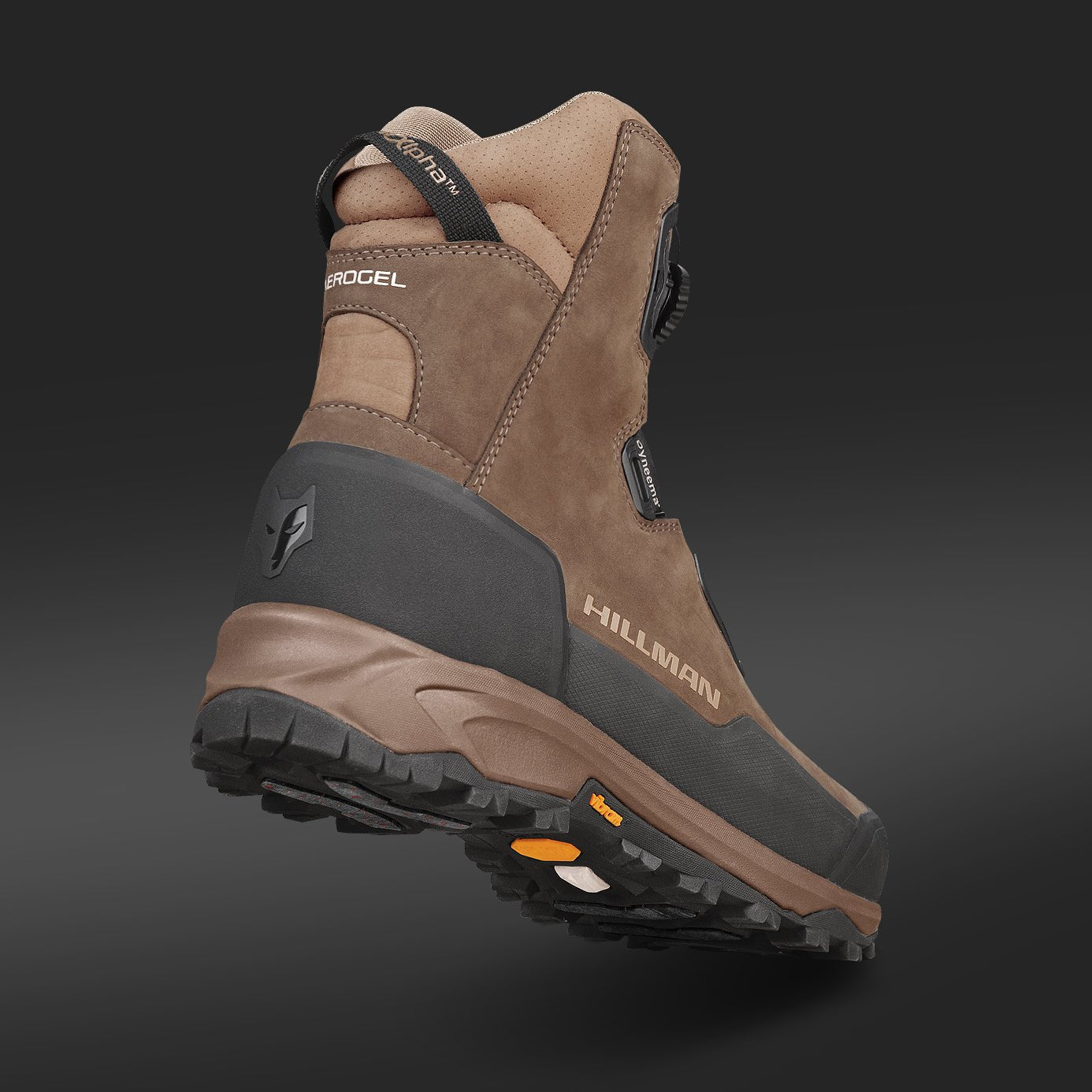
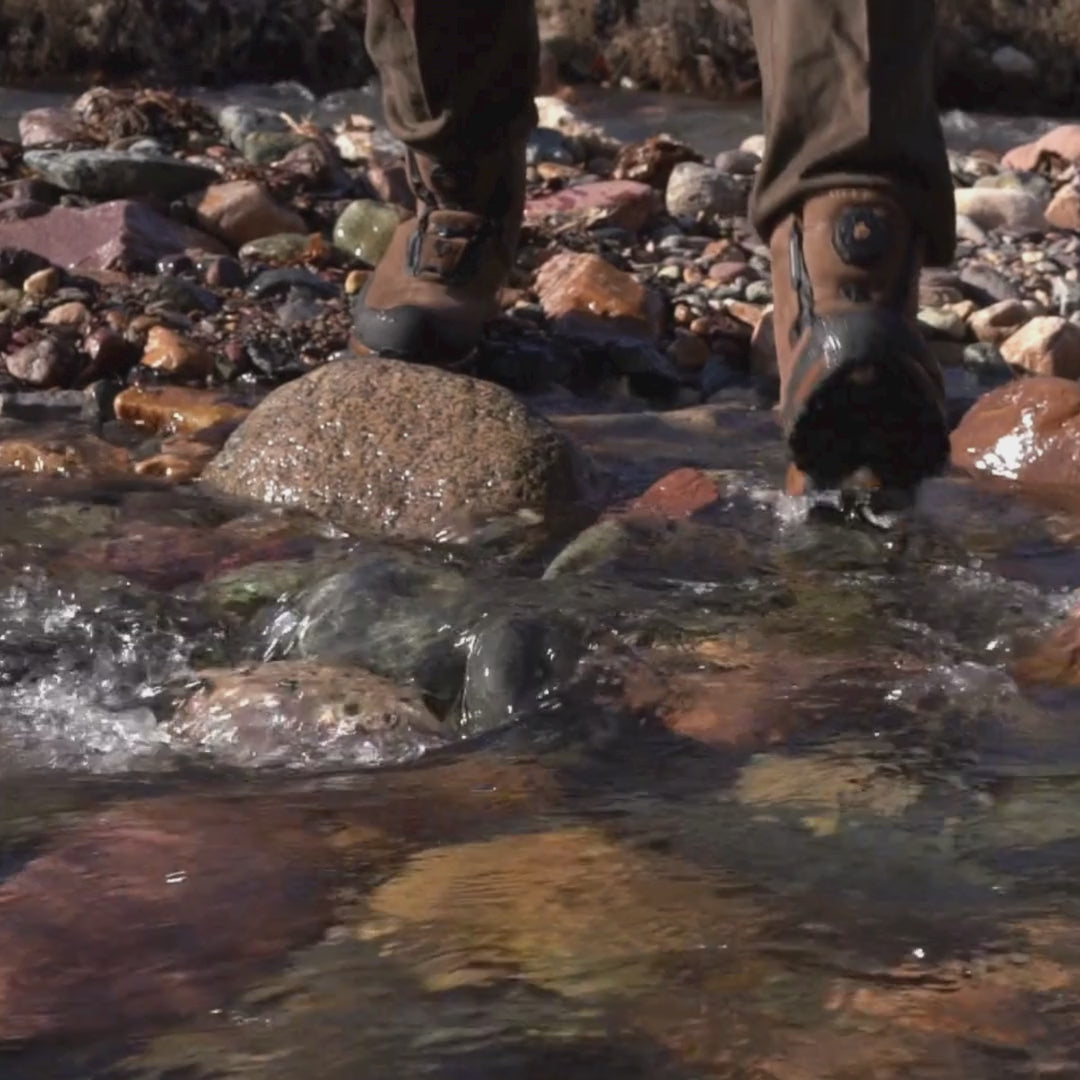
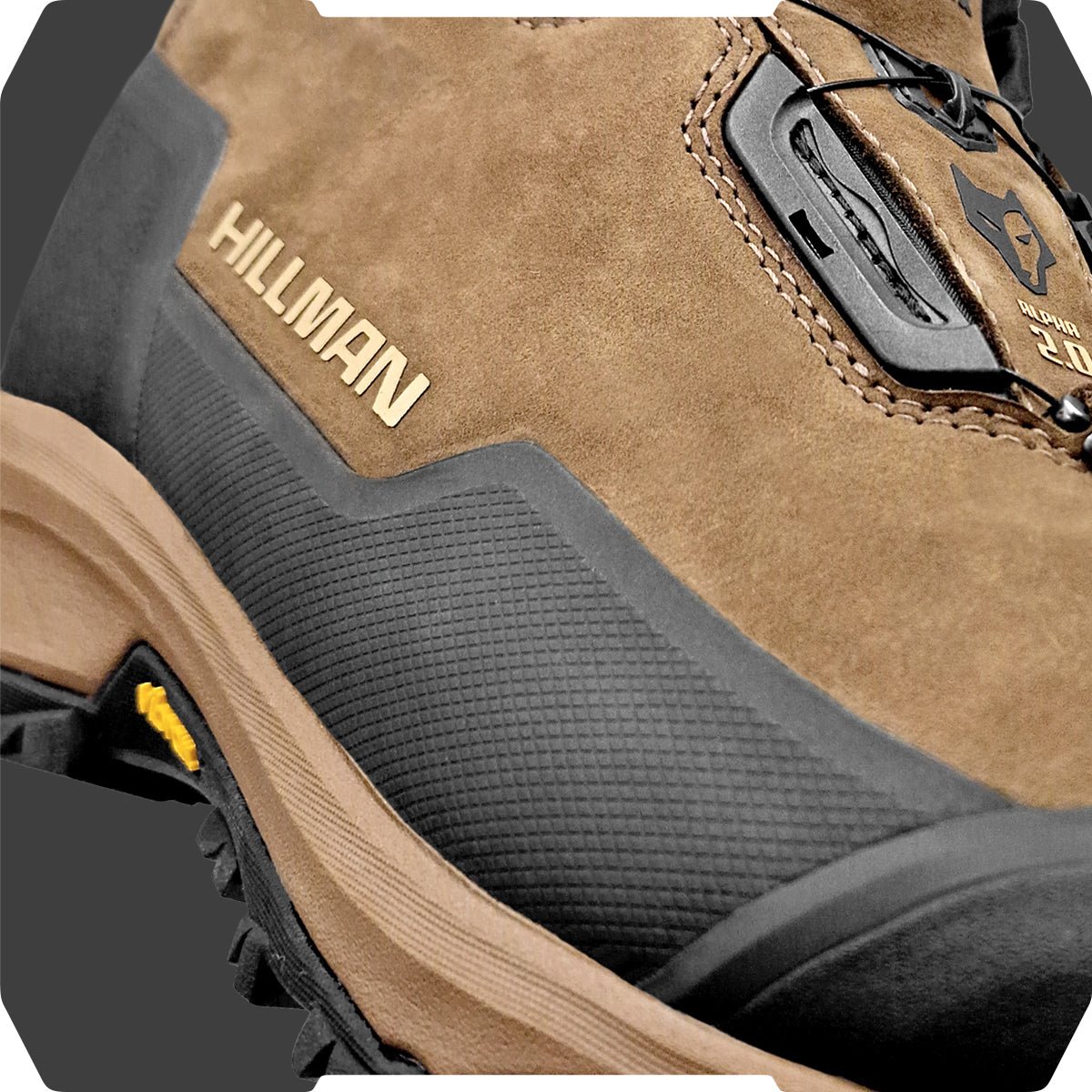
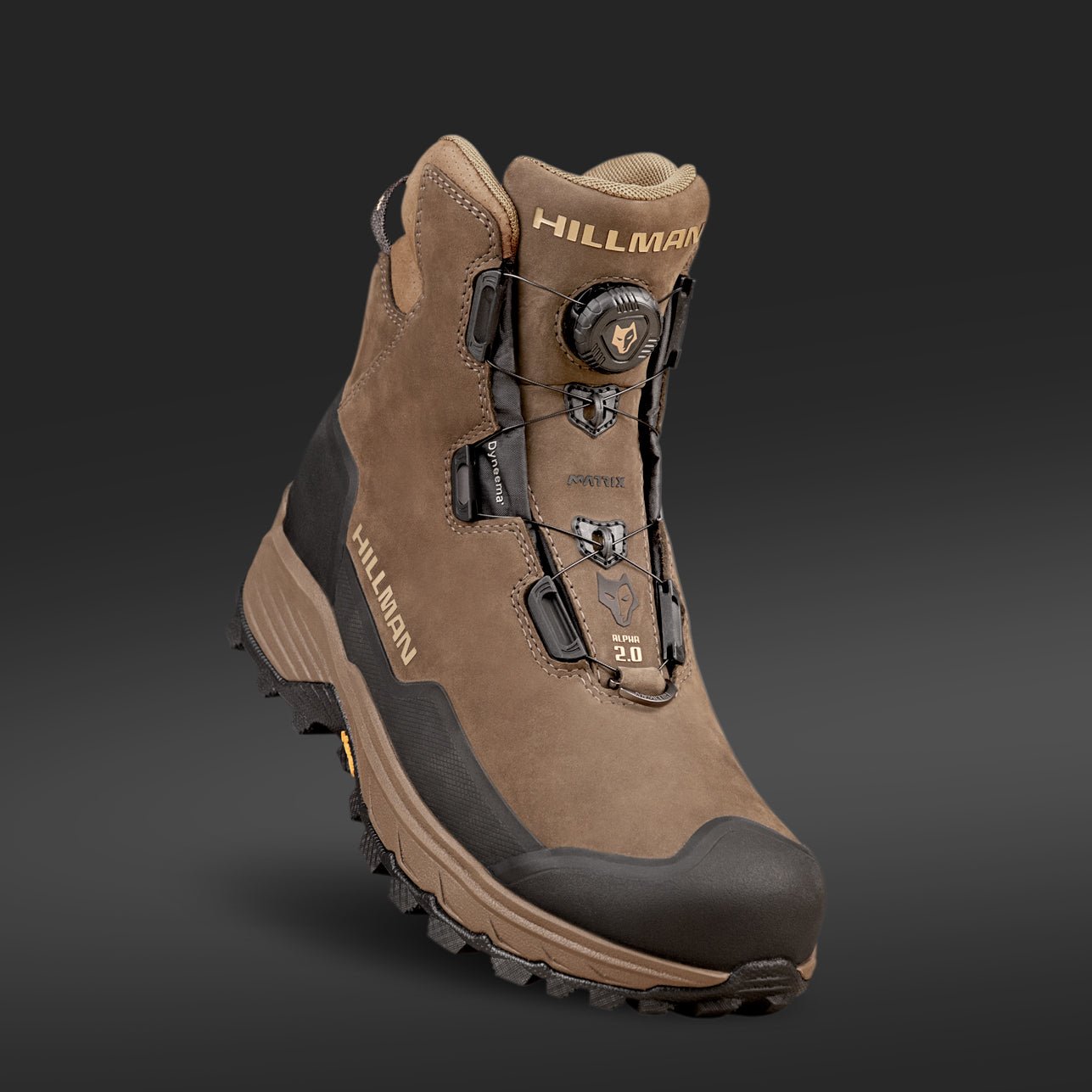
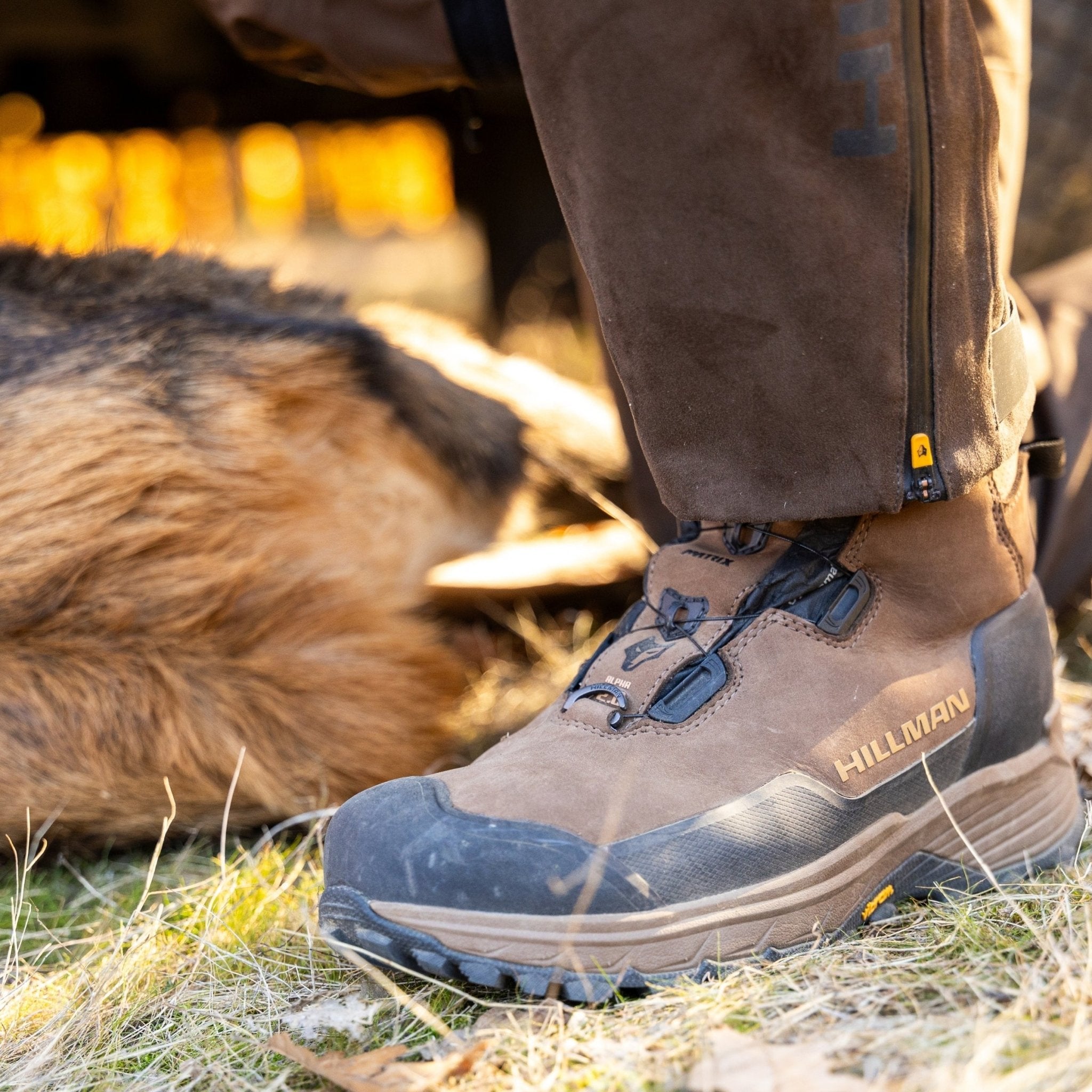
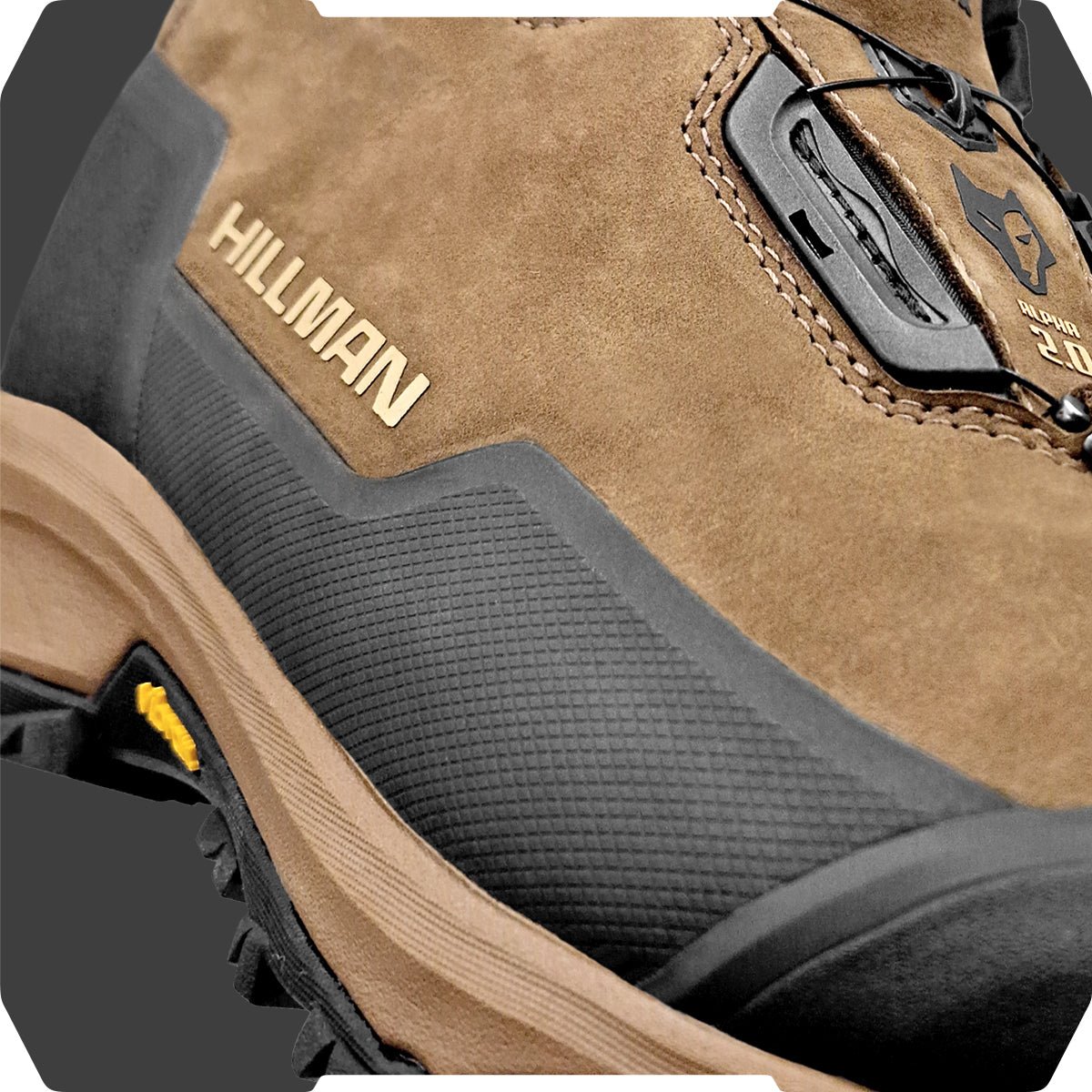
Good shooting boots need grip, waterproof protection and ankle support. Not just one of those. All three. Breathable waterproof liners, including Dryhunt and Gore-Tex style membranes, can help because your feet still sweat when you are walking hard between drives. If that moisture stays trapped, your feet cool down as soon as you stop.
A good pair should feel strong without feeling like blocks of concrete. Heavy boots might look durable, but after hours on wet land they can feel brutal. The sole needs to hold on mud, grass, slopes and rough tracks. Smooth soles are no good unless you enjoy sliding around.
Wellingtons have a place. Deep mud, flooded gateways, boggy ground — fine. But for long walking over uneven land, proper shooting boots usually give better comfort and support.
Socks Are Not a Small Detail

Bad socks can ruin the day quietly. Cotton socks are the usual mistake. Cotton holds water, cools quickly and makes your feet feel damp even when the boots are doing their job.
Moisture-wicking socks are better. Wool or technical polyester blends usually work well because they move moisture away from the skin and keep warmth better when damp. In winter, thicker socks can help, but do not cram your feet into boots that are too tight. Tight boots cut off circulation. Then your feet get cold faster.
Carry a spare pair in a waterproof bag. It sounds basic, and it is. It also works. Dry socks between drives can change the whole afternoon.
Do not spend good money on quality boots and then wear cheap cotton socks. That is just putting the weak point back into the system.
Trousers Take the Worst Beating
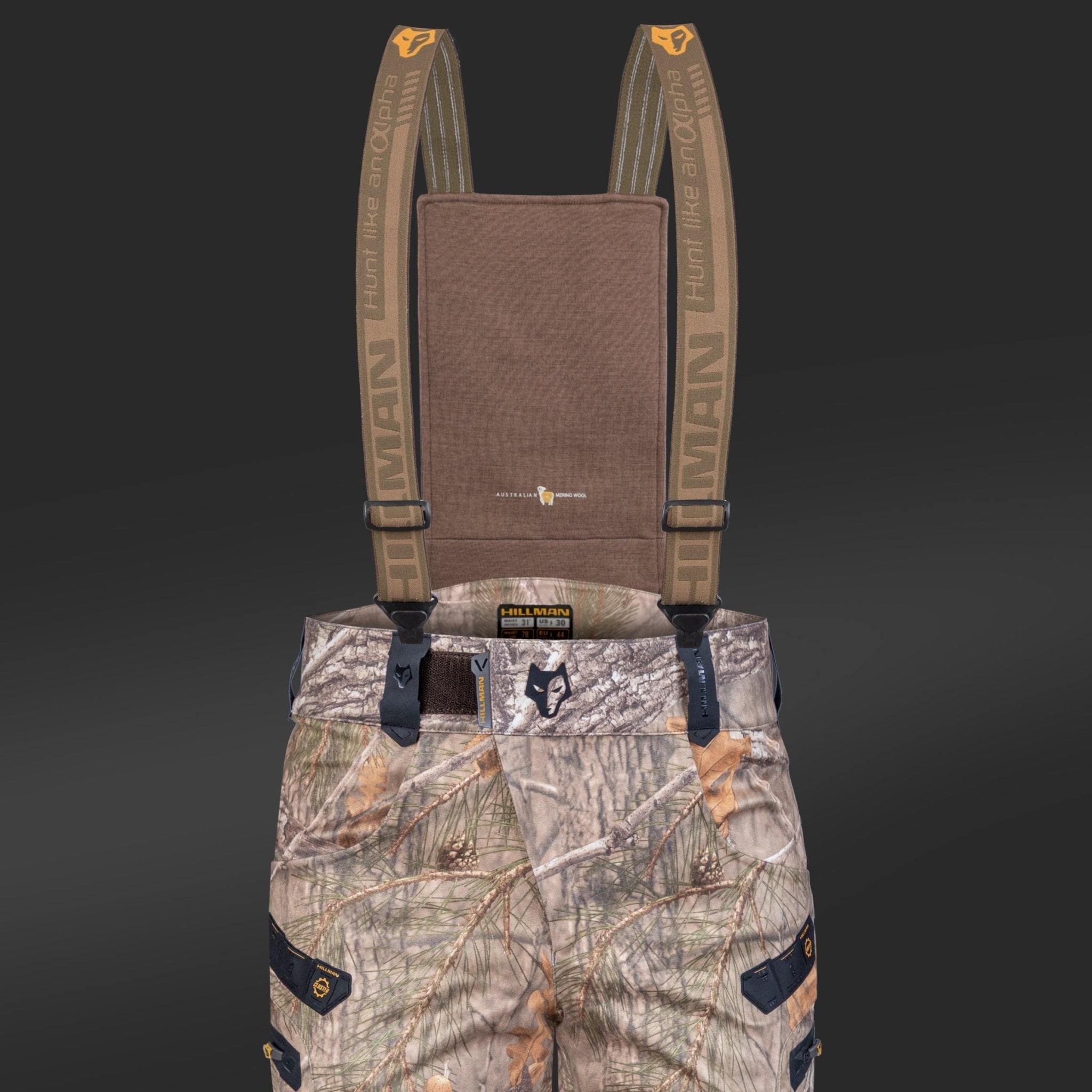
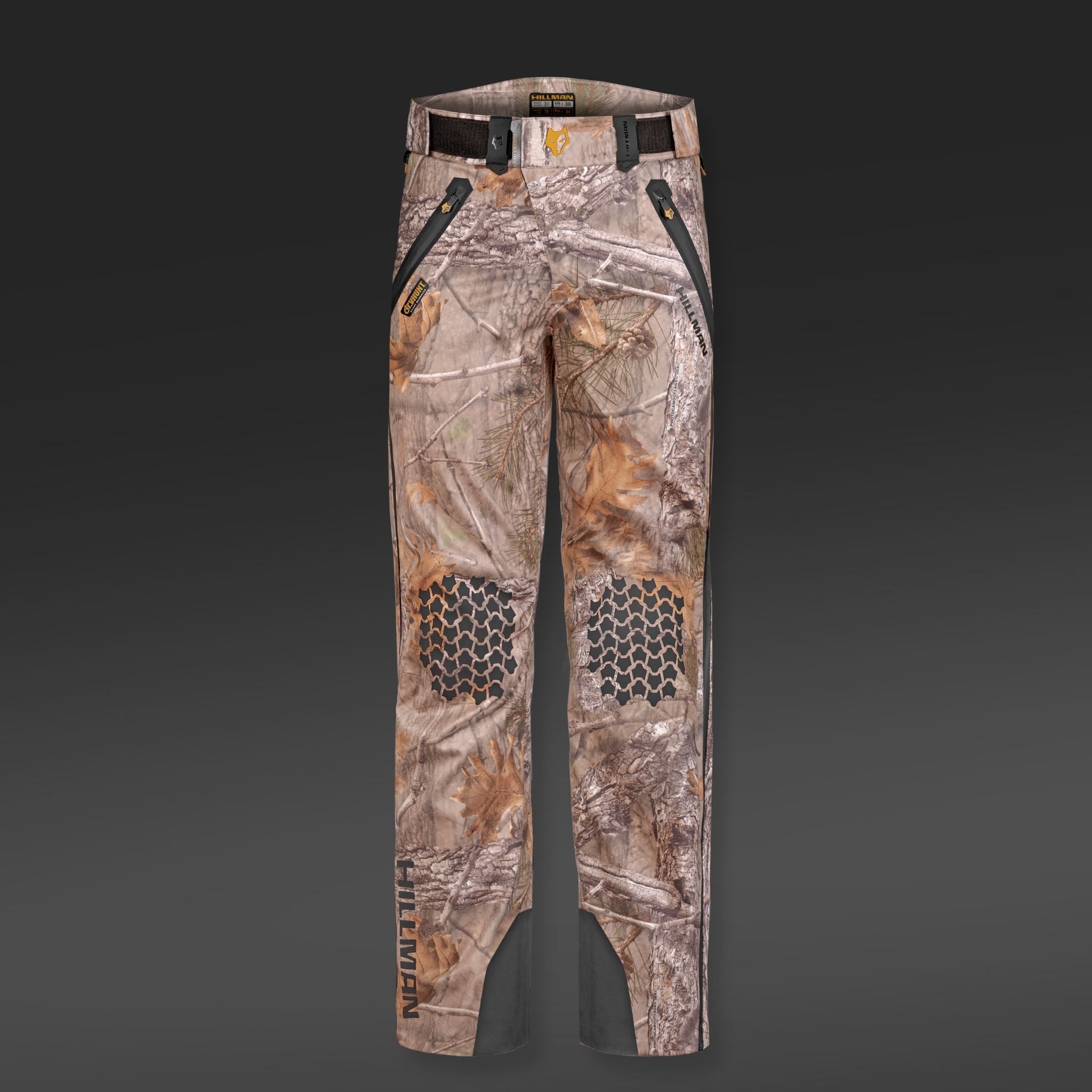
Trousers get hammered when picking up. Wet grass, mud, dogs, brambles, ditches, fences, kneeling, bending, walking and standing still. Ordinary cotton trousers have no place in that. Once they soak through, they stay wet and pull warmth out of you.
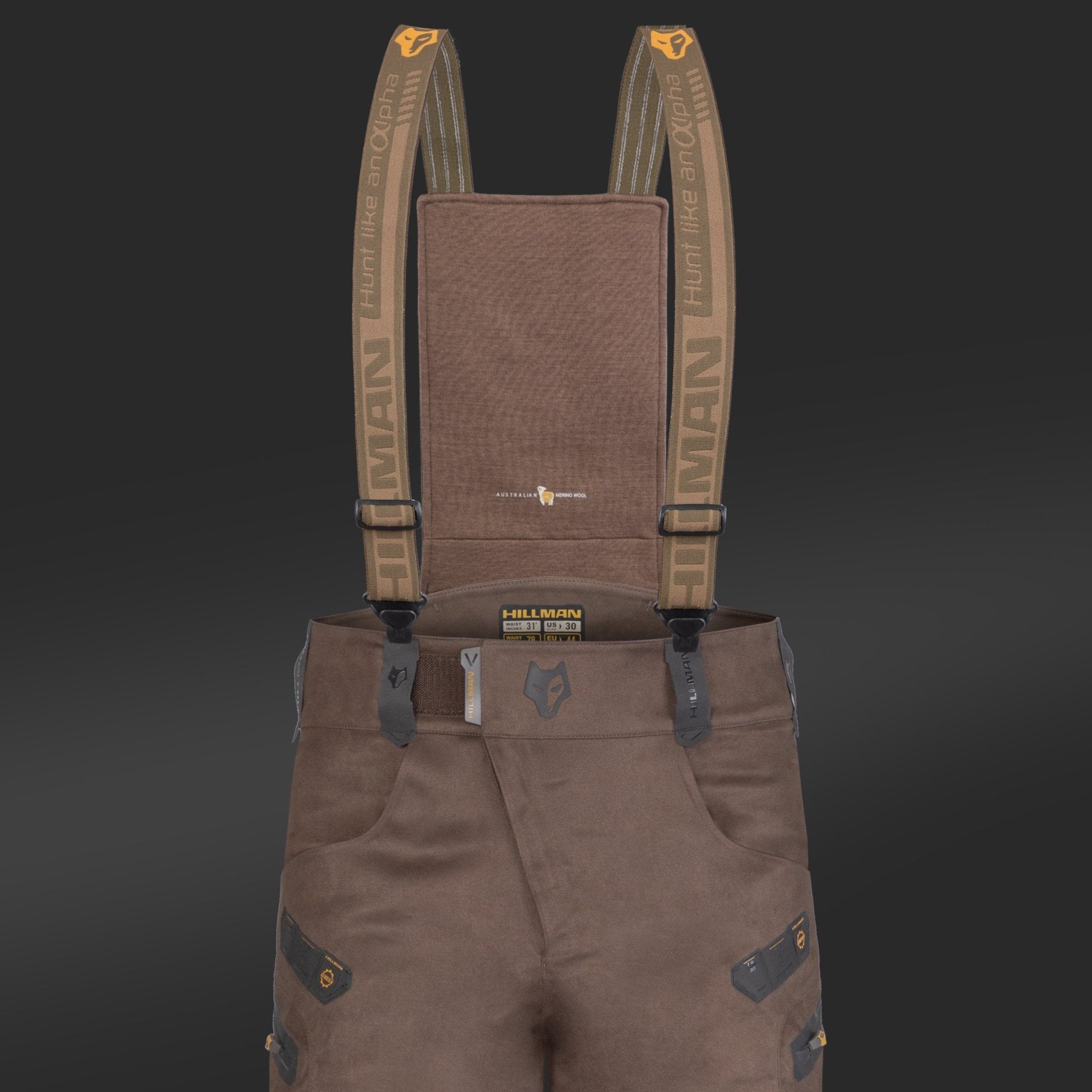
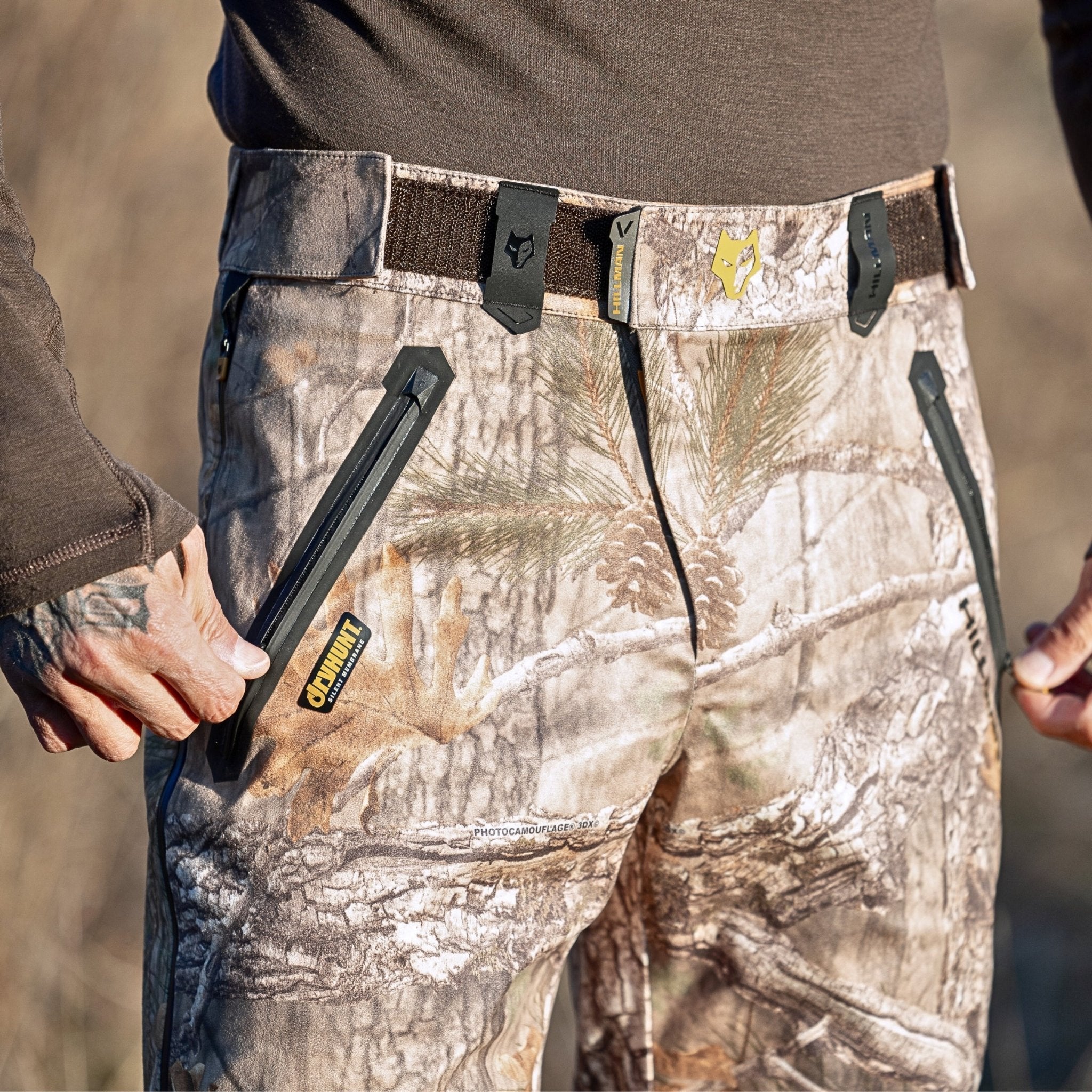
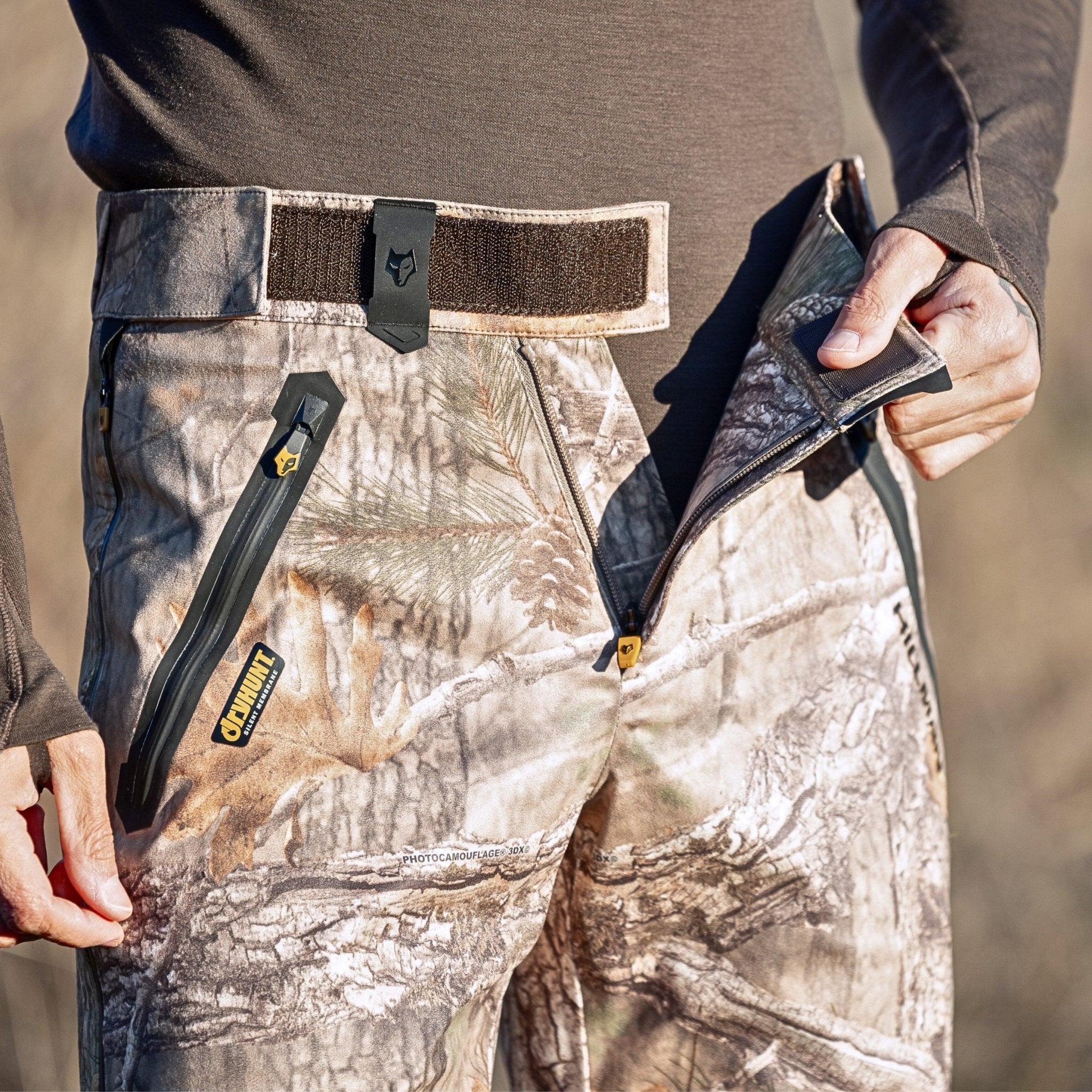
Waterproof trousers are usually the sensible answer when the ground is properly wet. They need to block water, but they also need enough breathability so you do not cook while walking. Waterproof ratings are useful, but do not stare at numbers and ignore the rest. Seams, fabric strength, comfort and fit matter just as much.
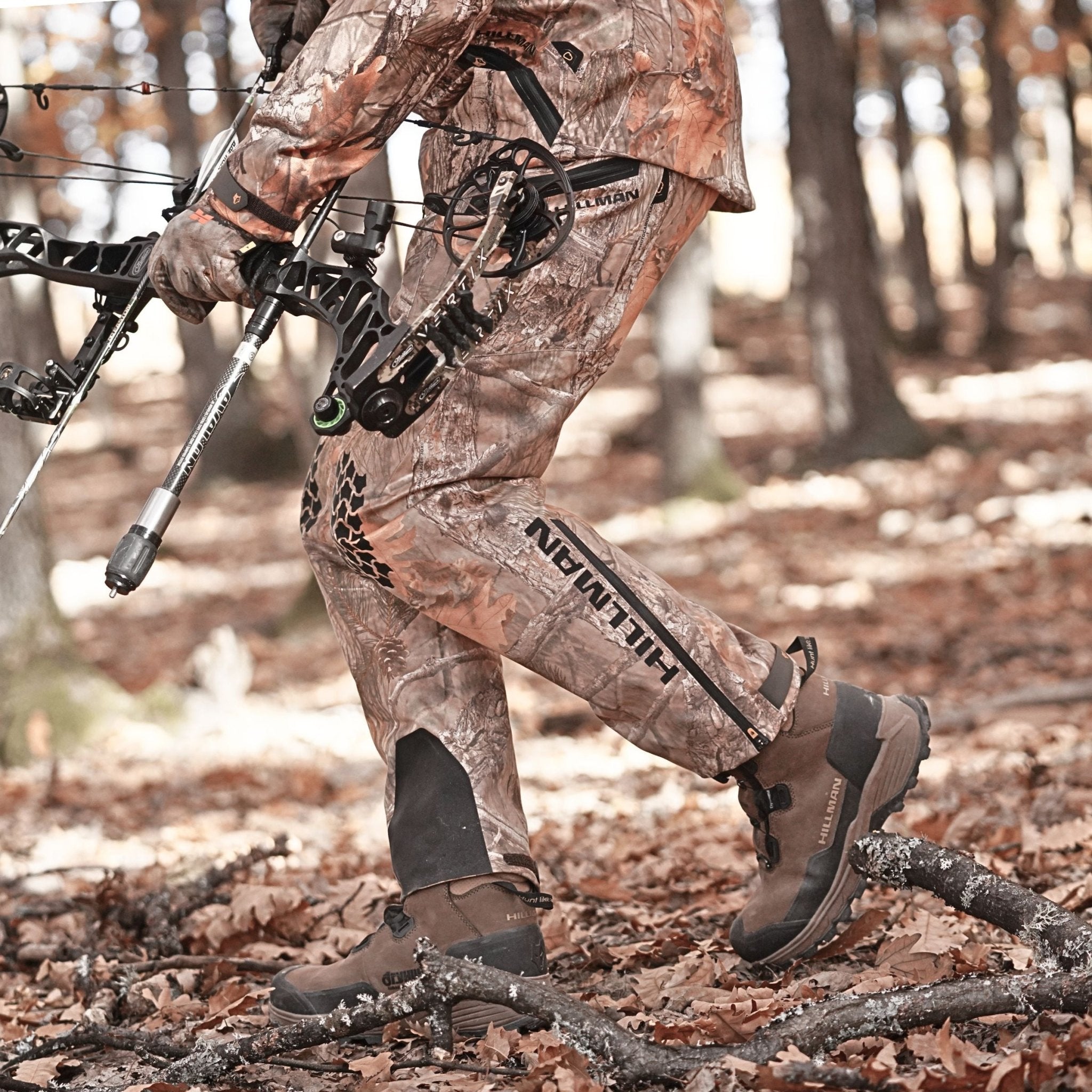
Outdoor trousers can work if the grass is only damp. For proper wet picking-up, you want more protection. Reinforced lower legs help when pushing through rough cover. Quiet fabrics are better too. Loud, shiny, rustling trousers get annoying fast.
Fit matters. You need to bend, climb, step over fences and handle dogs without the trousers pulling at the knee or seat. Too tight is useless. Too baggy catches on everything. Relaxed is right. Pick the right size, even if that means going up to XXL for layering or comfort.
Green is still the normal field colour for a reason. Brown, grey and navy can work too. Bright colours are best avoided unless there is a safety reason.
A Shooting Jacket Has to Earn Its Place

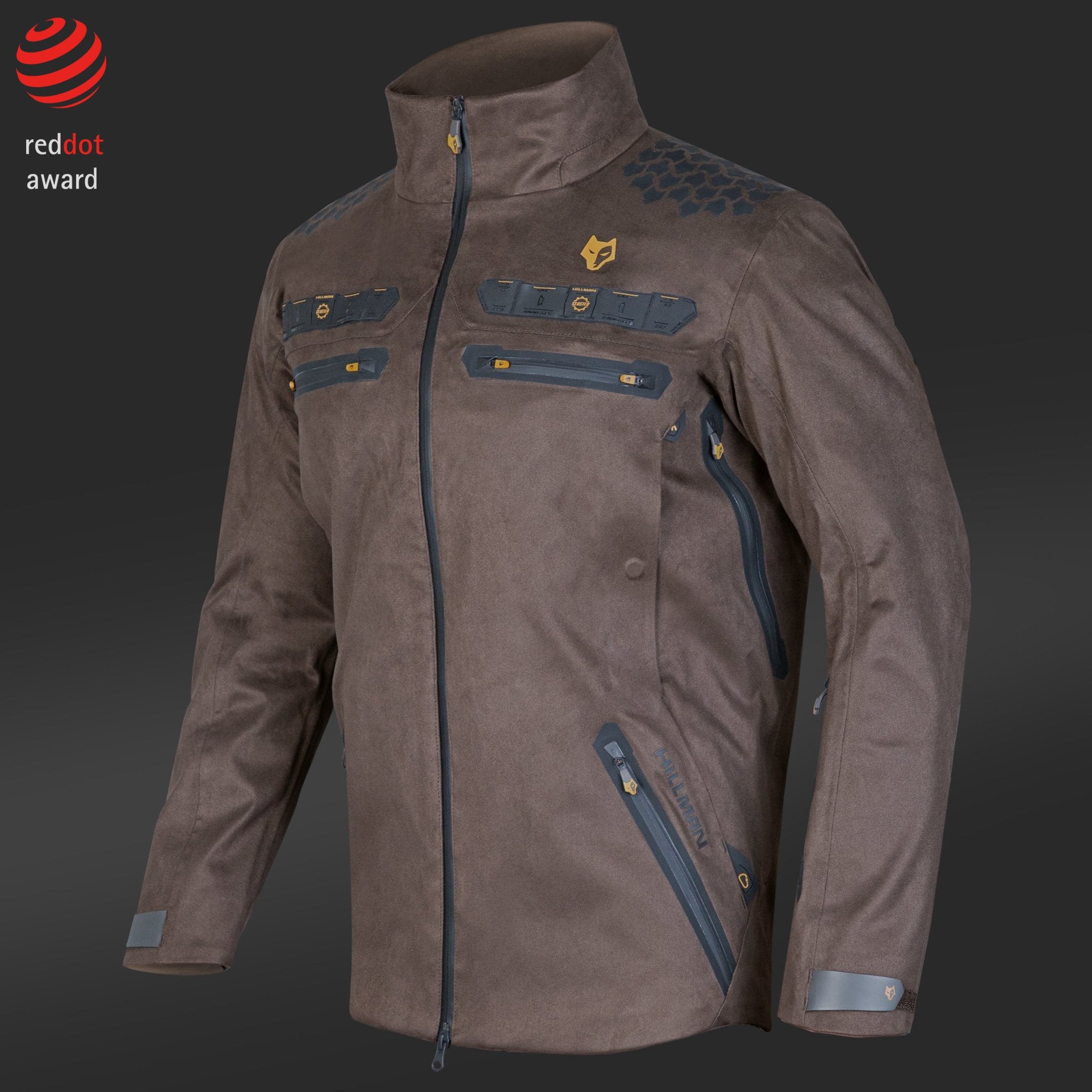
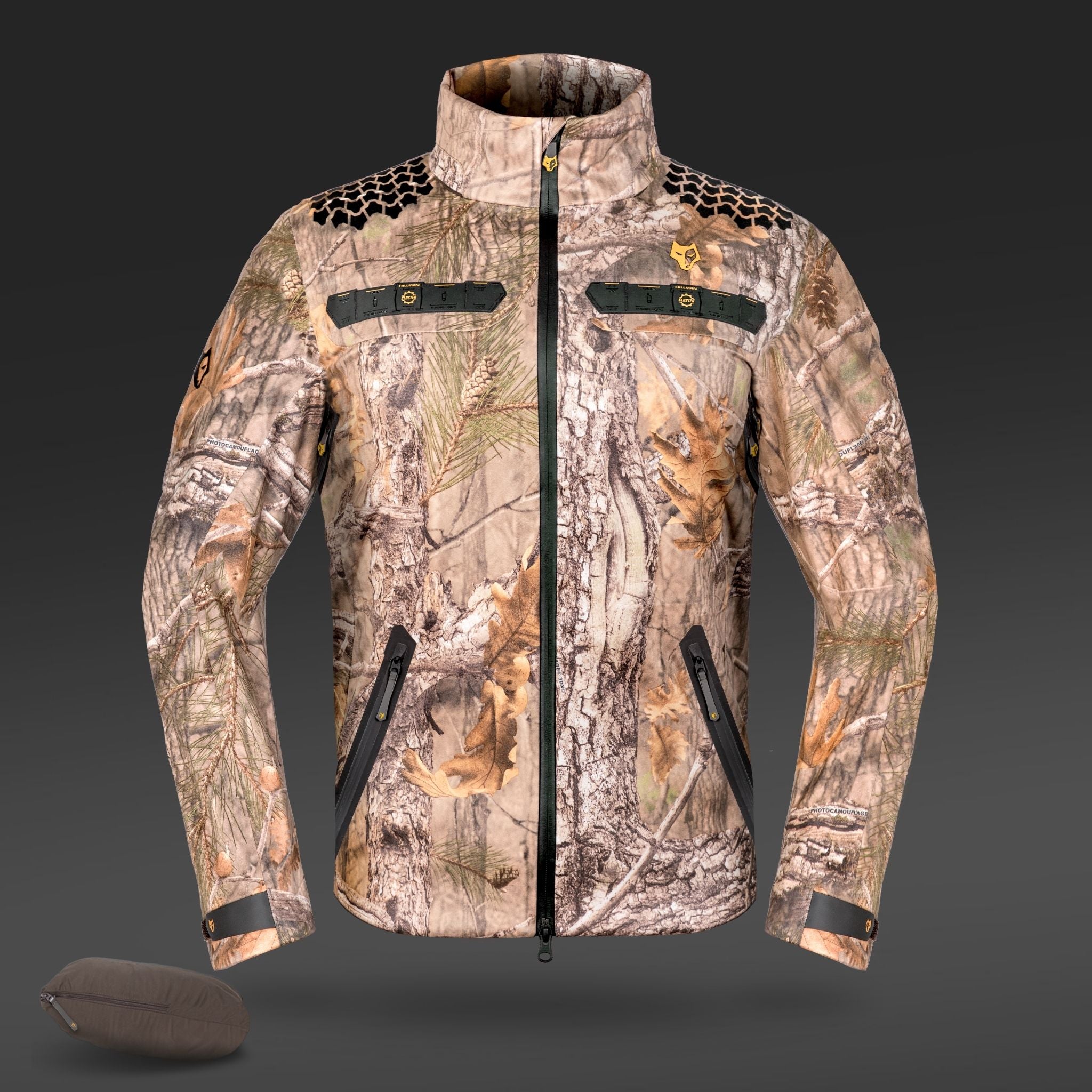
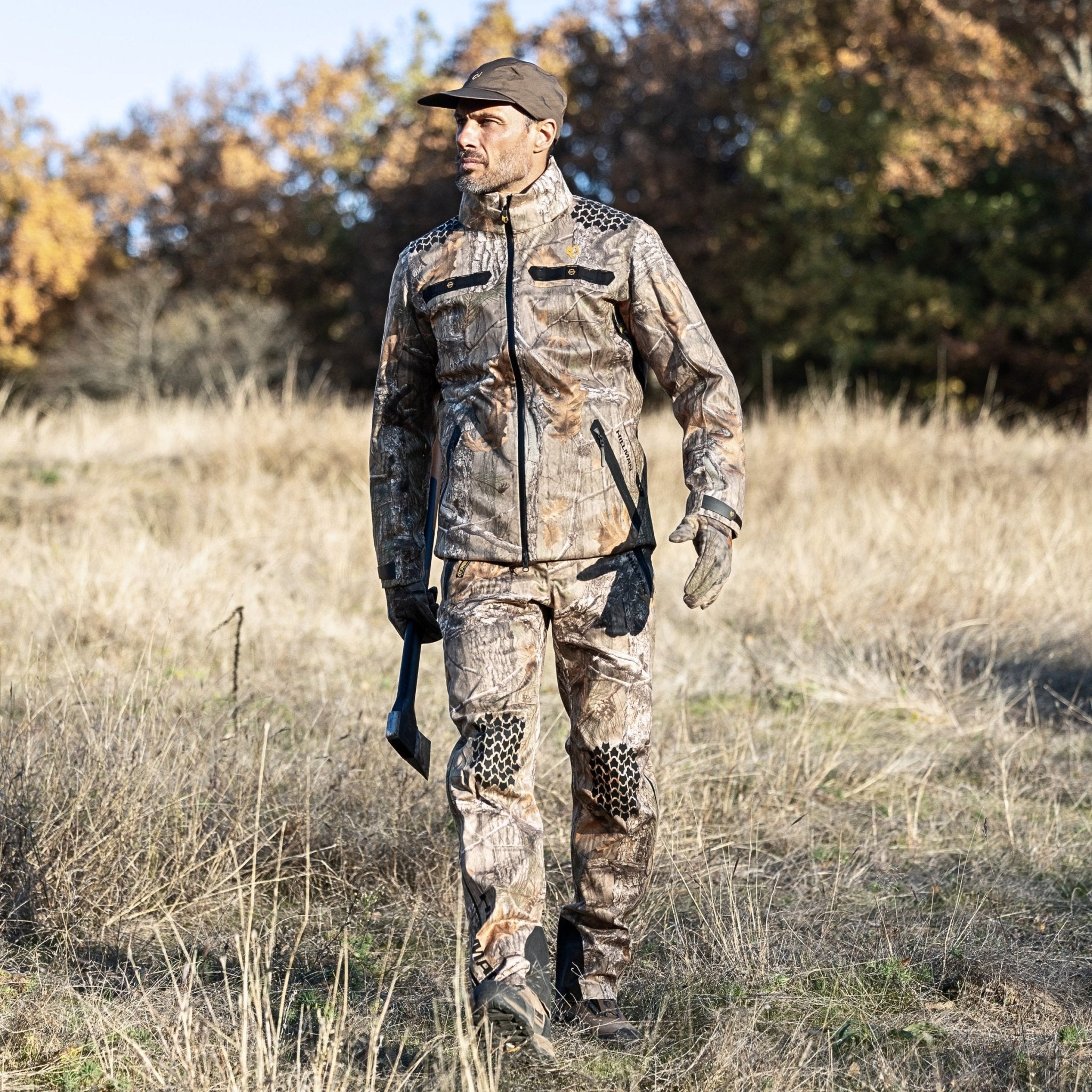
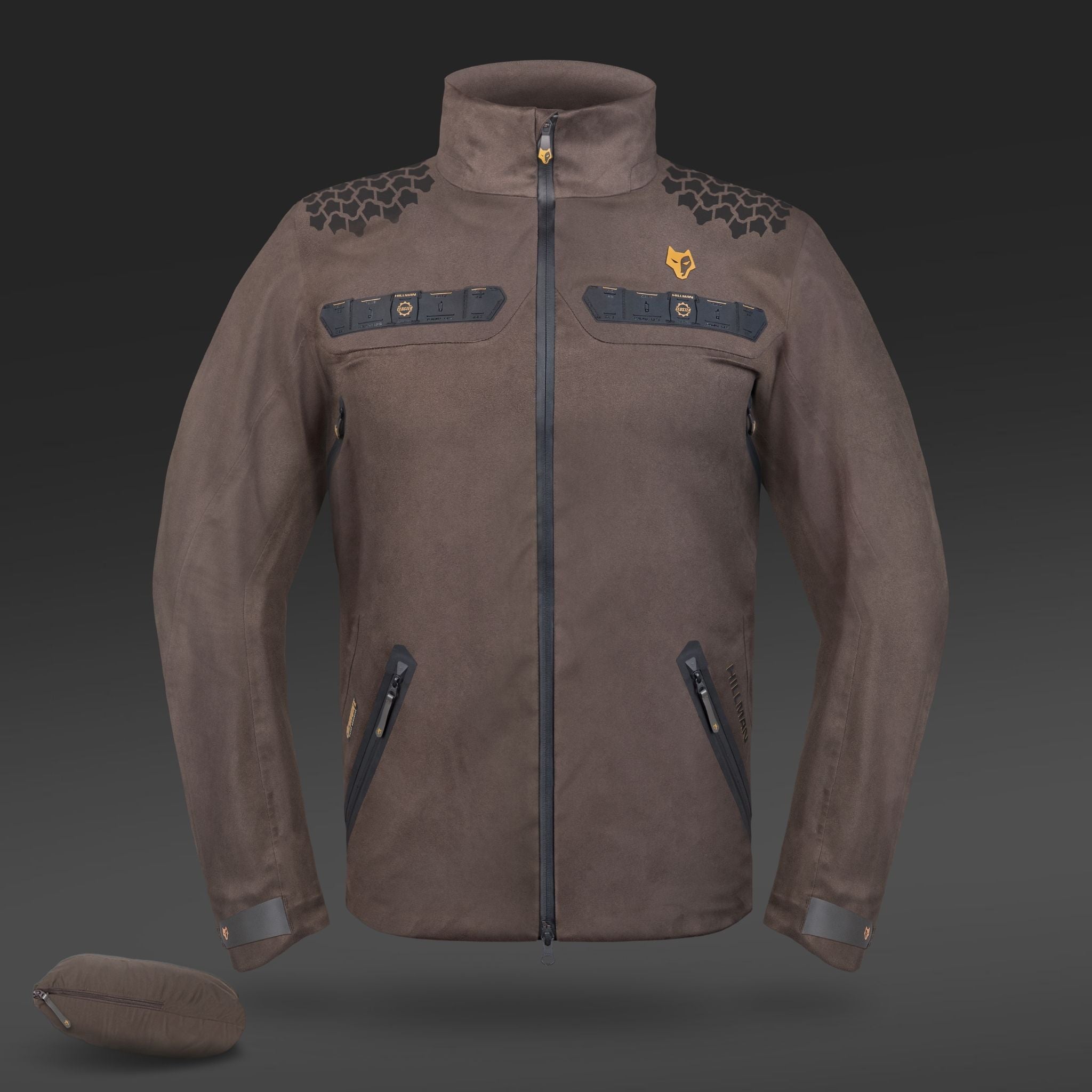
A shooting jacket should not just look country. It has to do a job. For picking-up, it needs rain protection, wind protection, room to move, useful pockets and a fit that does not fight you when handling dogs.
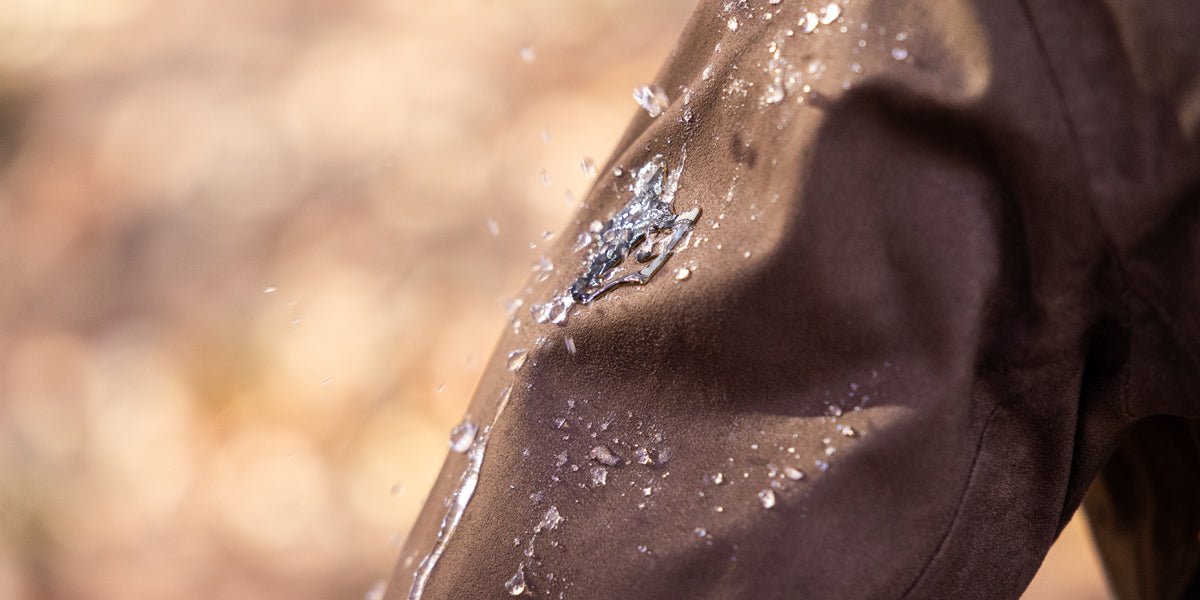
Waterproof shooting jackets are usually the safest choice for wet grass and rain. A good jacket keeps water out, blocks wind and still breathes. Breathability matters because you will sweat when walking. Then you stop. If that sweat is trapped inside the jacket, you chill fast.
A lightweight jacket can be enough in mild weather. In winter, you need space underneath for a fleece, wool layer or proper mid layer. Do not buy a jacket that only fits over a thin shirt unless you enjoy being cold.
Try the jacket like you mean it. Lift your arms. Bend. Reach. Move like you would in the field. If the shoulders pull, the sleeves ride up badly or the chest feels tight, it is not the right size. Picking-up clothing has to move. Standing still in front of a mirror proves very little.
The best shooting jacket is often the one you stop noticing because it keeps doing its job.
Waterproof Jackets, Waxed Cotton and Tweed Are Not the Same

Tweed has its place. Waxed cotton has its place. Modern waterproof jackets have their place too. The mistake is pretending they all perform the same way.
Tweed jackets can look smart, feel warm and suit a game shooting day. Waxed cotton feels tough and traditional, and with proper care it can last for years. But wet grass does not care about tradition. Heavy dew and steady rain will show very quickly what your clothing can really handle.
Waxed cotton can work in light rain, but it needs care. If it has not been looked after, do not expect miracles. Tweed is good on cold, mostly dry days, but it is not always right for long wet cover.
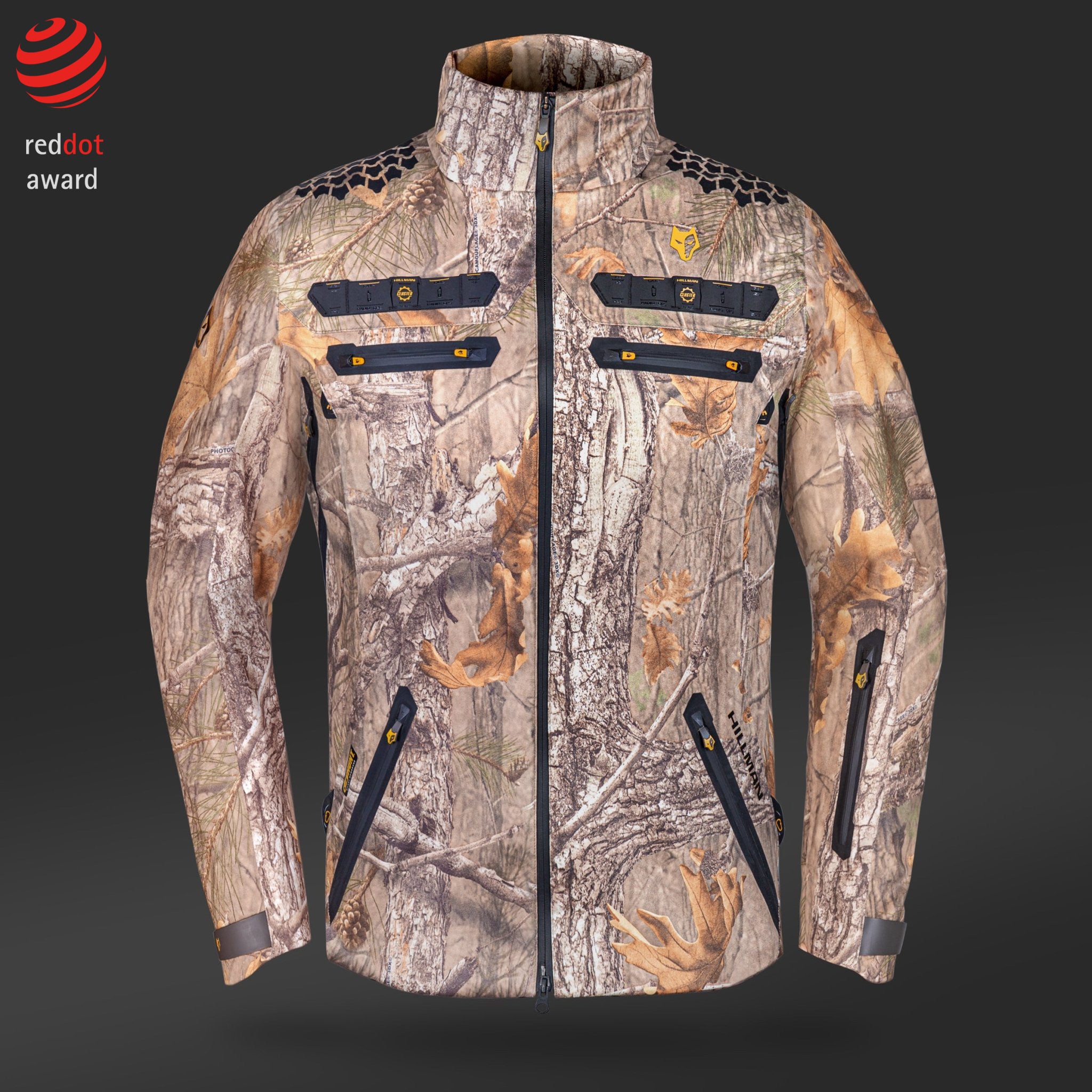
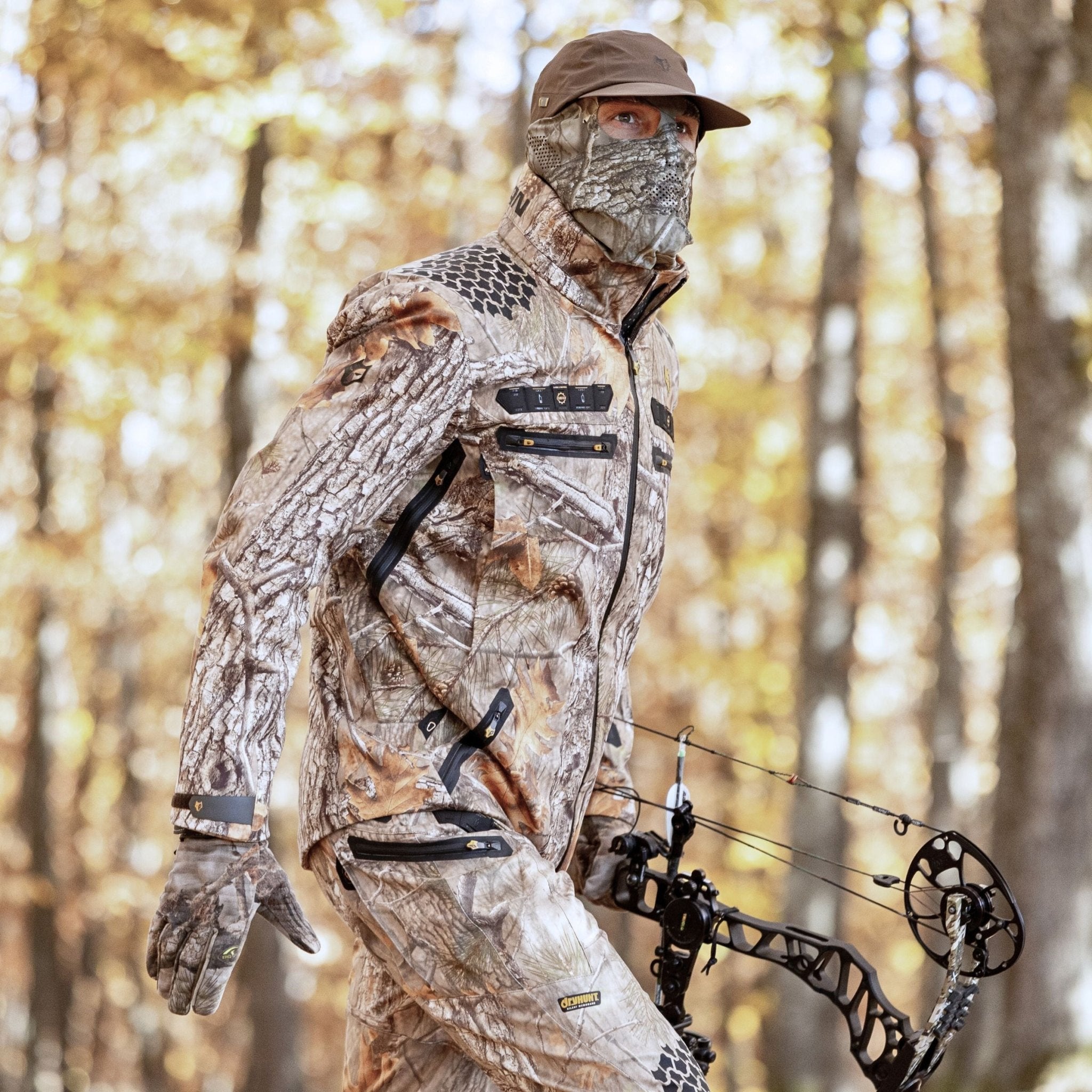
Modern waterproof jackets are easier to trust when the forecast looks rough. Gore-Tex, coated fabrics and other waterproof materials all have their supporters. The name is not the whole story. The questions are simple. Does it keep you covered? Does it breathe? Does it move quietly enough? Are the pockets useful? Will it last?
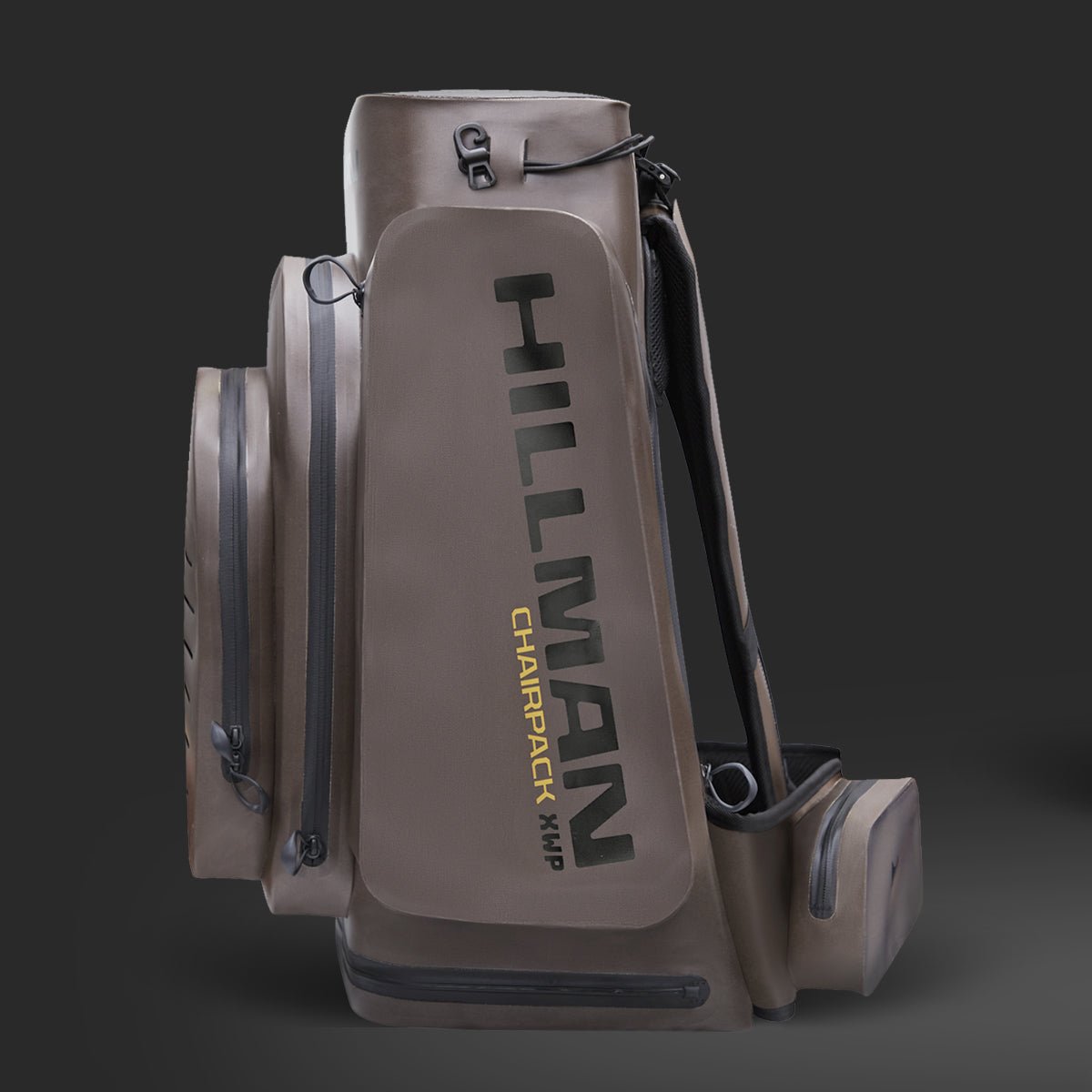
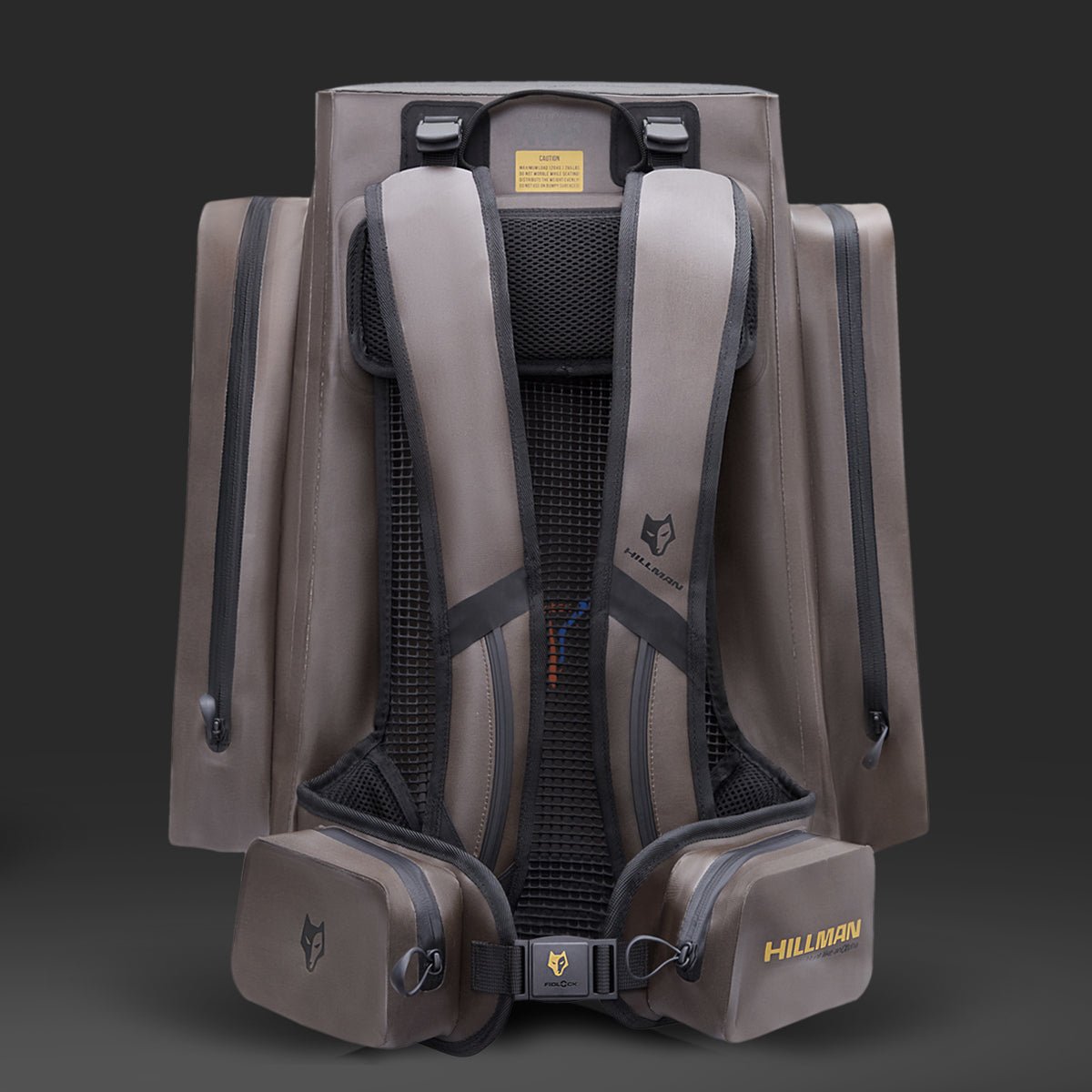
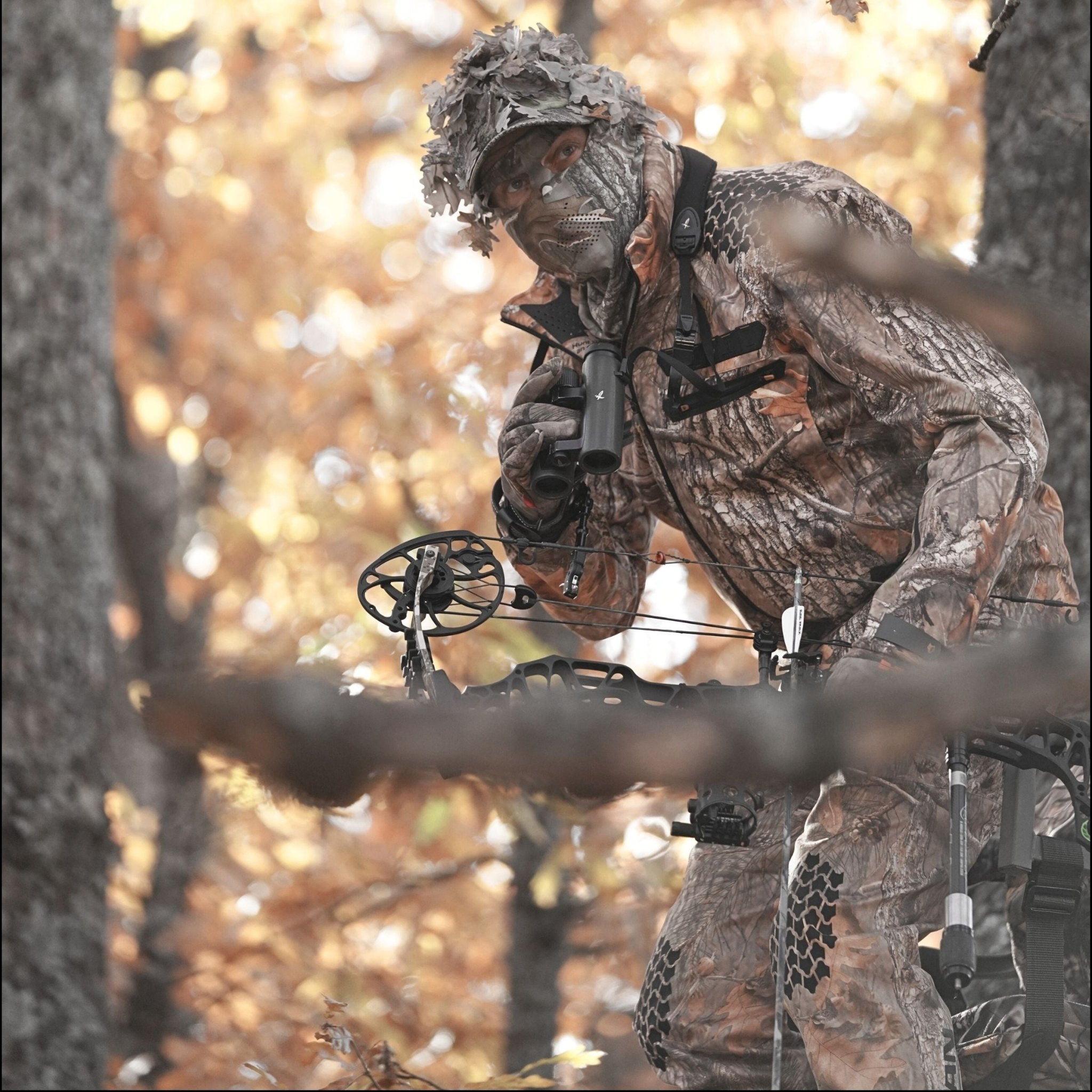
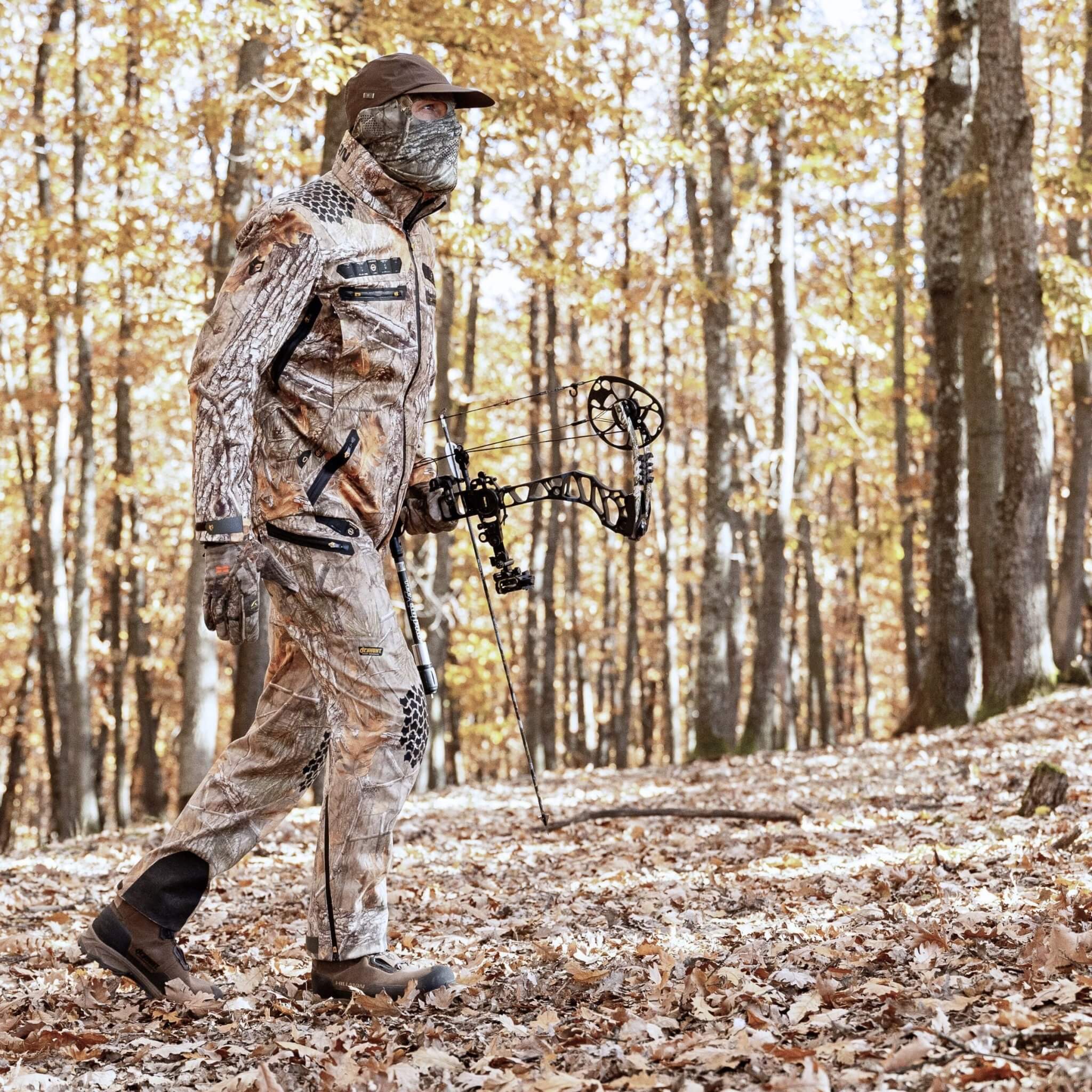
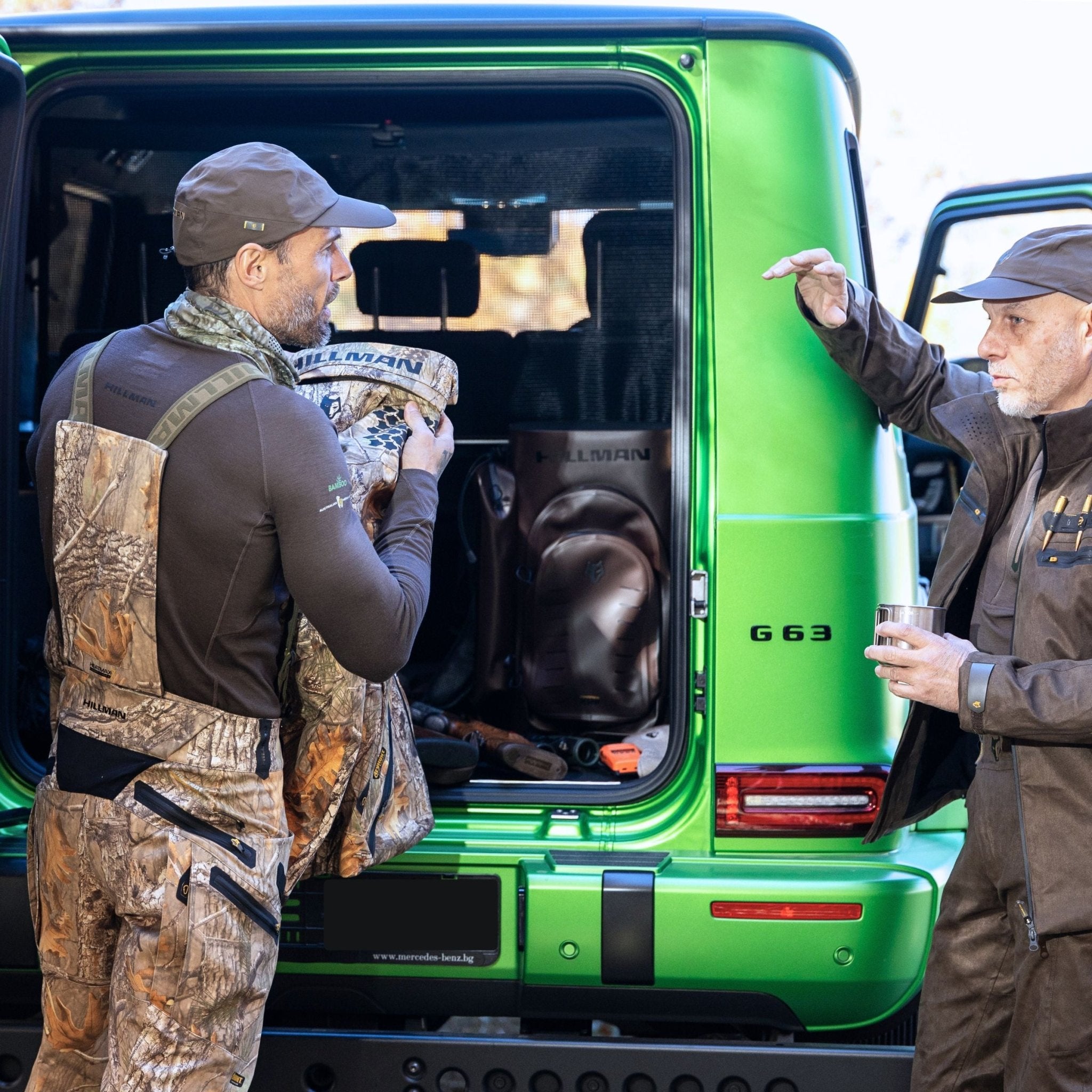
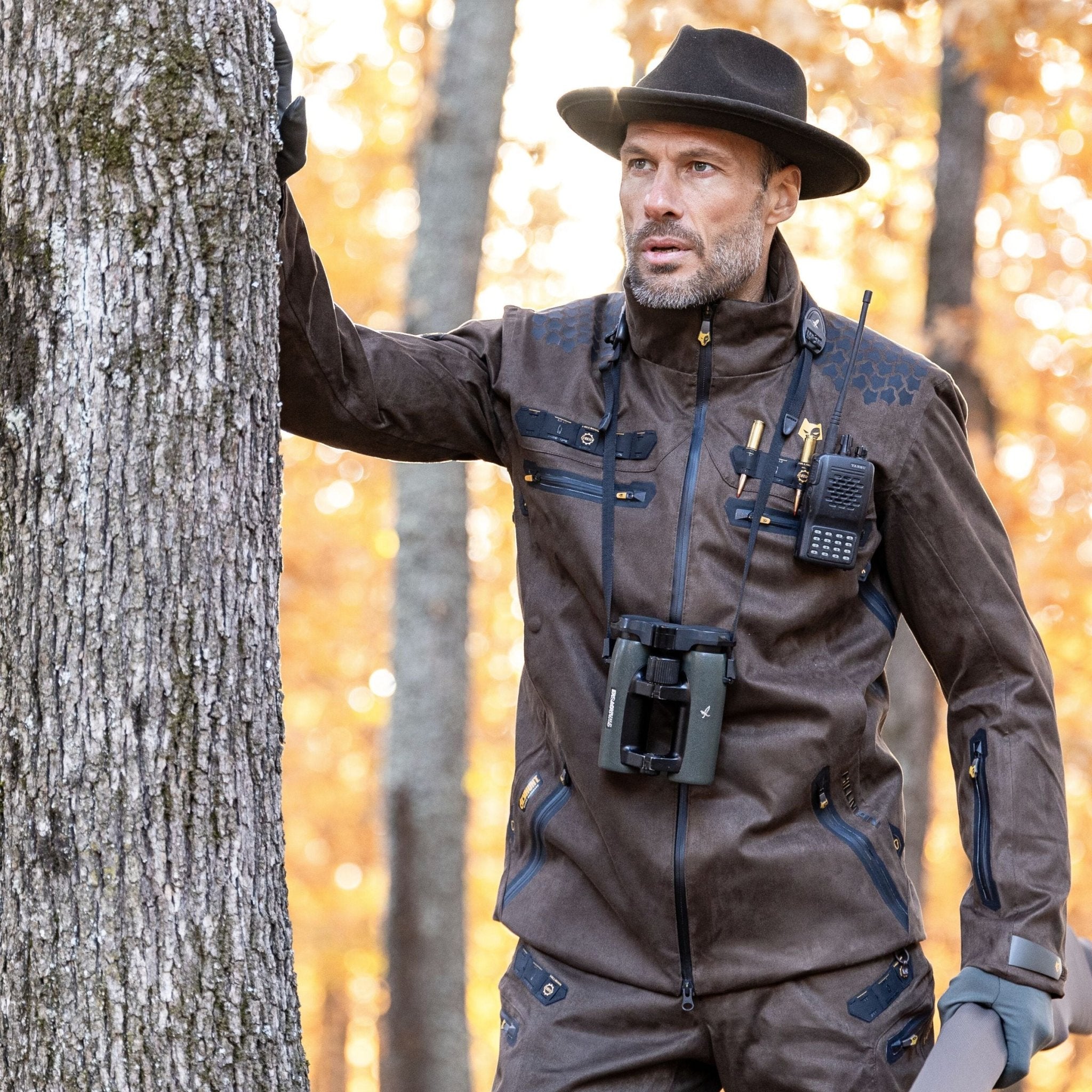
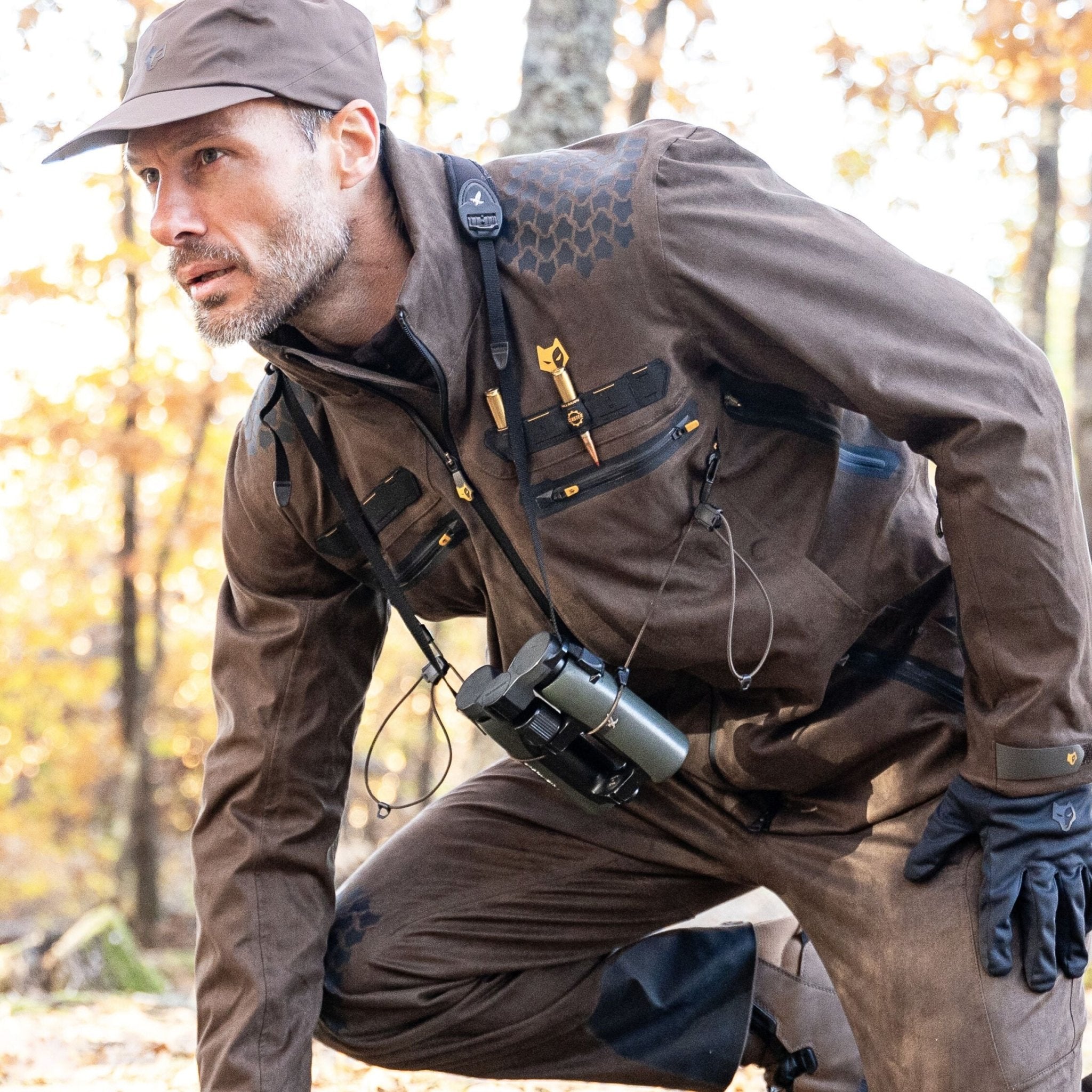
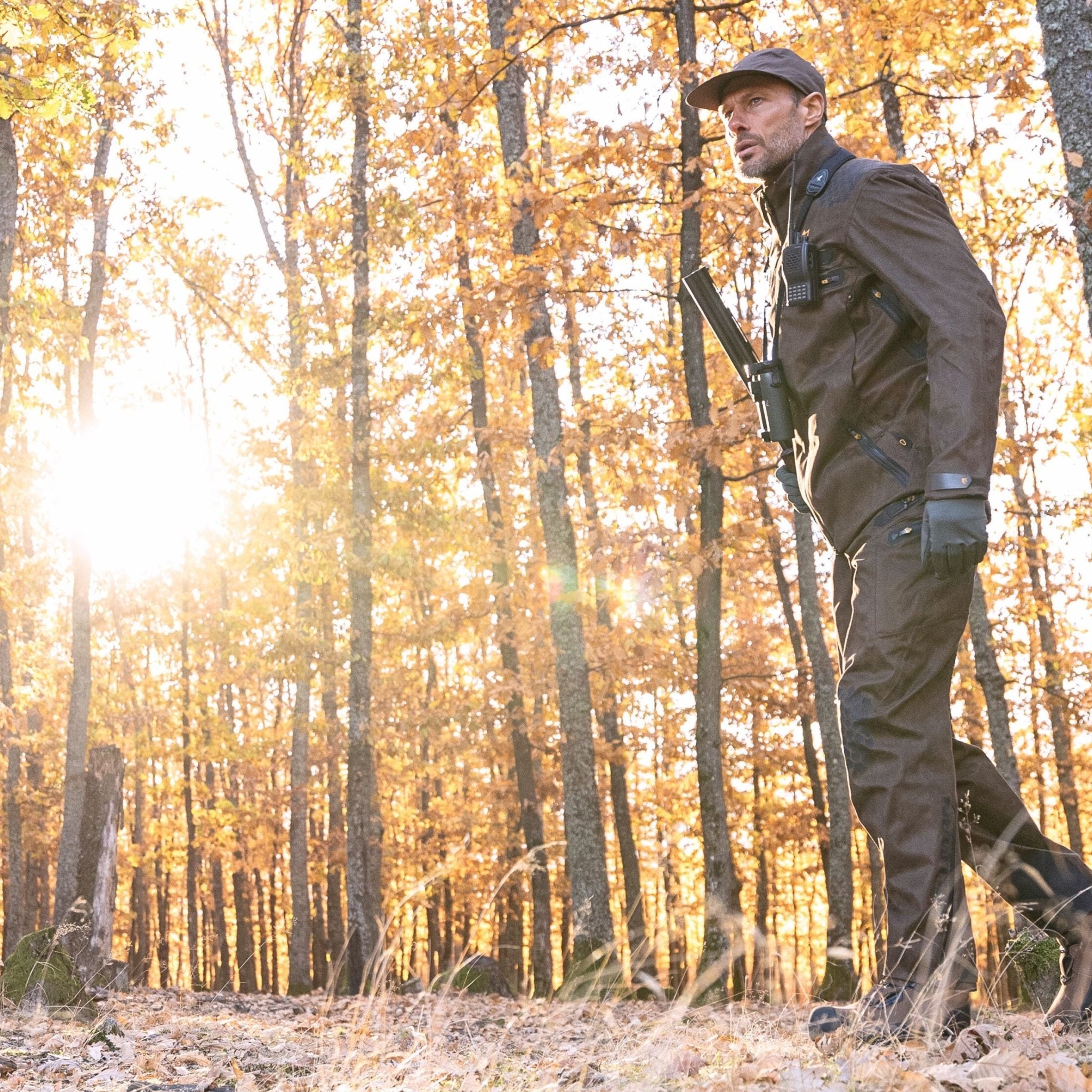
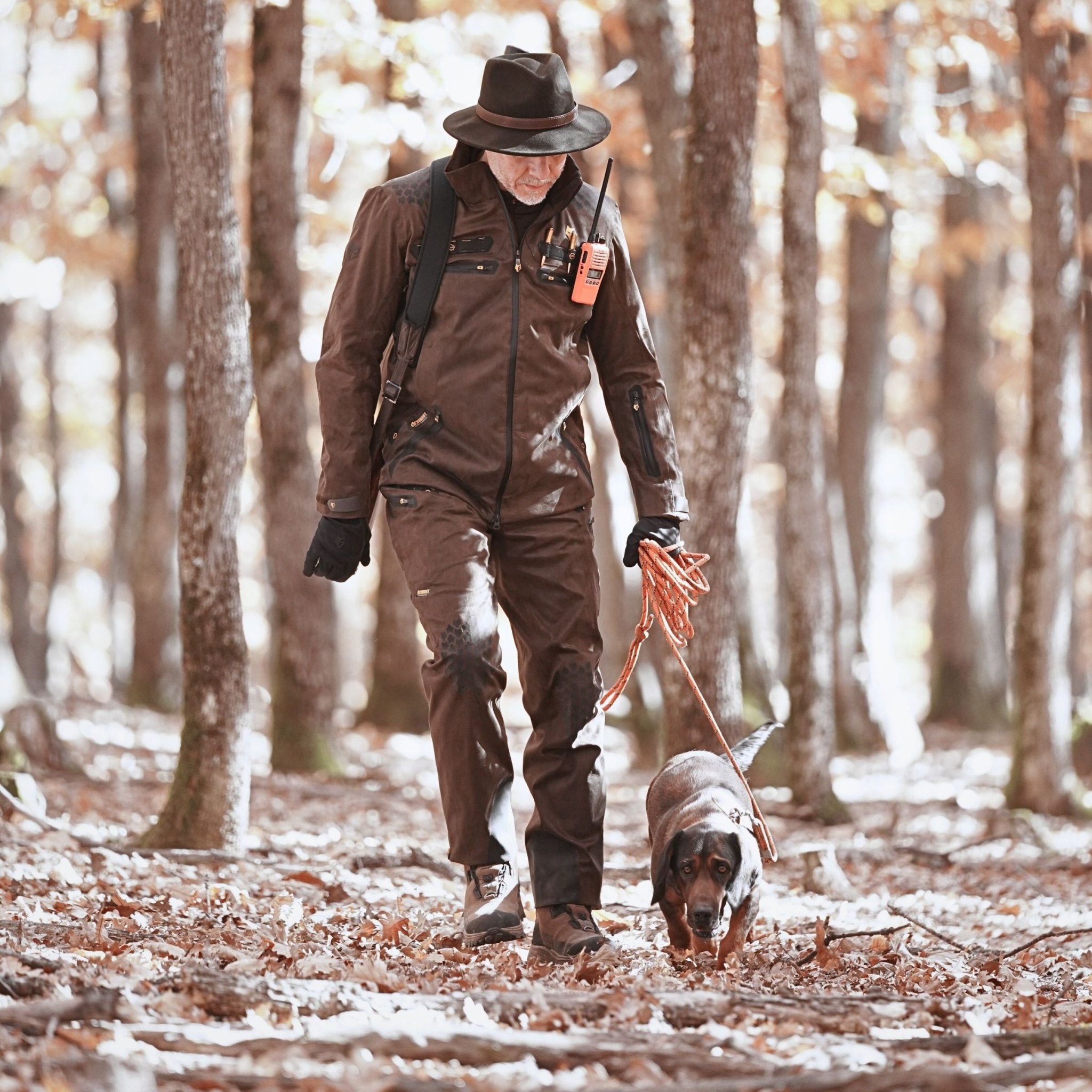
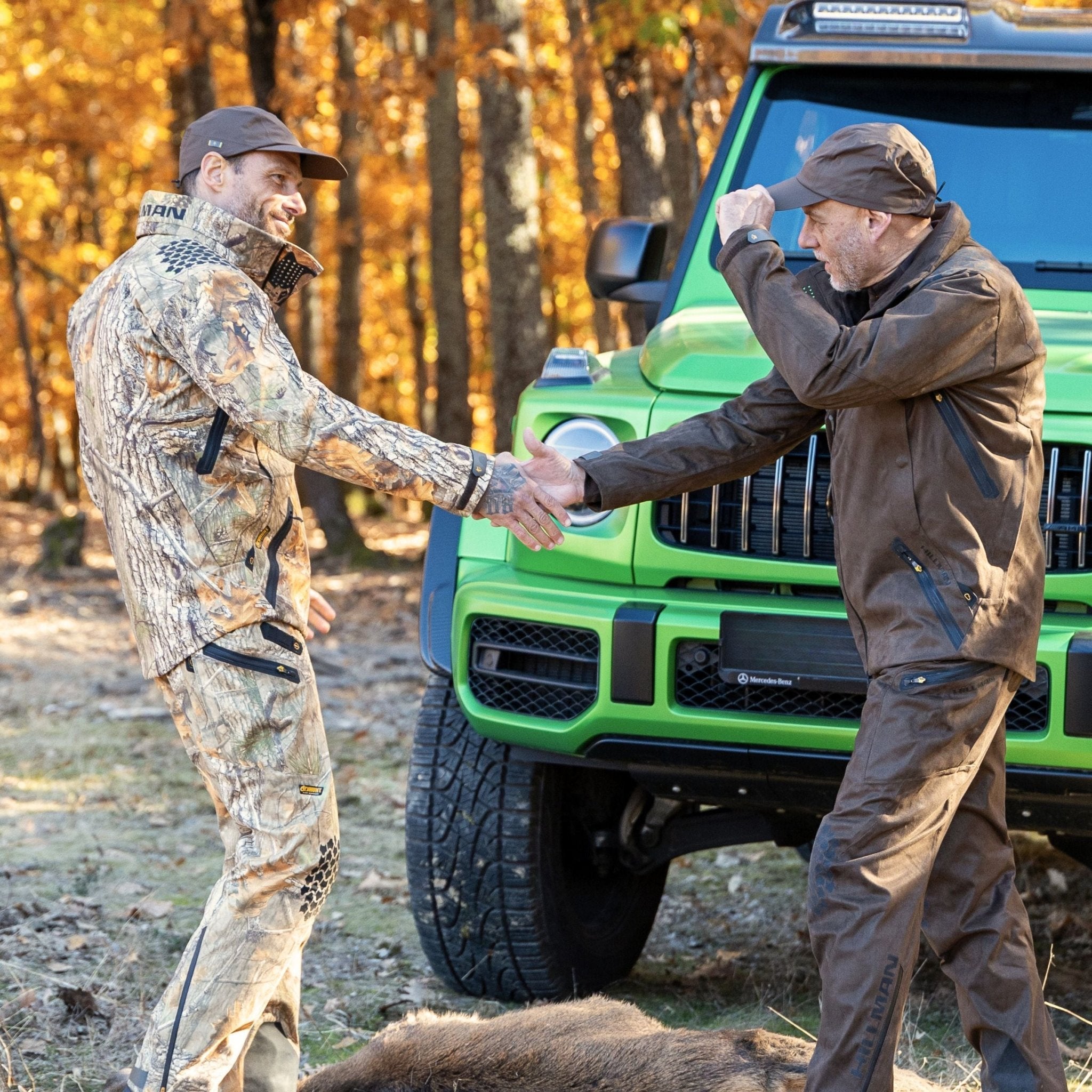
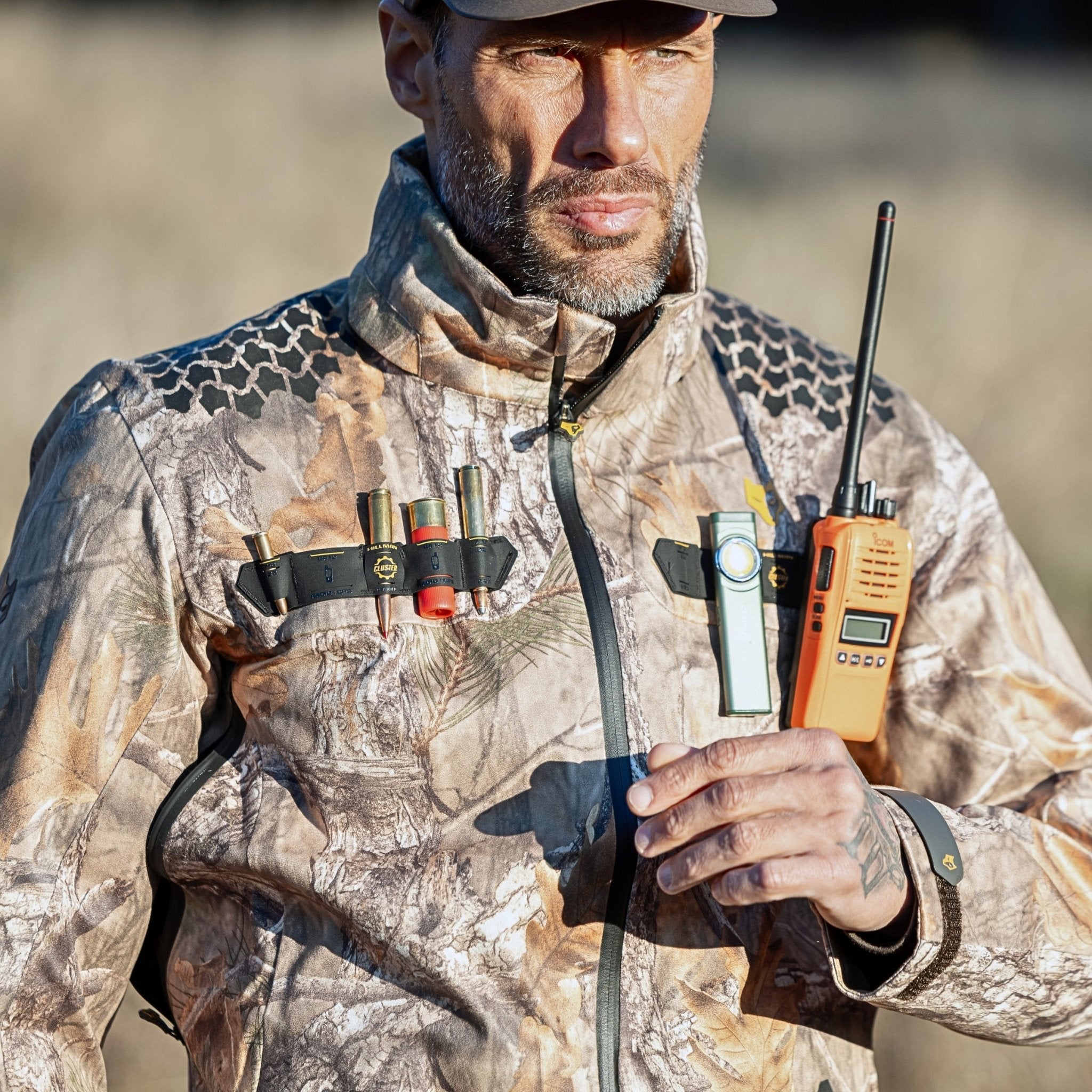
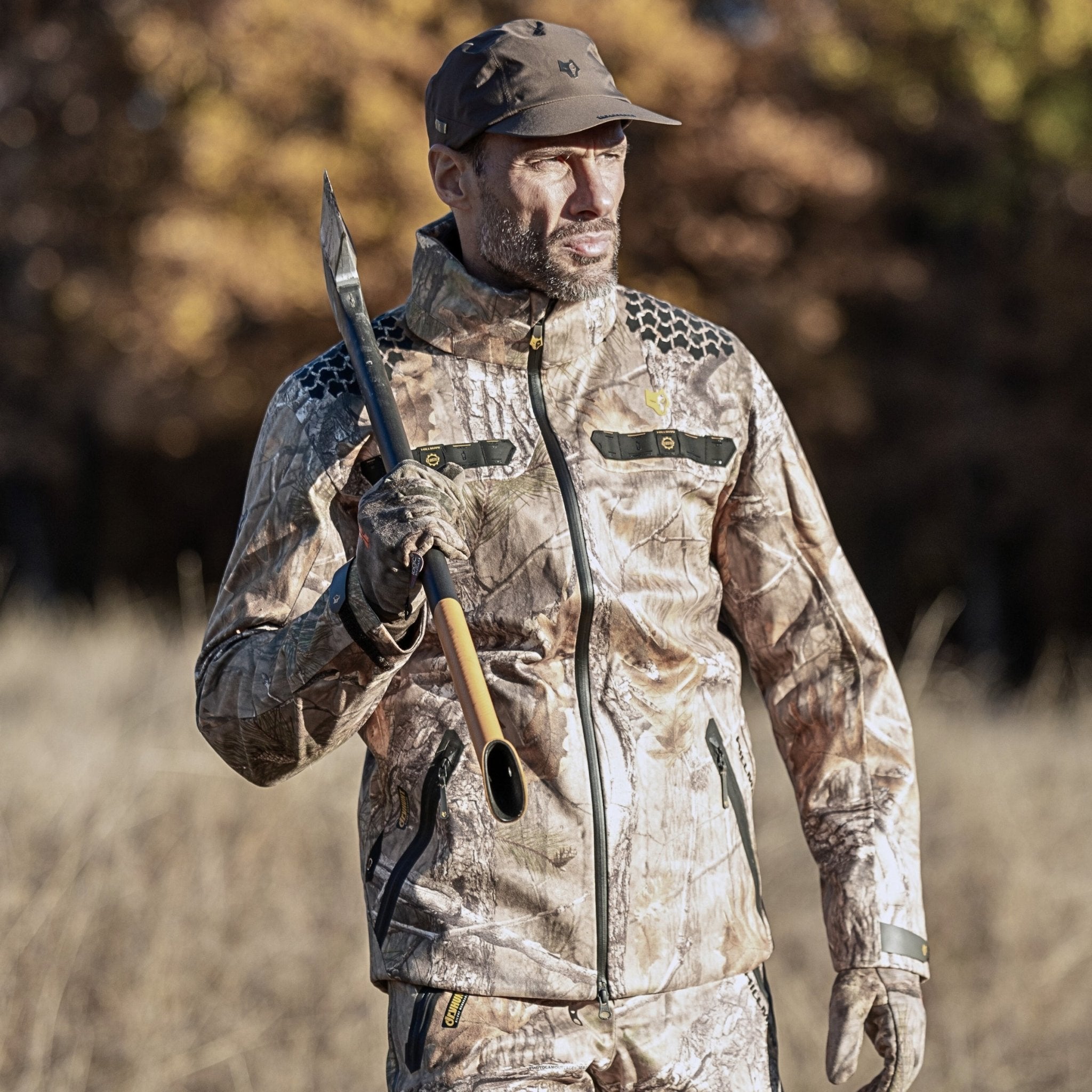
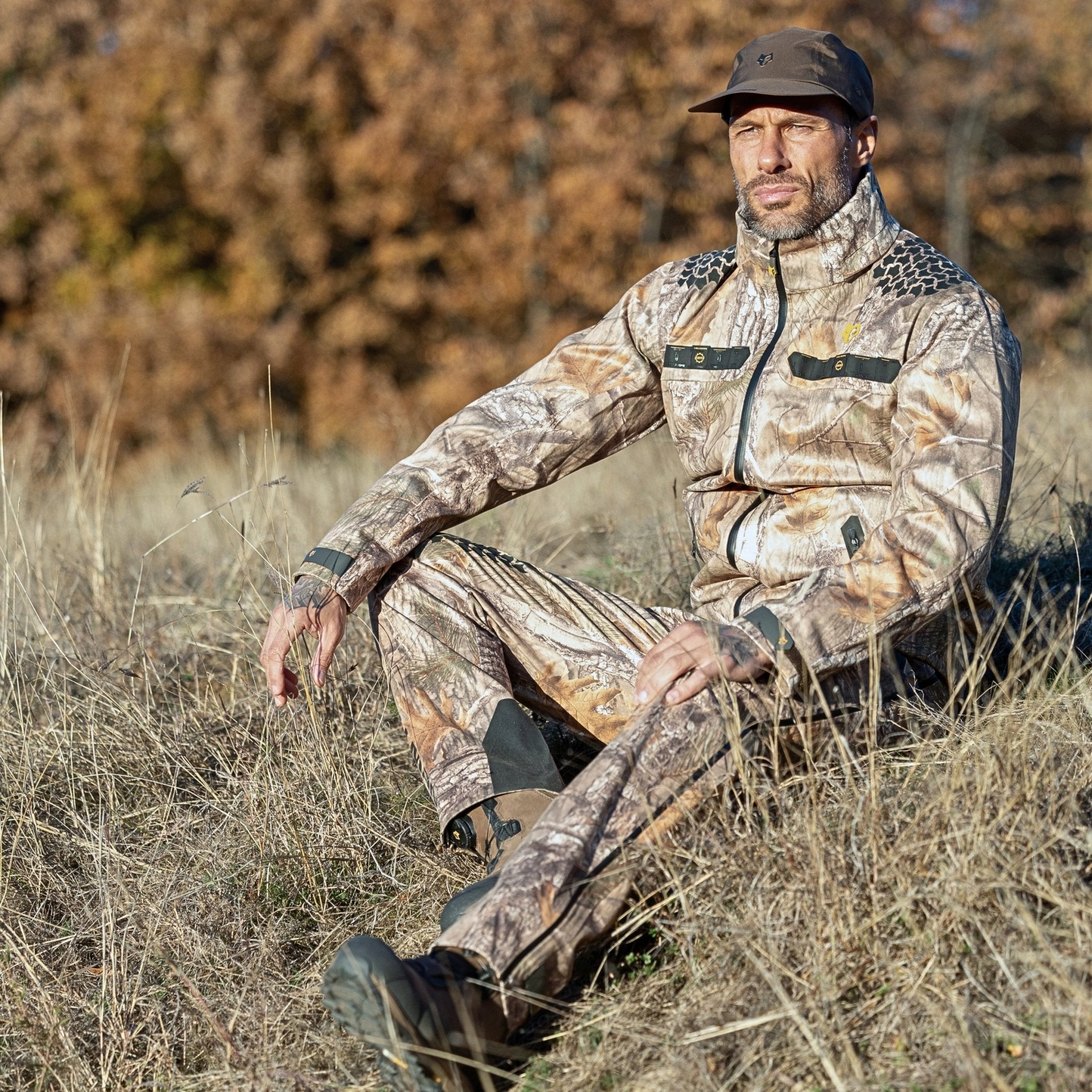
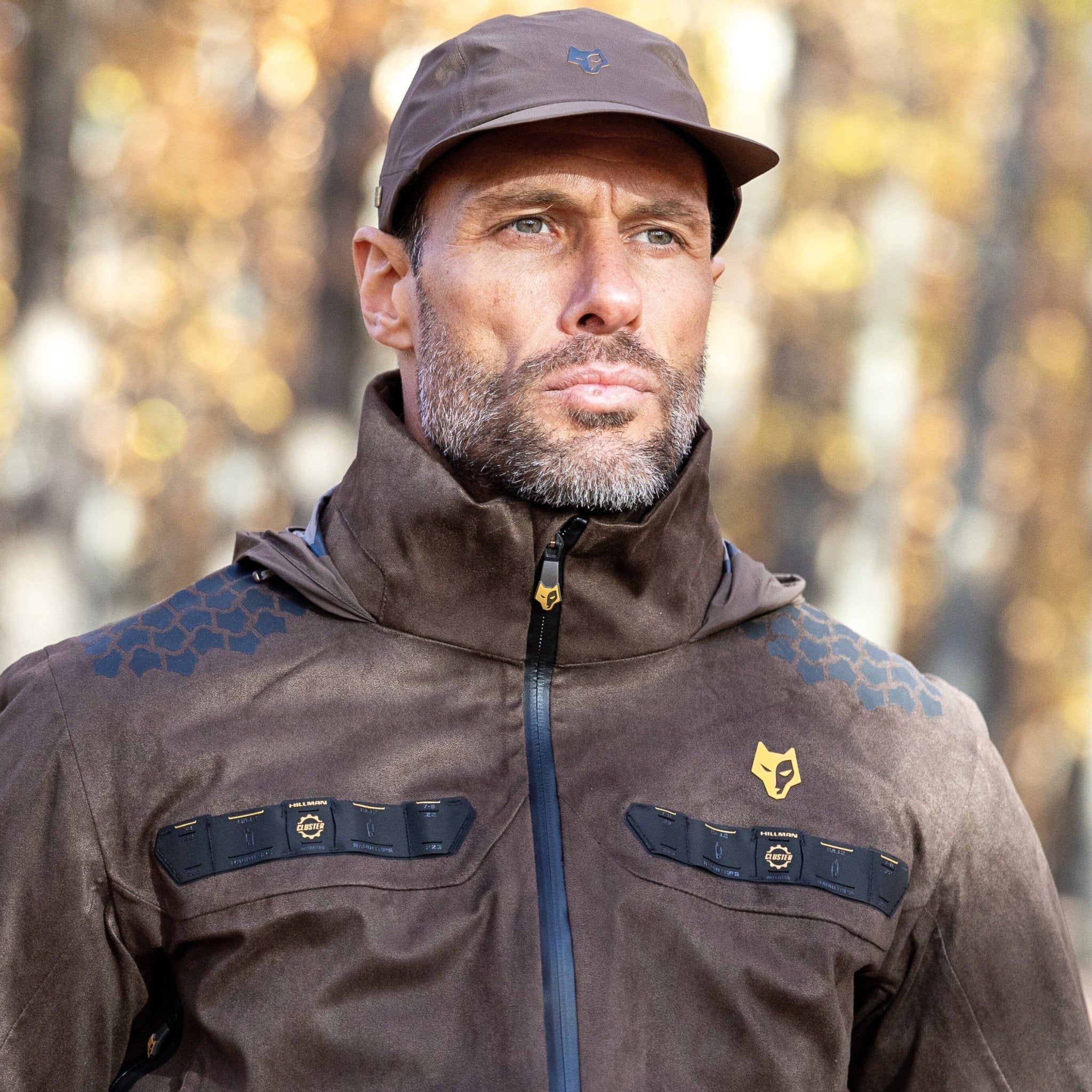
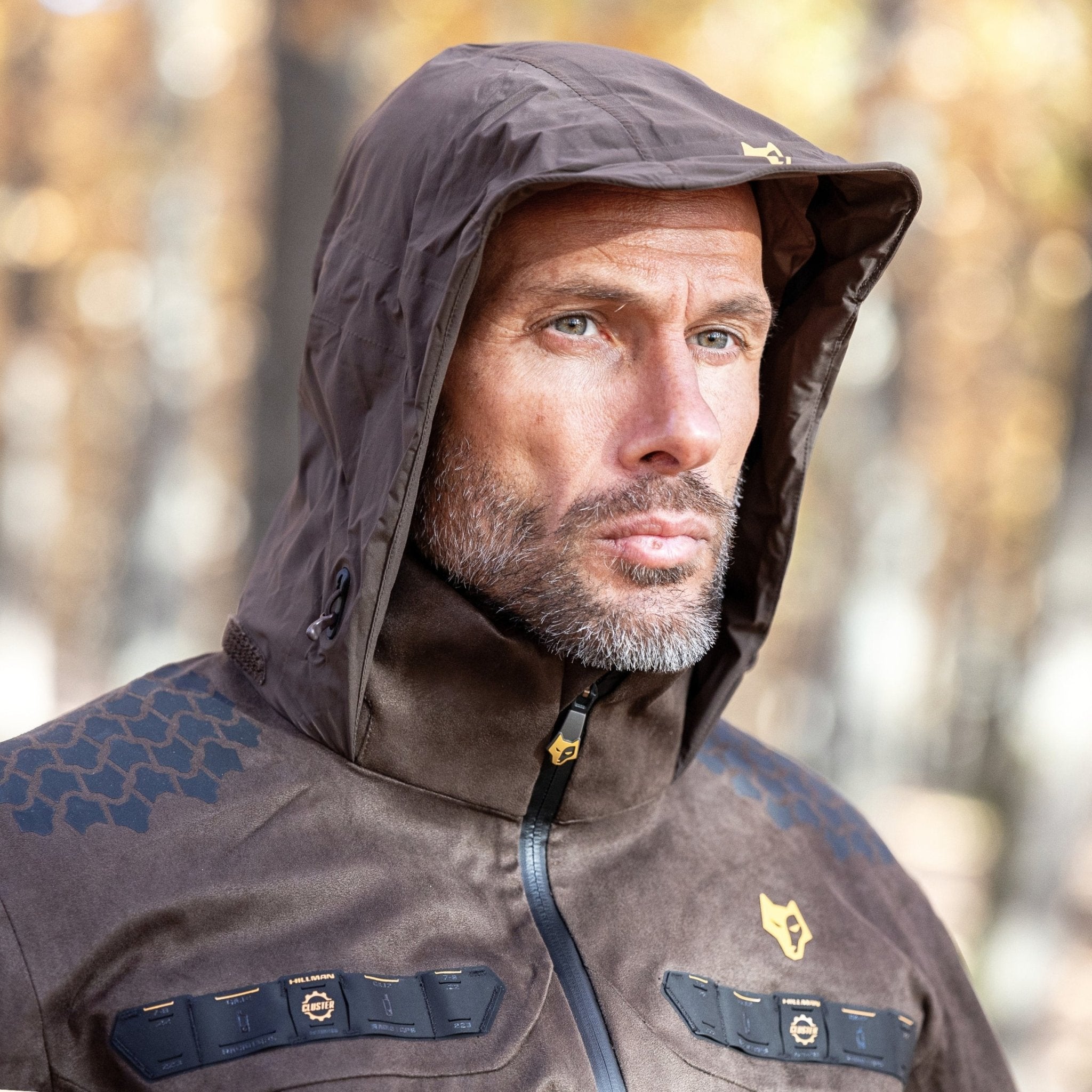
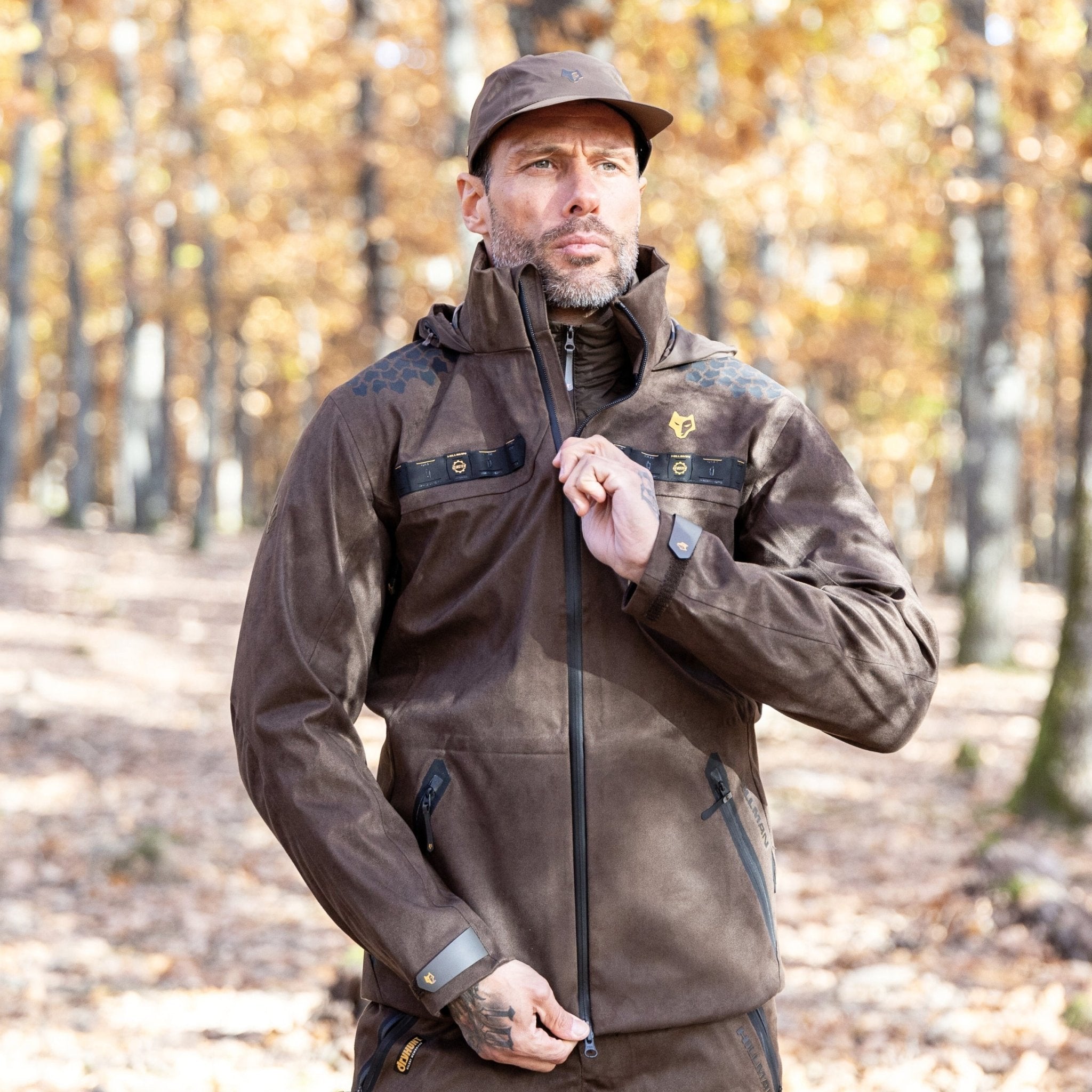
That is where Hillman fits well: clothing crafted for real outdoor use, not just for a neat page, a sale rail or a clean product photo.
Layering Is What Keeps the Cold Out

Picking-up is stop-start work. You walk hard, warm up, then stand still. Then you move again. Then you wait again. That is what makes people cold.
Layering is the only sensible way to deal with it. Start with a moisture-wicking base layer. A t-shirt might be fine in mild weather, but in proper cold or rain, a technical base layer is better. It moves sweat away from the skin, so you do not cool down so fast when you stop.
The mid layer should give warmth without bulk. Fleece works. Wool works. Thick, stiff layers that restrict movement are a pain. You still need to handle dogs, bend down, carry birds and walk across awkward ground.
The outer layer should block wind and rain. Usually that means a waterproof shooting jacket or a waterproof jacket with enough room underneath. Open vents when walking if you get hot. Add warmth before you are freezing, not after. Once the cold has settled in, it is much harder to fix.
Layering also helps when the weather keeps changing. One drive feels mild. The next feels like winter. Good clothing lets you adjust without making a drama of it in the middle of the field.
Pockets Should Be Useful, Not Decorative

Picking-up clothing needs pockets, but not random pockets stuck everywhere for show. You need space for a whistle, phone, leads, gloves, dog treats, maybe a cloth and a few small accessories.
Big pockets can be useful, but only if they sit properly. If they swing around, bulge, catch on cover or let rain in, they are just annoying. Secure pockets matter. Wet gloves dropped in mud are useless. A soaked phone is worse.
Waistcoats can be handy in dry or mild weather. They add storage without heavy sleeves and give a bit of warmth. In wet weather, waistcoats work better under a waterproof outer layer. Do not treat a waistcoat as rain protection. It is not.
The rule is simple. If an item does not help you stay dry, warm, organised or able to move, why are you wearing it?
Shirts, Caps and Gloves Still Matter
Shirts still belong in game shooting clothing, especially on smarter days. A brushed shirt gives a bit of warmth. A lighter shirt can work over a base layer in mild weather. Just be careful with cotton. Cotton holds moisture, and in wet weather that becomes a problem.
Caps are more useful than they look. They keep rain off your face and help when watching dogs across the field. A cap also stops water running straight down your forehead, which gets old fast.
Gloves matter too. Waterproof gloves are useful when handling wet leads, birds and dogs. They should still allow enough feel to work properly. Huge padded gloves might be warm, but if you cannot use your hands, they are not practical.
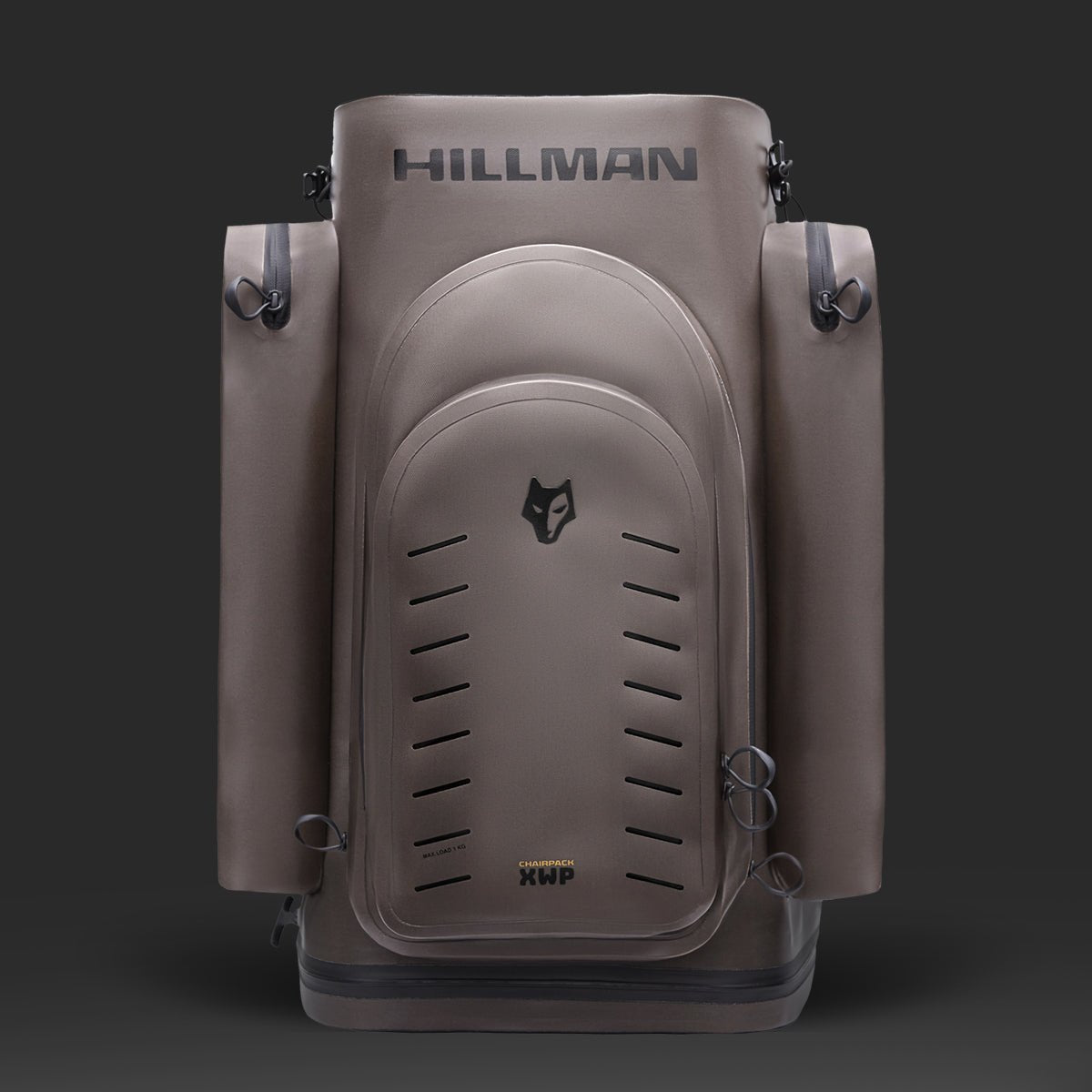
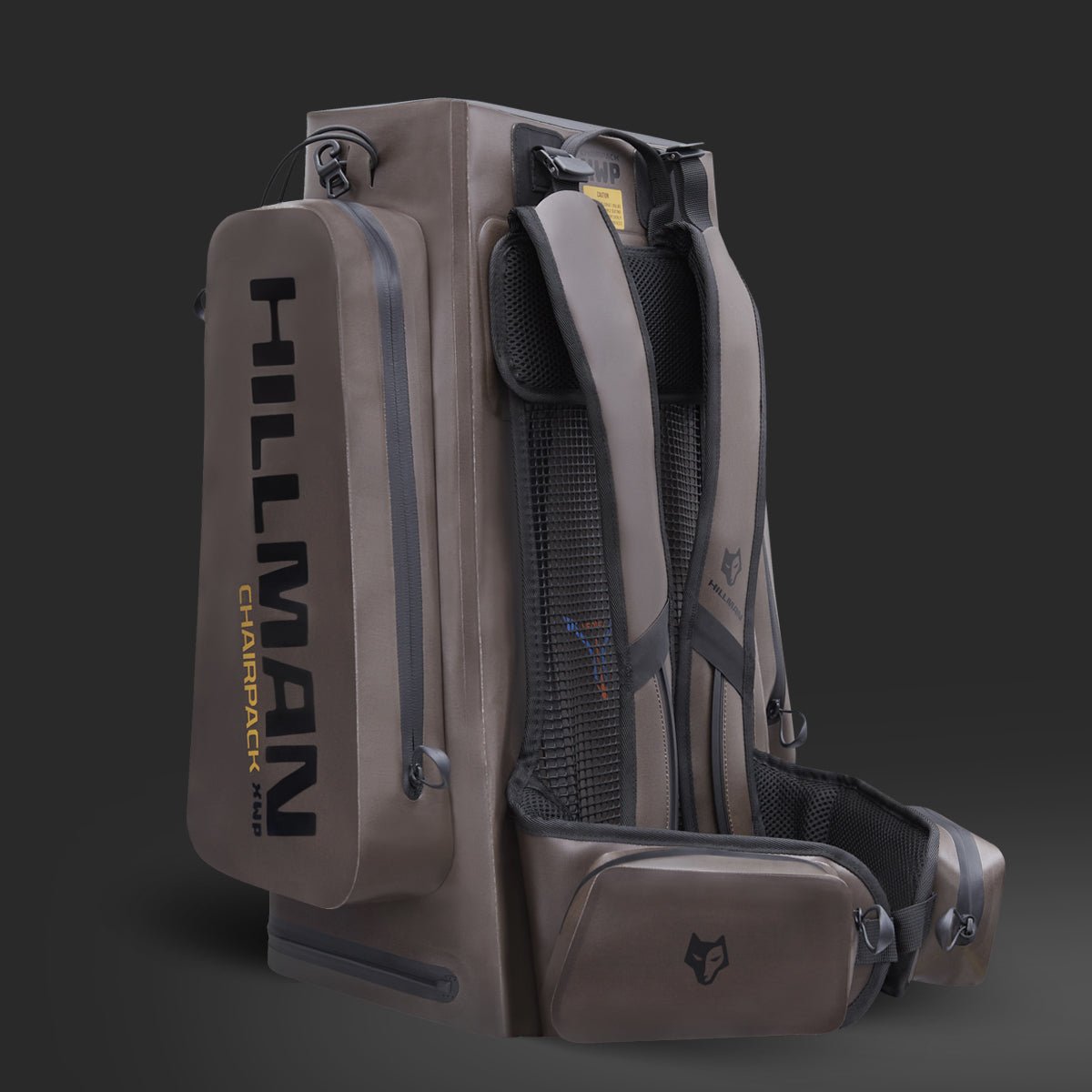
Small essentials should stay simple. Spare socks, gloves, dog items, a compact warm layer and something dry to wipe hands or gear. You do not need to carry half a shop. You just need the things that matter when the weather turns nasty.
Do Not Buy Weak Clothing for Rough Work

Picking-up is rough on clothing. Dogs jump up. Brambles grab fabric. Mud gets into zips. Wet grass tests waterproofing. Repeated walking and bending tests seams. Cheap kit usually shows its weakness fast.
Durability matters. Look for strong stitching, decent zips, reinforced areas and fabrics designed for outdoor field use. A jacket should not feel like it might tear on the first branch. Trousers should not fail after a few wet days. Boots should not leak once the grass gets heavy.
You do not need to buy everything at once. Build the range slowly. Start with footwear, socks, waterproof trousers and a decent outer layer. Then add shirts, waistcoats, gloves, caps and other accessories as you learn what your days actually need.
The best clothing is not always the newest thing in stock. It is the kit you reach for again because it has already proved itself. A good purchase should last seasons, not weeks. With proper care, some pieces can last decades.
Hiking, Camping and Fishing Kit Can Work, But Not Always
Some hiking, camping and fishing clothing can work for picking-up. Some of it cannot. Hiking jackets are often lightweight and waterproof, which is useful, but they may not have the right cut, pockets or shooting style. Camping clothing can be warm, but often bulky. Fishing jackets handle water well, but the pocket layout might be wrong for dogs and field work.
There is nothing wrong with borrowing ideas from other outdoor clothing. Waterproof fabrics, breathable liners, durable zips and practical features are useful anywhere. But picking-up has its own demands. You are walking, stopping, handling dogs, watching the line, crossing wet land and trying not to carry too much.
So explore outdoor kit if it genuinely helps. Just do not assume every waterproof jacket is a shooting jacket. Field use shows the difference quickly.

What to Wear on a Wet Picking-Up Day
For a mild but wet day, keep it simple. Wear moisture-wicking socks, waterproof shooting boots, waterproof trousers or overtrousers, a breathable base layer and a lightweight waterproof shooting jacket. Add a cap and waterproof gloves if rain is likely.
For winter, add more warmth. Use thicker socks, a proper mid-layer and a jacket with room for layering. If there will be long stops between drives, think ahead. Standing still in damp clothing is where the day starts going downhill.
For a smarter shoot, you can still look right. Green, tweed-style finishes, waxed cotton details and traditional country colours all work. Grey and navy can also look tidy if they suit the day. Just do not sacrifice protection for appearance. Wet clothing looks stylish for about ten minutes. Dry clothing works all day.
Stay Dry First, Then Think About Style
Picking up clothing for wet grass is not complicated. Keep your feet dry. Keep your legs protected. Wear layers that manage sweat and warmth. Use a shooting jacket that blocks weather without restricting movement. Carry only what you need. Avoid cotton where it causes problems. Do not trust pretty clothing that cannot handle mud, dogs and rain.
Style still matters on a shoot day, but it comes second. The best kit looks right because it works right. You should be able to walk, wait, handle dogs, cross rough ground and get through the day without thinking about your clothing every ten minutes.
That is the point. Good picking-up clothing disappears into the background. Bad clothing nags at you all day.


Share:
Beating Line Clothing: Brambles, Mud & Movement During Hunts