
Rabbit Evenings on Permission: Safe Angles, Slow Ground and Making the Most of Short Windows

Make rabbit evenings safer and more productive with permission, wind direction, steady fieldcraft and reliable backstops.
Rabbit evenings on permission, safe angles and a short dusk window can sound simple enough from the outside. Arrive after work, walk a few field edges, watch the burrow entrances, take a shot if one rabbit sits out cleanly. In practice, good rabbit shooting is usually slower than that.
The light is going, scent is moving, livestock may still be tucked into odd corners, and public paths or neighbouring land can be closer than they looked at midday. That is why the first job is not shooting rabbits. It is reading the ground.
Rabbit hunting on permission works best when it starts with a proper conversation with the person who controls the land. Written permission matters. So do shooting rights, boundaries, safe zones, footpaths, stock movements, crops that are taking serious damage, and where dogs, walkers, deer, foxes, badgers or brown hares are likely to appear. Good sense is not separate from the law here. It is the thing that keeps a useful pest control evening from becoming a problem.
Rabbits are small game, but they deserve the same careful approach as any quarry. Positive identification comes first. No guessing through grass. No firing at movement. No shot unless the target is clear, the range is known, and the safe backstop is beyond doubt.
Permission, Written Authority and the Legal Ground Under Your Boots

In the UK, shooting without the landowner’s permission is poaching, and that is a criminal offence. On any permission, the simple rule is to get written authority before you hunt rabbits, and keep that authority clear. It should say where you can go, what you can use, when you can be there, and whether you are a person authorised for night work.
In England and Wales there is no close season for rabbits, so rabbit control may take place year-round where lawful. Night shooting is more restricted. In England, legally “night” begins one hour after sunset and ends one hour before sunrise, and night shooting of ground game, including rabbits, is only allowed in specific circumstances, usually involving the occupier or a person with written authority.
Northern Ireland can differ, and anyone working there should check the current local position before going out. The same applies to moorland, unenclosed land, public access areas and any ground near roads or boundaries. It is also illegal to carry a loaded firearm in a public place without lawful authority, which includes highways and places accessible to the public.
A quick call to local police before night shooting is not always legally required, but it is often a sensible courtesy. It can prevent an armed response after a well-meaning member of the public reports a lamp, night vision device, or a rifle near fields.
Reading Rabbit Activity Before You Lift the Gun
Hot weather changes the rhythm. In spring and summer, rabbit numbers may show more clearly at field edges, but the most useful movement can be early morning before the heat comes up. At dusk, they may emerge from burrow entrances and pause on the edge before committing to open ground. That pause tells you a lot.
Tracking rabbits is not just looking for animals. It is reading grazed patches, fresh droppings, runs through grass, clean soil at burrows, and the places where cover meets feed. Hedgerows, crop boundaries, short grass and rough margins are often better than marching straight across a field. Rabbits like having somewhere to break cover and somewhere to vanish.
Predators shape this too. Foxes, badgers, dogs and even regular human pressure can push rabbits into shorter, sharper feeding windows. If they are hit hard in one corner every evening, they learn. If a rifle cracks from the same gateway three nights running, rabbit numbers may still be there, but the visible activity will change.
That is why slow ground matters. Walk less. Watch more. Let the field settle. On a small permission, patience can be a big advantage.
Wind Direction, Scent and the Shape of a Safe Approach

Wind direction should decide your route before the first gate is opened. Rabbits have sharp senses, and scent spilling across a feeding edge can empty the place before you have even seen the first pair of ears. A quiet approach from downwind or crosswind is usually better than coming in with the wind on your back.
The same applies to sound. At dusk, small noises travel further than expected. A boot on gravel, a gate latch, a dog whining, a rifle sling tapping the barrel, all of it can matter. I would rather take five extra minutes and arrive cleanly than rush into range and wonder why the field is suddenly dead.
Keep below skylines. Do not stand on the crest of a hill. Apart from making you obvious, it creates one of the worst safety problems in shooting rabbits: a target with no safe backstop behind it. Elevation can help when it directs the shot downward into the earth, but only when the angle, ground and background are genuinely safe. Shooting across flat ground towards a boundary is rarely worth the risk.
Field edges often offer the best compromise. You can use natural cover, keep sight of burrow entrances, avoid pushing rabbits too early, and choose angles where the ground itself will absorb a miss or a pass-through. A safe, solid, non-ricochetable backstop is not optional. It is the foundation of the whole evening.
Air Rifle, Rimfire and Knowing the Limits of the Tool

An air rifle is a common choice for rabbit shooting, especially sub-12 ft/lb models in the UK, which do not require a firearms certificate to own. That does not make them casual tools. Their limited power means range judgement, clean identification and precise shooting skills matter a great deal. Classic domed pellets are often favoured because many air rifles shoot them accurately, but every rifle and pellet combination needs checking on paper before it is used on live quarry.
Rimfire rifles such as .22 LR and .17 HMR are also widely used for rabbit control. They can be effective at short to moderate ranges and, with a sound moderator where lawful, may be less disruptive around human habitation than people expect. They also require the correct certificate and proper conditions. Licensing is not a detail to sort out later. It decides what can be used, where it can be used, and by whom.
A telescopic sight, night vision or thermal device can help, but none of them replaces judgement. Thermal may show heat. Night vision may show shape. Neither gives permission, a safe angle, or a guaranteed backstop. Laser rangefinders can reduce guesswork, especially where hold over becomes part of the equation, but they should support restraint rather than encourage longer shots.
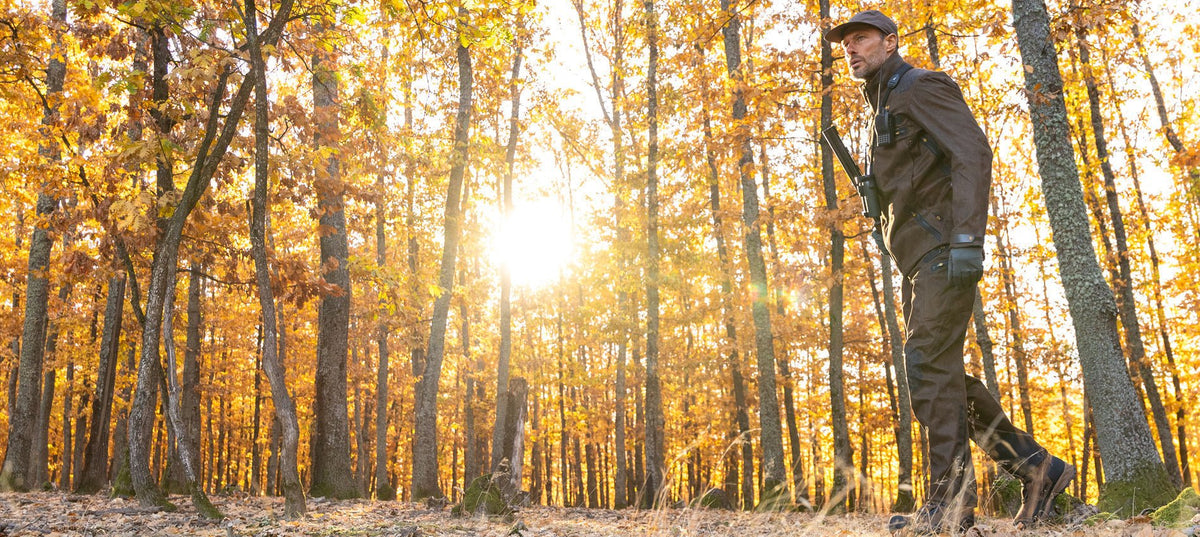
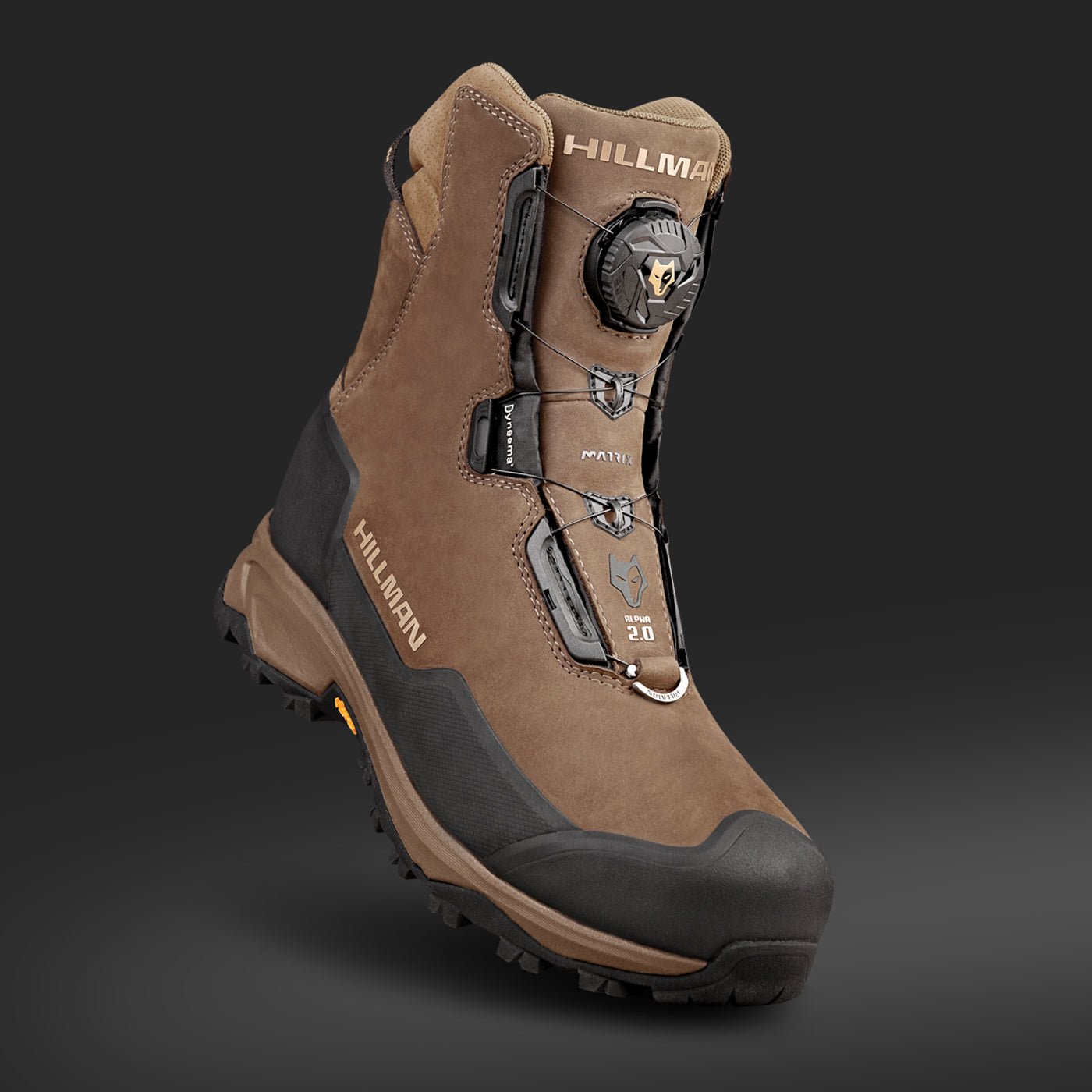
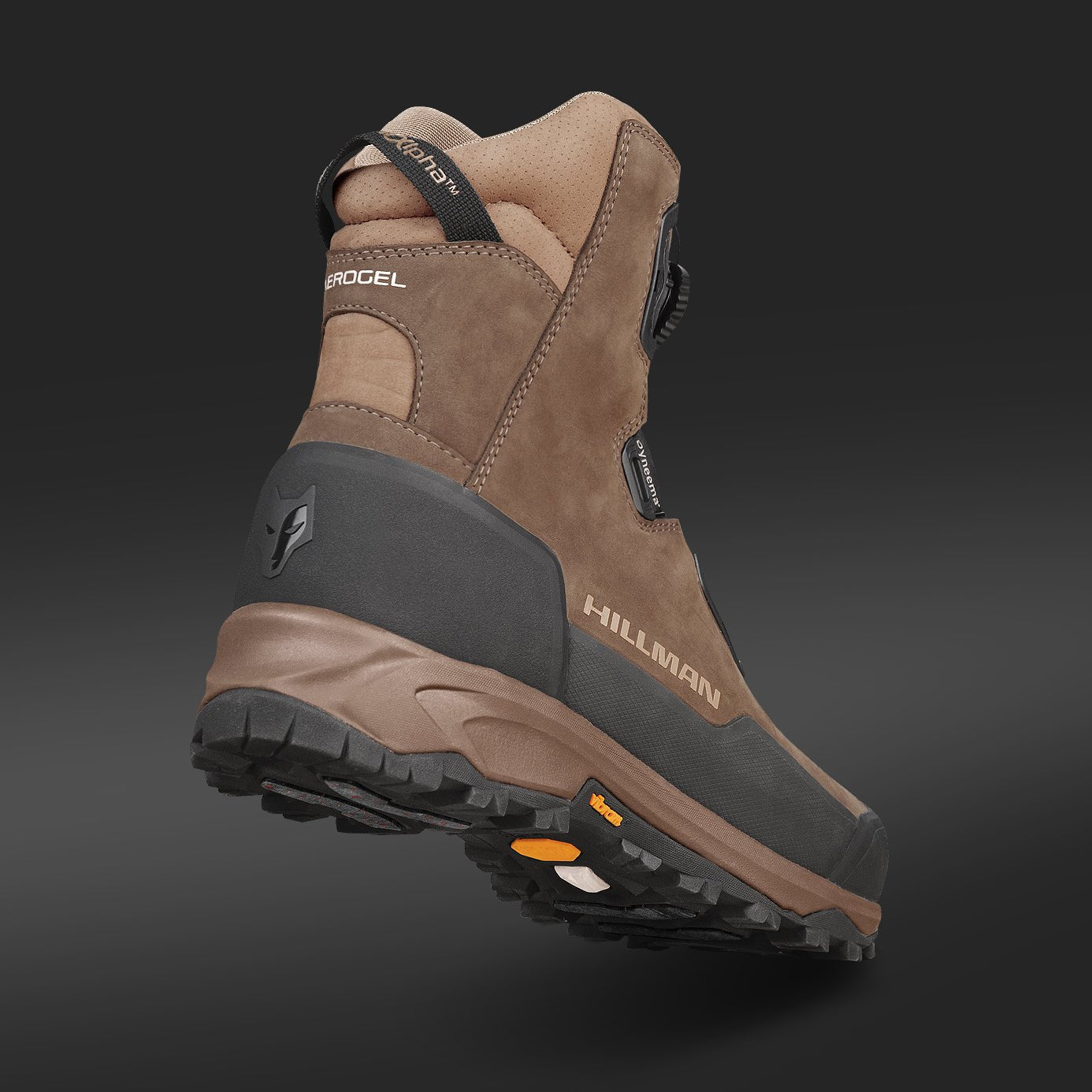
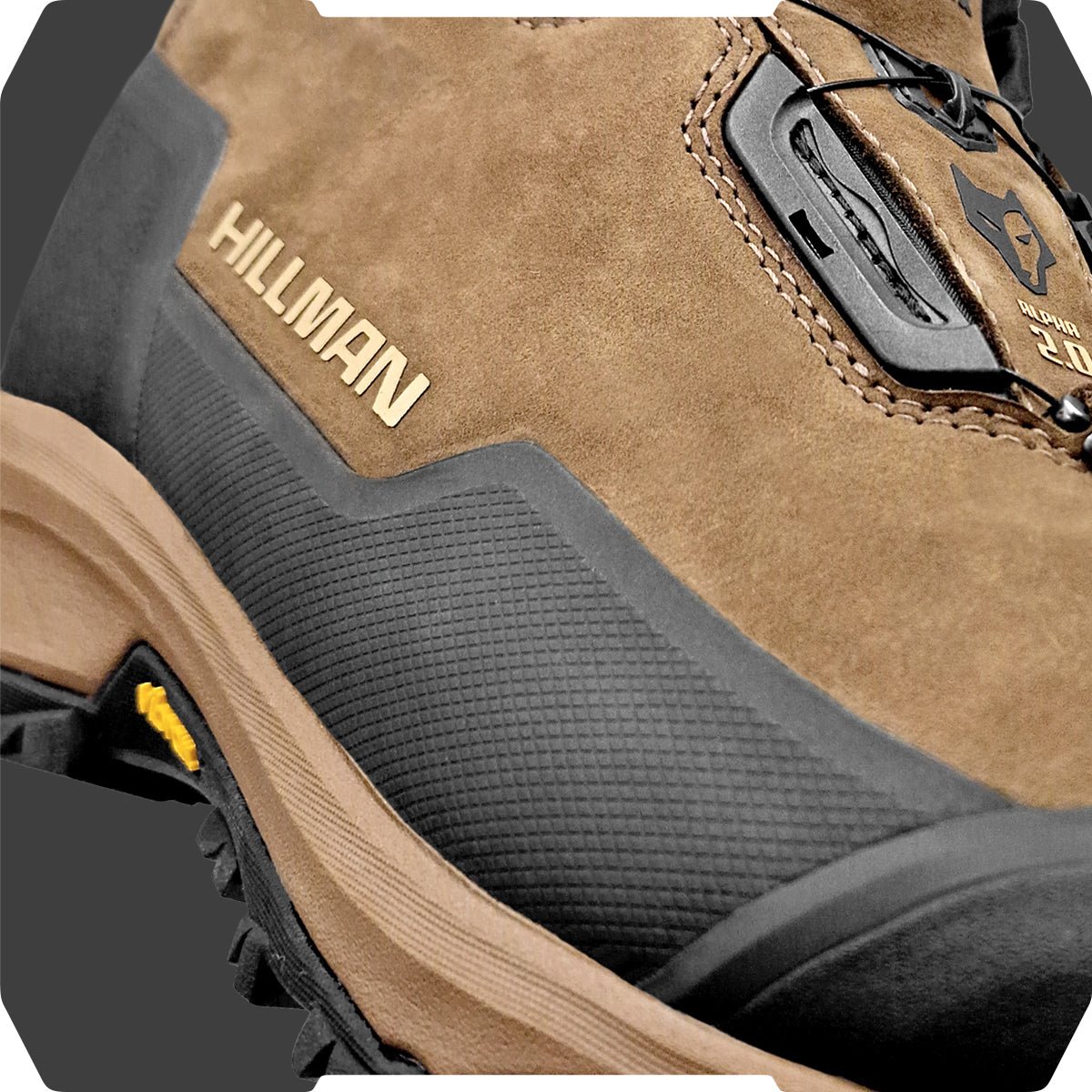
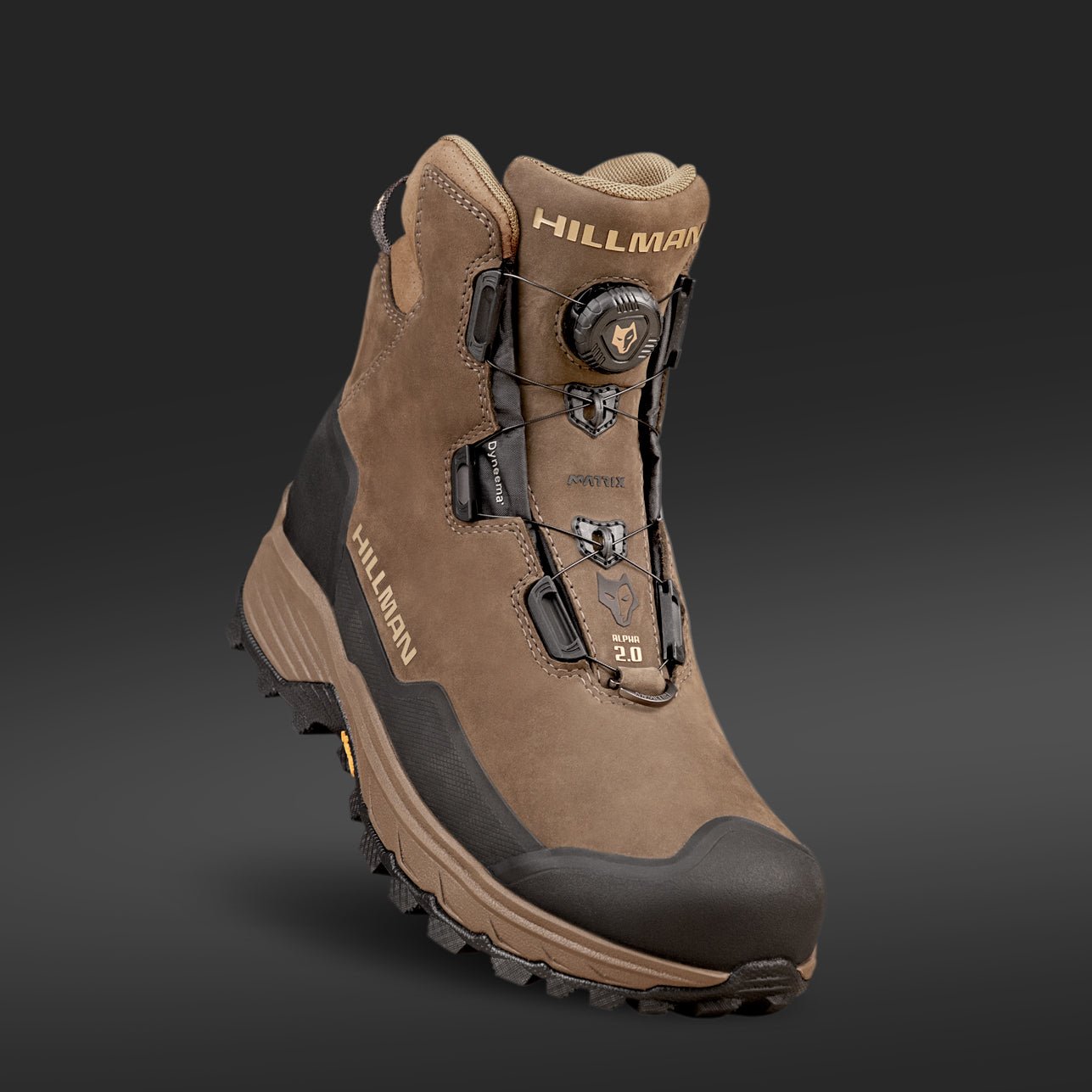
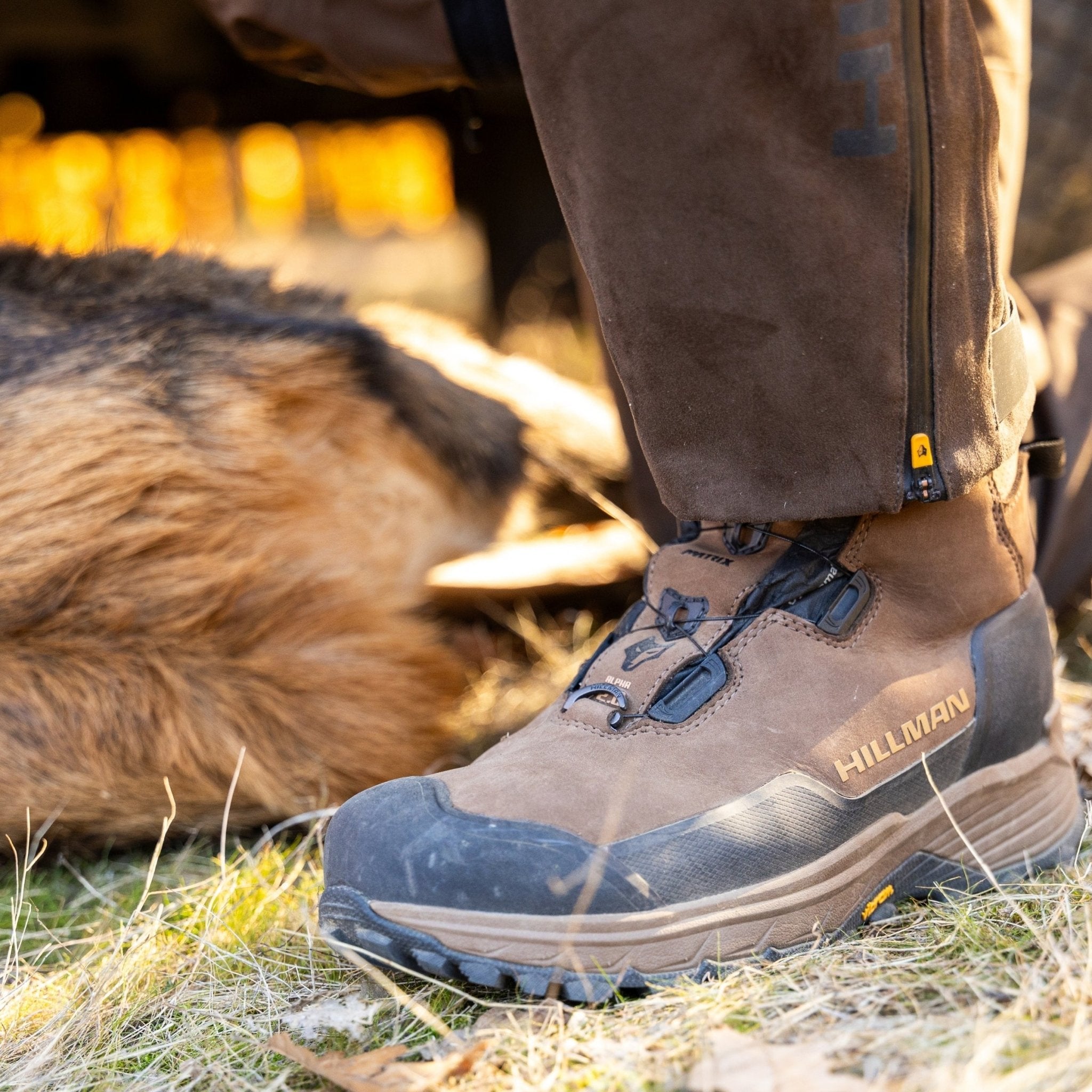
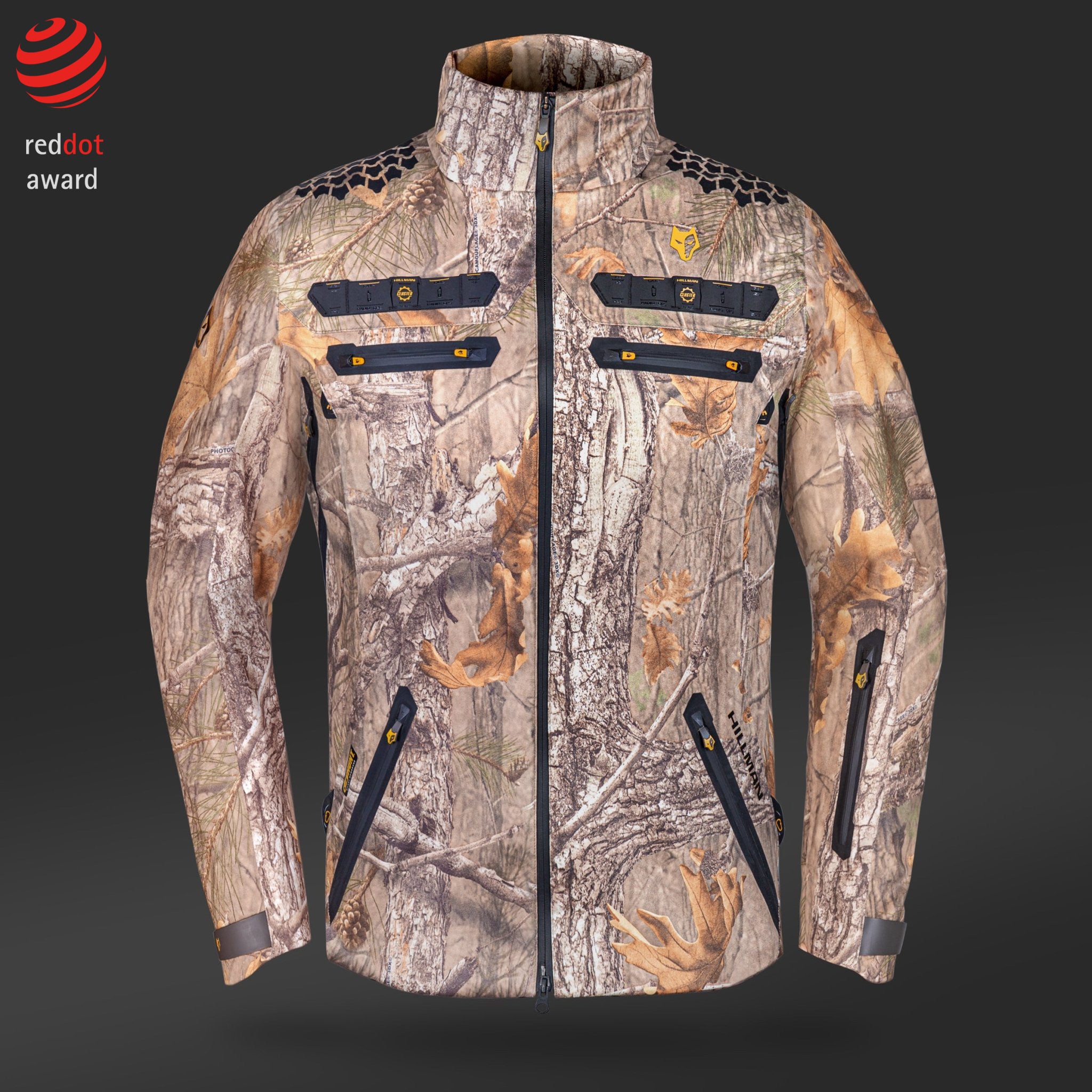
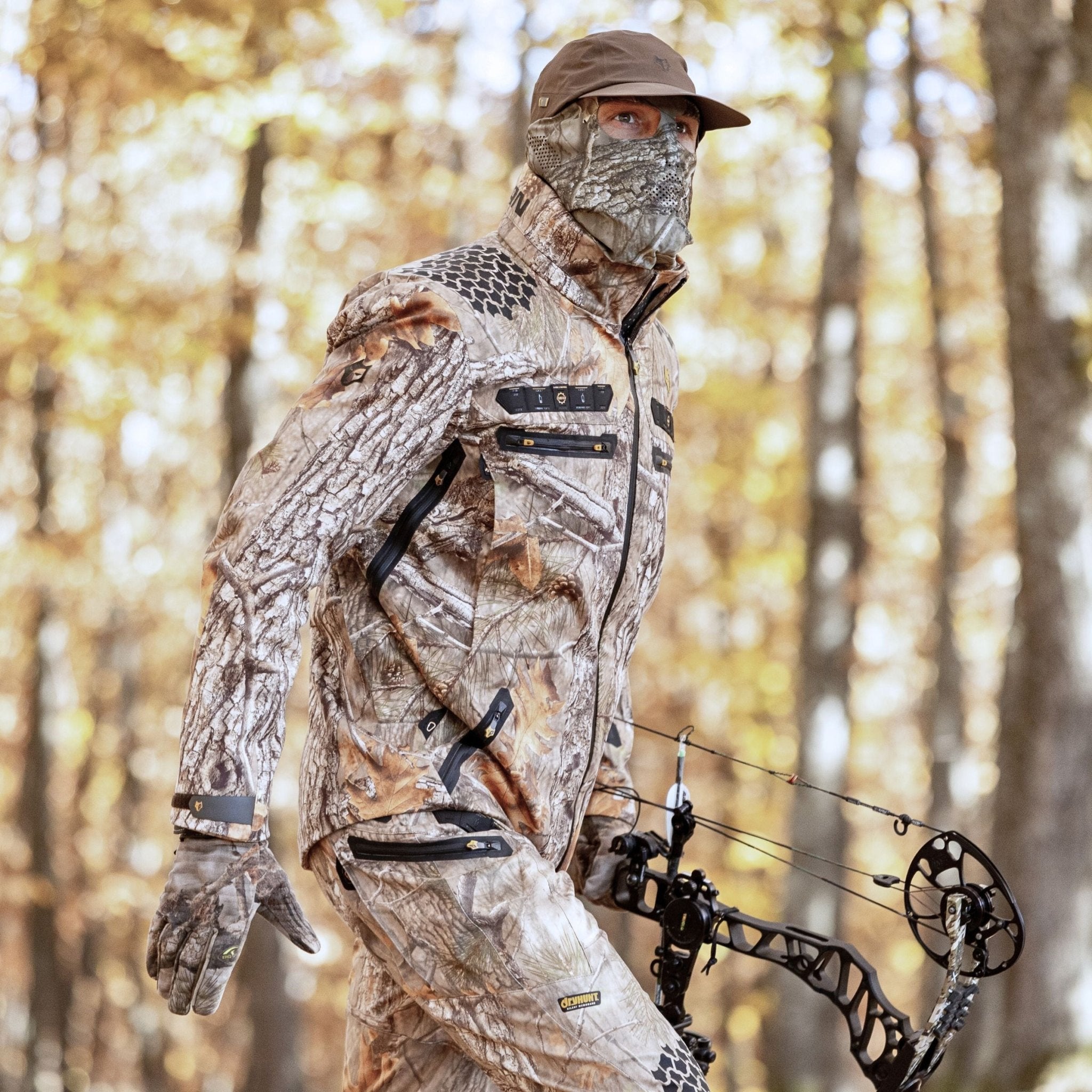
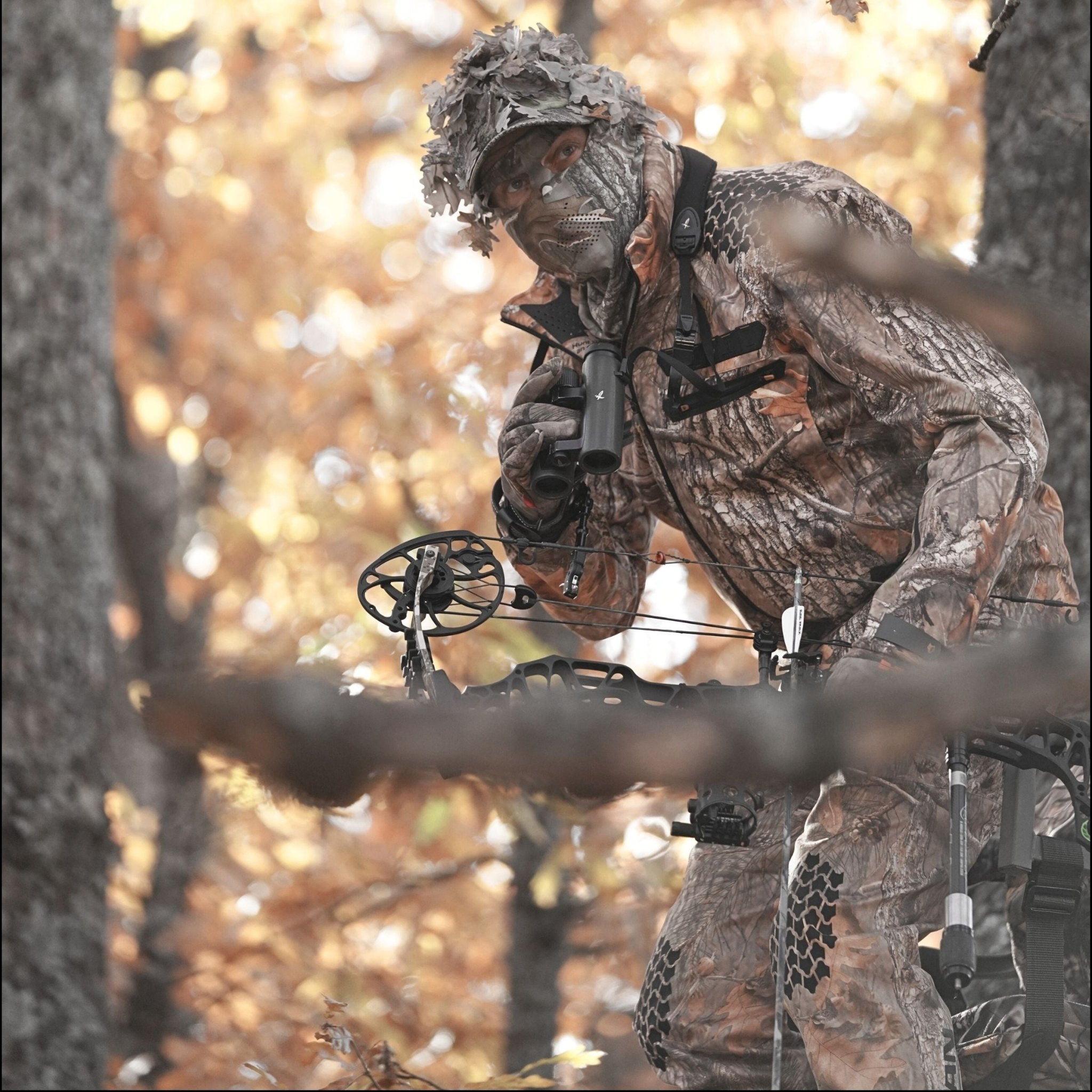
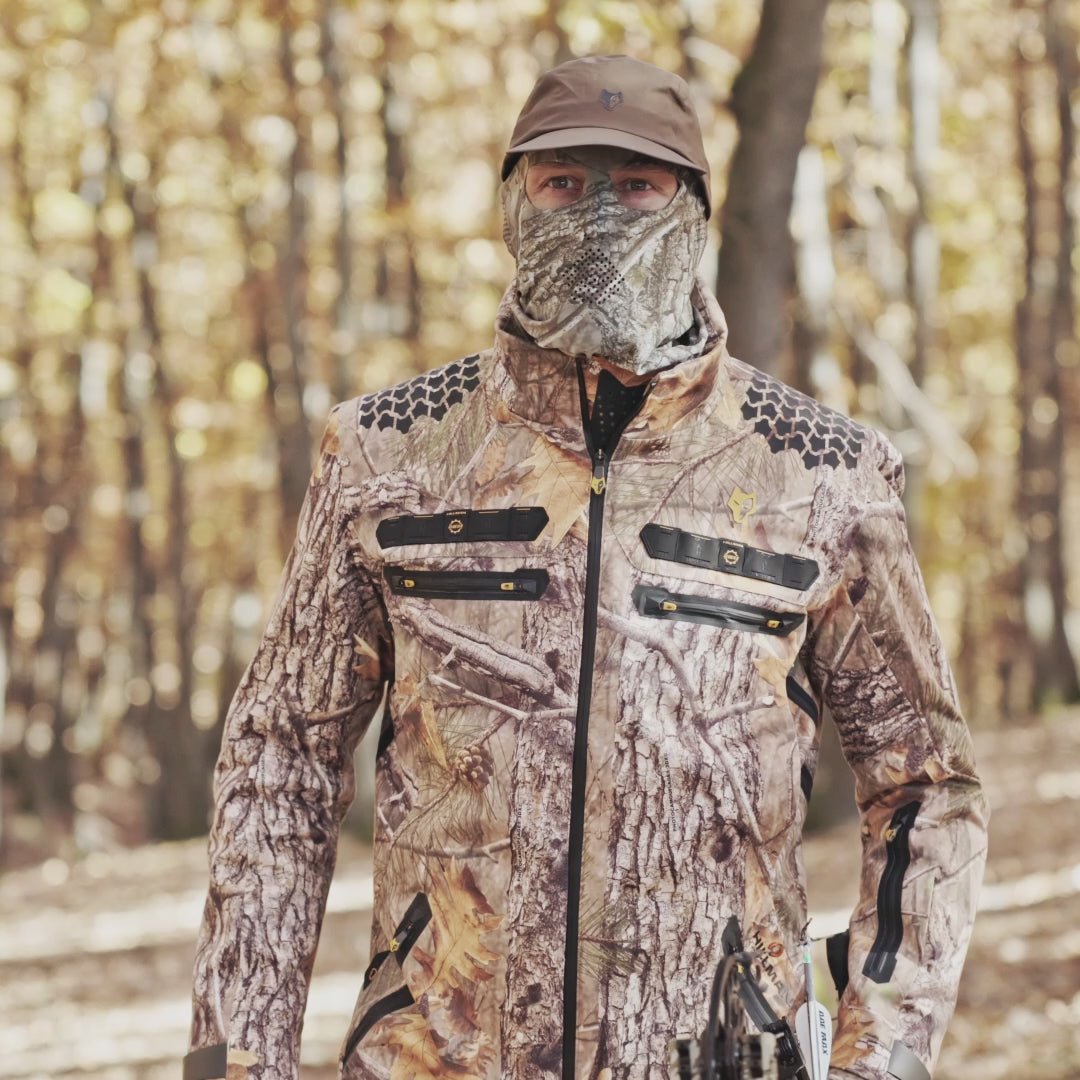
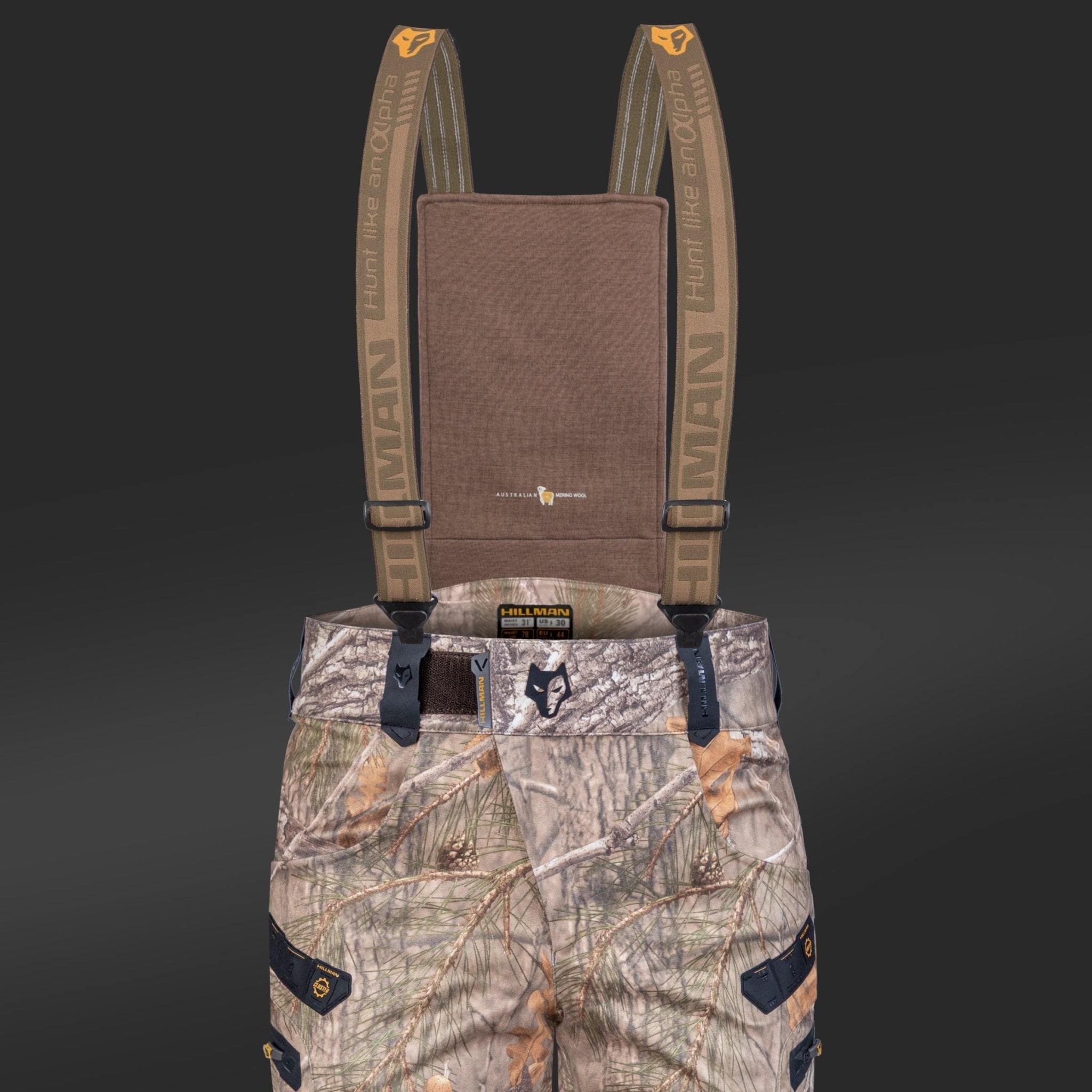
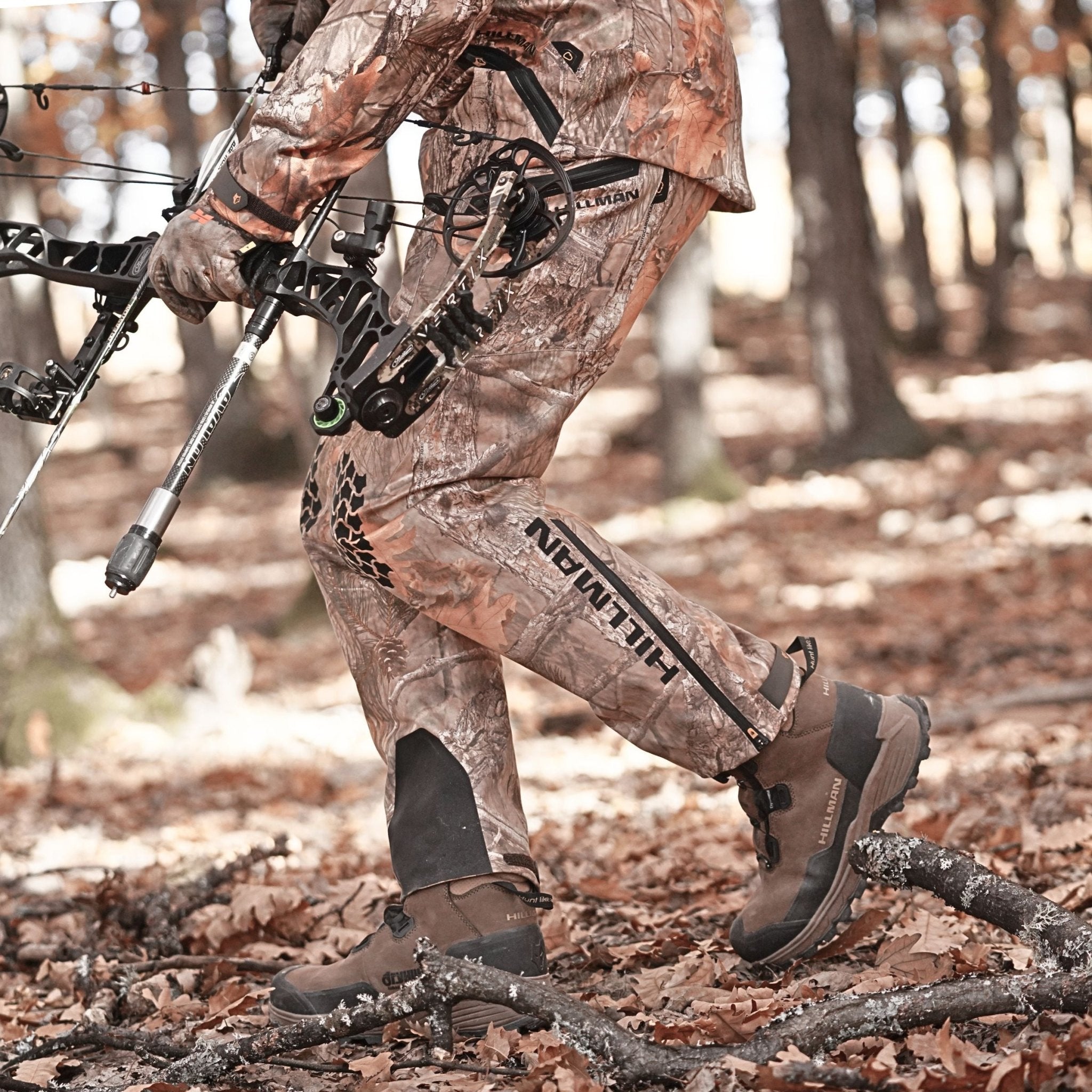
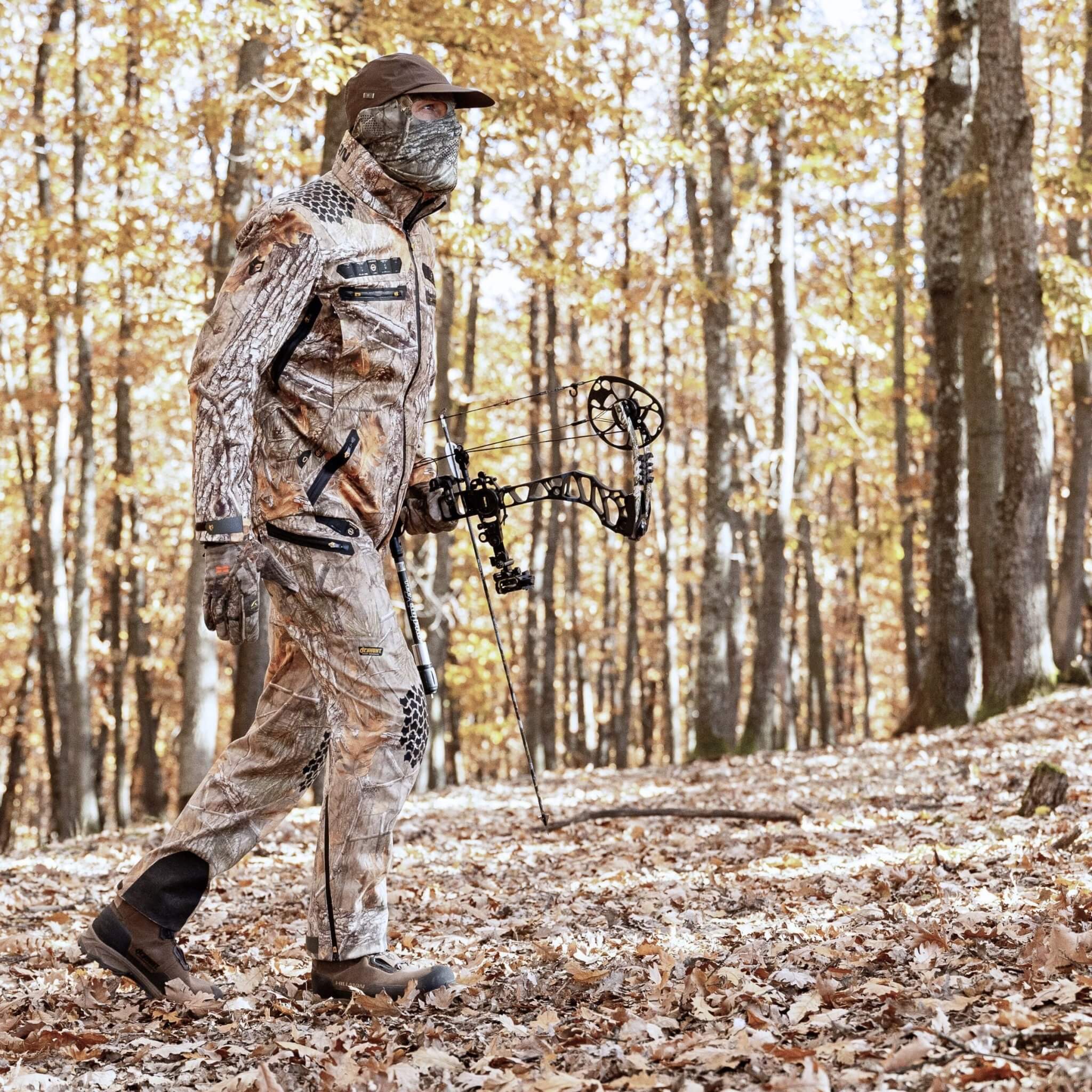
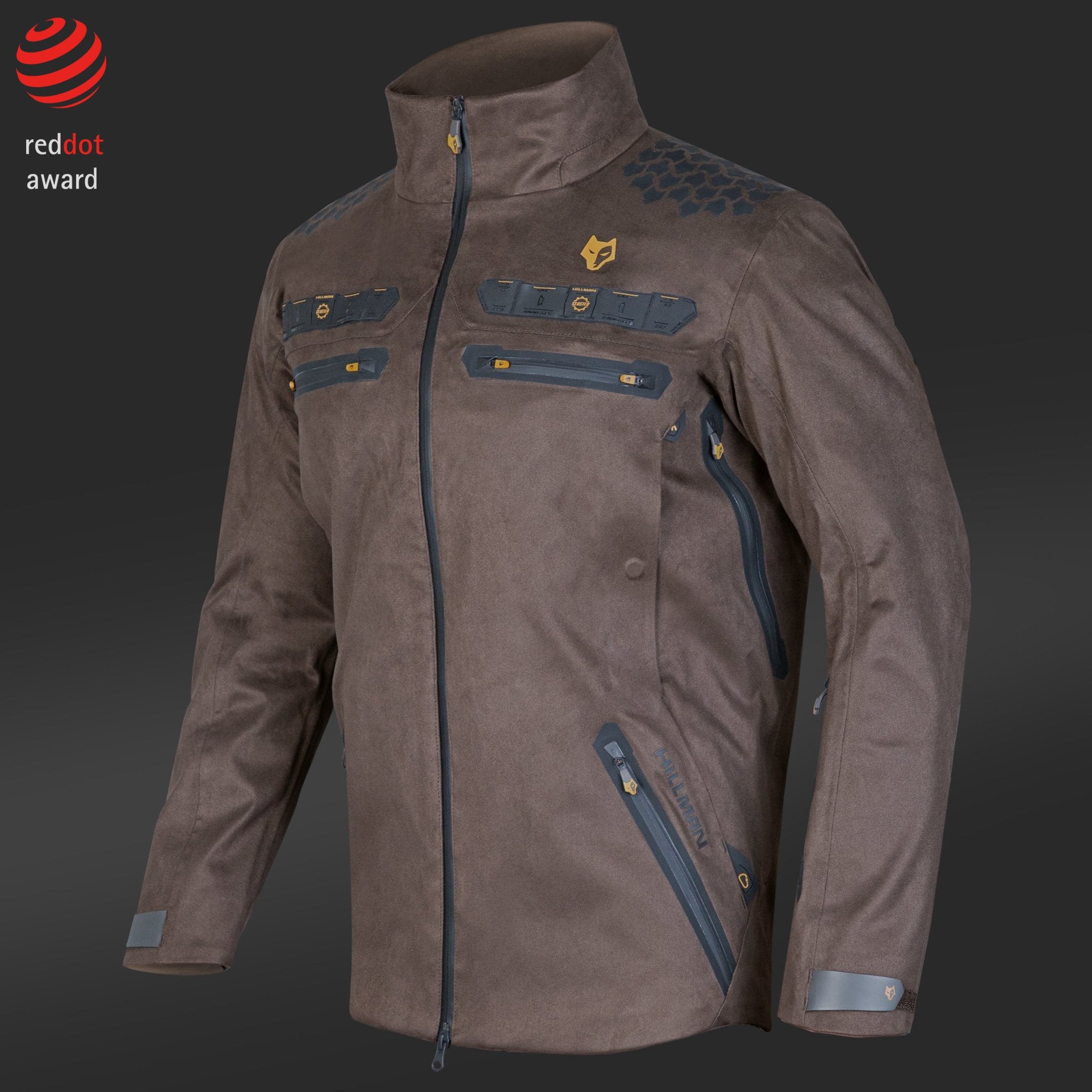
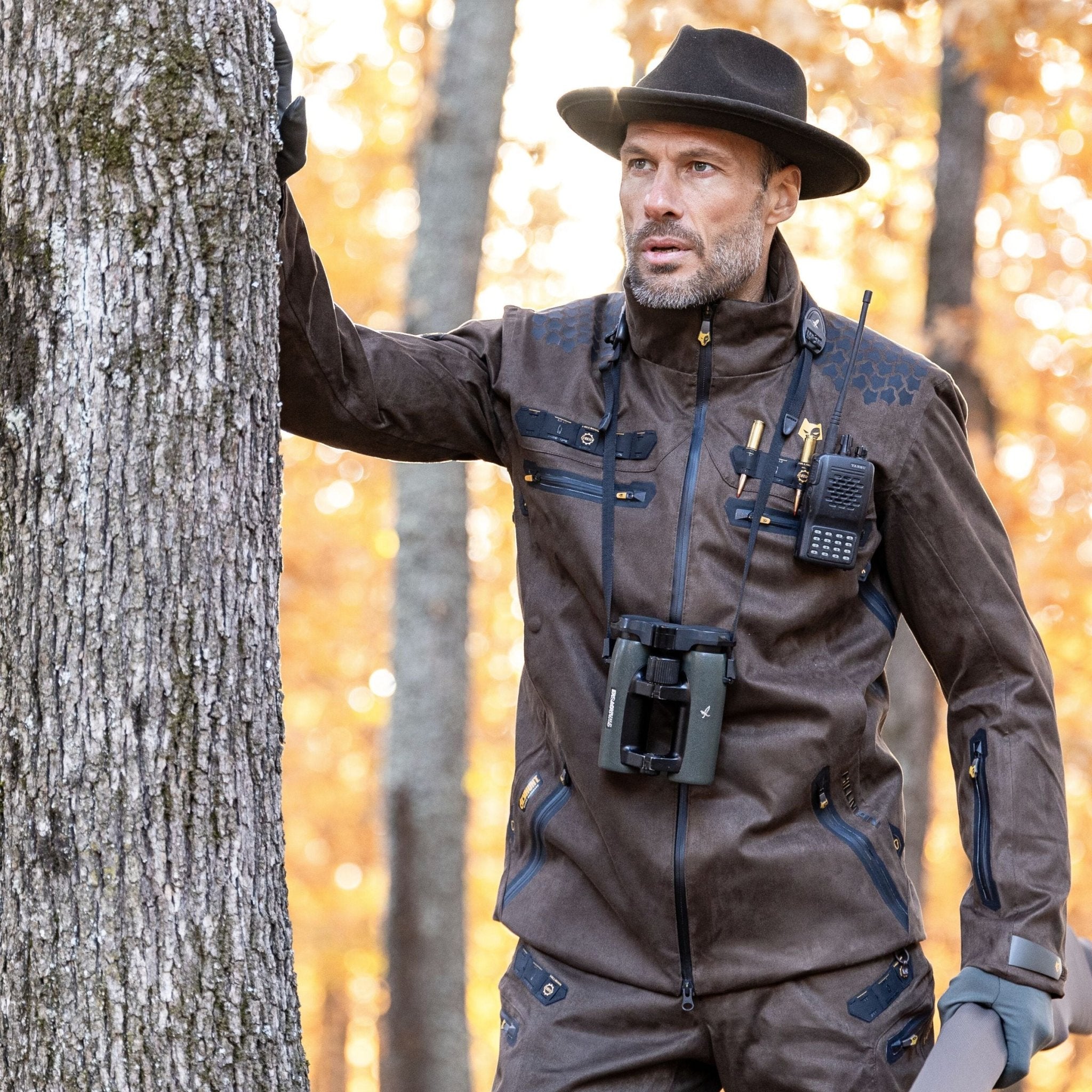
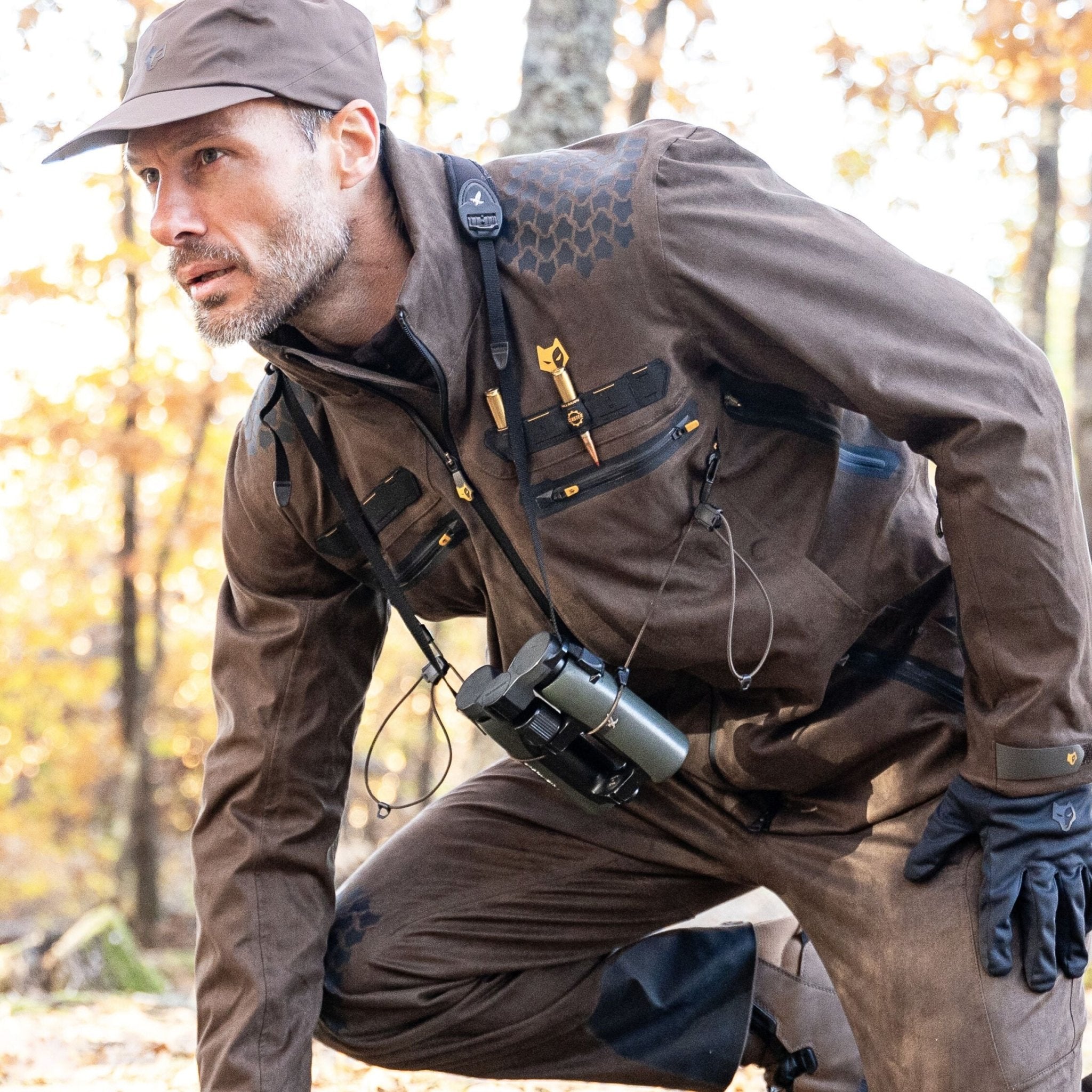
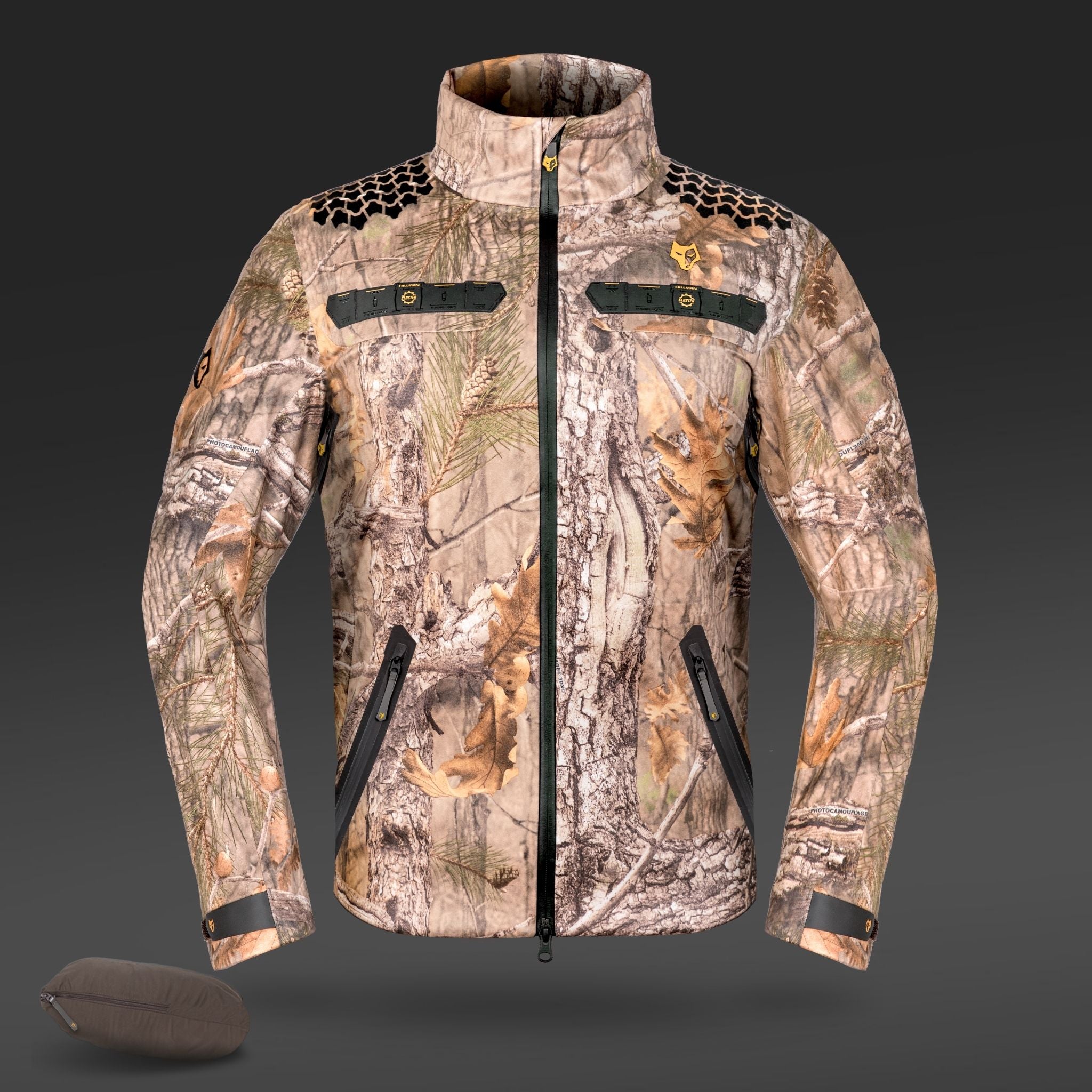
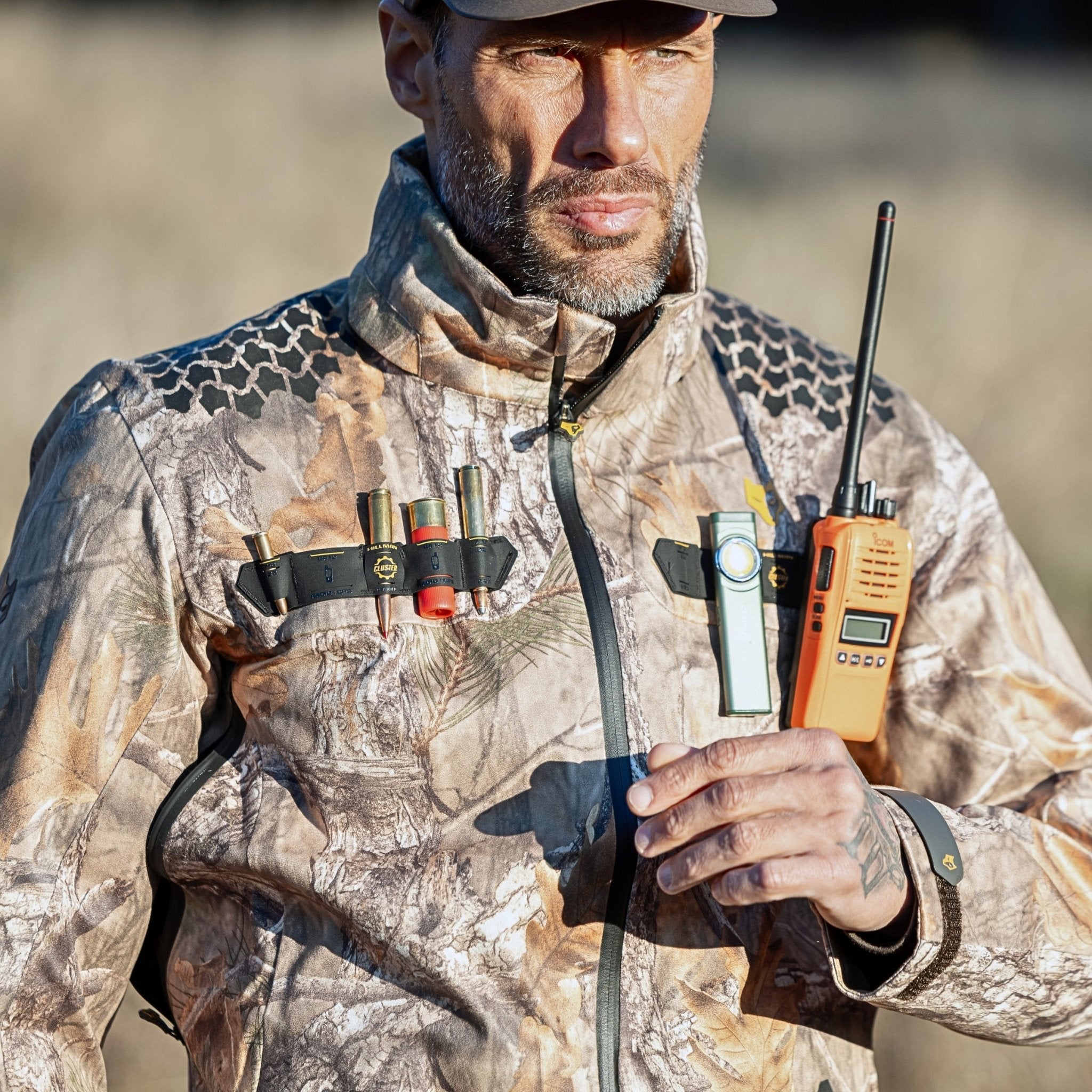
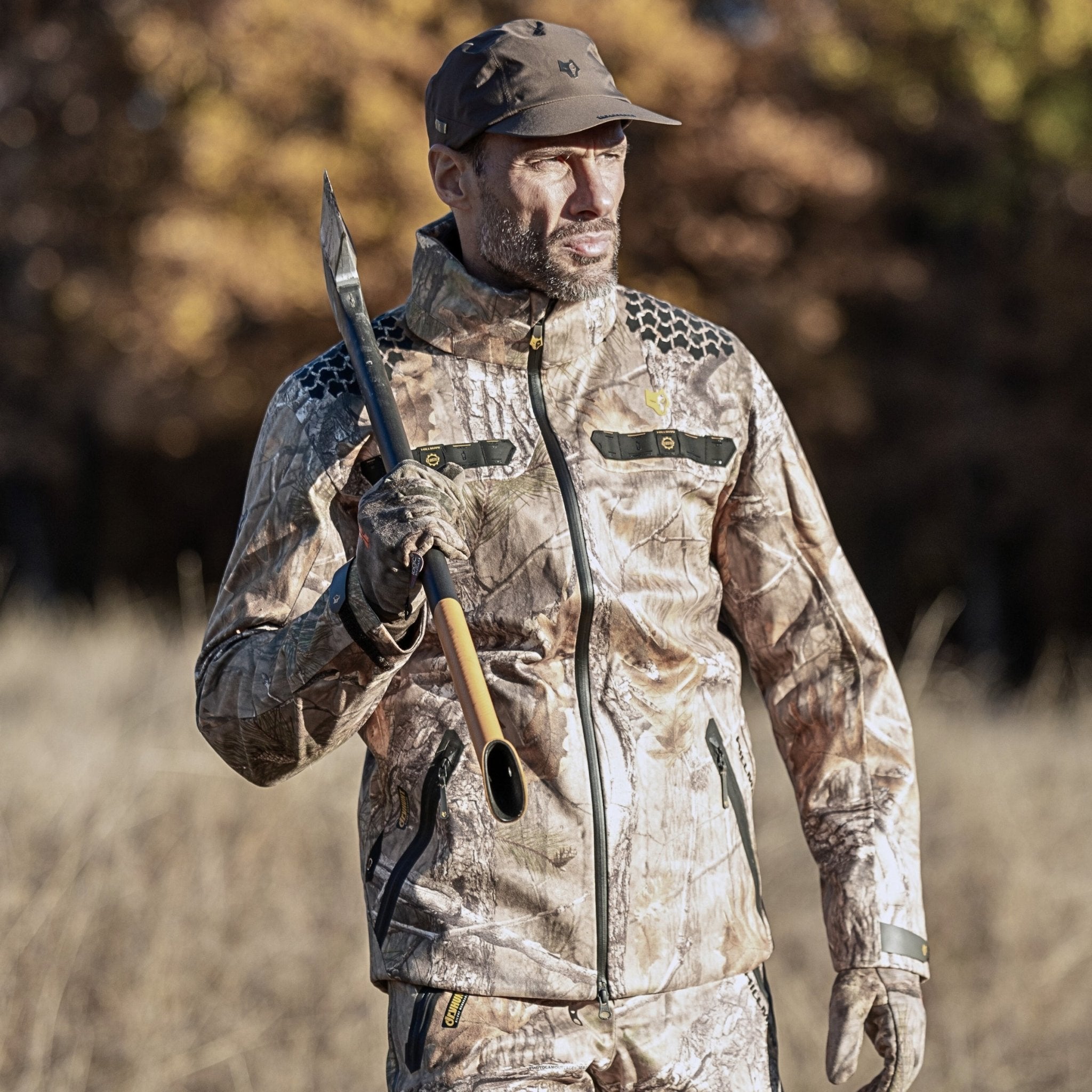
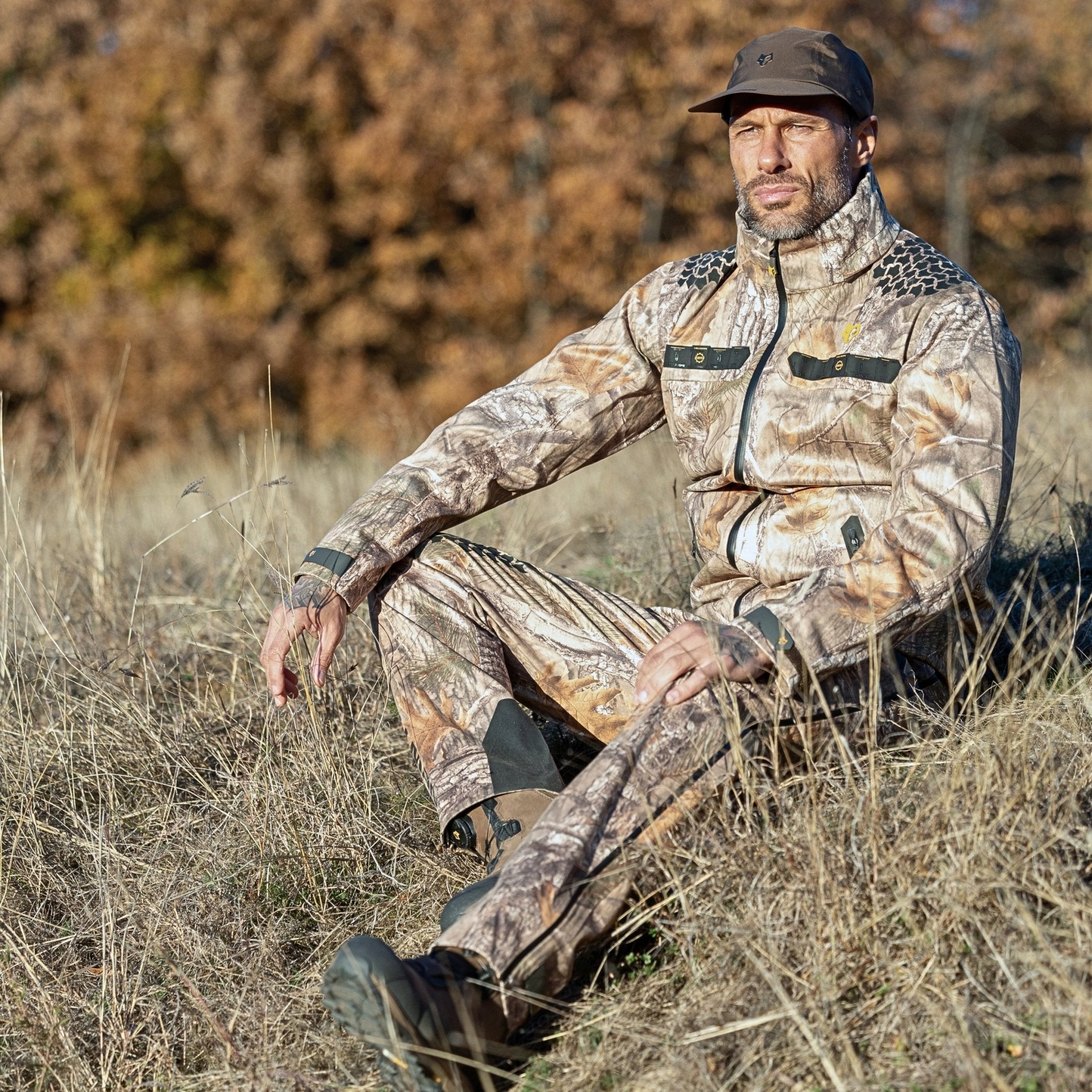
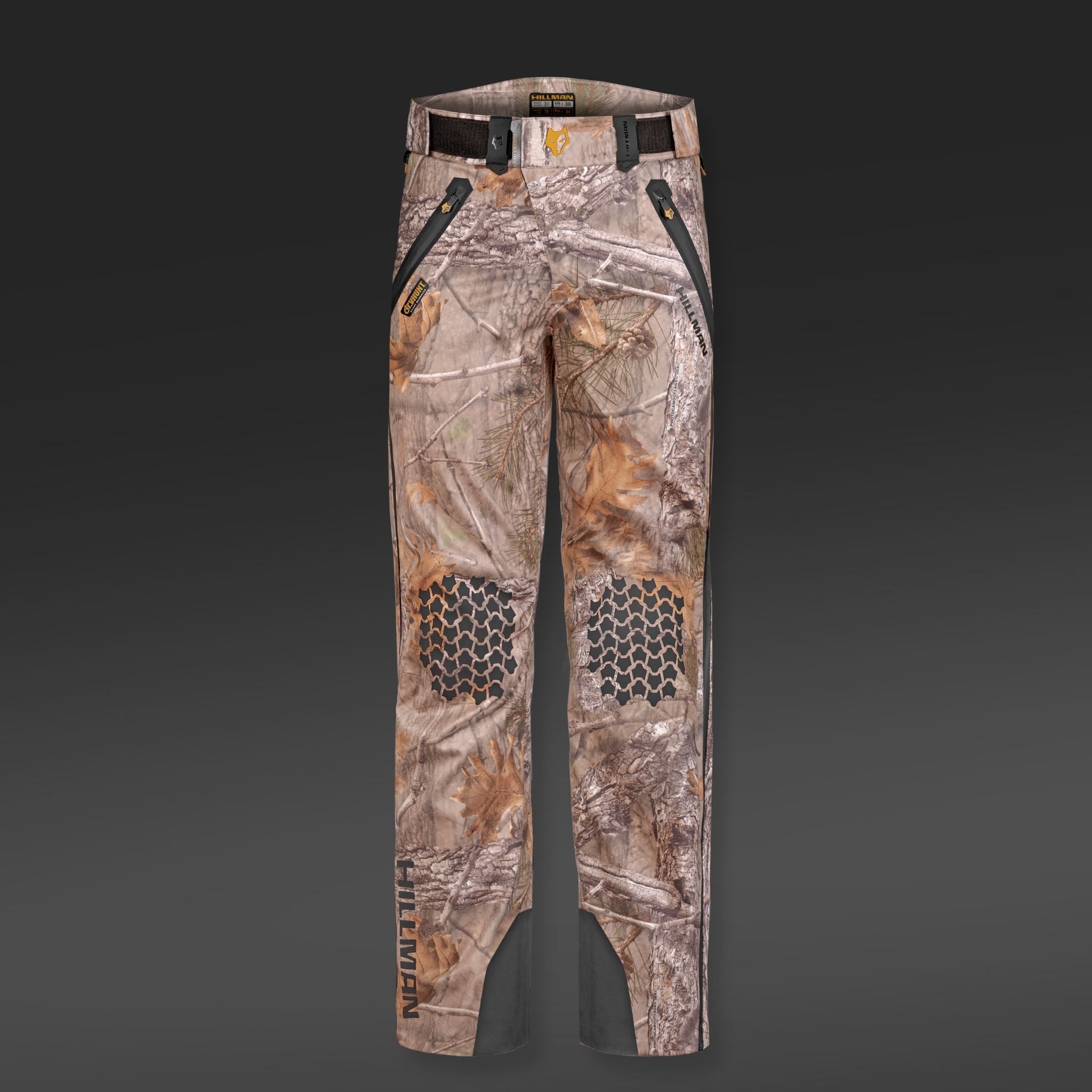
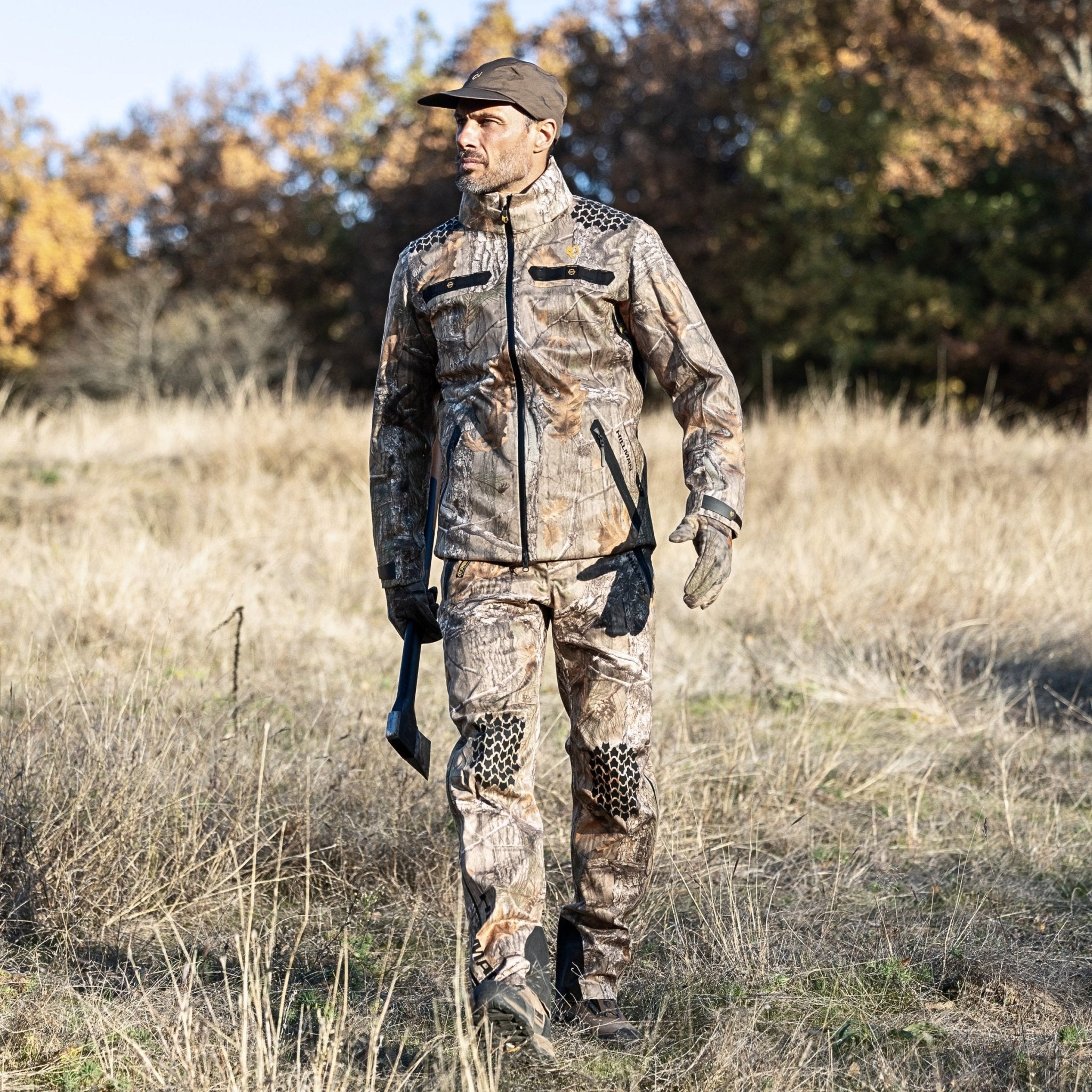
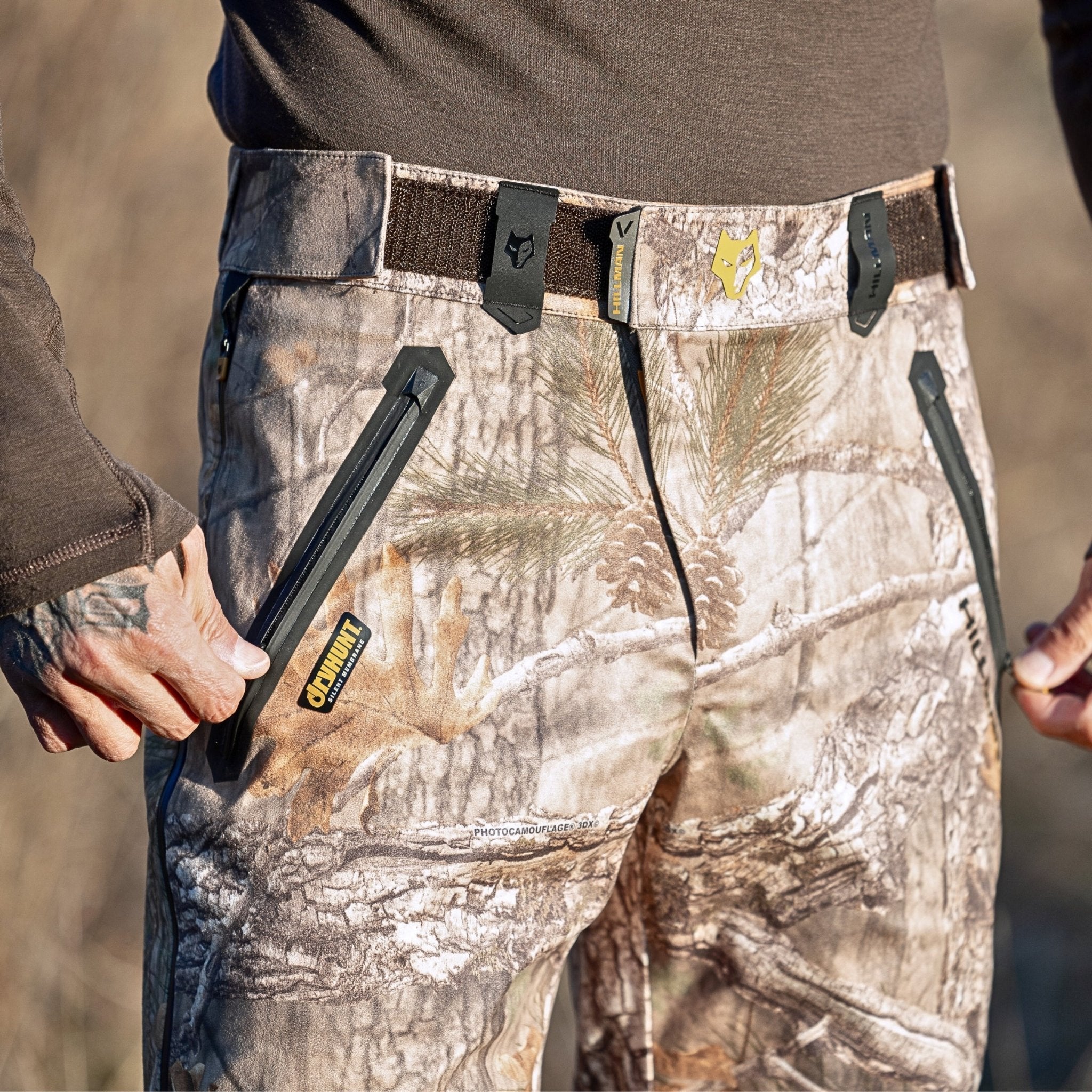
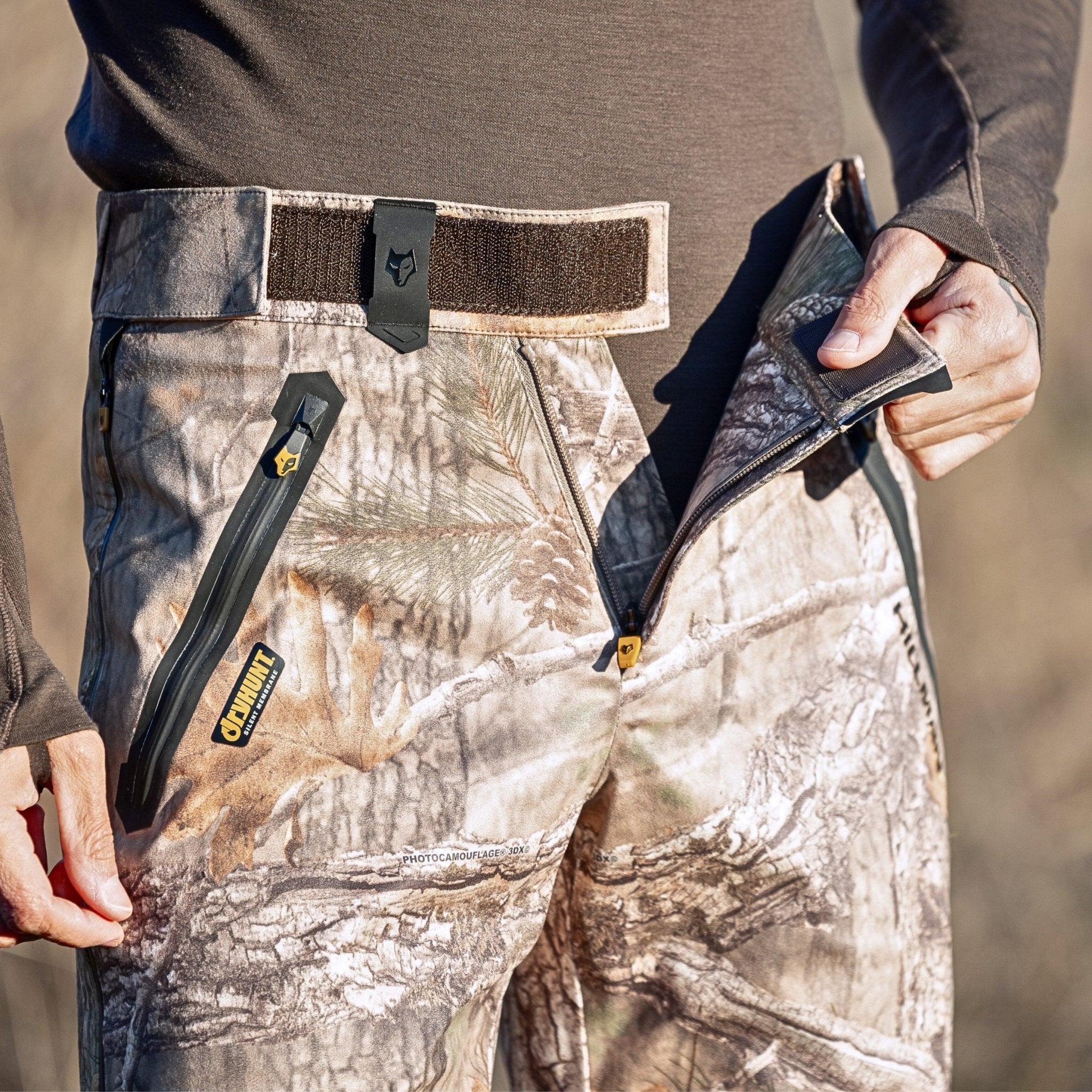
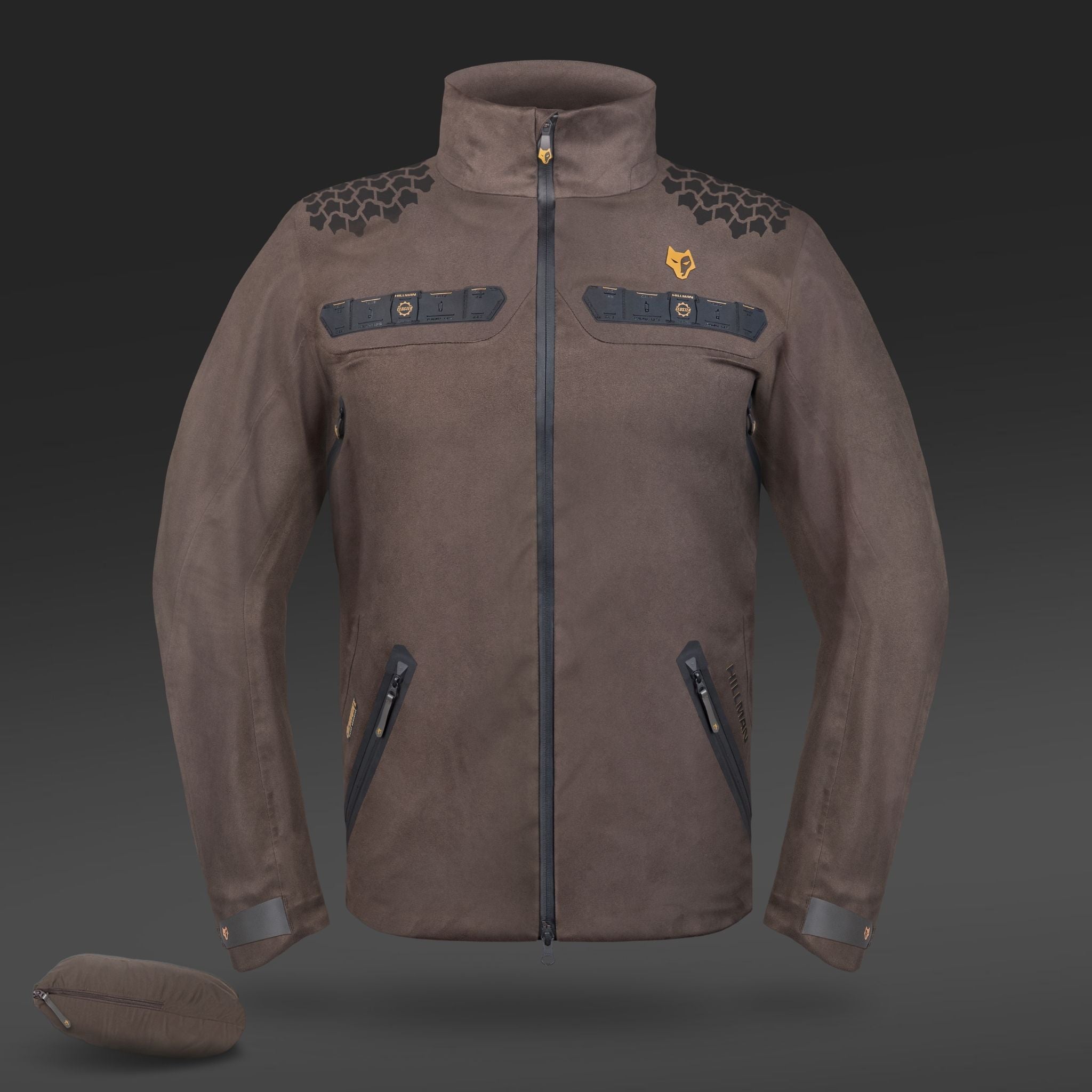
The equipment is only as good as the person behind it. Hillman field clothing may keep you comfortable through damp grass, wind and a long wait, but the important part is still the same: know your rifle, know your range, know your land, and know when not to shoot.
Safe Angles, Backstops and the Shots You Leave Alone

The safest rabbit is often the one you do not shoot. That sounds obvious, but it is easy to forget when the light is fading and the only clear chance of the evening appears near a hedge or just below a skyline.
Safe angles require a backstop that will catch the projectile if it misses or passes through the target. Soft earth behind the rabbit is ideal. A hard track, stones, metal gates, water, frozen ground, the crest of a hill, or a boundary with no knowledge of what lies beyond are not. Never shoot towards roads, public footpaths, neighbouring property boundaries or places where people might unexpectedly appear.
The barrel should never cover anything you are not prepared to shoot. That includes livestock, dogs, farm buildings, vehicles and unseen land beyond the target. If the rabbit is sitting on a rise with only dark hedge behind it, that may look tempting through a telescopic sight, but “looks dark” is not a safe backstop.
At night the risk is magnified. Depth becomes harder to judge. A rabbit that appears alone may be near a track, a gateway, a ditch, or another animal just outside the sight picture. Positive identification is crucial. Brown hares are not rabbits. Young foxes, cats, badgers and other animals can be misread in poor light by tired hunters who are too keen.
The best shooting sports habits are boring in the right way. Wait. Check. Range. Check again. If the shot is not safe, leave it.
Making the Most of Dusk Without Rushing It

Dusk windows feel short because they are. The first rabbits may appear suddenly, feed for ten minutes, then vanish after one careless step. That pressure makes some shooters hurry. It should do the opposite.
Arrive early enough to let the ground settle. Watch the field before entering it. Note where rabbits are already out, where they are looking, and how close they sit to the burrows. A rabbit feeding calmly twenty yards from cover is a different prospect from one sitting upright beside a hole with its head high.
Do not chase every movement. When rabbits break cover, the field has told you something. It might be wind, your outline, a fox passing the far hedge, or stock moving behind you. The answer is not always to move faster. Sometimes the best response is to stay still and wait for the next animal to relax.
One rabbit taken cleanly from a safe angle can be more useful than pushing large numbers underground and making the permission harder for next time. Pest control is about reducing pressure on crops, grass, young trees or field margins, not emptying the land in a panic. Where rabbit populations are high and serious damage is being done, a proper plan may involve several visits, ferrets in suitable situations, or coordinated control with the occupier.
Humane Dispatch and Respect for Quarry

Rabbit control should minimise suffering. That means using suitable equipment, staying within your proven range, and never taking doubtful shots at partially hidden animals. It also means being honest about your own shooting skills. Range work matters. So does knowing how wind affects your pellet or bullet, where your rifle prints in cold air, and how your position changes when you are kneeling in wet grass rather than sitting at a bench.
Rabbits are covered by legislation that prohibits unnecessary suffering, including principles reflected in the Animal Welfare Act 2006. In plain field terms, that means clean identification, clean shooting, and immediate follow-up when needed. If a shot is taken, the shooter owns the result.
Dogs can be useful on some permissions, but they must be controlled. A dog that chases deer, hares, livestock or wounded game creates problems quickly. Around burrows, stock fences and public paths, even a steady dog needs watching.
Lead, ammunition choice and carcass handling also deserve thought. If rabbits are entering the food chain, treat them properly from the start. If they are part of pest control only, dispose of them in the way agreed with the landowner. Do not leave a mess at gateways or beside public routes.
Working With the Landowner, Not Just the Rabbit Numbers
The best permissions last because trust is built. That means closing gates, avoiding crop damage, respecting livestock, reporting injured animals, and giving the landowner useful feedback. Rabbit numbers, active burrows, fresh digging, new field damage, fox signs and deer movement may all matter to someone managing the land.
Ask where not to go. Ask which fields have stock. Ask whether walkers cut across a certain corner even if there is no formal footpath. Ask whether the neighbours know shooting may take place. These details can matter more than the best rifle.
Rabbit control duties are often tied to agriculture and land protection. Crops, grass leys, banks, young trees and field margins can all suffer when rabbits build into large numbers. But a permission is still someone’s workplace, and often someone’s home. Treat it that way.
The quiet shooter who takes safe shots, leaves no trouble and communicates well is usually invited back. The one who treats the place like open ground is not.
A Practical Evening Rhythm That Actually Works

A good rabbit evening starts before the car door shuts. Check permission, wind, light, boundaries, paths and the likely feed areas. Move slowly to the first vantage point and watch before setting up. Let the rabbits tell you where they want to be.
Choose a position with a safe backstop already in mind. Do not wait until a rabbit appears to start asking where the projectile will go. Keep the rifle unloaded until you are in the right place and ready to work safely. Stay low, keep movement small, and avoid swinging the gun across unsafe ground.
Use range markers if they help. Fence posts, molehills, gateways and patches of grass can all give reference points, but laser rangefinders are better where distance is uncertain. With an air rifle, small errors in range can matter. With a rimfire, the greater reach makes the backstop question even more important.
Then wait. Dusk rabbit hunting is not meant to be frantic. The field may give you a clean chance. It may not. Either way, you leave with more knowledge of the ground than you had when you arrived.




Share:
Sika in Dark Timber: When Sound Helps the Stalk or Ruins It
Crossing Pheasants Over a Hedge Line: Best Peg Shooters Tips