
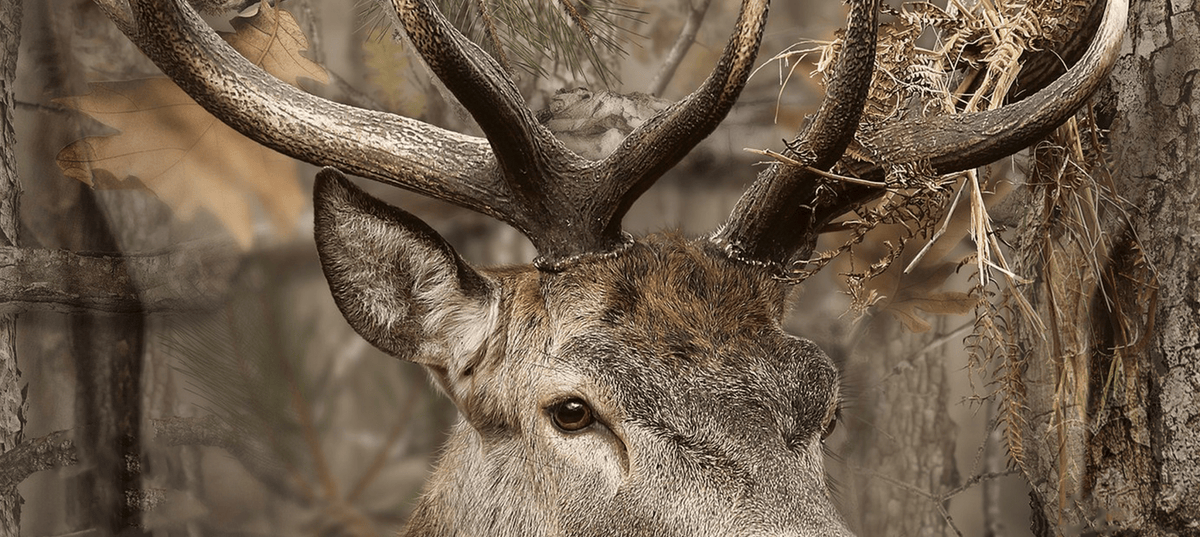
Sika in Dark Timber: When Sound Helps the Stalk and When It Ruins It

Learn when sound helps or hurts sika deer stalking in dark timber, from natural cover noise to rut calling and quiet movement.
Sika deer change the feeling of a stalk. In open ground, a hunter may spend more time thinking about sight, light, body outline and distance. In dark timber, the whole experience becomes narrower. Sound carries through the trees, then dies in soft ground, then comes back oddly from a river bend or a hollow in the hill. It is easy to feel close to deer without seeing a thing.
That is where sika become fascinating. A sika stag, sika hinds, yearlings and calves can spend long periods in thick woodland where sight is limited. In some places, the deer may see less than af few metres ahead, especially in tight forest, bracken, wet grass, young trees and broken terrain. They do not move through that world the same way humans do. They hear it.
Sika in dark timber, when sound helps the stalk and when it ruins it: this is not just a question of being quiet. It is more exact than that. Some sound belongs in the woods. Some sound is so out of place that deer start to shift, freeze, bark, or vanish without giving a proper chance. The trick is learning the difference.
A foot placed badly on a dry stick can ruin a stalk. But a soft step timed with wind through the trees may not matter at all. A quiet scrape in wet leaves might pass as another animal. A zip, a hard click from a rifle sling, or a crinkling bottle in a pocket can cut through the forest like a warning bell.
Why Sound Matters So Much Around Sika Deer

Sika deer are highly vocal animals. They use sound for social contact, for staying aware of other deer in cover, and for detecting danger. In dense woods, sound becomes a navigation tool. Hinds, calves and stags can keep track of movement through timber without standing in the open.
Their hearing is sharp enough to pick up small noises from a long way off when conditions are right. In still woodland, even slight movement can travel much further than a hunter expects. A toe scuff, a branch brushing fabric, a loose cartridge, or a metal tap against the rifle can sound tiny to you and completely wrong to a deer.
Sika are also quick to sort normal sound from abnormal sound. They live with fox movement, birds, falling branches, rain, wind, river noise, and the soft shuffle of other animals. They also learn the sound of humans. Not in a dramatic way. More in the way a wild animal notices patterns that do not fit.
This is why quiet is important, but not the whole answer. A perfectly silent stalk is rare. A natural stalk is possible. The aim is not to remove every sound. It is to remove the sounds that do not belong.
When Natural Noise Helps the Stalk

Sound can help you in dark timber when it hides your movement. A breeze moving through the trees gives you moments to adjust your feet, stretch a leg, raise your head slightly, or close a little ground. Rain on leaves can be even better, though it brings its own problems with scent, wet clothing and visibility.
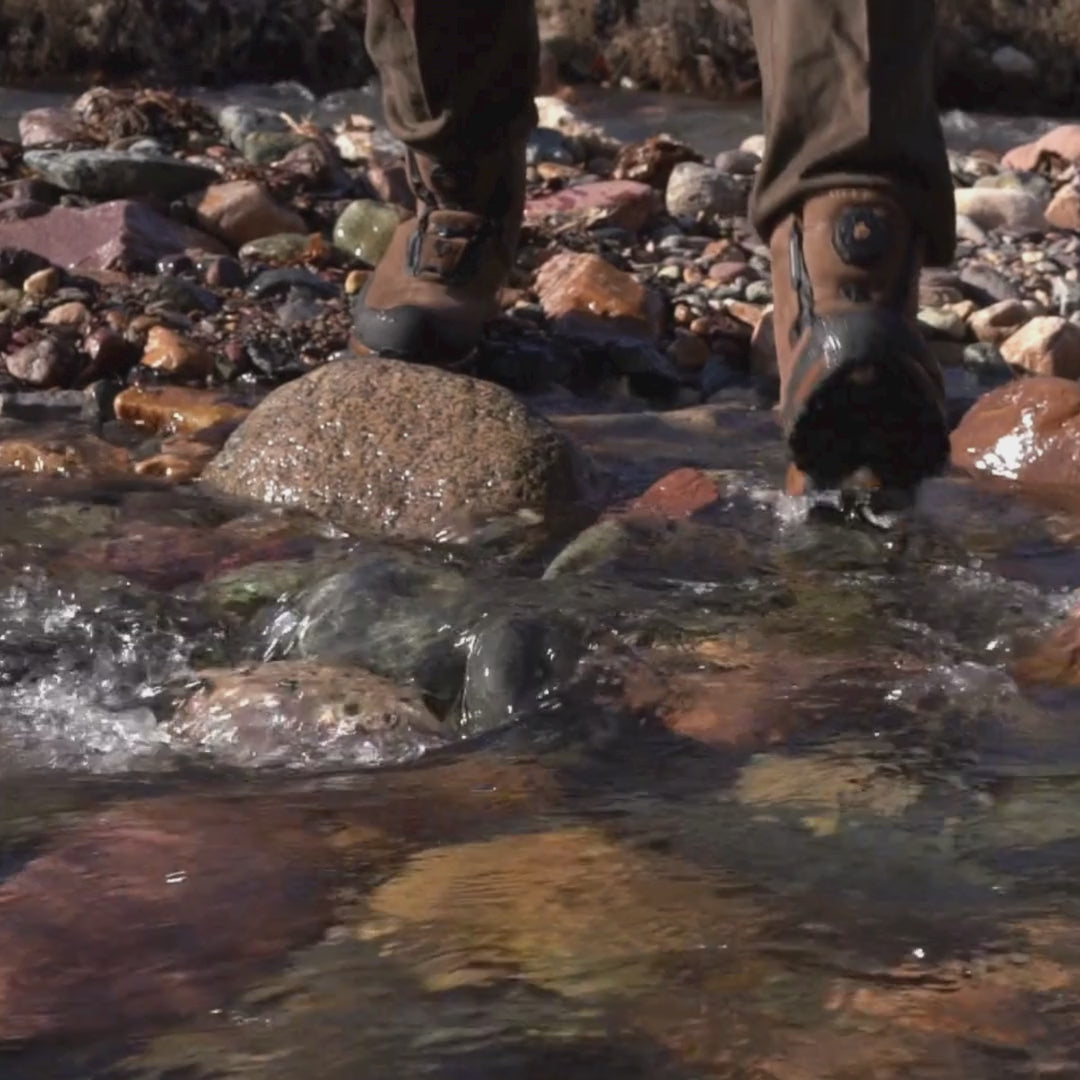
A river can be useful too. Moving water softens small mistakes. If the ground falls towards the river, sound may be broken and pulled away from the deer. I still prefer to move slowly in those moments, but I will use the cover sound. There is no prize for standing frozen when the woods are already giving you a clean step.
Soft earth is another gift. Wet needles, moss, soaked leaves and dark forest soil allow a careful foot to land without much noise. The toe goes first, not the heel. Then the rest of the foot settles. If it feels wrong, stop. Do not force the step. In sika stalking, that tiny decision can be the difference between seeing a stag and hearing only an alarm bark somewhere ahead.
Wind is useful, but only when you understand it. A steady wind can mask movement and carry scent in a predictable direction. A broken wind in a hollow can help sound cover while betraying your position with scent. Hunters often think of wind as a nose problem, which it is, but in timber it is also a sound problem. High wind masks you, and it masks them. That can make deer more reliant on sight at close range, which is not always good news if you step into the wrong opening.
When Sound Ruins the Stalk

The worst noises are usually not the loudest. They are the sharpest and least natural. A zipper. A plastic bottle. A buckle tap. A rifle knock. The scratch of hard fabric against bark. Ear defenders shifting at the wrong moment. These are not woodland sounds. A sika hind does not need to know what made them. She only needs to know they do not belong.
Once that doubt starts, the deer may not explode away straight away. Sika can be cautious rather than theatrical. A hind may stand tight behind trees. A stag may move just enough to keep cover between you and him. The animals may drift, one by one, until the whole area feels empty. That is often worse than a dramatic flight because you learn less from it.
The alarm call is another matter. Sika deer can give a high-pitched bark when danger is confirmed. In dark timber, that sound travels hard. It does not only tell the deer in front of you. It tells deer you never knew were there. One bark can change the mood of the whole forest.
The mistake many hunters make is trying to recover too quickly. They hear the bark, rush forward, or start calling. Usually that makes things worse. If the deer has not fully gone, it is now waiting for the second mistake. Sit. Let the woods settle. The stalk may not be dead, but it has changed.
Sika Stag Sound During the Rut
The rut gives sound a different role. A sika stag can be extremely vocal in September and into the rutting period, depending on ground, weather and local behaviour. The scream or howl of a stag is one of the great sounds in wild places. It can carry through timber with real force, and for many hunters it is part of what makes sika stalking such an incredible experience.
During the rut, calling can work. Mimicking the high-pitched mew of a hind may bring a stag into close range, especially when he is already interested, moving, or holding near hinds. The point is timing and restraint. A little sound can create curiosity. Too much sound creates suspicion.
Excessive calling, loud repetition, or a call used from the same point again and again can make a mature stag wary. He may hold back, circle, or avoid the area altogether. This is especially true in places with regular pressure. Sika learn. A young stag may make a mistake. An older sika stag often wants the last bit of the puzzle to feel right.
If you call, have a plan before you make the sound. Know where the shot could be taken. Know where your backstop is. Know what the wind is doing. Know how close a deer could appear. Calling without a clear position is just noise.
Sika Hinds Often Decide the Stalk

A lot of hunters think first about stags, especially during the rut, but sika hinds often control the stalk. Hinds are alert, social, and quick to react to strange movement or sound. A stag may be focused on other deer, but the hinds around him are still reading the forest.
In thick woodland, you may hear hinds before you see them. A soft step, a small movement in grass, a faint contact call, then nothing. That nothing matters. If the woods suddenly lose their ordinary sound, there may be deer close by.
Hinds with calves can be especially sharp. They do not always need to run. They may simply angle away through cover, using trees and terrain so well that the hunter is left looking at empty timber. When that happens, there is rarely much point in pushing hard. Sika can vanish into dense areas for security and use their hearing to keep ahead of you.
This is why a slow stalk is not just about being careful. It is about letting the animals make mistakes before you do. Wait longer than feels necessary. Watch the gaps between trees. Listen for a foot, a breath, a twig touched by a leg. The deer may already know something is wrong. Your job is not to confirm it.
Clothing, Kit and the Sounds That Give You Away

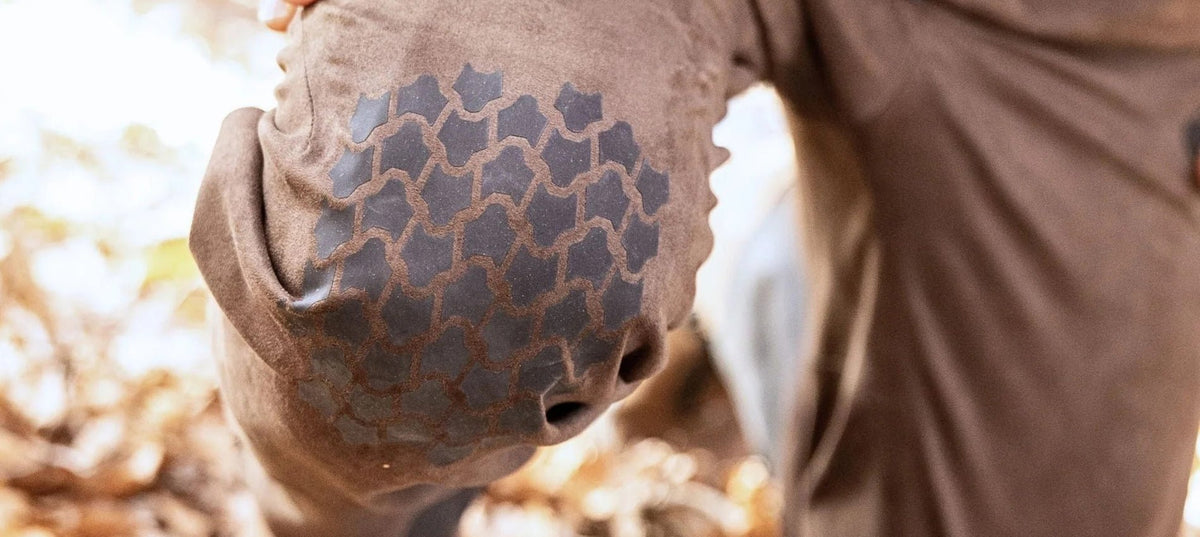
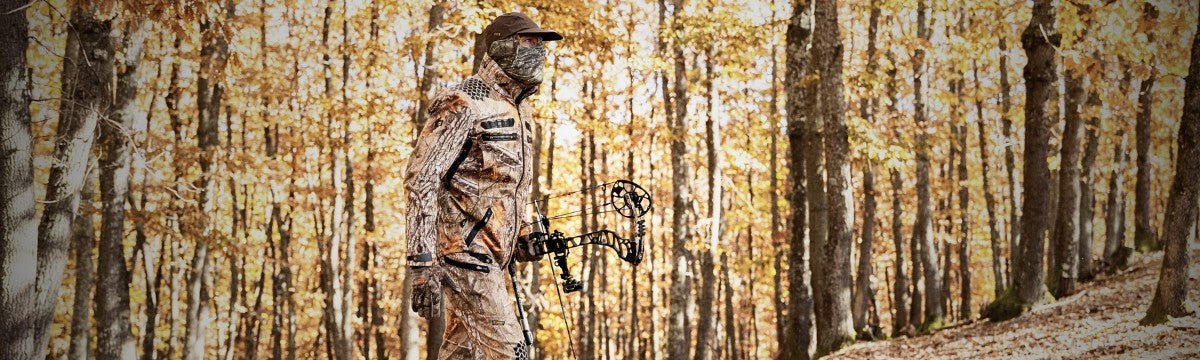
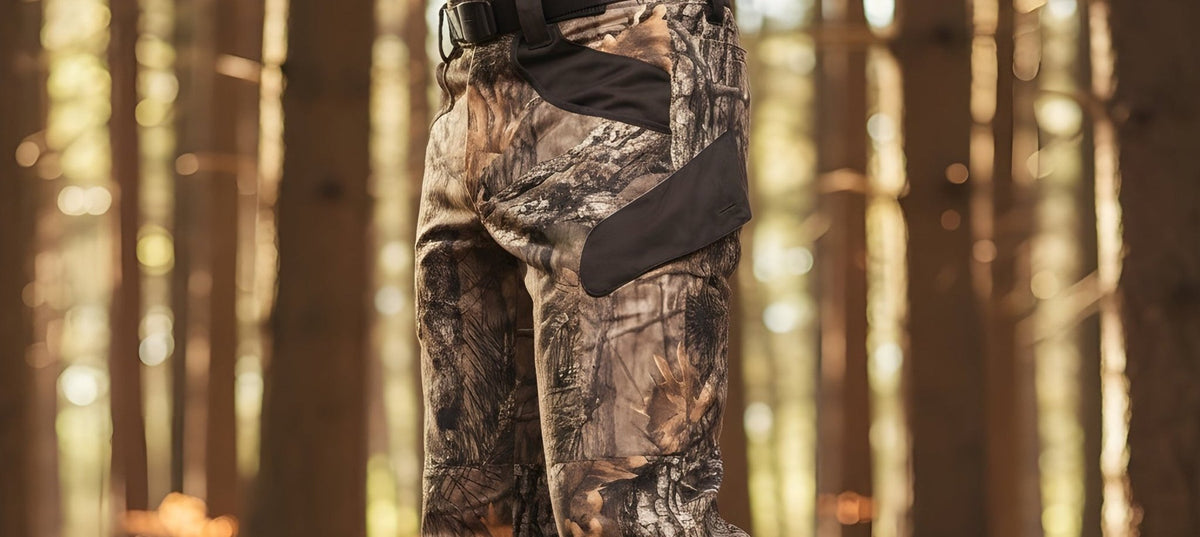
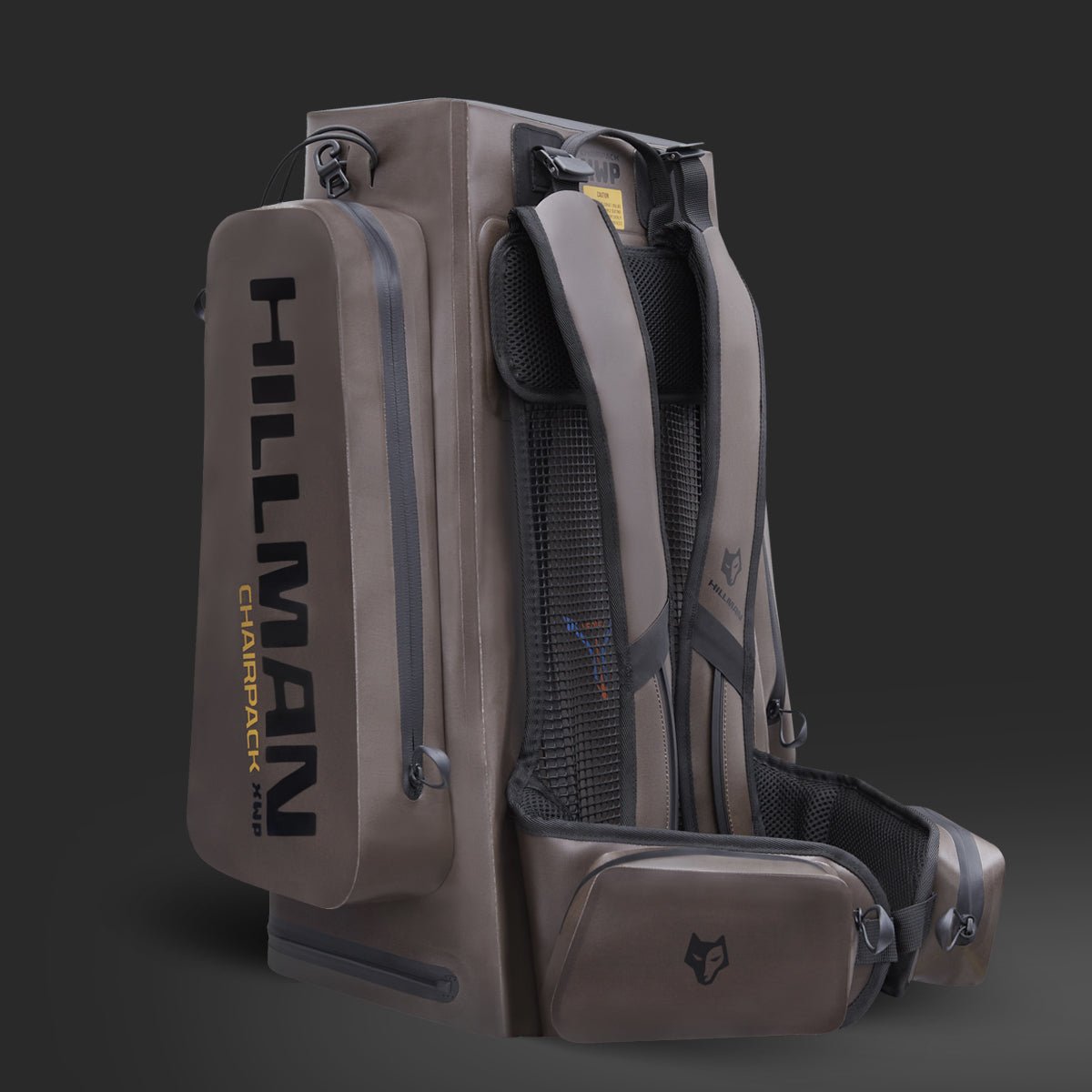
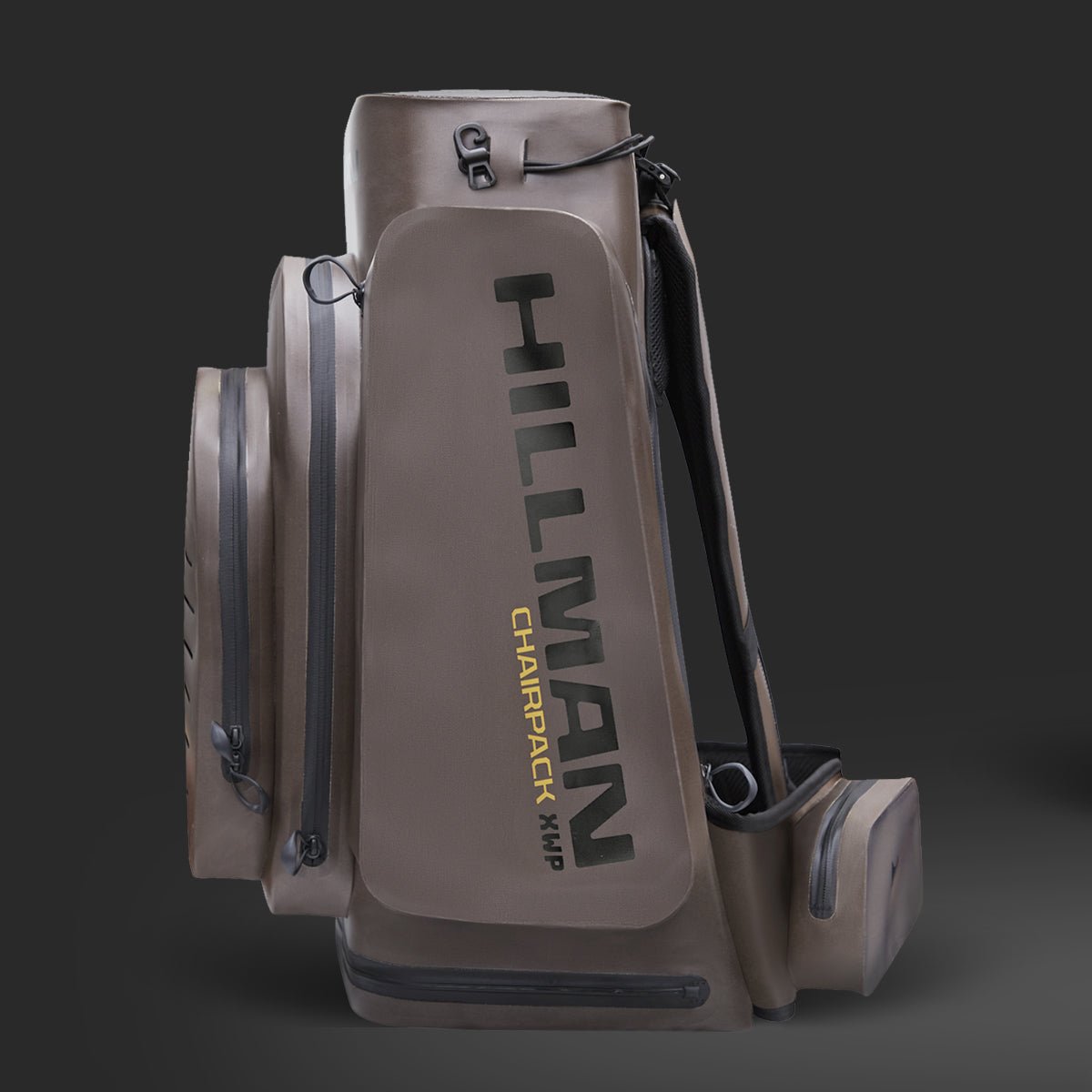
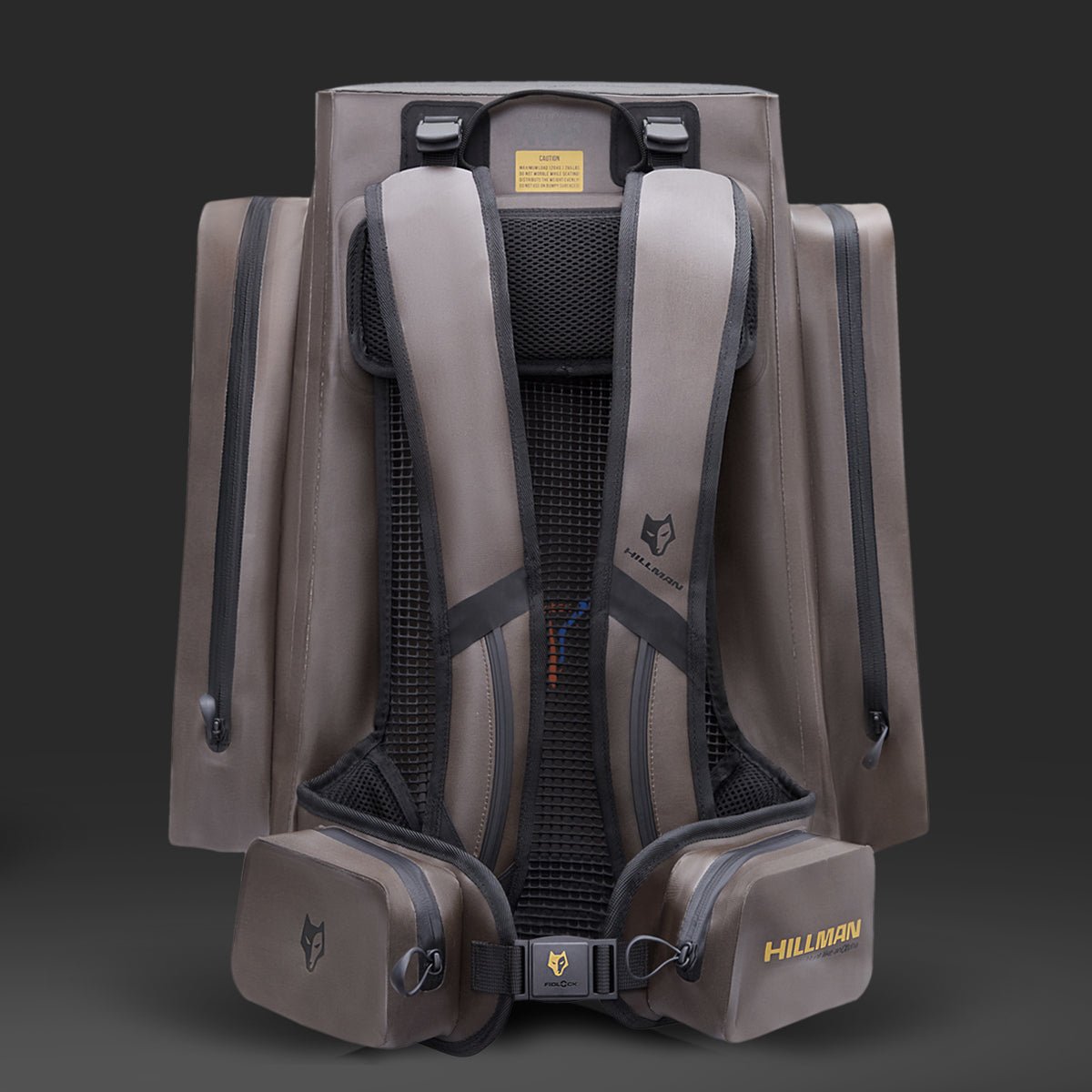
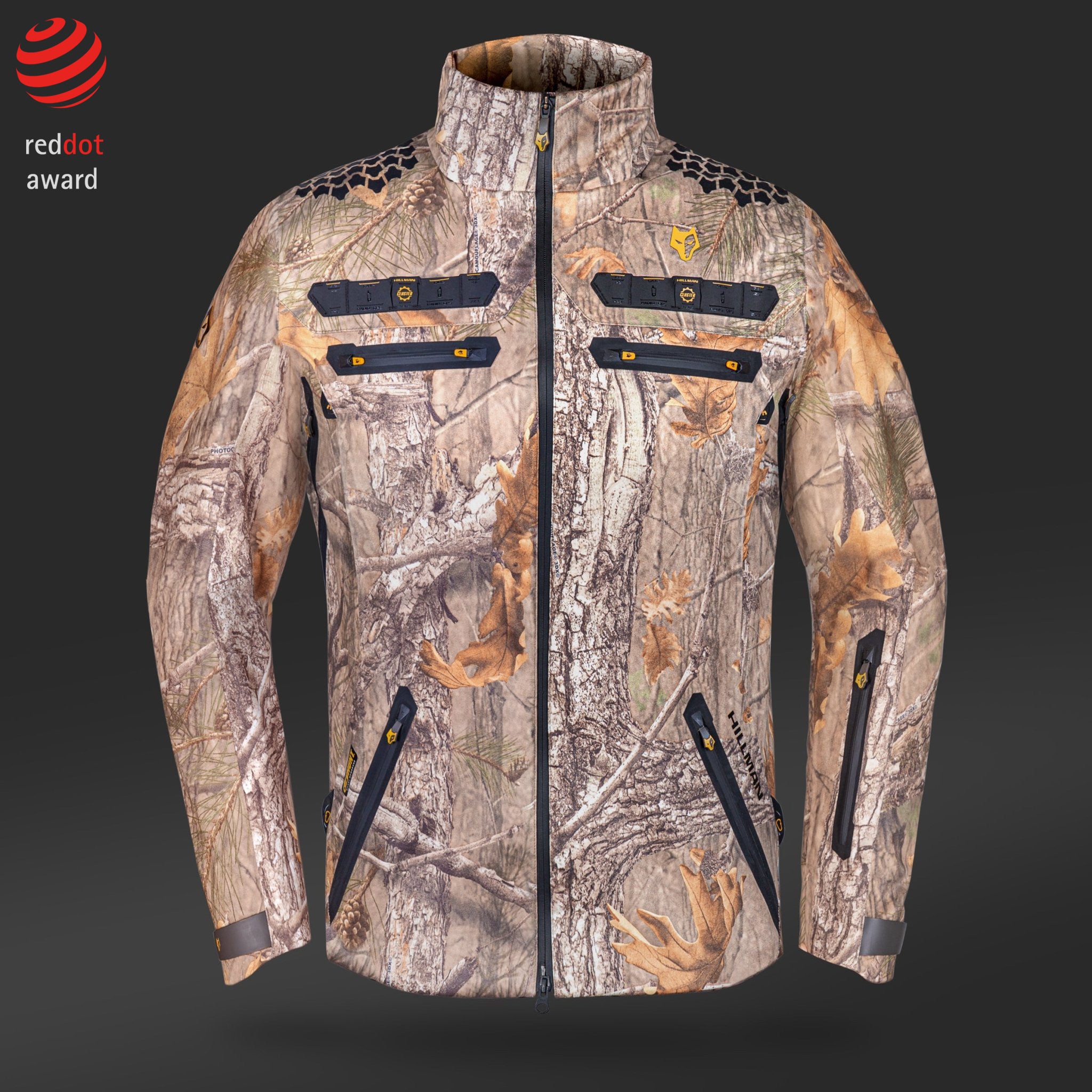
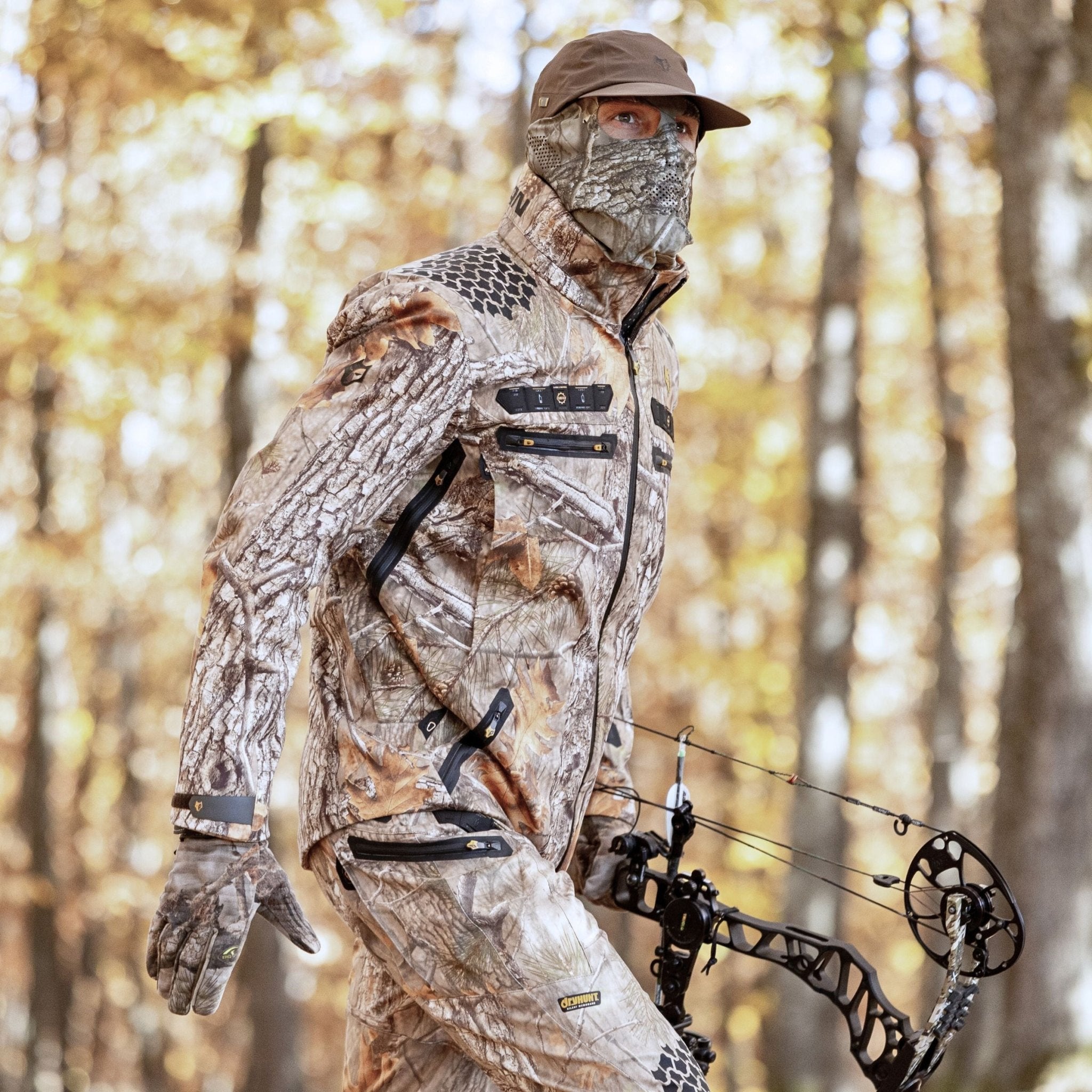
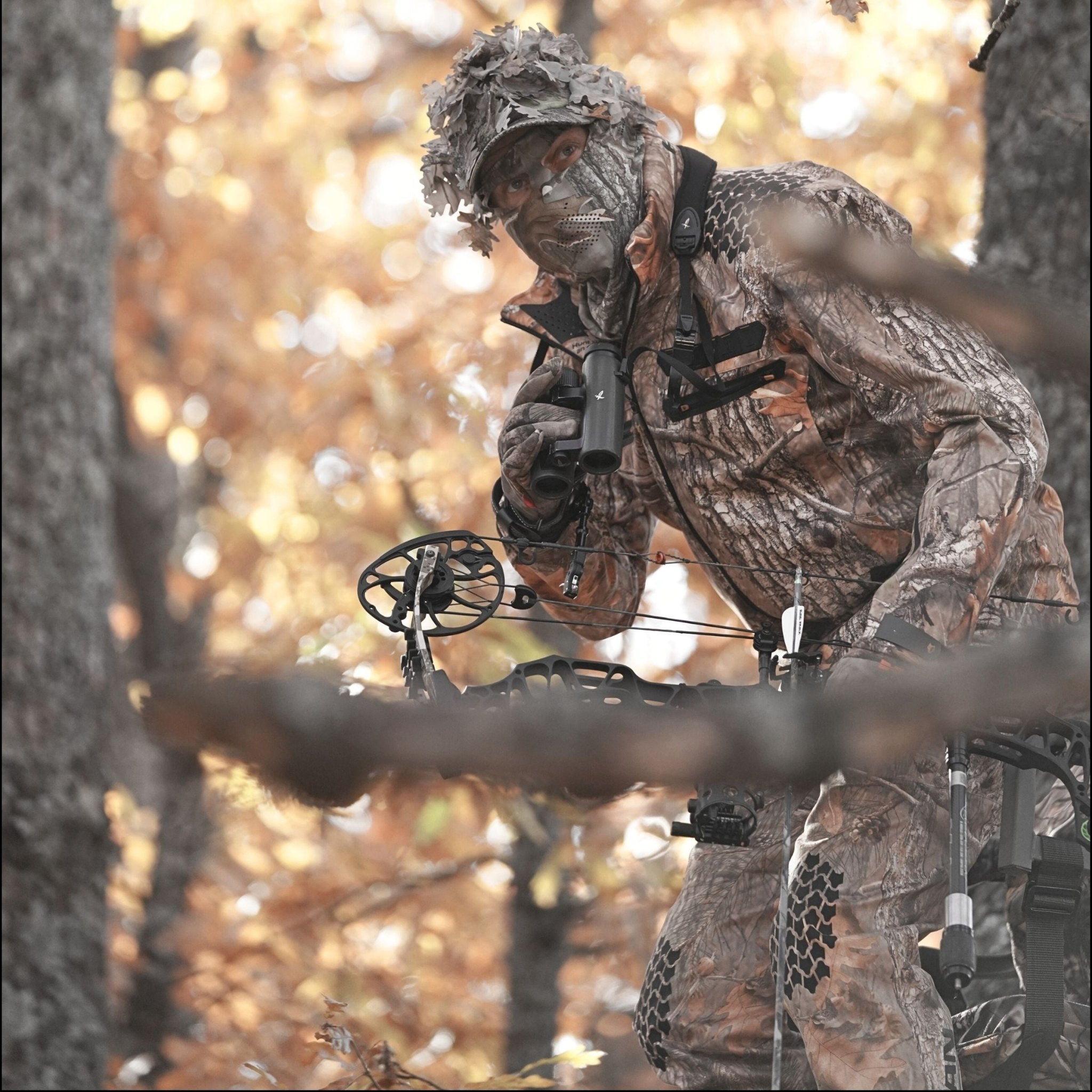
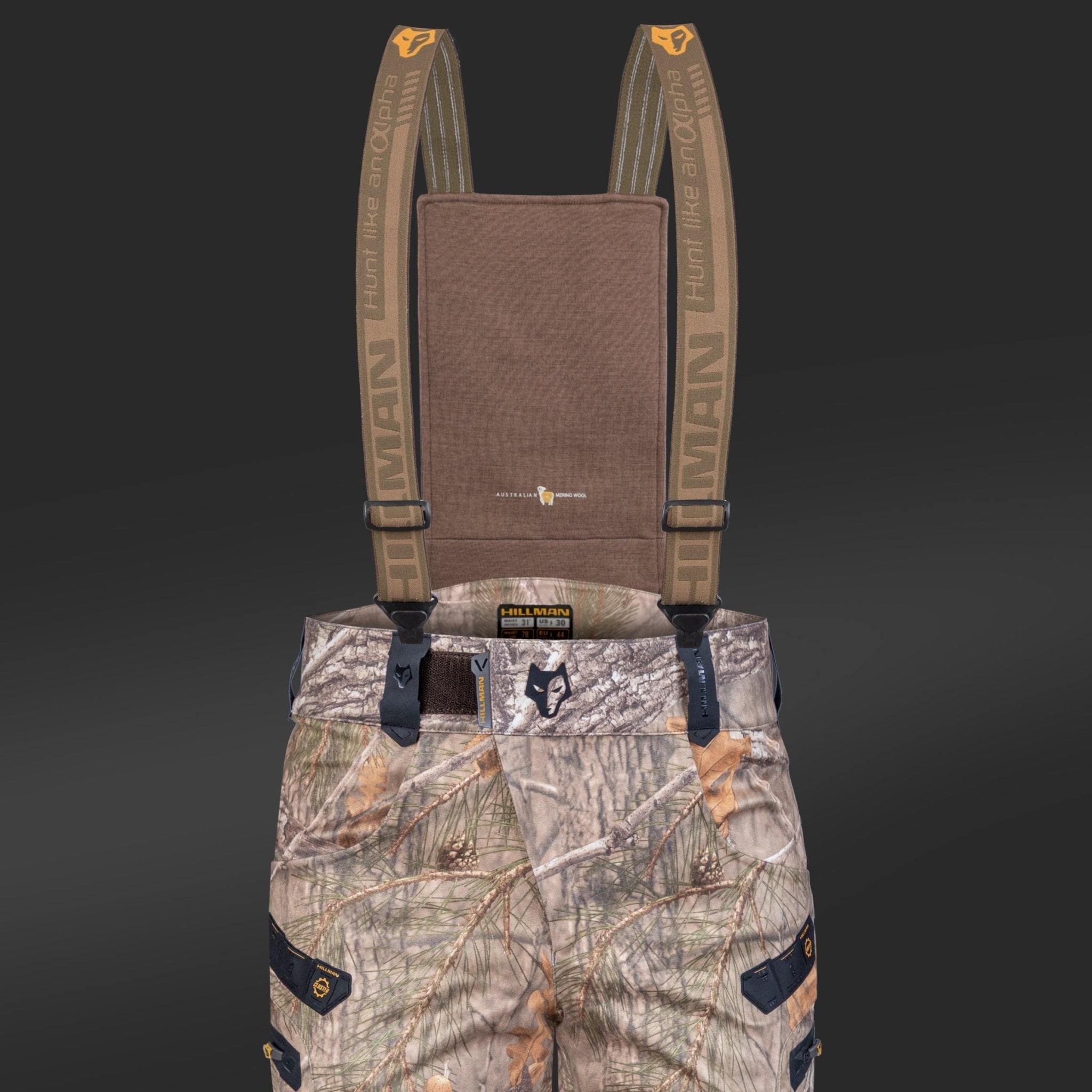
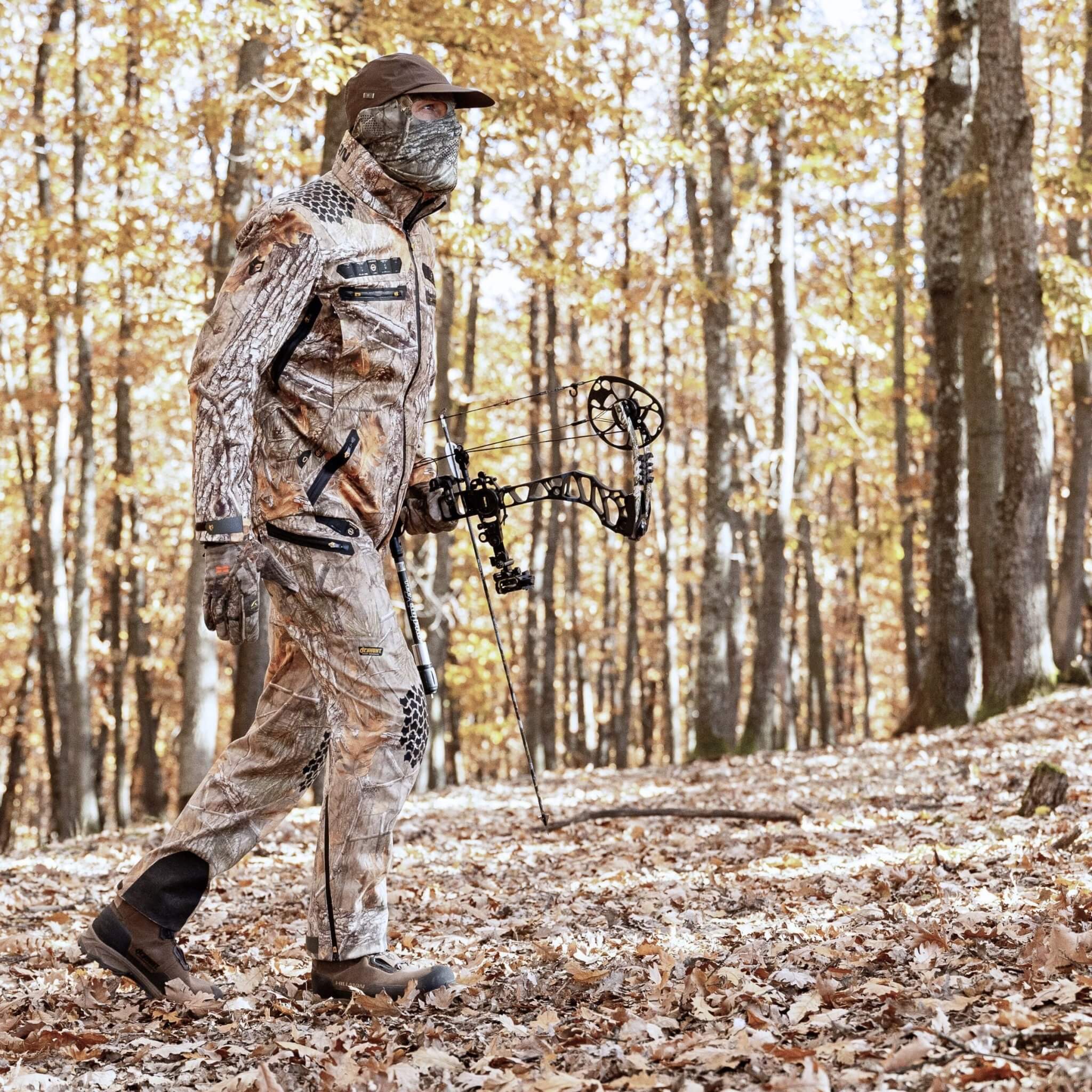
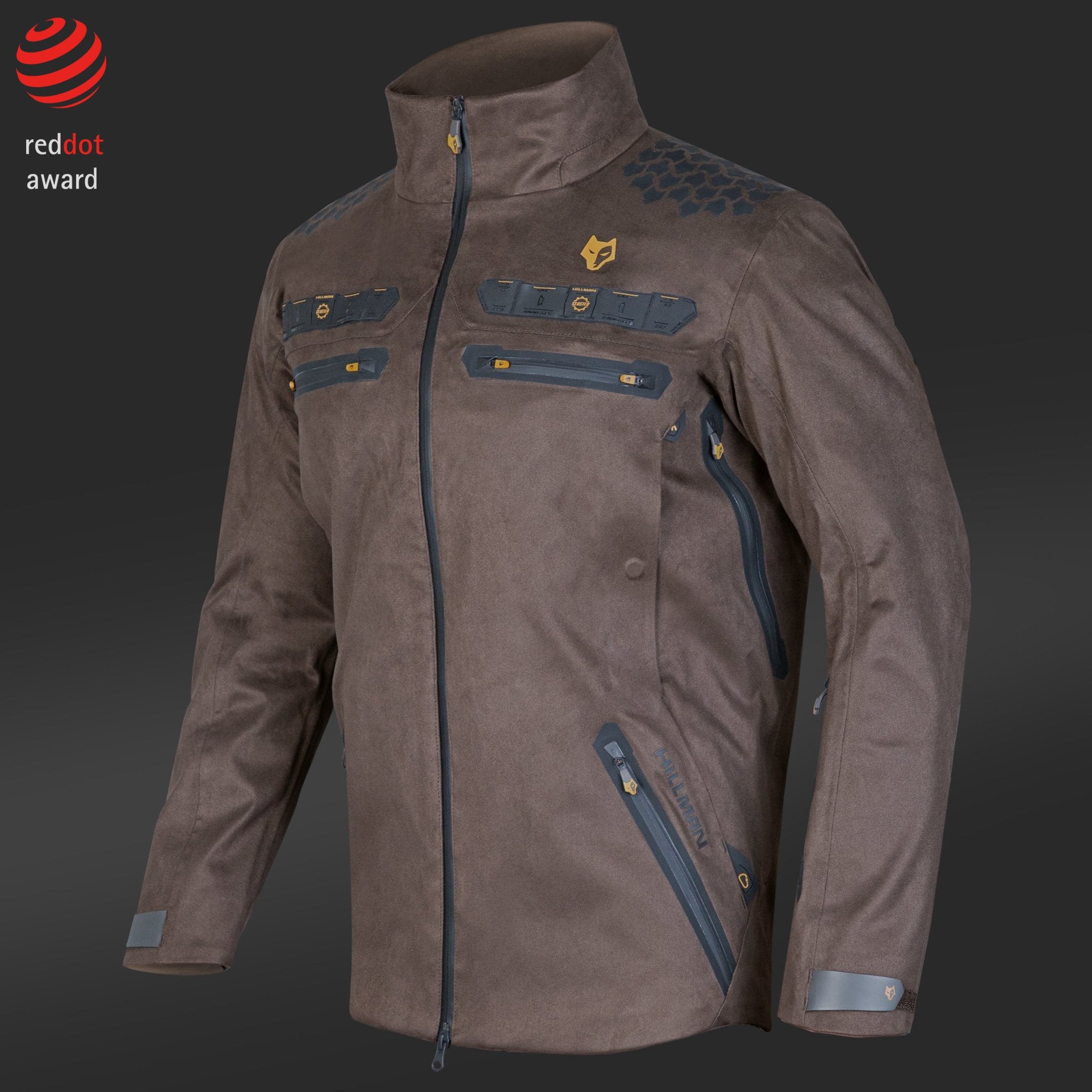
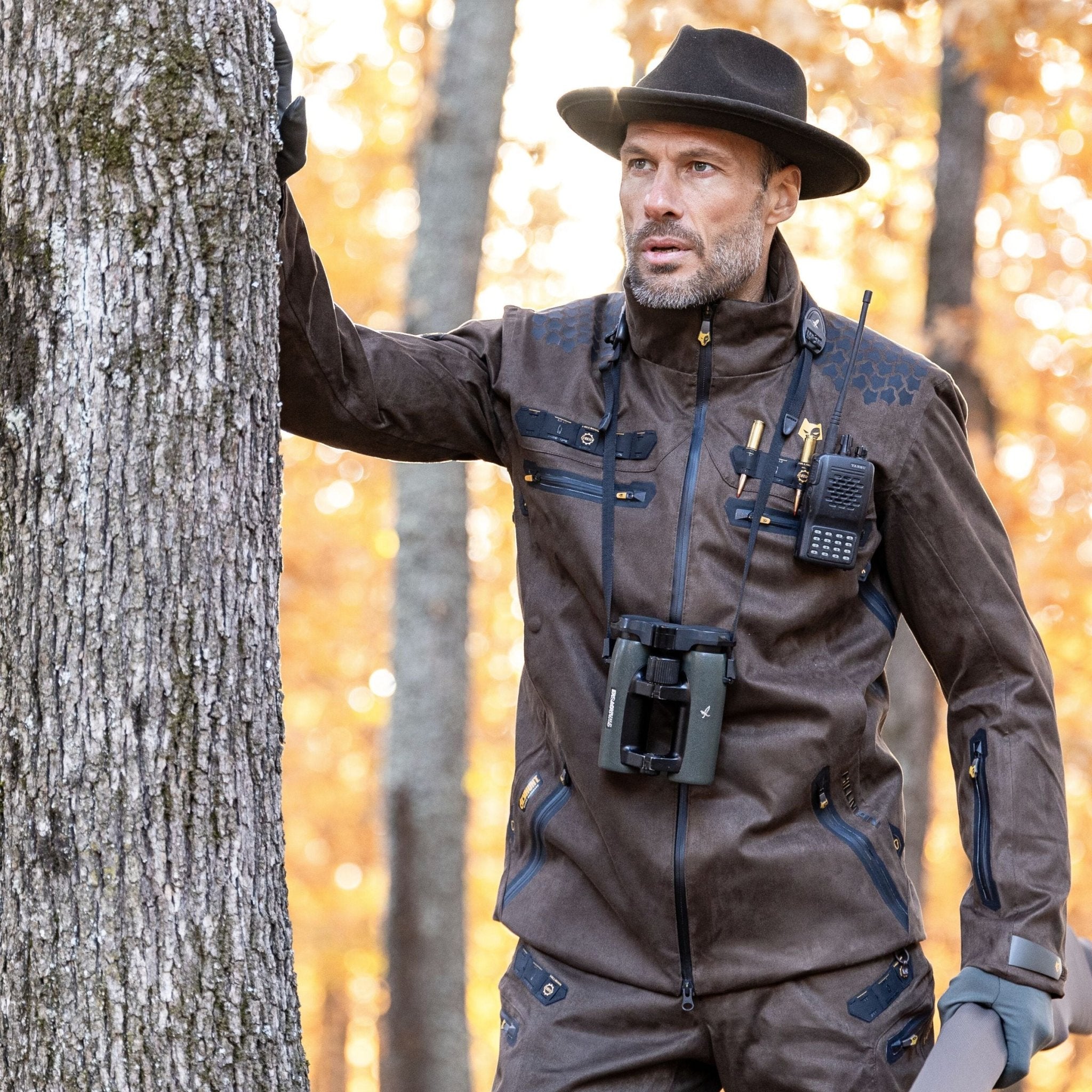
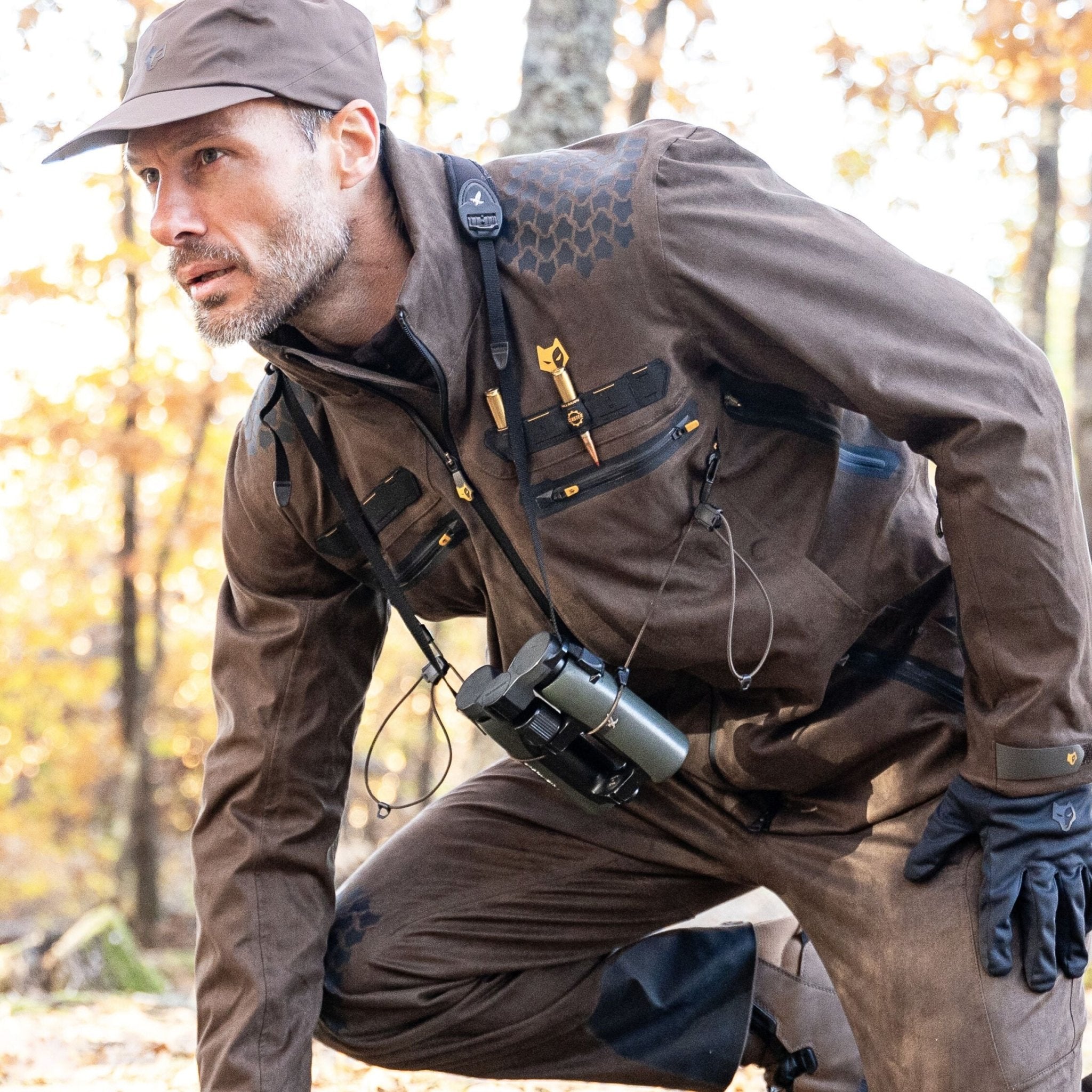
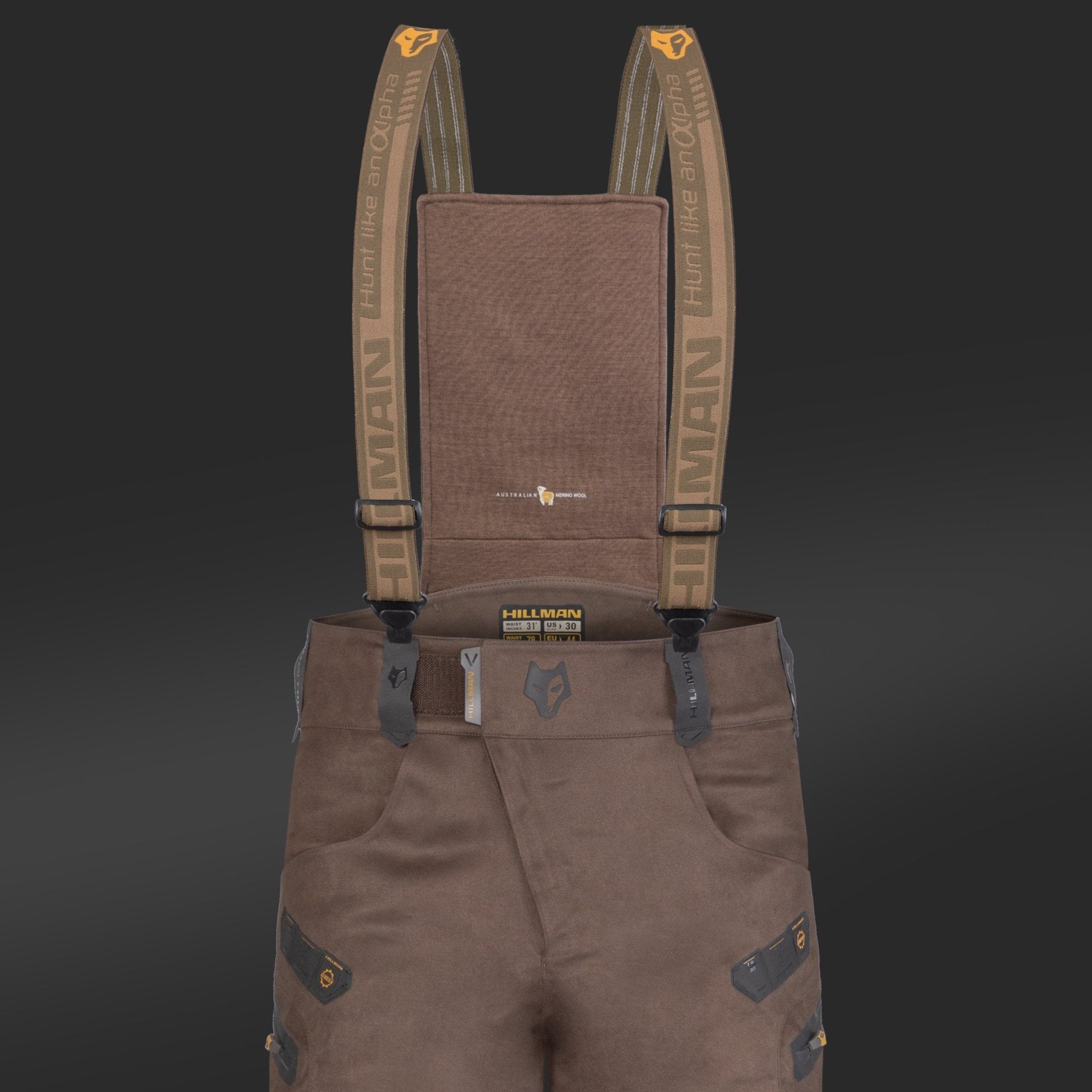
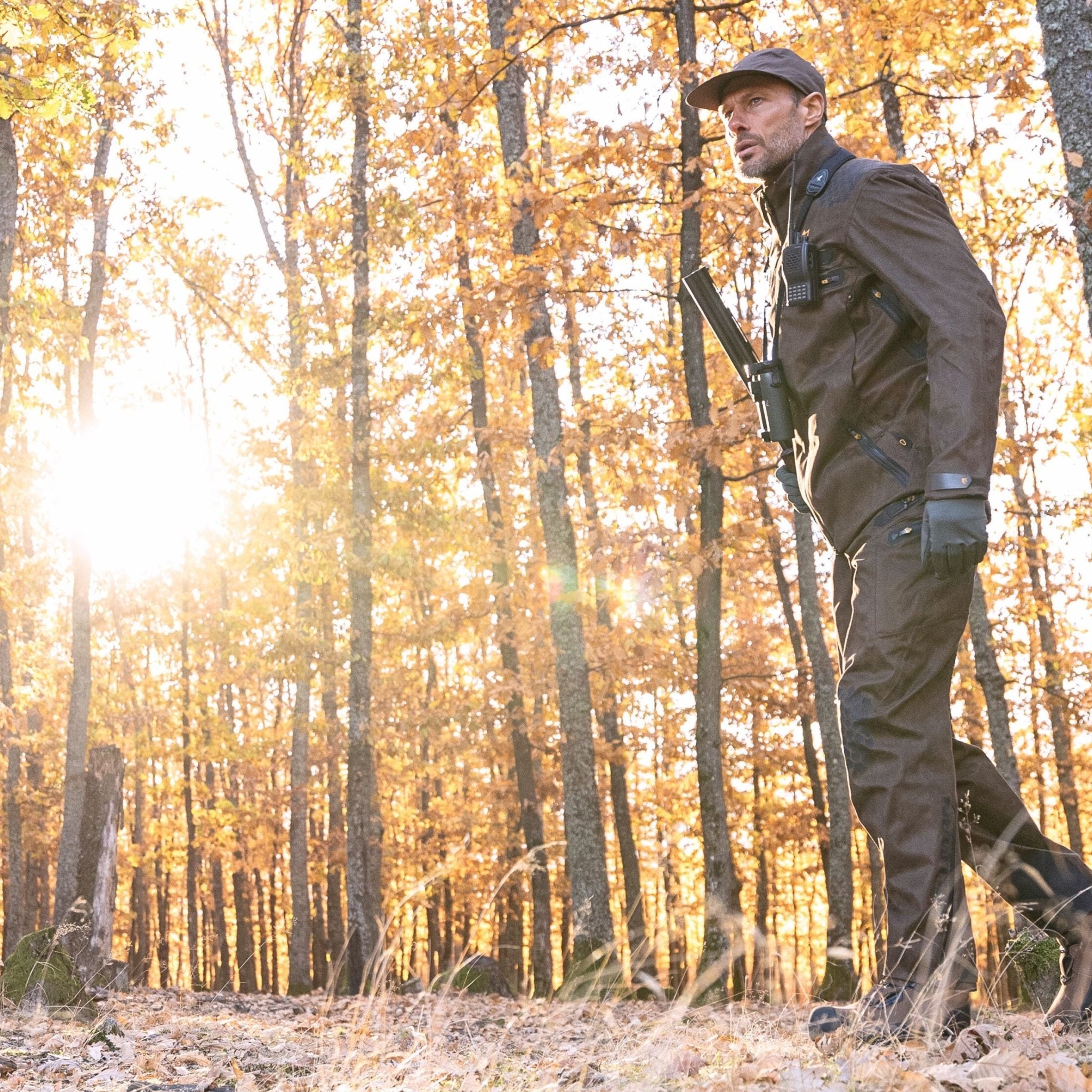
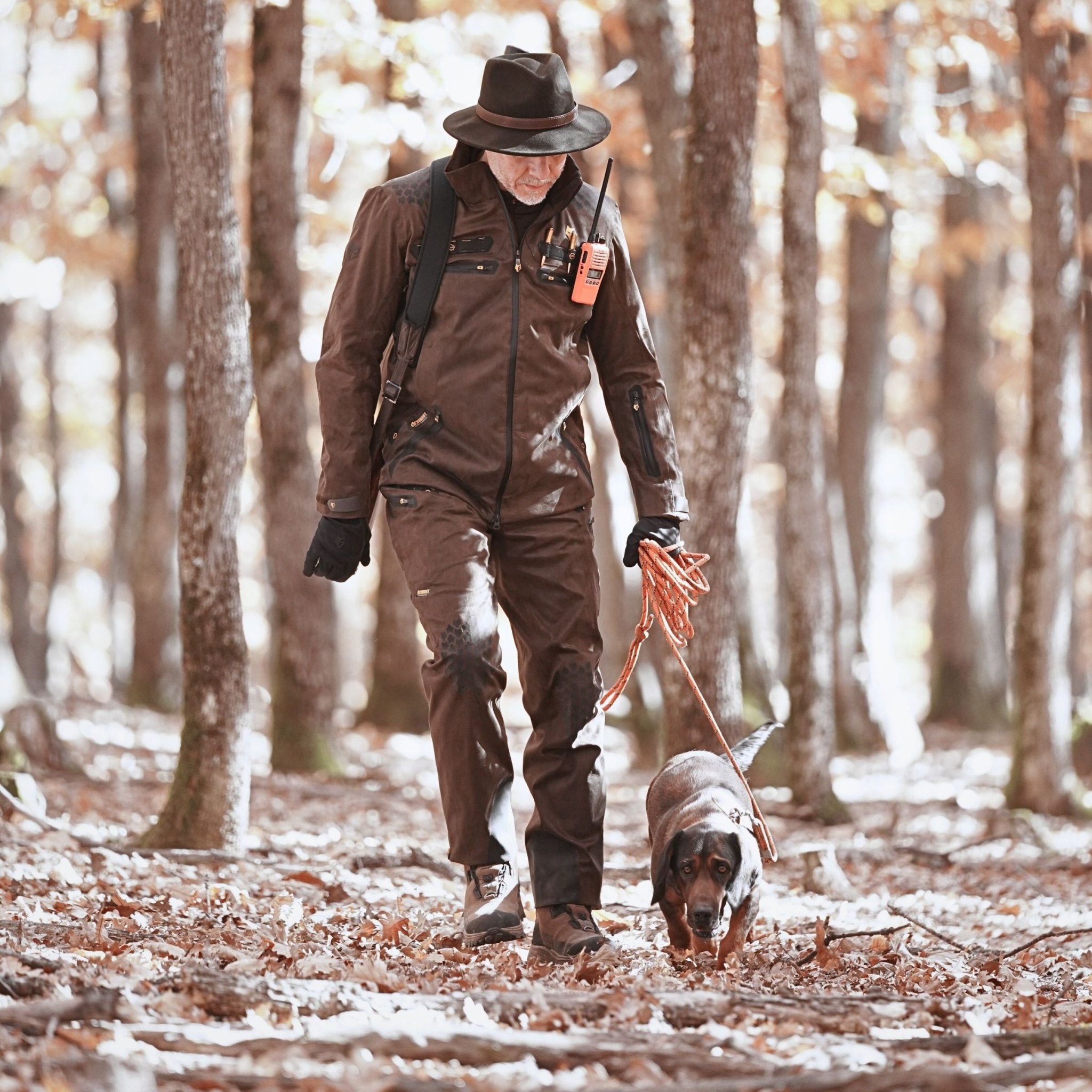
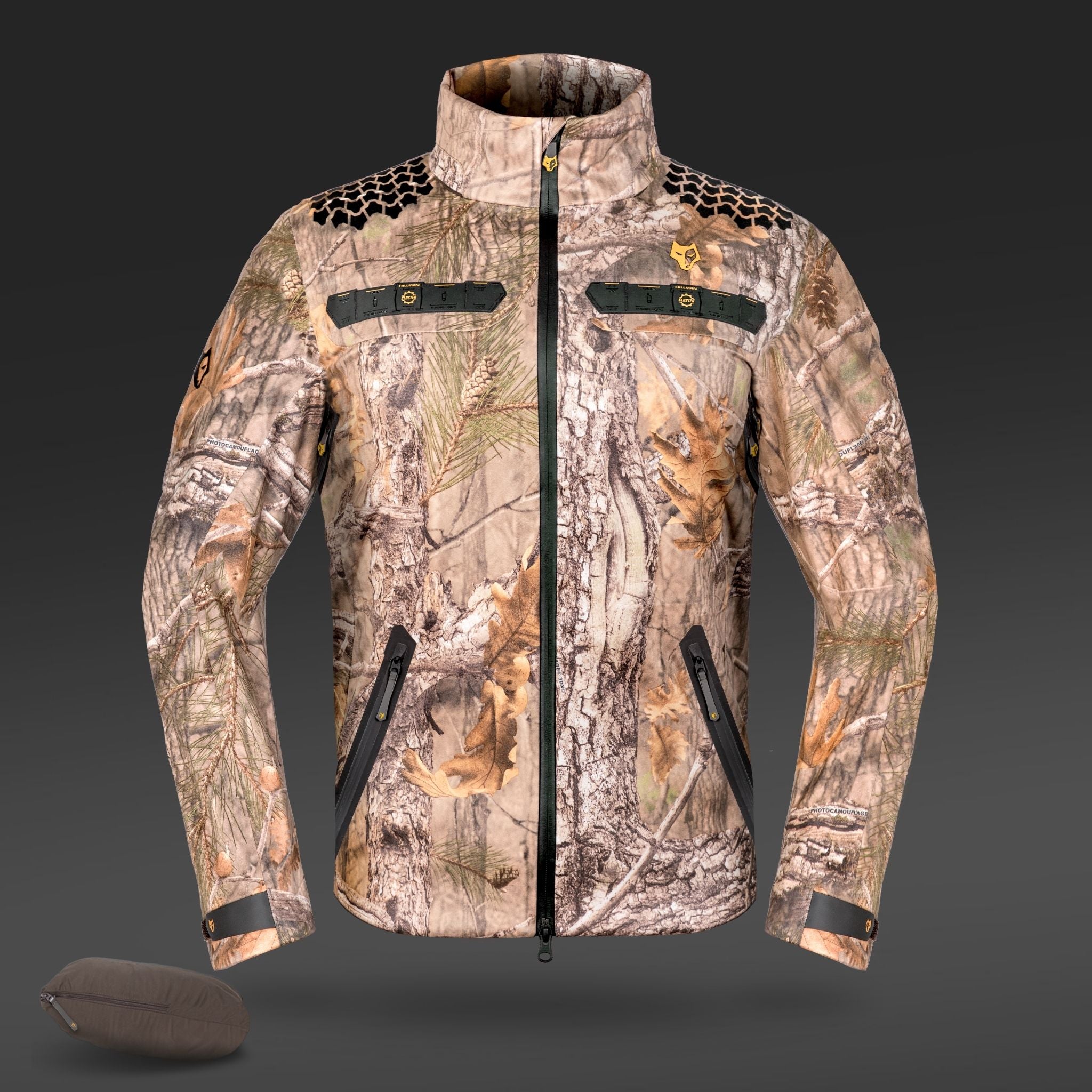
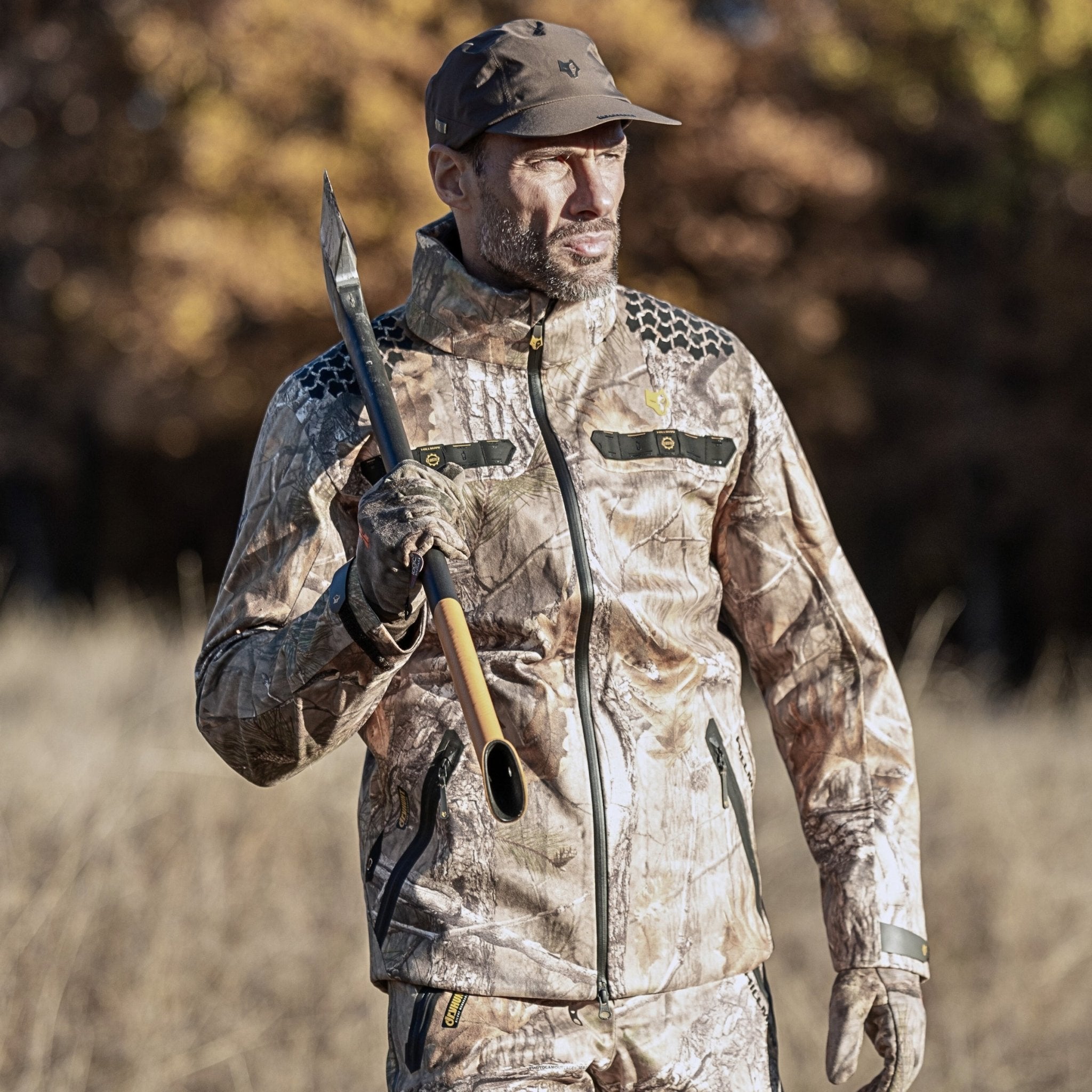
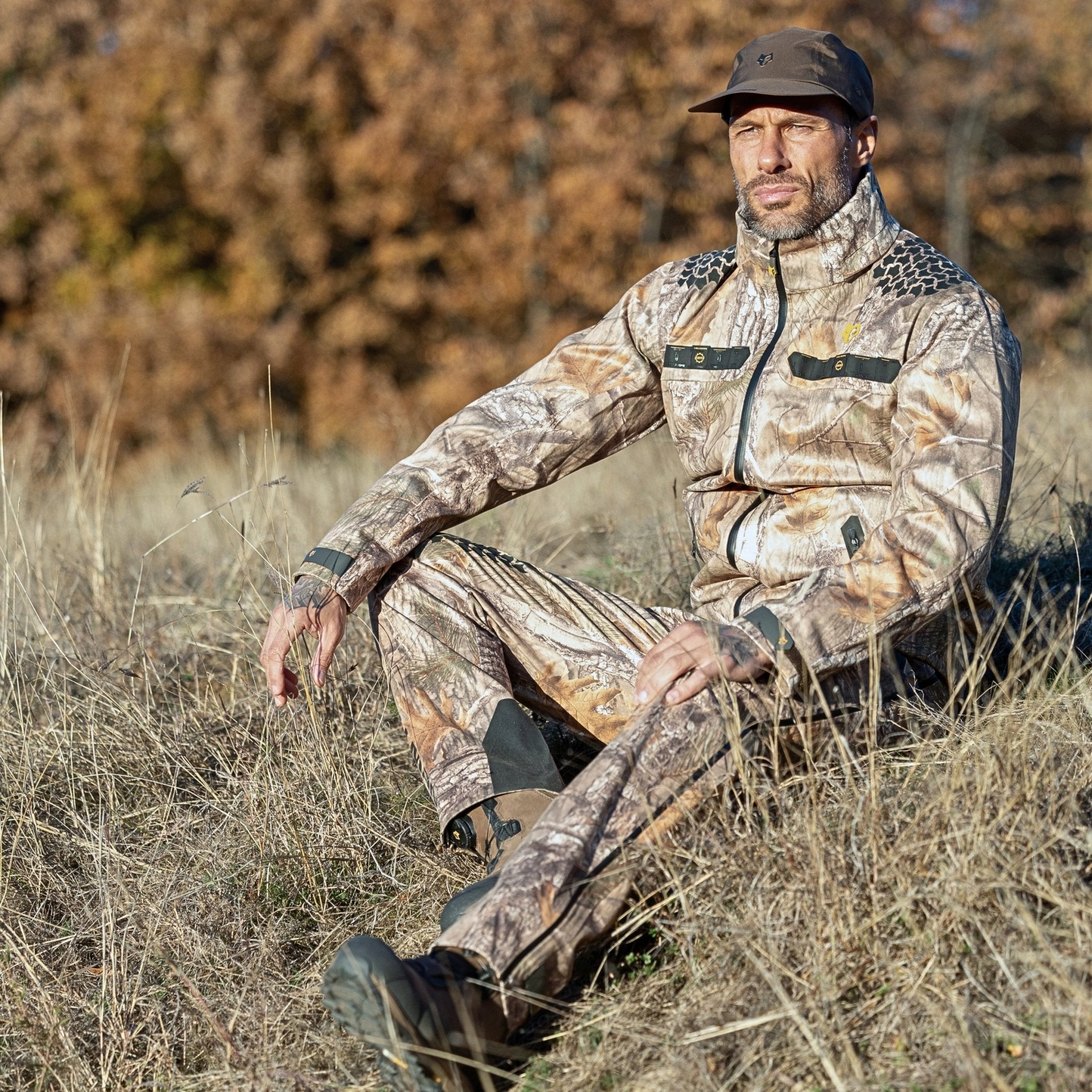
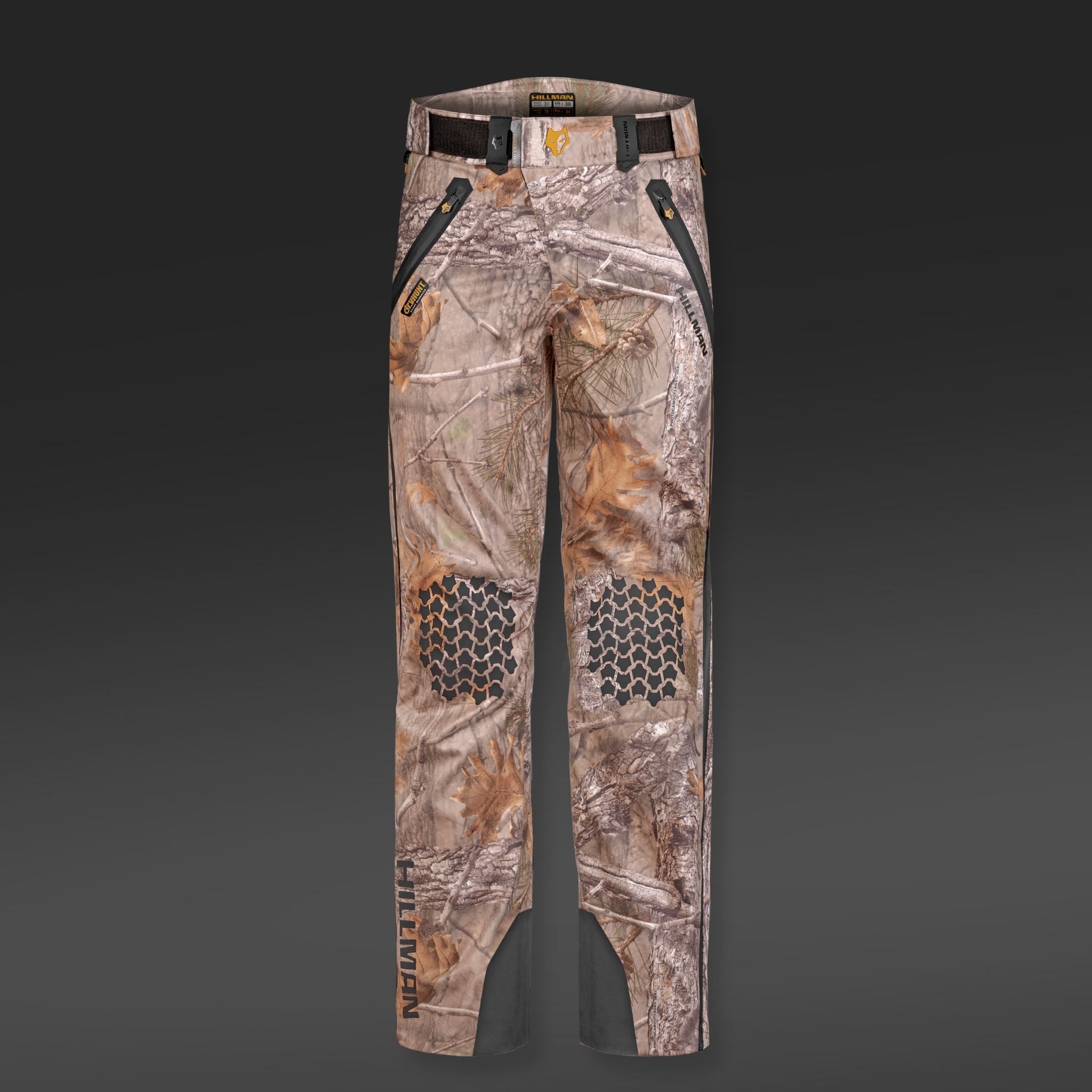
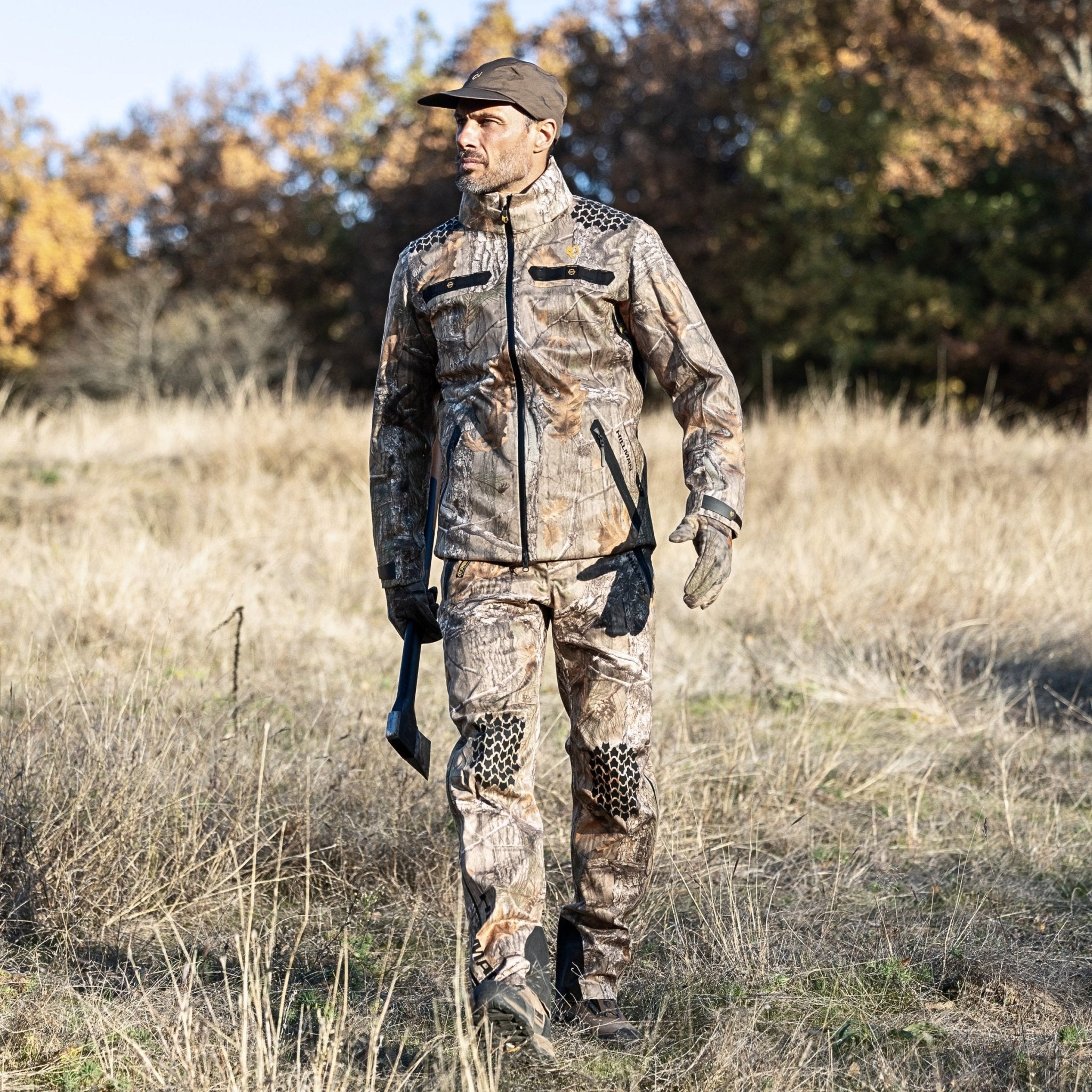
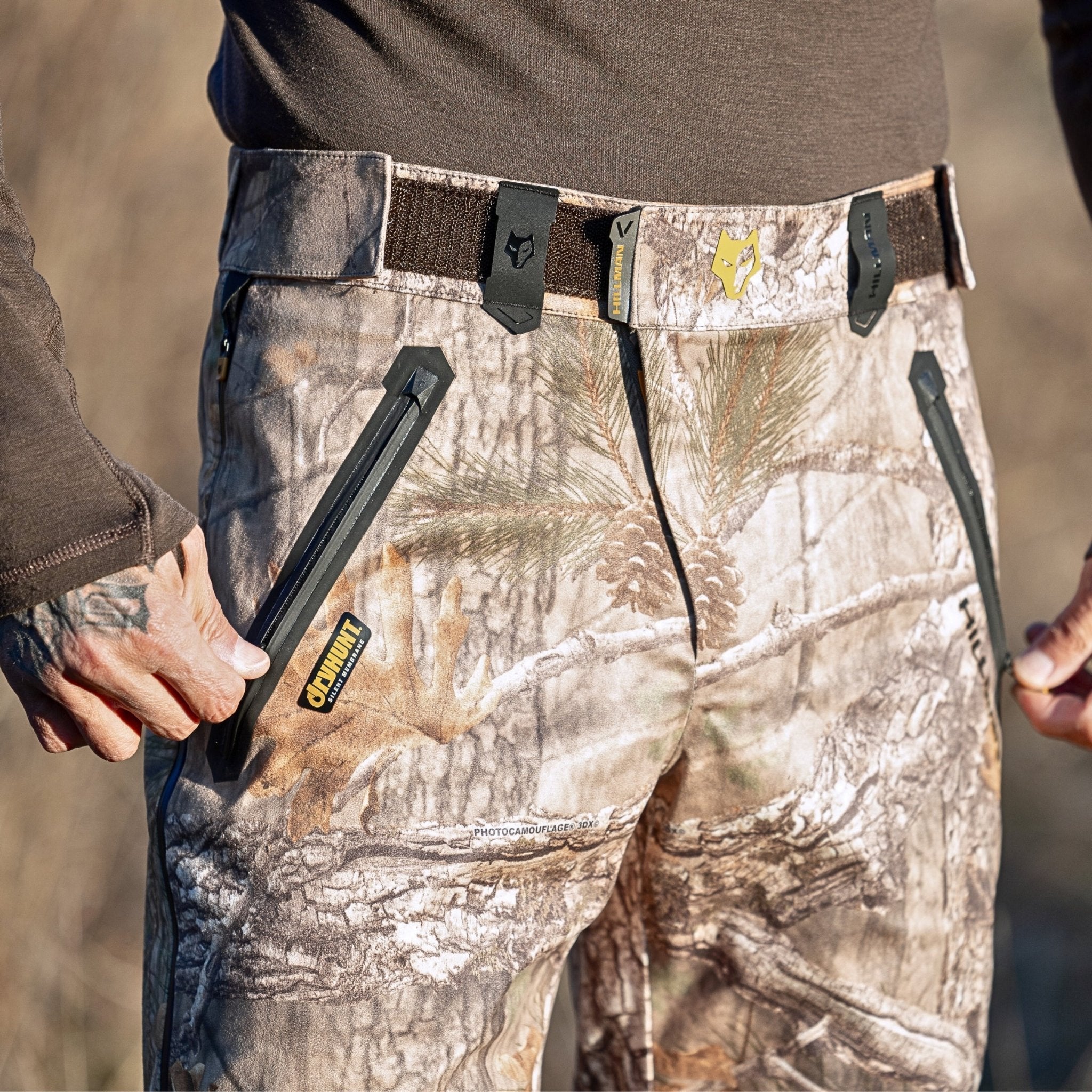
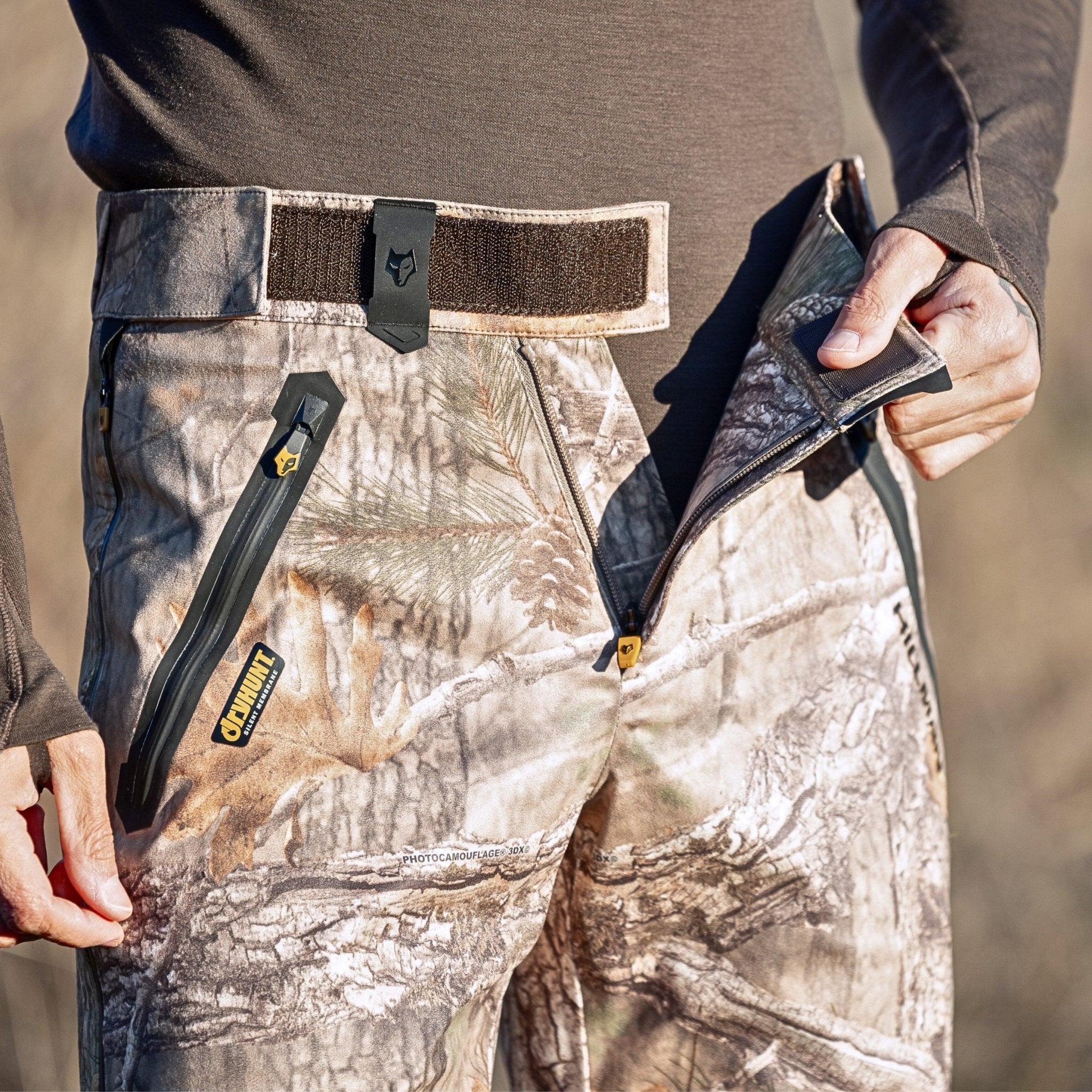
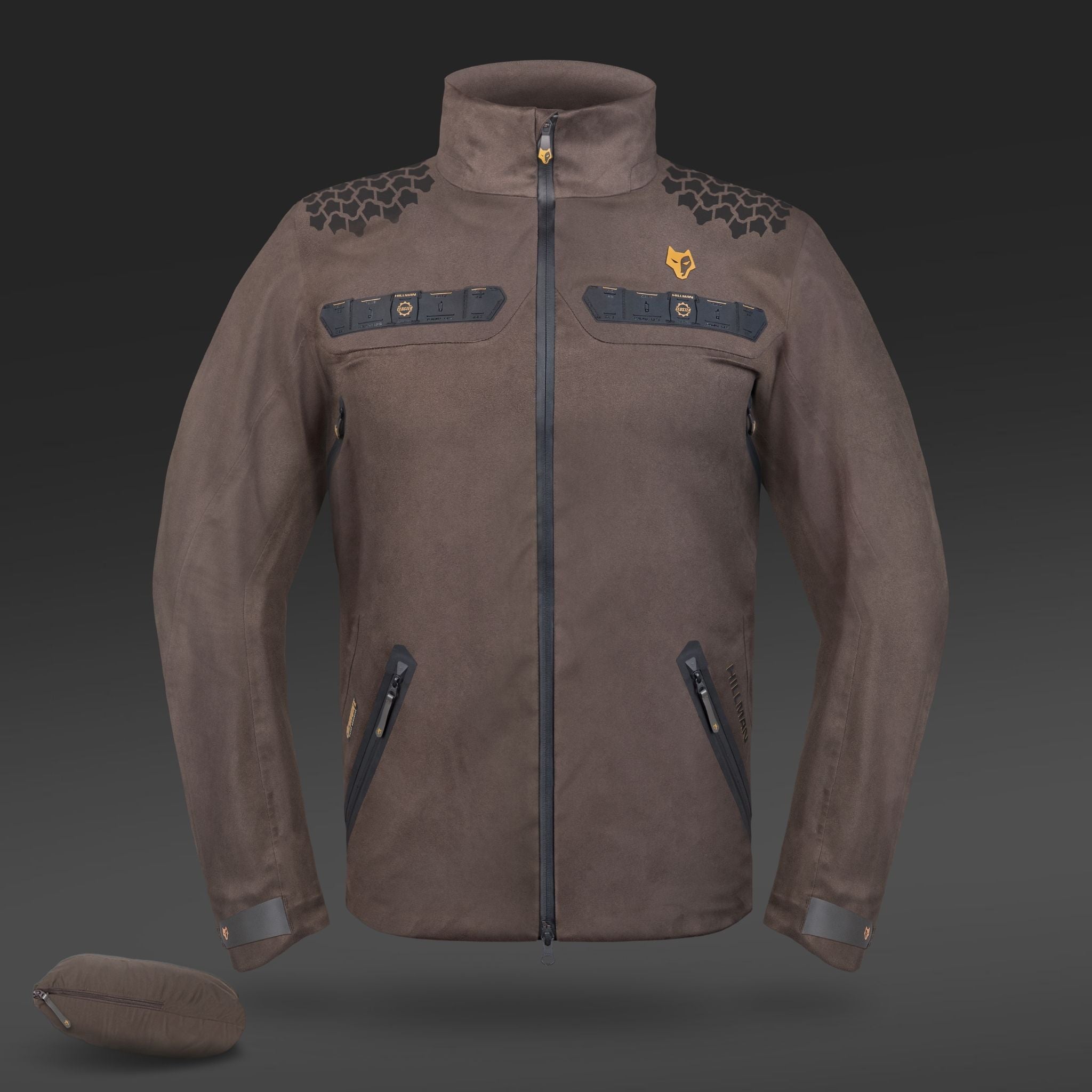
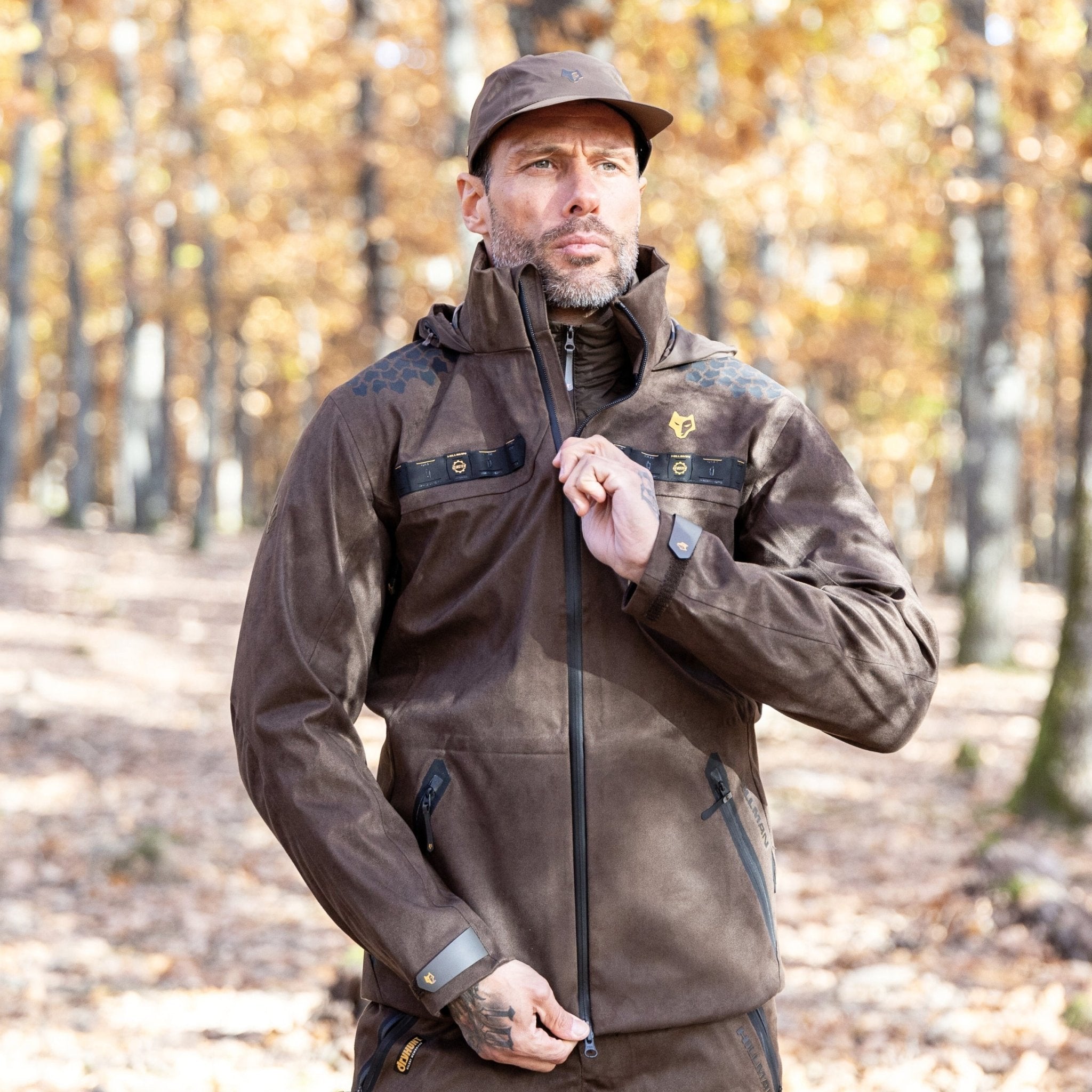
What you wear matters in dark timber. Not only for warmth, waterproofing or comfort, but for sound. A winter coat can be quiet if the outer fabric is soft. A summer coat can be light but noisy if it scratches against brash or tight woodland. Hillman should feel like part of the stalk, not a separate noise moving through it.
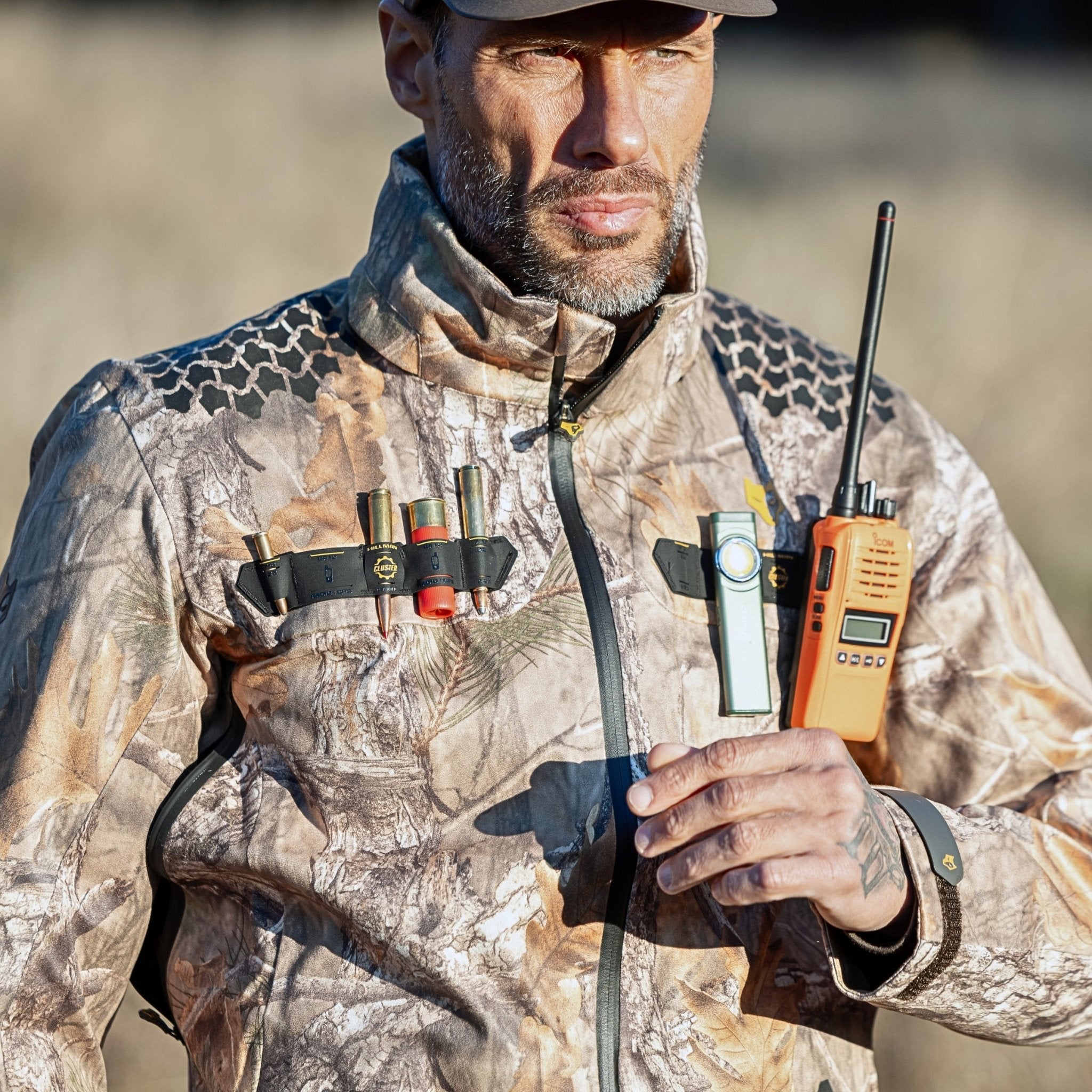
Check kit before you enter the woods. Move your arms. Mount the rifle safely in practice. Turn your head. Sit, stand, kneel, and stretch. If something clicks in the yard, it will click louder under timber when a deer is near.
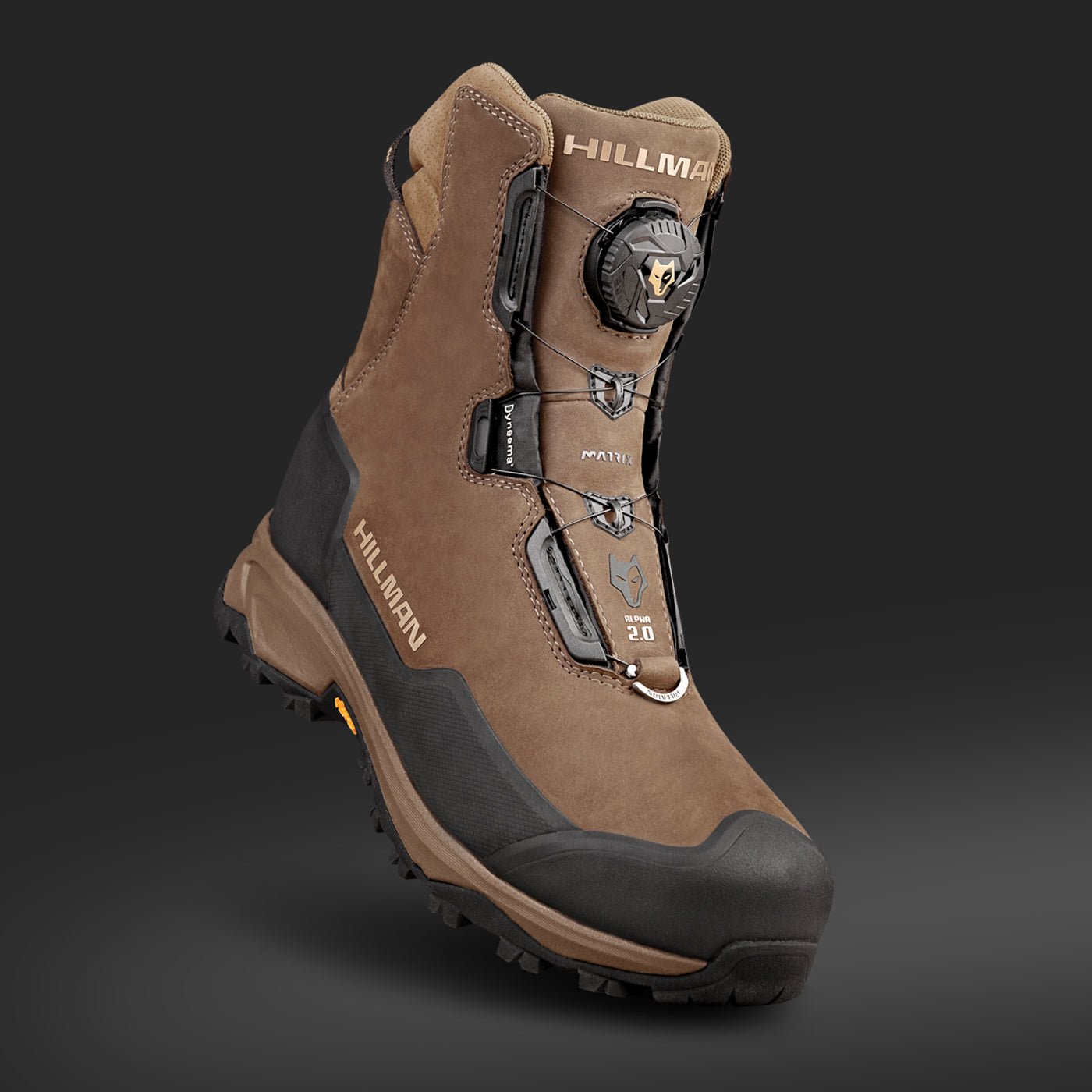
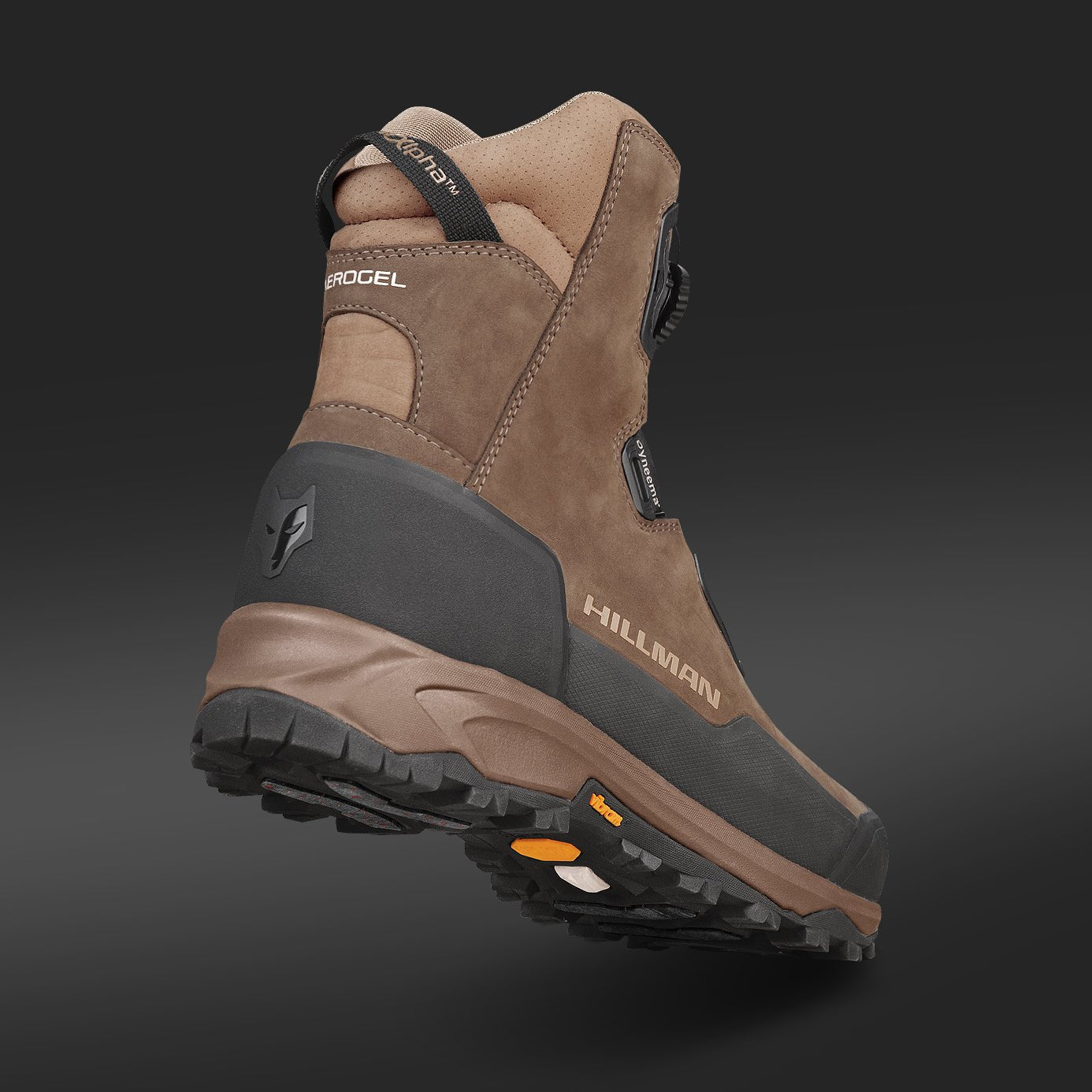
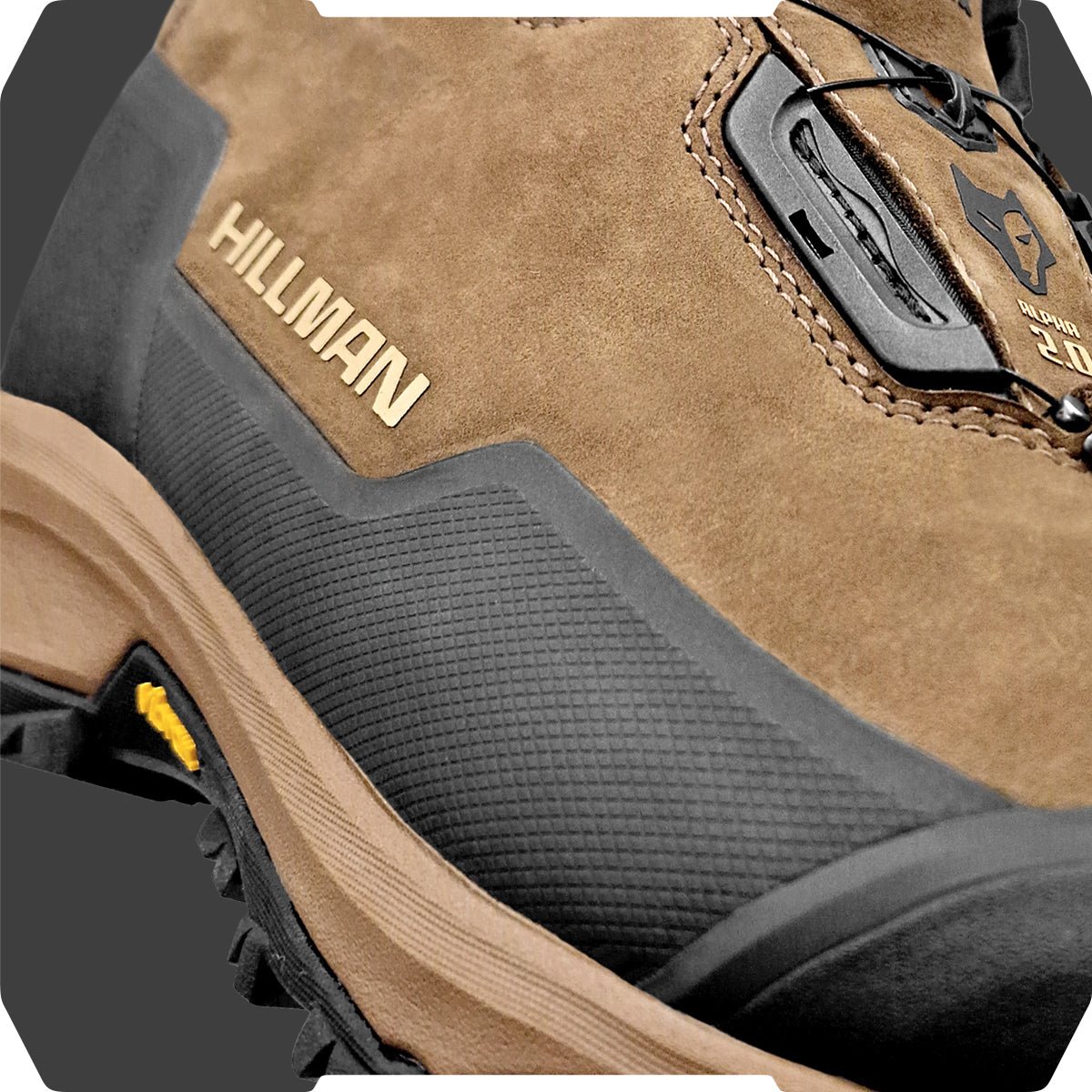
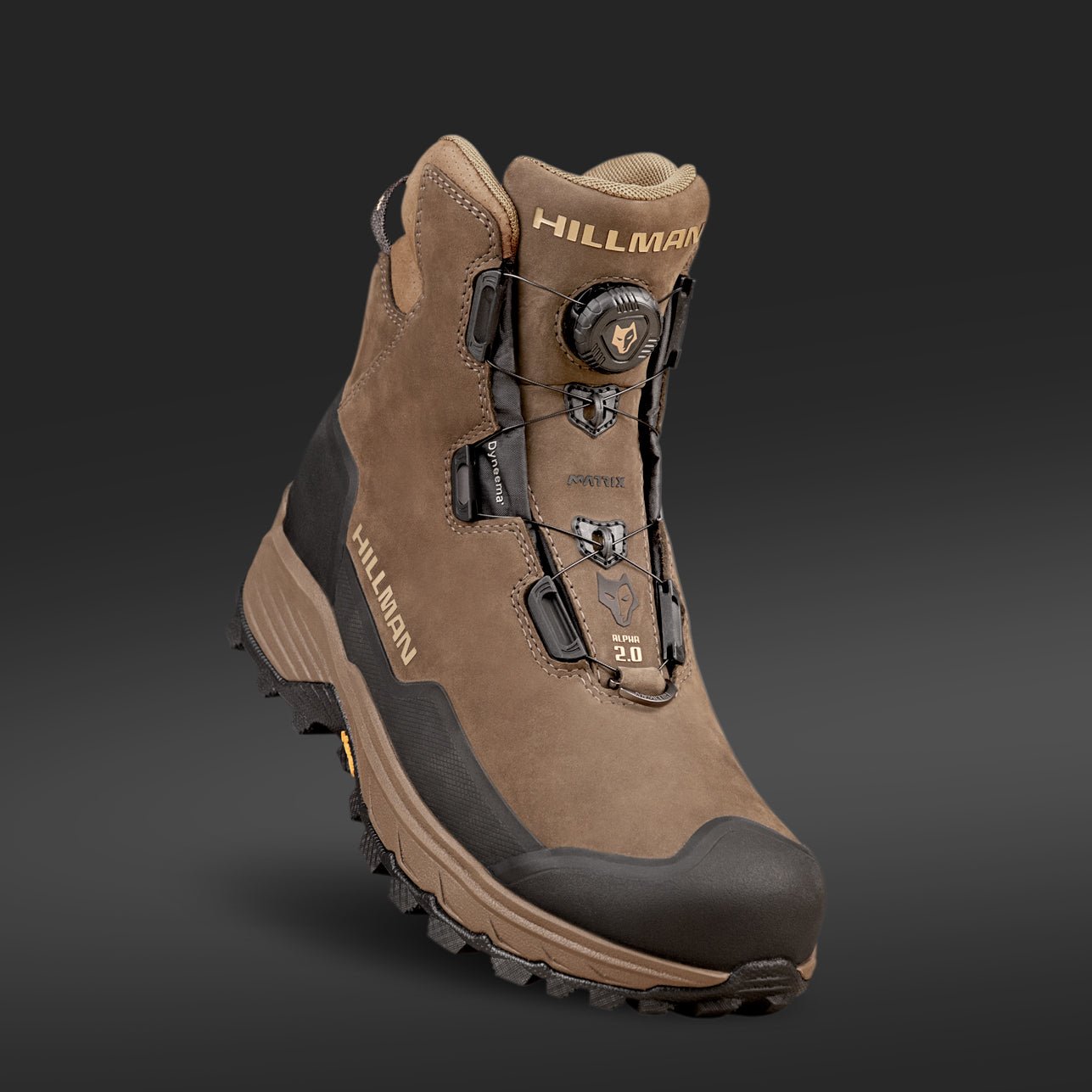
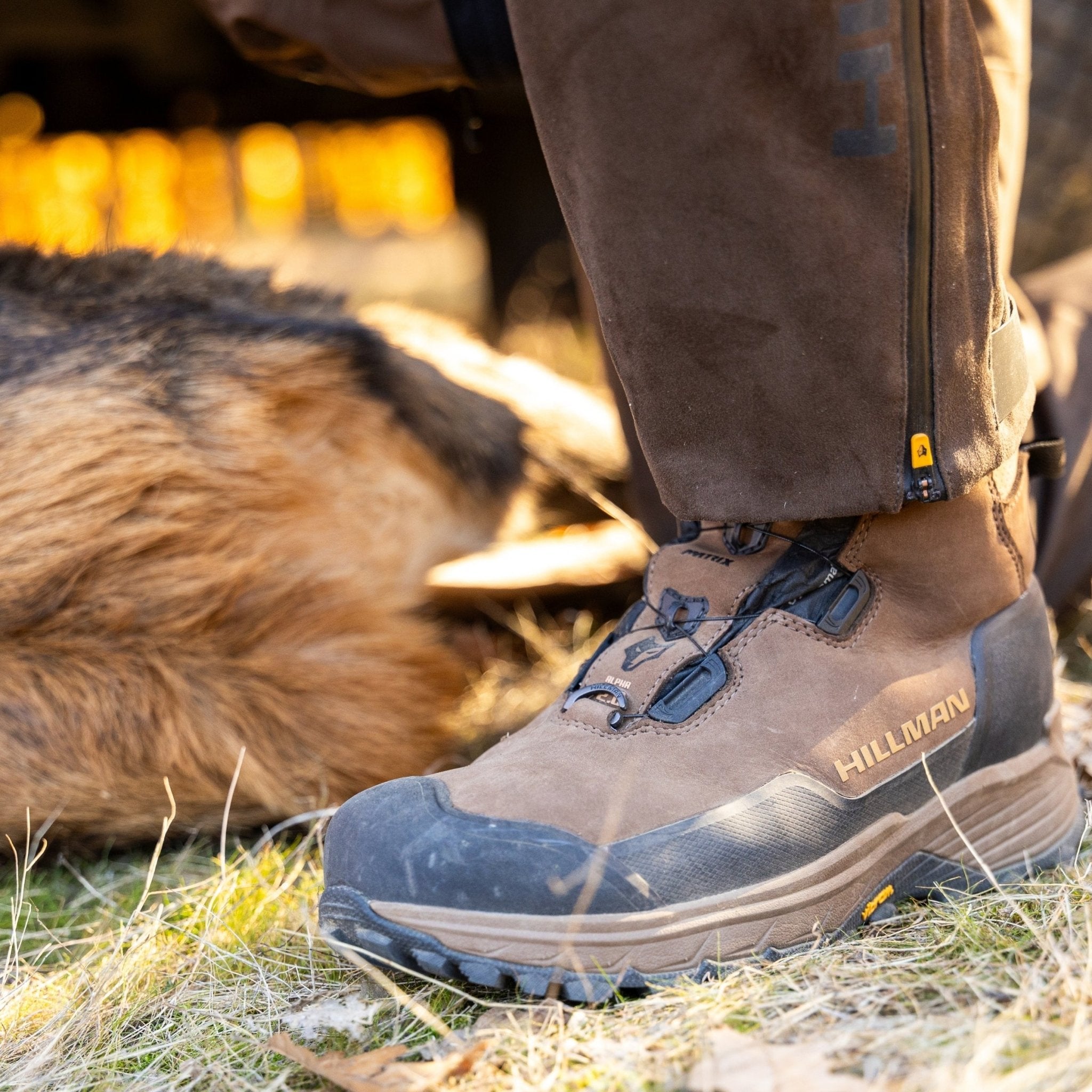
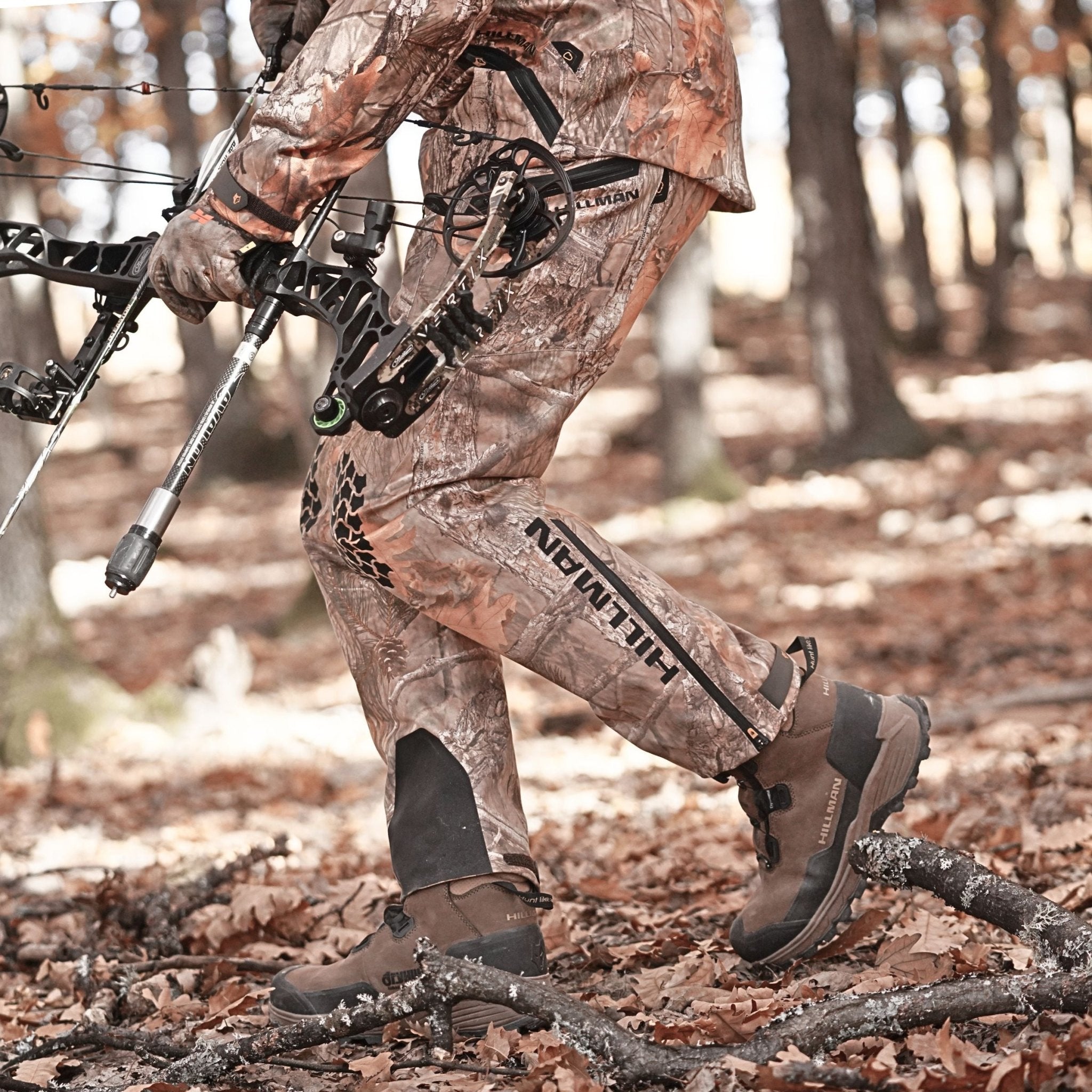
Pockets matter too. A loose pair of gloves, a metal rangefinder clip, a hard snack wrapper, or keys left in a jacket can undo a careful hour. The same goes for footwear. Boots that are too stiff can slap the ground. A sole that is perfect on the hill may be loud on dead timber. Place the toe carefully, feel the ground, then lower weight through the foot.
The point is not to become obsessive. It is to remove the silly sounds before the stalk begins. Sika stalking is difficult enough without carrying your own warning system.
First Light, Evening and the Sound of Movement

First light often gives the best balance. Deer may still be feeding or moving back towards cover. The forest has not yet been filled with human noise. Birds begin to move. The air can be cold and still, which helps you hear but also helps deer hear you.
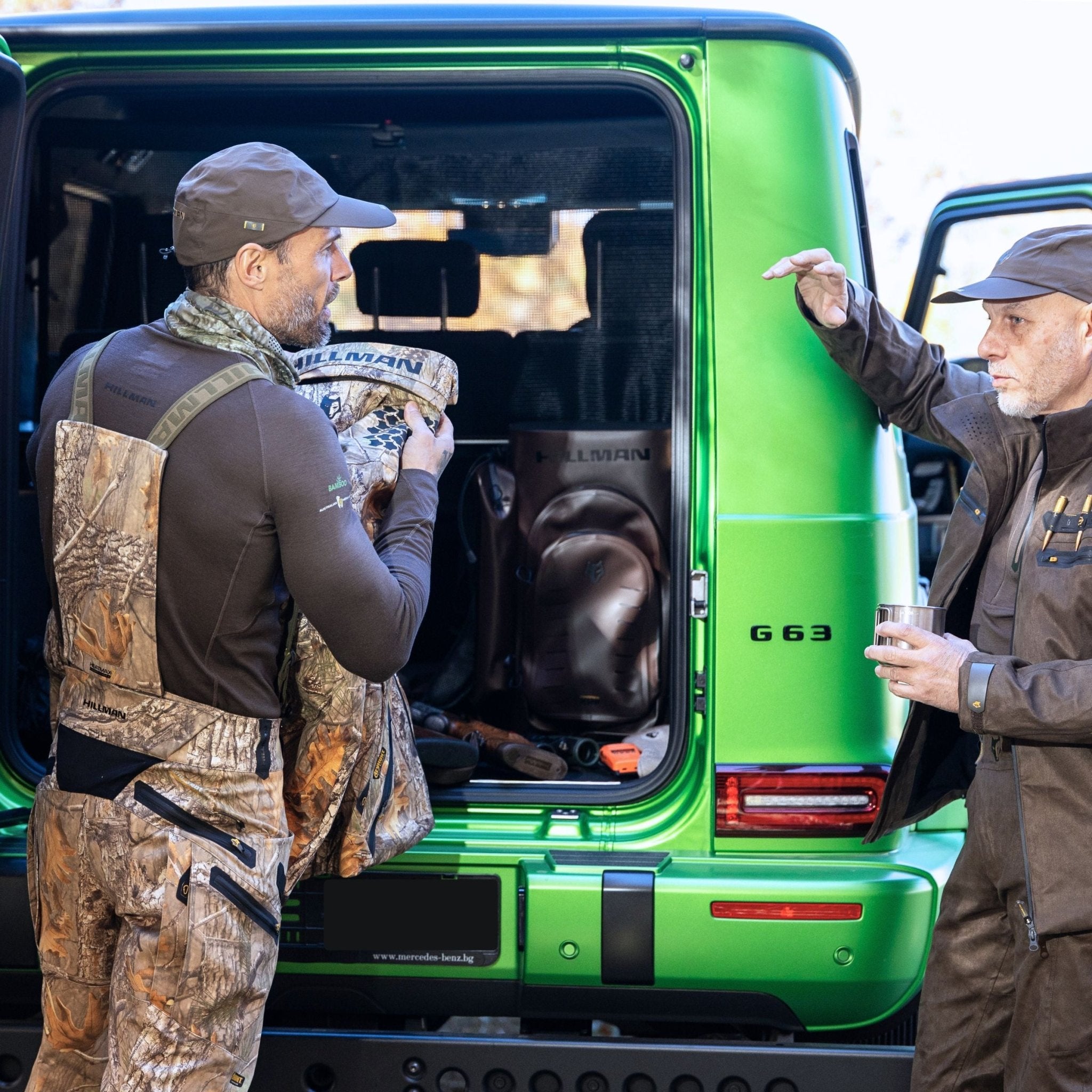
In the evening, sound changes again. The light drops, the woods tighten, and deer may begin to move from rest towards feeding. The problem is that every mistake feels louder in fading light. You may be tired. Your legs may be less careful. Friends may be waiting back at the vehicle. That is exactly when a hunter starts rushing.
Sika punish rushing. A single impatient movement near last light can end the stalk just as deer start to show. Better to move in shorter stretches. Walk, stop, listen. Move again. Use the terrain. Let the forest settle around you after each small advance.
There is a particular moment in dark timber when you feel that deer are close but cannot prove it. That is when many stalks are won or lost. Do not fill that moment with movement. Let your ears work. Often the first real clue is not sight. It is a soft shift in cover, a faint step, or a sound that has weight to it.
Hunting With a Companion in Sika Country
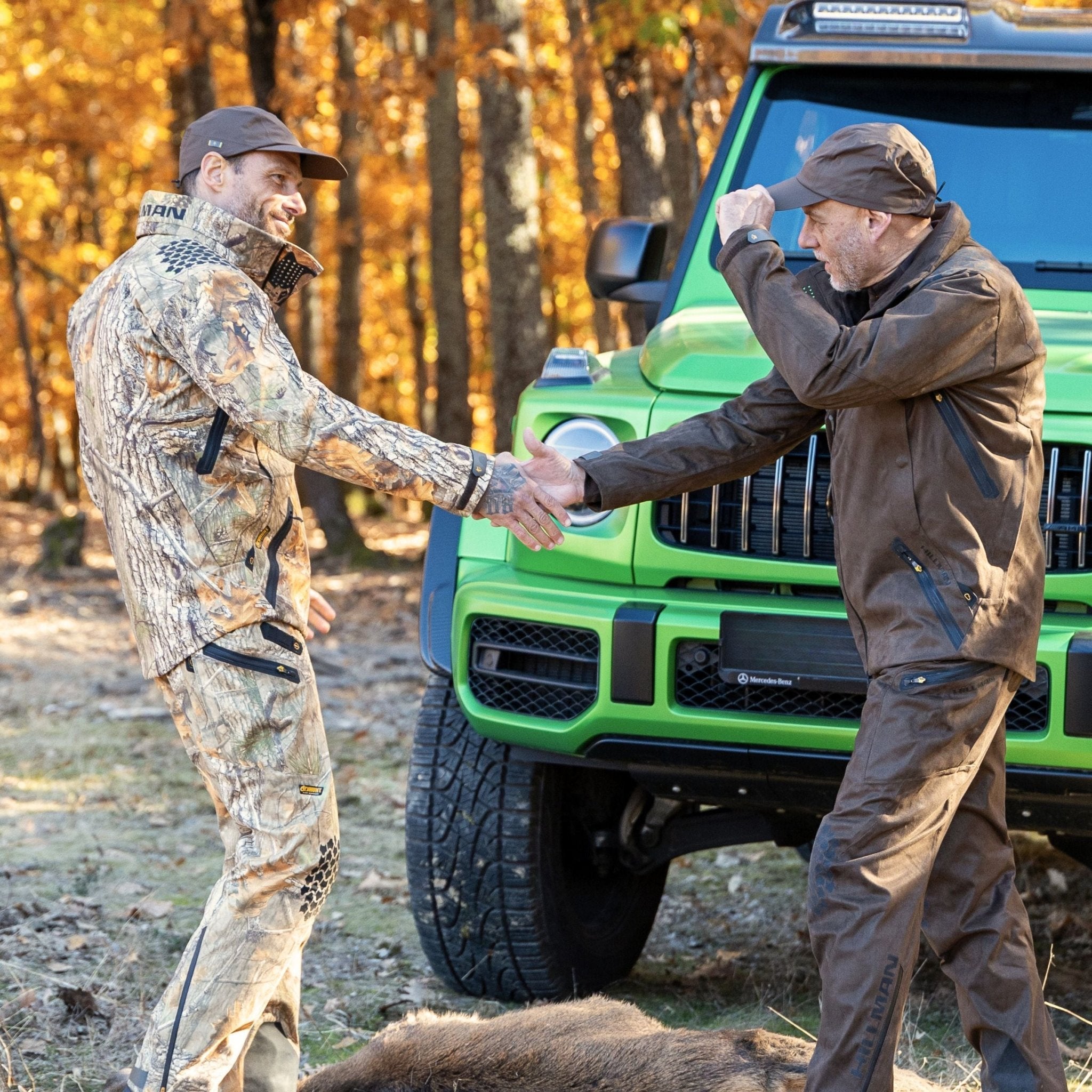
A hunting trip on sika ground can be better with the right companion. Not someone who talks over the woods or rushes the plan, but someone who understands silence and shares the same respect for the animals. Stalking with friends can make the whole experience more memorable, especially in wild places where the day is as much about the forest as the shot.
There is something powerful about experiencing a stalk through someone else’s eyes. Watching a companion hear their first sika stag in the timber, or seeing them freeze when a hind steps into view, can be as rewarding as being the one behind the rifle. Shared moments outdoors have a way of lasting.
Still, two humans make more sound than one. The pair must move like one animal, not two separate problems. Agree on simple signals before entering the woods. Decide who leads, who watches, who carries what, and when to stop. Do not whisper constantly. Whispering is still sound, and in close timber it can be worse than a natural footfall.
Companionship doubles the enjoyment when it is done well. It doubles the noise when it is not.
Practical Tips for Sound-Aware Sika Stalking

The best tips are often simple. Move only when the forest gives you permission. Wind in the trees, rain, river sound, or deer movement can all cover a careful step. Stillness gives you nothing to hide behind.
Keep your head moving slowly. Fast head movement is both visual and audible when collars, hoods or fabric rub. Avoid brushing trees with your shoulder or rifle. In thick woodland, many hunters focus on the foot and forget the top half of the body.
Do not step over branches if you can step around them. A stretched leg is less controlled. It puts weight down badly and can leave you balanced on one foot at the wrong time. If you must cross noisy ground, do it in tiny pieces. One step, wait. Another step, wait. Let the sound become part of the forest rather than a line of human rhythm.
When you hear deer, resist the urge to answer every sound with movement. Sika may be feeding, standing, or watching. Sound can help you locate them, but it can also tempt you into moving too soon. The quiet hunter who waits often learns more than the eager hunter who tries to force the moment.
The Fine Line Between Useful Sound and Pressure
Sika deer do not need perfect information to leave. They only need enough doubt. That is the fine line in dark timber. Natural sound can help the stalk. Abnormal sound can ruin it. Calling can bring a stag close. Repetition can educate him. Wind can cover your movement. It can also hide the deer’s movement and leave you exposed at close range.
Every stalk is a lesson in restraint. You may spend half an hour gaining twenty yards. You may sit in cold timber, hear animals moving, and never see enough for a safe shot. That is not wasted time. It is practice. It teaches the ear, the foot, the sense of pace.
Hunting sika deer is rewarding because the animal makes you work for the moment. The shot, when it comes, is only one part of it. The rest is the wait, the woodland, the sound of stags in the rut, the first light through trees, and sometimes the quiet walk back with nothing taken but a better idea of how the forest works.




Share:
Flight Pond Evenings: Wind, Entry Routes for Wildfowling Setup
Rabbit Evenings on Permission: Safe Angles, Slow Ground