
Flight Pond Evenings: How Wind and Entry Routes Shape a Better Wildfowling Setup

Read wind, entry routes and dusk movement to build a quieter, more effective flight pond setup for wildfowling.
A good flight pond evening is rarely made at the moment the first ducks appear. It starts earlier, often in the morning, when you check the wind, look at the water, and ask yourself how wild birds are likely to use the place once the light begins to fail.
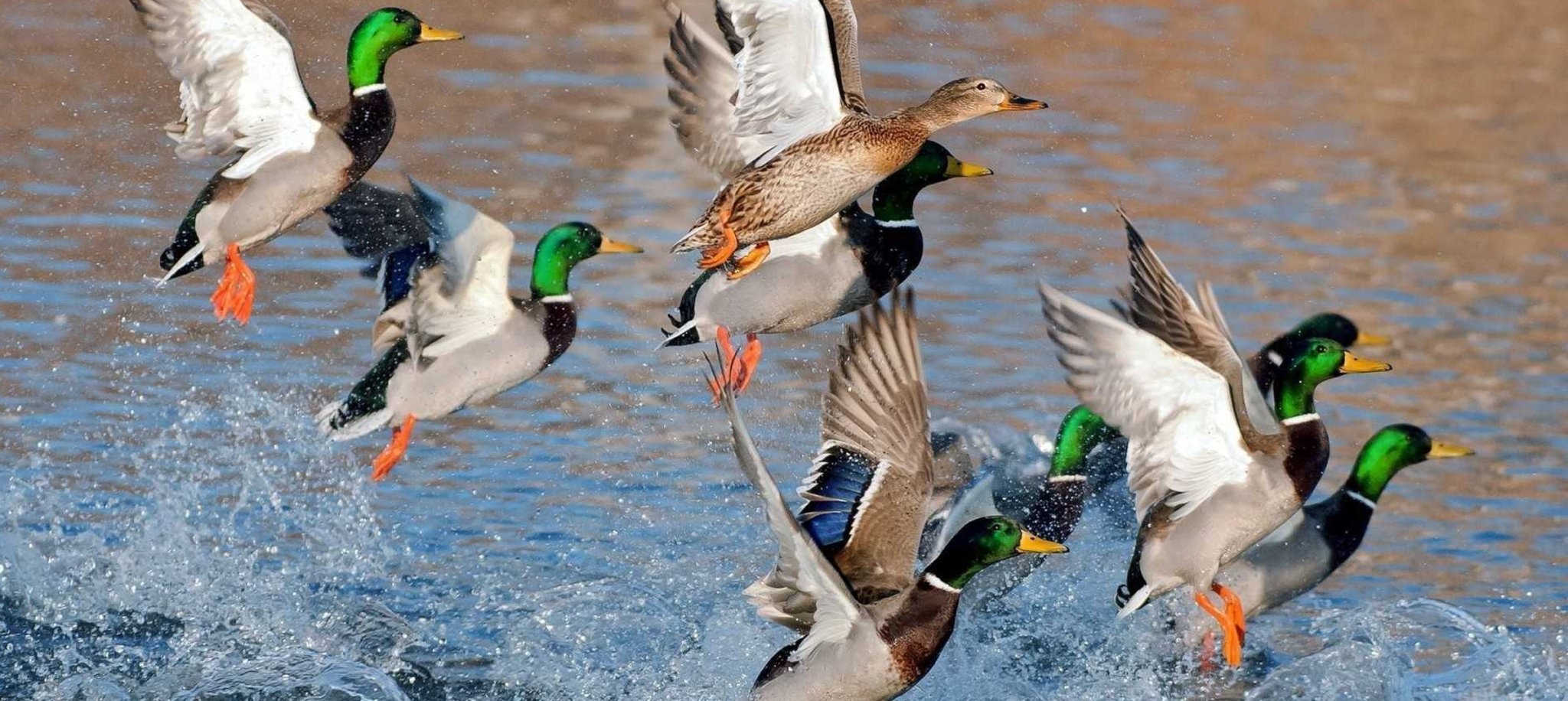
A flight pond is usually a small pond, splash, marsh corner or patch of fresh water where ducks come to feed after spending the daytime on large water bodies, estuaries or quieter daytime resting places. In an ideal world, the movement looks simple. Ducks leave the open water, swing inland, drop height, and arrive over the pond at dusk. In real life, all this changes with wind, moon, ice, disturbance, food and pressure from other wildlife.
The aim is not just to attract ducks. It is to make the pond feel safe enough that birds keep coming. A single careless evening can push them elsewhere. A little patience, a quiet approach and a proper reading of the weather can make a big difference, especially on a small pond where every sound and shadow carries.
Wind Is the Main Tactical Factor

Wind matters more than most other details. It affects flight height, confidence, line of approach and the way ducks land. Ducks prefer to land into the wind because it lets them slow down and stay in control. If the wind is wrong for your hide, your decoys, or your entry route, the evening flight can fall apart before you even raise the gun.
Overcast, blustery evenings are often the best for wildfowling. The wind breaks up bigger flocks, covers small noises, and makes ducks more willing to commit to a pond. On still, clear nights, birds often stay high and suspicious. They may circle once, drift wide, or simply pass on. That is where many missed chances begin.
A fresh breeze can also carry away the sound of a shot, which helps if there are still ducks coming later in the flight time. It does not make noise irrelevant, but it gives you a little more cover. On calm water, one clink of metal, one dog shaking beside the hide, or one careless step on dry land can travel farther than expected.
Reading Ducks Flight Lines Before You Choose the Hide

Before thinking about decoys or a bag, watch how the ducks fly into the area. Mallard, teal and other duck species do not always use the same line. Some come low over trees. Some drop in from a marsh edge. Others use a gap in a hedge or follow a shallow drain. Once you know the usual entry routes, you can set up without forcing birds to cross you at awkward angles.
The combination of wind direction and entry routes should decide where you sit. If ducks are likely to arrive from the west but the wind makes them turn into the east before landing, your hide must work with that final swing. If you sit in the wrong place, birds may see your face, catch movement from your hands, or flare just when they should be dropping.
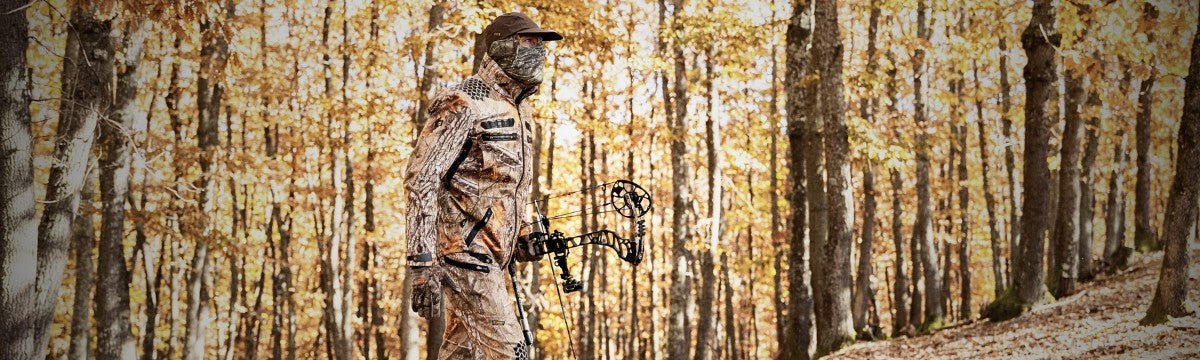
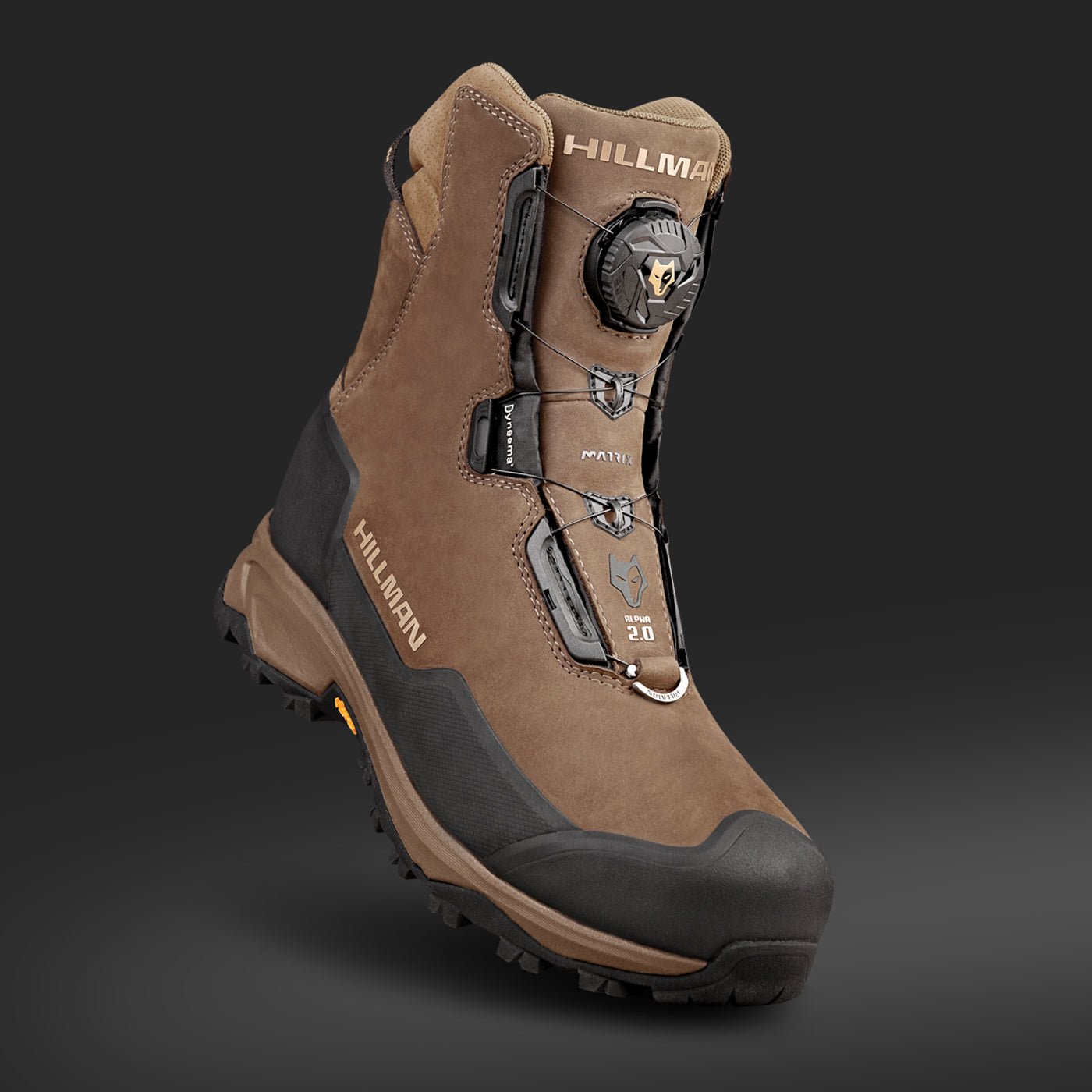
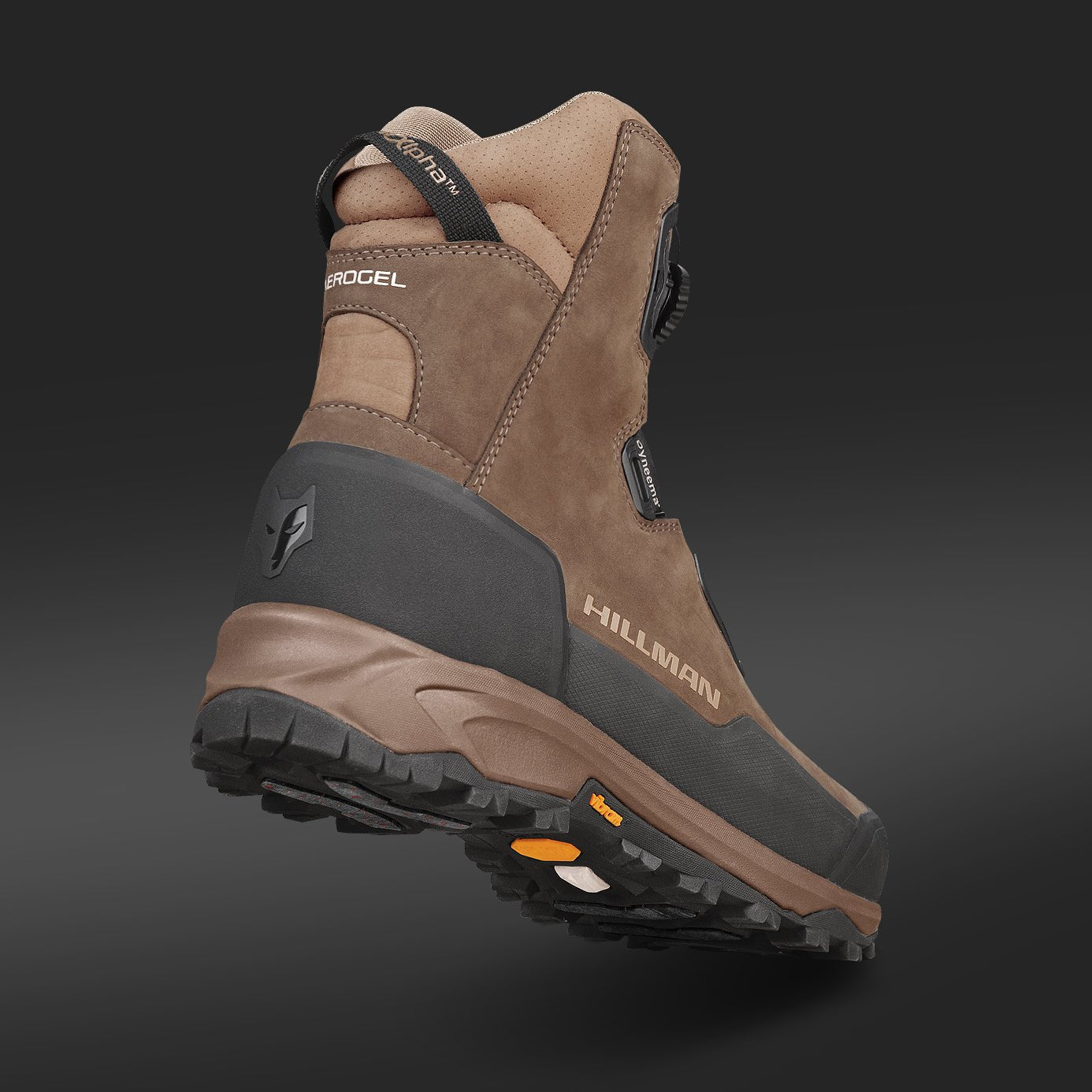
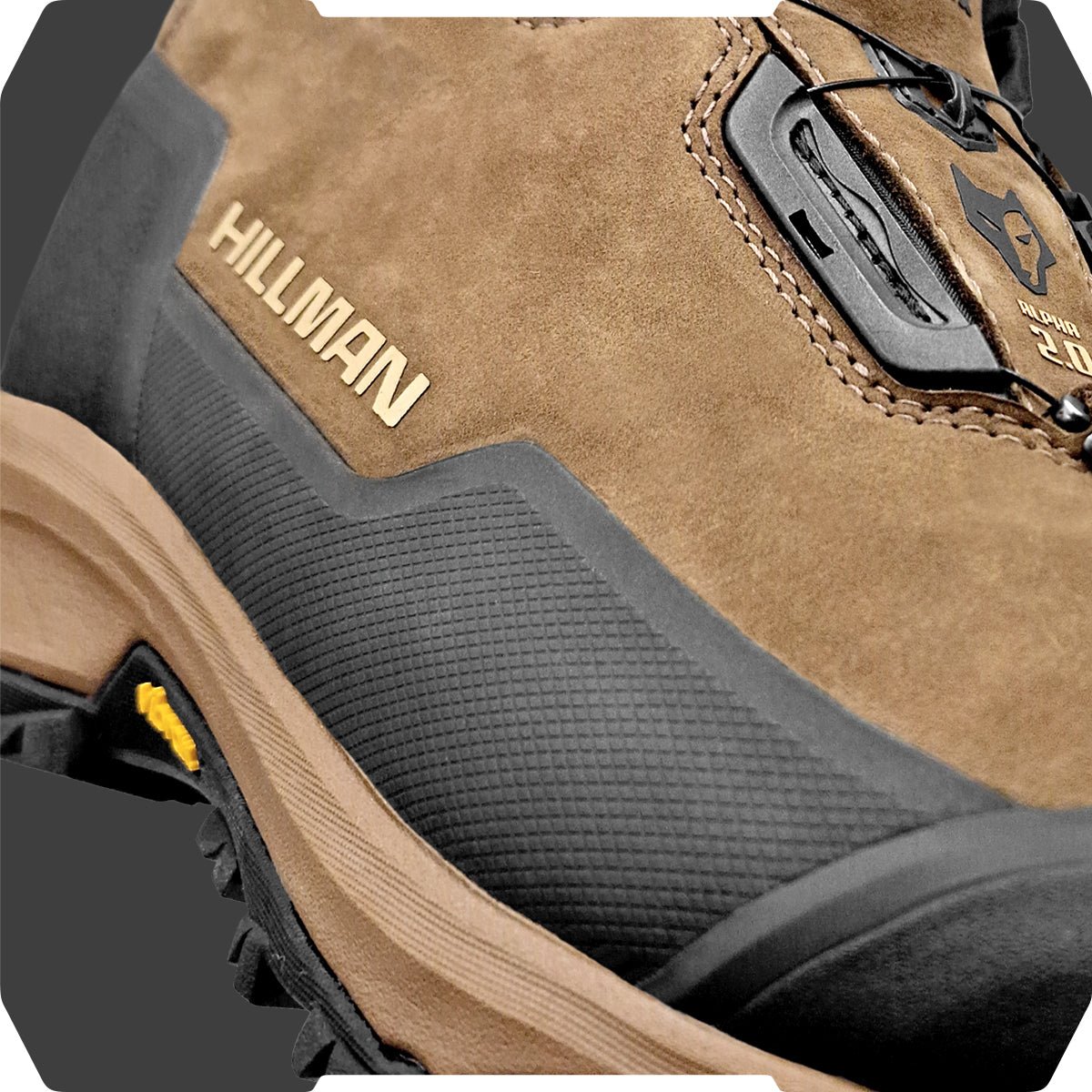
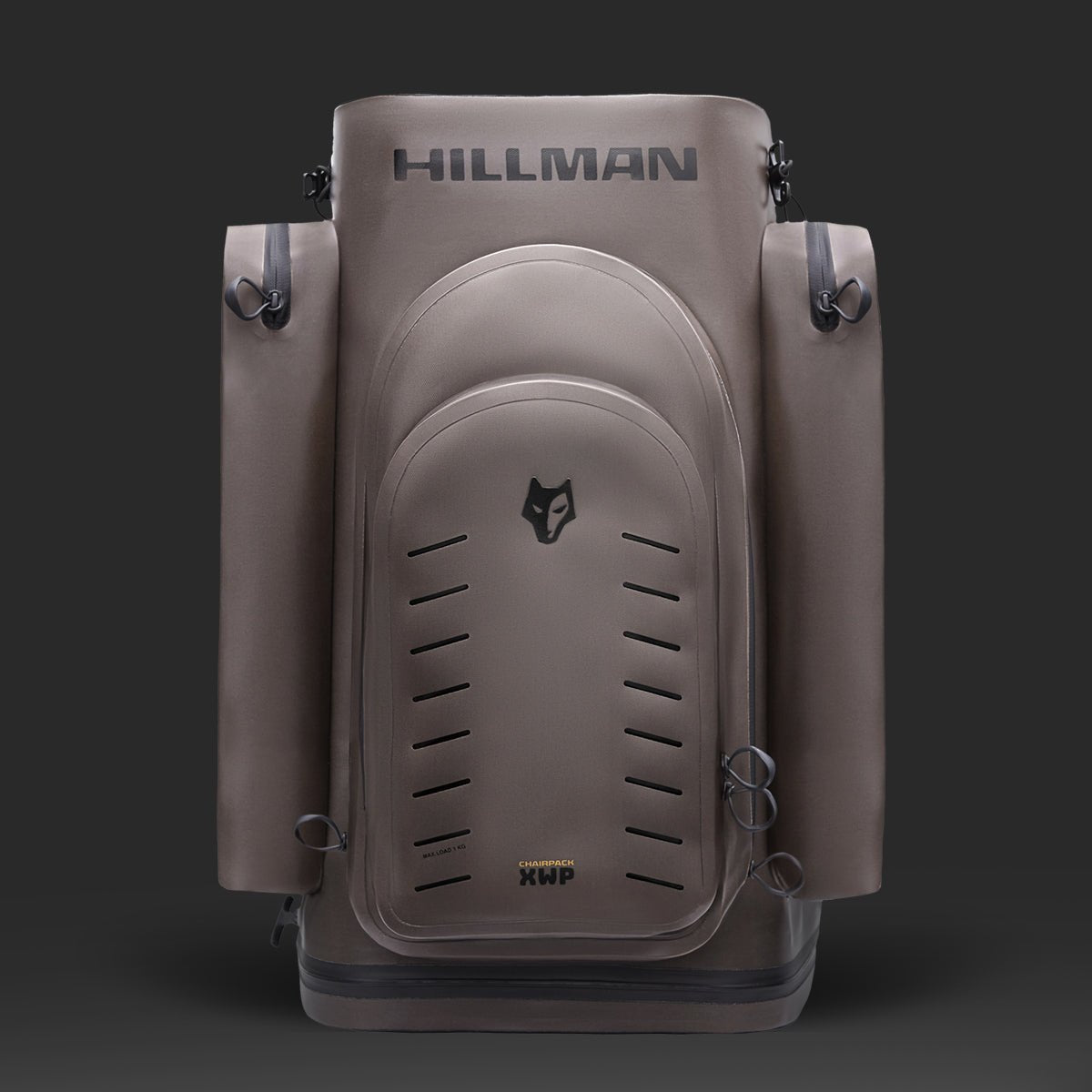
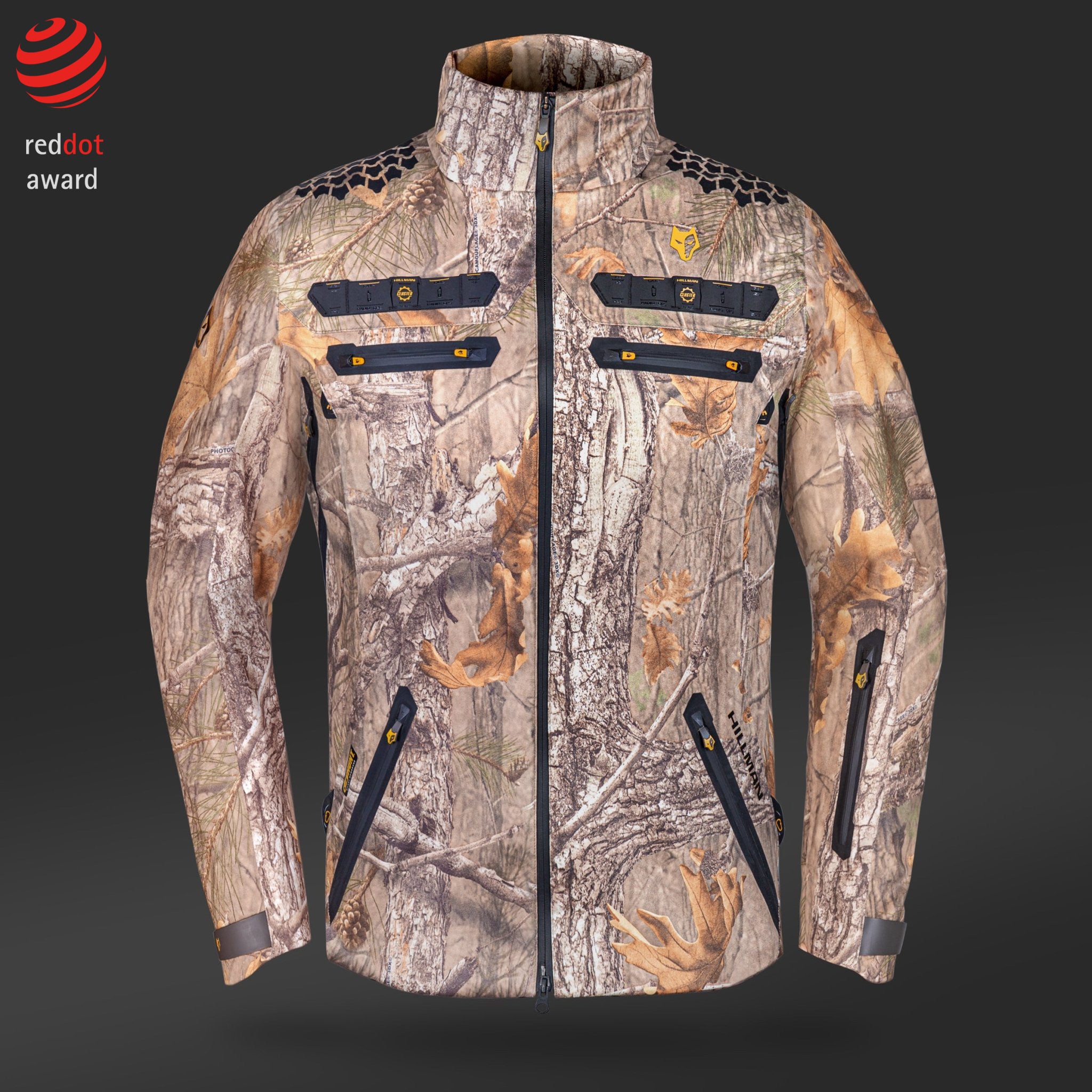
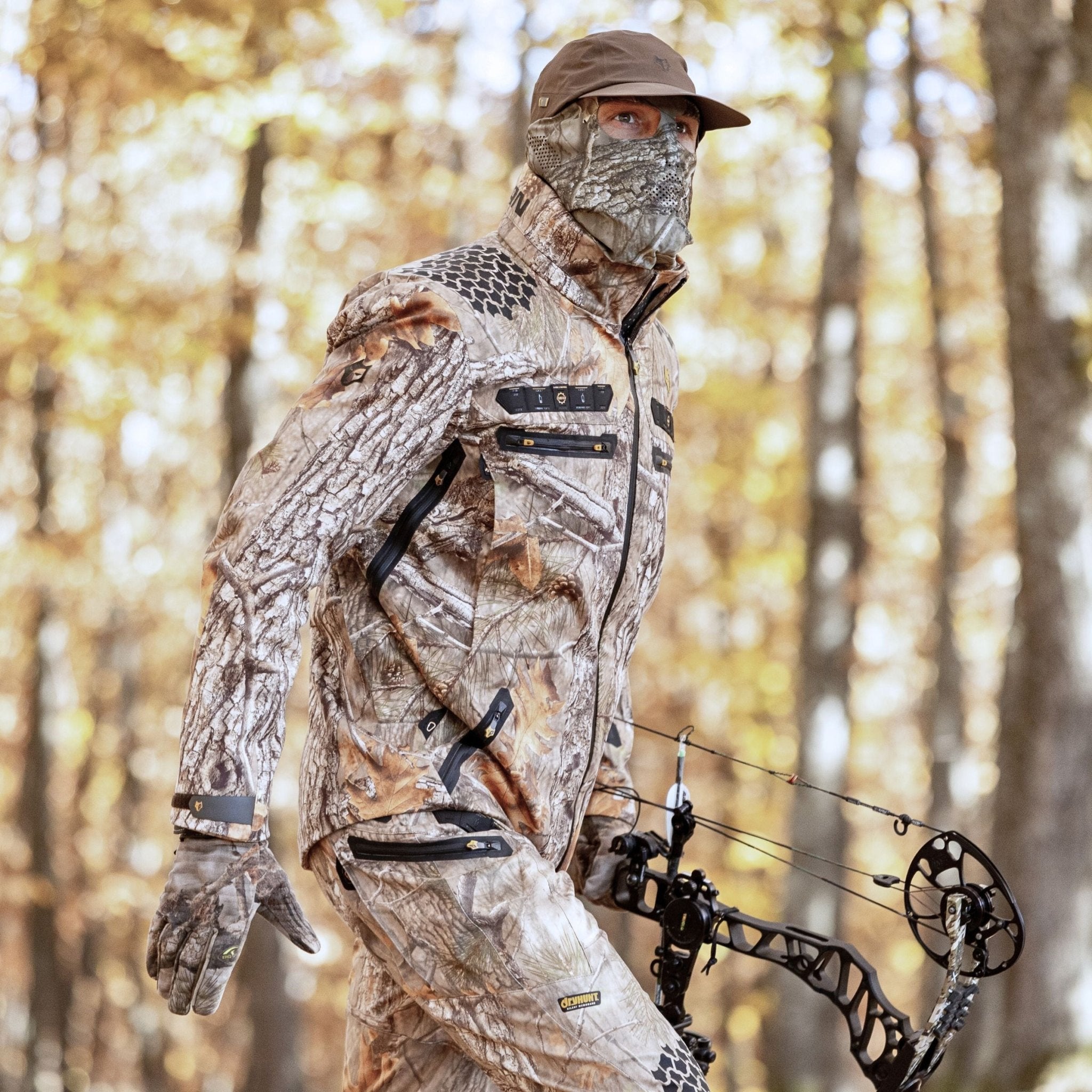
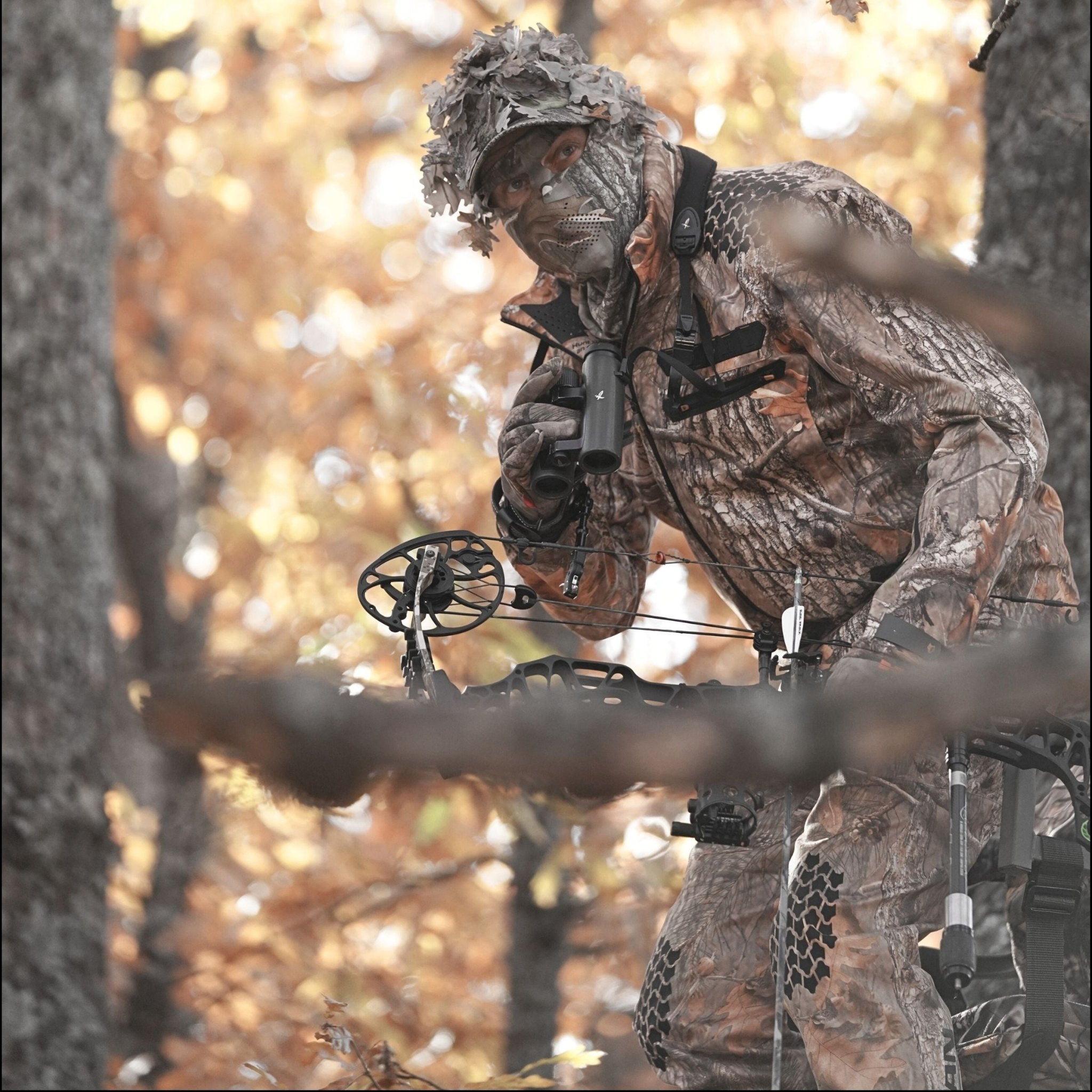
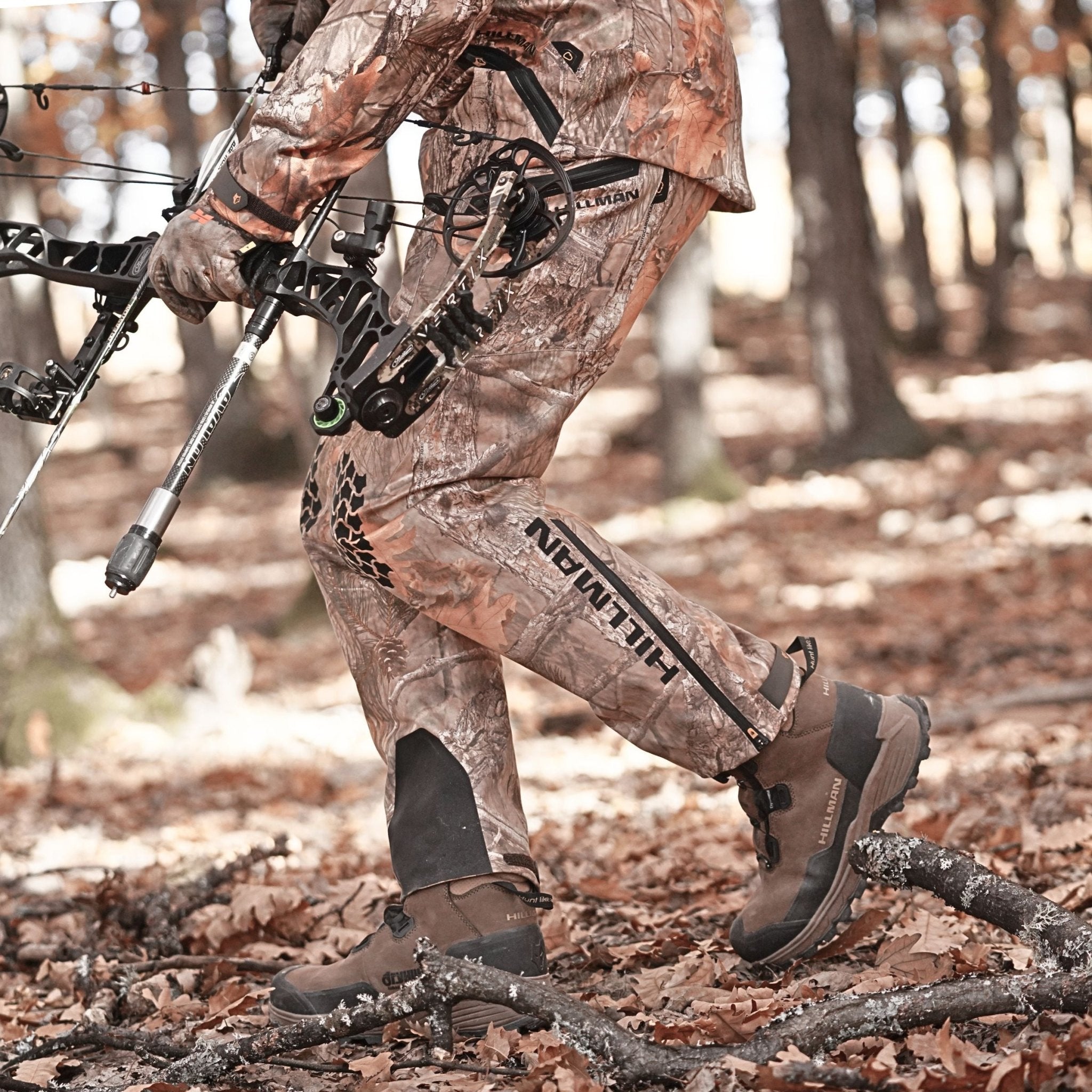
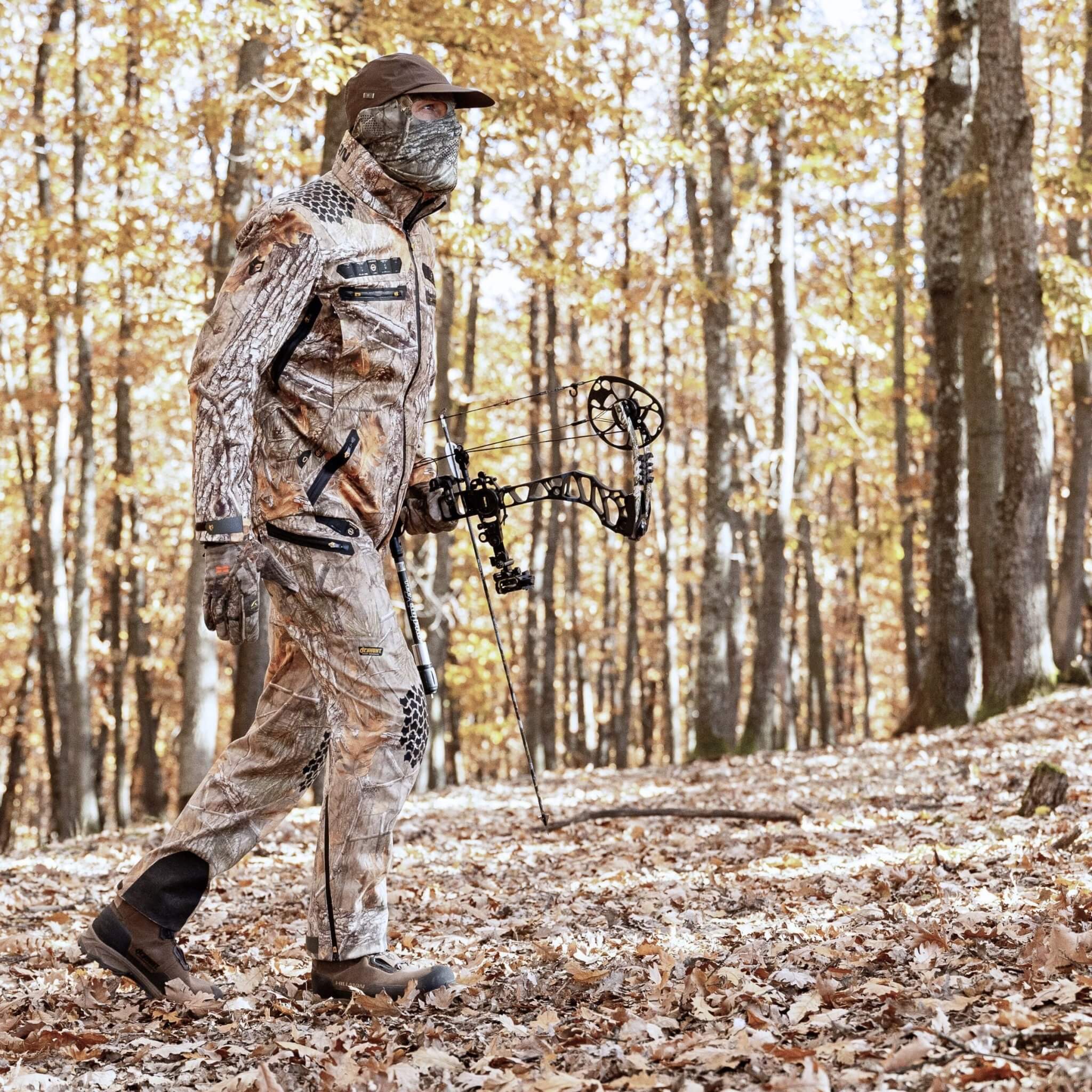
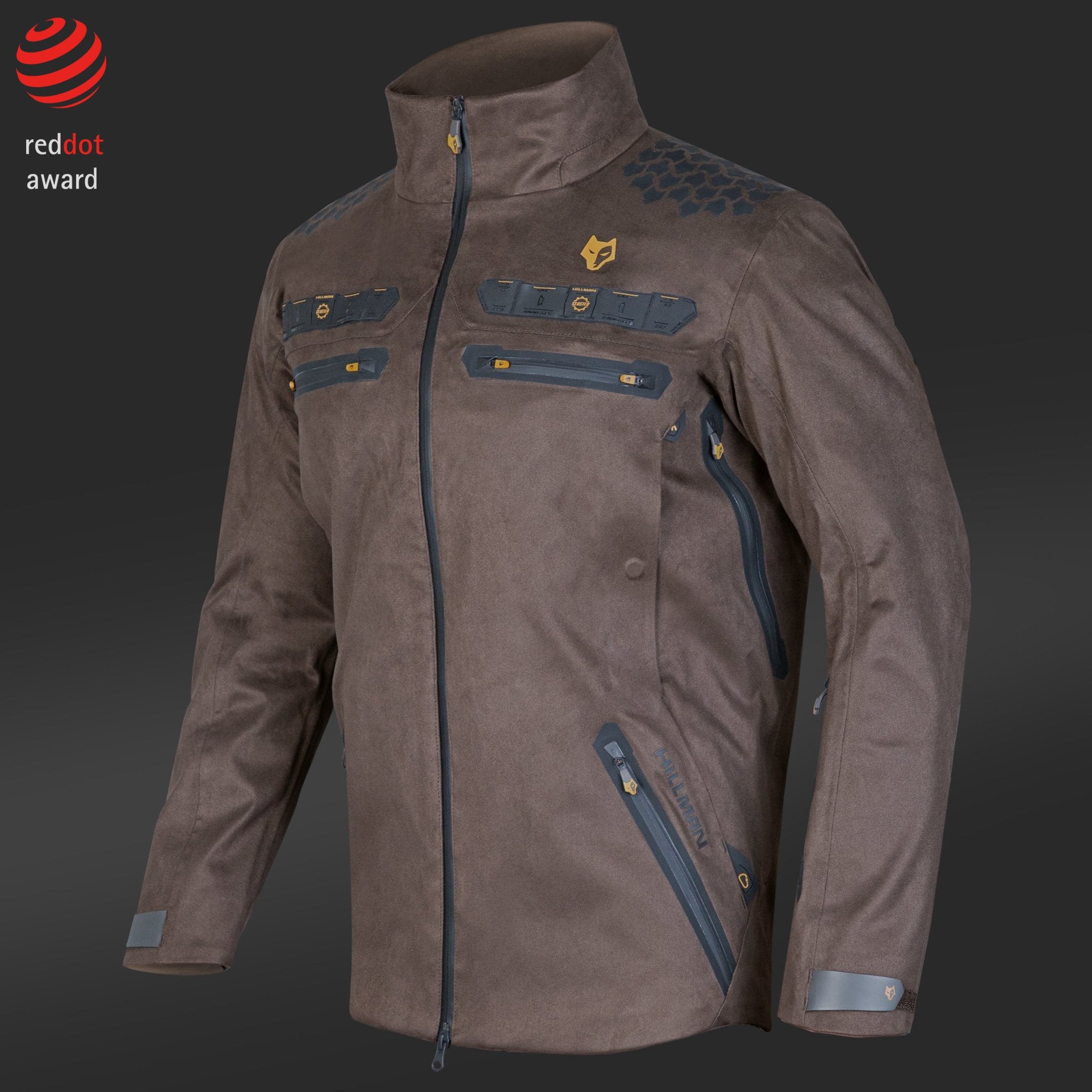
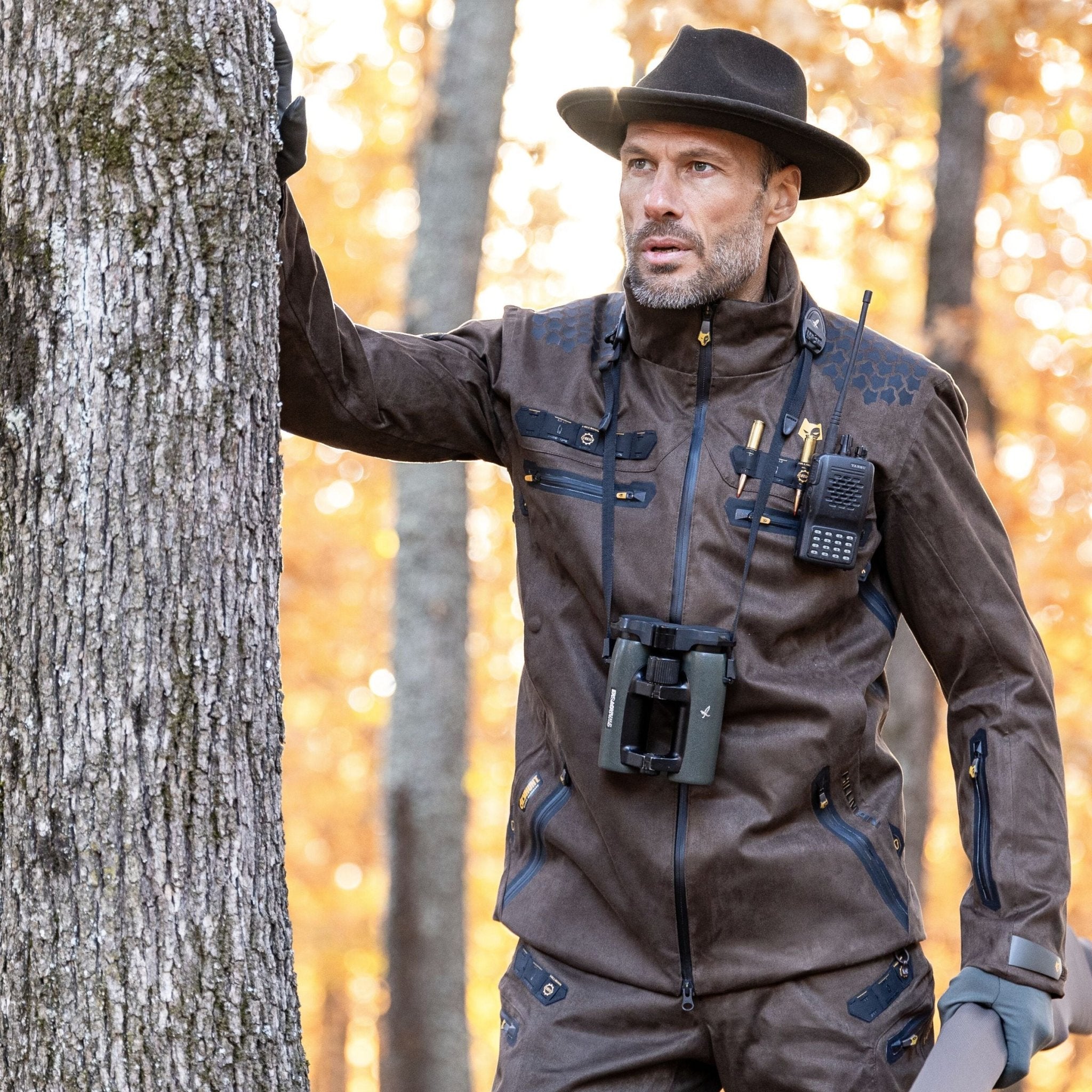
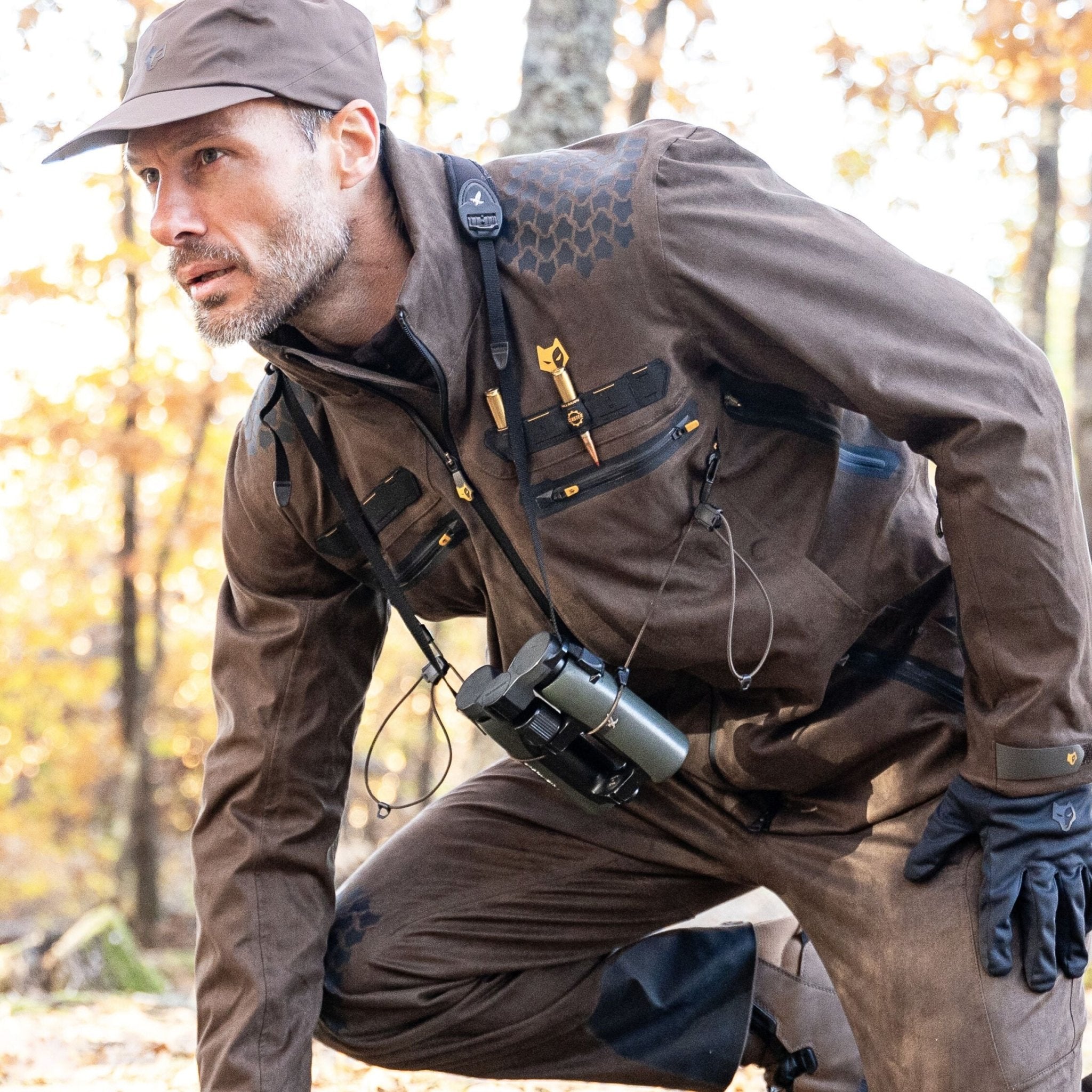
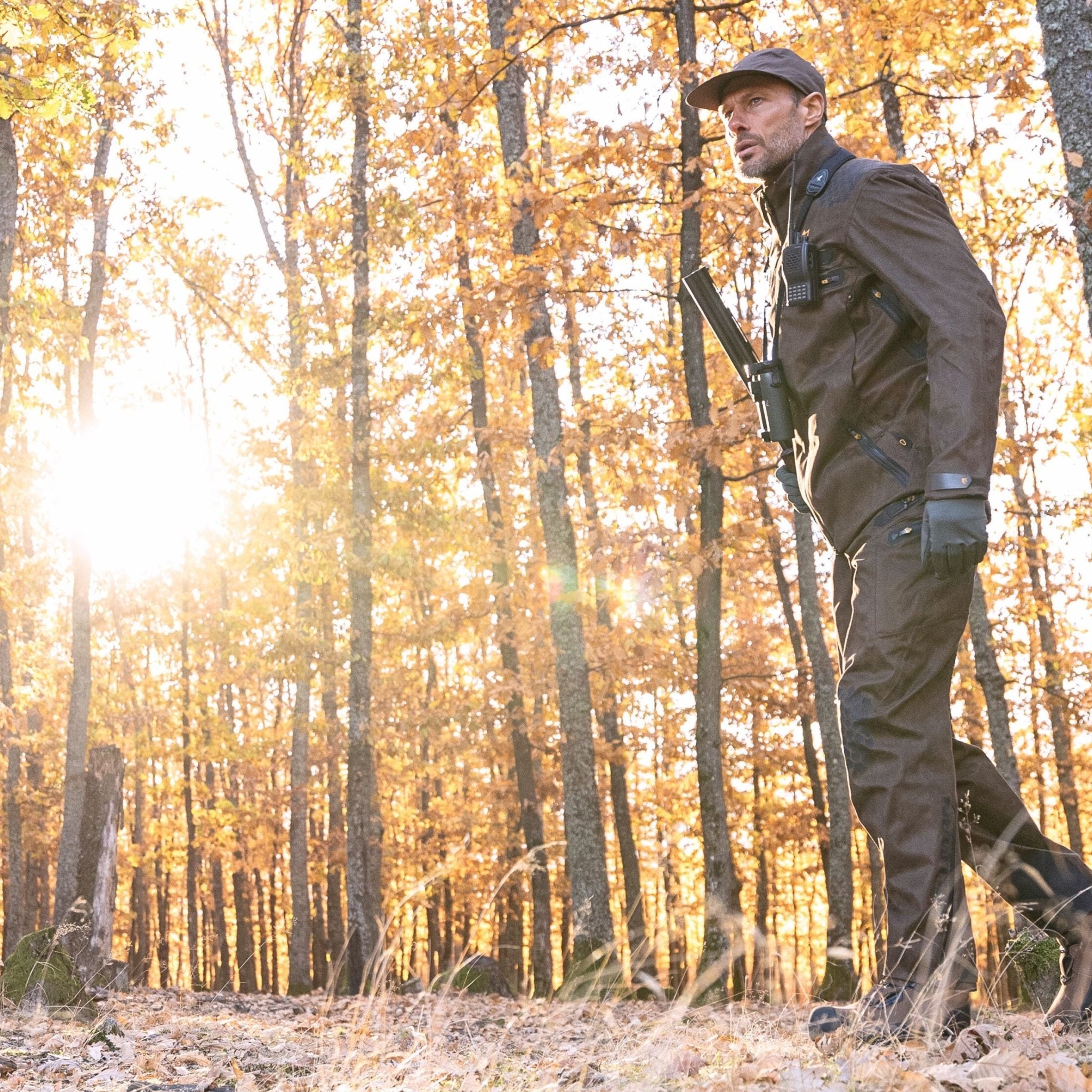
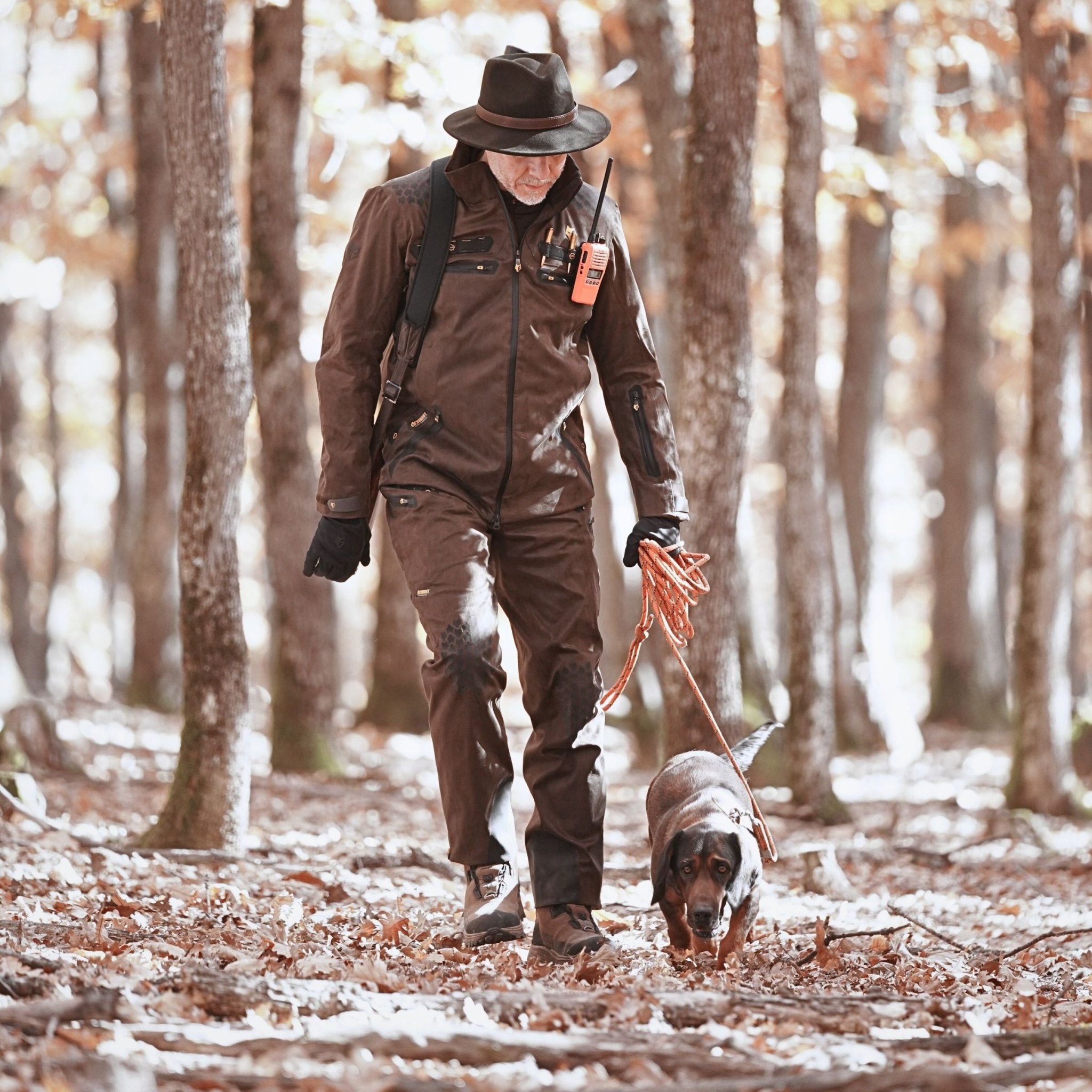
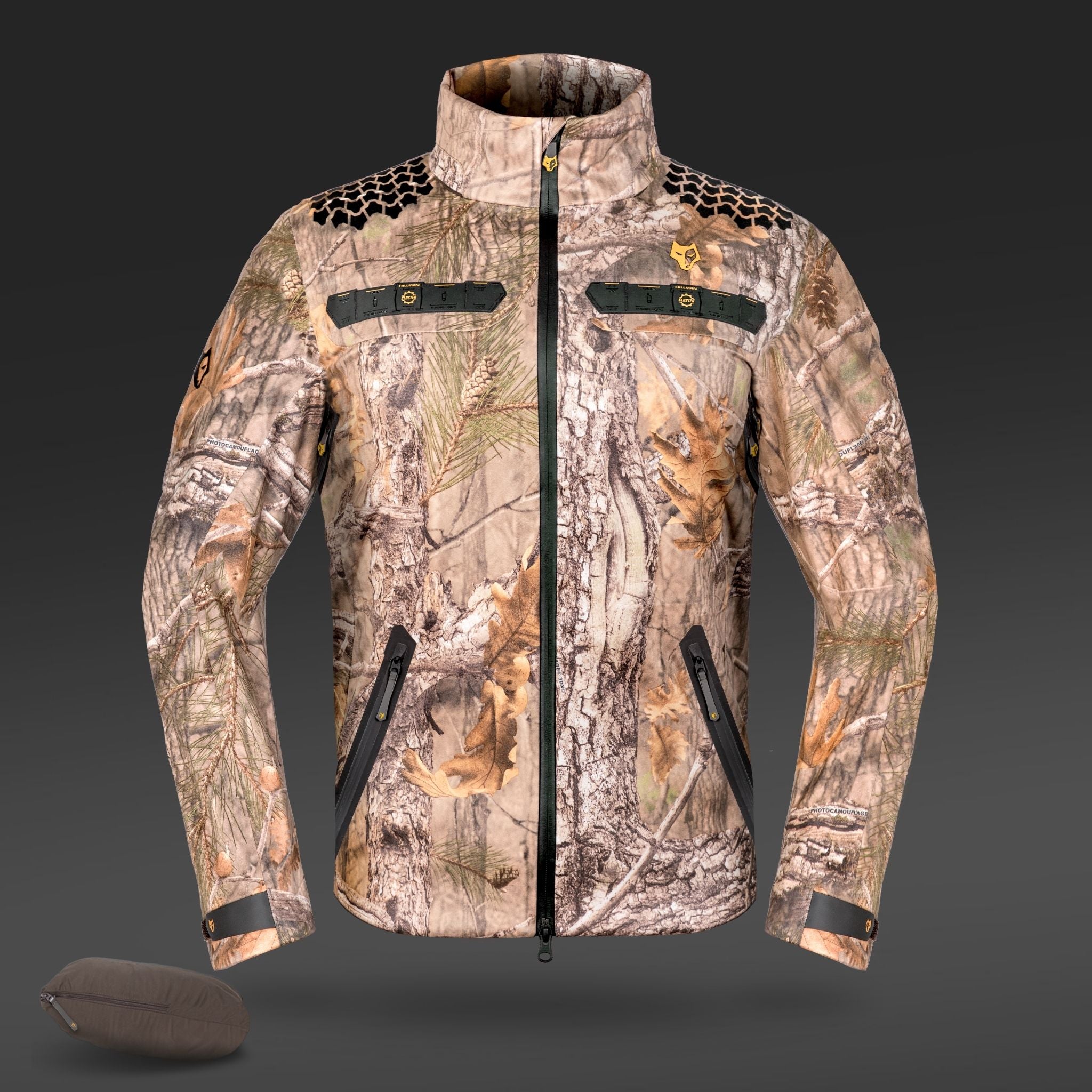
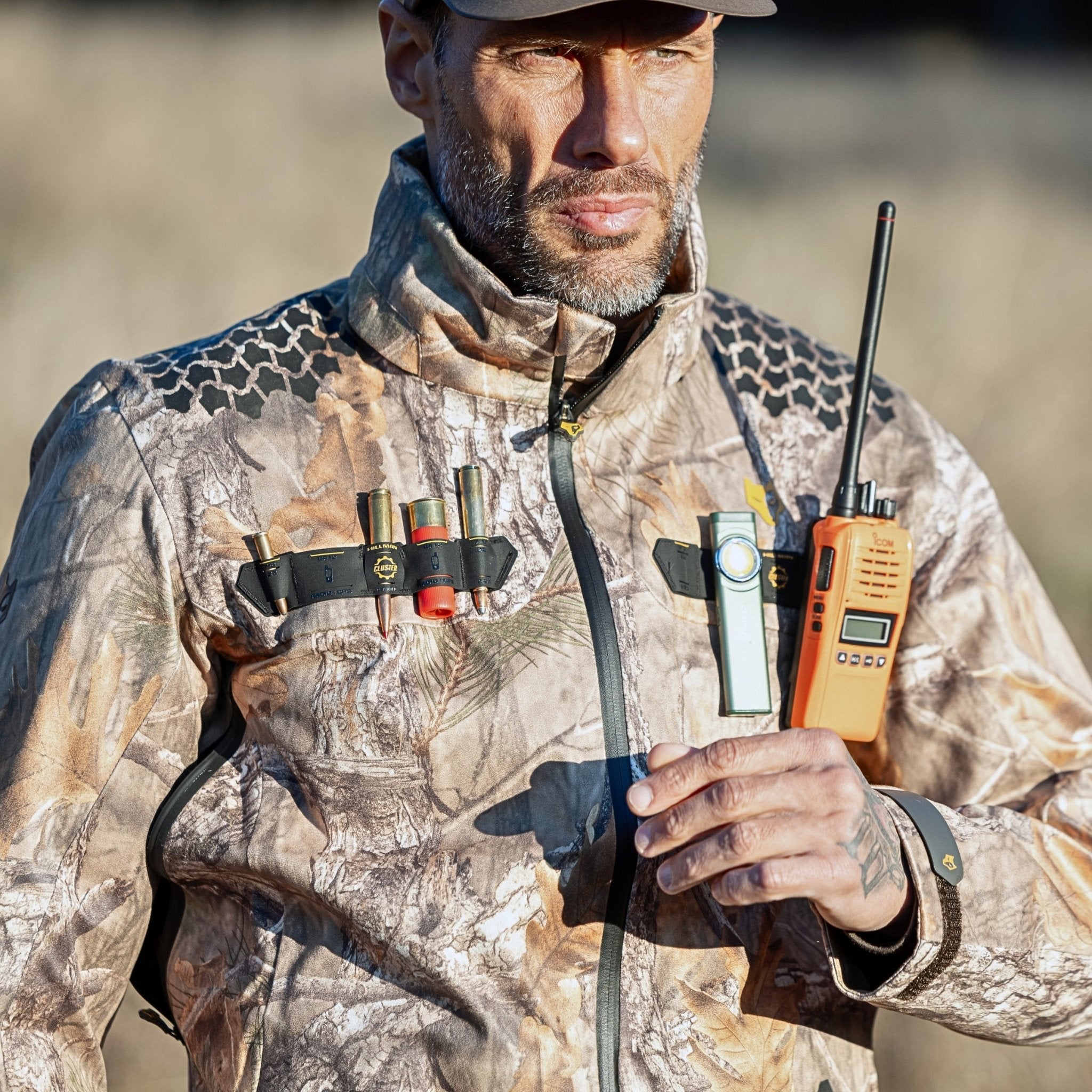
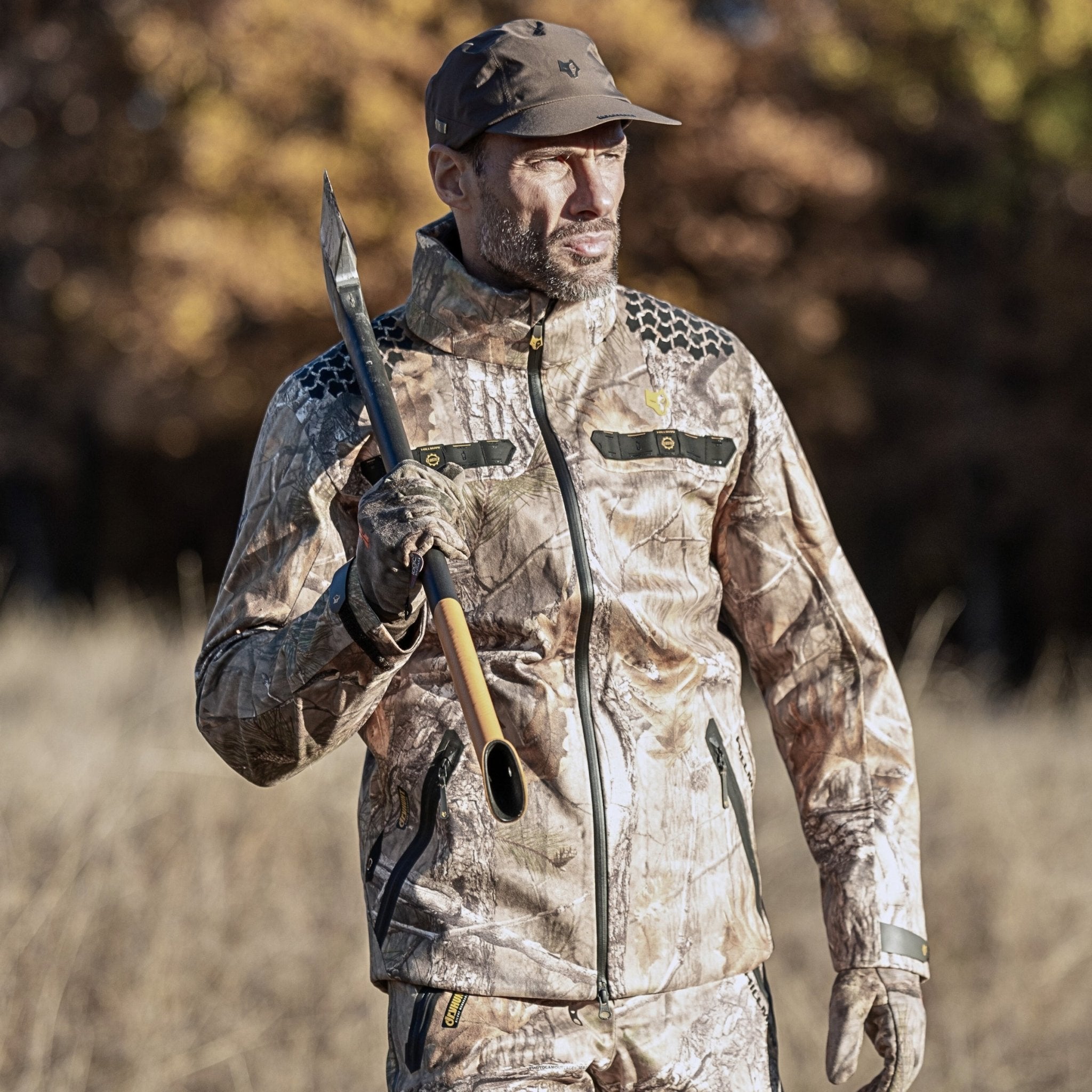
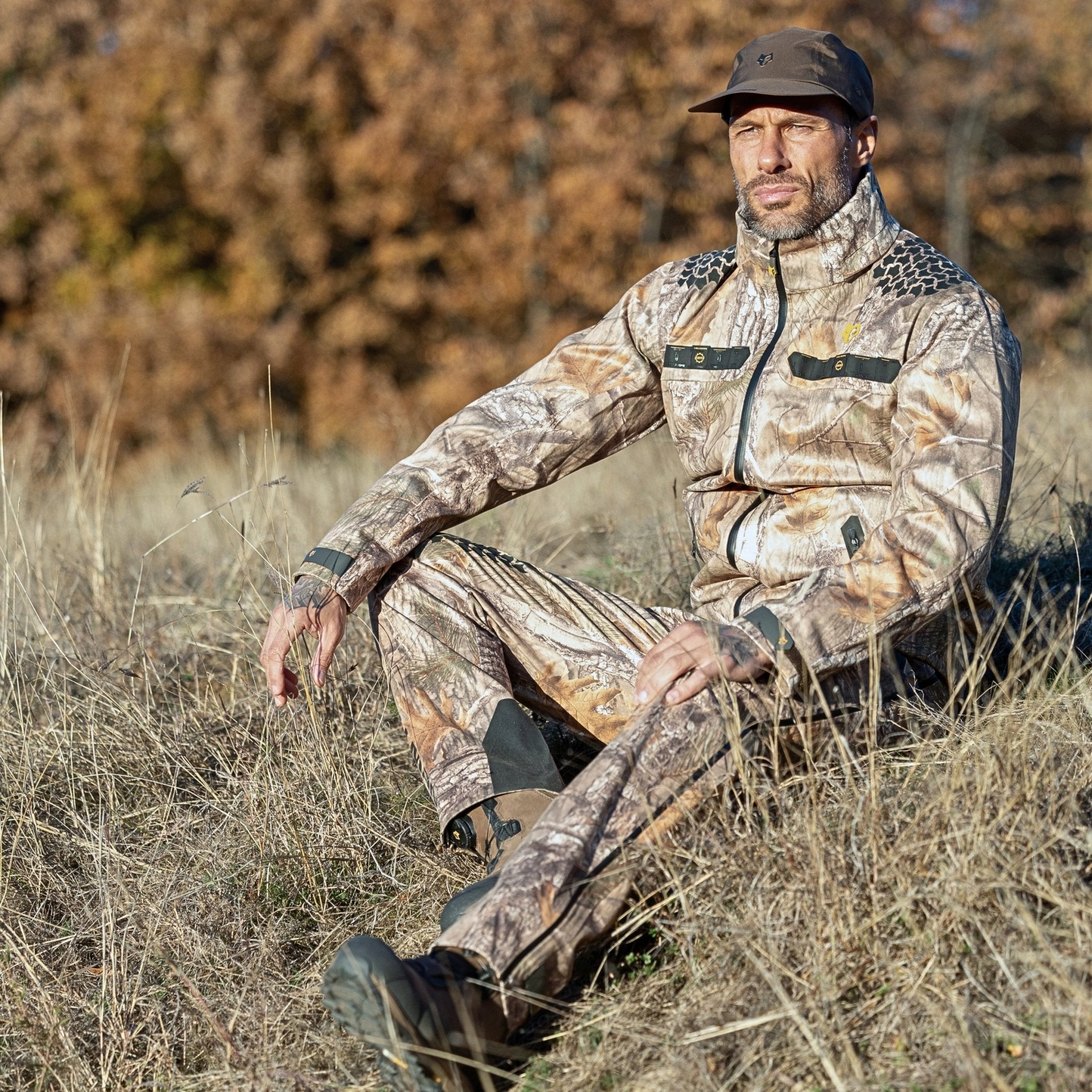
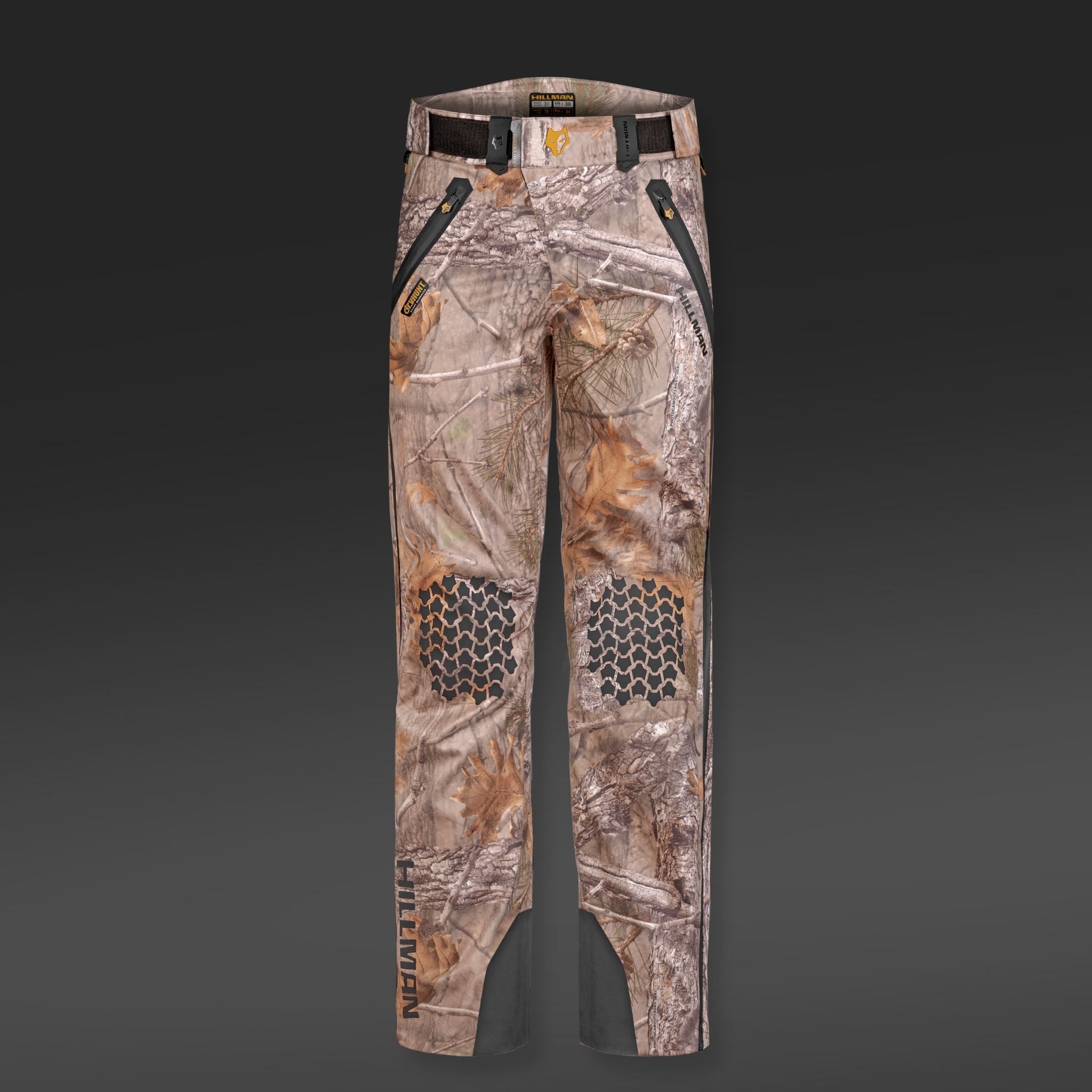
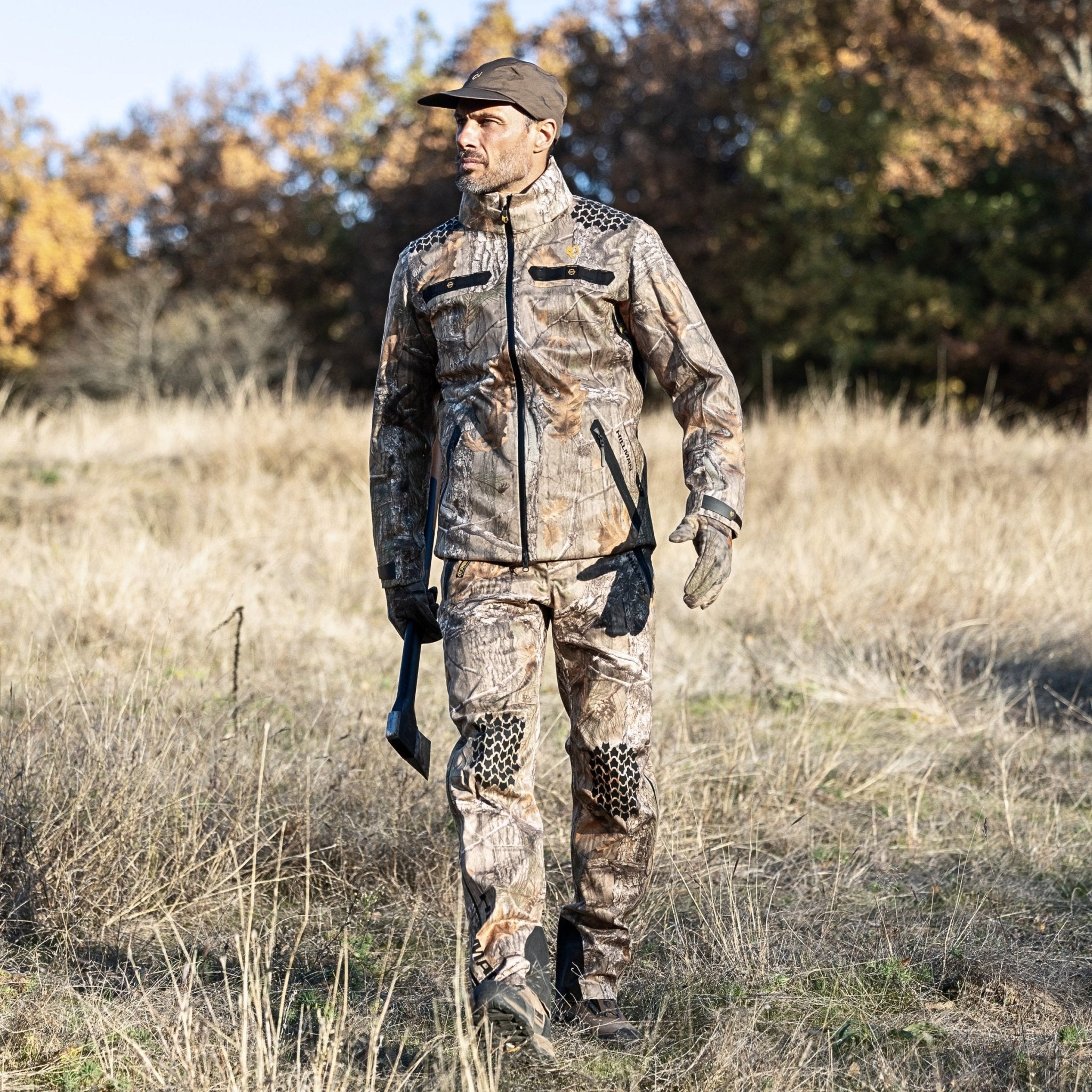
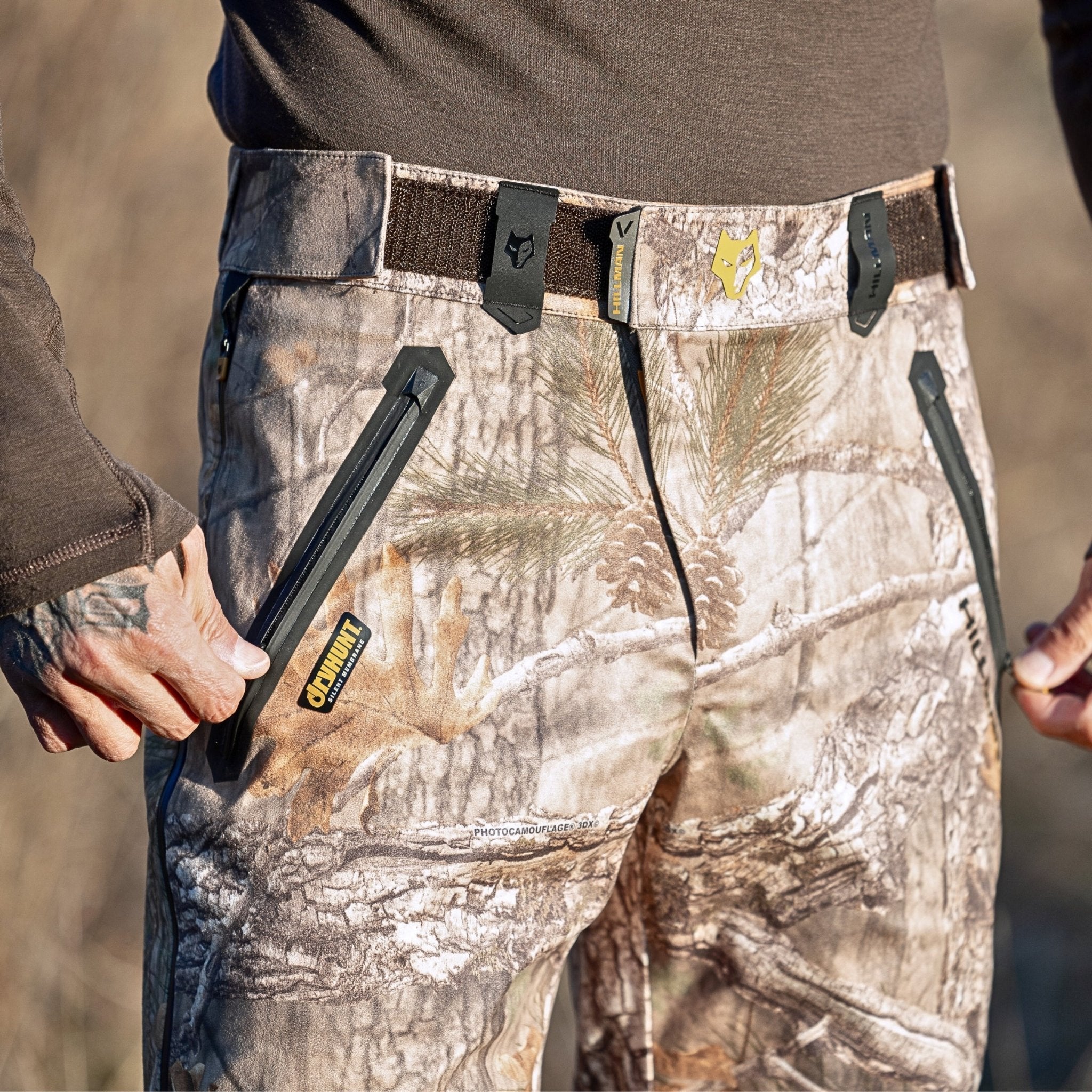
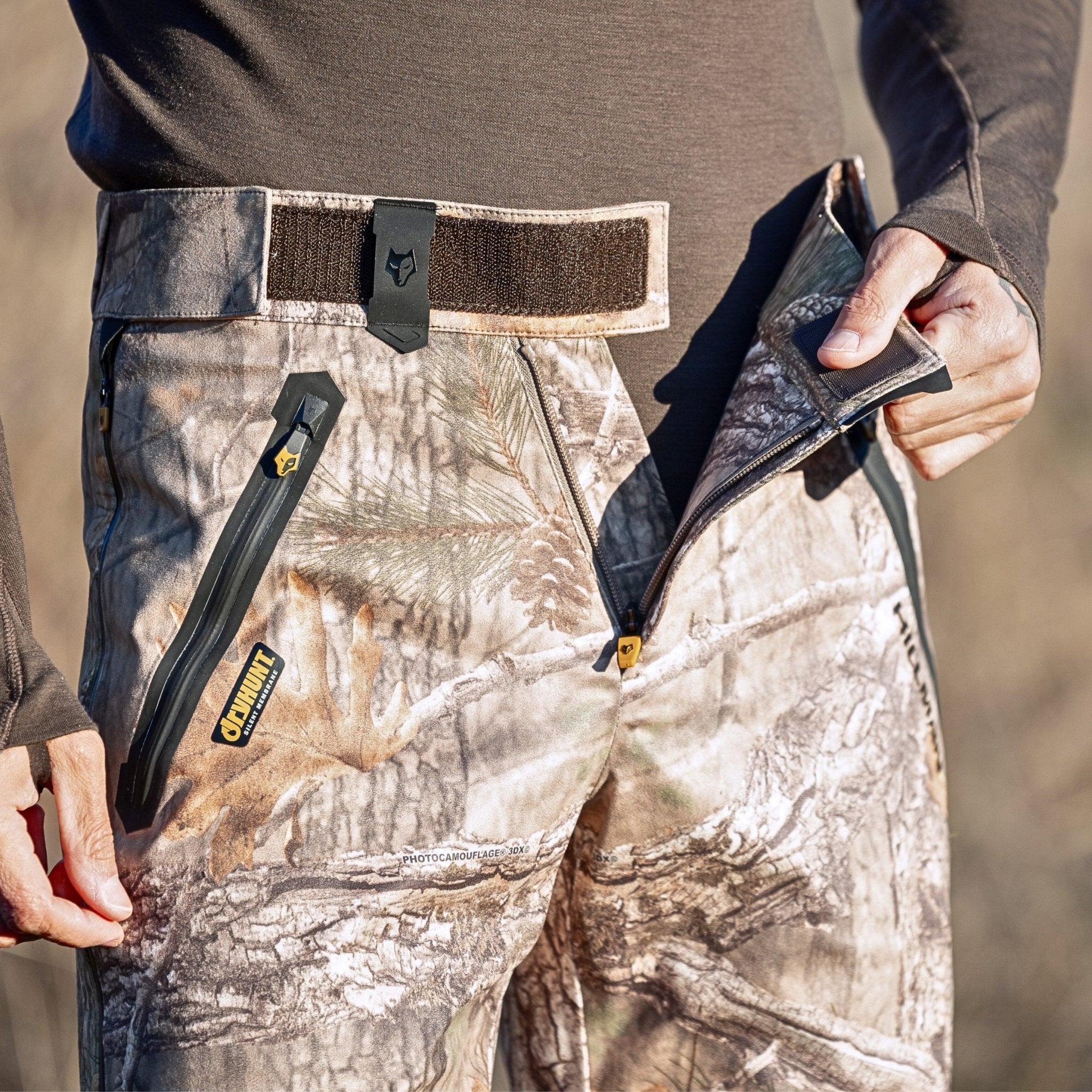
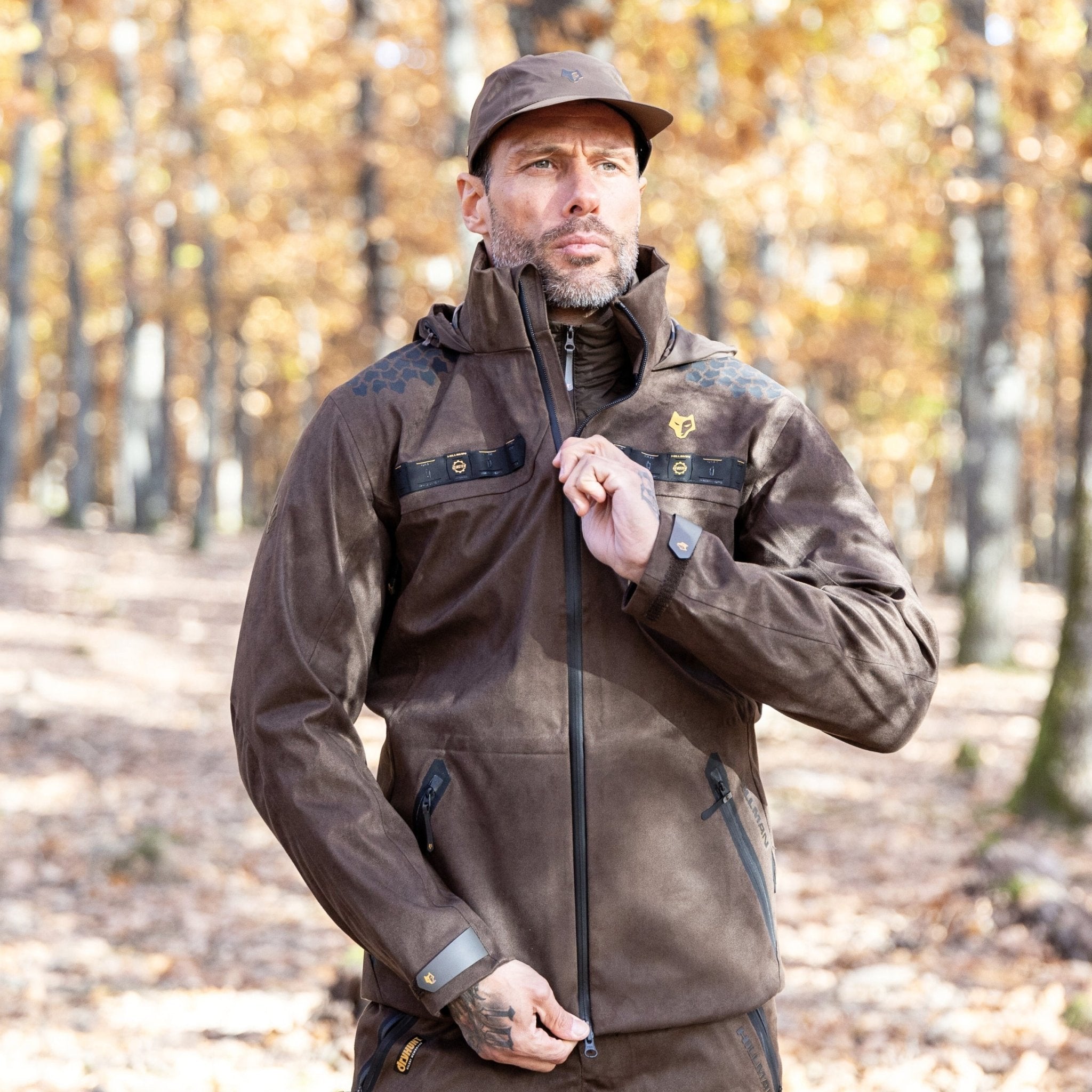
Natural cover is usually better than anything that looks freshly built. Reeds, rushes, low trees and shadow all help. Hides should blend into the background, not sit proud against the water. Clothing matters too. Dark outlines, bare hands and pale faces are easy for wildfowl to pick up, especially in the early days of the season when birds may come in good light. This is one place where quiet, practical kit from Hillman fits the job without needing to shout about it.
Evening Flight and the Moon
The moon can make or ruin a flight. A full moon often gives ducks too much freedom. They may feed later, arrive at odd times, or move before you expect them. Bright moonlight also makes it easier for birds to see the pond, the hide, the dog and any unnatural shape around the bank.
A new moon, or at least a darker night, usually gives a more predictable evening flight. Ducks are more likely to arrive around the expected flight time, and they often feel safer dropping onto fresh water when the light is low and the wind is moving. Dark and breezy is hard to beat.
That does not mean every full moon is useless. Clouds can help. Wind can help. But as general advice, if I had to choose between a still, bright full moon and a rougher, darker evening, I would take the darker evening almost every time.
Feeding a Flight Pond Without Spoiling It

To attract ducks to a flight pond, feeding needs to be steady rather than heavy. Little and often is best practice. Half a bucket can be plenty on a small pond if birds are already using it. Too much food rotting in the water is not just wasteful. It pollutes the pond, pulls in rats and can make the whole place less healthy for wildlife.
Barley is one of the better choices because it stays attractive longer than some grains. Wheat can sour quickly. Teal may respond better to small seeds such as millet or canary seed where they are available. Some people talk about rotting bananas or rabbit guts for other species, but such methods are not a sound basis for a clean flight pond. For wildfowl, simple grain and sensible feeding do the job better.
If you want to start feeding a pond, give it time. Three weeks of regular, modest feed can change the way ducks use the water. Feed daily if needed, but do not overdo it. A couple of hours before the expected arrival of the ducks is often a useful time, as the food is fresh without encouraging birds to sit there all day.
An automatic feeder can help where daily visits are time-consuming, but it needs careful setting. Too much feed, too often, can do more harm than good. The goal is to attract ducks, not create a dirty pond full of stale barley and rats.
Managing the Pond So Ducks Can Use It

Ponds do not stay perfect by themselves. They are ephemeral habitats, and over time they tend to silt up, grow over and turn into a swamp. Some vegetation is good. Too much stops ducks landing, blocks access to open water, and makes retrieving difficult.
Cutting back invasive growth and tree cover can keep the pond open. You do not need to strip it bare. Ducks like shelter, and other wildlife needs cover too. But if branches hang low over every entry line, or the water is choked so badly that birds cannot settle, the pond will lose its pull.
Fresh water matters. Open water matters. A pond that offers food, safety and easy access can attract mallard, teal and sometimes wigeon, depending on location. Around harvest time, birds may have other food options nearby, so you may need to be more patient. In winter, ice can change everything. A small open patch can suddenly become valuable when other water is frozen, but pressure must still be handled carefully.
Arrive Early, Then Do Less

One of the simplest top tips for flight pond evenings is to arrive early. Not ridiculously early, but early enough to get in without rushing. If the first ducks beat you to the pond, the evening is already compromised. Moving into position after birds have arrived usually ends with wings clattering away into the dark.
Approach from the quietest entry route, not always the shortest one. Keep off noisy dry land where possible. Use trees, banks and reeds to break your outline. Shut gates softly. Speak less than you think you need to. Sound travels across water, and ducks already sitting on the pond will hear more than you expect.
Once in place, stay still. Avoid looking up into the sky with a pale face turned toward approaching birds. Keep your face covered, hands hidden and movements small. A cap, gloves and face veil can be more useful than another decoy in the wrong place.
Decoys, Hides and the Landing Gap

Decoys are useful, but they cannot fix a bad hide or a wrong wind. Place them so the ducks have a clear landing gap into the wind. Do not clutter the whole pond. On a small pond, a few decoys can look more natural than a heavy pattern.
The hide should cover the likely approach and the likely landing area, not just the prettiest view of the water. Think about where birds will be when they make their final turn. Think about what they will see behind you. If your outline sits against a pale bank or open sky, you may be spotted long before the ducks are in range.
In the early days of a pond, keep things simple. Let birds build confidence. Shooting too hard too soon can empty the ground. A light bag and a pond that keeps pulling birds is worth more than one greedy night followed by silence.
Dogs, Retrieving and the Game Bag

A well-trained dog is not a luxury on flight ponds. It is part of responsible wildfowling. Deep water, mud, reeds and darkness can make even a simple retrieve difficult. A bird that drops cleanly into open water is one thing. A shot bird that falls into thick cover, or beyond the far bank, is another.
The dog should be steady, quiet and under control. A whining dog beside the hide can undo all your careful approach. So can a dog that breaks early and splashes through the pond before the next birds are in.
Only shoot what you can retrieve. That rule sounds obvious until dusk, wind and excitement start to blur judgement. Know your range. Know the water. Know the dog. A good game bag is not just about numbers. It is about clean shooting, proper recovery and leaving the pond in a state worth returning to.
Conservation and Pressure on Wild Birds

Wildfowling works best when conservation is part of the thinking. Flight ponds are not just shooting places. They are habitat for wild birds, insects, amphibians and other wildlife. Overfeeding, leaving rubbish, cutting too much cover or shooting too often can reduce their value quickly.
Do not shoot every evening. Let ducks come and go. If bigger flocks start using the pond, avoid turning every arrival into pressure. Some nights are better watched than shot. This is especially true when weather is hard, ice is widespread, or birds are clearly relying on a limited amount of fresh water.
The best pond keepers notice more than ducks. They see when rats become a problem, when water quality changes, when trees need trimming, and when other species are using the margins. That wider view is what keeps the sport healthy.
When the Setup Finally Comes Together
The best flight pond evenings often feel quiet at first. You arrive early, check the wind, settle the dog, and wait through that flat part of dusk when nothing seems to move. Then a single bird appears. Maybe two mallards, maybe teal flicking in low and fast. The first ducks rarely give much warning.
If the wind is right, the hide is right and the entry routes have been respected, the birds will tell you. They will come with confidence. They will turn where you expected. They will drop toward the gap rather than sliding away into the dark.
That is the real point of flight pond evenings: how wind and entry routes shape a better wildfowling setup. Feed helps. Decoys help. A good gun, dog and hide all matter. But the evening is usually decided by whether you understood how ducks wanted to use that pond before you ever stepped onto the bank.







Share:
Winter Woodcock Shooting Days: Pace, Cover, Quiet Footwork
Sika in Dark Timber: When Sound Helps the Stalk or Ruins It