
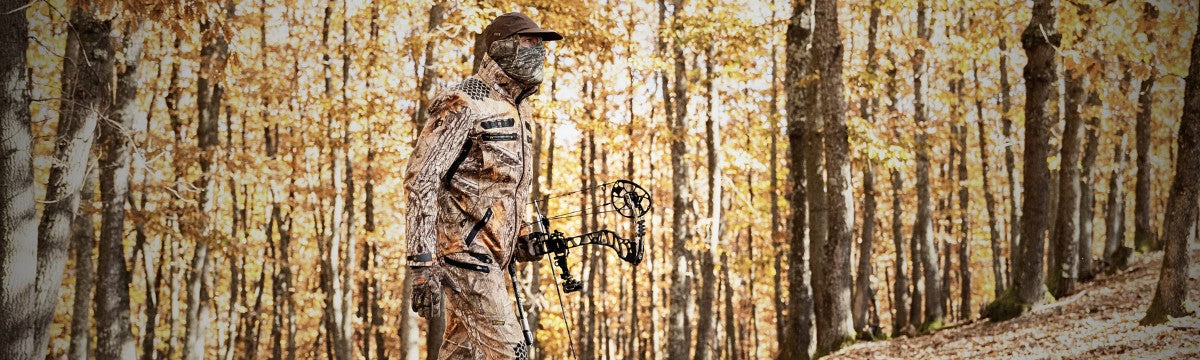
Beating Line Clothing: What to Wear for Brambles, Mud and Constant Movement

Tough beating clothing for brambles, mud, wet cover and long moving days without getting ripped, soaked or slowed down.
Beating up your hunting clothing doesn't happen on a neat little walk in the countryside. It might start with fresh air, a clean field edge and everyone looking fairly organised. Then the shoot gets moving, the guns are ahead, birds start shifting, dogs are working, and you are suddenly in mud, brambles, wet grass, broken branches and dense undergrowth that grabs at anything loose.
That is why beating line clothing and finding only the best to wear for brambles matters. Not in a fashion way. In a “will this survive the day?” way.
The right clothing has to do a rough job. It needs to keep rain out, stop thorns from biting through, handle wet cover, protect your legs and still let you move. If your kit restricts movement, you will hate it by the second drive. If it is too soft, brambles will shred it. If it is not waterproof, you will be wet before lunch.
Bad clothes show up quickly in the beating line. Thin trousers rip. Cheap waterproof jackets catch. Fleece turns into a thorn magnet. Boots leak. Gloves soak through. Then you spend the rest of the day cold, wet and irritated, while pretending you are fine.
For beating, I would always opt for durable garments first. Shooting trousers, hunting trousers, proper boots, gaiters, waterproof gloves and a thorn-proof jacket are the basics. Not clever. Just necessary.
Shooting Trousers That Can Take Mud, Knees and Brambles

Your legs take most of the punishment. You are lifting knees through brash, stepping over fallen branches, sliding on mud, crossing ditches and brushing against thorns all day. Ordinary outdoor trousers might be fine for walking on paths. In proper brambles, they often feel far too weak.
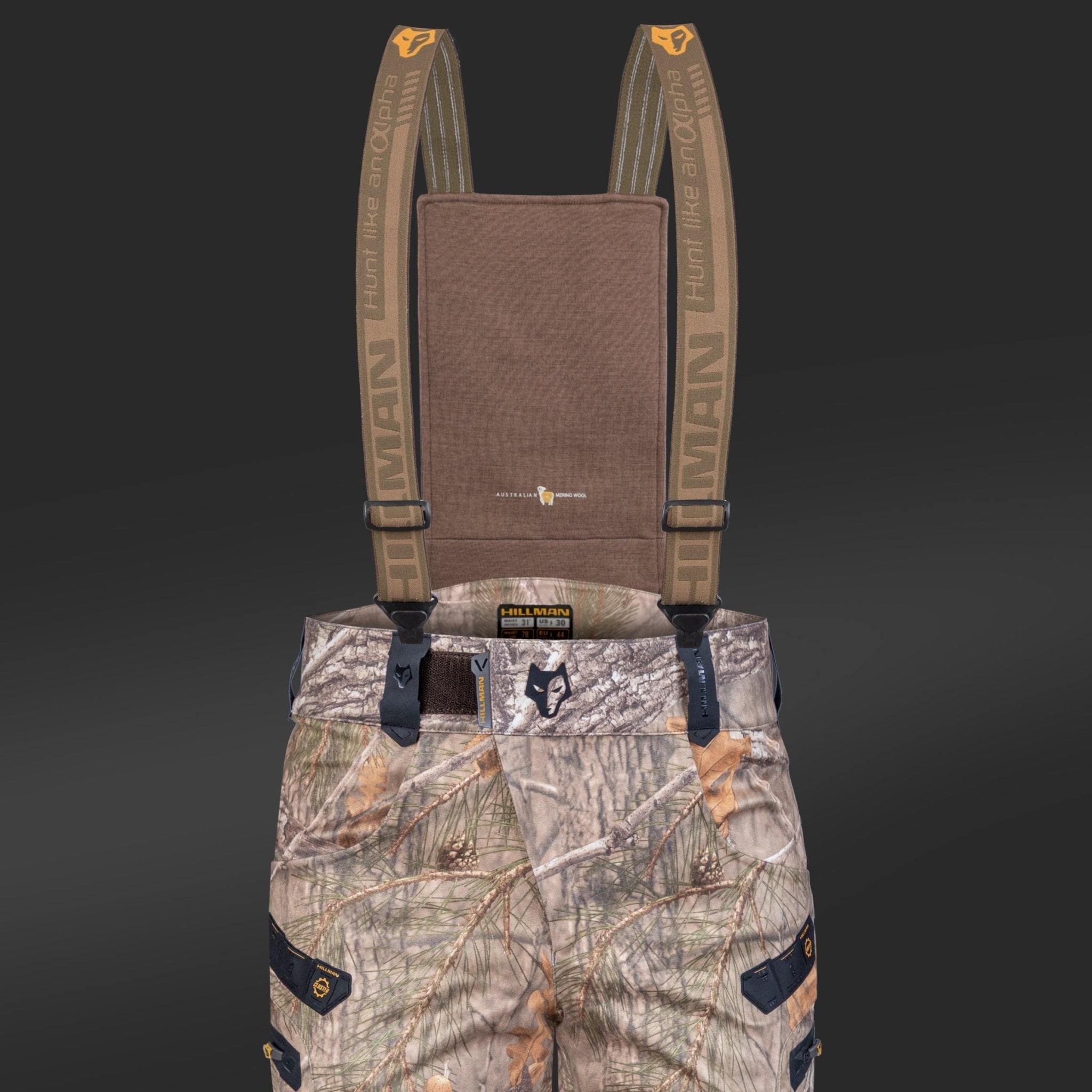
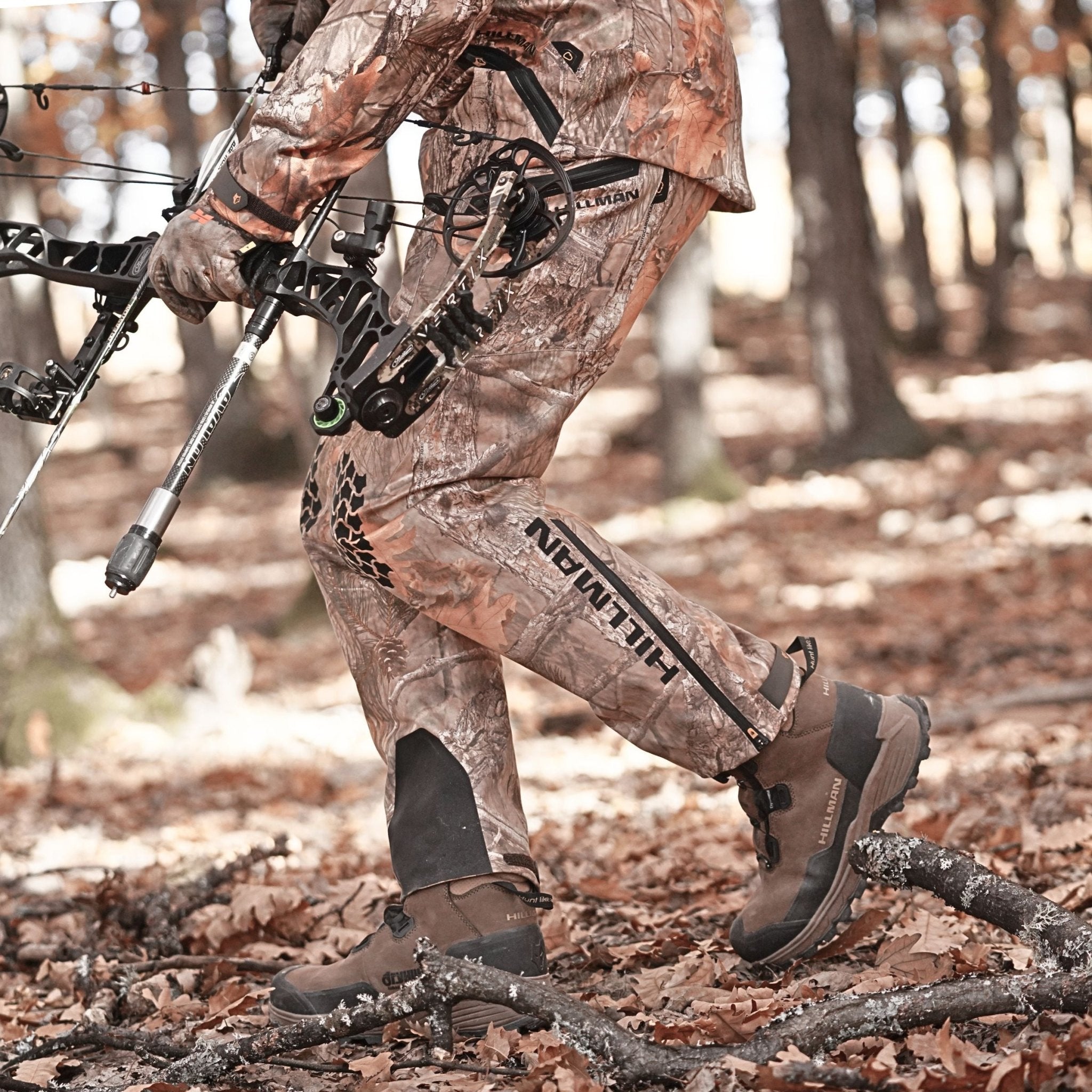
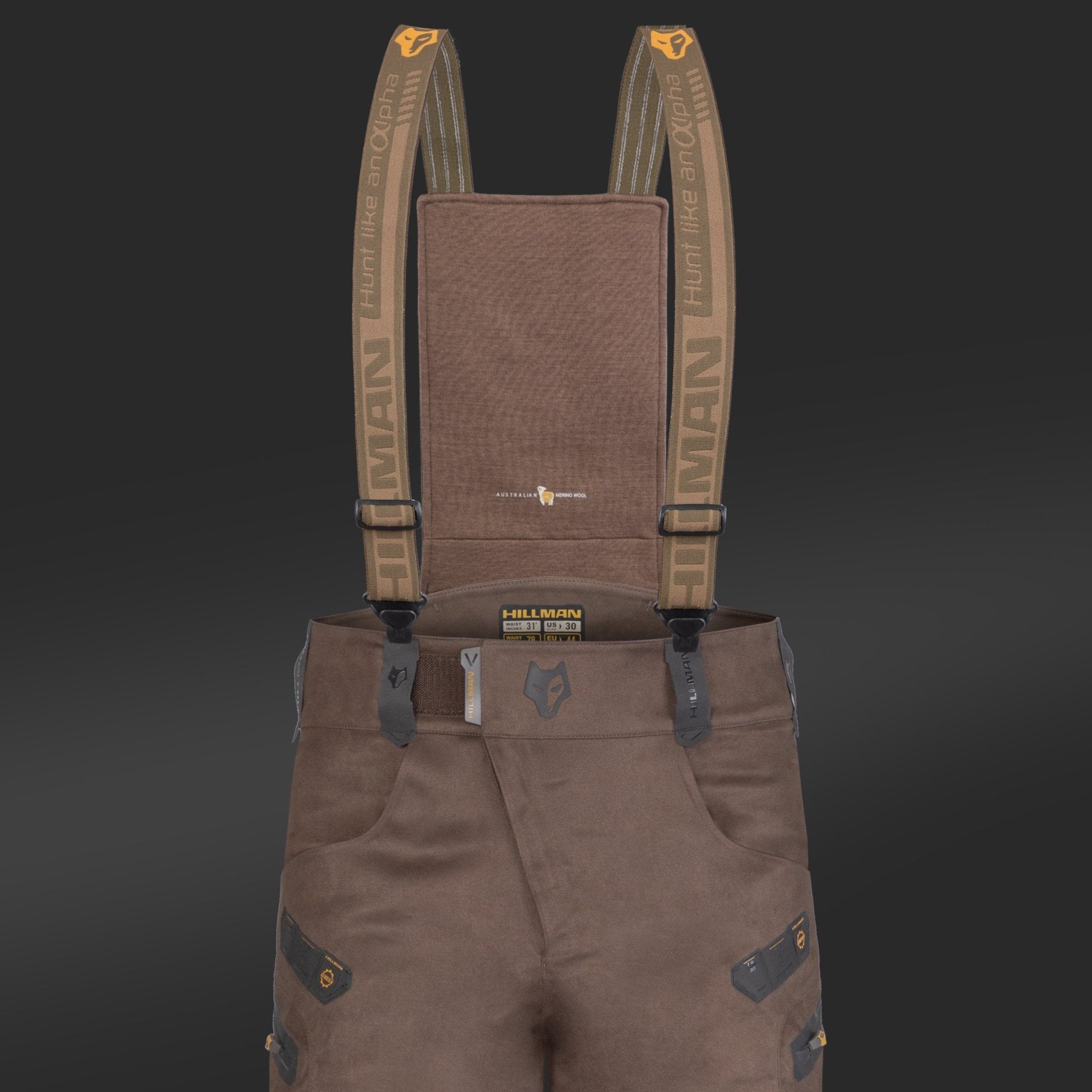
Good shooting trousers need some strength in them. Heavy moleskin, corduroy, canvas, high-denier fabric or strong ripstop cloth all make more sense than thin lightweight trousers. Men’s shooting trousers should feel tough, but not stiff like boards. You still need unrestricted movement.
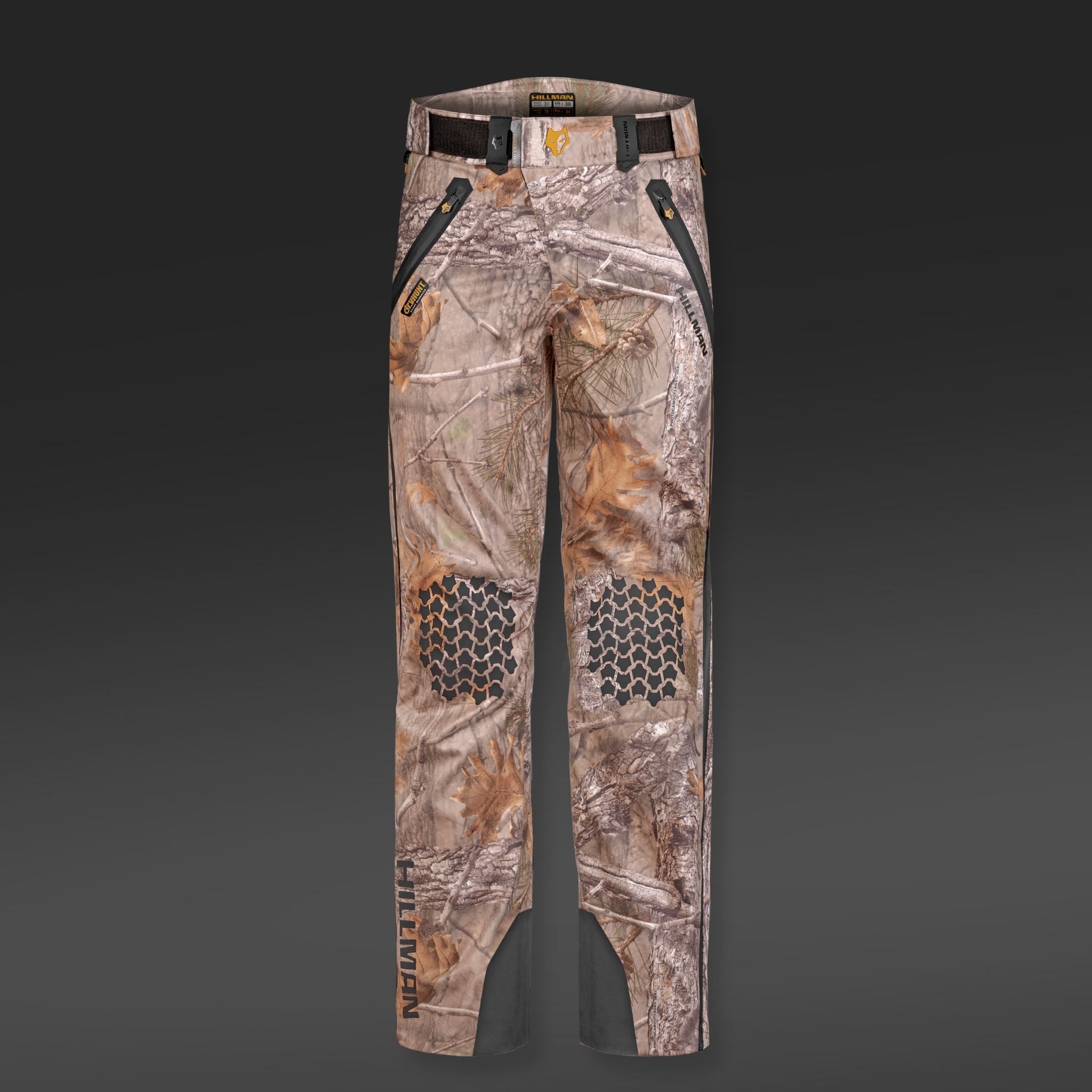
Reinforced areas around the knees and seat are worth having. They give added protection where trousers get hammered most. Beating means bending, crouching, scraping, climbing and sometimes kneeling in wet ground. Weak fabric does not last long under that.
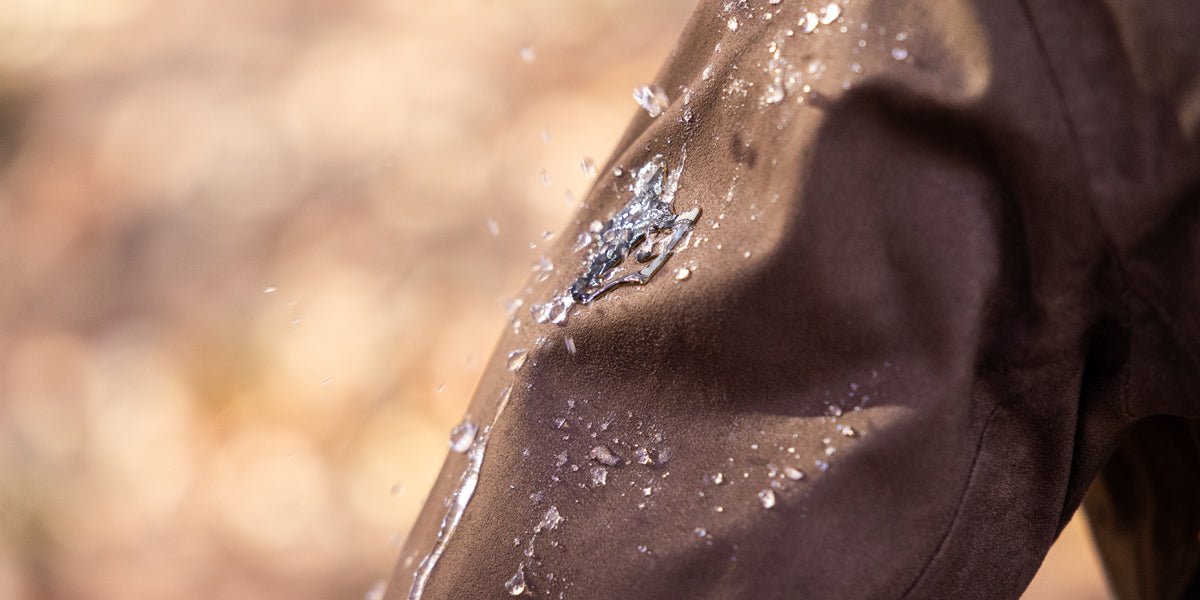
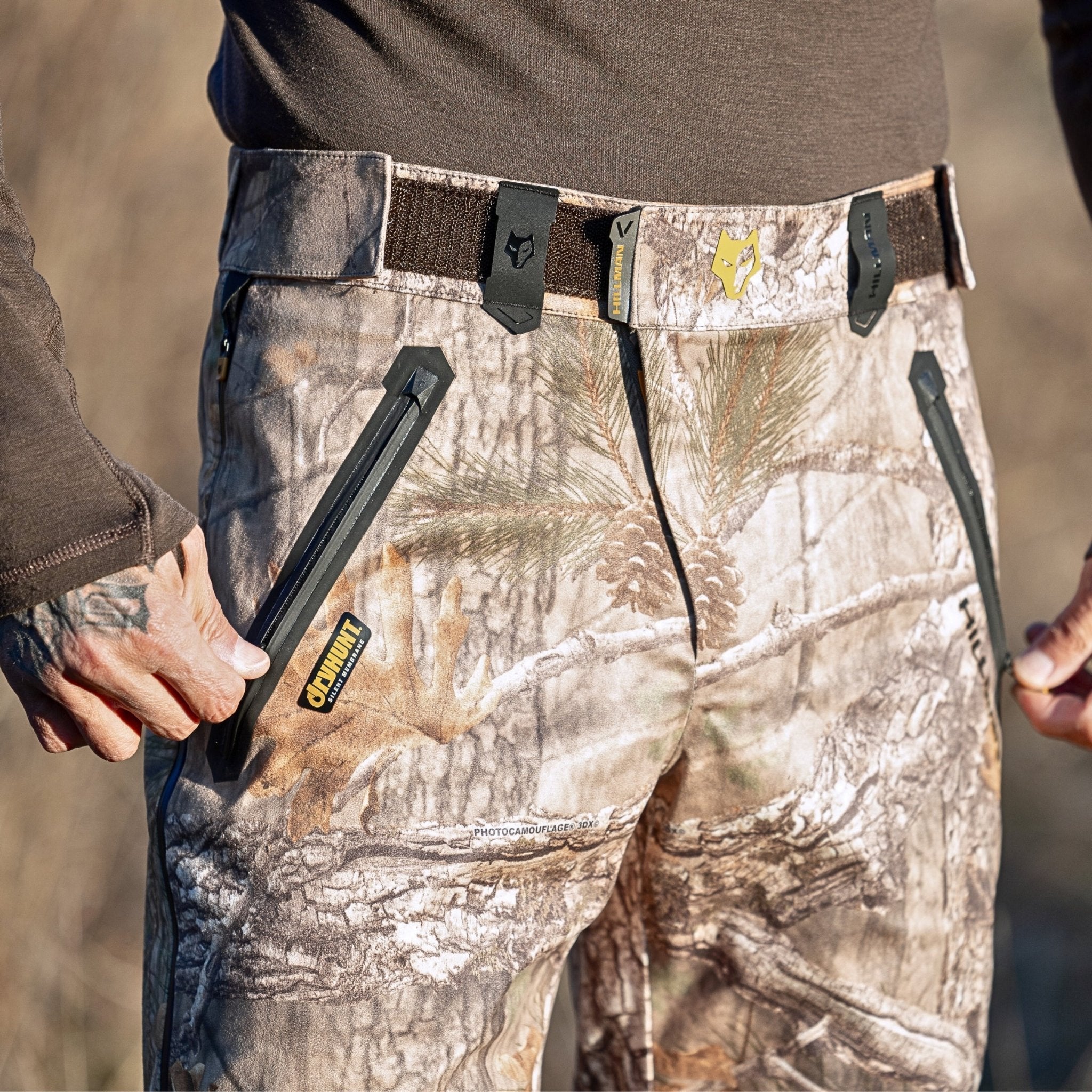
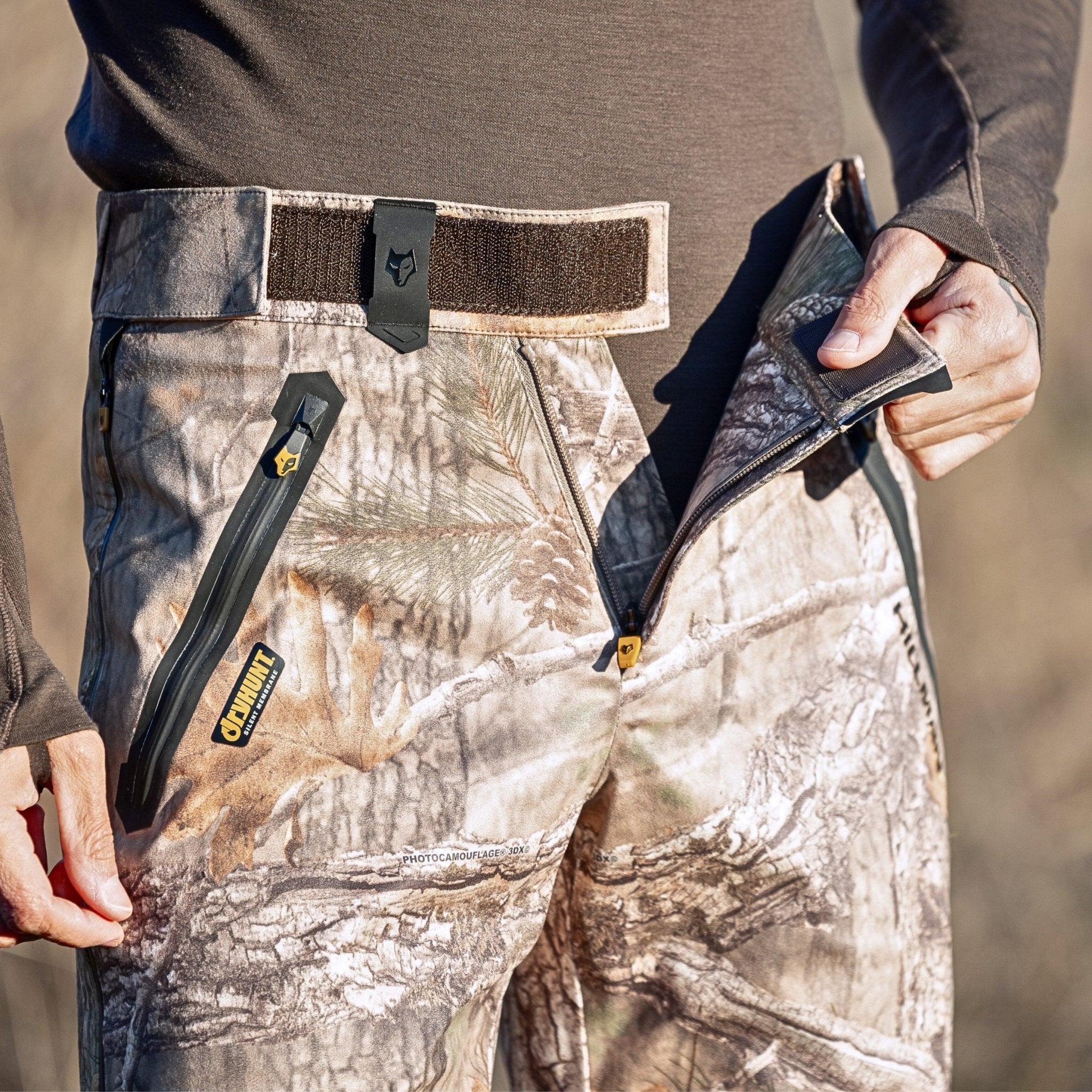
Waterproof shooting trousers are a sensible choice in wet weather conditions. Rain from above is bad enough, but wet grass and soaked brambles hit your legs from every side. A waterproof membrane, Gore-Tex style or even better, Dryhunt construction or a strong water-repellent finish helps keep water out while still letting moisture escape.
Do not look at one feature only. Overall performance matters. Trousers that are waterproof but stiff are annoying. Trousers that move well but tear easily are pointless. A good pair should balance waterproof protection, durability, comfort and movement.
Hunting Trousers and Outdoor Trousers for Rugged Terrain

Hunting trousers and outdoor trousers for beating need to be built for rough ground. Rugged terrain changes fast. One drive is soft mud. The next is thorny woodland. Then you are walking through wet grass hiding roots, wire, holes, snow patches or sharp old stems.
Stretch panels can help, especially around the knees and waist, but stretch is not magic. If the main fabric is weak, brambles will still win. You want trousers that can withstand rubbing, pulling and sharp cover without falling apart.
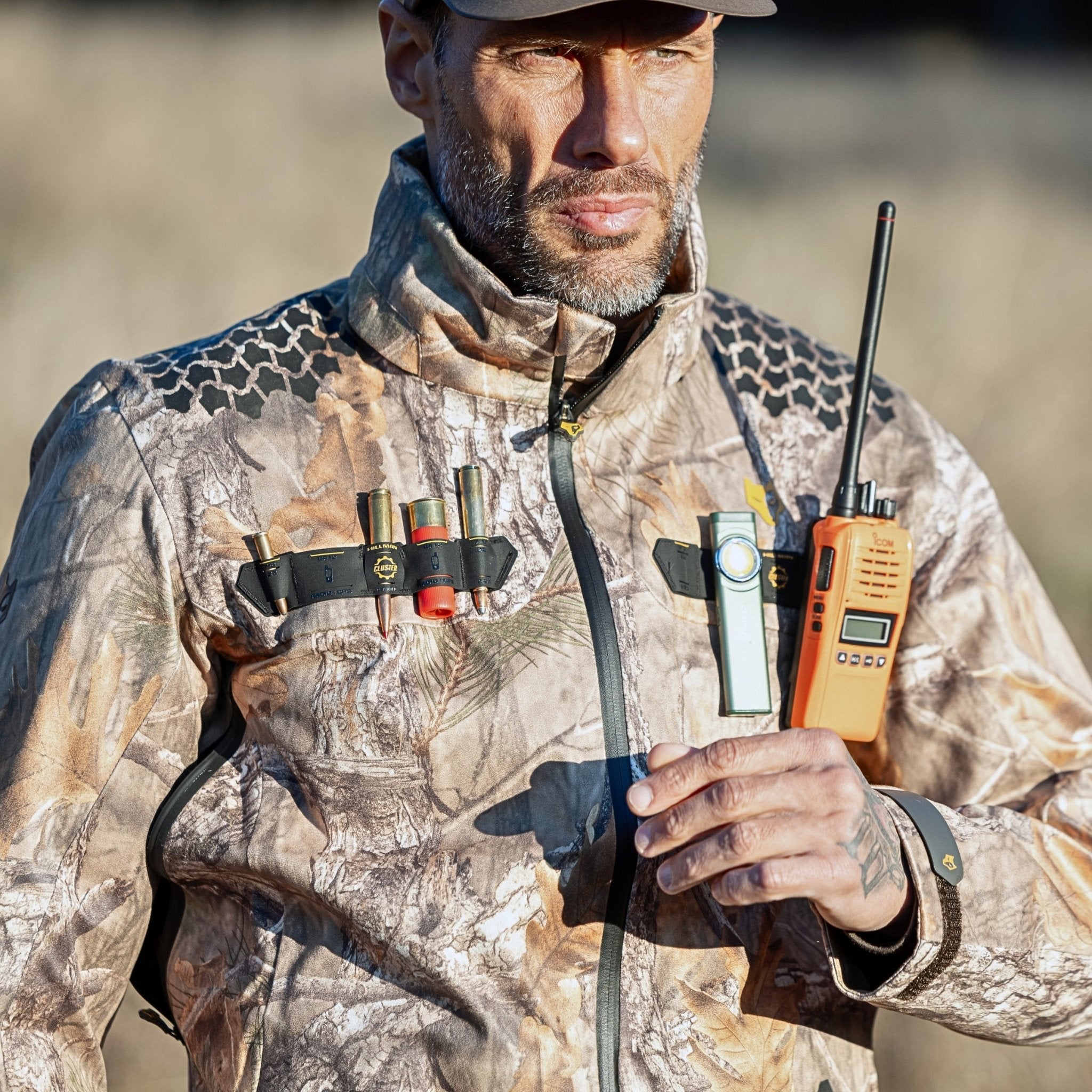
Multiple pockets are useful, but do not fill them like you are moving house. In the beating line, full pockets swing, pull and catch. A phone, knife, dog lead, spare gloves or snack is fine. Big gear belongs in a small bag or waistcoat.
Colour is practical. Green, brown and muted camouflage tones make sense in the field. Blue jeans do not. Denim gets wet, cold and heavy. It dries slowly and gives poor protection from thorns. Once jeans are soaked, the whole day feels longer.
A good pair of shooting trousers should let you forget about your legs. That is the point. You should be watching the line, the dogs, the birds and the ground, not thinking about another rip in your clothes.
Beating Clothing for Dense Undergrowth
Beating clothing has to deal with constant rubbing and snagging. Brambles do not just scratch. They hook. They catch cuffs, sleeves, knees, pockets, hems and loose fabric.
That is why tightly woven outer clothing matters. Soft clothing on the outside is usually a mistake. Fleece is the obvious one. It feels warm in the car park, then catches on every thorn in the cover. Fleece is fine under a jacket. It is poor as the outer layer.
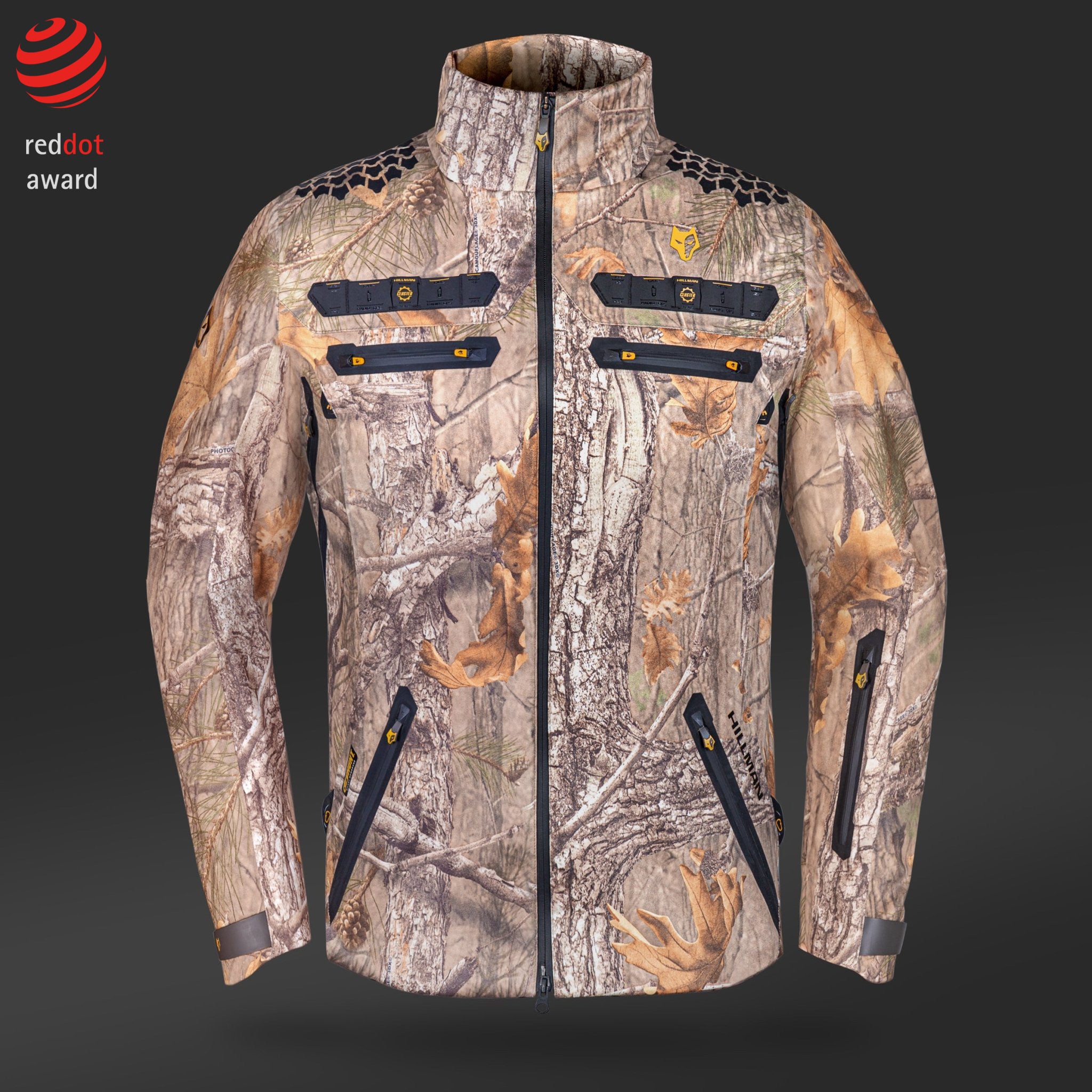
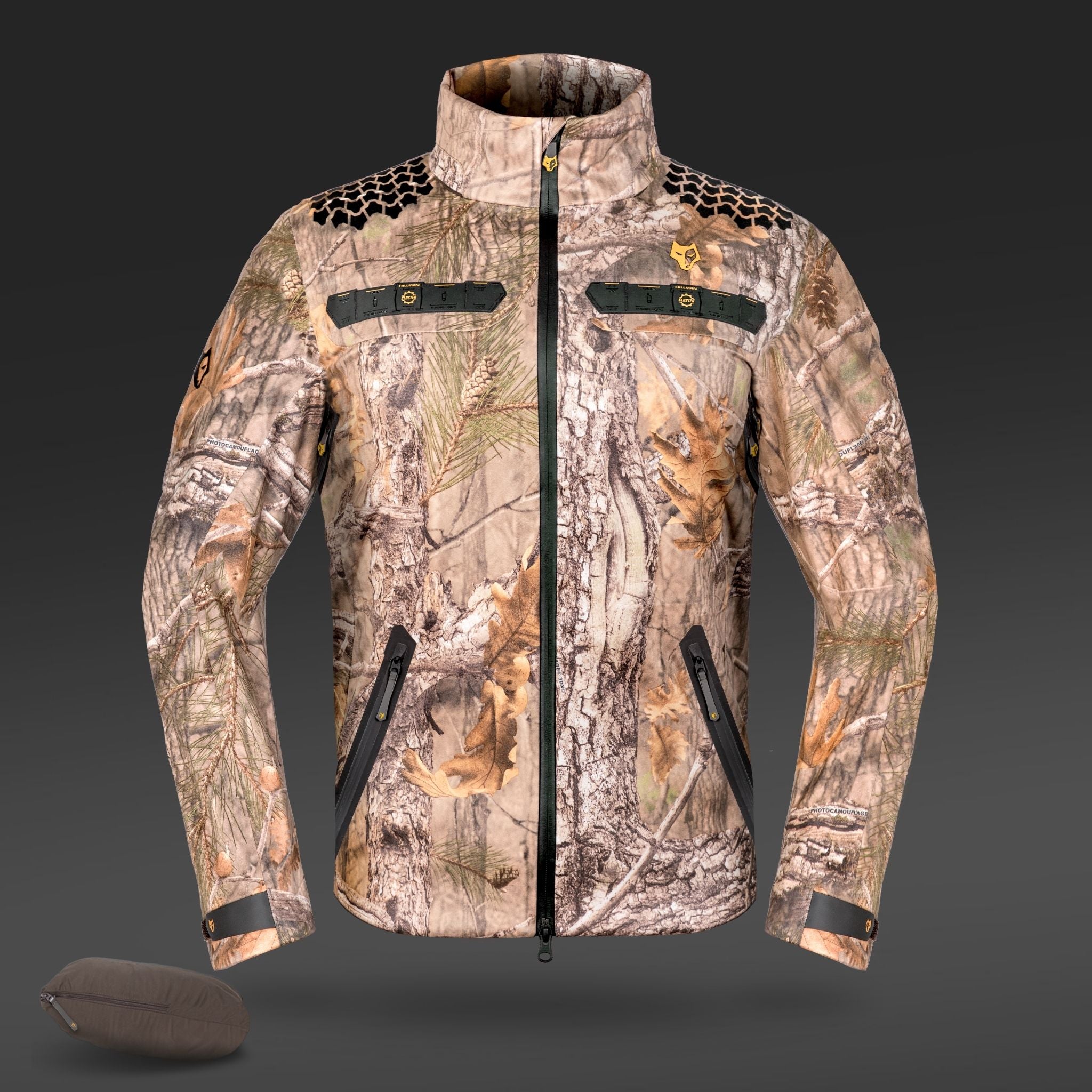
A wax coat, thorn-proof jacket, heavyweight waterproof jacket or dense synthetic shell usually beats a thin raincoat. Some waterproof jackets are made for clean paths, not rough beating. A waterproof label means very little if the outer fabric is weak.
Wax jackets still work because they are tough, quiet and dense. They can feel heavier than modern shells, especially when wet, but they handle brambles better than a lot of thin waterproof garments.
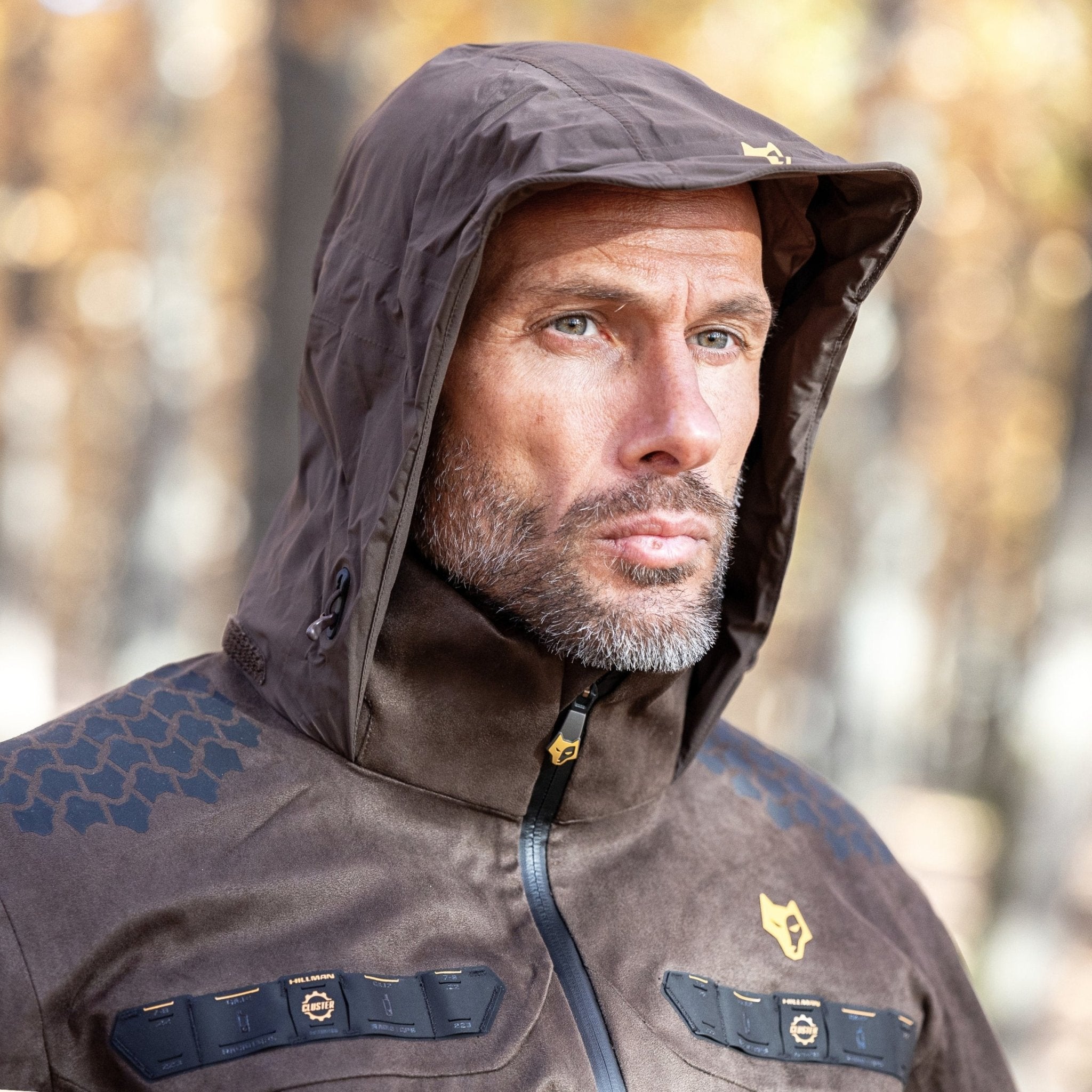
Modern waterproof jackets can work well too, but only if they are built for abuse. Look for durable face fabric, practical pockets, a useful hood and enough room underneath for layers. But avoid anything baggy. Loose fabric is just an invitation for brambles to grab hold.
Waterproof Jackets, Wax Jackets and the Outer Shield

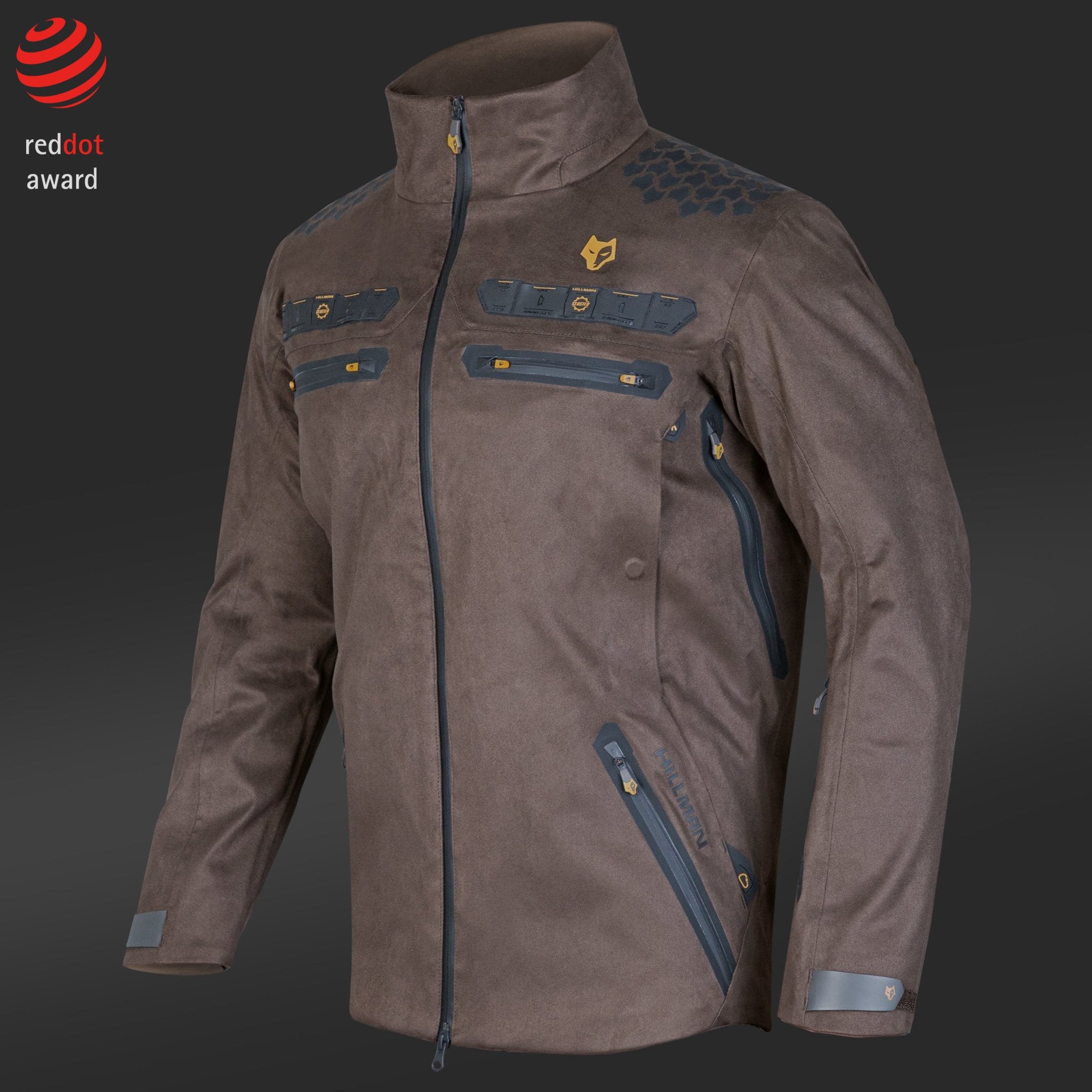
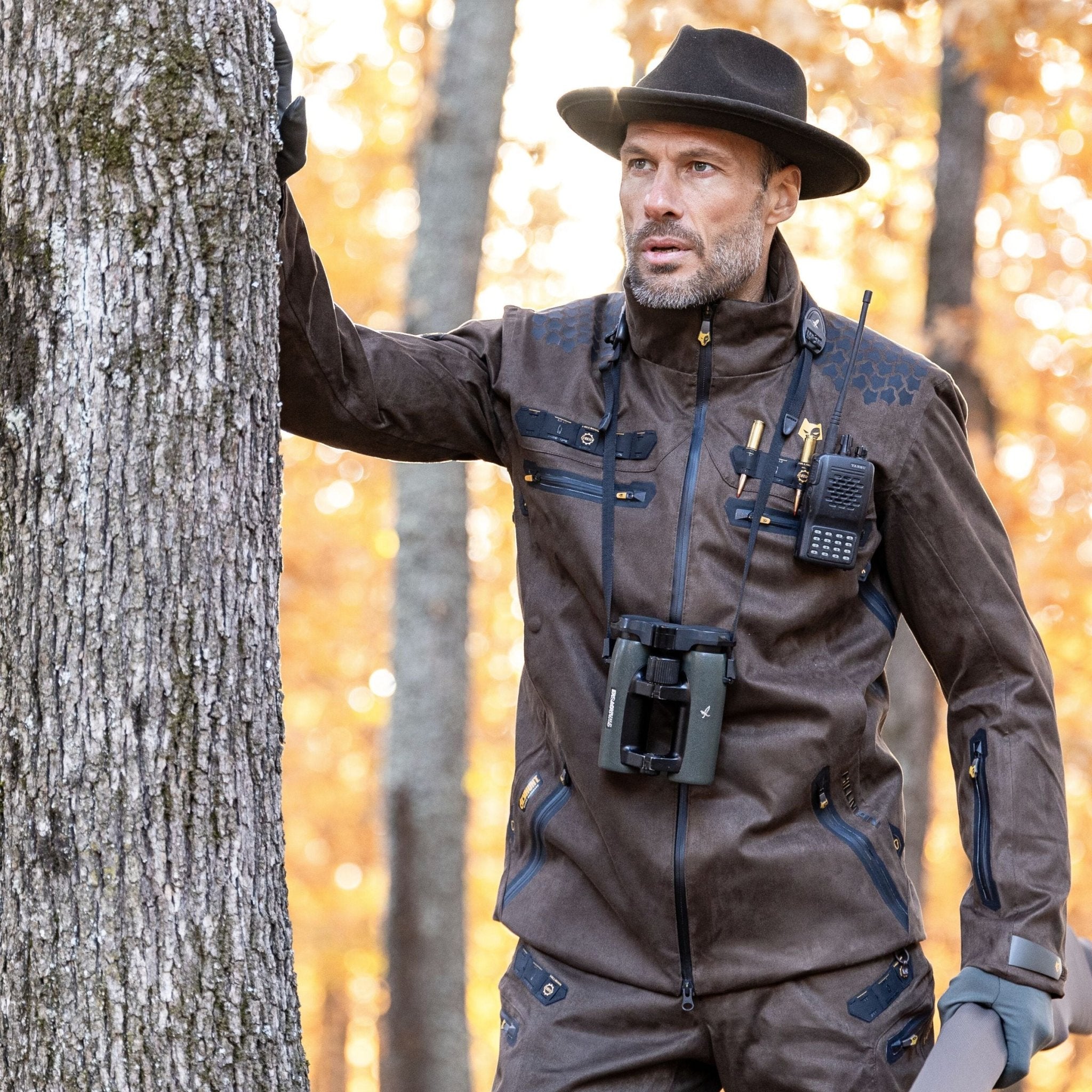
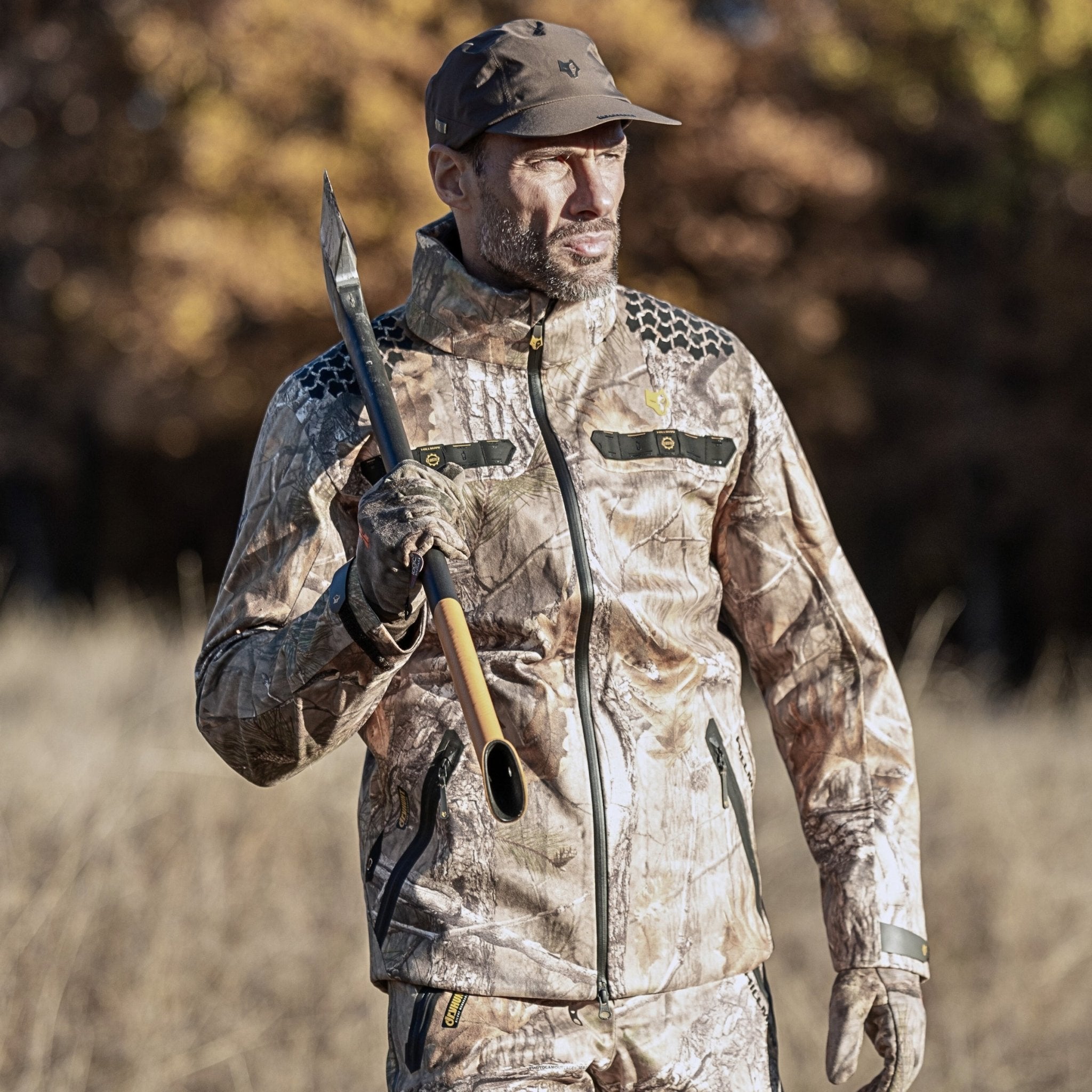
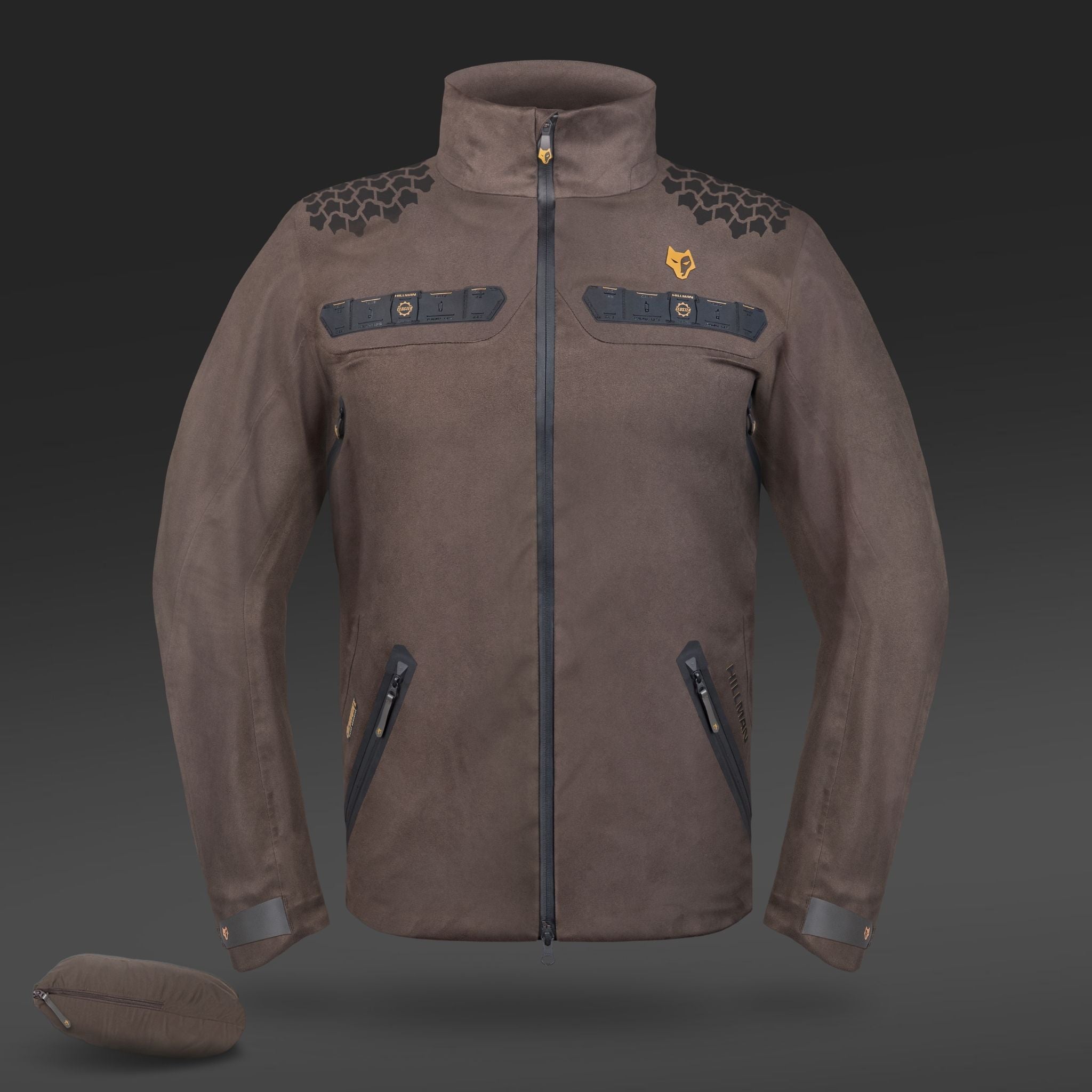
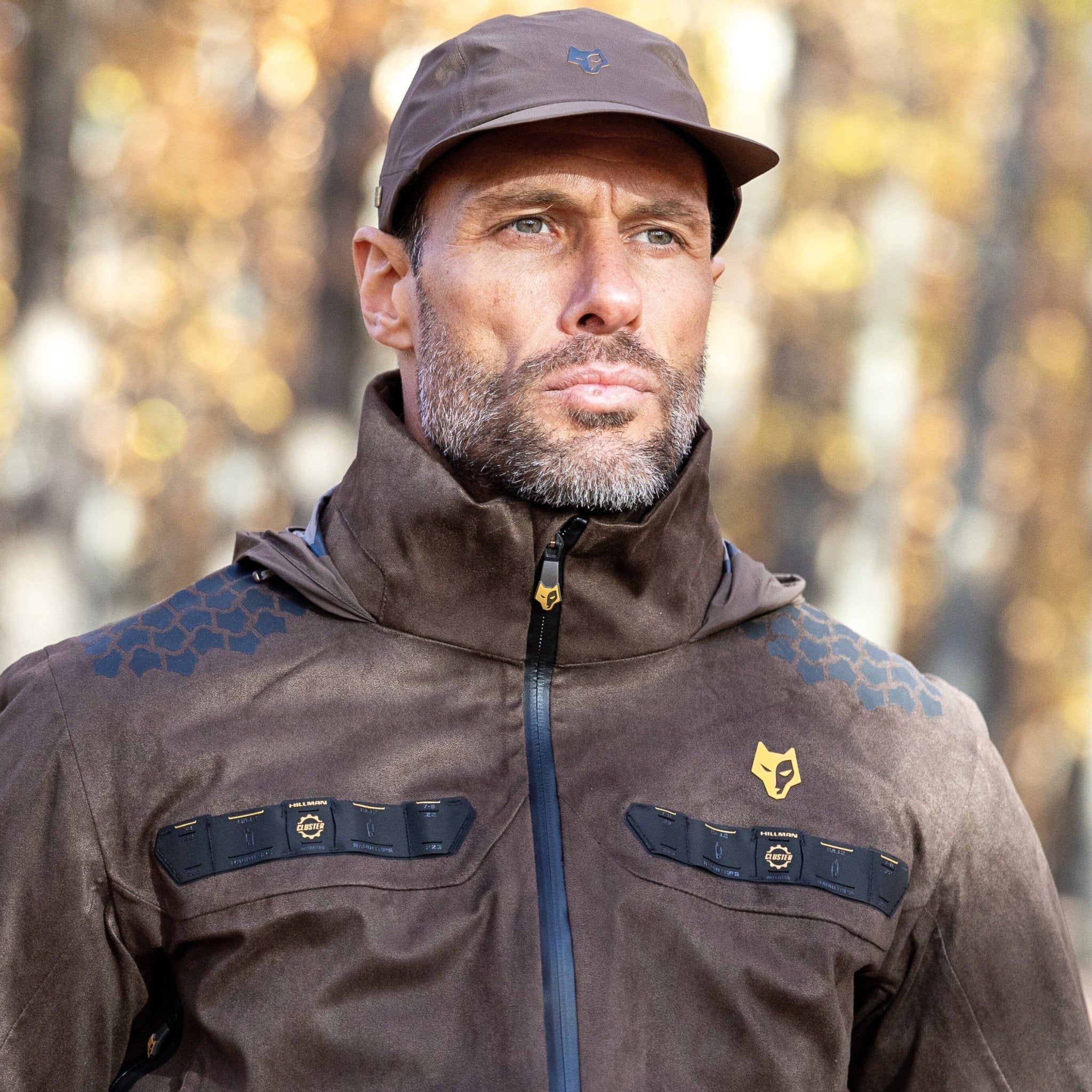
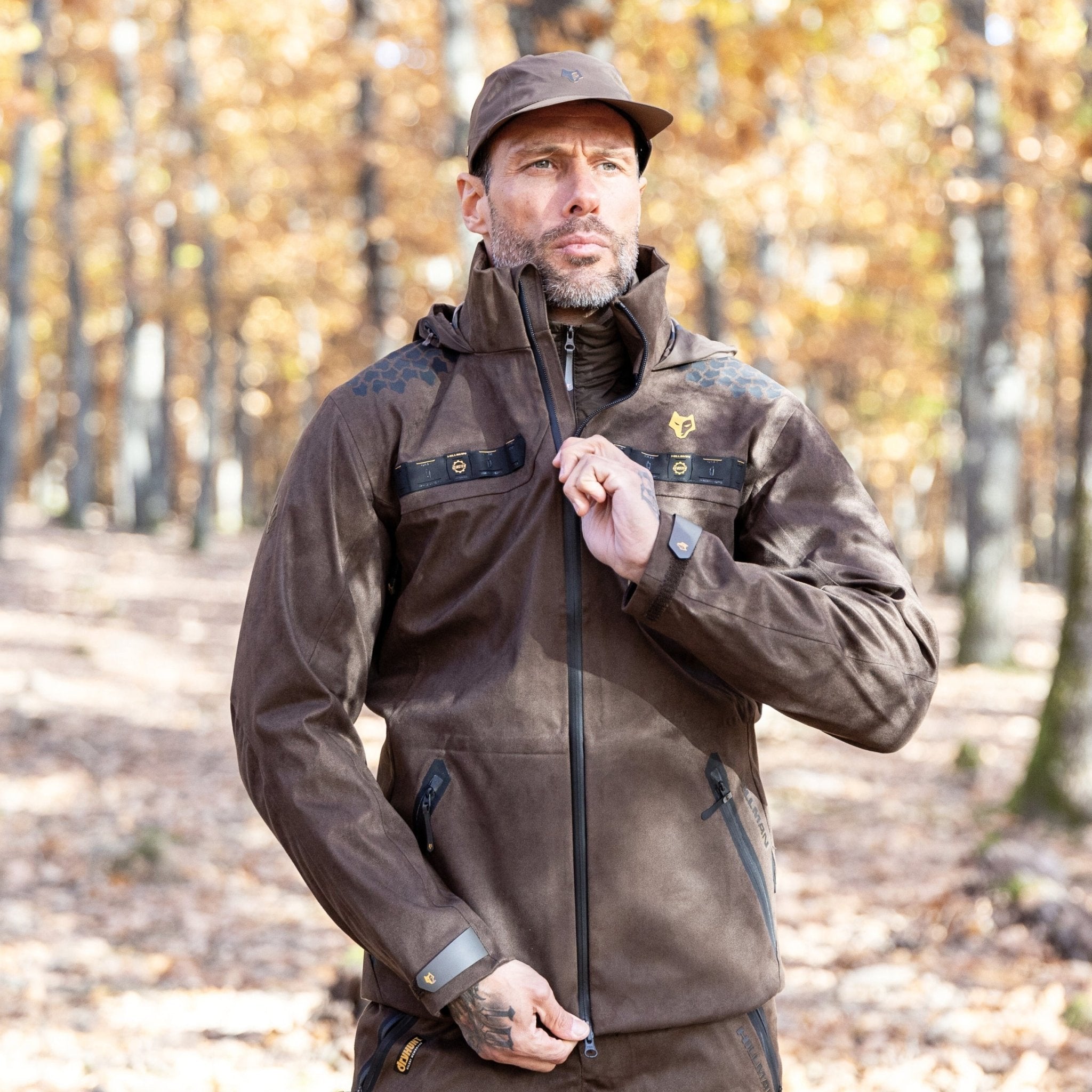
Your jacket is your main shield against the elements. It takes rain, wind, mud, branches, wet leaves and thorns. Waterproof jackets for beating need more than tidy branding. They need strength.
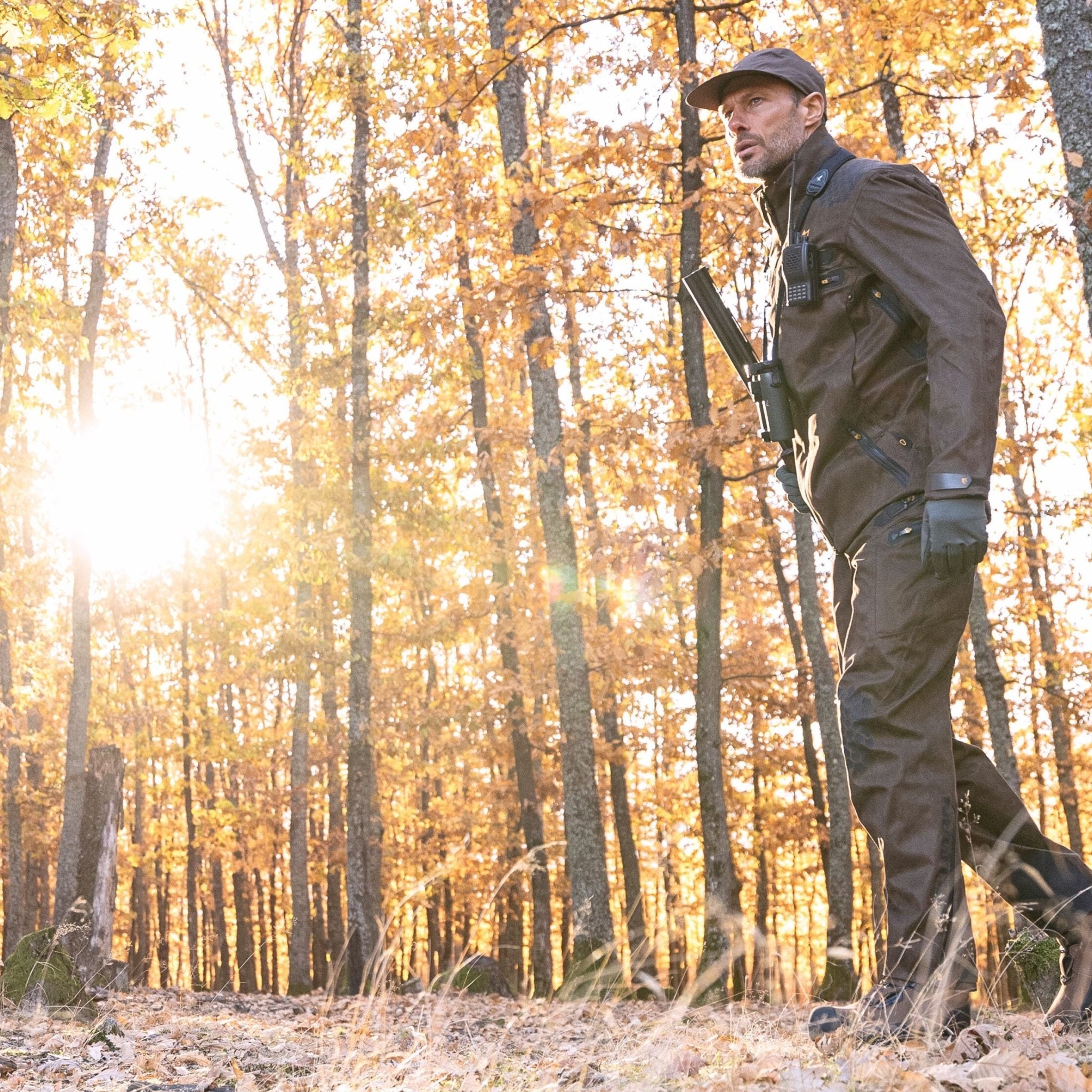
A proper beating jacket should have a tough outer shell, strong cuffs, decent seams and enough length to cover your lower back when bending or pushing through wet cover. A short jacket might look fine standing still, but it rides up fast when you are working.
Wax jackets are a strong option for wet and thorny ground. They are not always light. They are not always fancy. But they are dependable. A good wax jacket can take scratches and scrapes that would damage many lighter waterproof shells.
A modern waterproof jacket is fine if it is made for rugged terrain. Reinforced areas help. A clean cut across the shoulders helps even more. You need to lift, push, turn and carry without the jacket fighting you.
Layering underneath should stay simple. Base layer first. Warm mid layer if needed. Tough waterproof outer jacket on top. In different seasons, that system lets you adjust without changing everything.
On warmer days, lighter layers work better than one heavy coat. In cold weather, add warmth, but keep movement. Clothing that makes you clumsy is bad clothing for beating.
Boots, Wellingtons and Footwear That Keep You Moving

Footwear can ruin the day faster than almost anything. Wet feet are miserable. Slipping around in mud is worse. The ground can change from ruts to wet leaves, snow, marsh, grass and woodland in one shoot day.
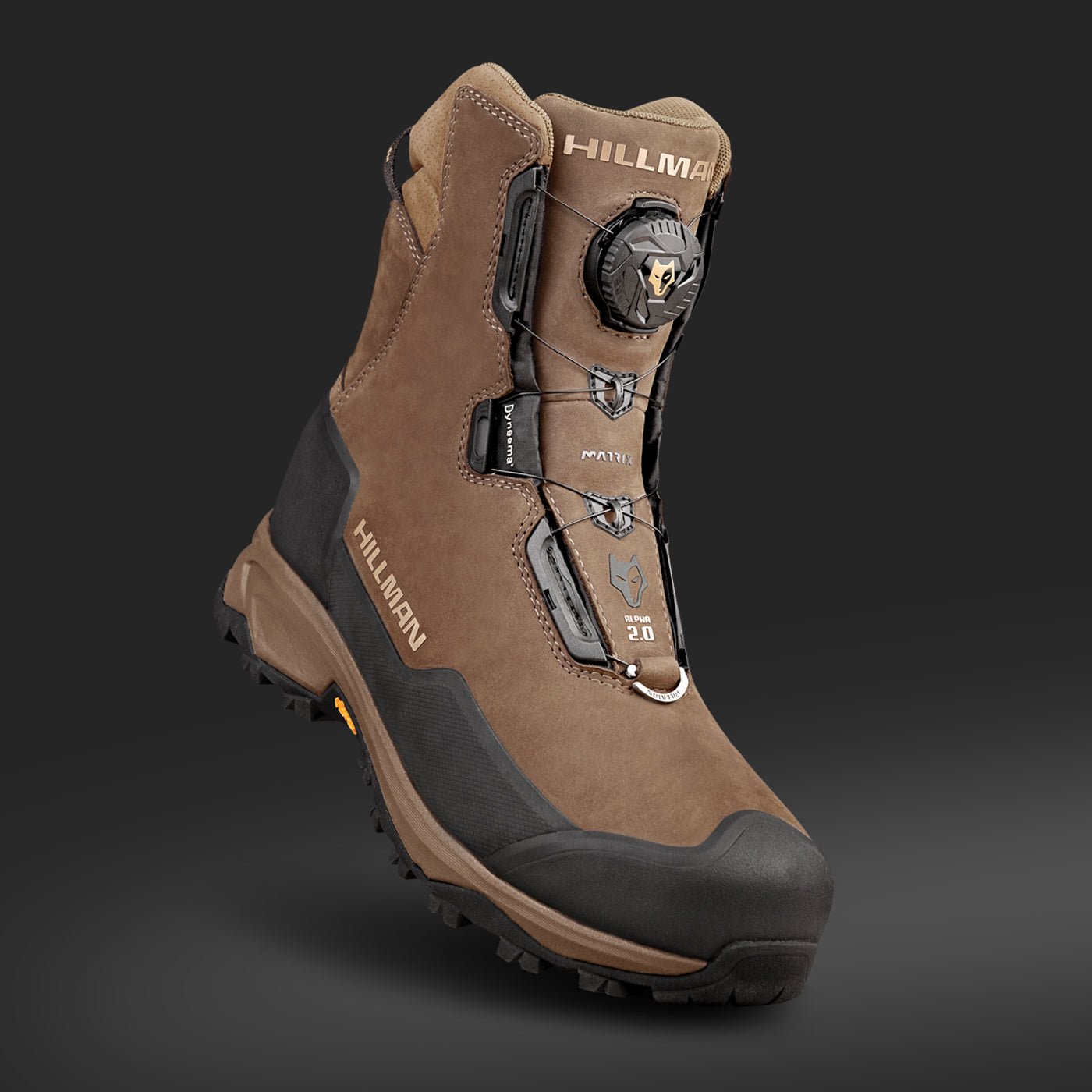
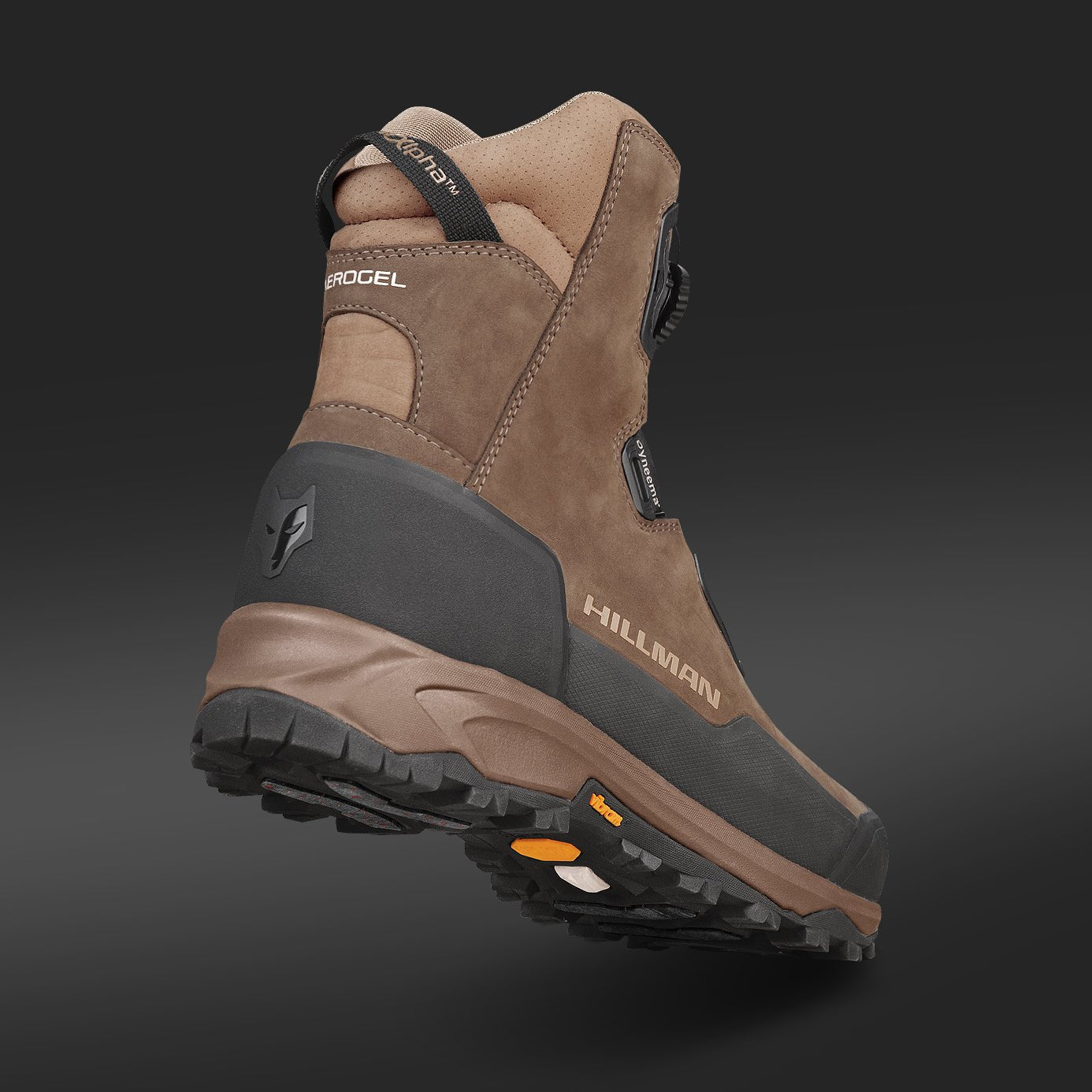
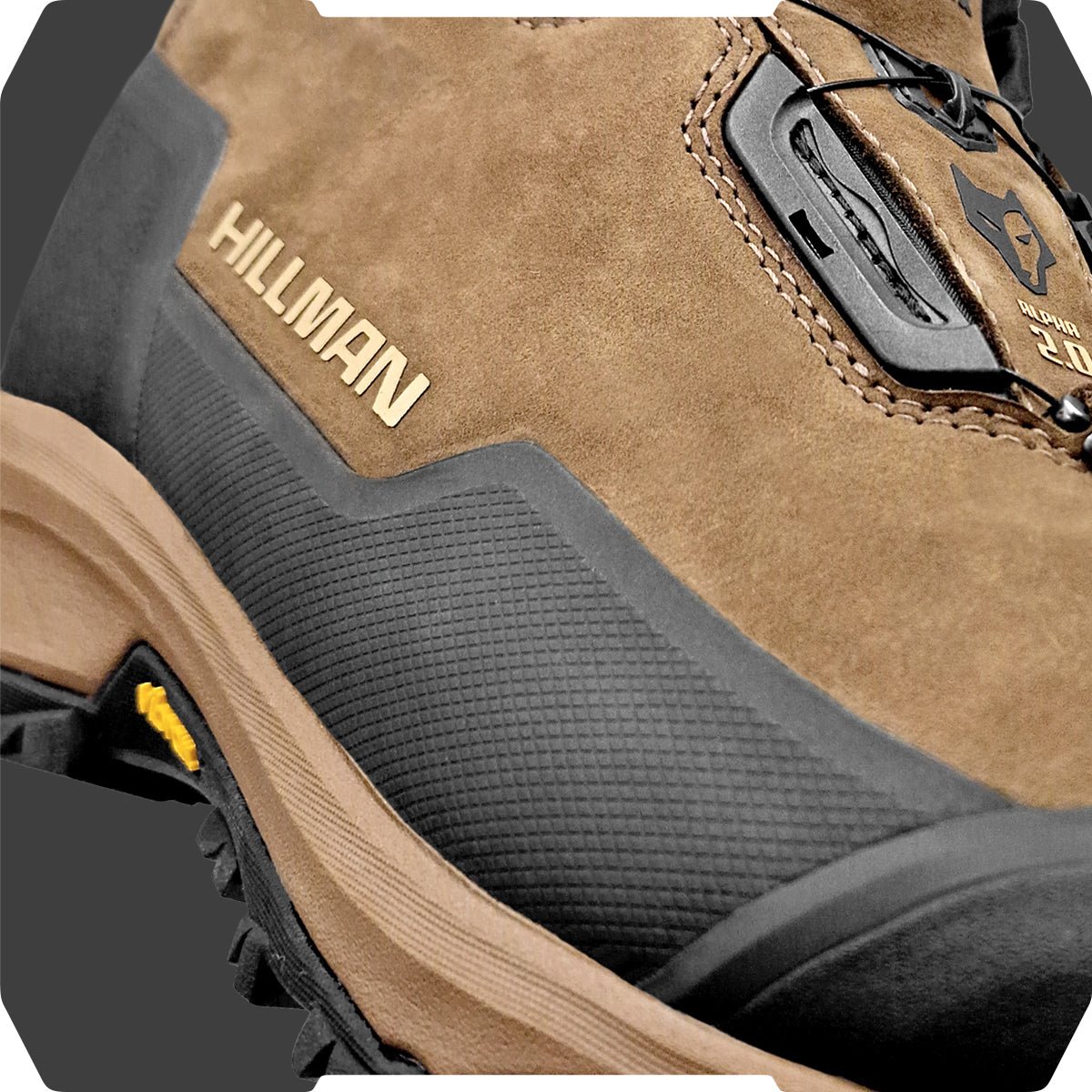
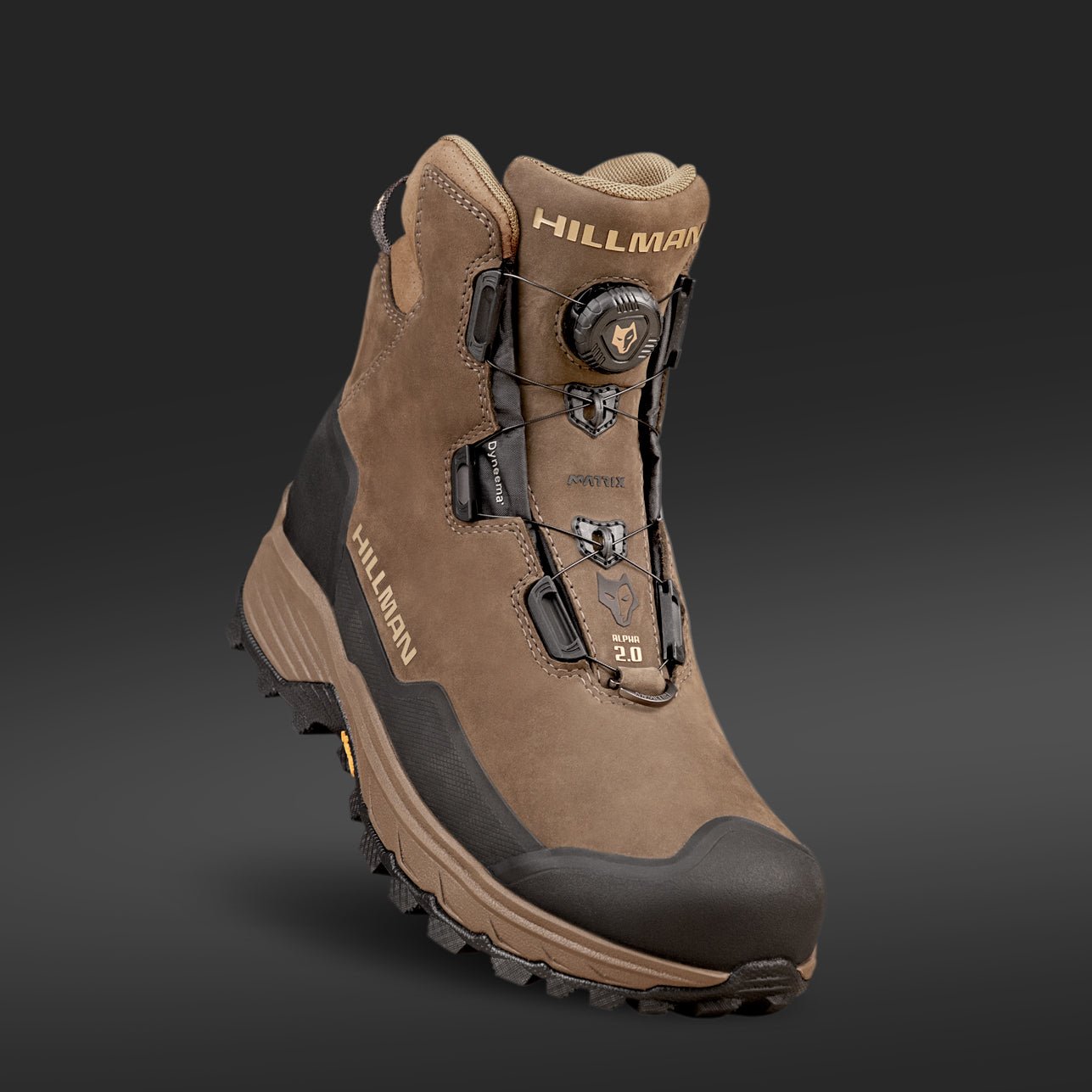
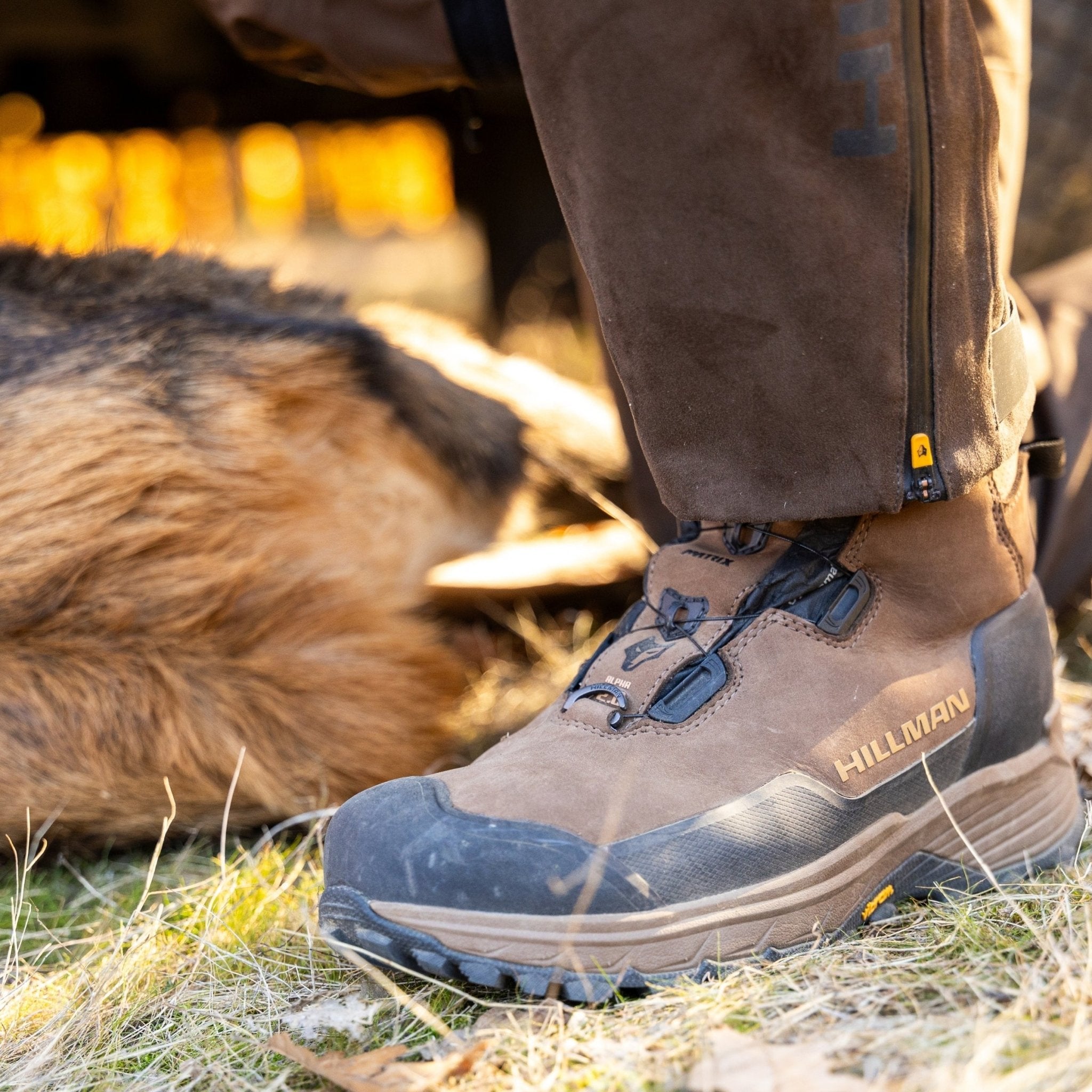
Thick leather boots are a good choice when you need ankle support. They protect your feet and ankles from knocks, roots, stones and low brambles. They also suit long walking drives better than sloppy footwear.
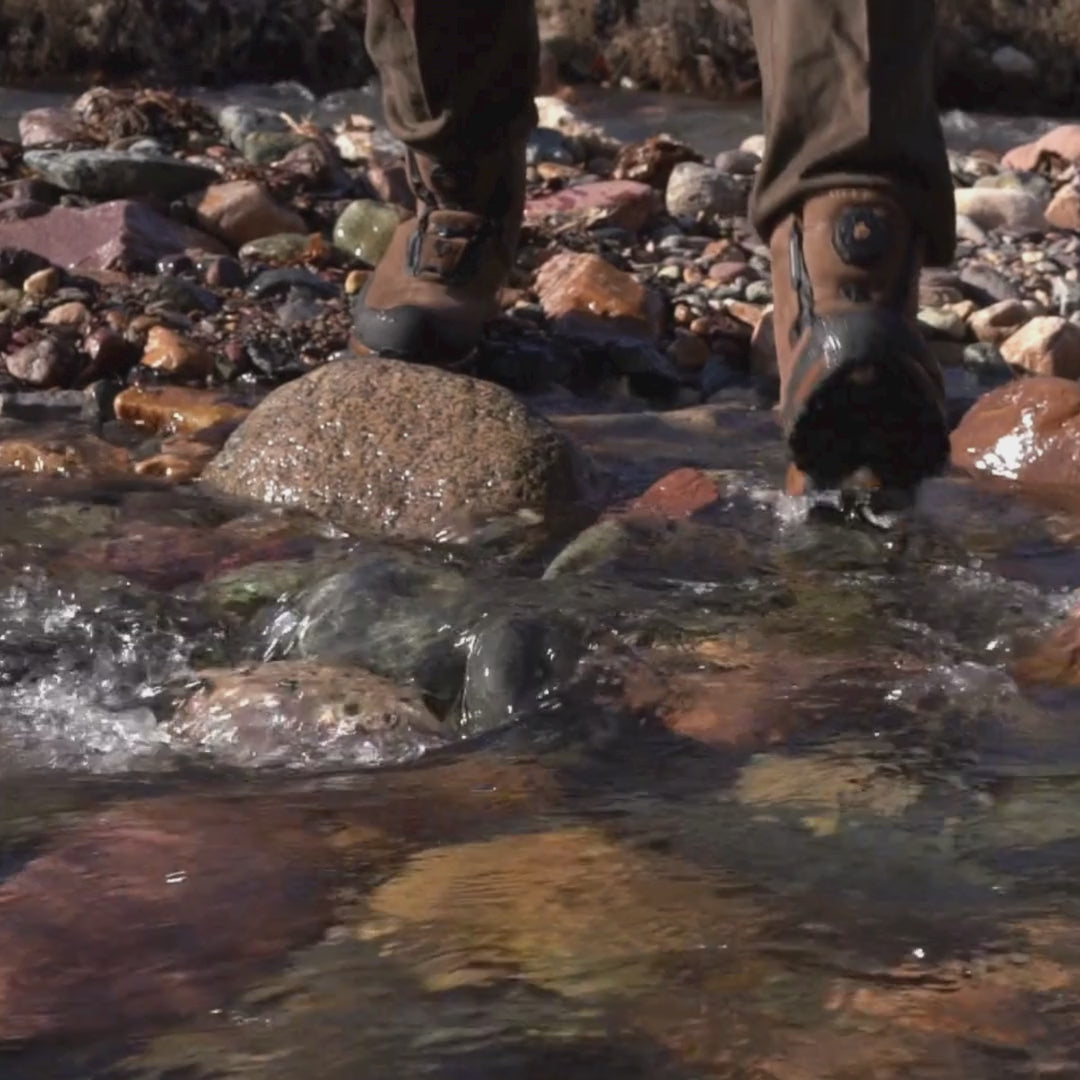
Wellingtons are better for deep mud, water and marshy fields. Full-length rubber wellingtons keep water out and protect the lower leg. They clean up easily after the shoot too. The downside is support. Cheap wellies can feel loose and tiring after extended periods of walking.
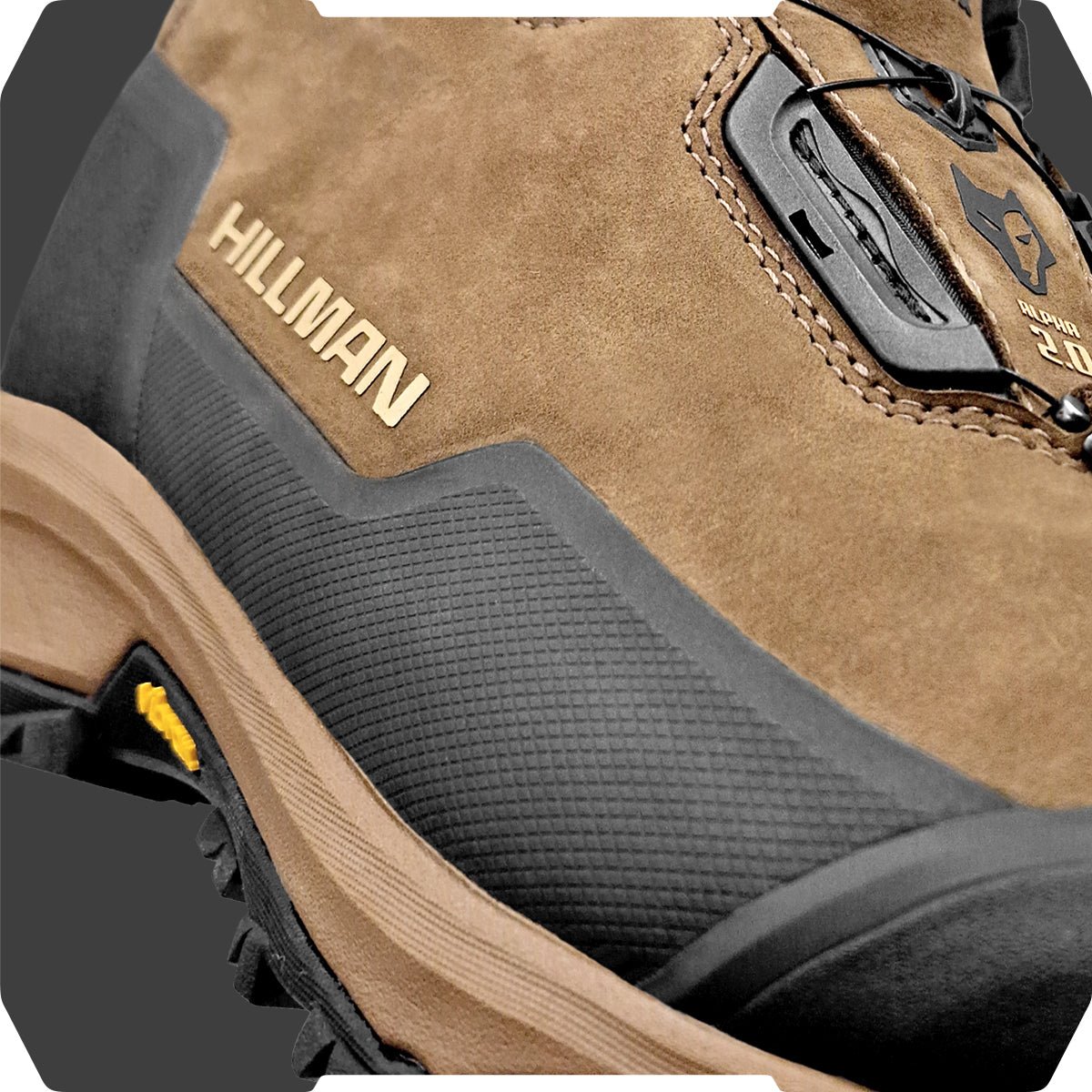
Excellent grip is essential. A sole that clogs with mud or slips on wet grass is no help. A good pair of boots should hold the heel, grip on slopes and keep your feet dry without feeling like concrete blocks.
Socks matter as well. Wool socks help keep feet warm during standing and waiting. But do not cram thick socks into tight boots. Tight footwear restricts circulation, then your feet get cold anyway. Warm feet need space, not just thicker socks.
Gaiters, Waterproof Gloves and Useful Accessories

Gaiters are one of the best accessories for beating. They protect shins, calves and trouser cuffs from brambles, mud, snow and wet cover. That lower-leg area takes constant abuse.
High-denier gaiters or specialist beating gaiters add a proper shield where you need it. They also stop seeds, water, muck and bits of vegetation from dropping into your boots. On a wet shoot, that matters.
Good gaiters should stay up. If they slide down after ten minutes, they are just another nuisance. The lower strap needs to withstand mud and rubbing. The fabric needs enough stiffness to stop sharp stems pressing through.
Waterproof gloves are essential too. Your hands are always exposed. You are moving branches, holding a stick, opening gates, managing dogs, carrying gear or grabbing cover to keep your balance. Cold wet hands make every job harder.
Gloves need warmth, but grip matters just as much. Smooth gloves become useless when wet. You still need to hold a dog lead, radio, stick, game carrier or small accessories without fumbling.
Waistcoats can help when you need extra storage. They give useful pockets without overloading the jacket. Just keep them tidy. Loose straps, flapping pocket covers and hanging accessories catch in brambles.
Staying Warm Without Overheating
Beating is awkward because you do not move at one steady pace. You walk hard, then stand. Push through cover, then wait. Climb a bank, then stop in cold wind. That stop-start rhythm makes clothing tricky.
Wear too much and you sweat. Then when you stop, heat escapes fast and damp clothing cools against your skin. Wear too little and the waiting periods bite.
Layers beat one massive coat. A base layer moves moisture away from the skin. A fleece or warm mid layer adds insulation. A tough waterproof jacket blocks rain, wind and thorns.
The fleece should stay under the jacket. Brambles love fleece when it is on the outside. They grab it, pull it and make it look wrecked in no time.
In mild weather, a light mid layer may be enough. In cold rain or snow, add warmth carefully. Heavy clothing that restricts movement makes dense undergrowth harder. Beaters need to lift their legs, turn quickly and push through awkward cover without fighting their own kit.
Small things help. Close cuffs. Pull up the collar. Put on a hat while waiting. Change wet gloves if you carry a spare pair. Keep your neck covered. These little fixes can make more difference than wearing a huge coat all day.
Dressing for Different Seasons and Weather Conditions

Different seasons change the kit, but the job stays the same. Stay dry. Protect against thorns. Keep moving. Do not overheat.
Early season beating can be warm. Cover is often thick, and the work can be heavier than expected. Breathable shooting trousers, light layers and a durable jacket worn open or carried nearby may be enough.
As the season turns wet and cold, waterproof protection becomes more important. Mud gets deeper. Rain hangs around. Wet grass stays wet. Standing at the end of a drive feels colder. This is when waterproof jackets, wax jackets, gaiters, wool socks and proper boots prove their worth.
In hard winter weather, insulation matters, but not at the cost of movement. A warm mid-layer, waterproof outer shell, waterproof gloves and good socks usually work better than one oversized coat.
Snow adds another problem. It wets cuffs, chills lower legs and gets into boots. Gaiters help here. So do waterproof trousers and footwear with excellent grip.
Wind is easy to underestimate. Even without rain, cold wind over wet clothing chills you quickly. Windproof trousers and jackets make waiting much more bearable.
What I Would Avoid in the Beating Line

I would avoid soft outer clothing. Thin fleece, knitted jumpers, light running jackets and cheap waterproof shells are poor choices in proper brambles. They might feel comfortable for five minutes, but they do not last.
I would avoid trousers with no reinforcement if the shoot involves thick cover. Knees, cuffs and thighs take the damage first. Once fabric starts tearing, it usually spreads.
Avoid jeans, especially blue denim. They get wet, cold and heavy. Avoid gloves that soak through quickly. Avoid boots with weak soles. Avoid anything too loose, too fragile or too precious.
Do not overload pockets either. Beating already involves enough movement. Heavy pockets swing, pull and catch. Carry what is essential and leave the rest in the vehicle or a small bag.
Most of all, do not dress only for the first ten minutes. A dry morning can become wet by lunch. Mud gets worse after a few drives. Feet get colder during pauses. The right clothing is the kit that still works after hours, not just the clothes that feel fine at the start.
A Practical Beating Outfit That Works
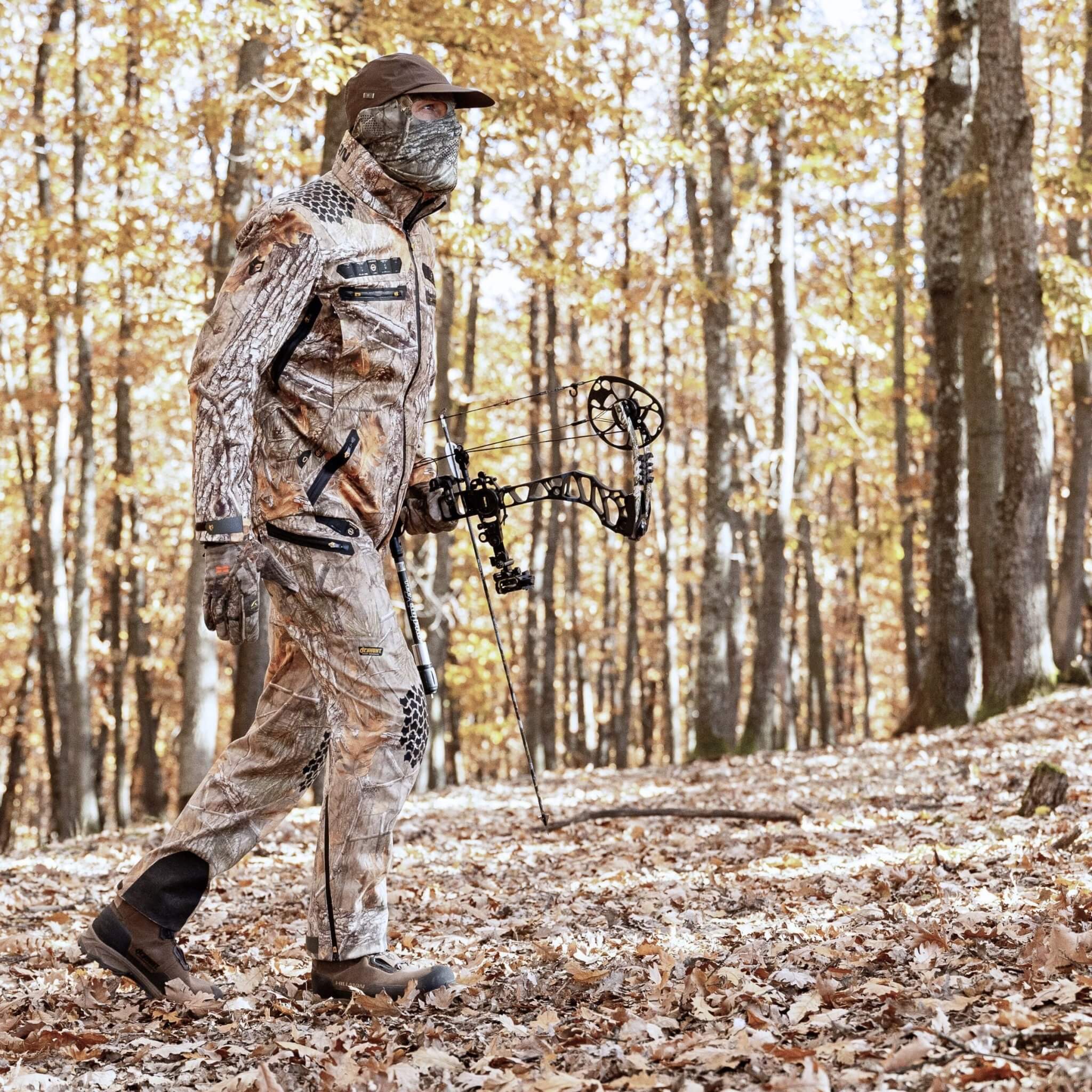
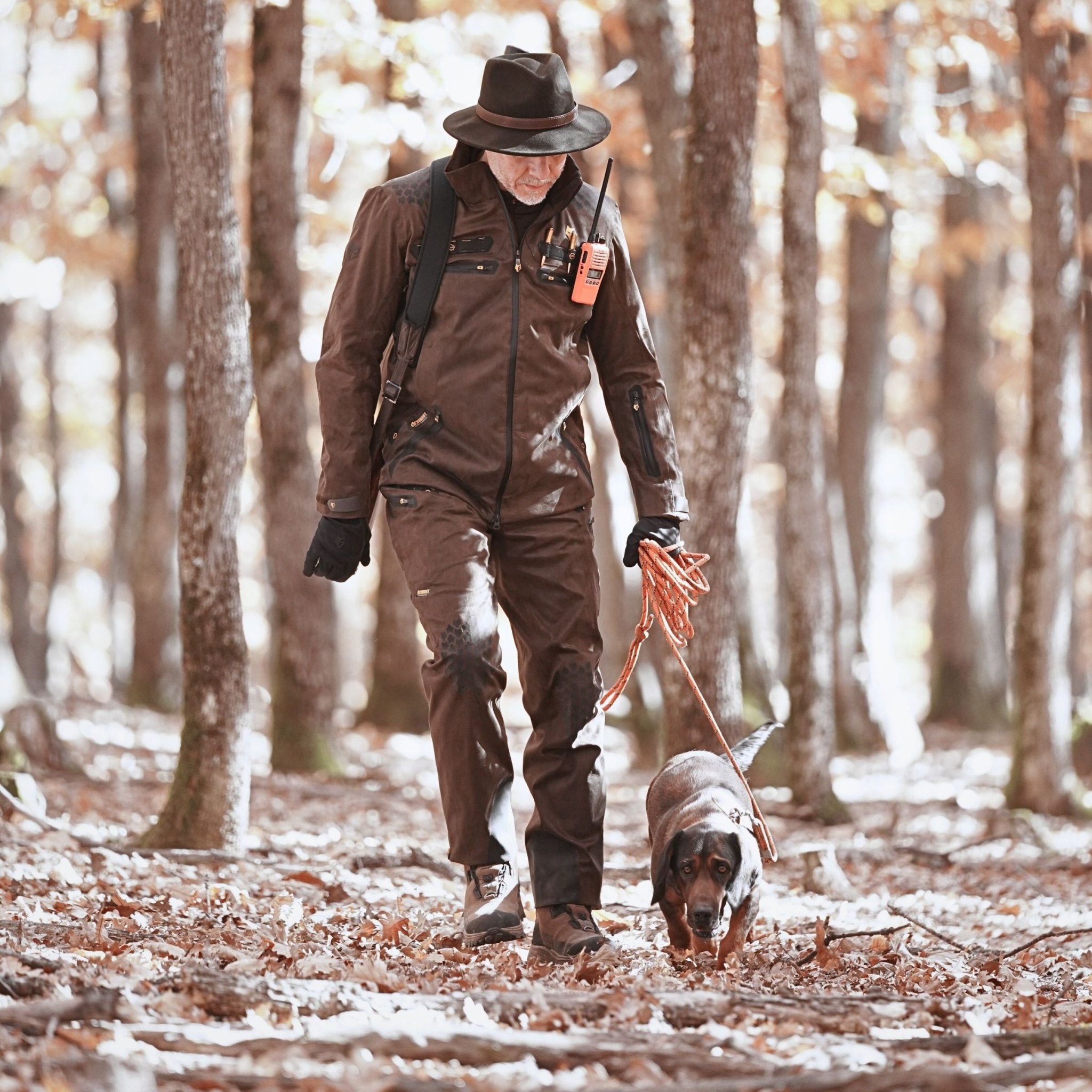
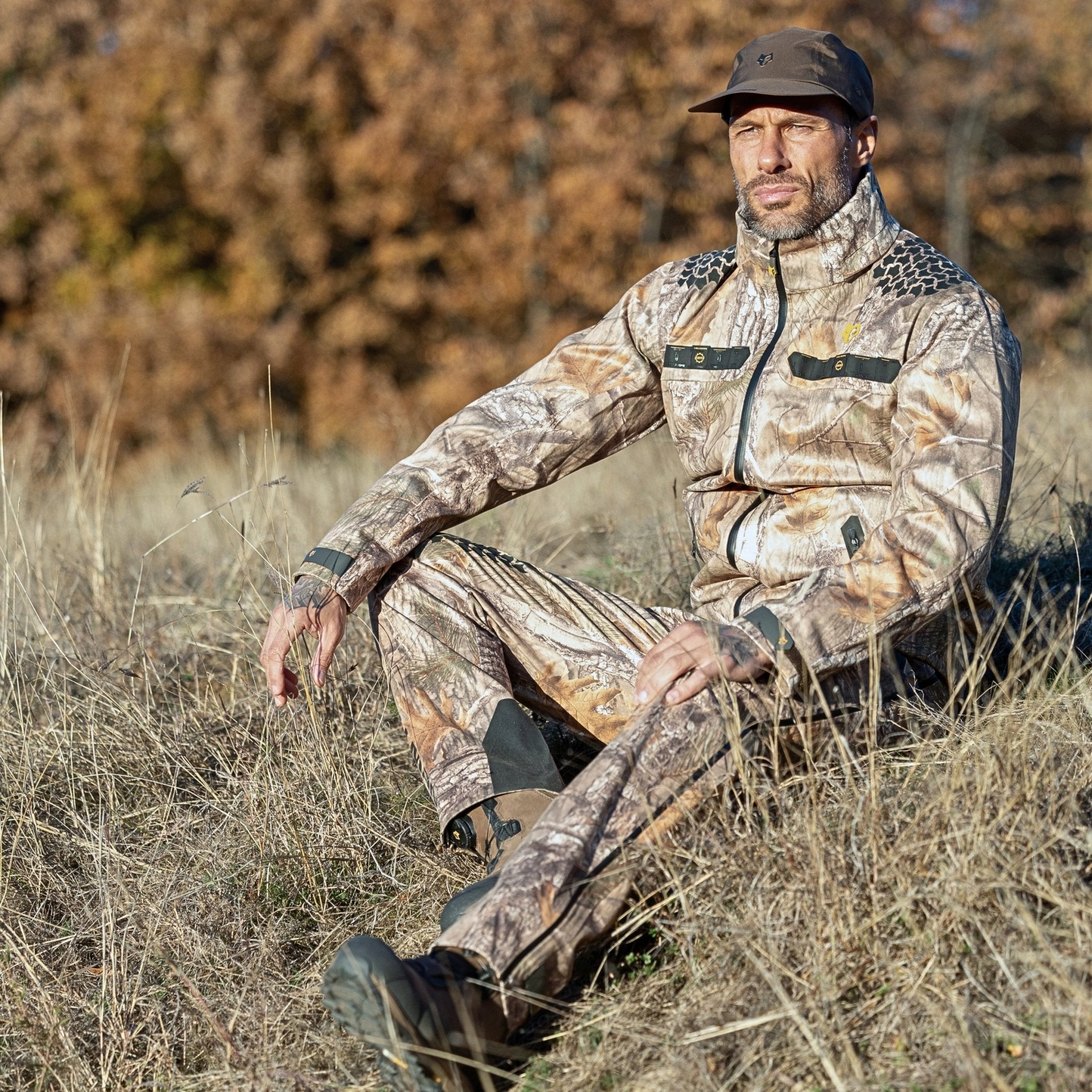
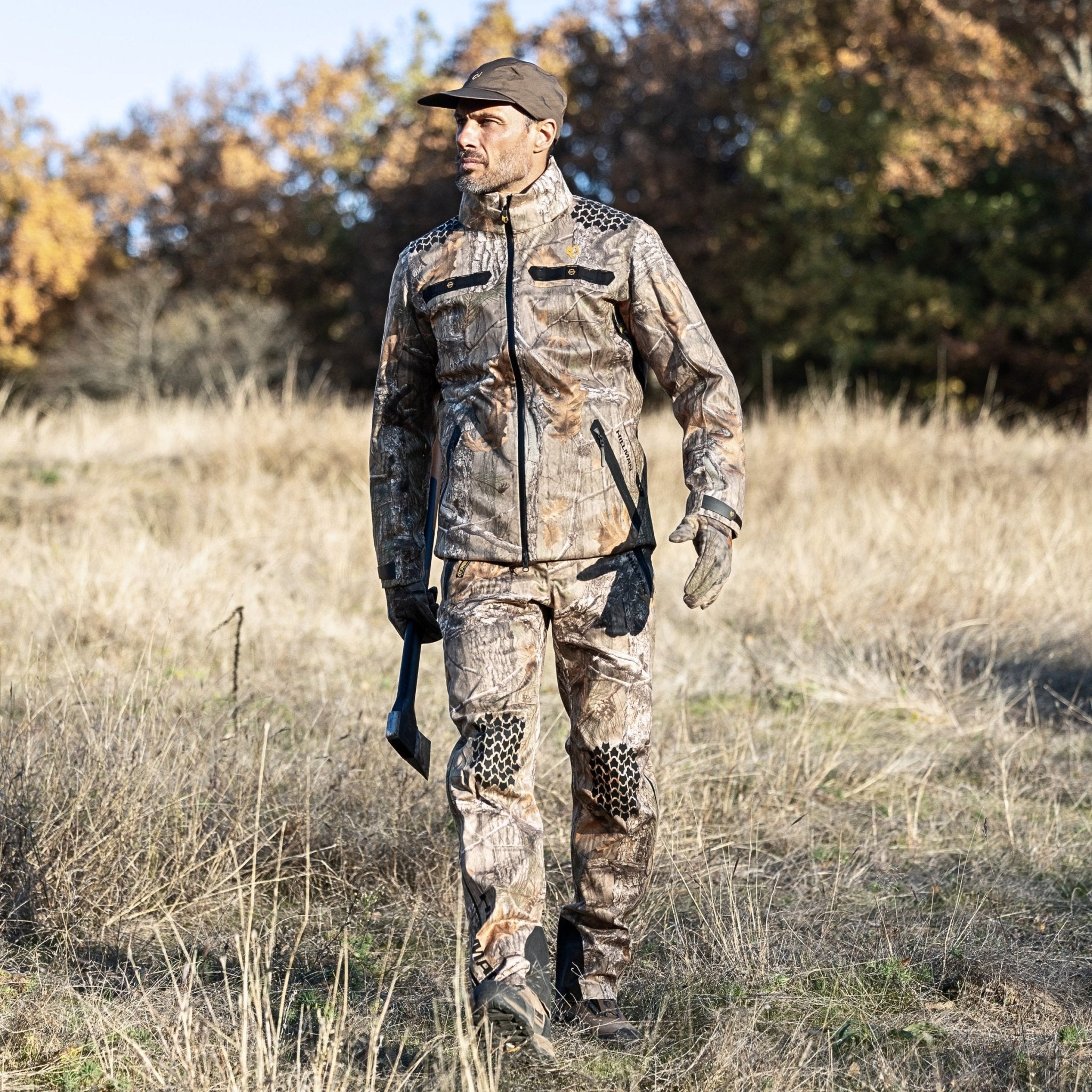
A practical beating outfit starts with tough shooting trousers or hunting trousers. Waterproof is better in wet cover. Add gaiters for shin and cuff protection. Choose thick leather boots or wellingtons depending on the ground.
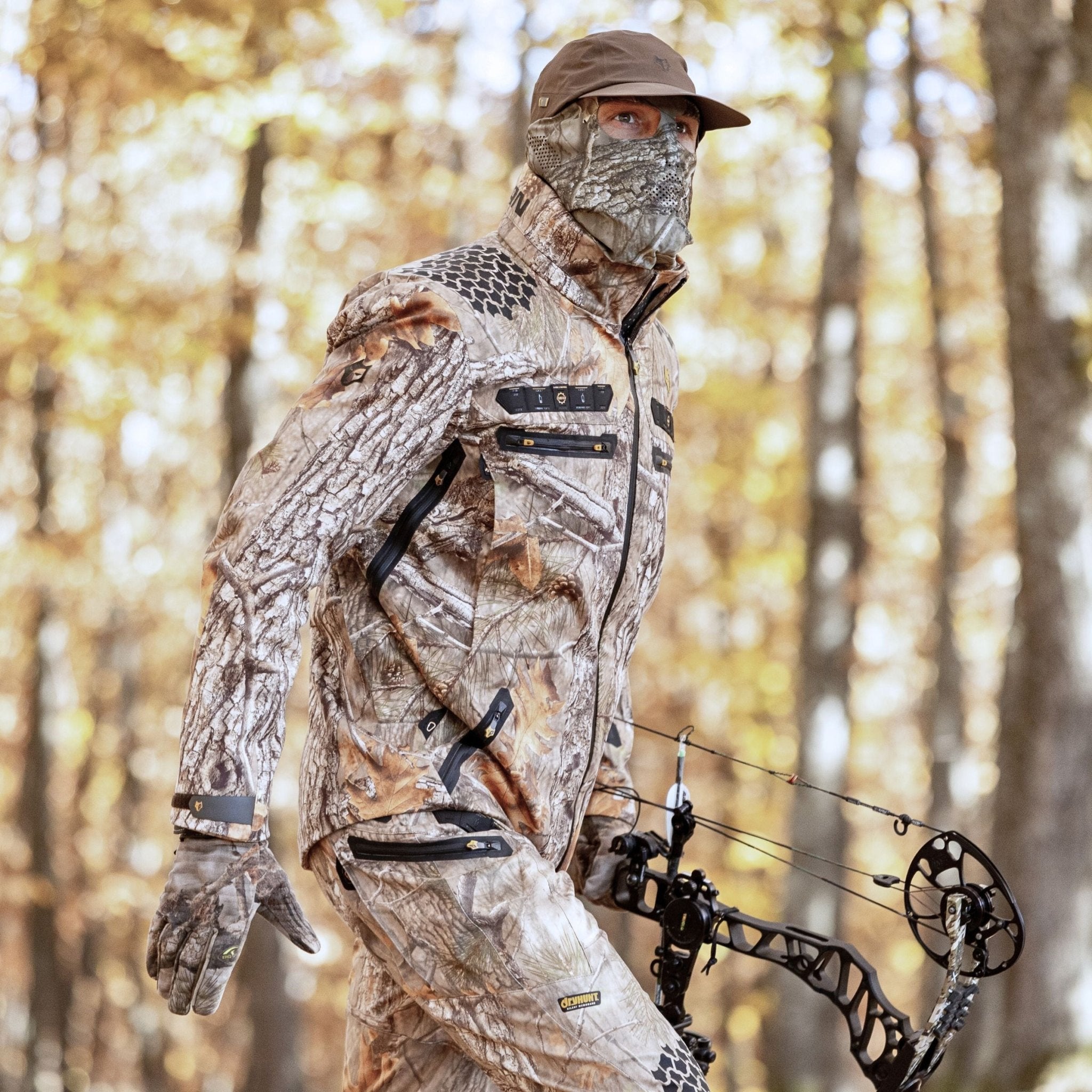
On top, wear a base layer, a warm but not bulky mid layer and a thorn-proof jacket. A wax coat or heavyweight waterproof jacket is a sensible outer choice. Add waterproof gloves, a hat and enough pocket space for essentials.
This kit does not need to look clever. It just needs to work. Good beating clothing protects you without making you clumsy. It lets you walk, push, turn, climb, carry, wait and keep going through mud, brambles, rain and cold weather.
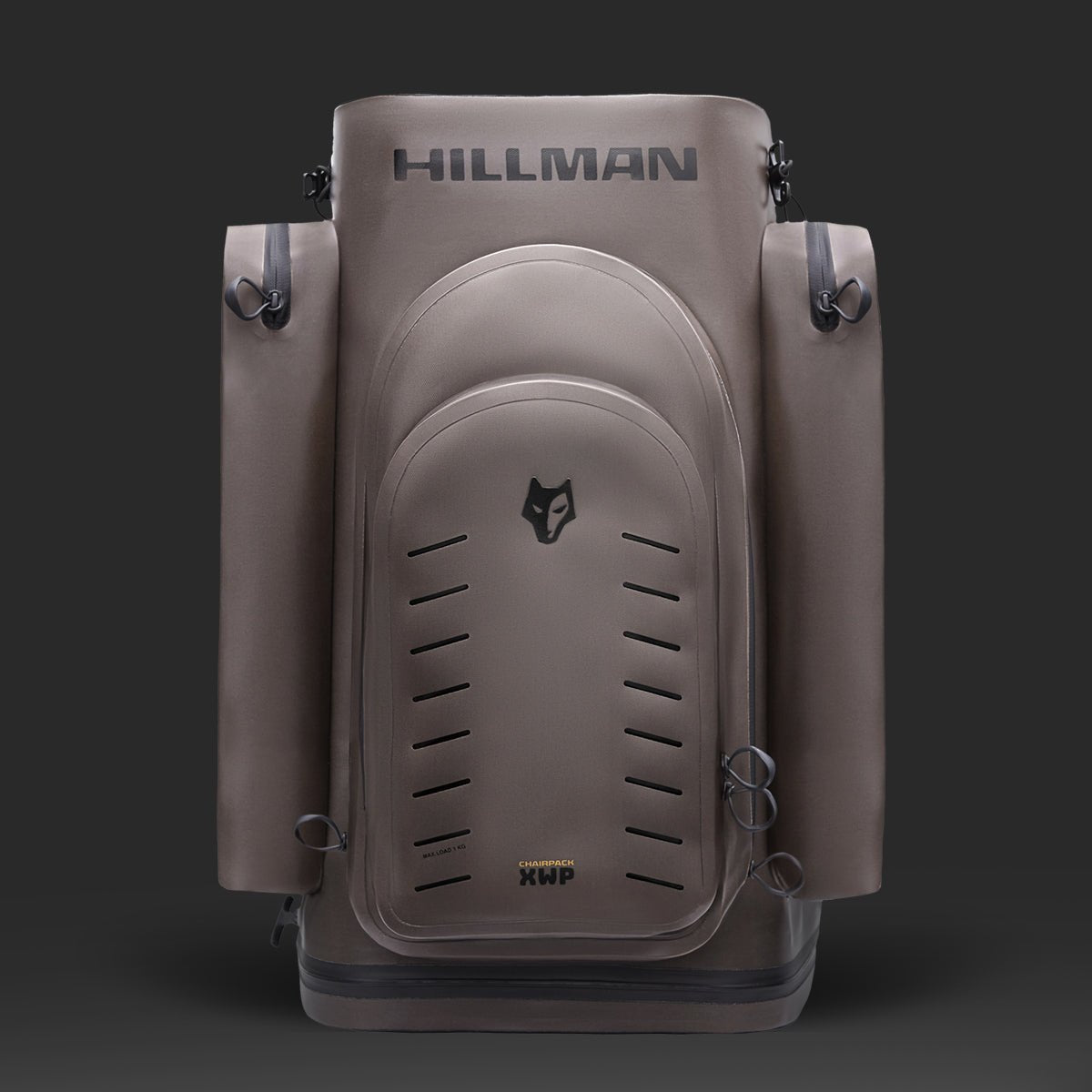
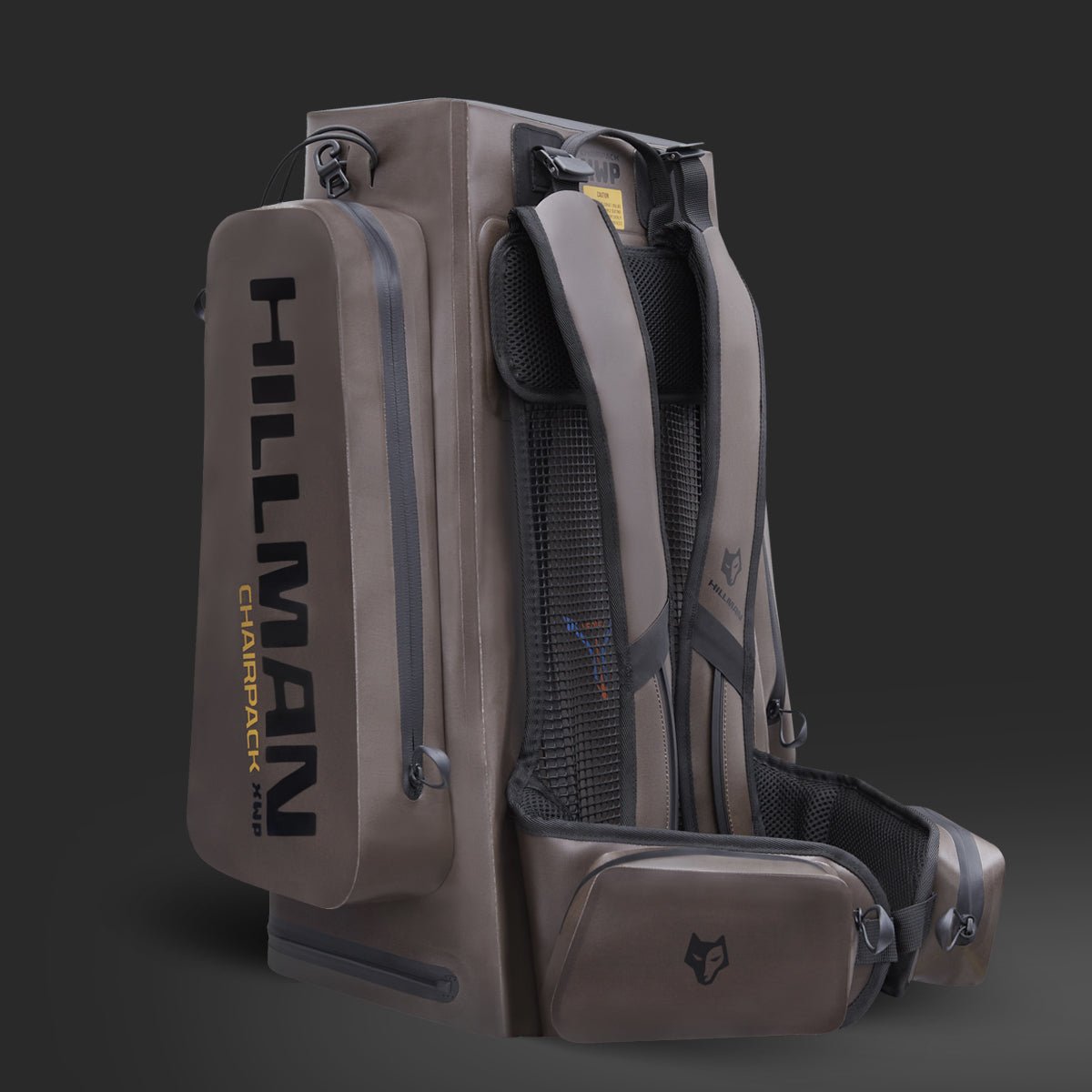
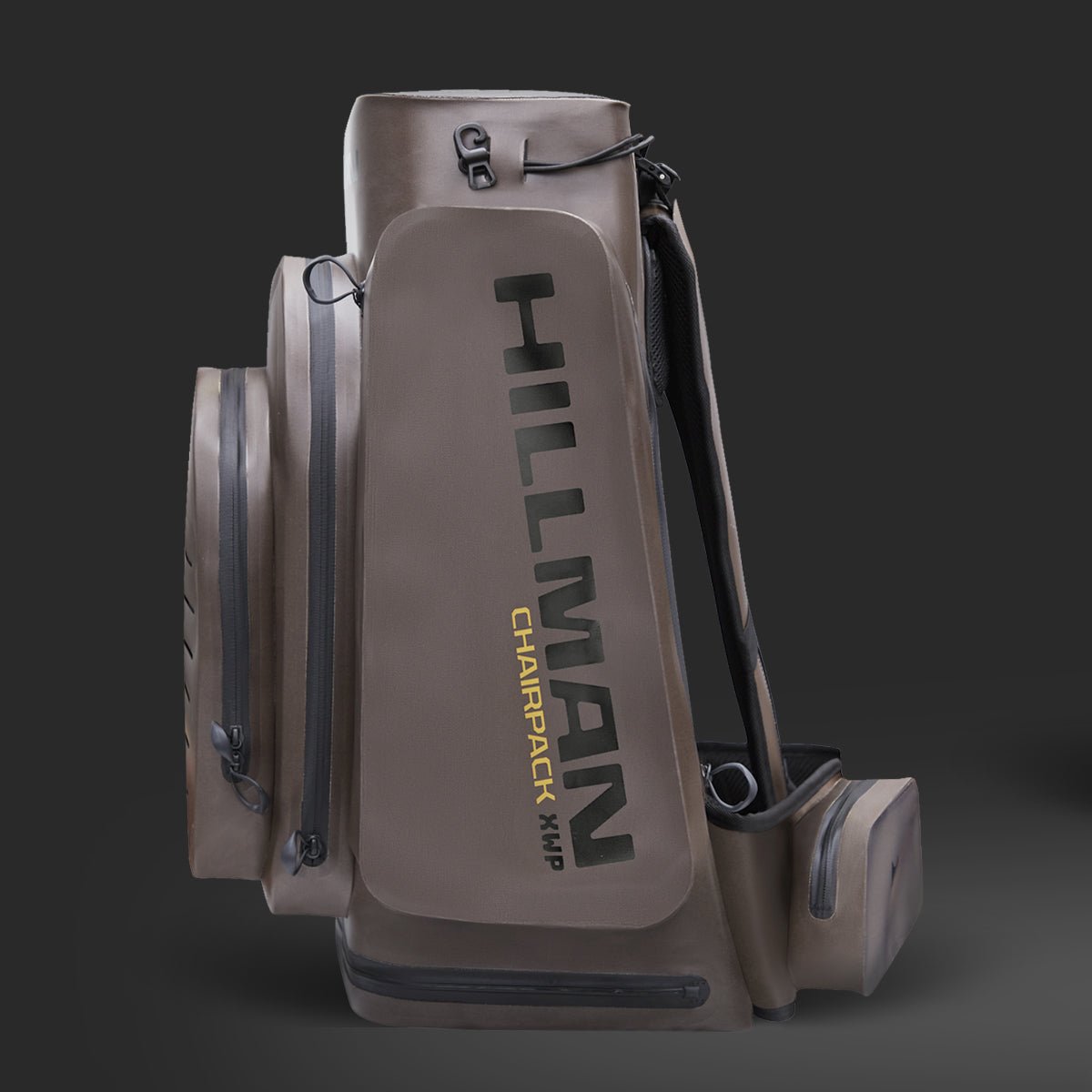
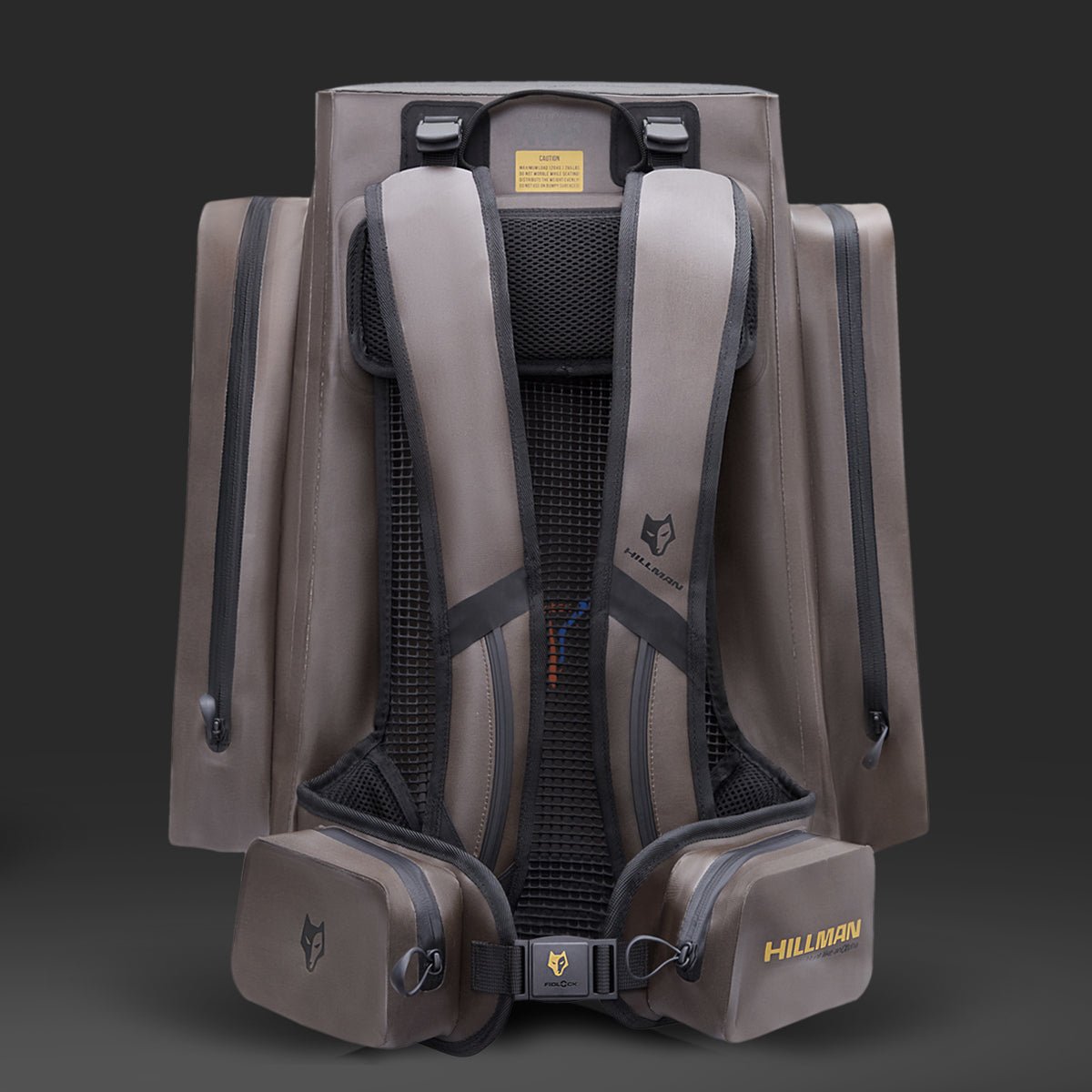
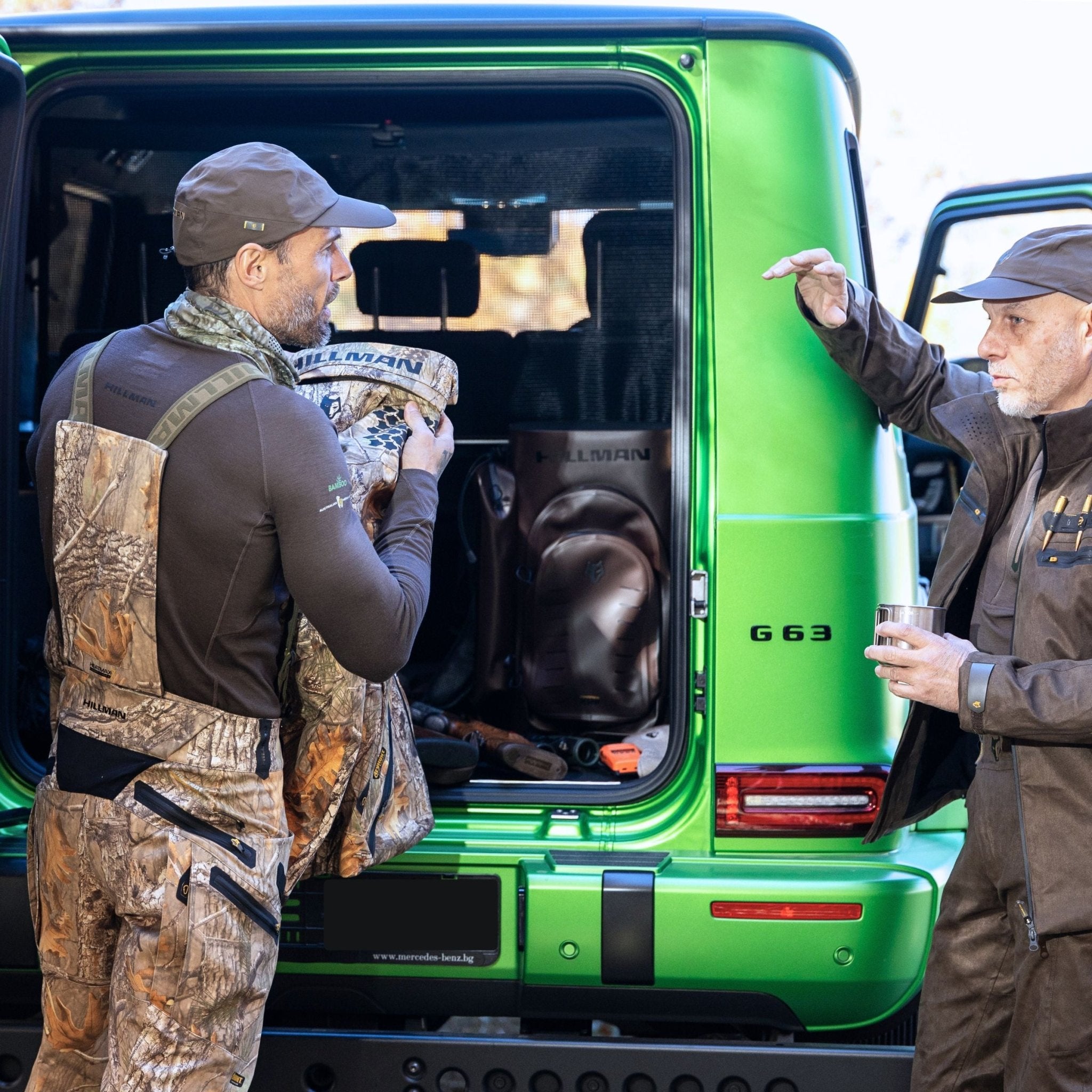
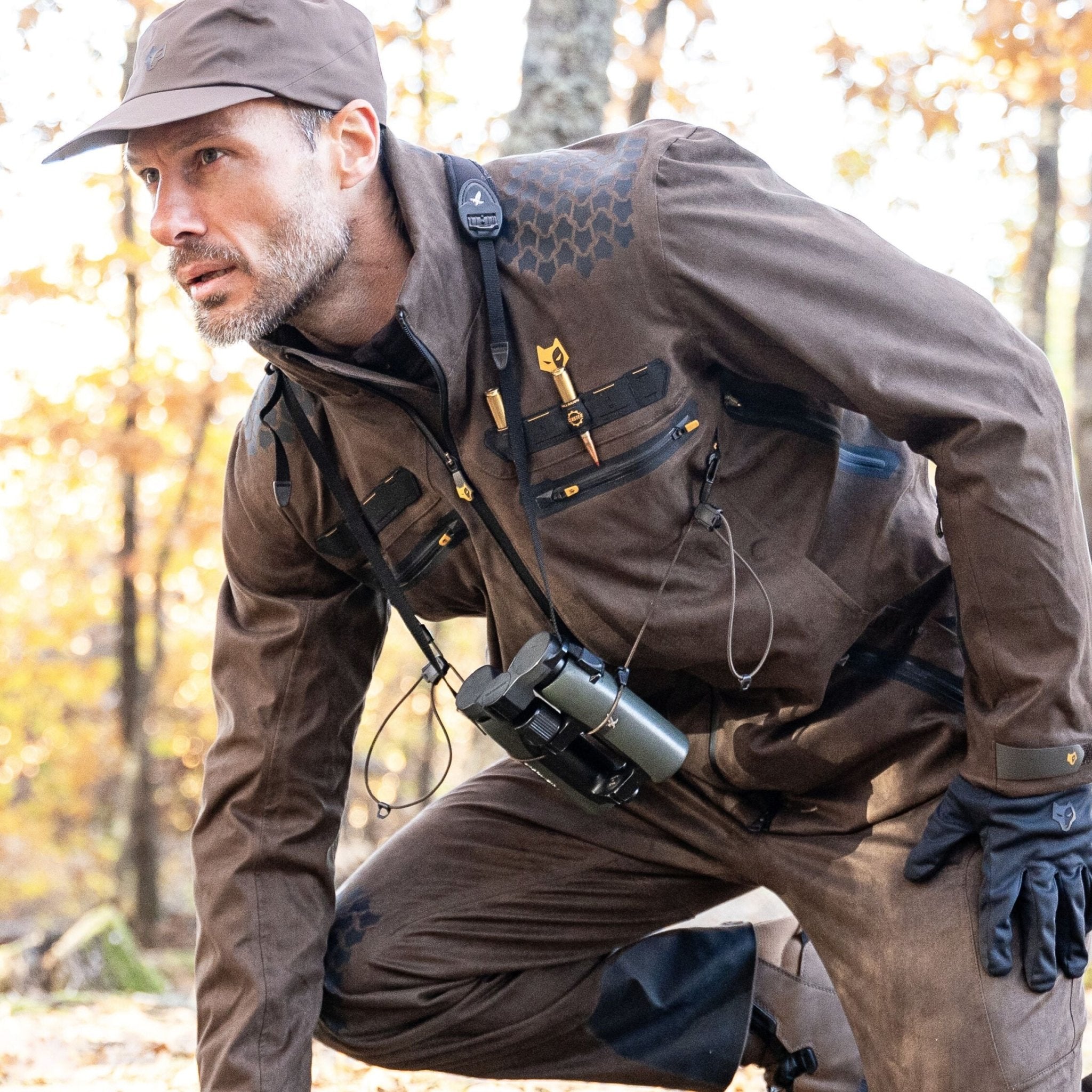
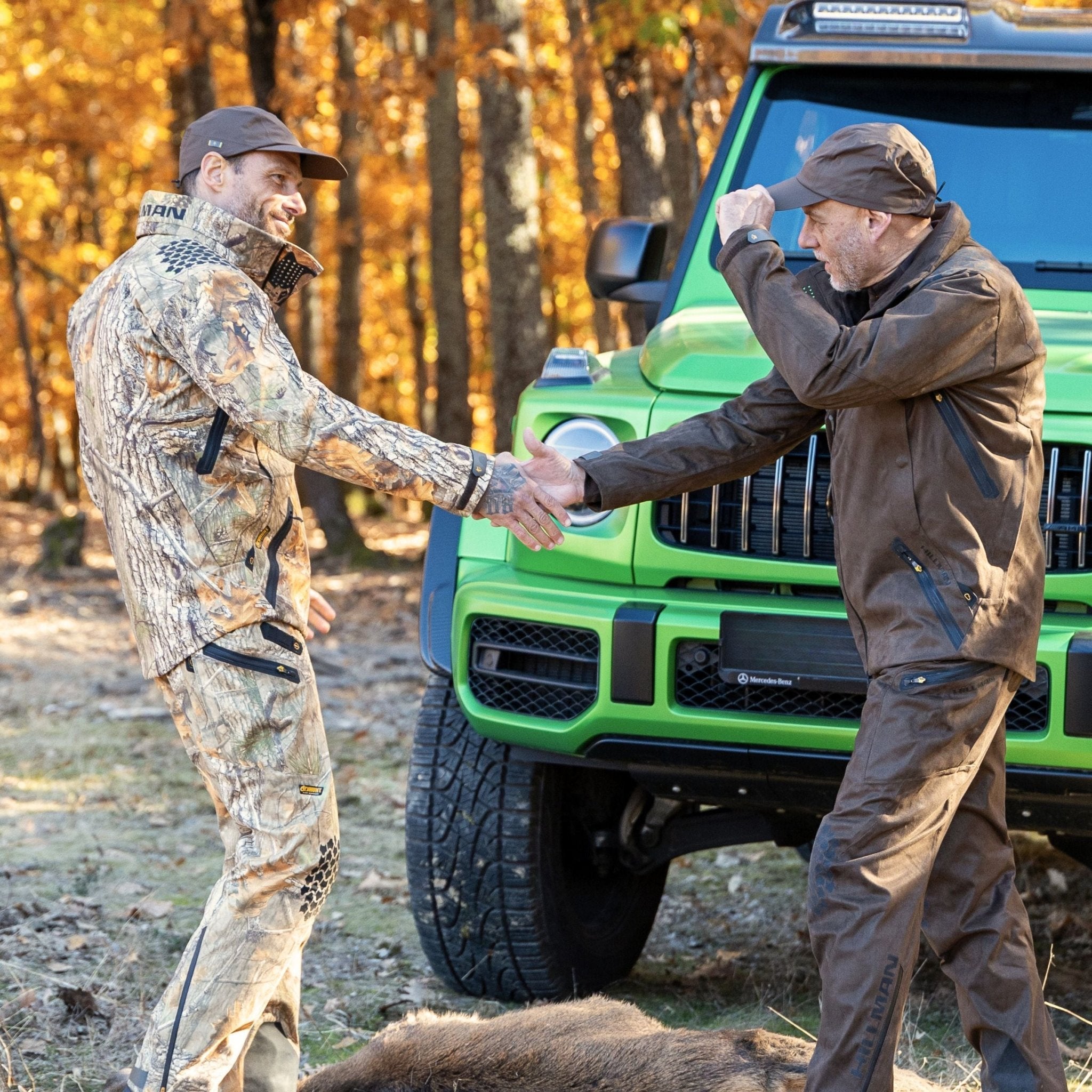
A serious collection of beating gear should cover the basics: trousers, jacket, boots, gaiters, gloves, socks and practical accessories. Hillman builds for that kind of outdoor use, where comfort only matters if the clothing can survive the ground beneath it.


Share:
How to Dress for a Wet, Driven Day Without Feeling Heavy
Picking-Up Clothing for Wet Grass, Dogs and Long Stops