
How to Dress for a Wet, Driven Day Without Feeling Heavy by Lunch

Wet, driven day kit that keeps rain out, heat under control and movement free without feeling heavy by lunch.
A wet, driven day will punish bad clothing. Not slowly. Pretty fast.
You feel fine first thing. Then the rain starts hanging on the jacket, the wind works into the neck, the trousers get wet from grass, and the boots start feeling like you borrowed them from a farm shed. By lunch you are not thinking about the birds. You are thinking about getting dry.
That is usually the outfit’s fault.
A lot of shooters make the same mistake. They put on more and more clothing, thinking weight means protection. It does not. Heavy clothing can make you sweat, move badly and feel trapped. Then when you stop walking and stand in the wind, that sweat turns cold.
For game shooting, the outfit has to work while standing, walking, loading, mounting the gun and waiting around in rough weather. If your jacket pulls across the shoulders or your trousers drag when wet, you will notice it all day.
British weather is awkward. Rain one minute, wind the next, then a warm walk between drives. The right kit has to deal with changing weather conditions without restricting movement. That is the whole job.
Waterproof Shooting Jackets Must Earn Their Place

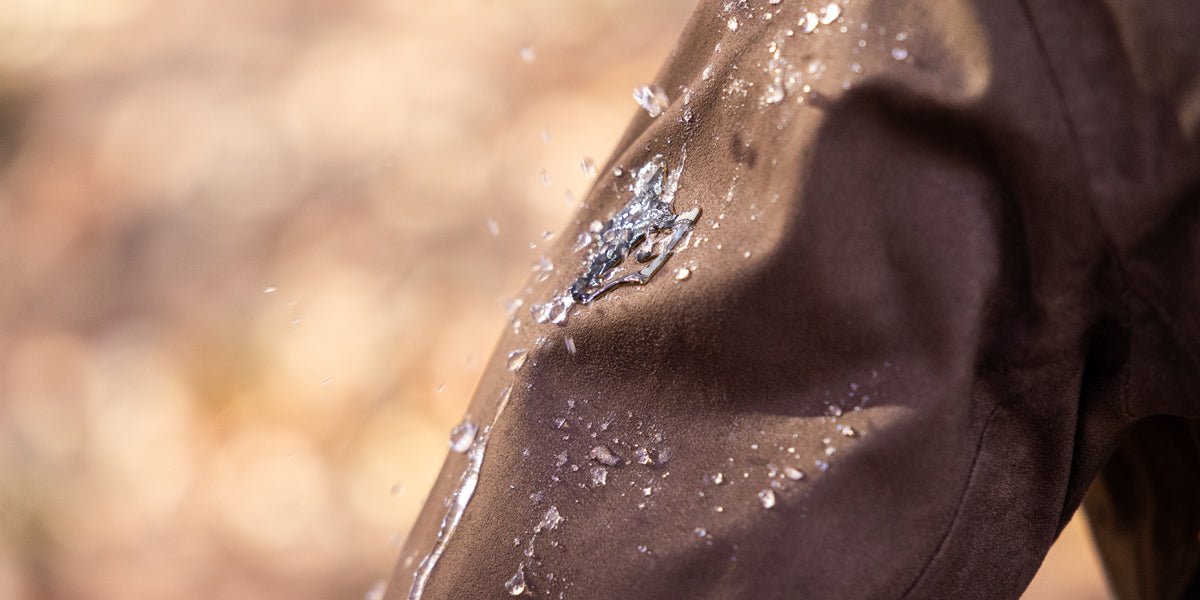
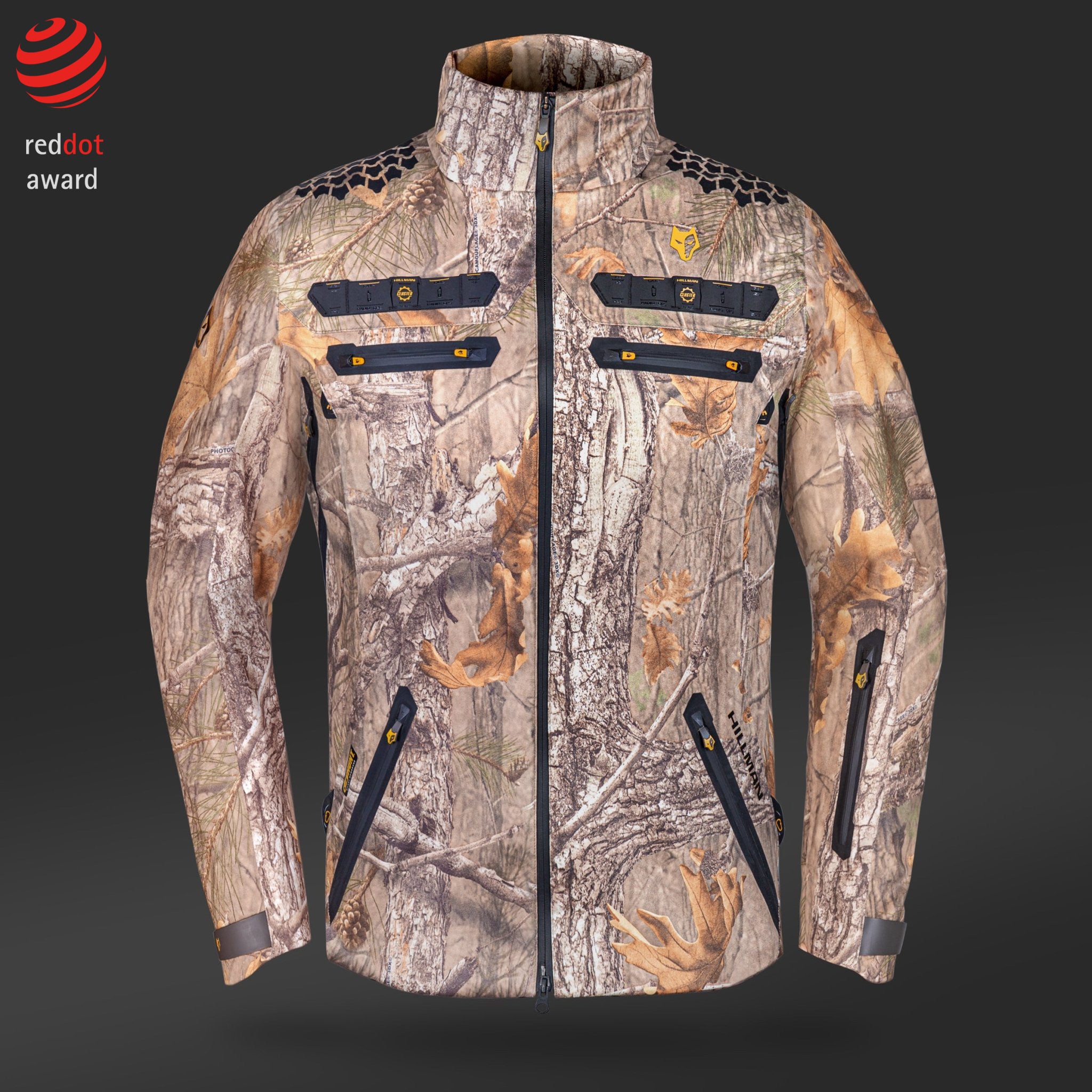
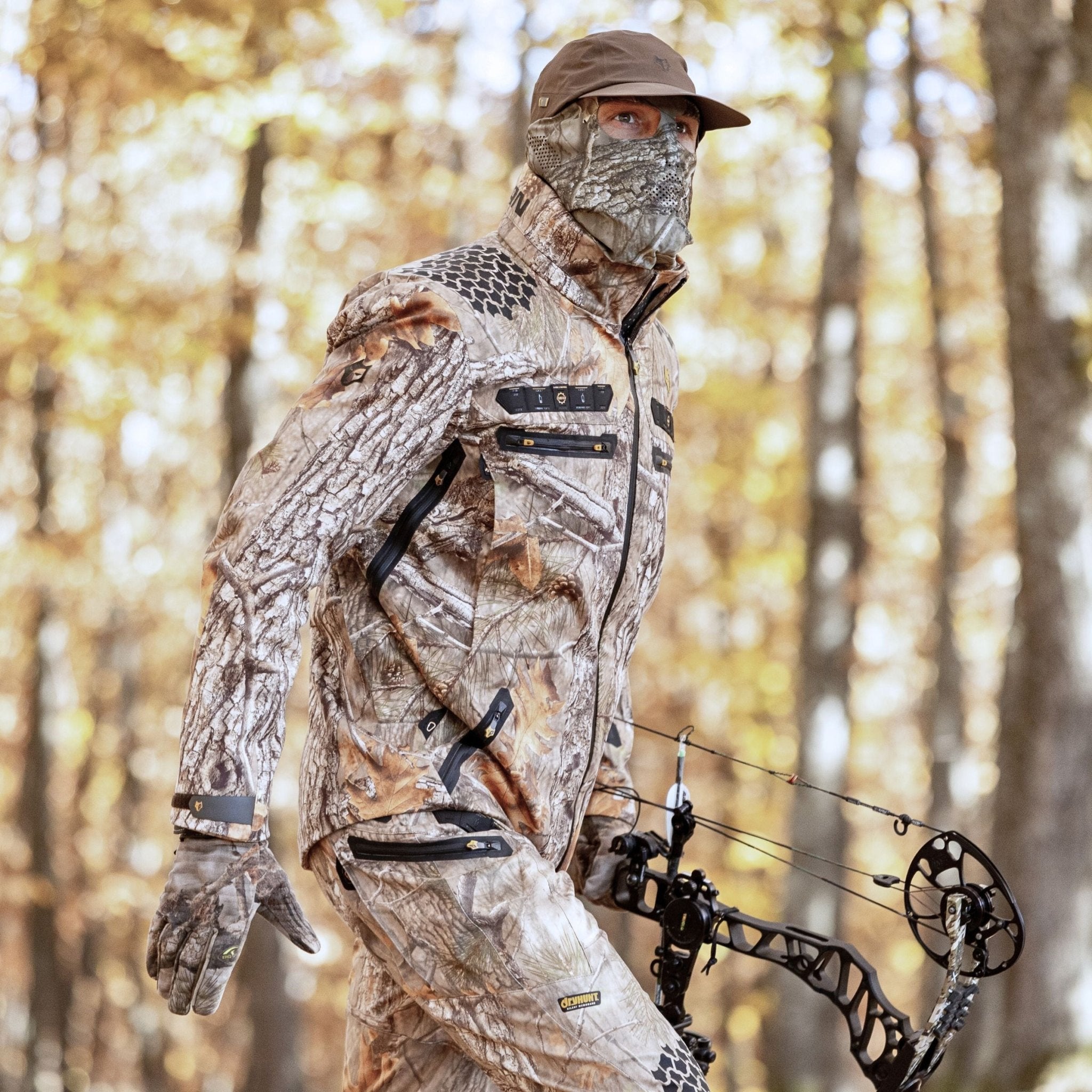
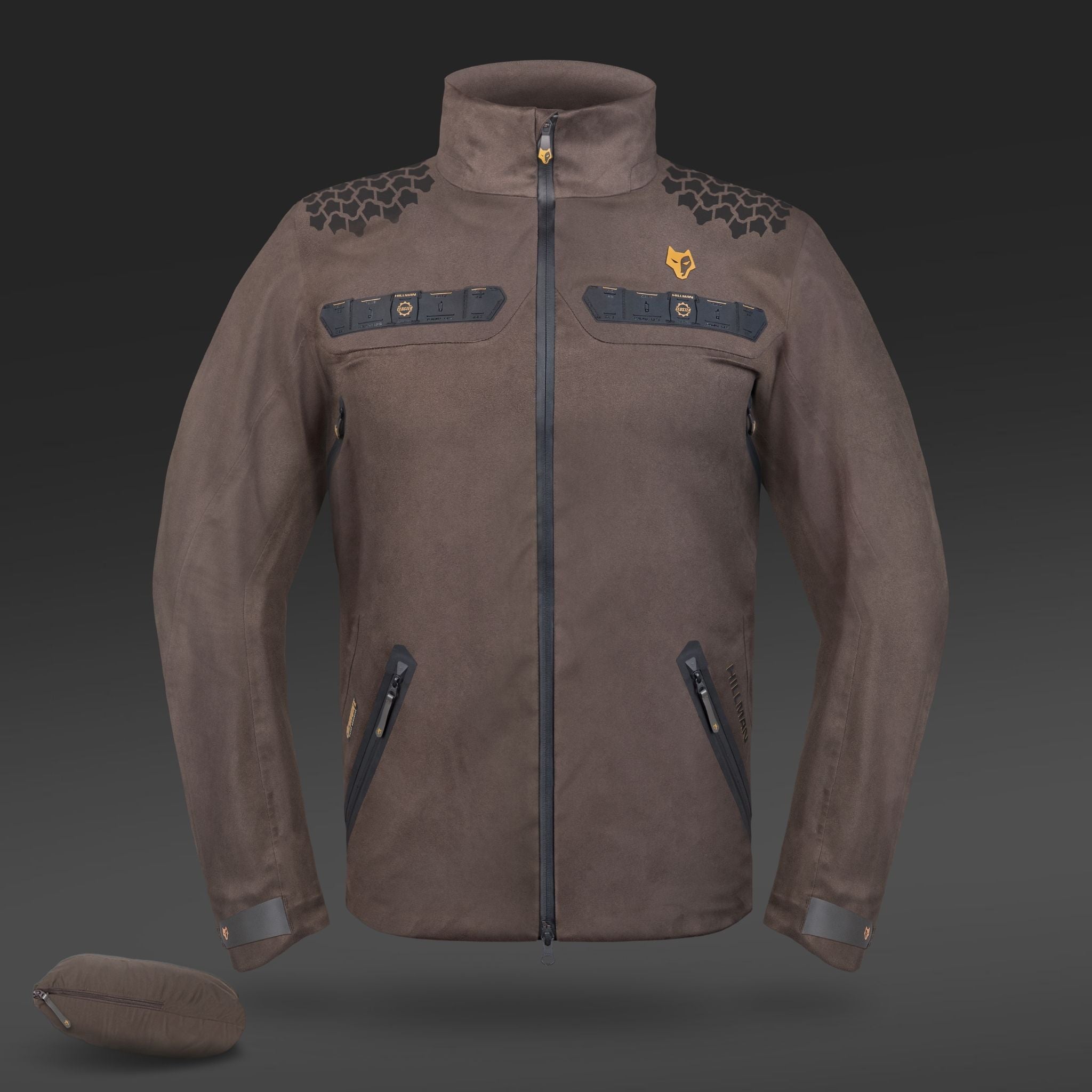
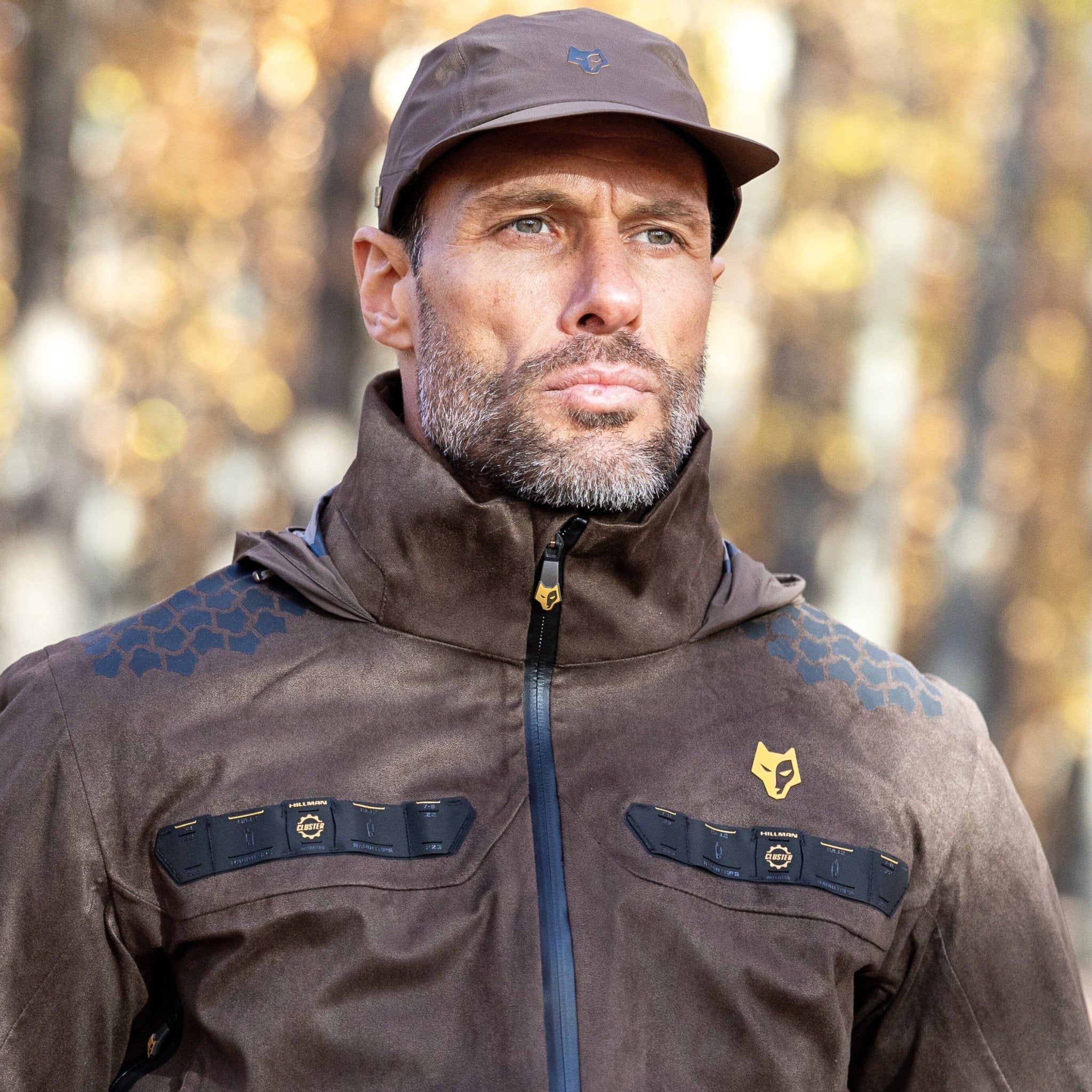
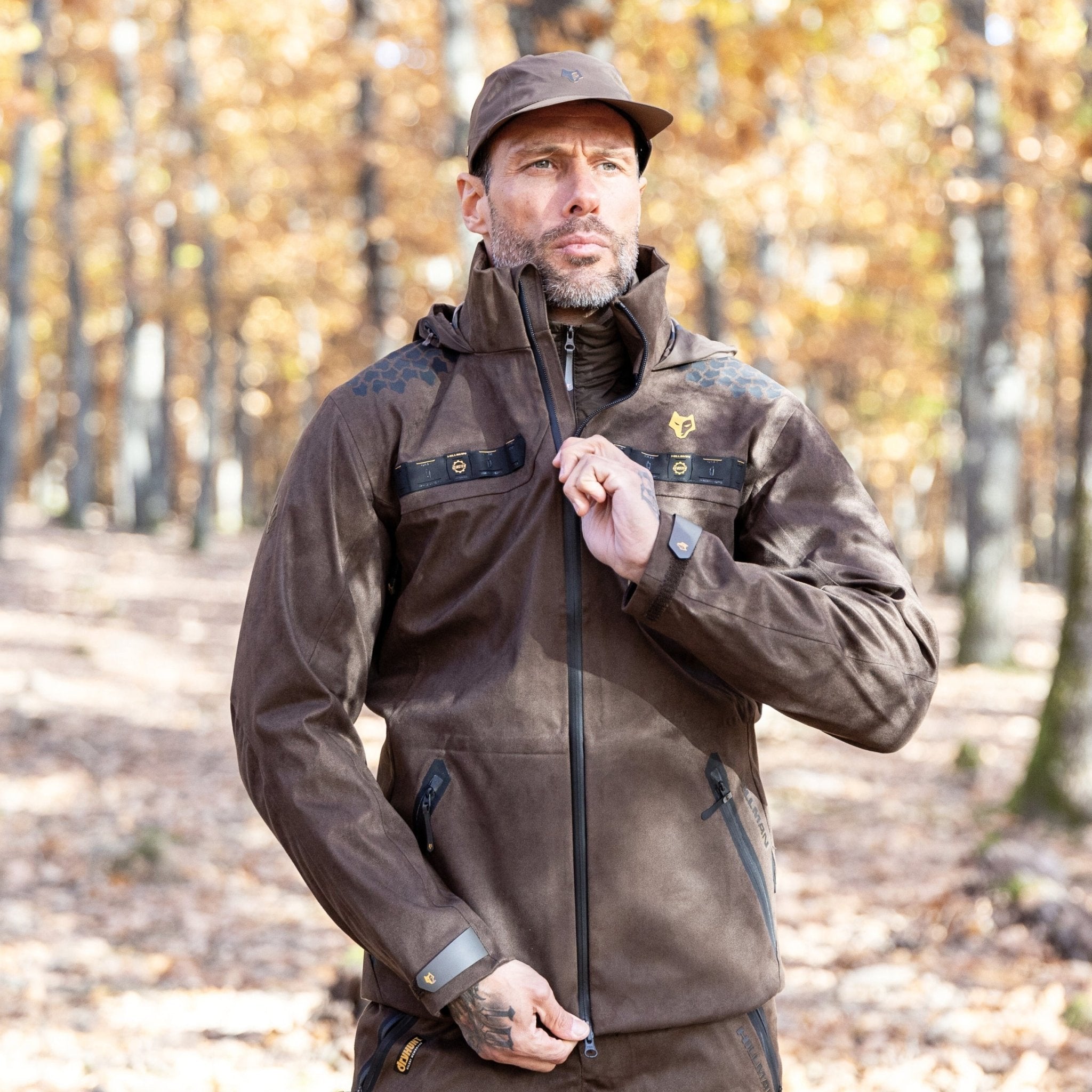
Waterproof shooting jackets are the main defence on a wet driven day, but a jacket being waterproof is not enough.
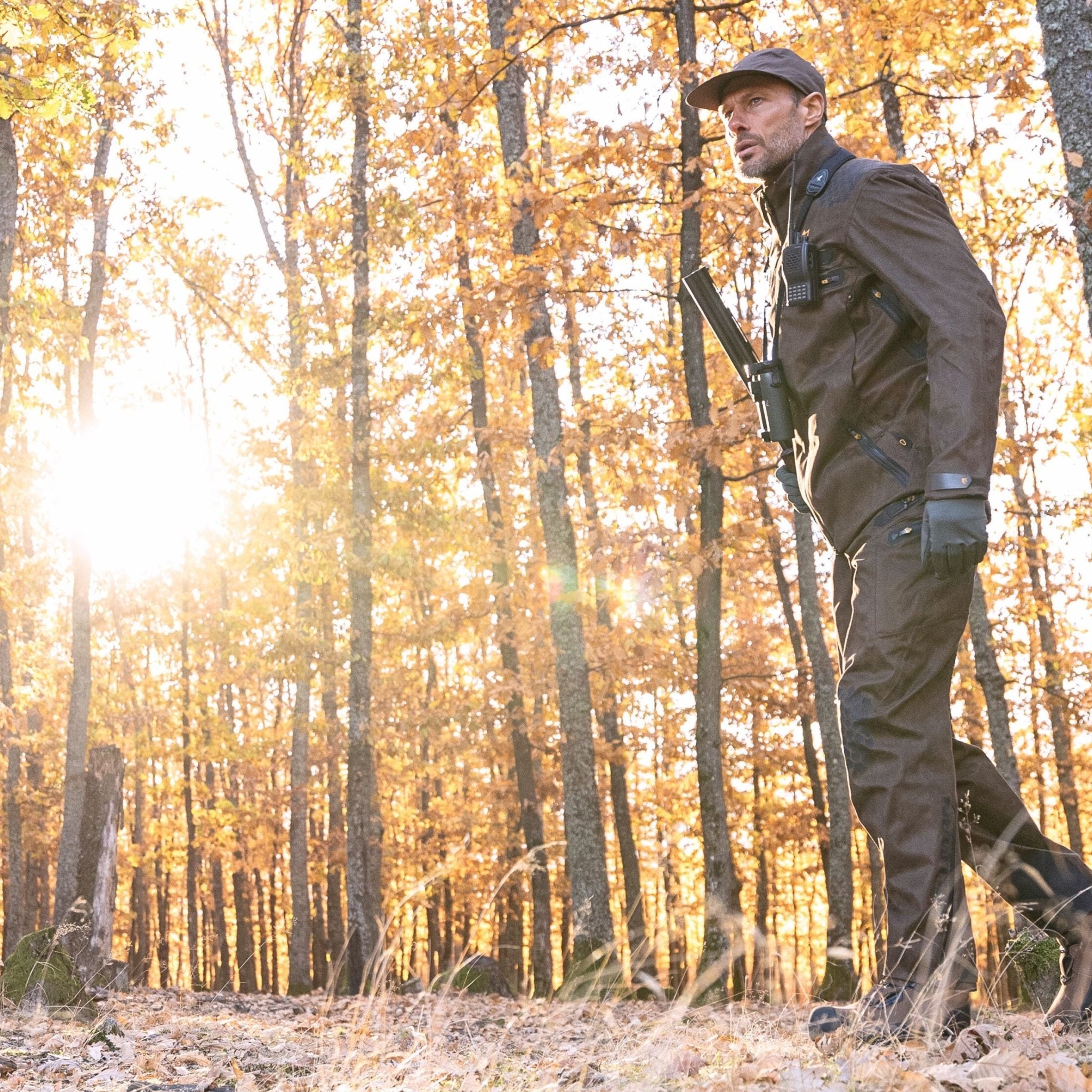
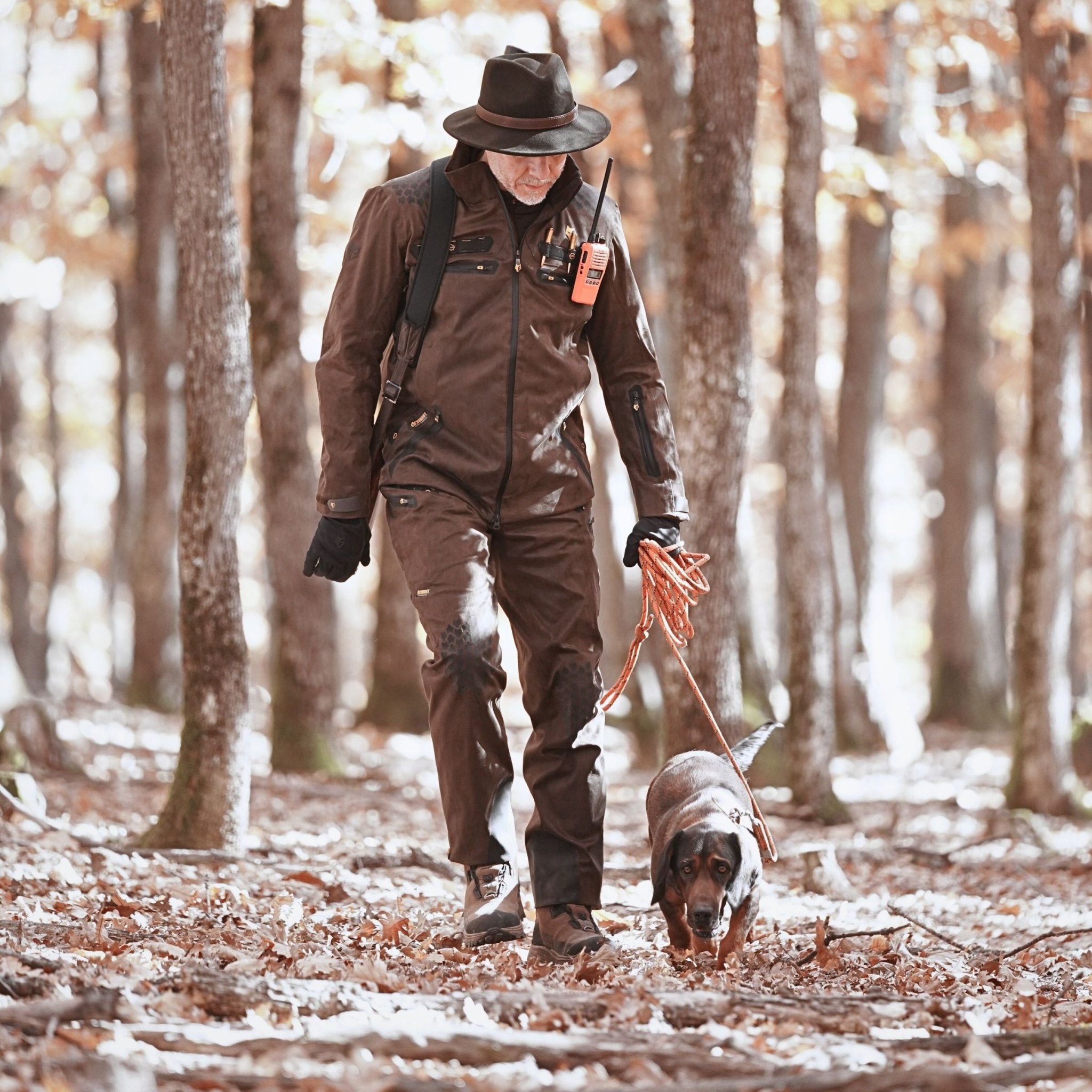
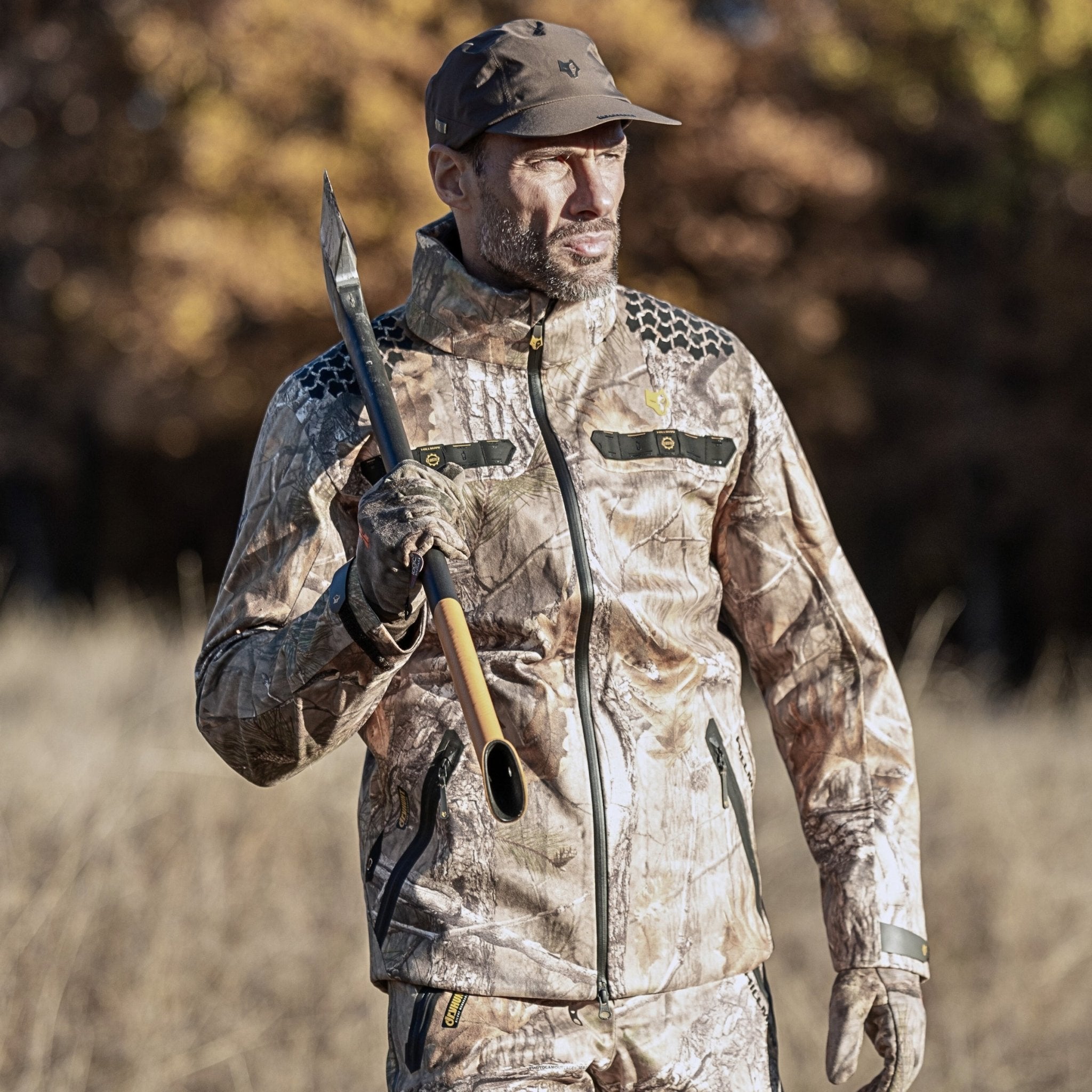
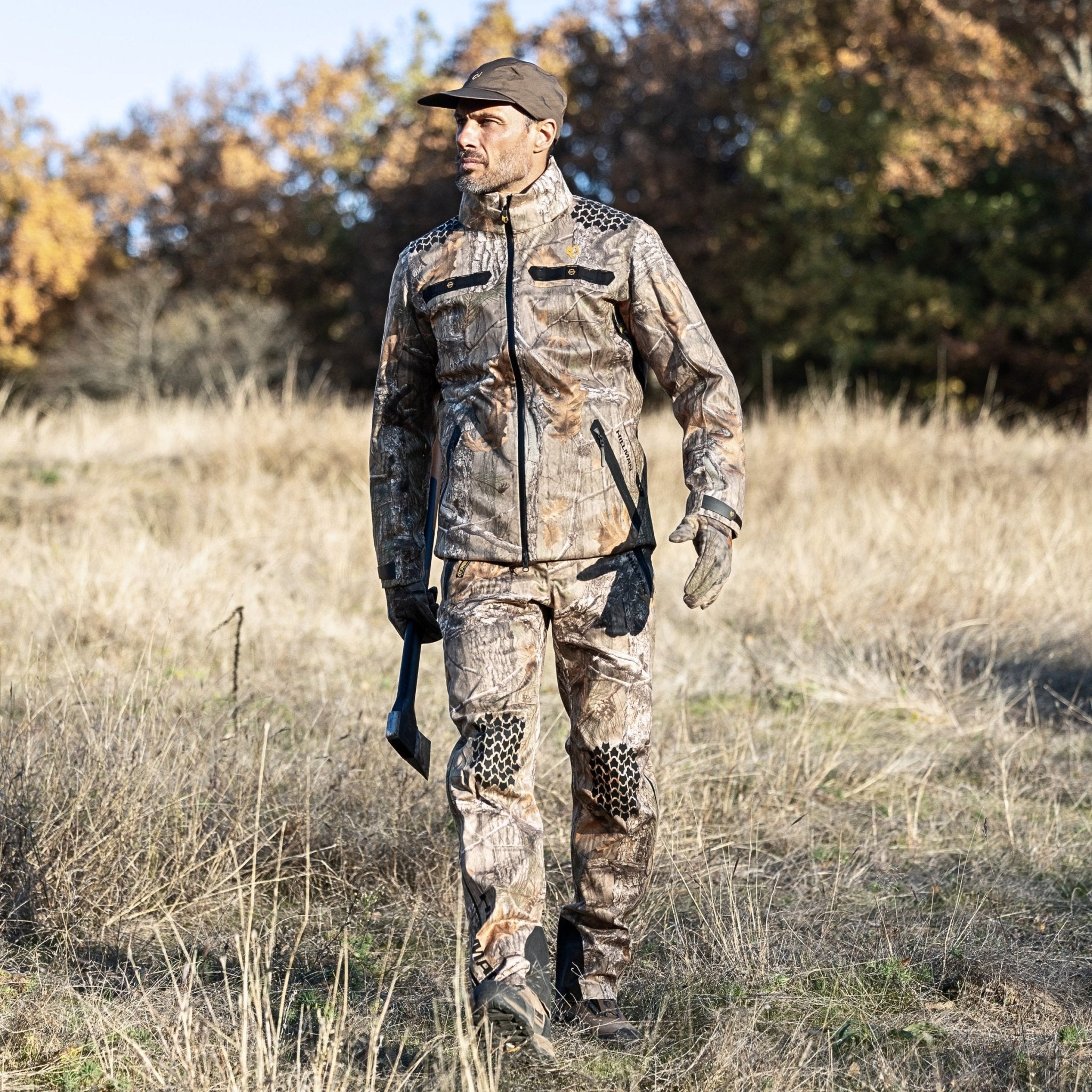
A proper shooting jacket needs to keep rain off and still let you mount the gun cleanly. Some waterproof jackets are fine for walking to the shop, but useless in the field. They pull at the arms, tighten across the back or sit badly over layers.
That gets irritating fast.
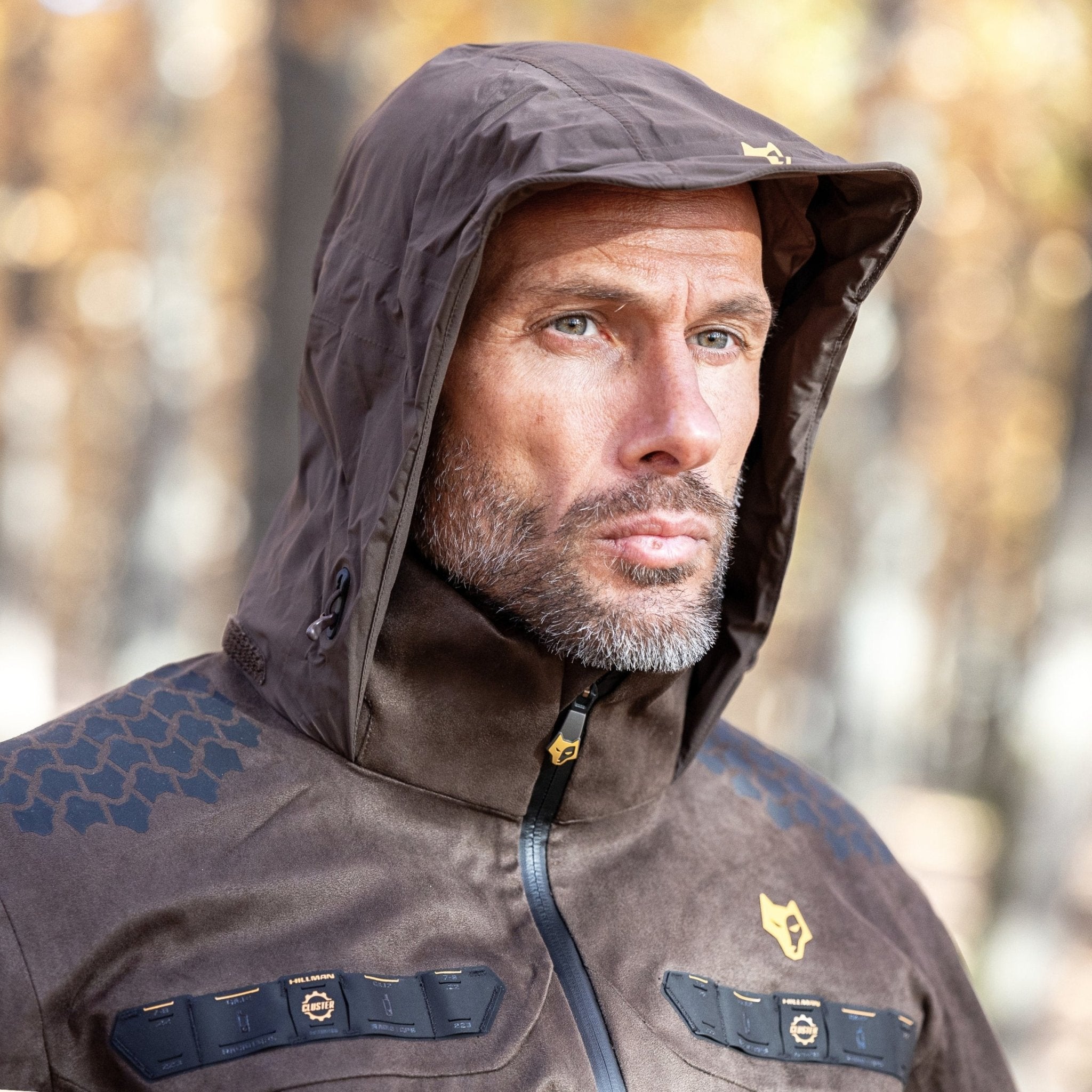
The jacket should protect the body, neck and wrists. It should also breathe. If it traps heat inside, you end up damp anyway. Not from rain, but from your own sweat. That clammy feeling under a waterproof jacket is grim, especially once the wind picks up.
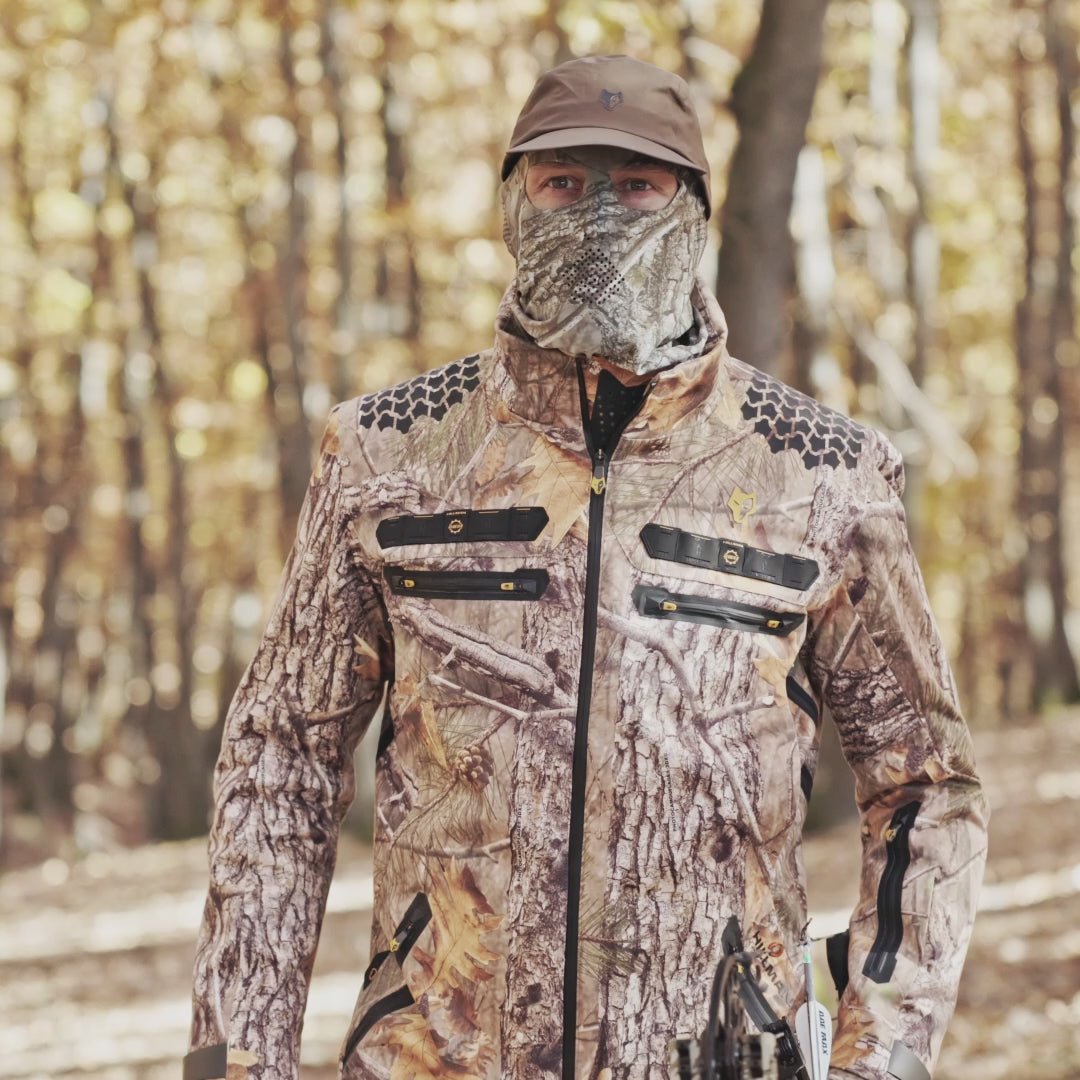
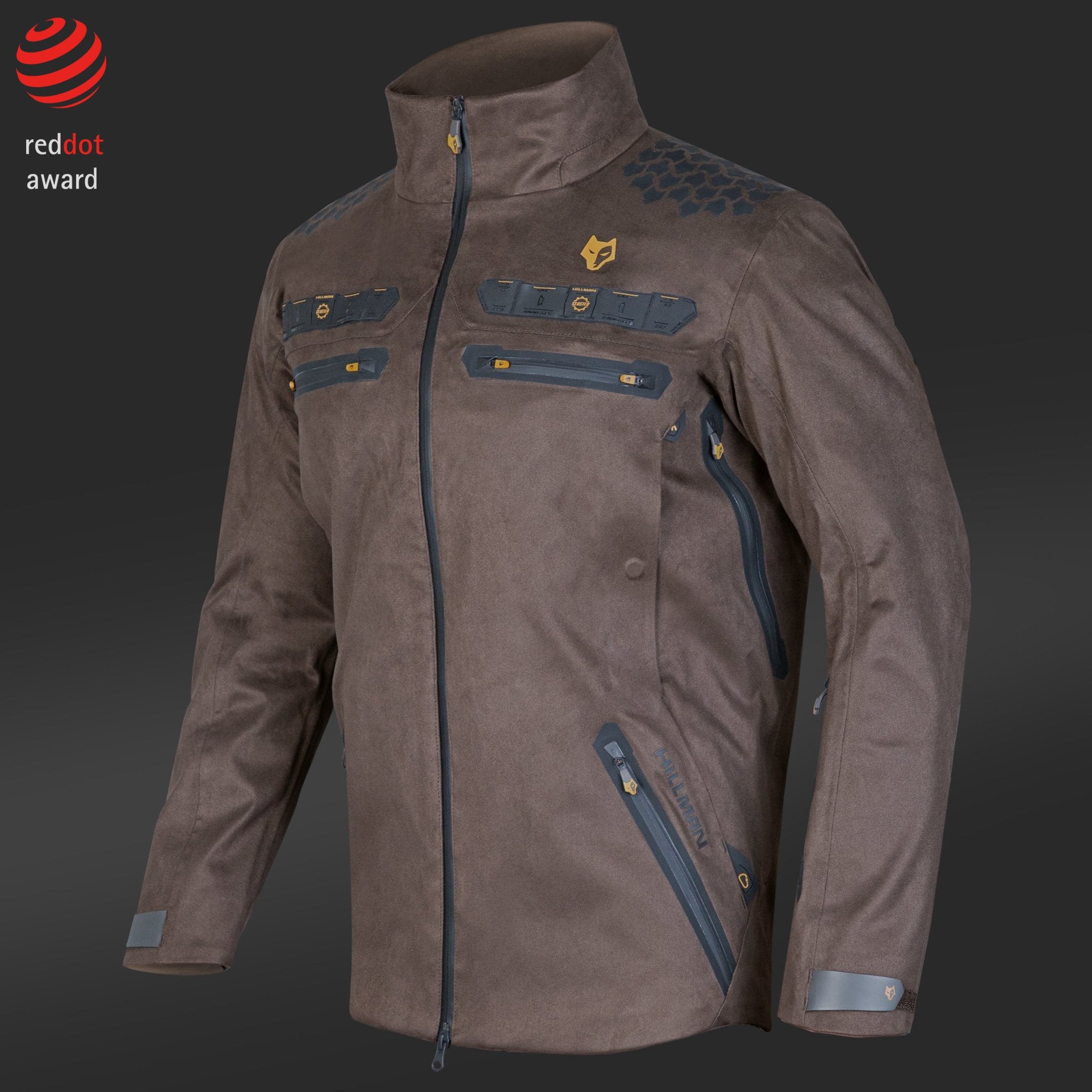
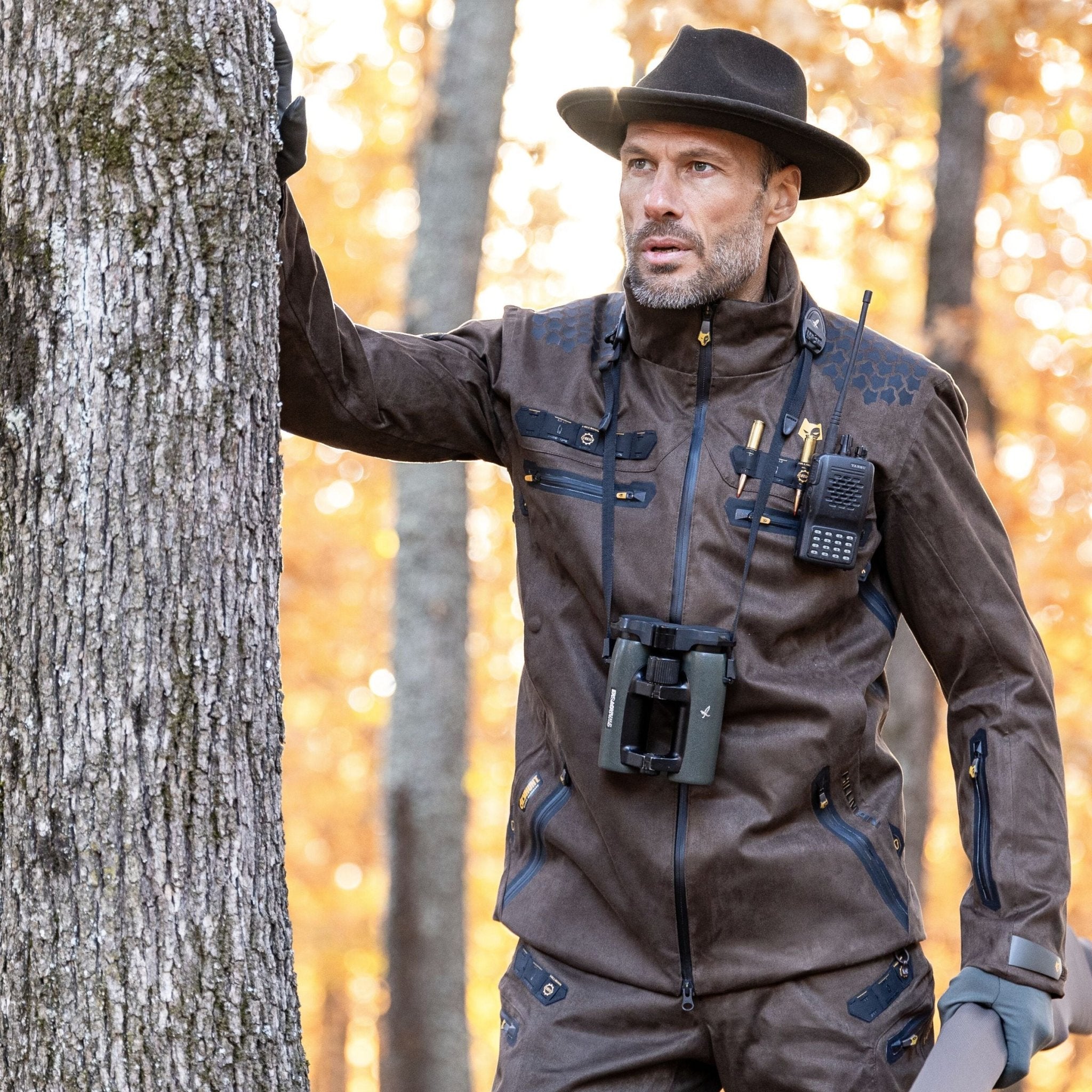
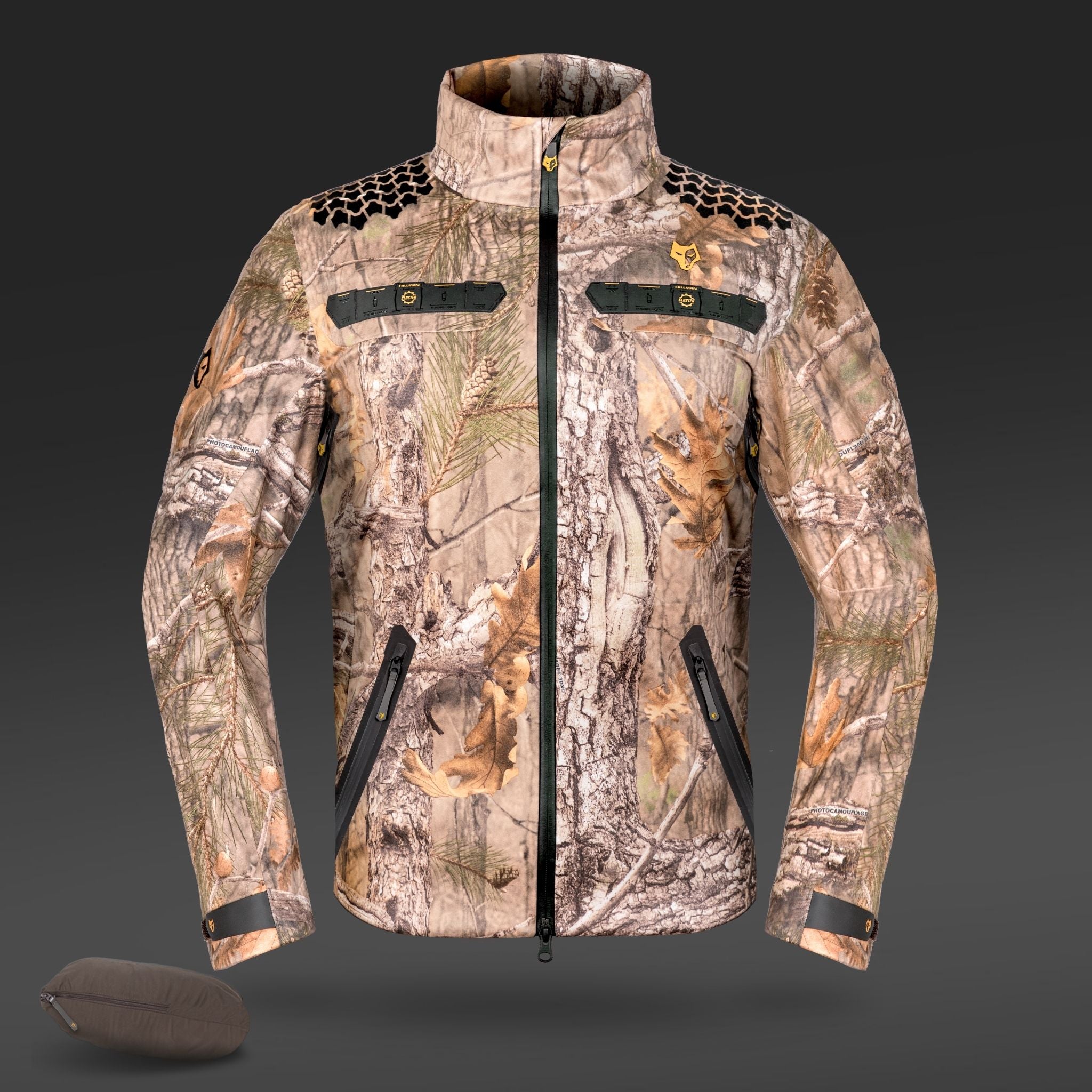
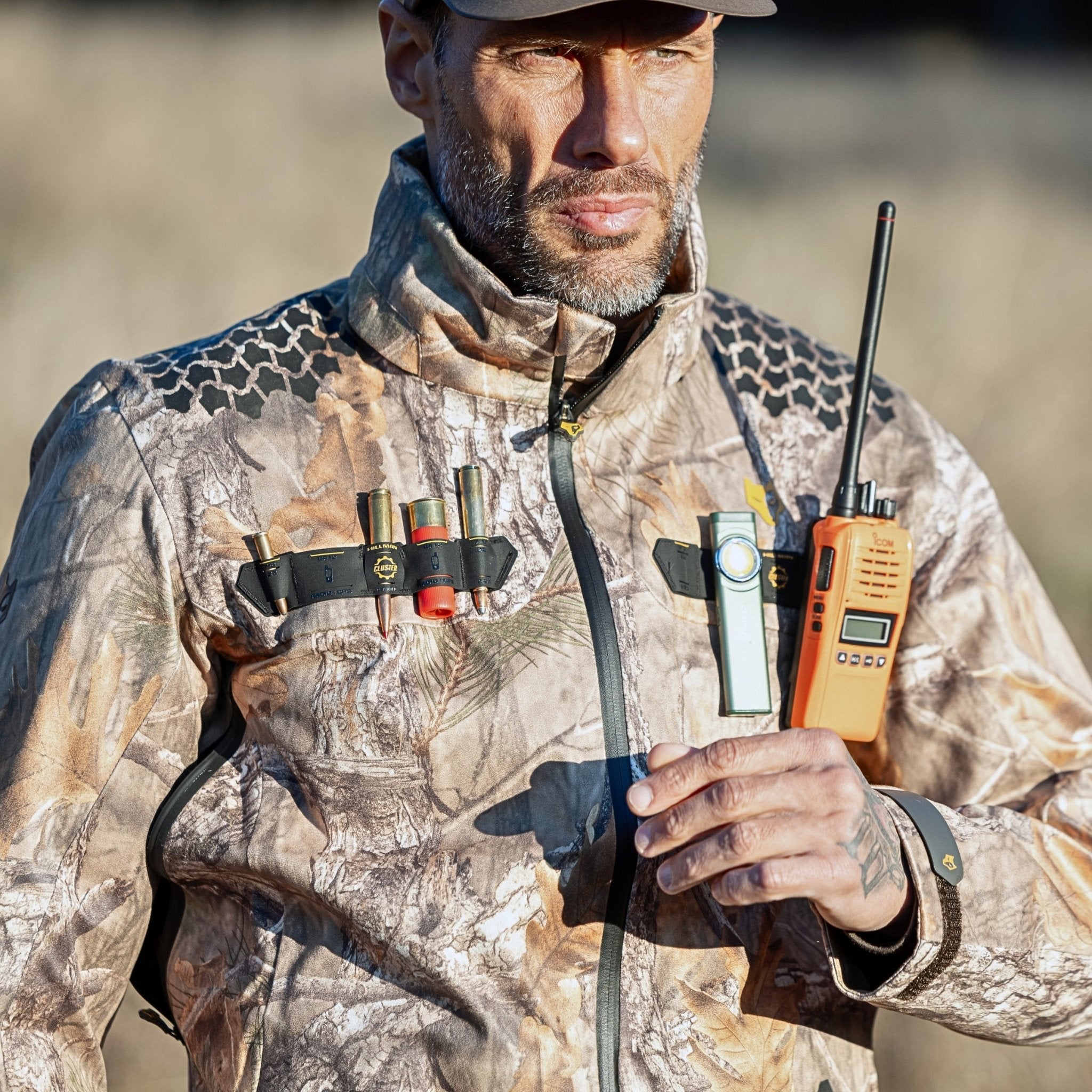
Look for practical features. Cartridge pockets that your hands can find without effort. Storm cuffs that stop water creeping in. A collar that blocks rain but does not shove into your ear defenders. Enough room for a base layer and mid layer without making the whole thing feel boxy.
Some hunting jackets use Gore-Tex or Dryhunt. Others use different waterproof membranes. The label is not the point. The point is simple: stay dry, stay warm, keep moving.
A good waterproof shooting jacket should not feel like armour. It should feel quiet, useful and out of the way.
Tweed Looks Good Until It Starts Holding Water
Tweed jackets still belong in shooting. They have the look, the tradition and the country style. On a dry cold day, good tweed can be hard to beat.
But heavy rain does not care about tradition.
Once tweed starts taking on water, it can feel heavy. Treated tweed helps, but for proper wet weather, modern waterproof jackets are usually the safer choice. They handle rain better, dry faster and do not hang off your shoulders by the third drive.
That does not mean losing the look completely. Green, brown and muted shooting colours still fit the sport. A pink shirt can still sit under the right layers. Some shooters use a bit of orange where visibility matters. Fine. But the main clothing still needs to work.
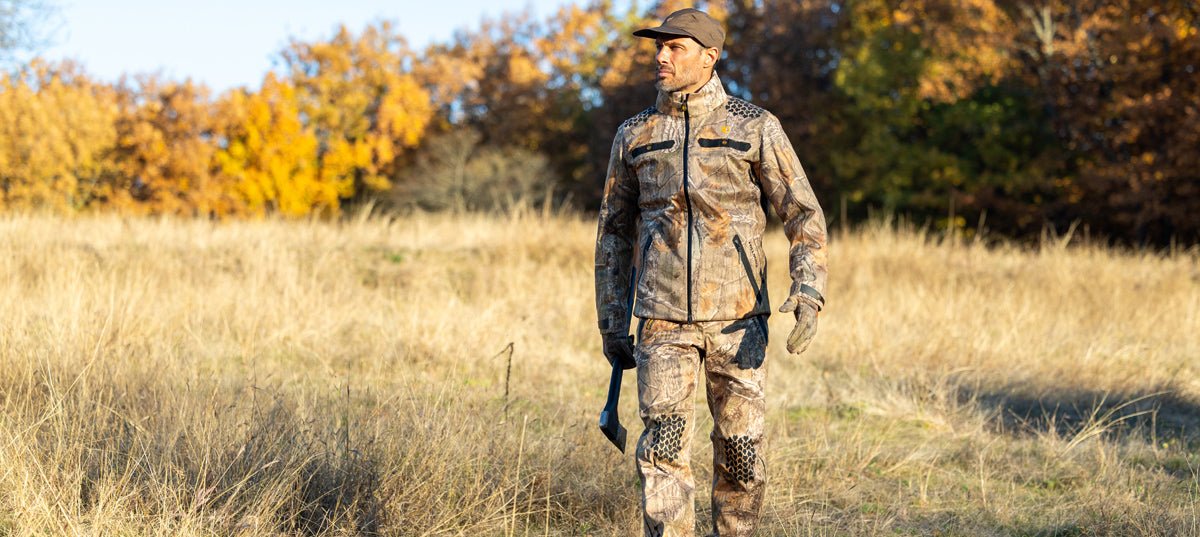
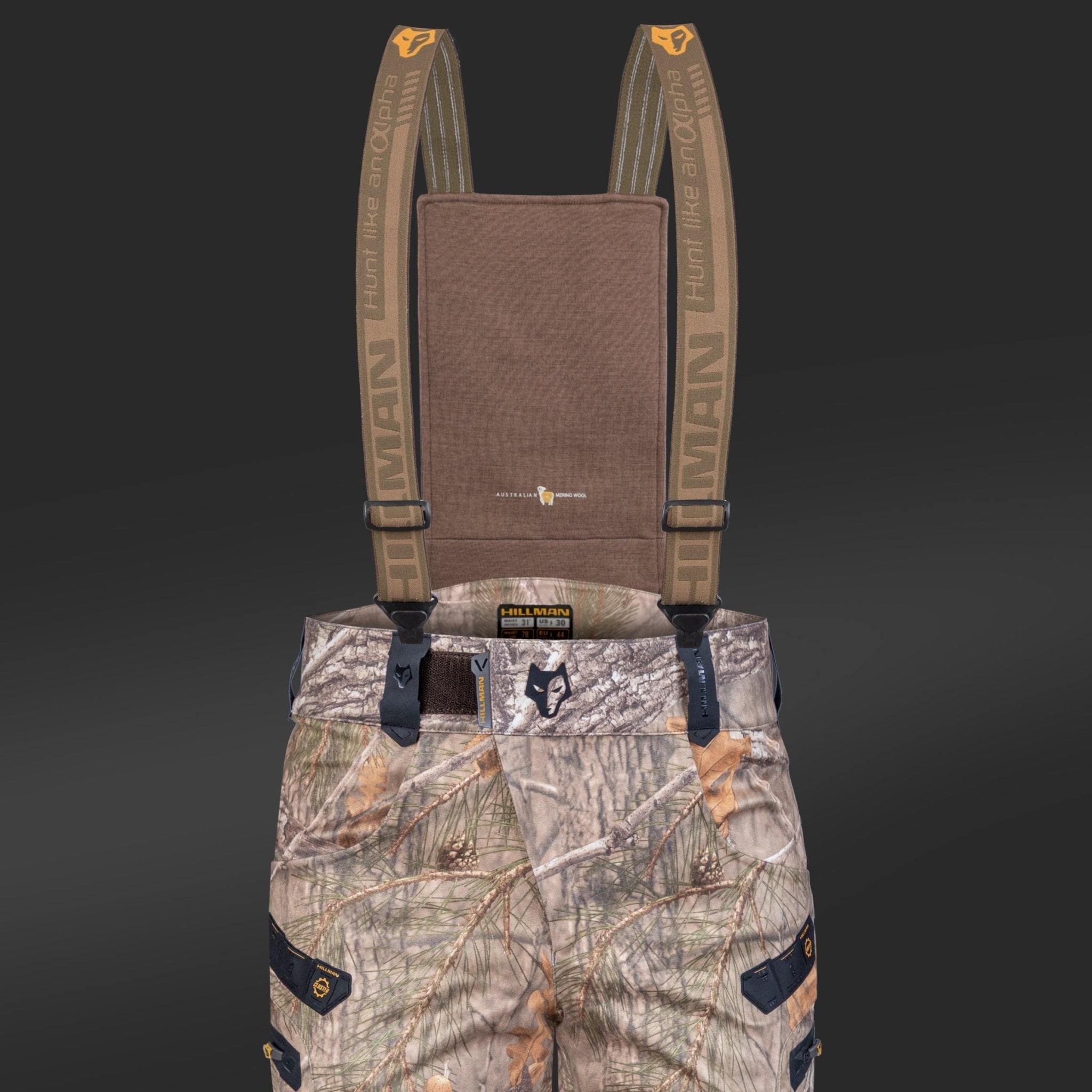
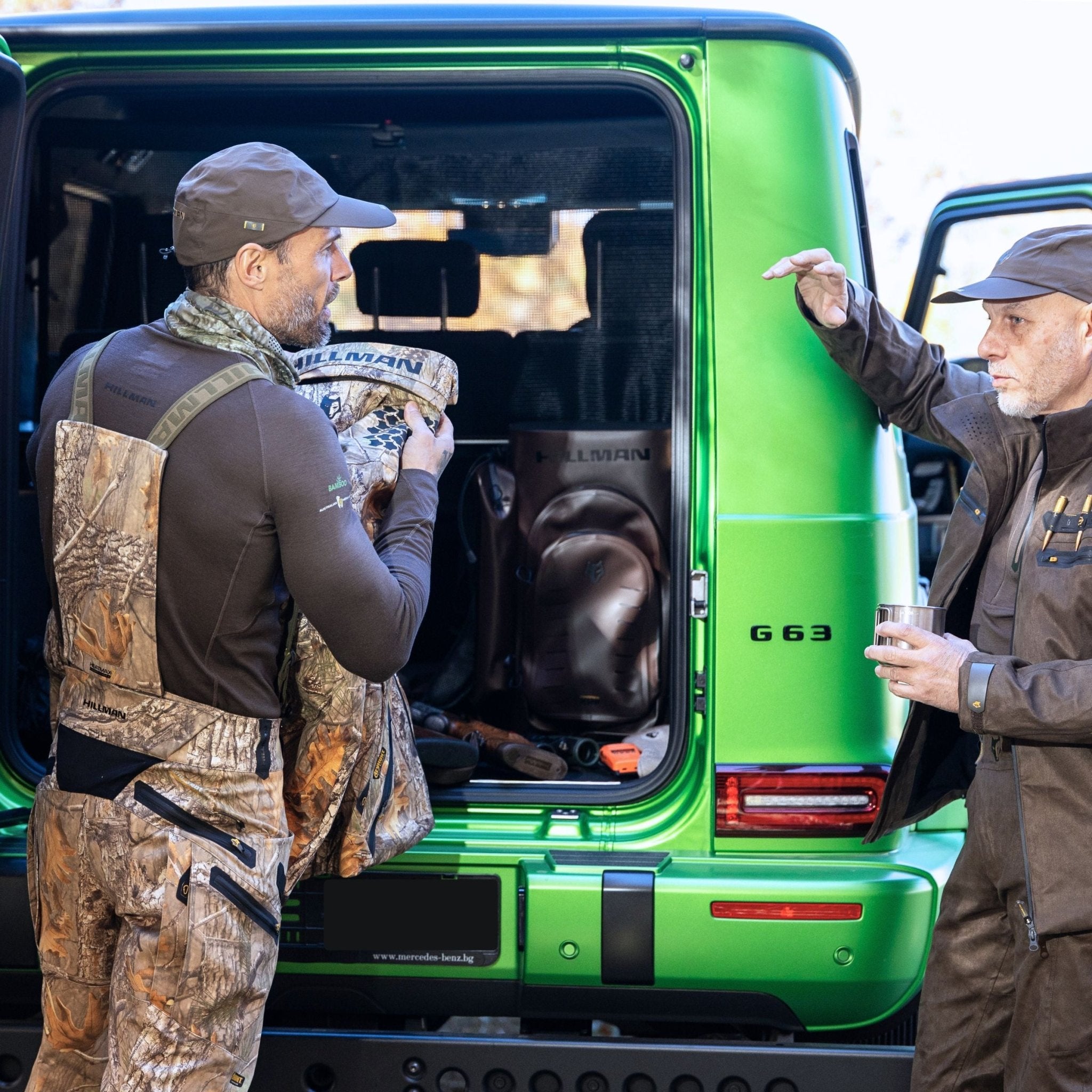
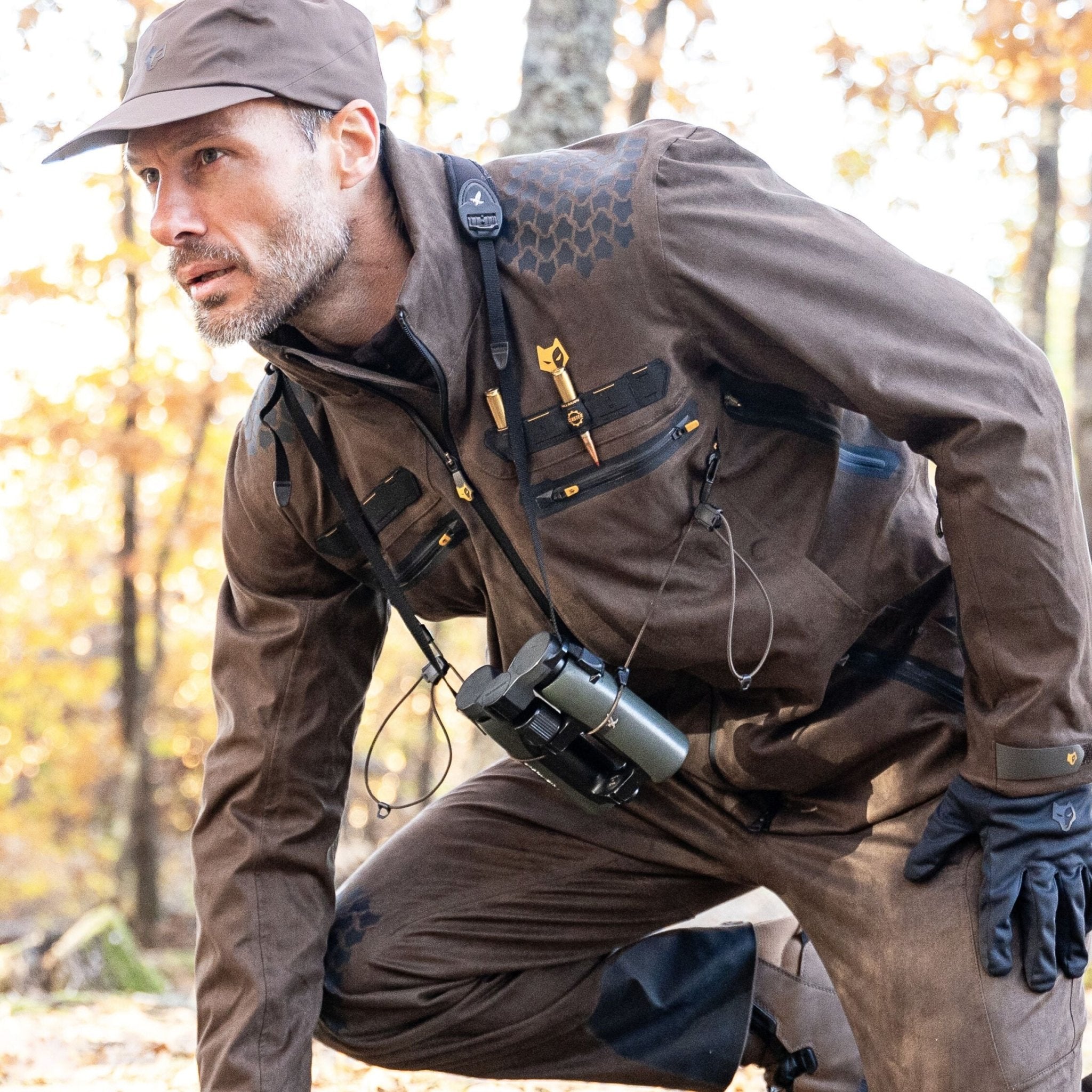
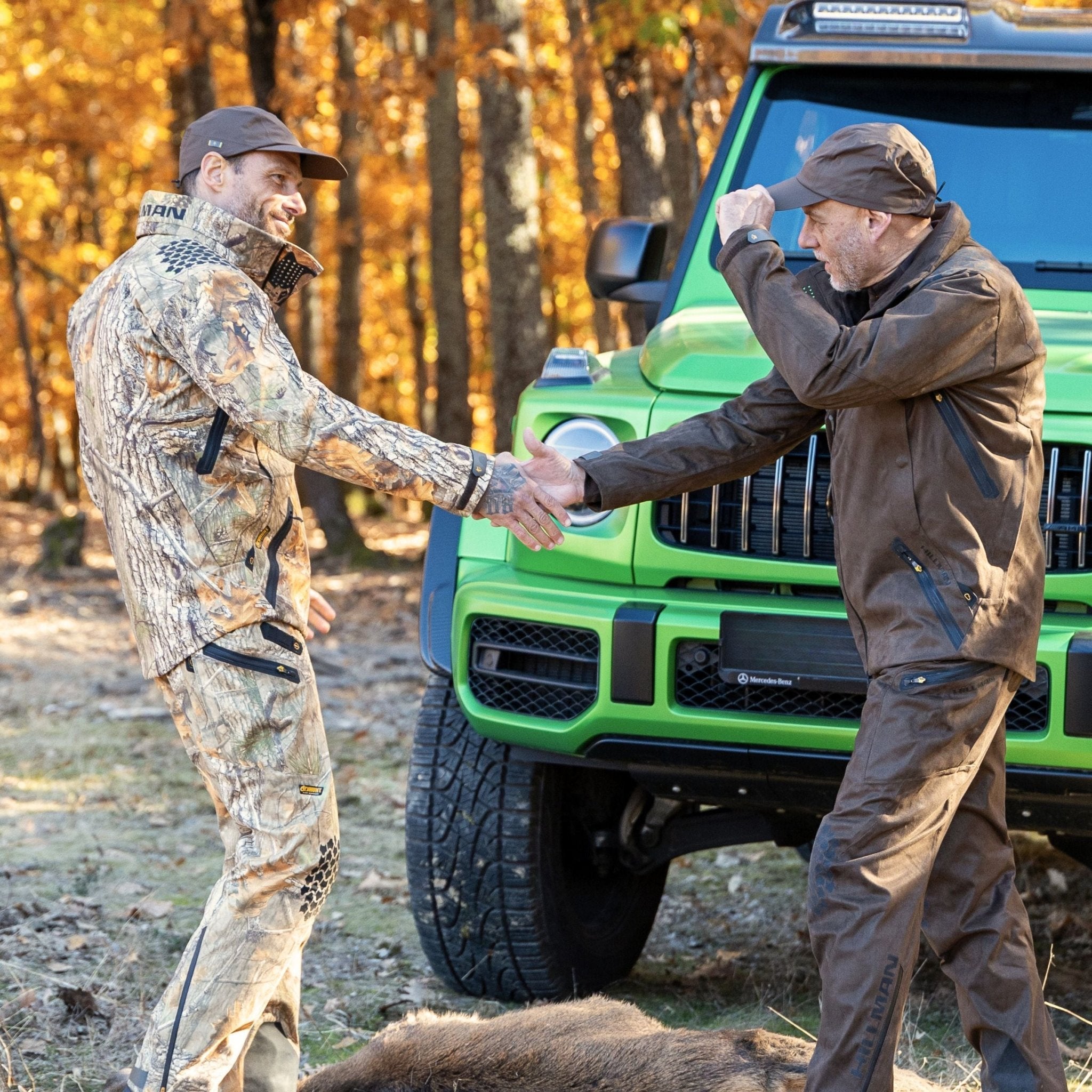
Parker Hale, Hillman and other shooting clothing brands all offer different jackets, coats, vests and collection pieces for wet UK days. Do not get blinded by regular price. Cheap kit that leaks, rustles or blocks movement is not a bargain. It is just a bad lunch break waiting to happen.
A Shooting Waistcoat Helps, But It Will Not Save You Alone

A shooting waistcoat is useful. No argument there.
It gives easy cartridge pockets, leaves the arms free and works well when the rain is light. On a milder day, it can feel much better than wearing a full coat from the start.
But in proper rain, a shooting waistcoat on its own is not enough. Wind gets through. Rain finds gaps. You start cold around the sides and shoulders, then the rest follows.
Use a waistcoat as part of layering. Over a base layer. Over a light mid layer. Under a waterproof jacket if there is enough room. It should add function, not bulk.
If the vest helps movement and storage, wear it. If it makes the jacket tight across the chest or stops the gun coming up smoothly, leave it behind.
Do Not Trust Cotton Next to the Skin

A smart shooting shirt looks fine in the morning. That does not mean it will behave in rain.
Cotton is the problem. It holds moisture. You walk to a peg, warm up, sweat a little, then stand still while the wind gets into you. Once cotton is damp, it sits cold against the skin.
That is why a base layer matters. It should pull moisture away and help keep body temperature steady. On a wet, driven day, this is not luxury kit. It is basic comfort.
You can still wear a shirt over it if you want the look. A pink shirt, checked shirt, whatever suits the day. But the layer against your skin should be there to work, not just to look tidy.
Then add warmth with a light mid layer. Not one huge jumper. Big layers feel warm while standing still but get too hot when walking. Then they cool down and feel awful.
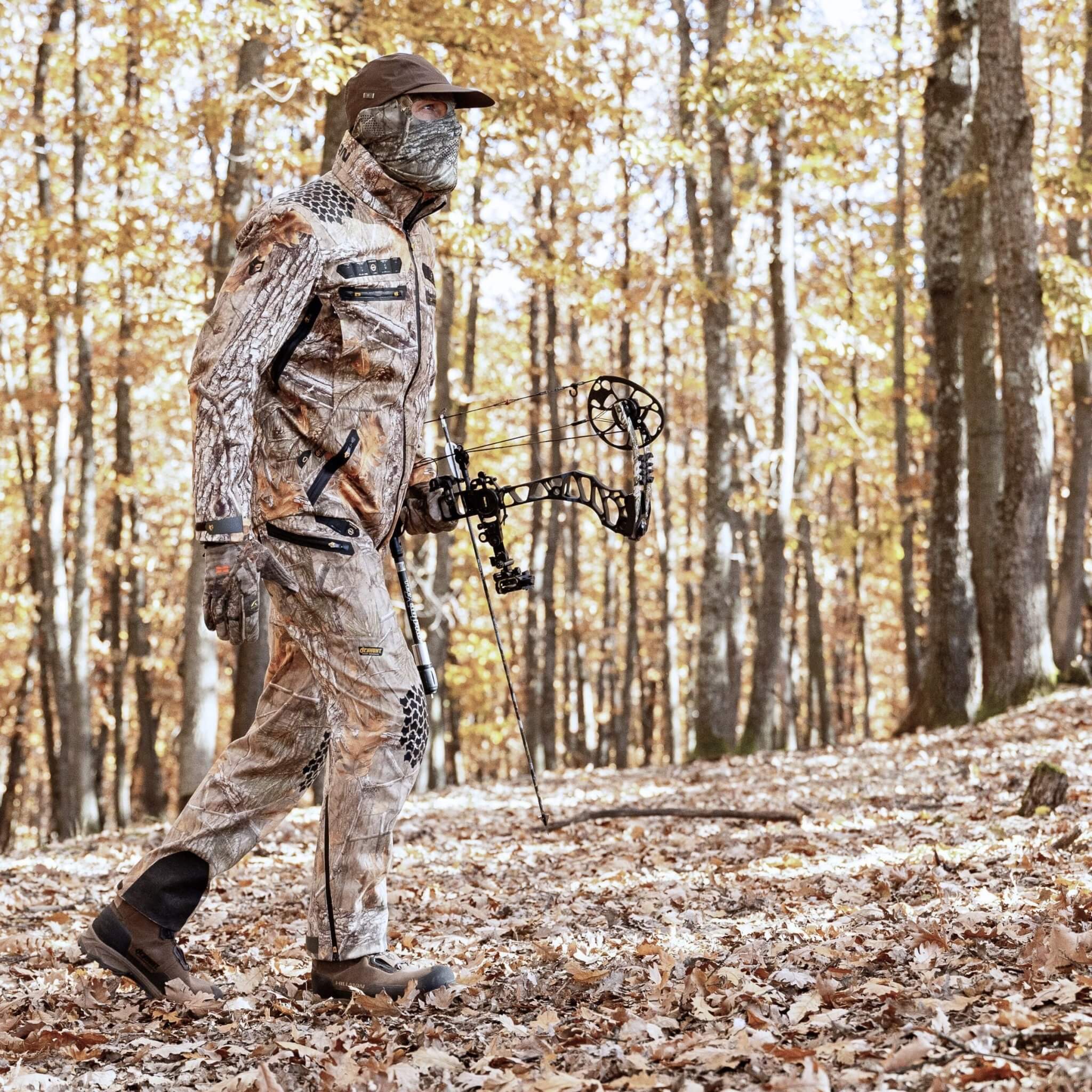
Layering should feel boring and sensible: base layer, warm layer, waterproof outer. That beats a heavy coat trying to do every job badly.
Wet Trousers Can Ruin the Day Quietly

Most people think about the jacket first. Fair enough. But trousers often fail faster than expected.
Rain runs off the coat and onto the legs. Wet grass soaks the lower half. Mud sticks to the fabric. Before long, heavy trousers feel cold, stiff and miserable.
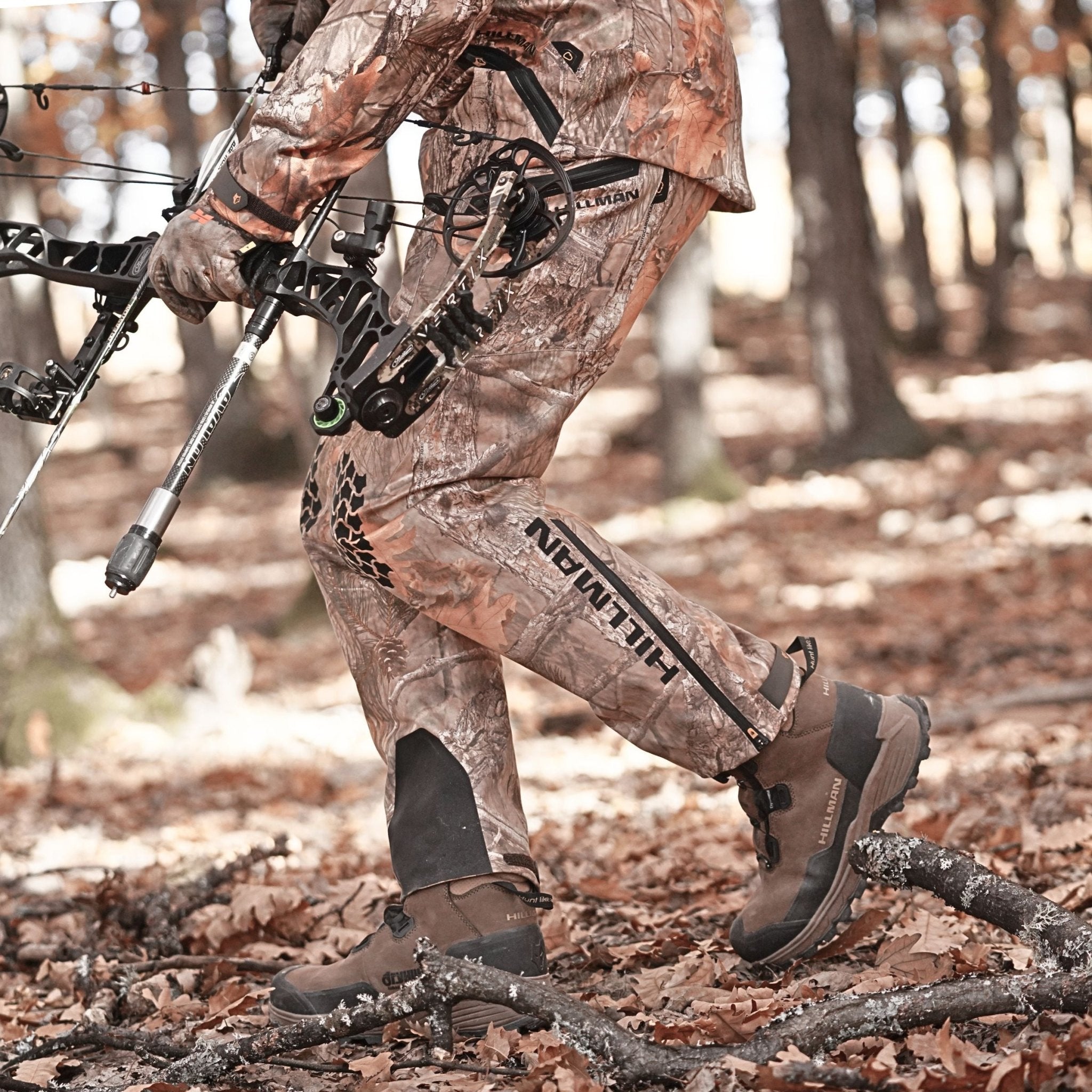
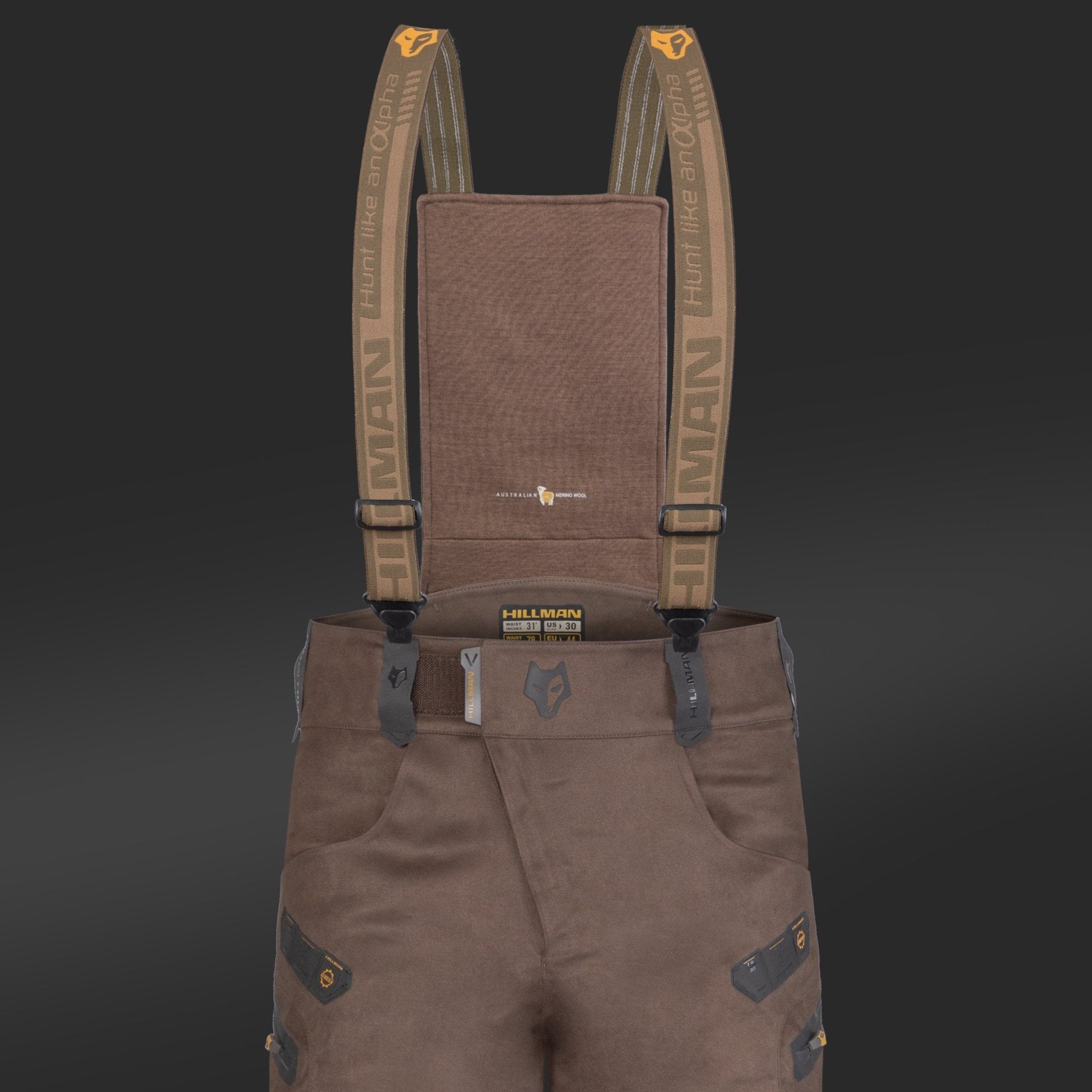
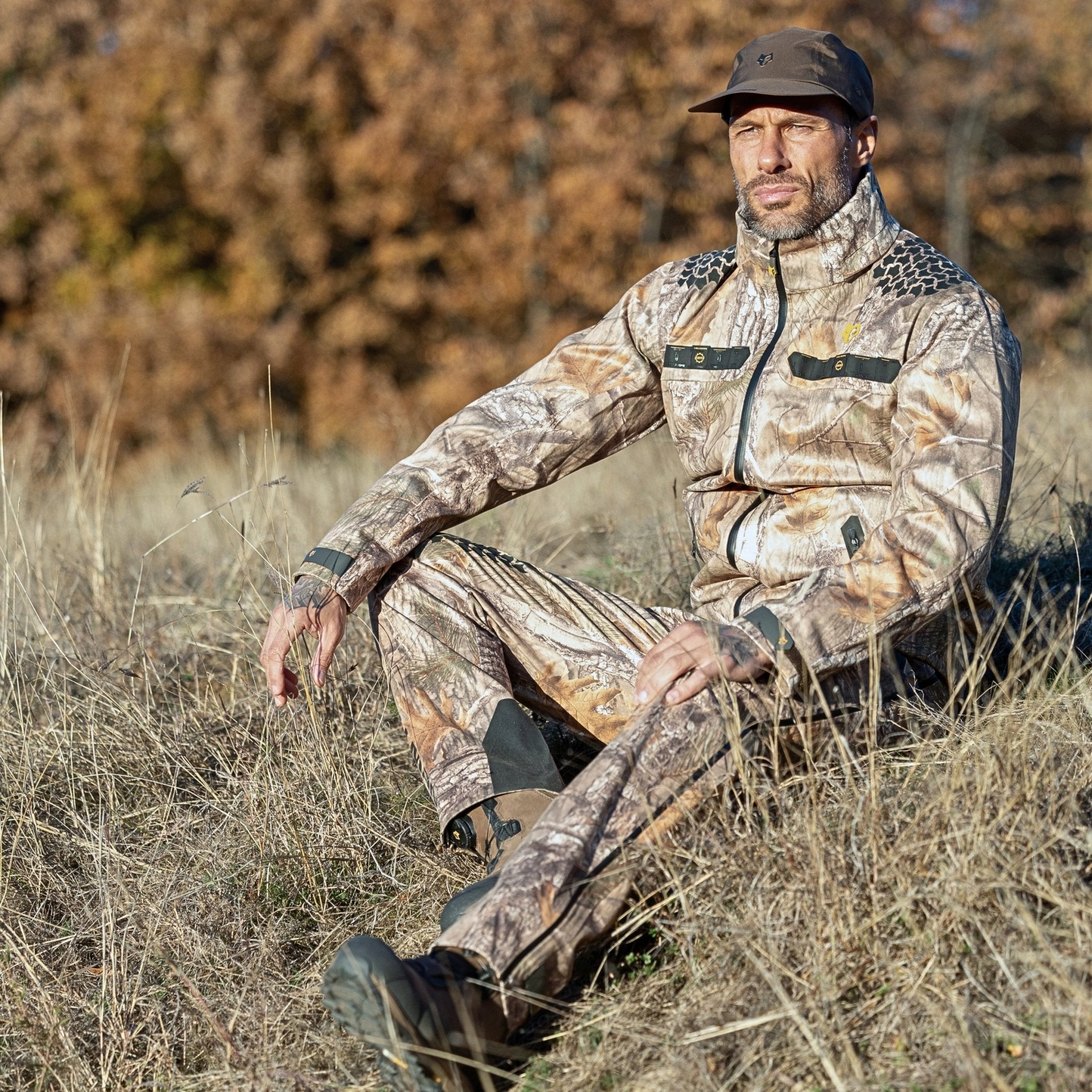
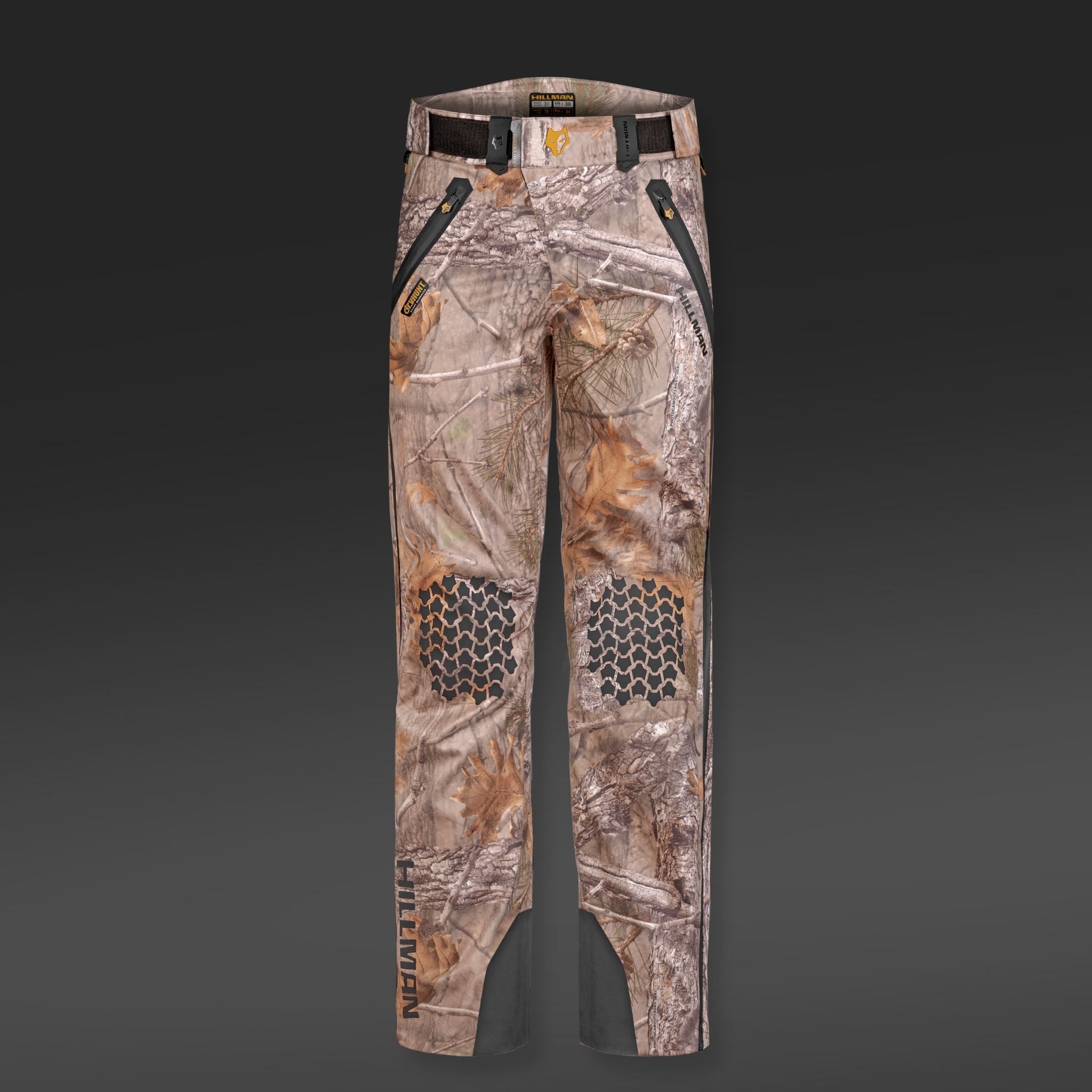
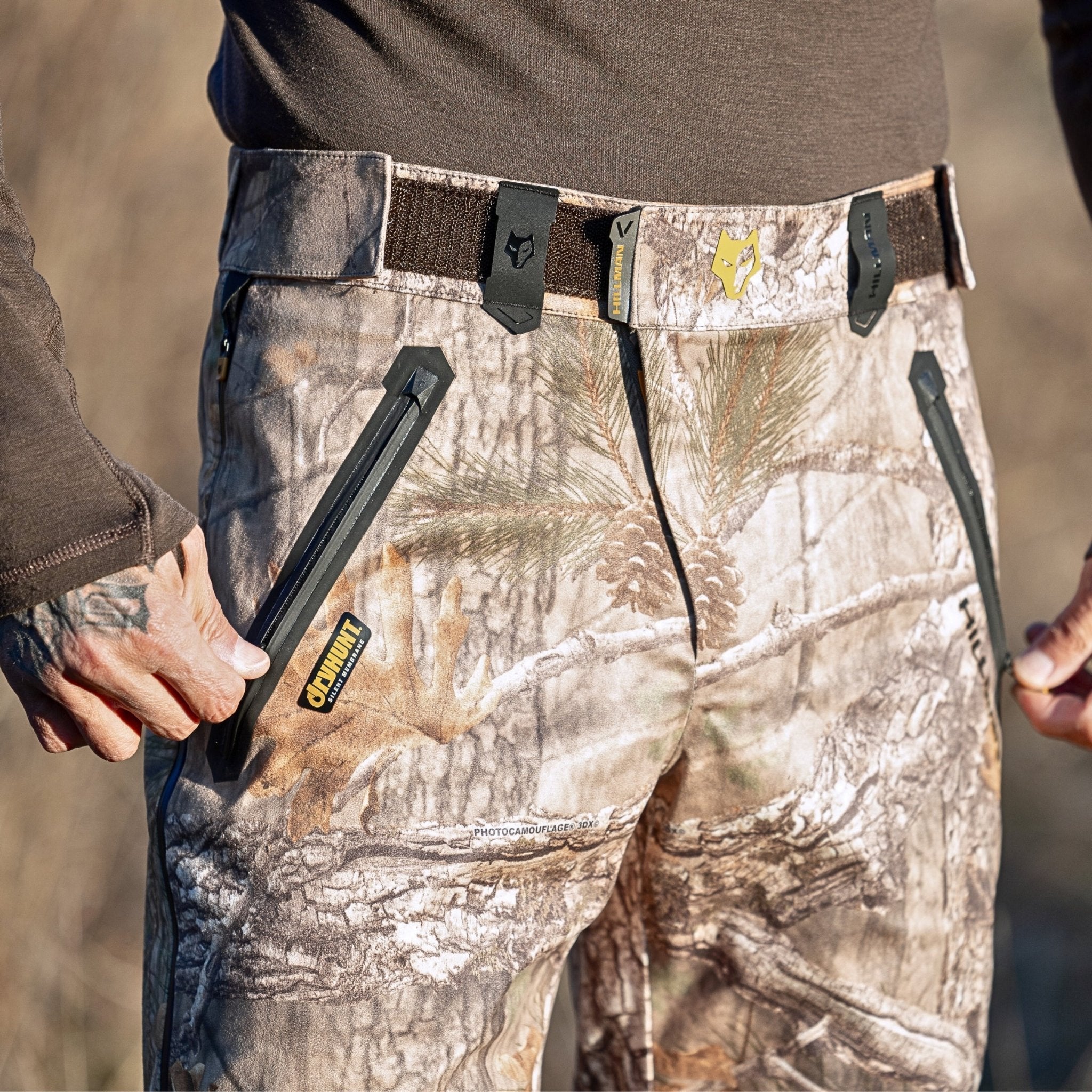
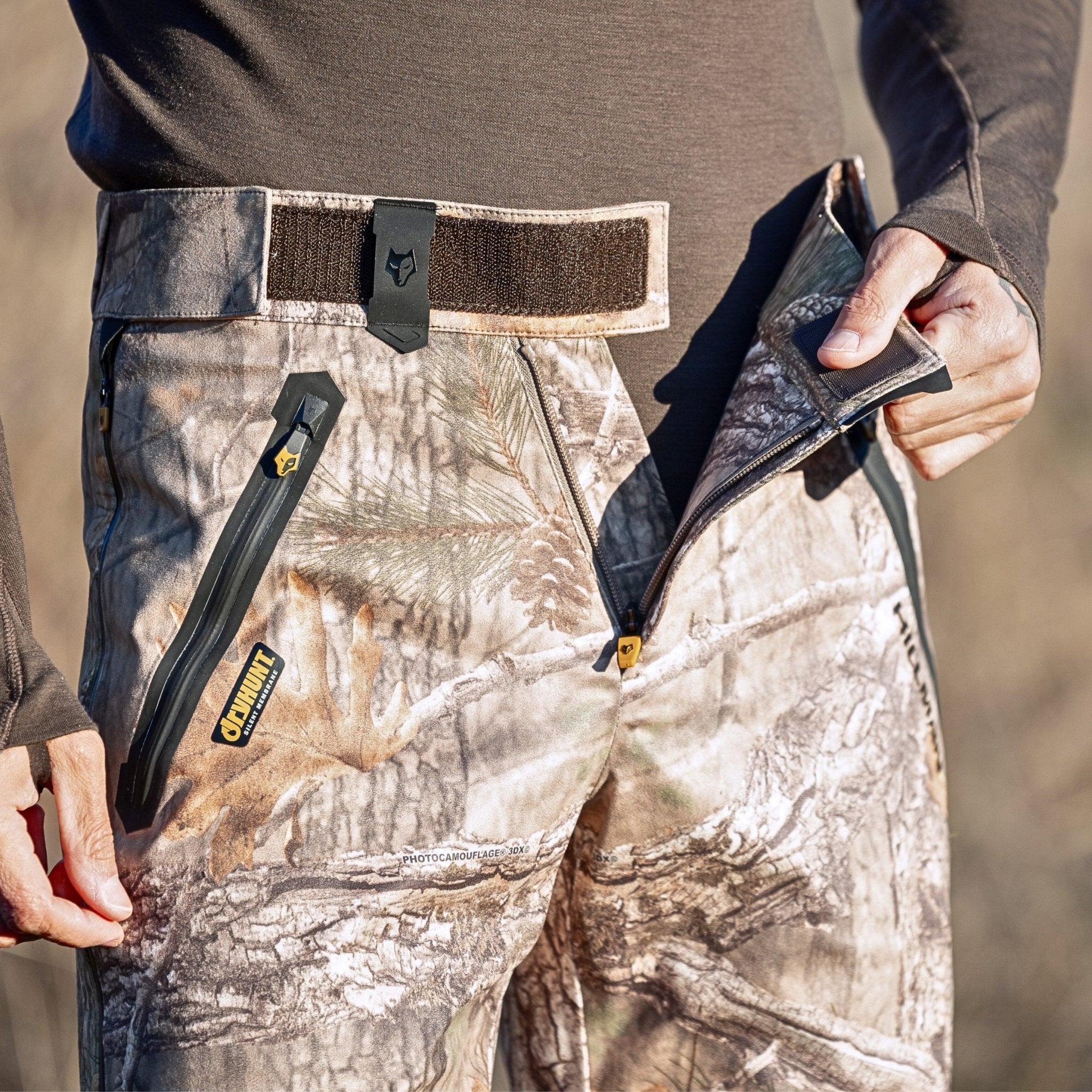
Quick-drying trousers are better for a wet, driven day than thick cotton ones. They should deal with muddy terrain, long standing periods and awkward movement through gateways, ditches and rough ground.
Waterproof overtrousers can be worth taking when the forecast looks ugly. Put them on when the rain comes in. Take them off at lunch. Simple. That way you are not sitting around in soaked trousers for the afternoon.
But keep them quiet. No one wants overtrousers that sound like a plastic bag. Shooting clothing should not announce every step you take.
The trousers need freedom too. Knees, seat, waist, all of it. If they pull when you climb into a vehicle or step across a ditch, they are wrong.
Boots and Long Socks Are Not Small Details

Wet feet make the day feel twice as long.
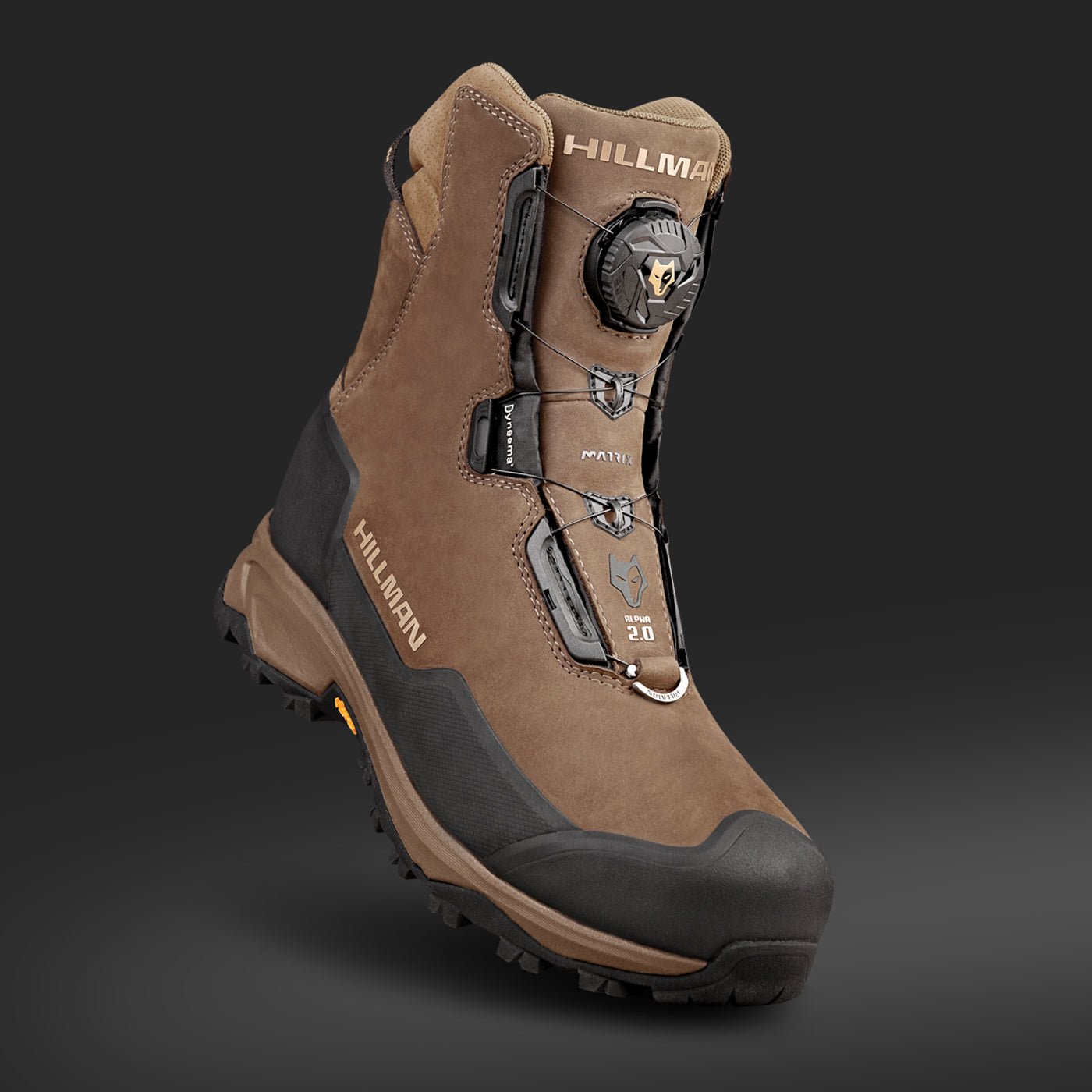
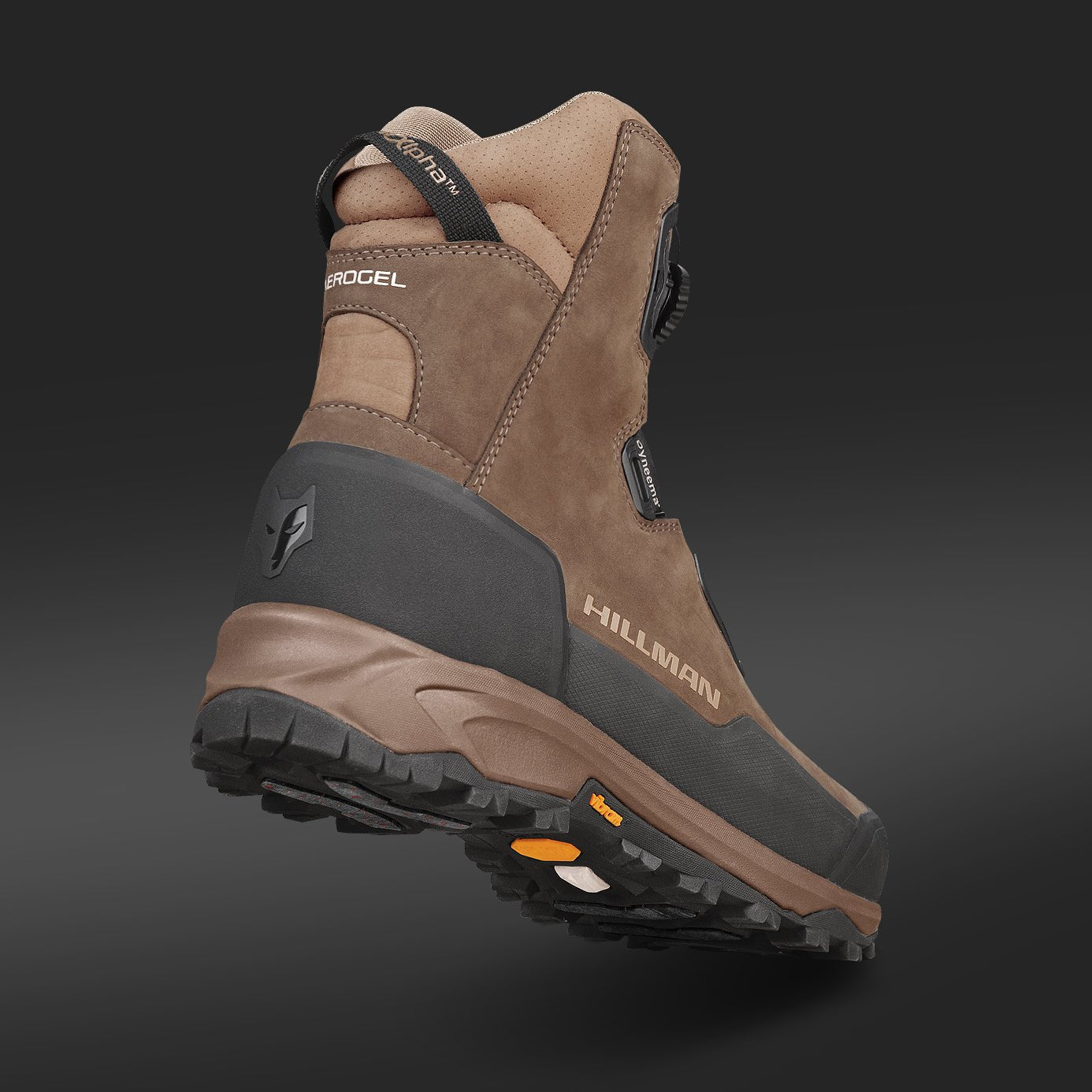
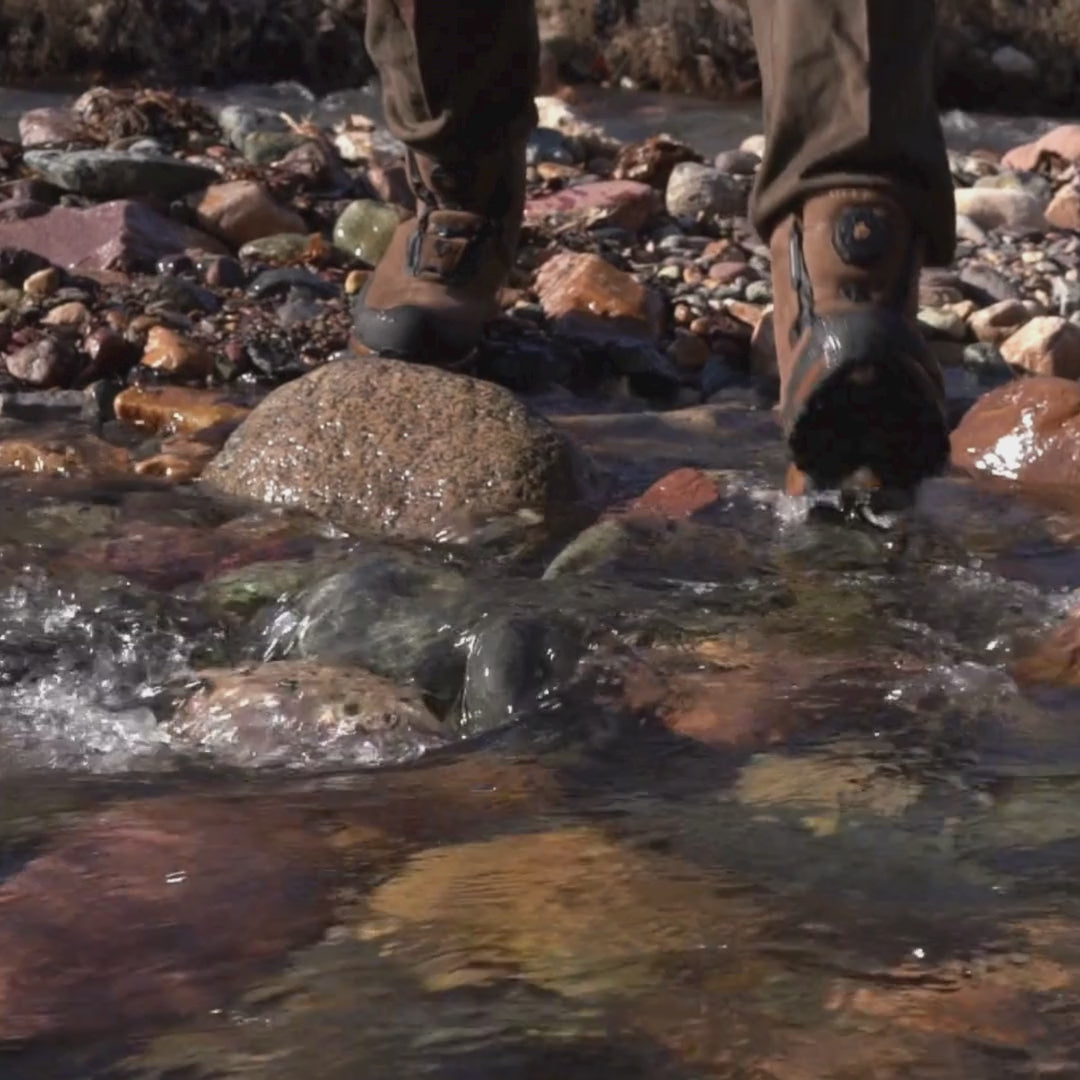
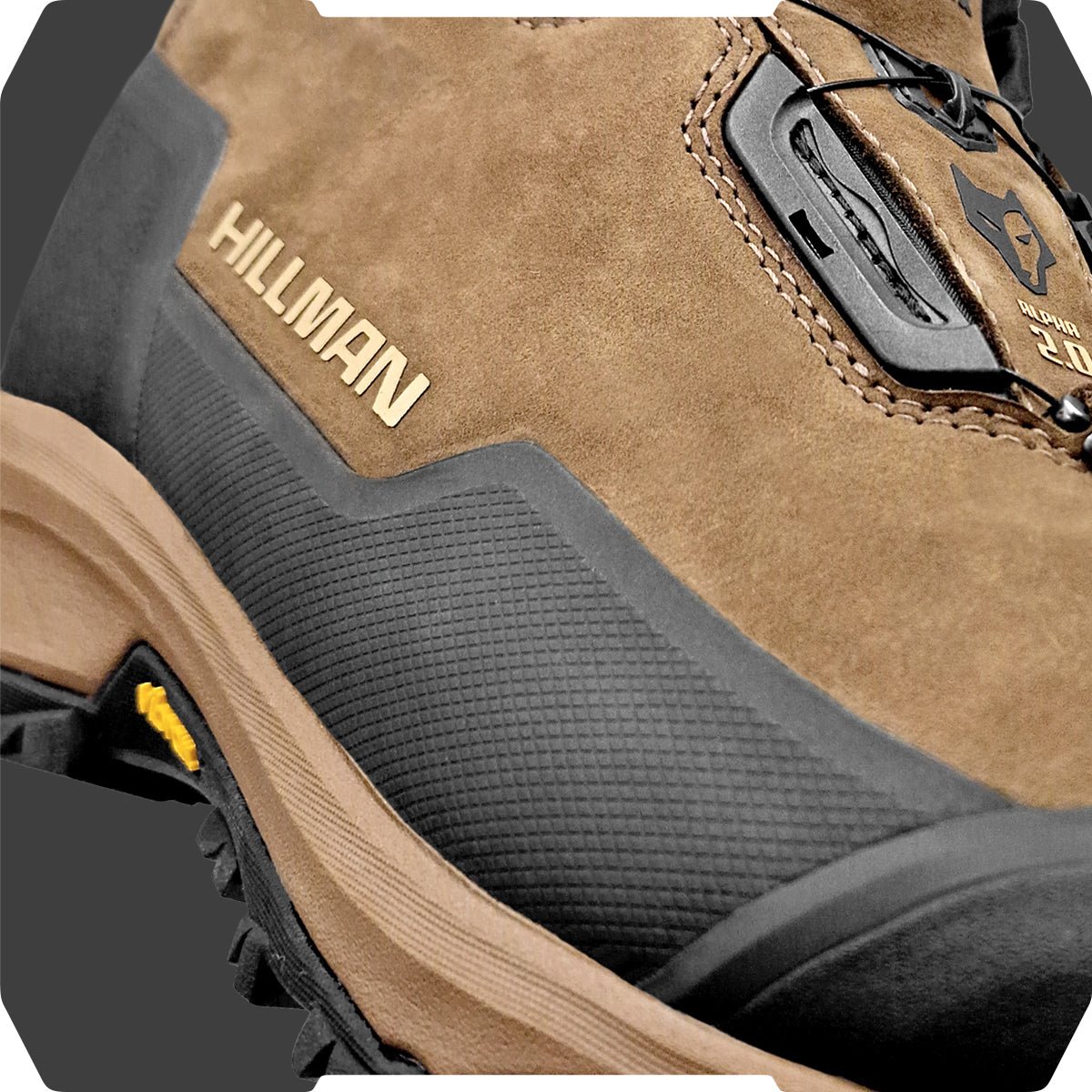
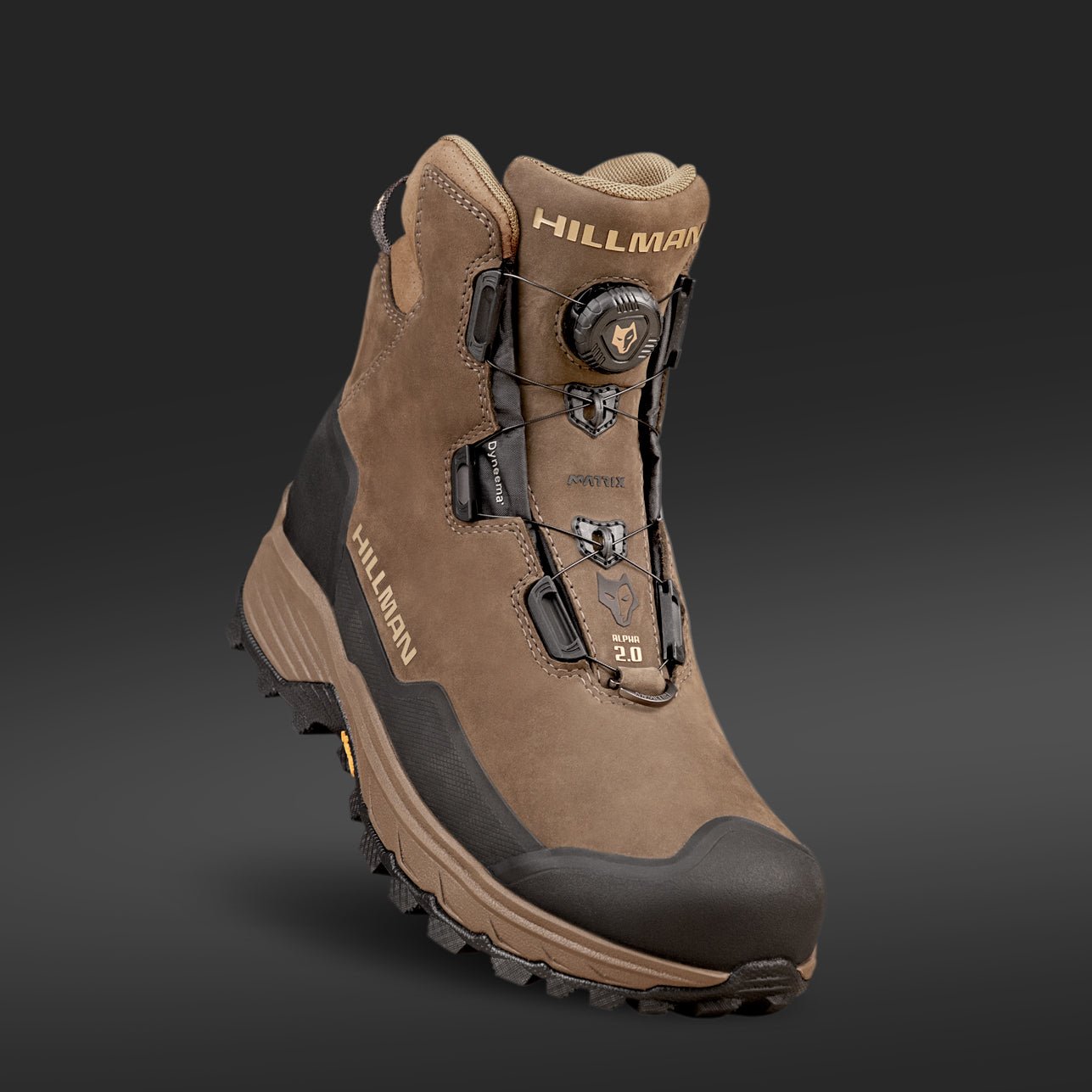
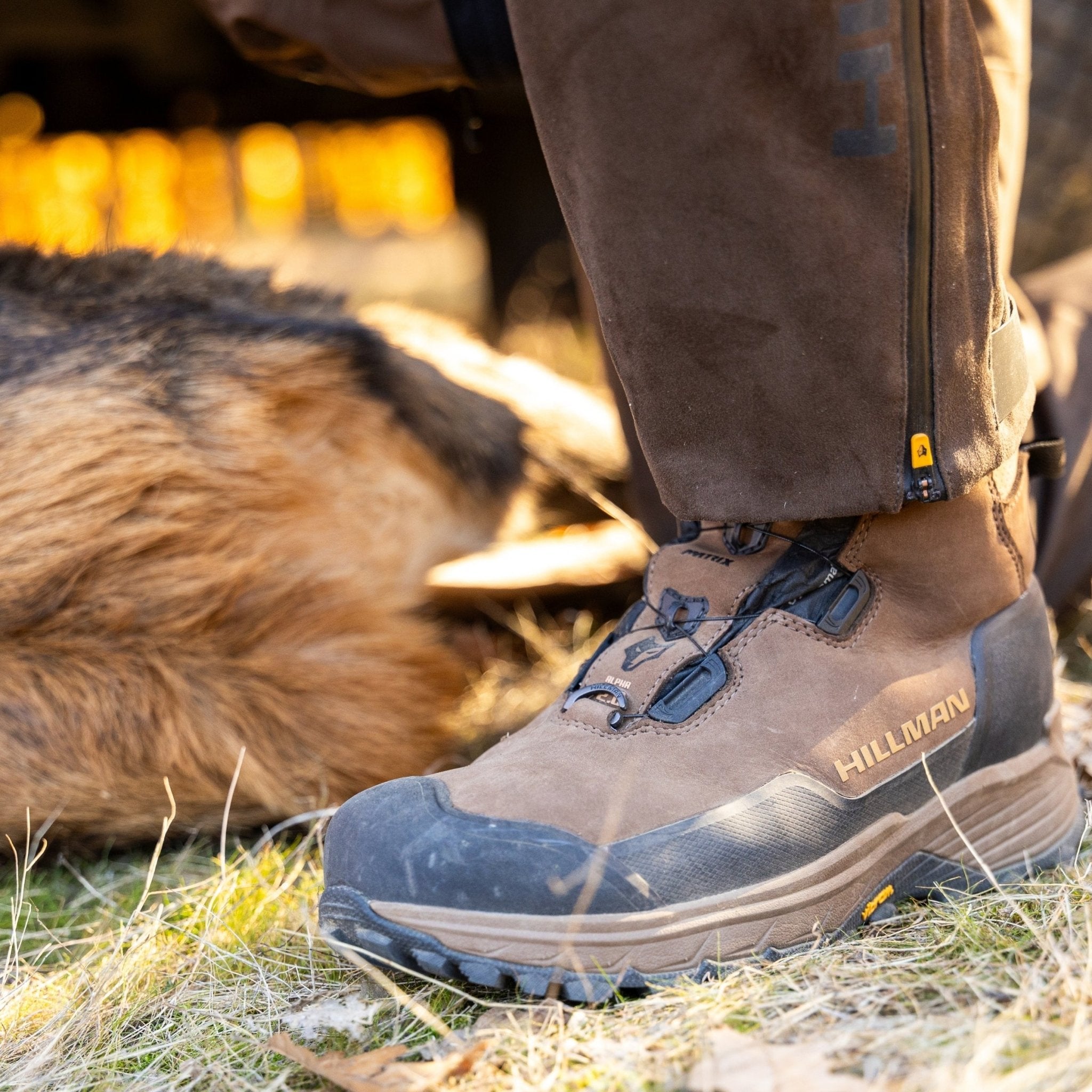
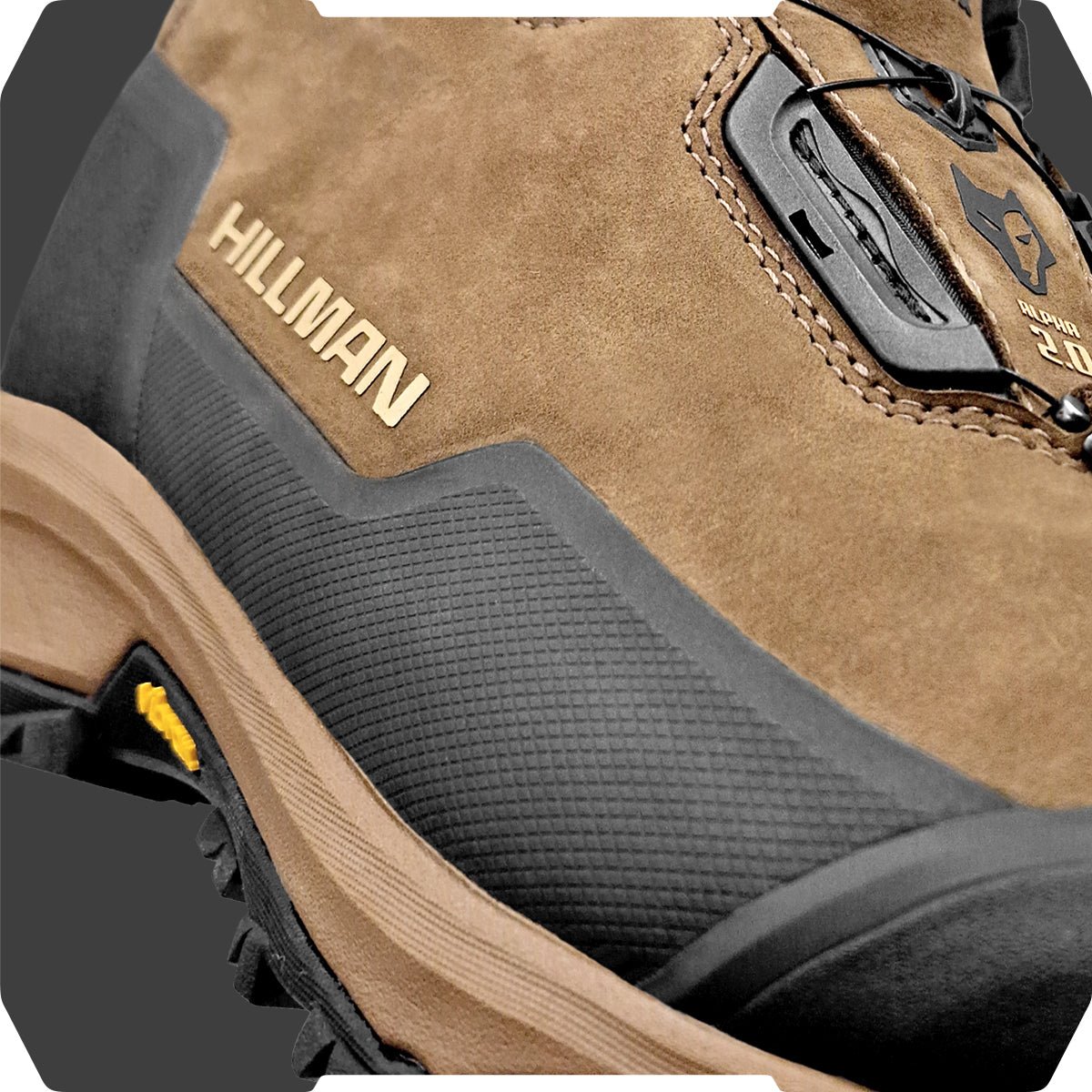
Waterproof boots are essential for wet pheasant shooting. You need grip on mud, support on uneven terrain and comfort for long standing spells. Weak footwear is fine until the first slippery gateway. Then it is not fine.
Low waterproof footwear may work on easy ground, but proper boots are usually better when rain and mud are involved. They protect more, support more and give you better footing.
Fit matters. Boots that pinch, rub or slip at the heel will wreck your mood before lunch. Break them in before the season. Do not test new boots on a wet day unless you like learning lessons the hard way.
Shooting socks or long socks matter as well. They help with warmth, cushioning and rubbing. Merino wool is better than cotton when things get damp. A spare pair of socks in the bag is not soft. It is sensible.
Hats, Gloves and Ear Defenders Need to Work Together

Small accessories are easy to forget. Then the rain starts and suddenly they matter.
A hat keeps rain off your face and stops water running down your neck. A flat cap, waterproof hat or brimmed hat can all work, as long as it fits properly with your ear defenders.
Gloves need balance. Warm enough to protect the hands, thin enough to handle cartridges and feel the gun. Thick gloves might be cosy, but if loading becomes clumsy, they are wrong.
Ear defenders are essential, but the rest of the outfit can mess with them. A stiff collar can push them up. A bulky hat can break the seal. Try the kit together before the shoot, not while standing on the peg in rain.
Pockets also matter. Cartridge pockets should be easy to reach. Inside pockets should stay dry. You need room for small accessories without opening the jacket every few minutes and letting water in.
Good kit is not always exciting. It just stops problems before they start.
Stay Warm Without Turning Into a Sweaty Mess

The stop-start rhythm is what makes a wet, driven day awkward.
Standing in wind and rain is cold. Walking to the next drive warms you up. Waiting again cools you down. Then the rain comes harder and everything gets tested.
One huge coat rarely solves that.
If you dress only for standing still, you overheat as soon as you move. If you dress only for walking, you freeze when you stop. So you need controlled warmth, not bulk.
A breathable base layer, light insulating layer and waterproof outer layer will usually do the job. If the weather is mild, keep the mid layer thin. If it is cold, add warmth without blocking the shoulders and arms.
The outfit should let you stay warm, dry and mobile. Not just warm. Not just waterproof. All three.
Build a Kit That Works for the Whole Season
A wet day outfit should not be a one-off panic setup.
Early season rain may need lighter waterproof jackets, thinner layers and breathable trousers. Later in the season, cold wind and long standing periods need warmer layers, better socks and more serious protection.
Think of the right kit as a small working collection. Base layer. Mid layer. Waterproof shooting jacket. Trousers. Boots. Shooting socks. Gloves. Hat. Ear defenders. A few useful accessories.
For game shooting clothing, looking right still matters. Country pursuits have a style, and most shooters respect it. But style does not keep water out. A jacket that looks smart but restricts movement is still a bad jacket.
Buy for use first. Regular price second. A coat that fails in real rain is expensive at any price.
Final Thoughts Before the First Drive
To dress for a wet, driven day without feeling heavy by lunch, stop thinking “more clothing” and start thinking “better layers”.
Keep moisture off the skin. Add warmth only where you need it. Wear a waterproof shooting jacket that lets the gun come up cleanly. Choose trousers that handle wet grass and mud. Wear boots that grip and socks that stay comfortable.
Do not forget the small stuff: gloves, hats, ear defenders, cartridge pockets and dry storage.
Rain is part of the great outdoors. It is not the real enemy. Bad kit is.


Share:
Stalking Trousers vs Shooting Breeks: What Works Better?