
Winter Woodcock Shooting Days: Why Pace, Cover Choice and Quiet Footwork Matter More Than Distance

Winter woodcock shooting days reward slow pace, damp cover choice and quiet footwork more than simply covering more ground.
Why winter woodcock days pace matters is not just a neat phrase for shooting talk. It is usually the difference between a controlled, walked-up day and a rushed wander through woods where birds lift too far ahead, dogs never settle, and shooters spend more time reacting than reading the ground.
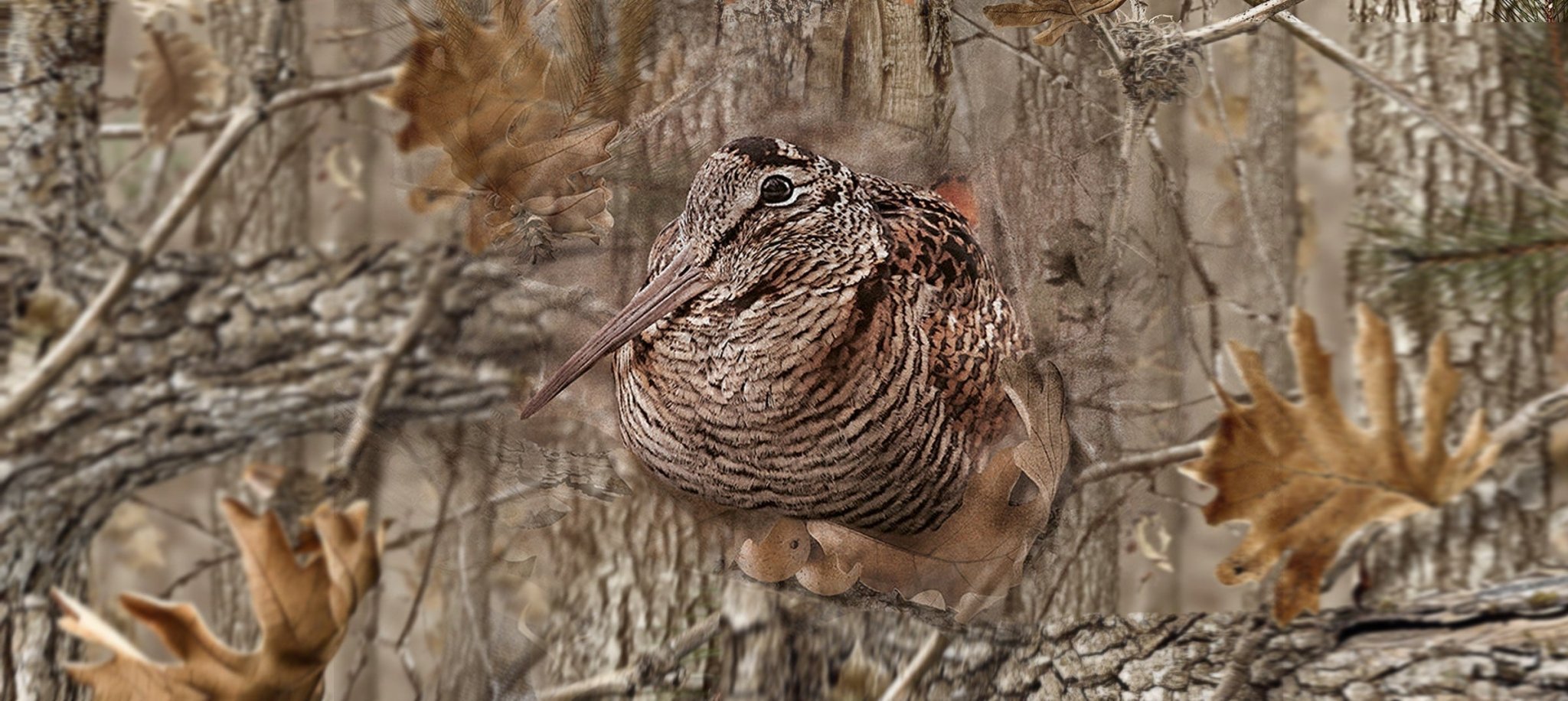
Woodcock shooting is unlike much ordinary game shooting. The bird is small, secretive, low to the ground and built for awkward places. Long bills, short legs, mottled feathers and a habit of holding tight in dense undergrowth make woodcock easy to miss before they ever fly. They are present one second, gone the next. A bird can sit under shrubs beside your boot line, then flush behind a tree, twist across open spaces and disappear through stems before the gun even reaches the shoulder.
That is why distance is overrated. Covering more land does not automatically mean seeing more birds. Often it means walking past them, pushing them too early, or disturbing ground that should have been worked carefully. On proper winter woodcock days, pace should feel almost too slow at first. Then the woods begin to show you more.
Woodcock Shooting Starts With Knowing Which Birds You Are Seeing

Any discussion about woodcock shooting in the UK has to begin with the birds themselves. Woodcock populations are not all the same. There is a small resident breeding population, and there are large numbers of migratory birds arriving through autumn and winter from colder regions such as Scandinavia, Russia, Eastern Europe and the Baltic states.
That difference matters. Resident birds are the ones most tied to the long-term health of woodland habitat in this country. Breeding woodcock have been a conservation concern for years because their breeding range has contracted badly. Research by the GWCT and the British Trust for Ornithology has shown a severe decline since 1970, including a 56% decrease in presence at the 10km square scale between 1970 and 2010. The UK estimate also fell from 78,350 males in 2003 to about 55,240 males in 2013, which helped move the species from the amber list to the red list of Birds of Conservation Concern in December 2015.
At an international level, the species may still be classed as least concern by the International Union for Conservation of Nature, but that does not remove the local importance of conserving resident birds. A species can appear secure globally while still being under real pressure in one country or region.
This is why many responsible woodcock hunters avoid shooting woodcock early. The idea is simple. Early autumn birds may include resident birds, while later winter months bring a much larger presence of migratory birds. Winter woodcock days typically begin after December 1st for this reason, when arrivals from Scandinavia, Russia and the Baltic states make the shooting more sustainable.
Avoid Shooting Woodcock Early If Conservation Matters

Avoid shooting woodcock early is not a fashionable rule made to spoil a day out. It is one of the clearest ways shooters can help protect future generations of resident birds.
The woodcock moon, usually in late October or November, is often spoken about as the sign of migrant arrival. After it, waves of migratory woodcock begin to appear, with significant numbers reaching the UK during December and January as frozen breeding grounds in the north and east push birds south and west. But timing still varies. Weather, wind, cold and food availability all shape what is happening on the ground.
The problem is that woodcock often return to the same wintering sites year after year. That loyalty makes them wonderful birds to watch and hunt, but it also makes local populations vulnerable. Heavy shooting in a favourite wood or small country block can do real damage, particularly when the same ground is visited repeatedly.
Good woodcock shooting has restraint built into it. It is not just about whether the season allows it. It is about whether the day should happen at all. After four days of continuously frozen ground, shooting should stop. Woodcock feed mostly on earthworms and need soft, moist soil to forage properly. Frozen ground forces them to spend more energy searching for food at night, and unnecessary flushing during the day can push already stressed birds closer to starvation. After a cold snap, they need at least seven days to regain weight before shooting should resume.
That sort of judgement is not weakness. It is field knowledge.
Cover Choice Beats Miles Under the Boots

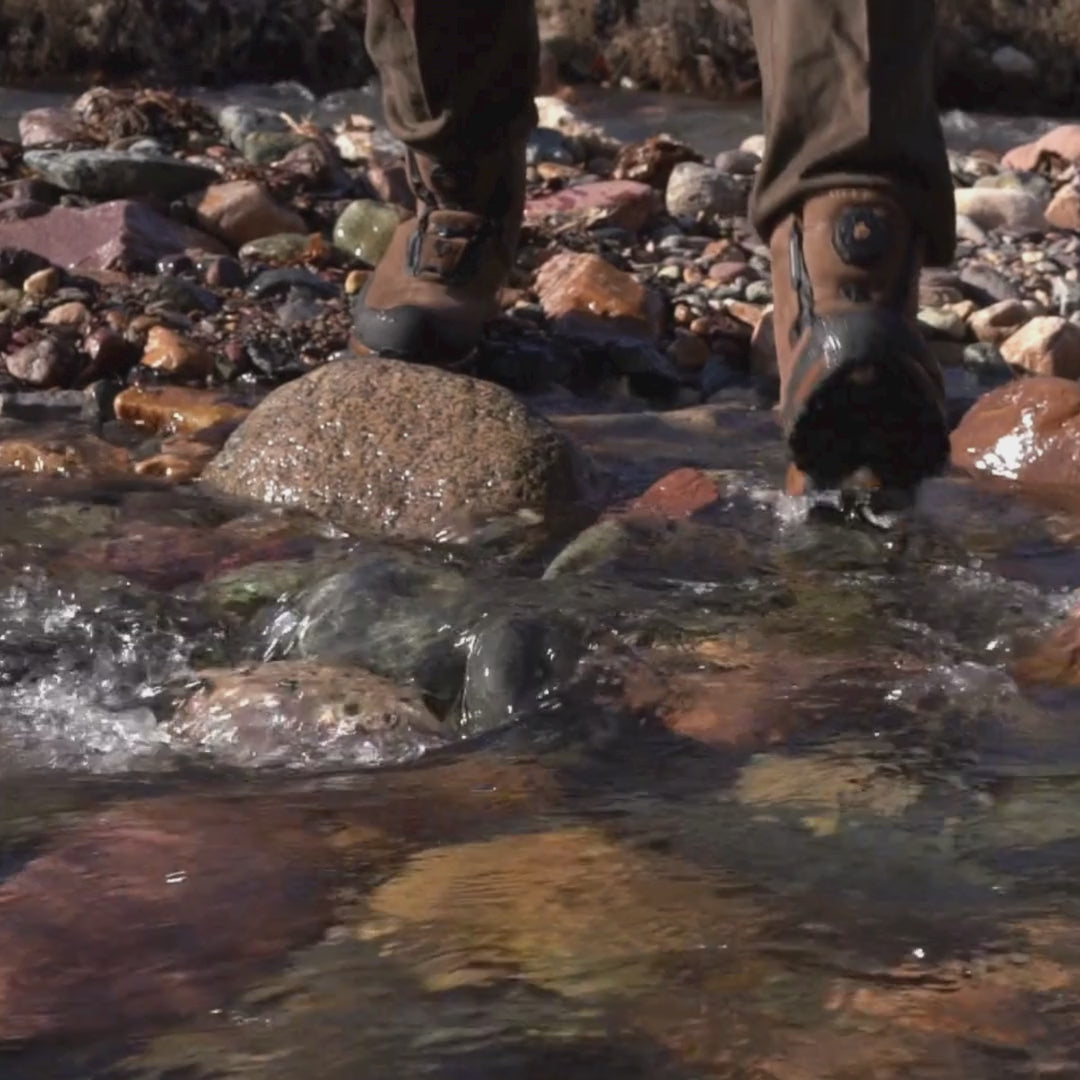
A woodcock day is often won or lost before anyone starts walking. The right woodland habitat matters more than simply choosing the biggest block of trees. Woodcock like damp, scrubby deciduous woodland, mixed edges, moist soil, old leaf litter, thick shrubs and quiet corners where they can roost by day and feed nearby at night.
Dense undergrowth is usually more useful than clean, open woods. A tidy plantation with bare ground can look tempting from a distance, but it may hold fewer birds than a rough little strip with bramble, young growth, damp rides and awkward corners. Deciduous trees, soft ground, insects, earthworms and sheltered cover all play their part.
The best cover often feels inconvenient. It catches the legs. It slows the dogs. It blocks sight lines. It makes shooters think. But that is exactly why birds use it. Woodcock are not choosing ground for your comfort. They are choosing it for food, shelter, safety from predators and reduced disturbance.
A careful team will look at the land in layers. Where is the moist soil? Where do the shrubs meet open areas? Where does the woodland turn from dry to damp? Where can birds flush safely without immediately crossing a road, footpath or unsafe skyline? On a walked up day, those details matter more than a long line on a map.
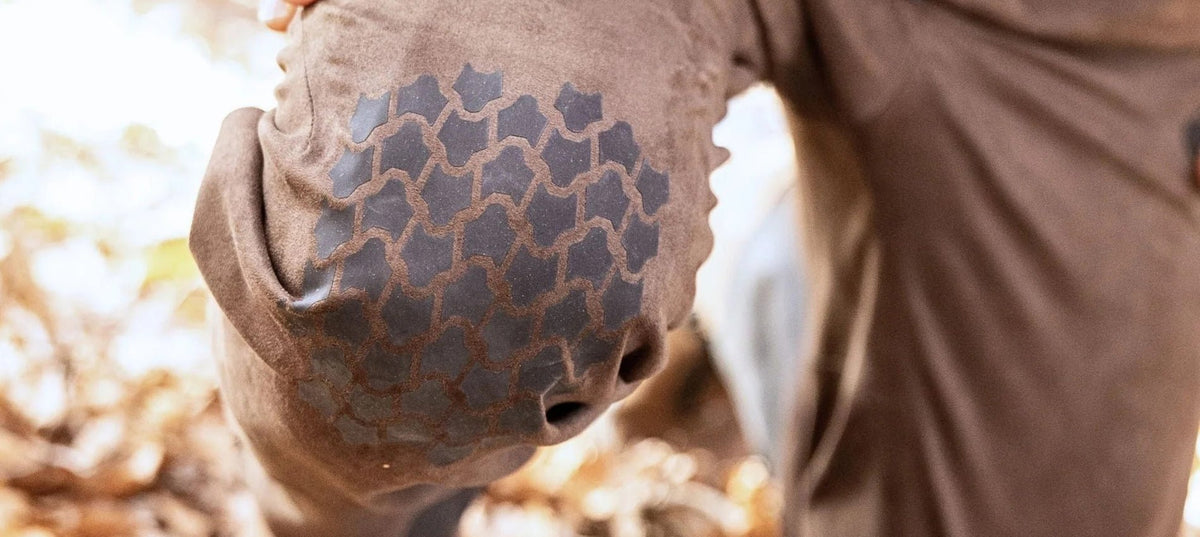
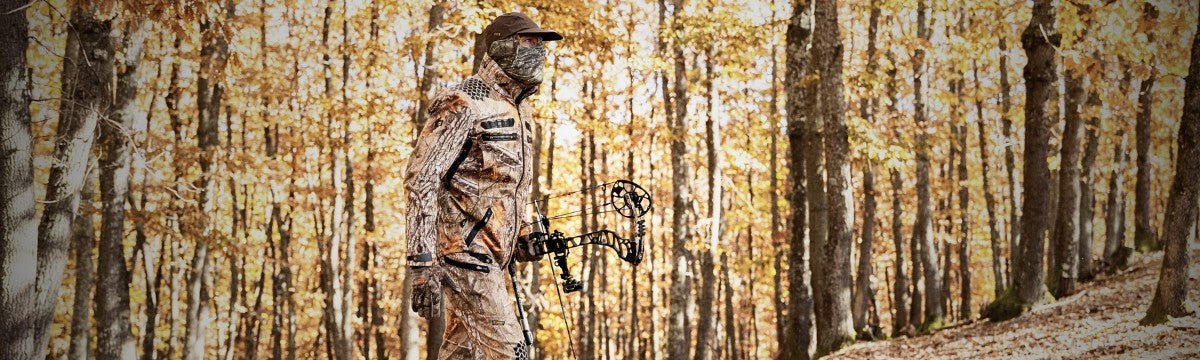
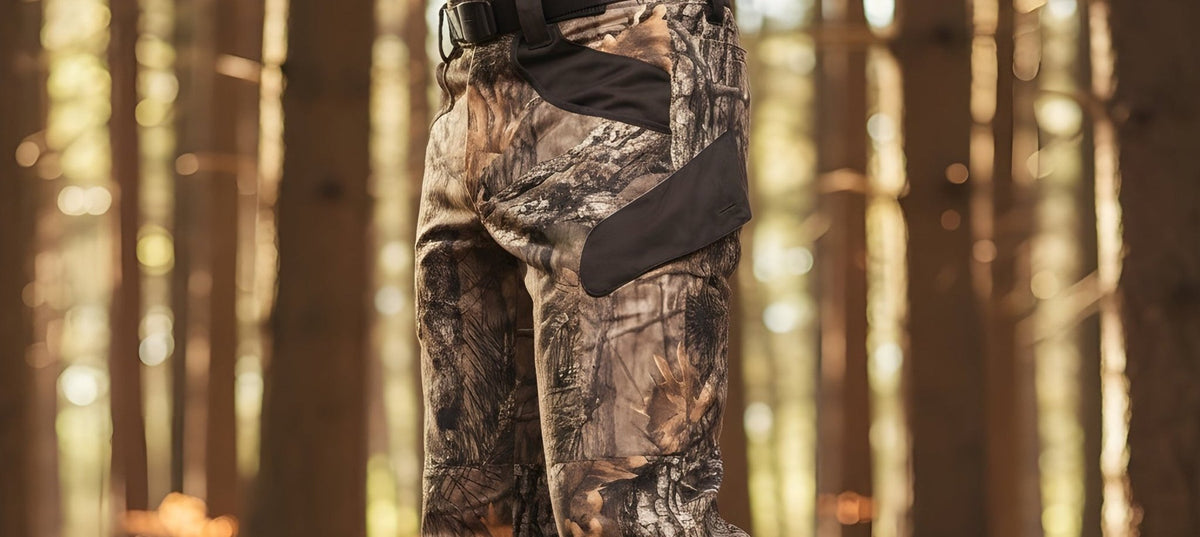
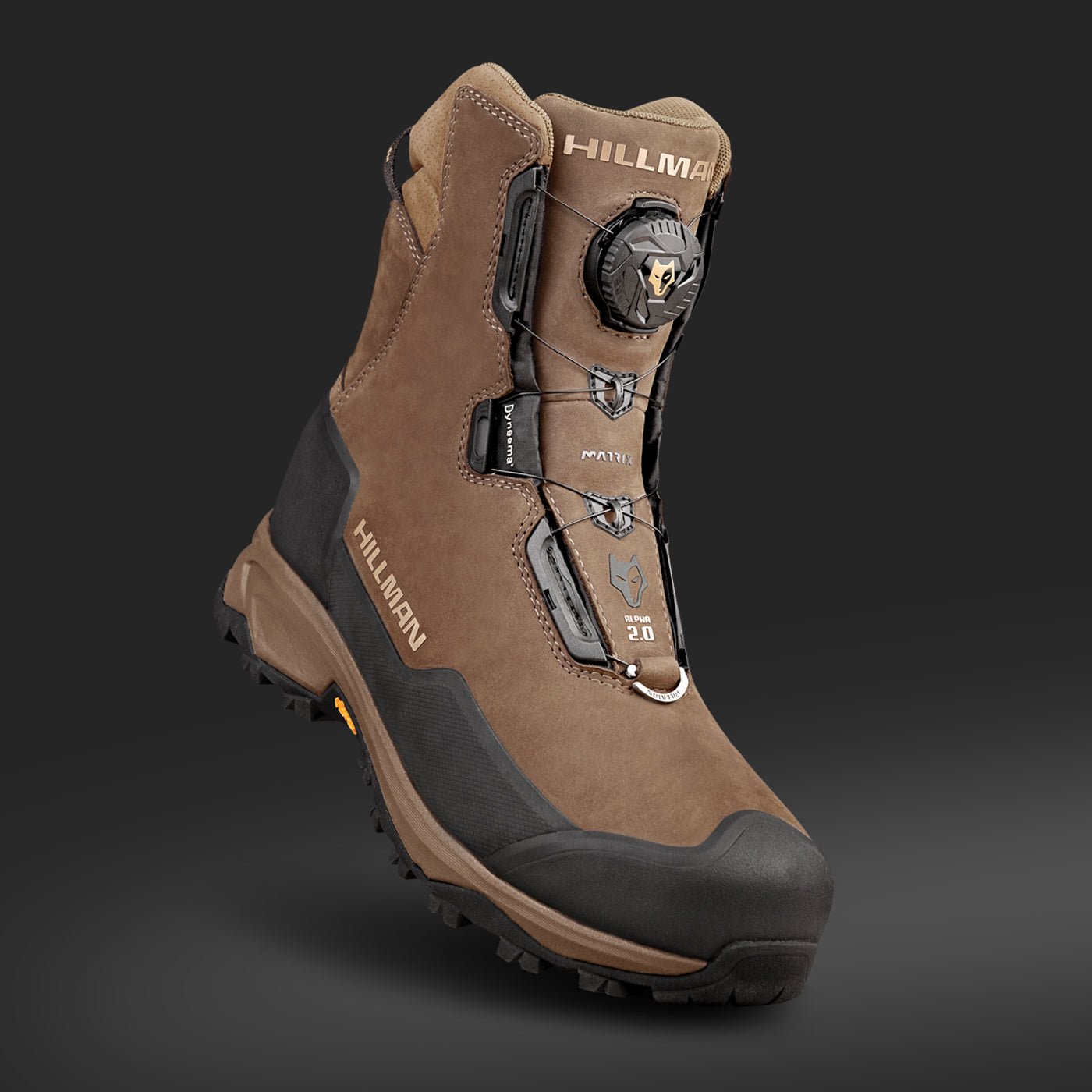
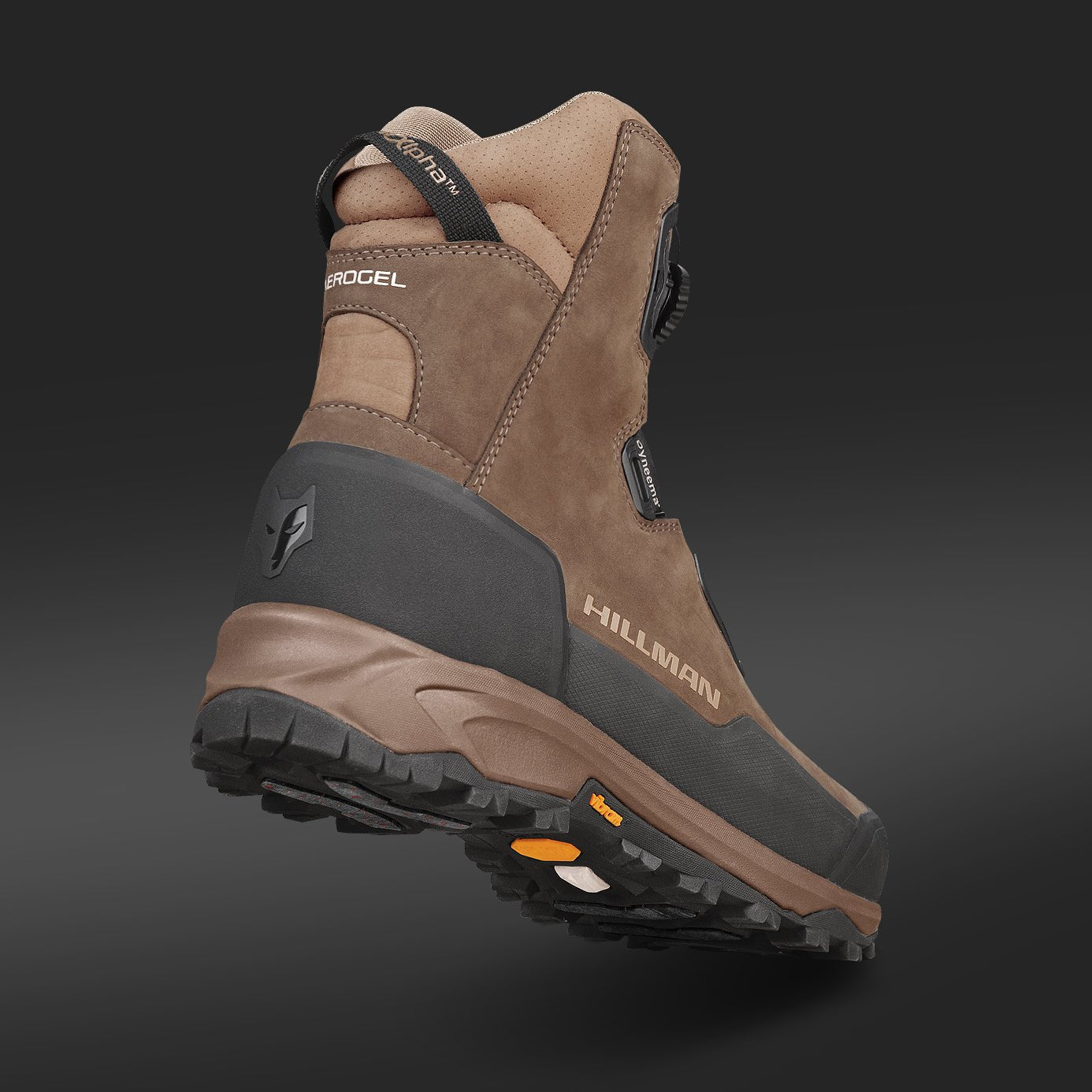
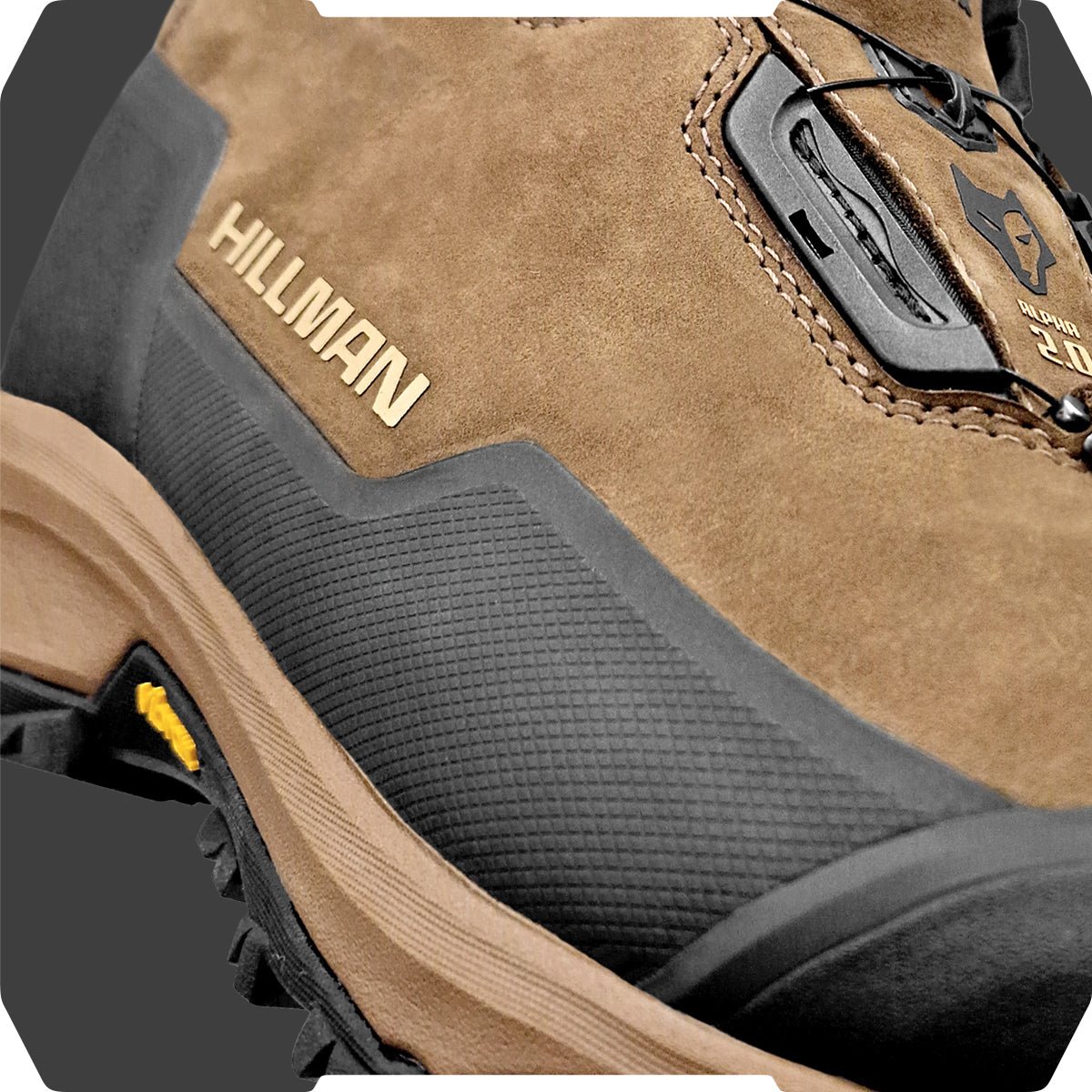
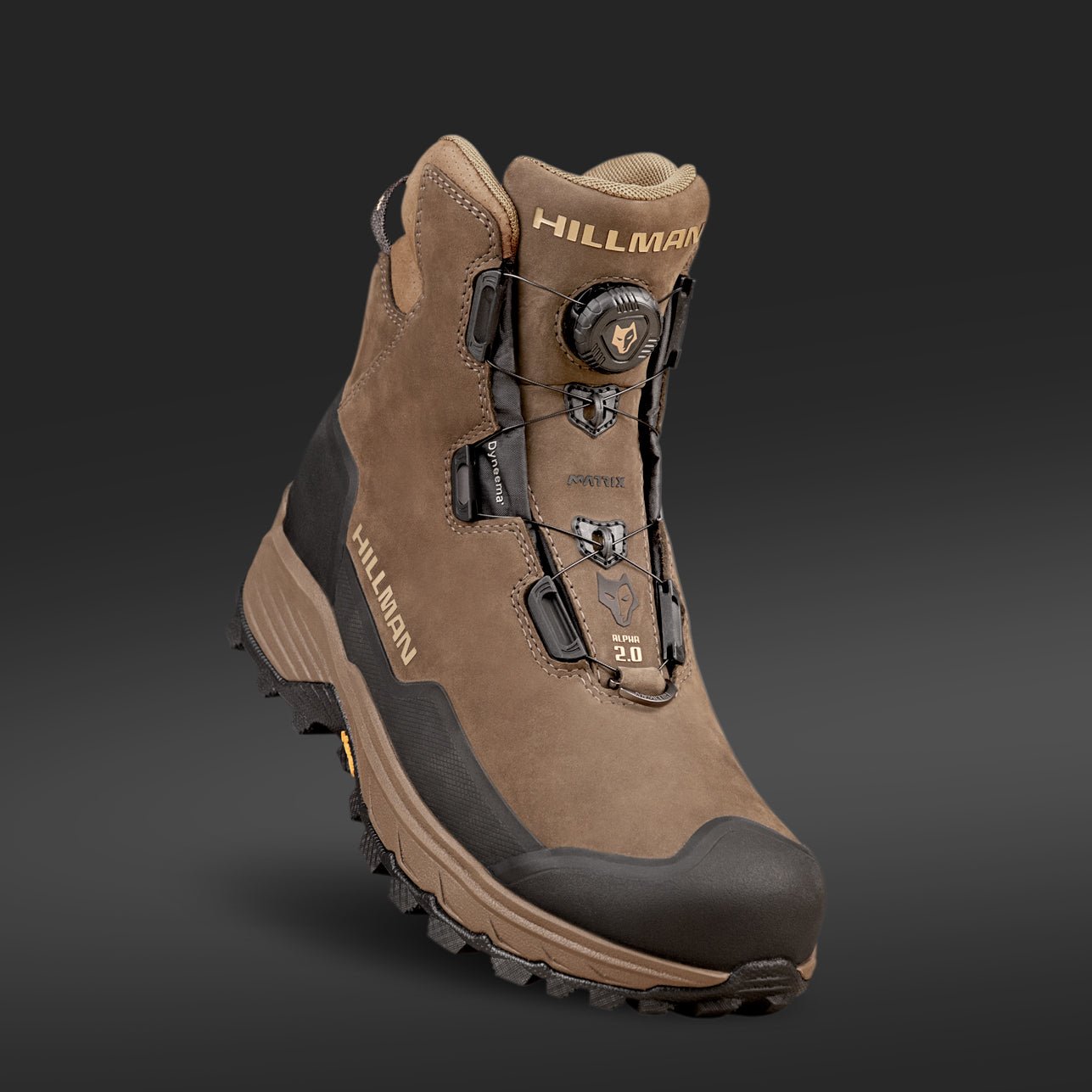
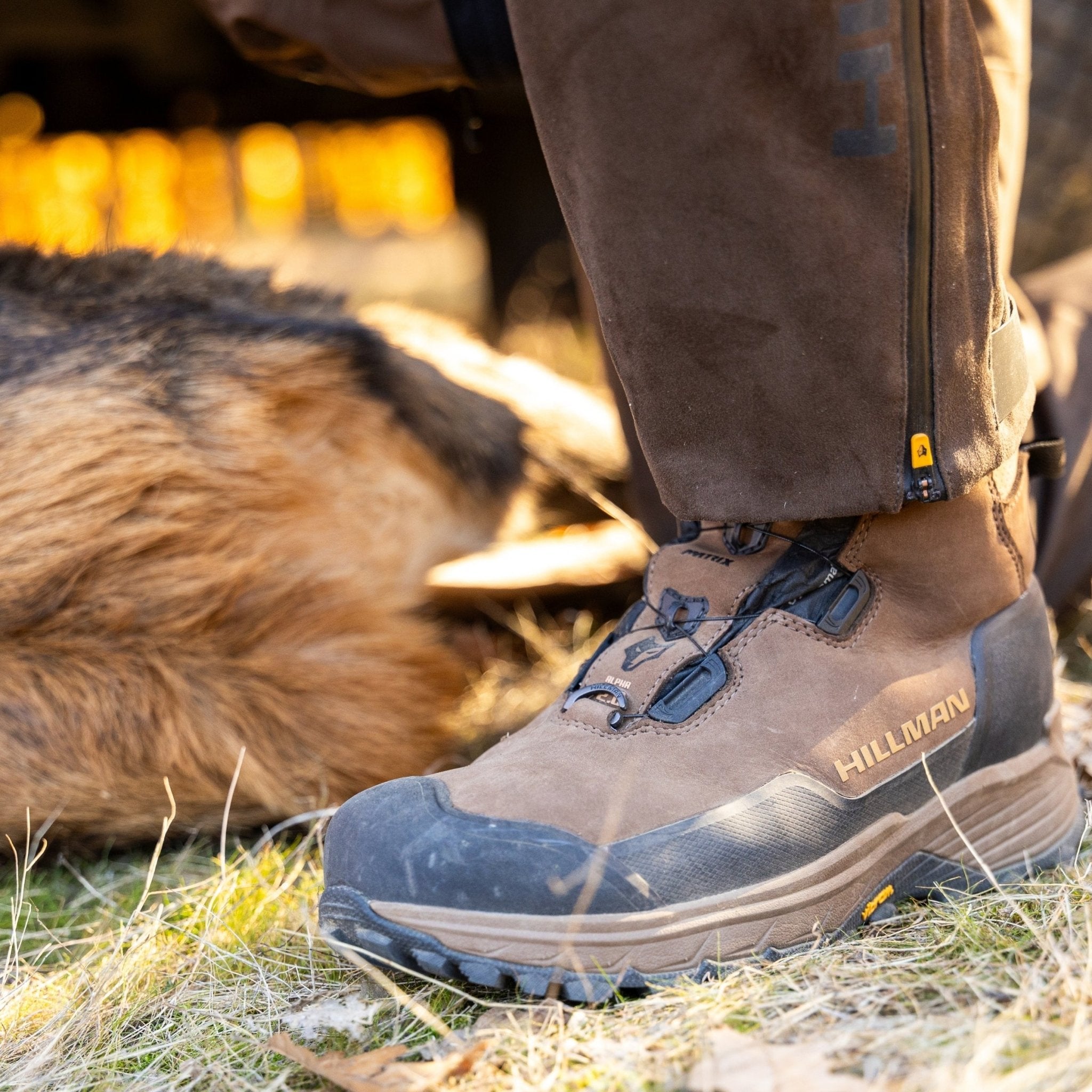
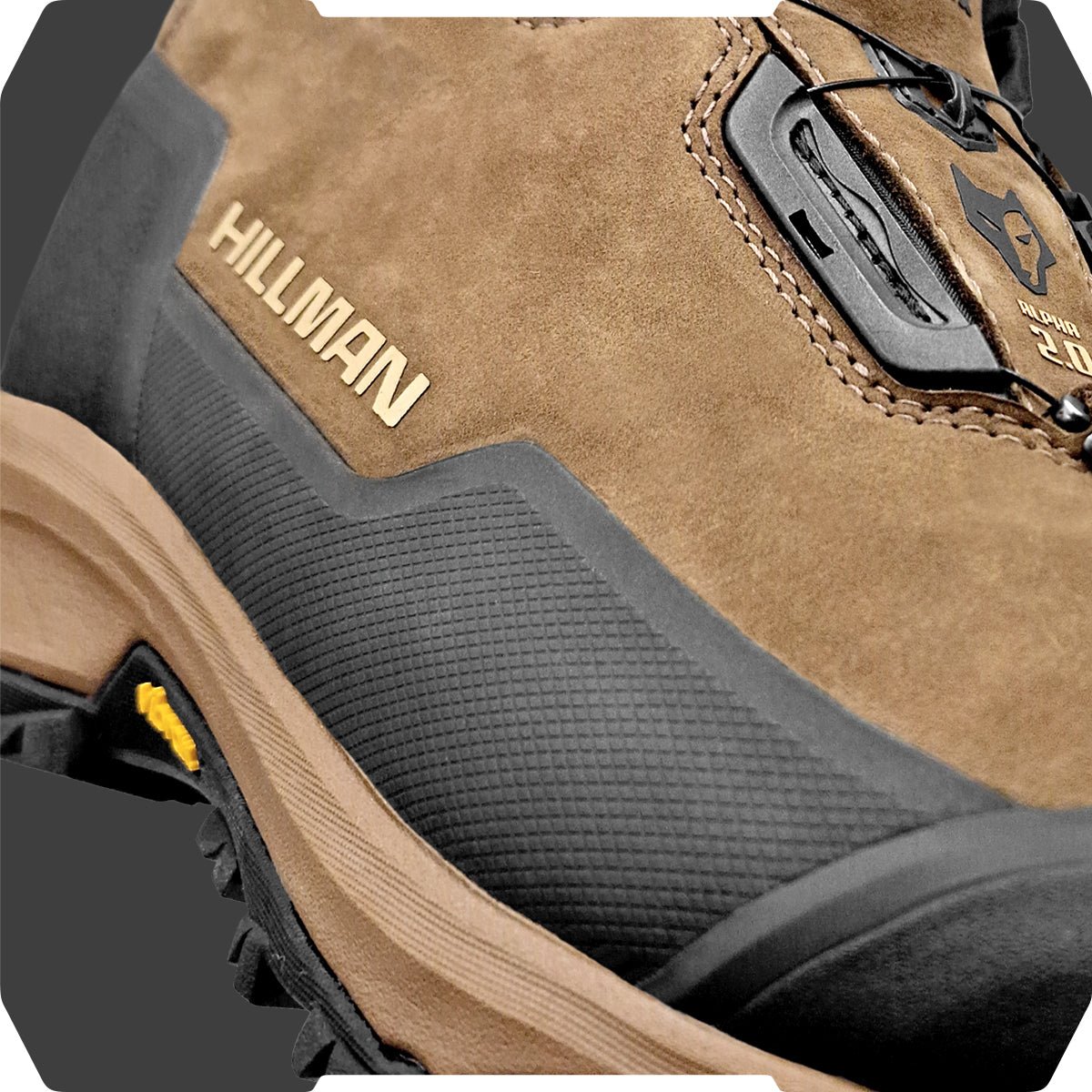
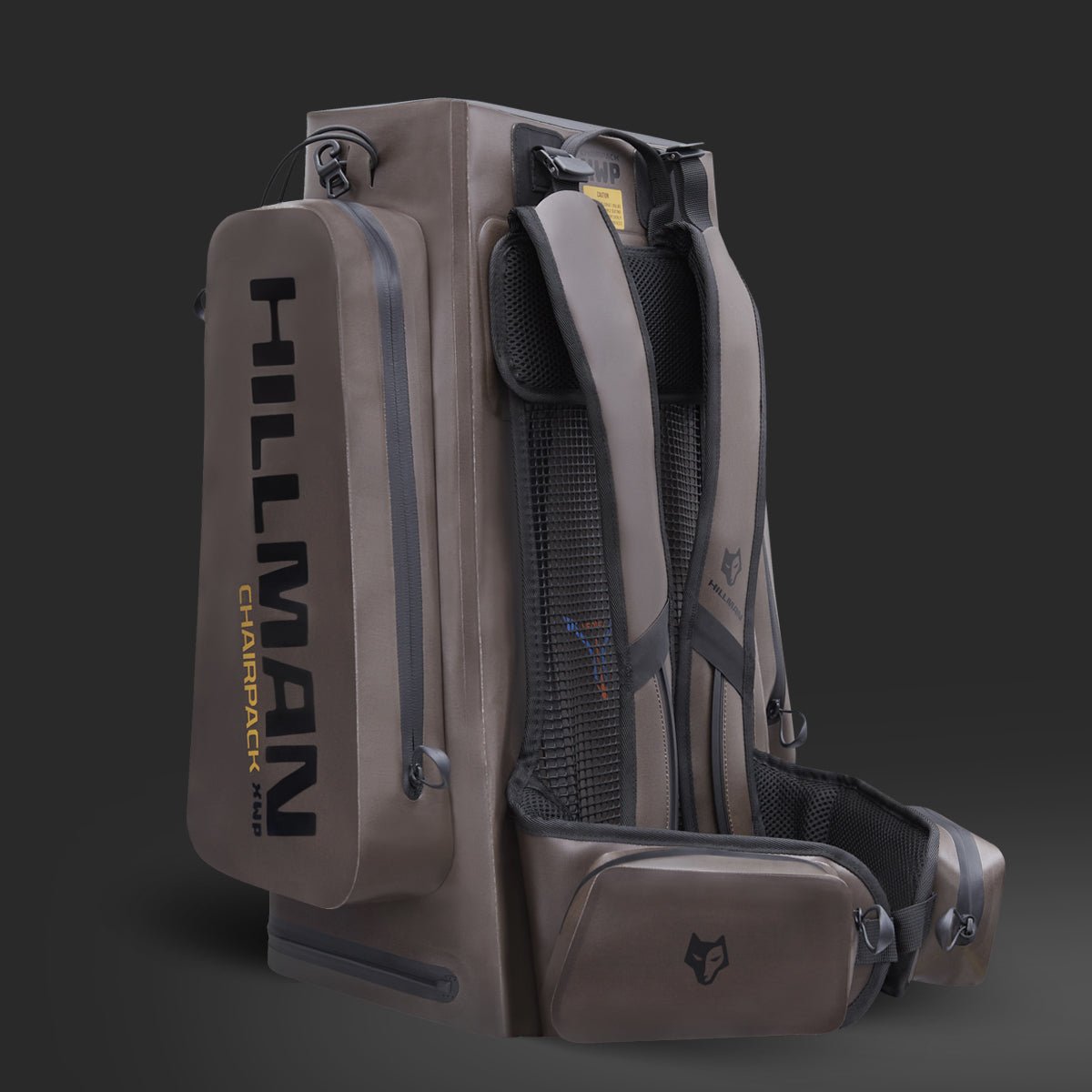
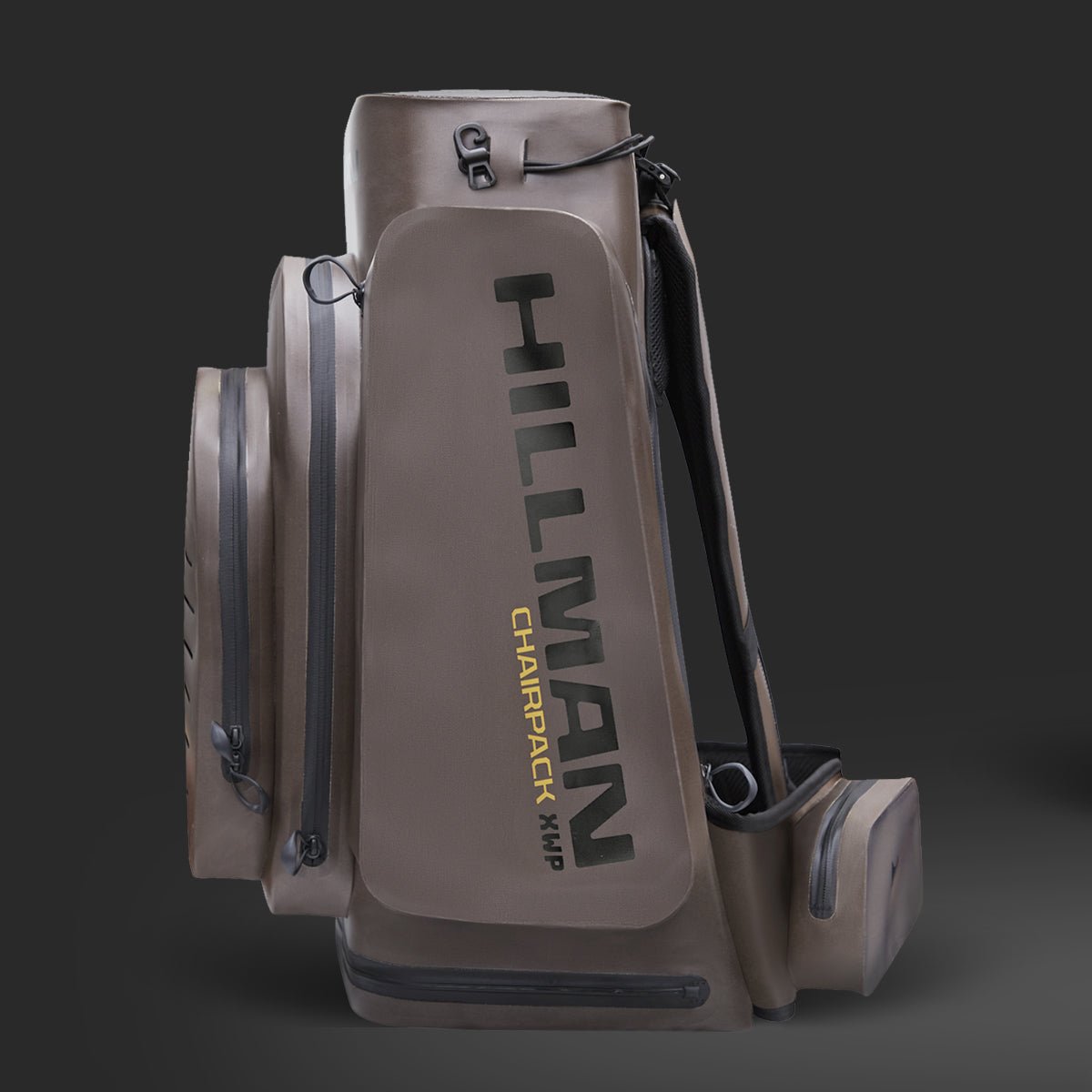
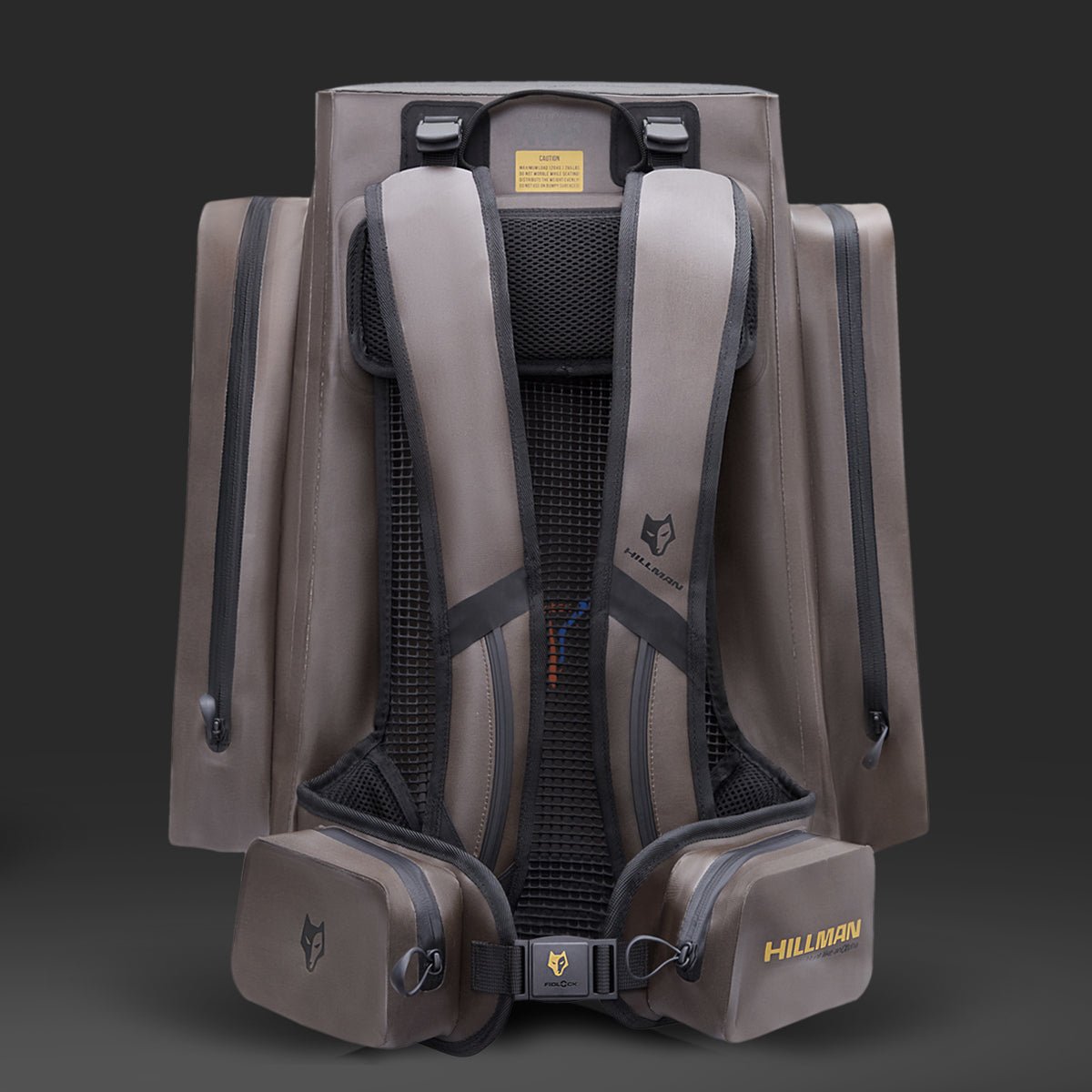
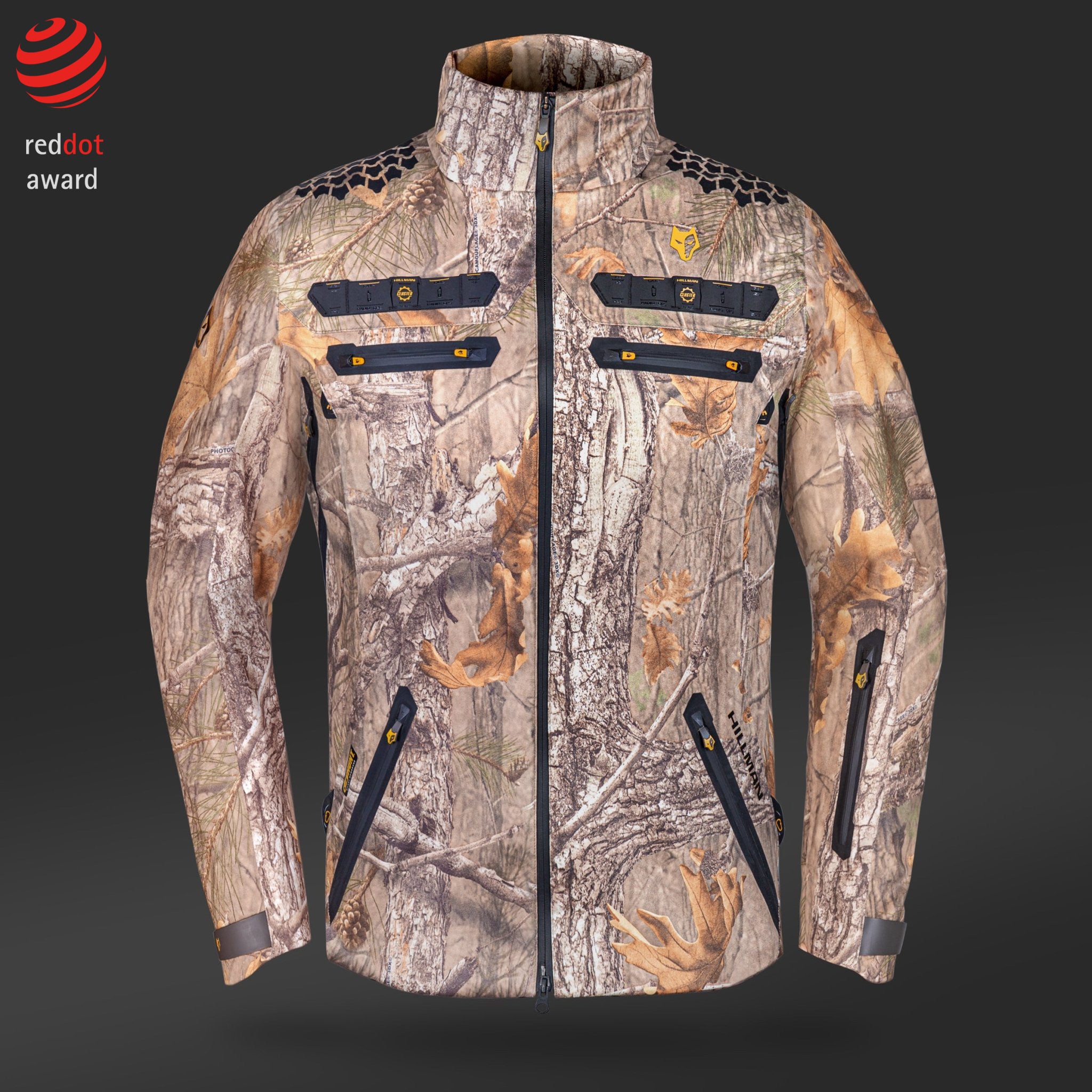
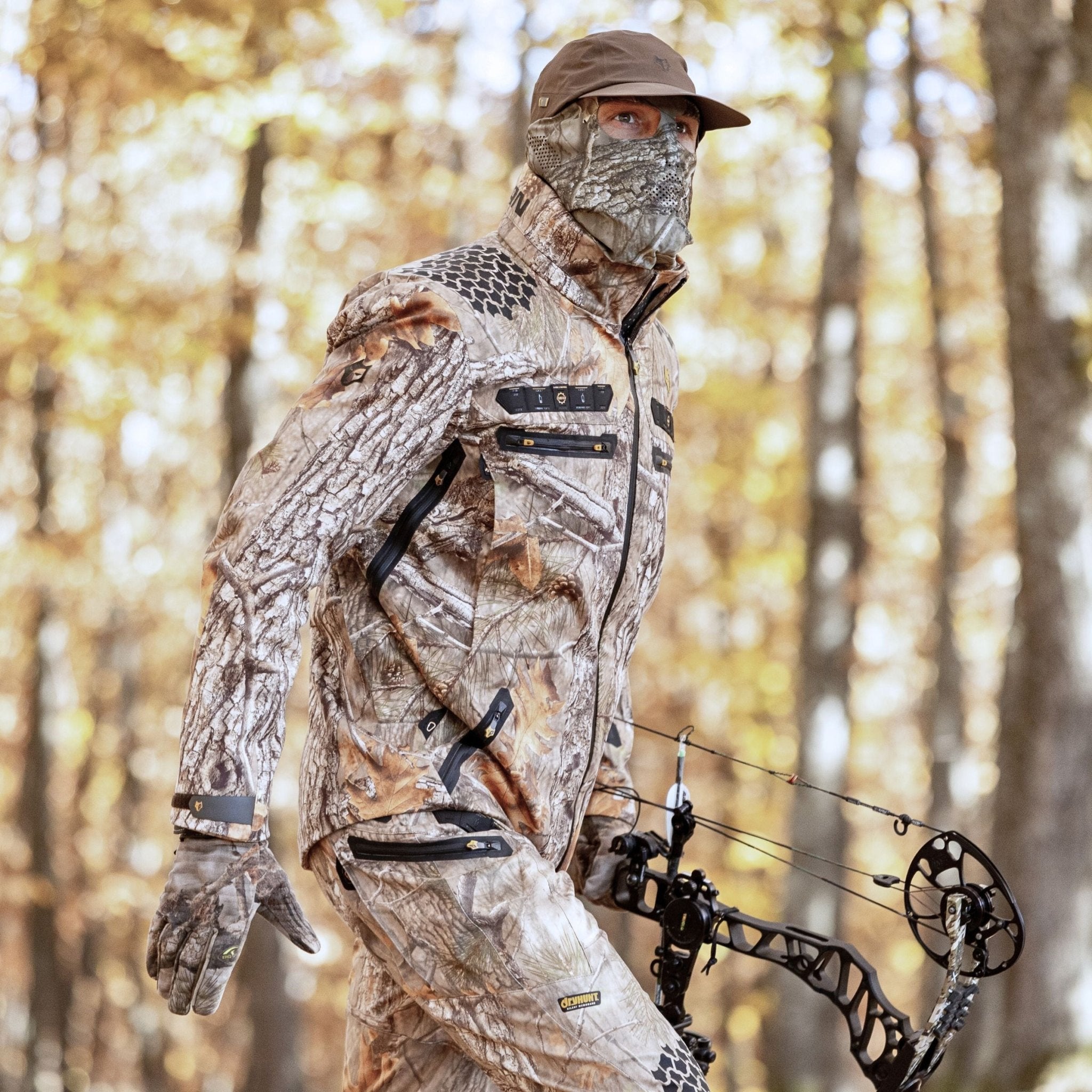
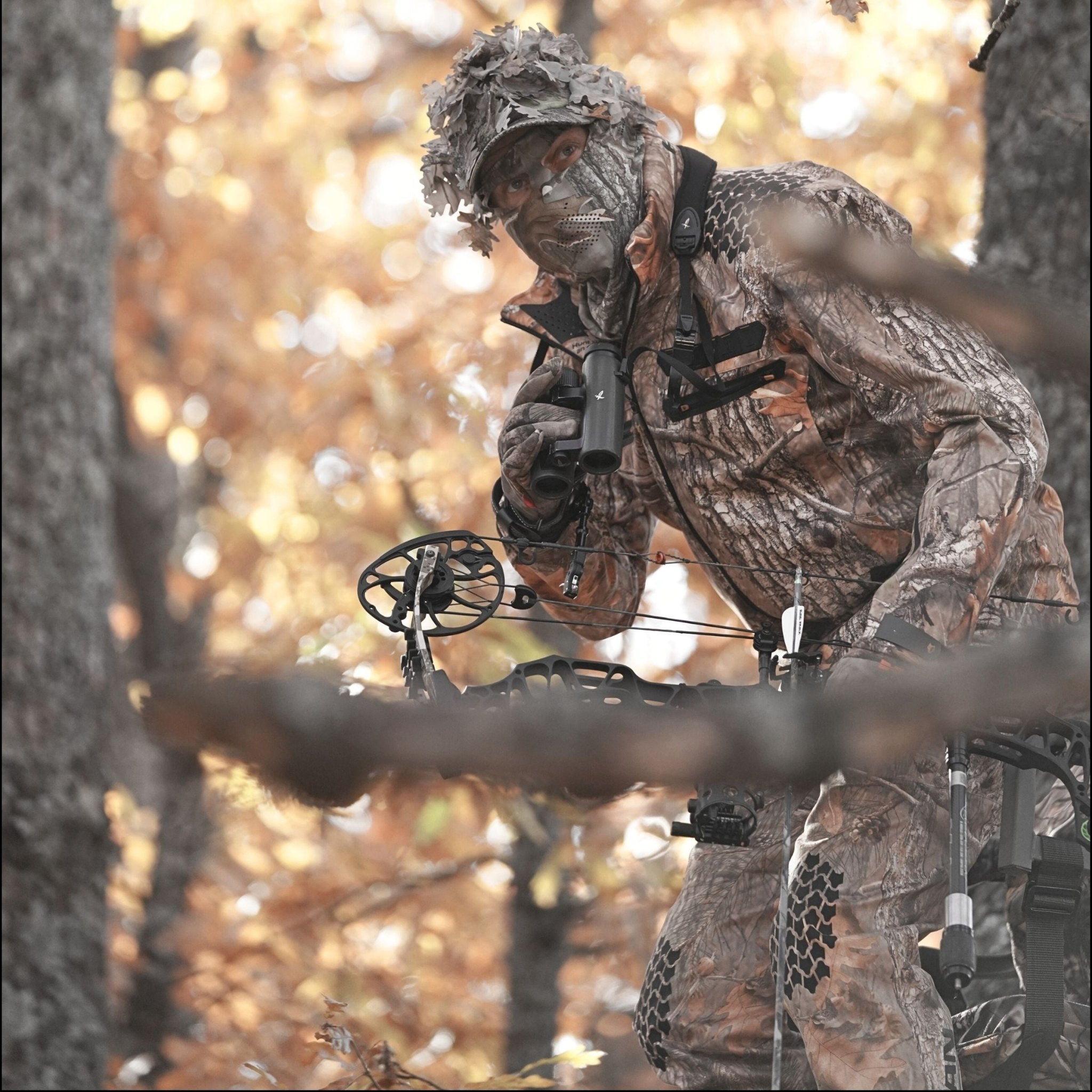
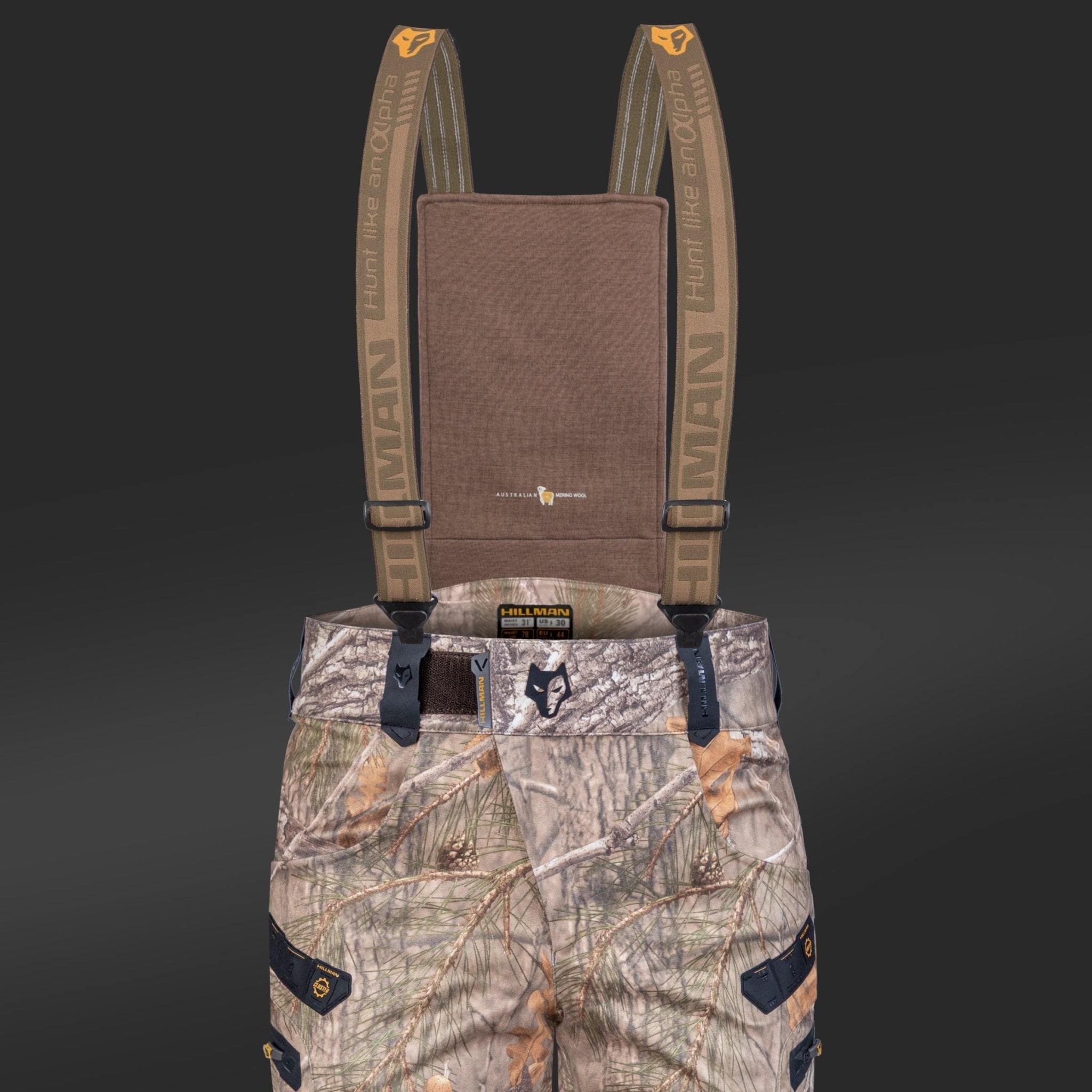
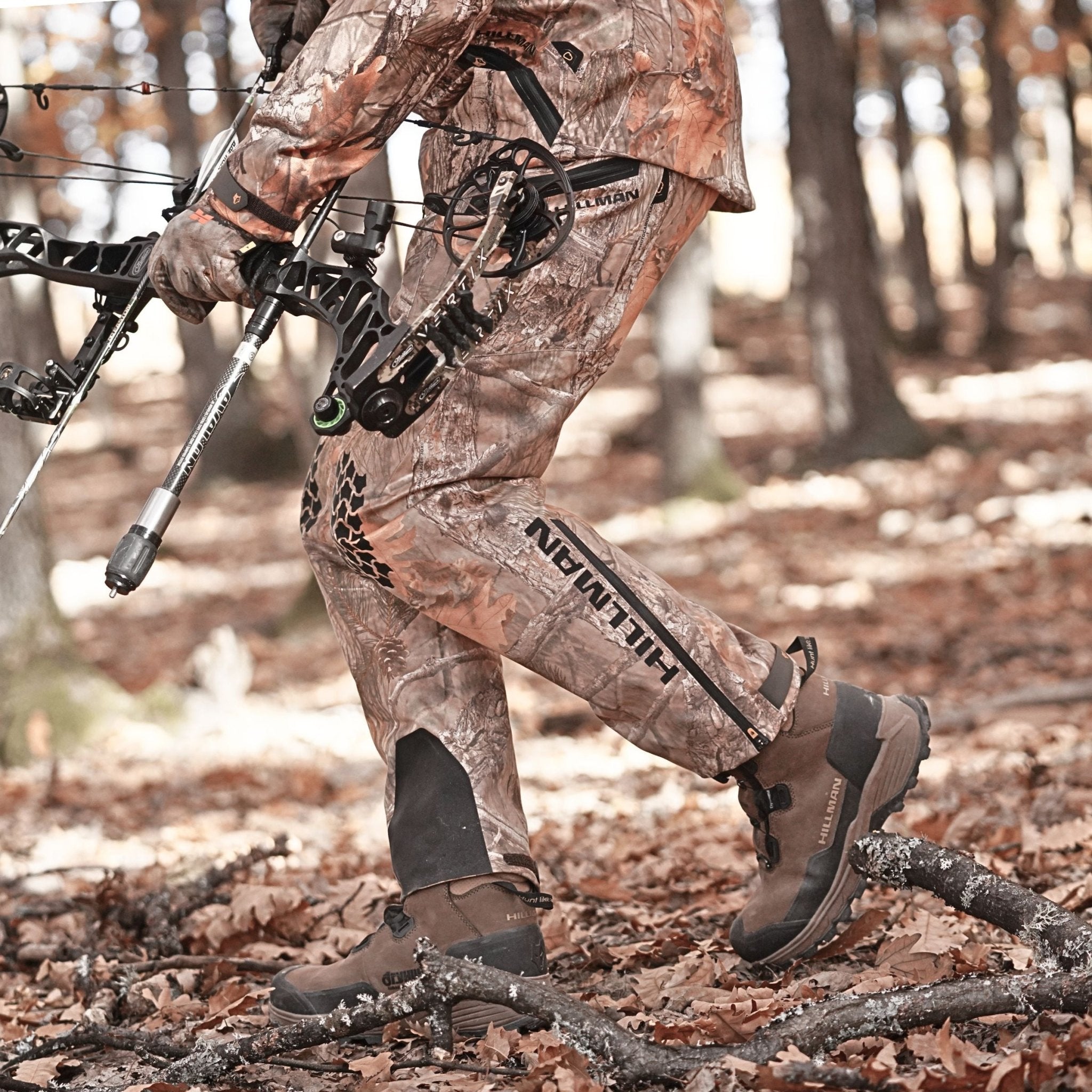
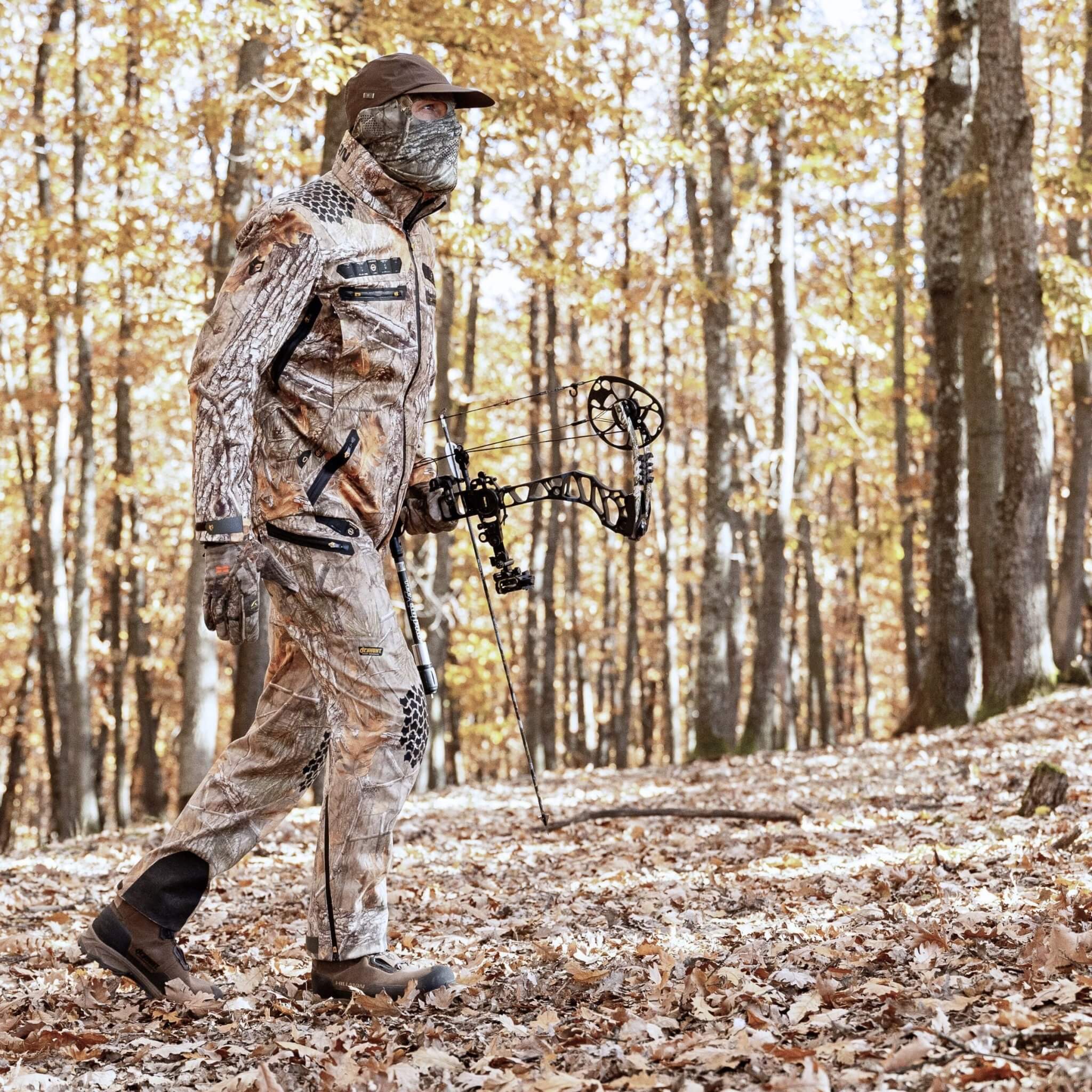
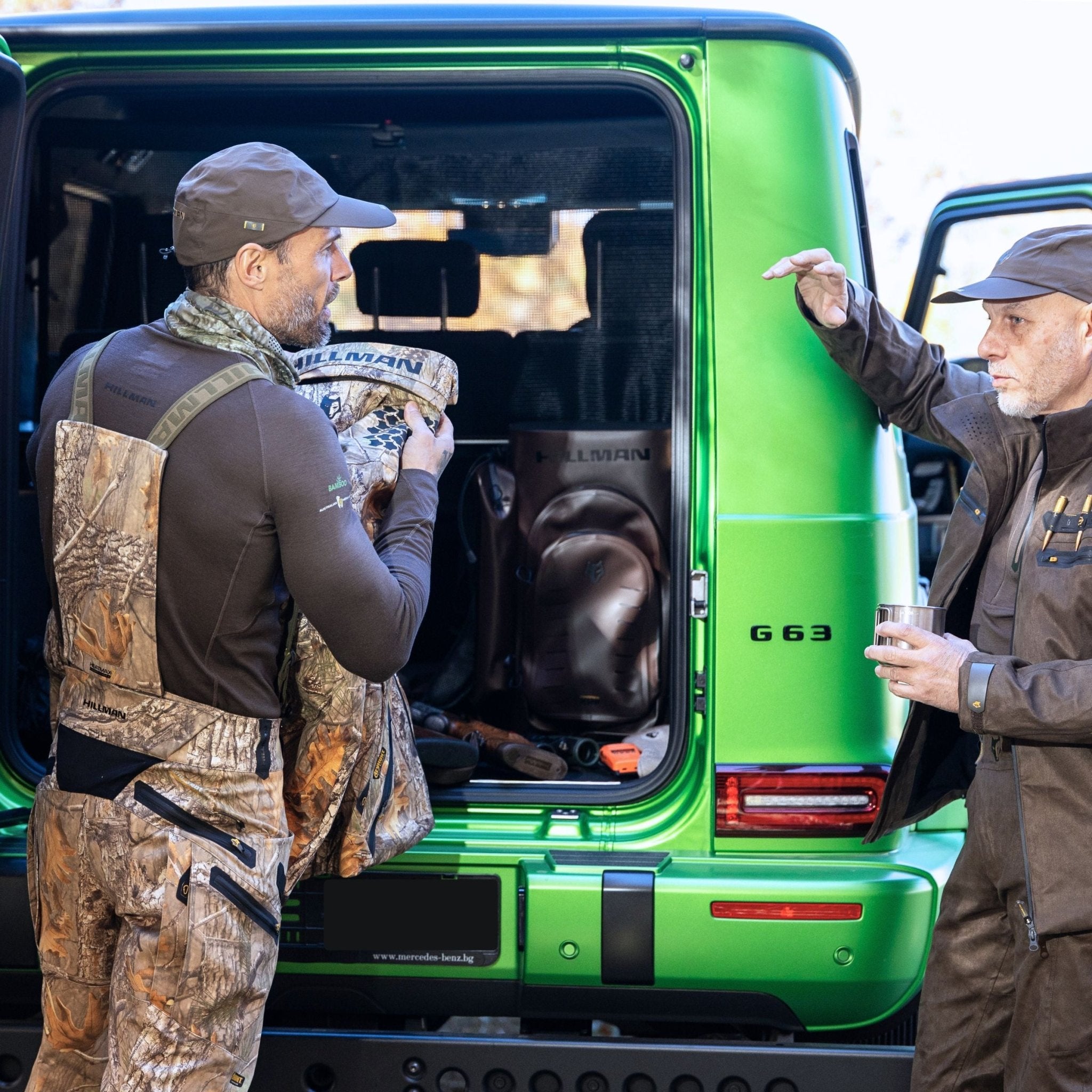
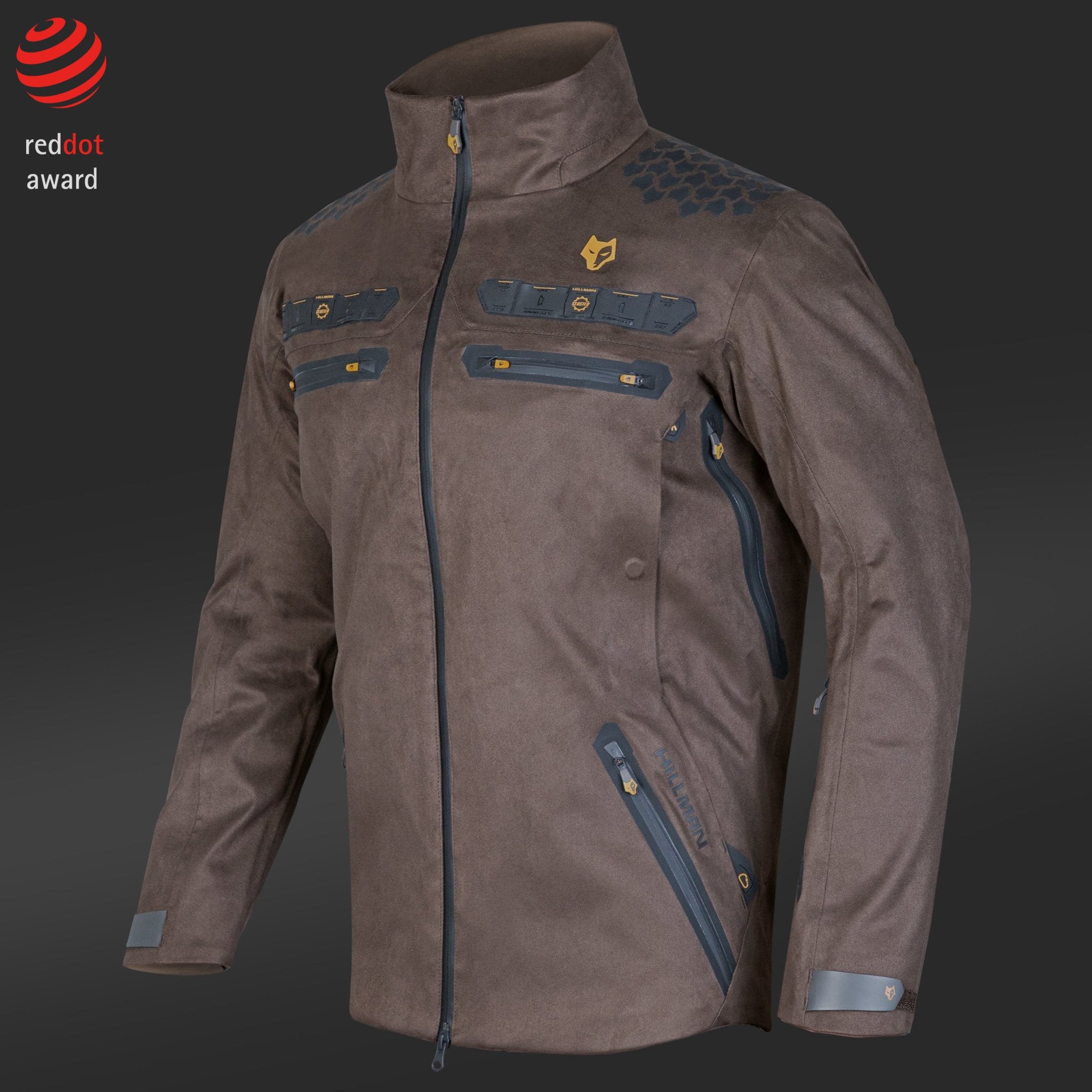
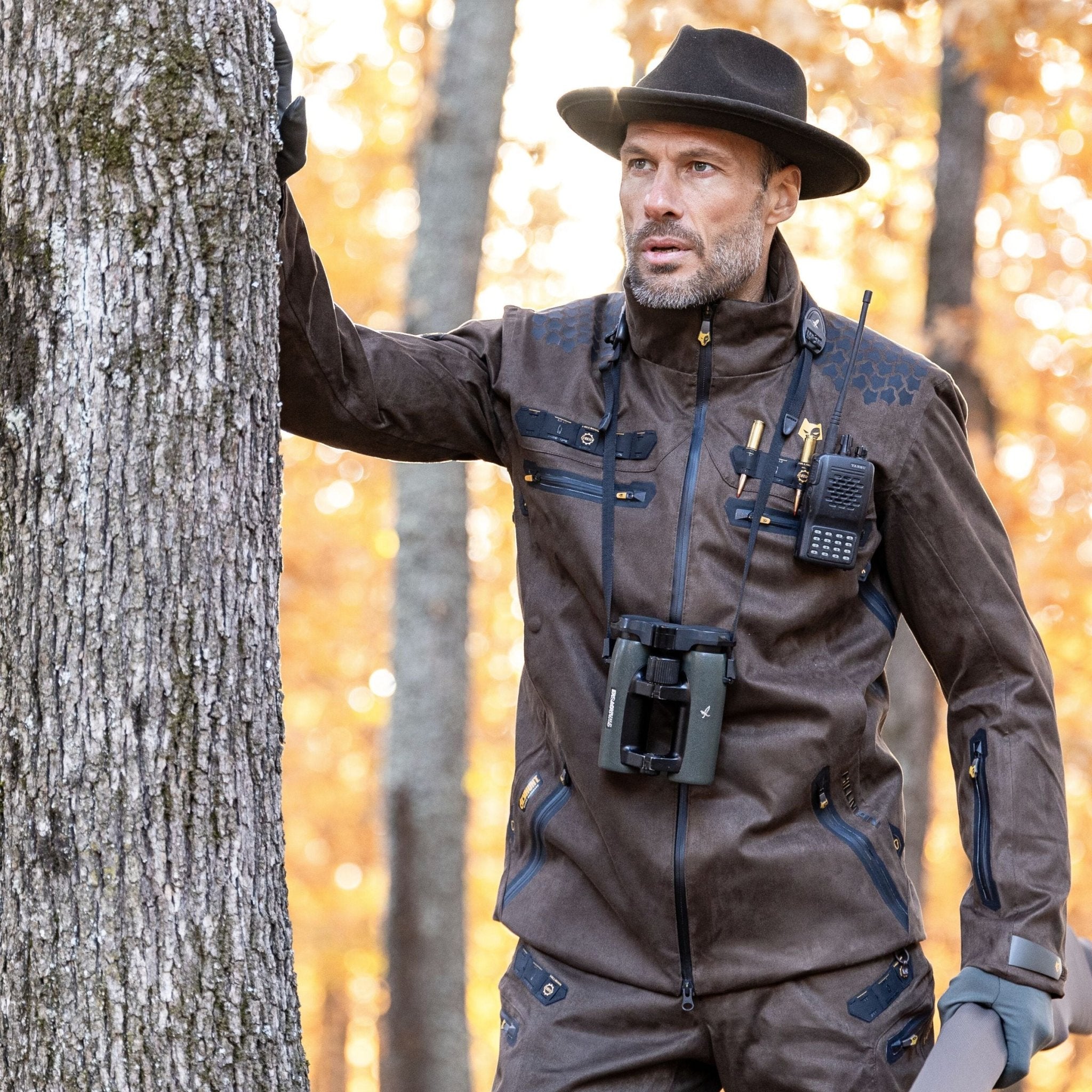
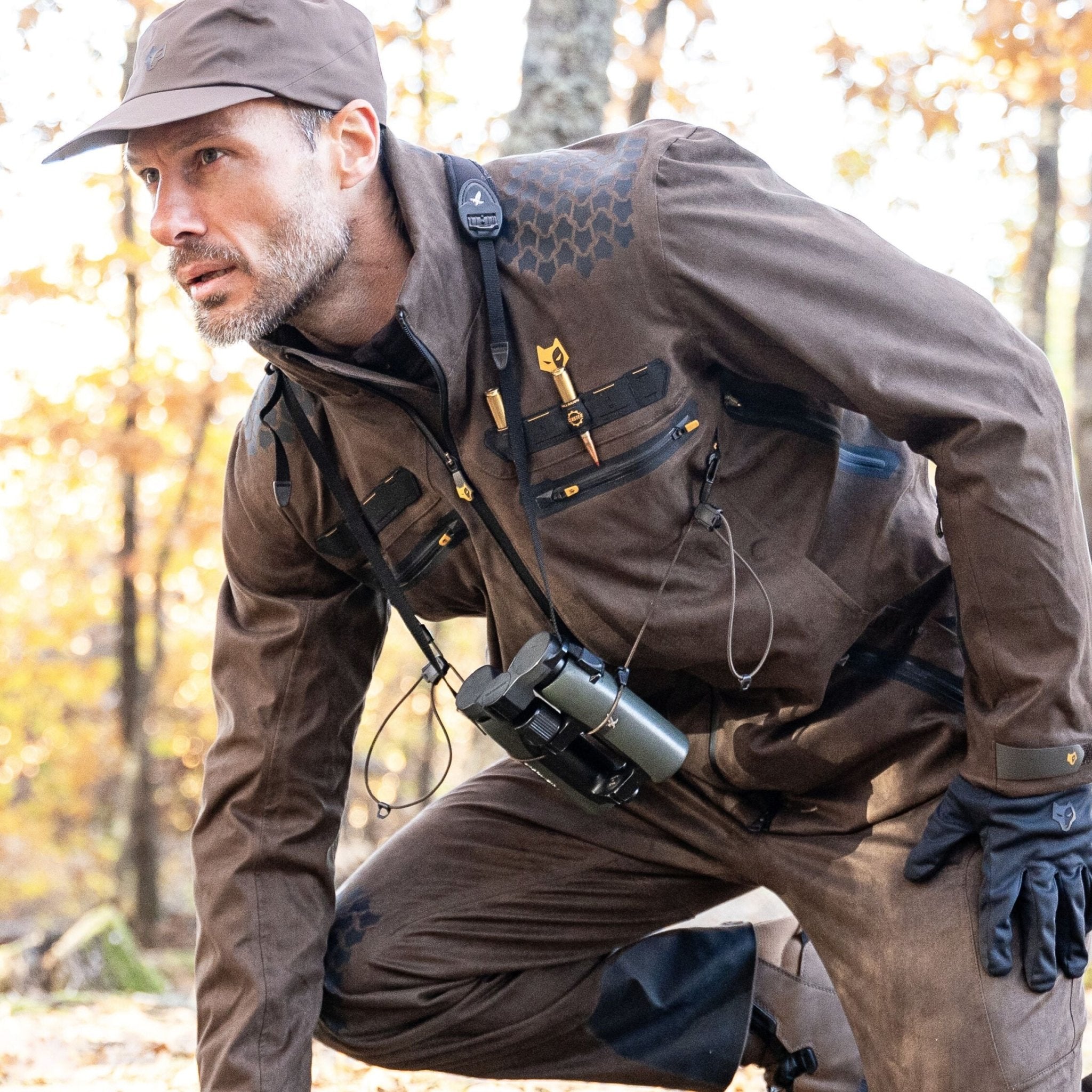
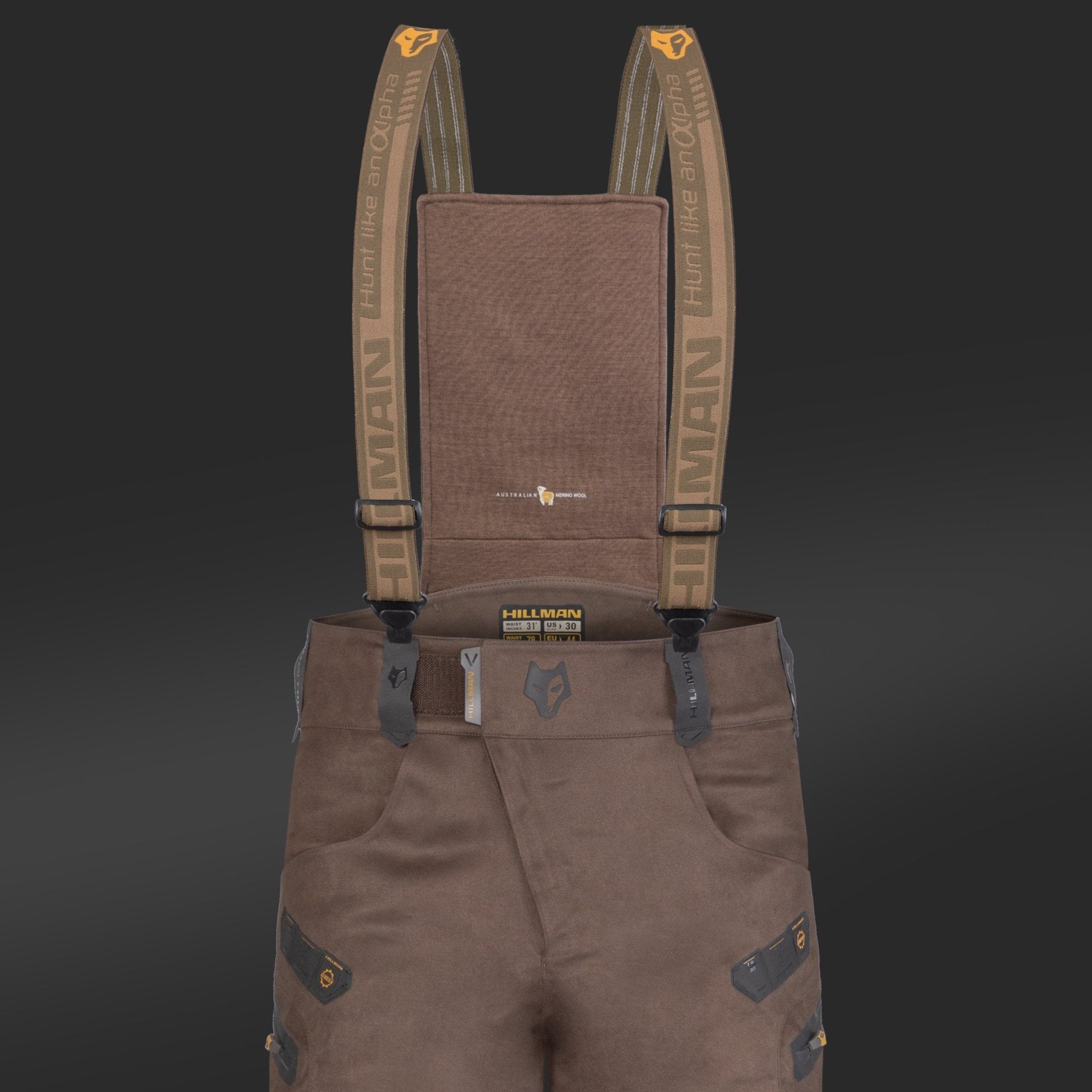
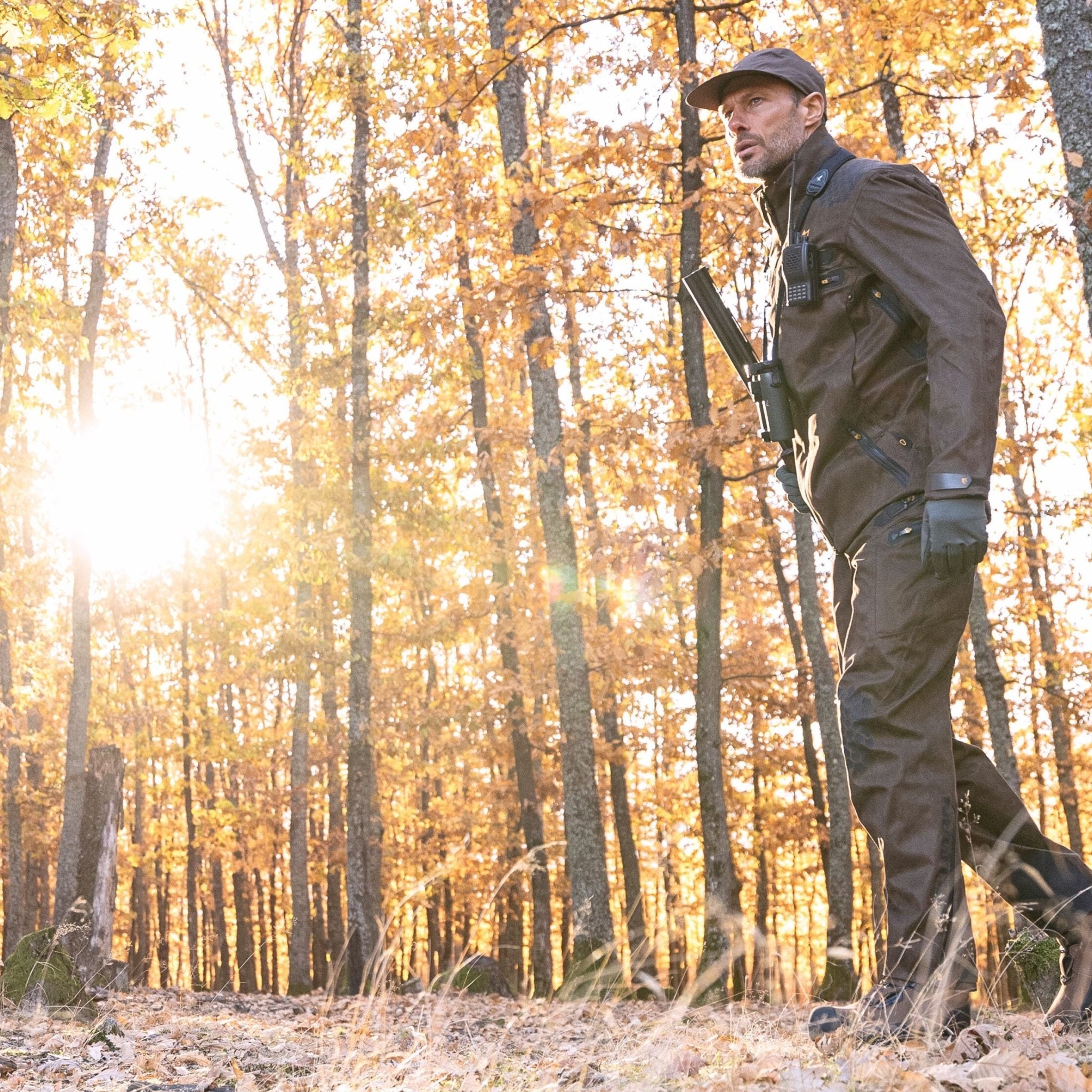
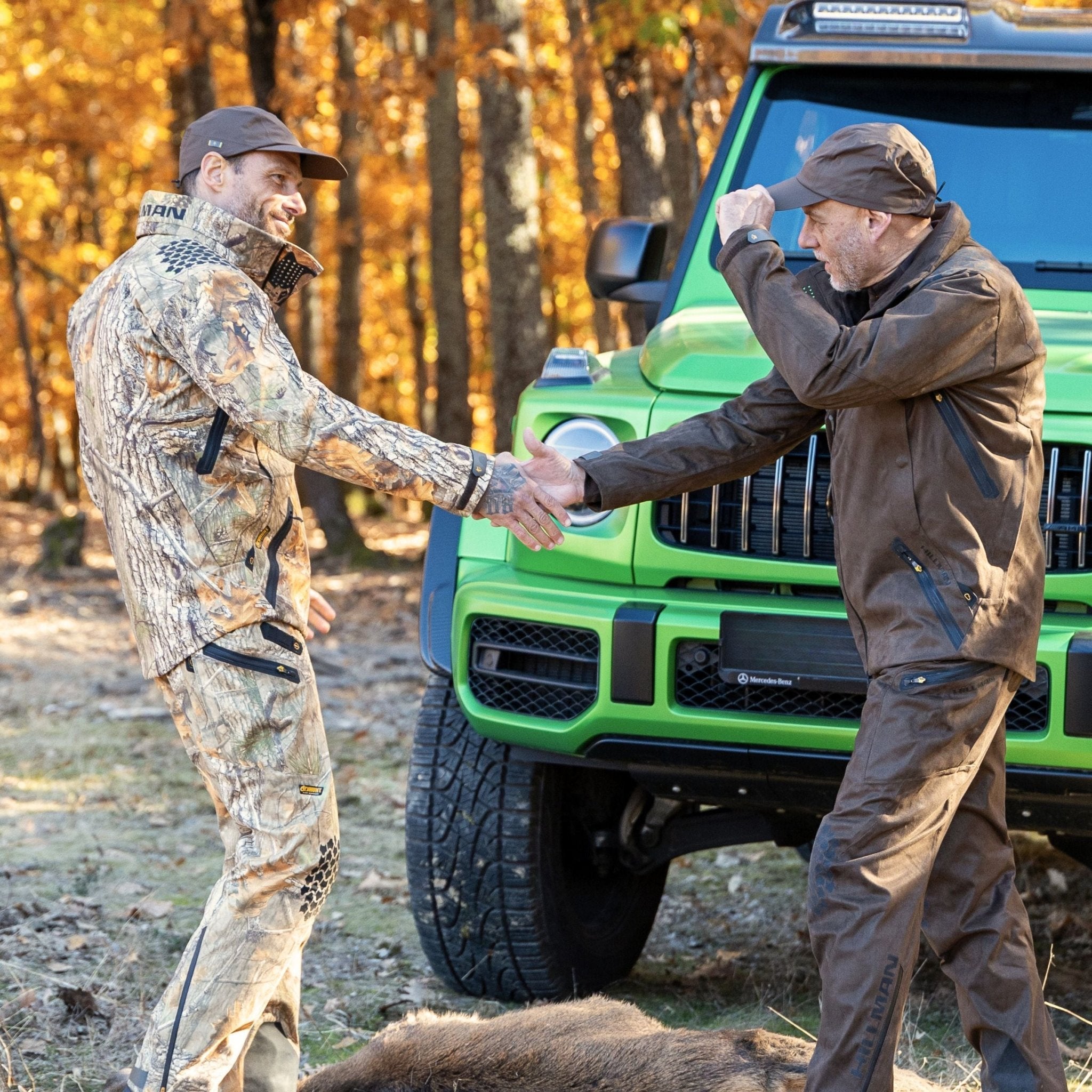
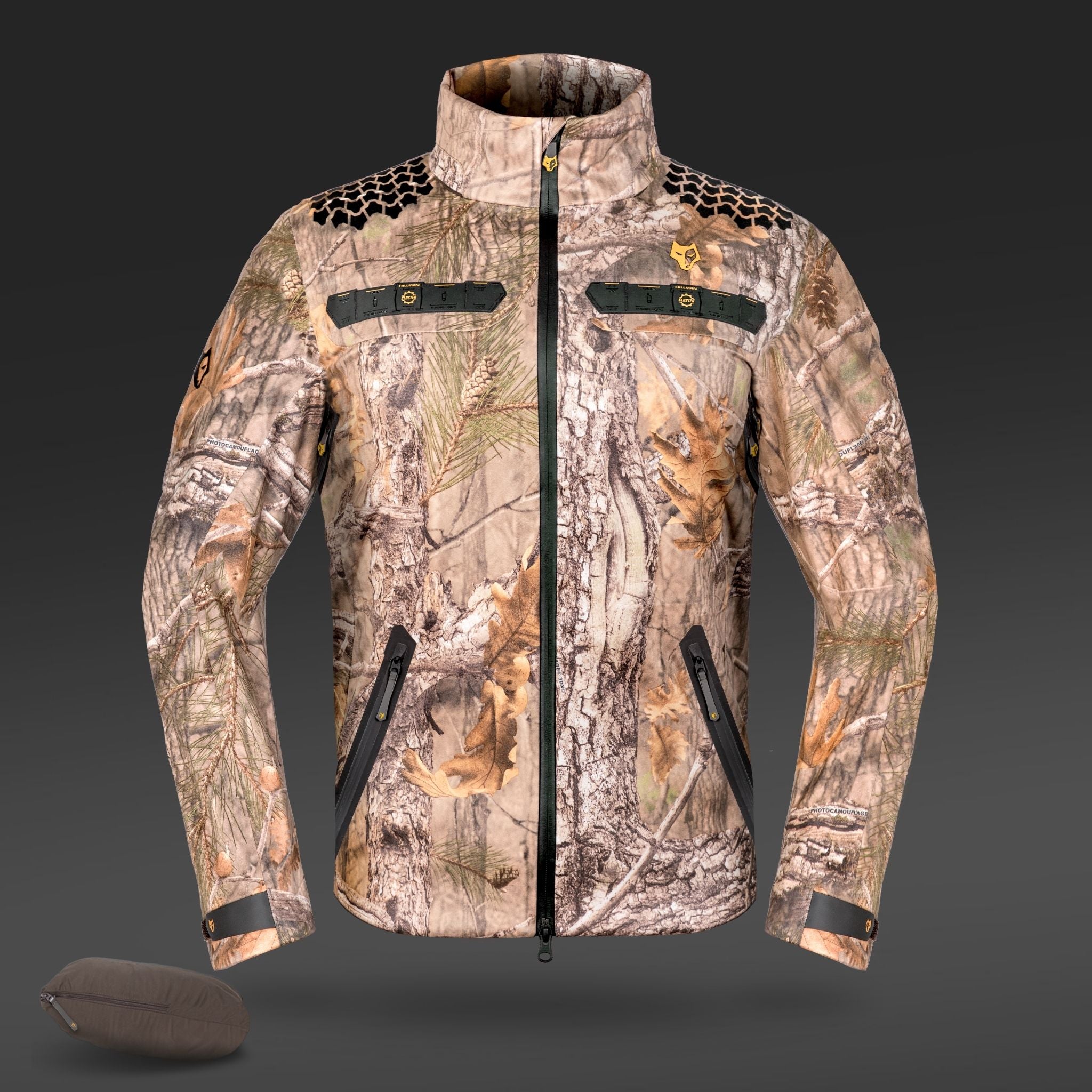
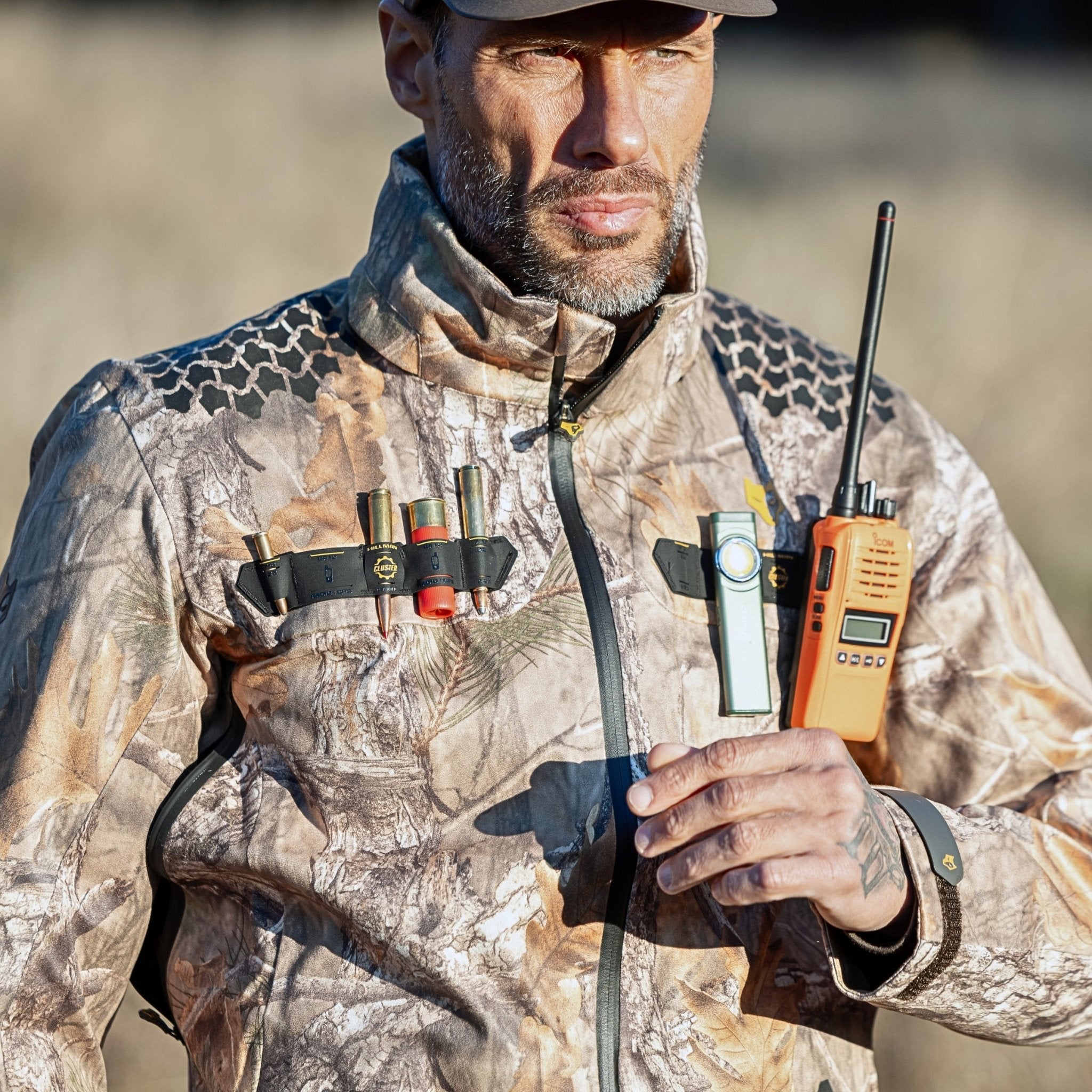
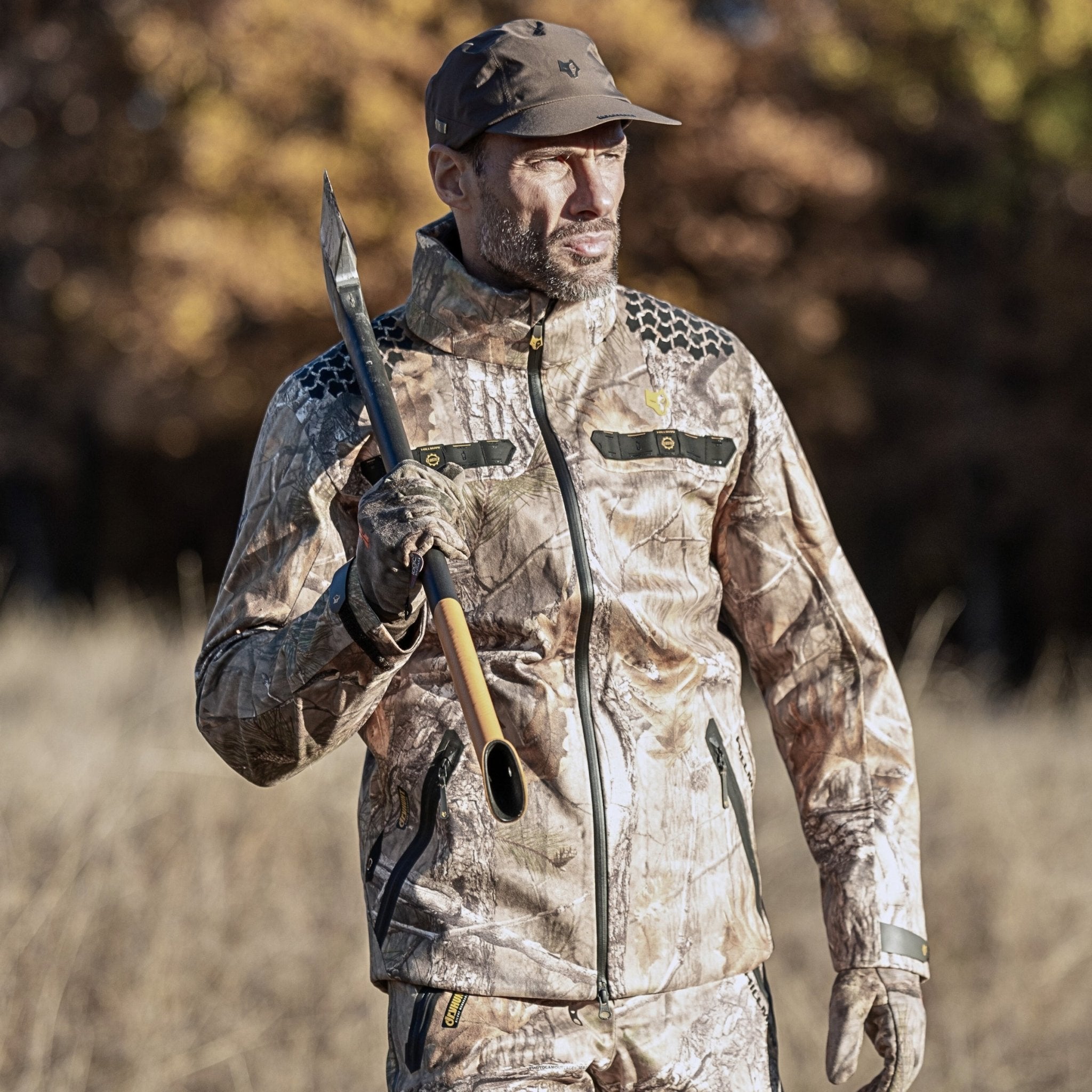
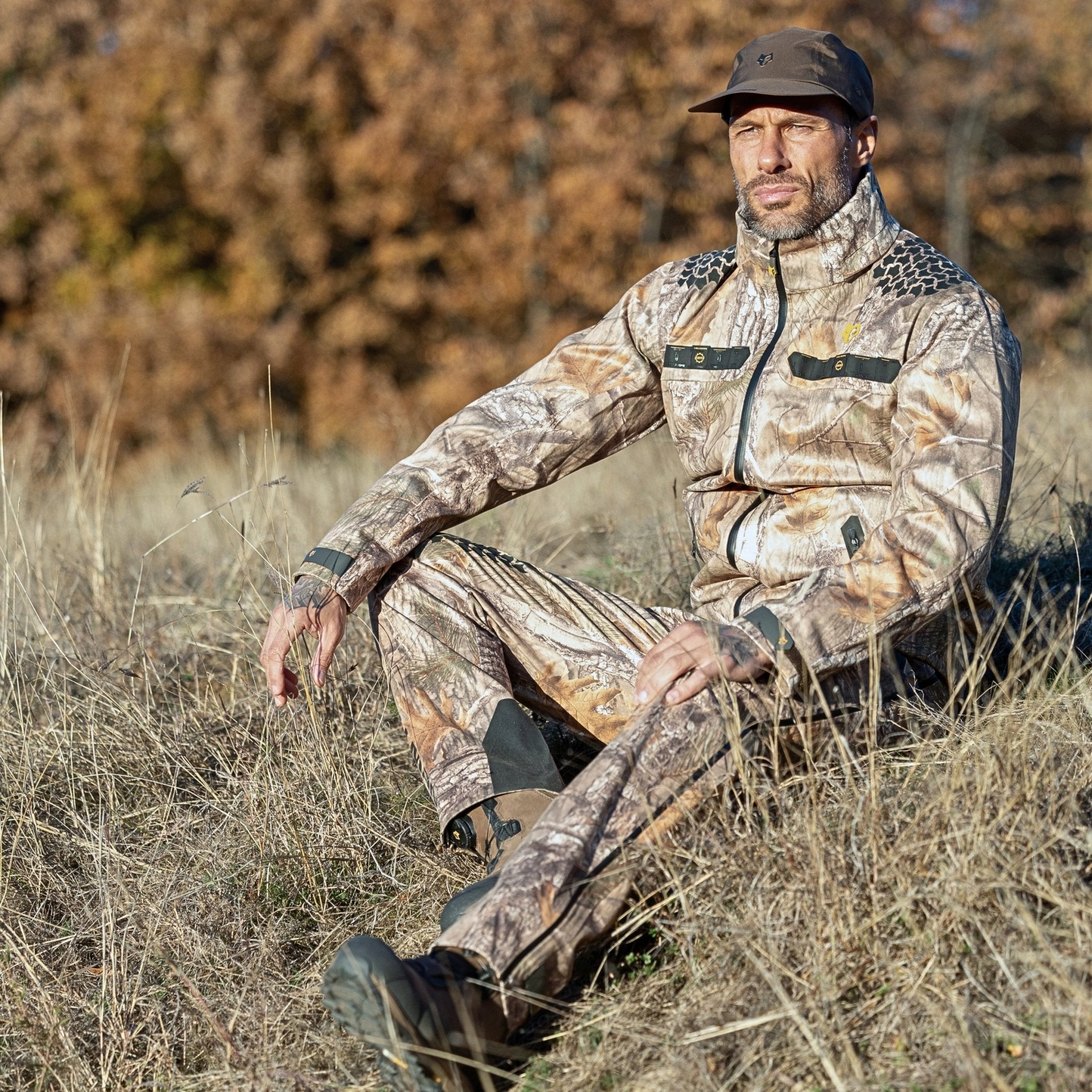
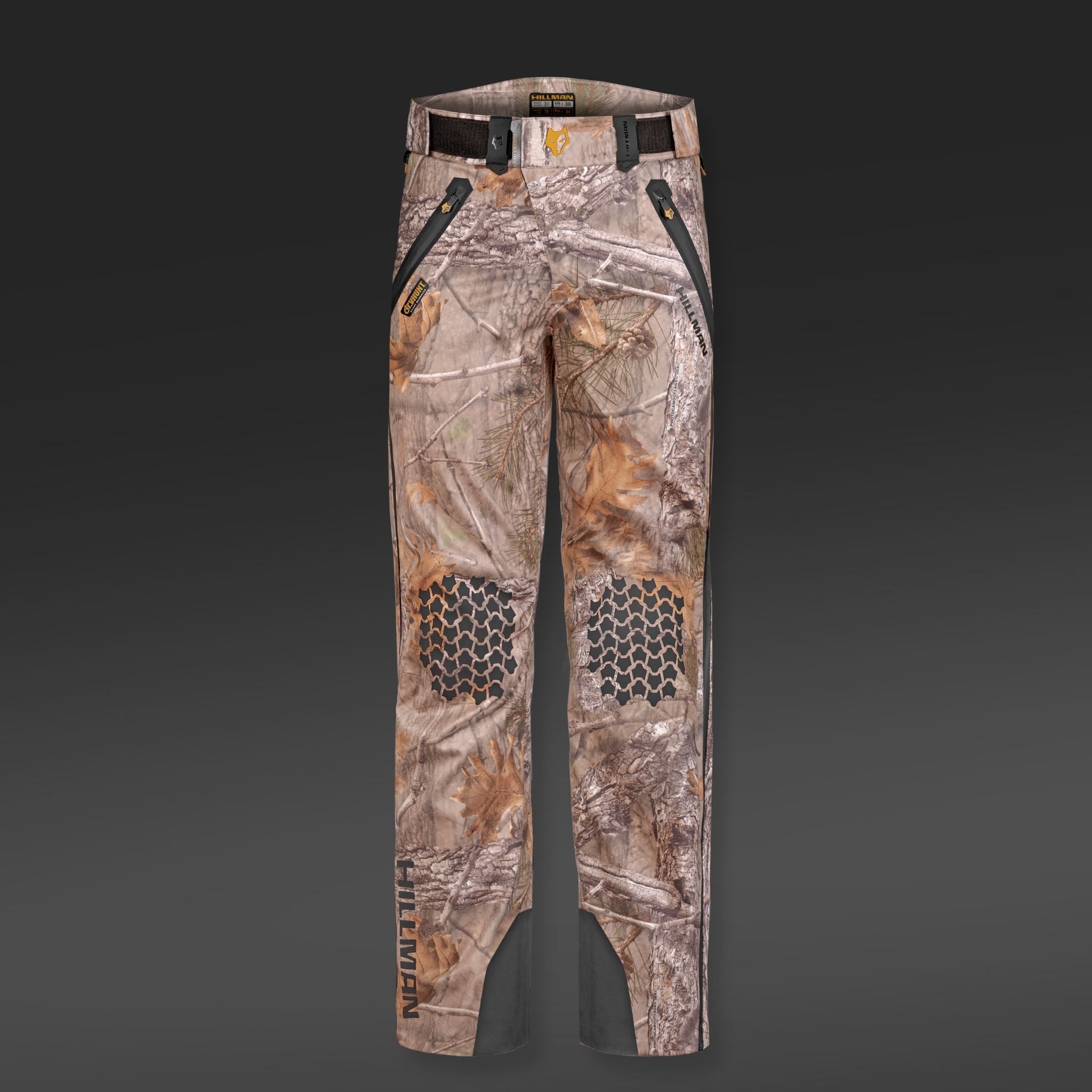
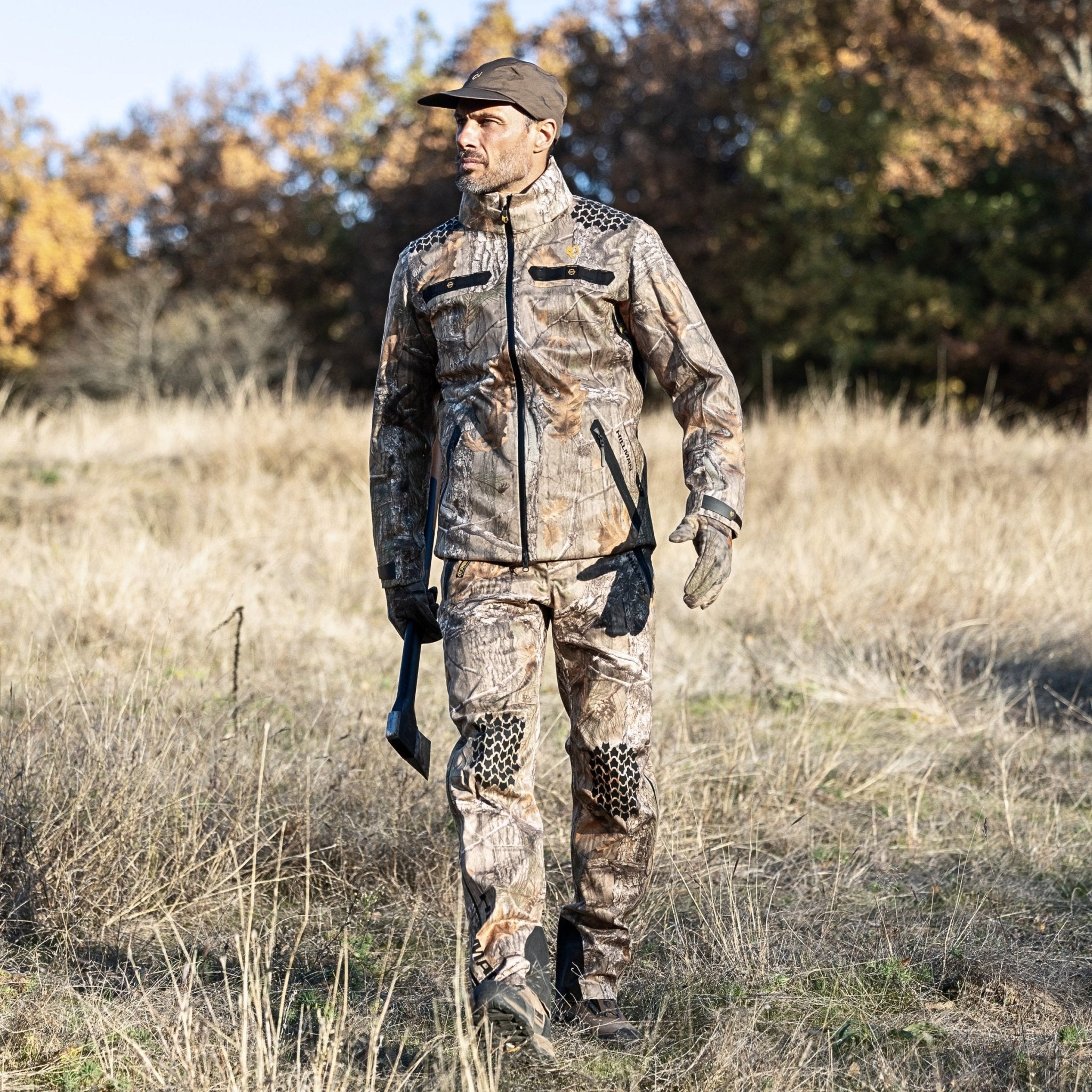
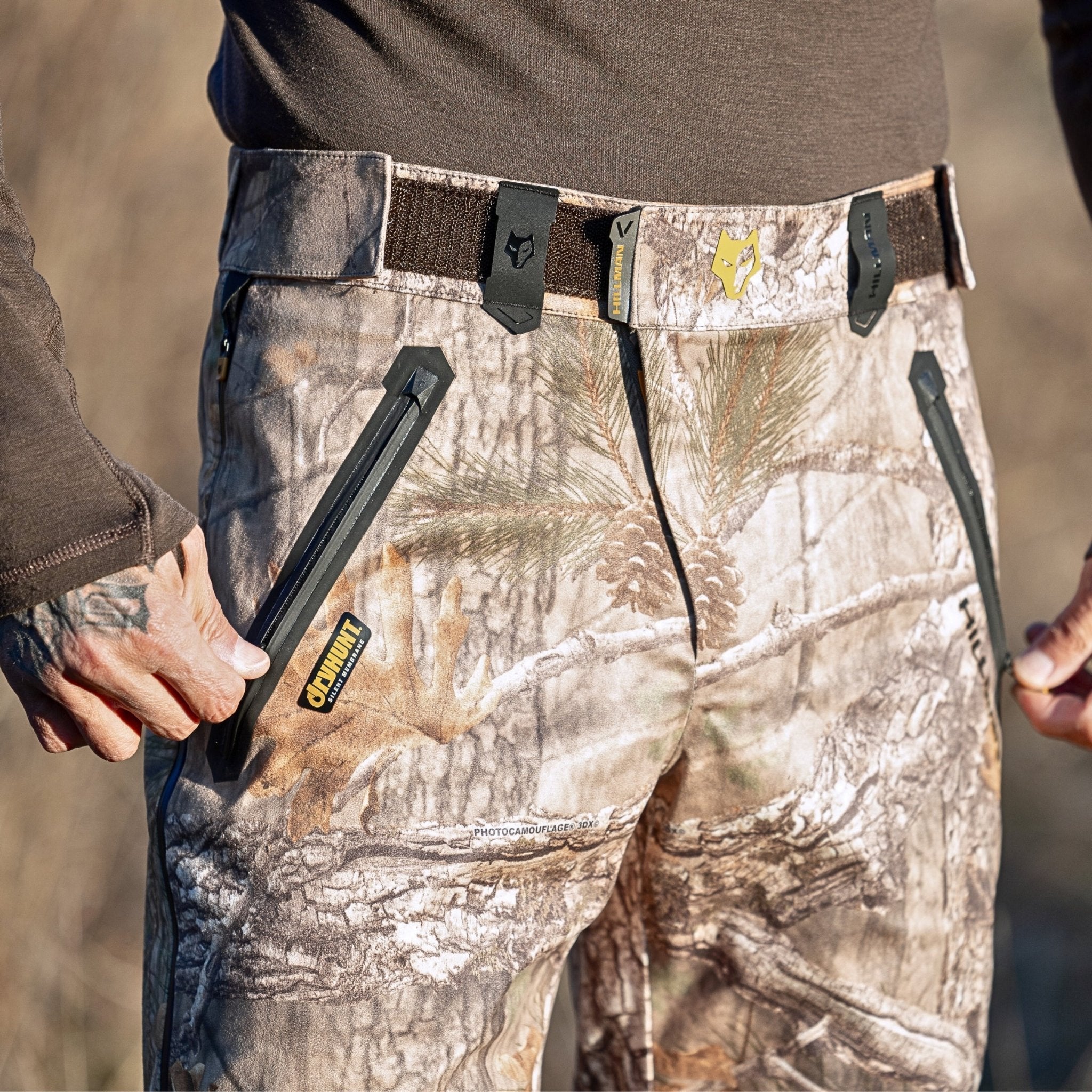
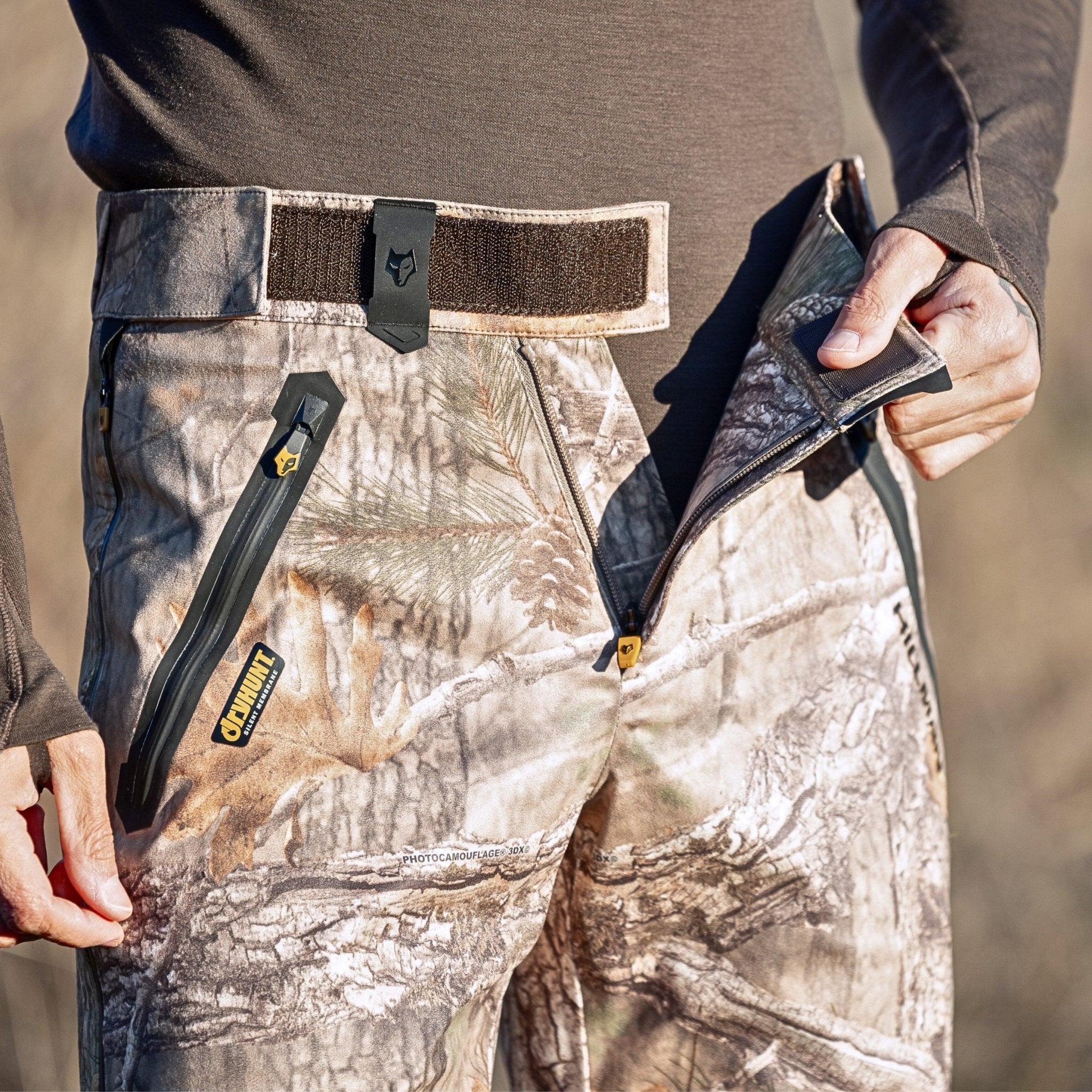
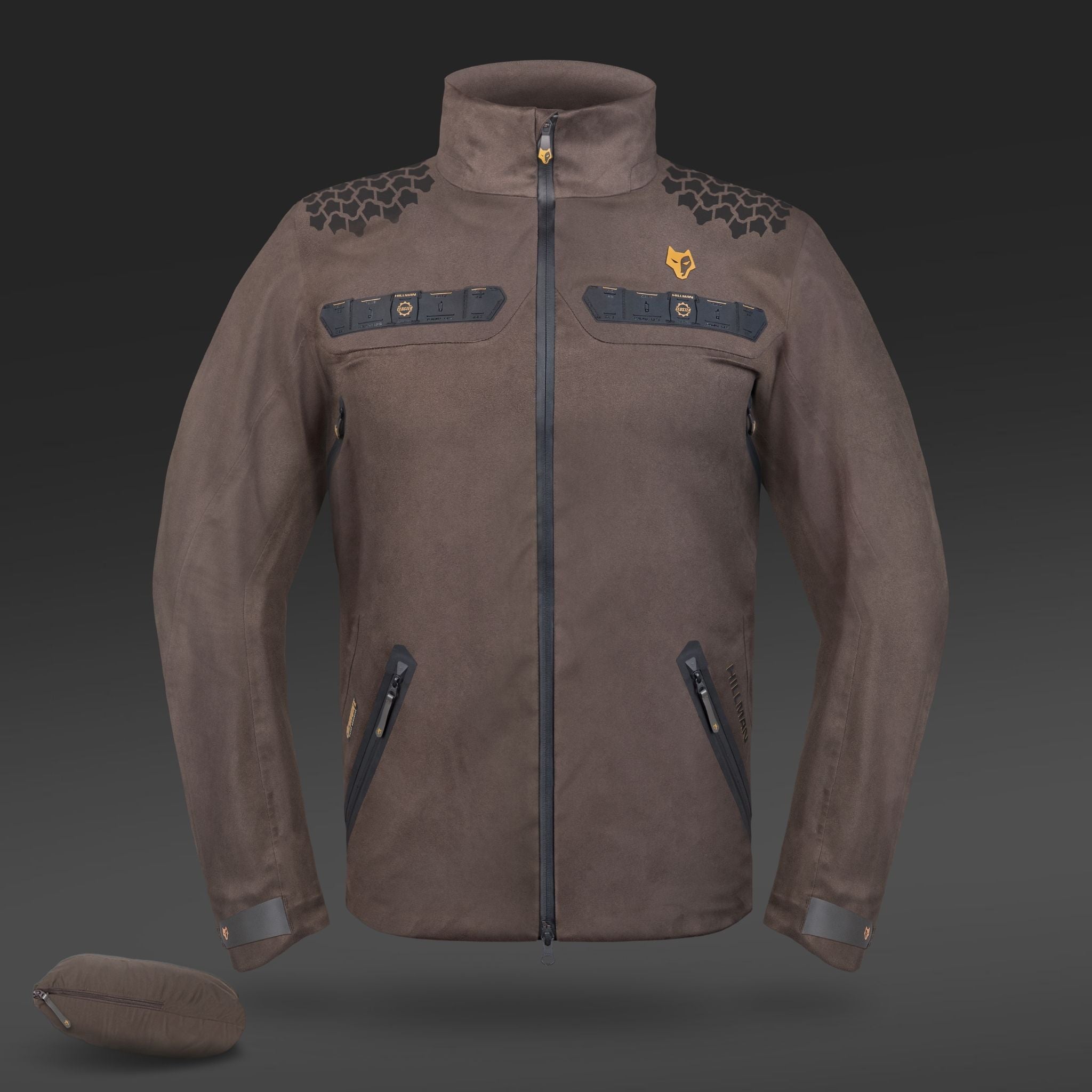
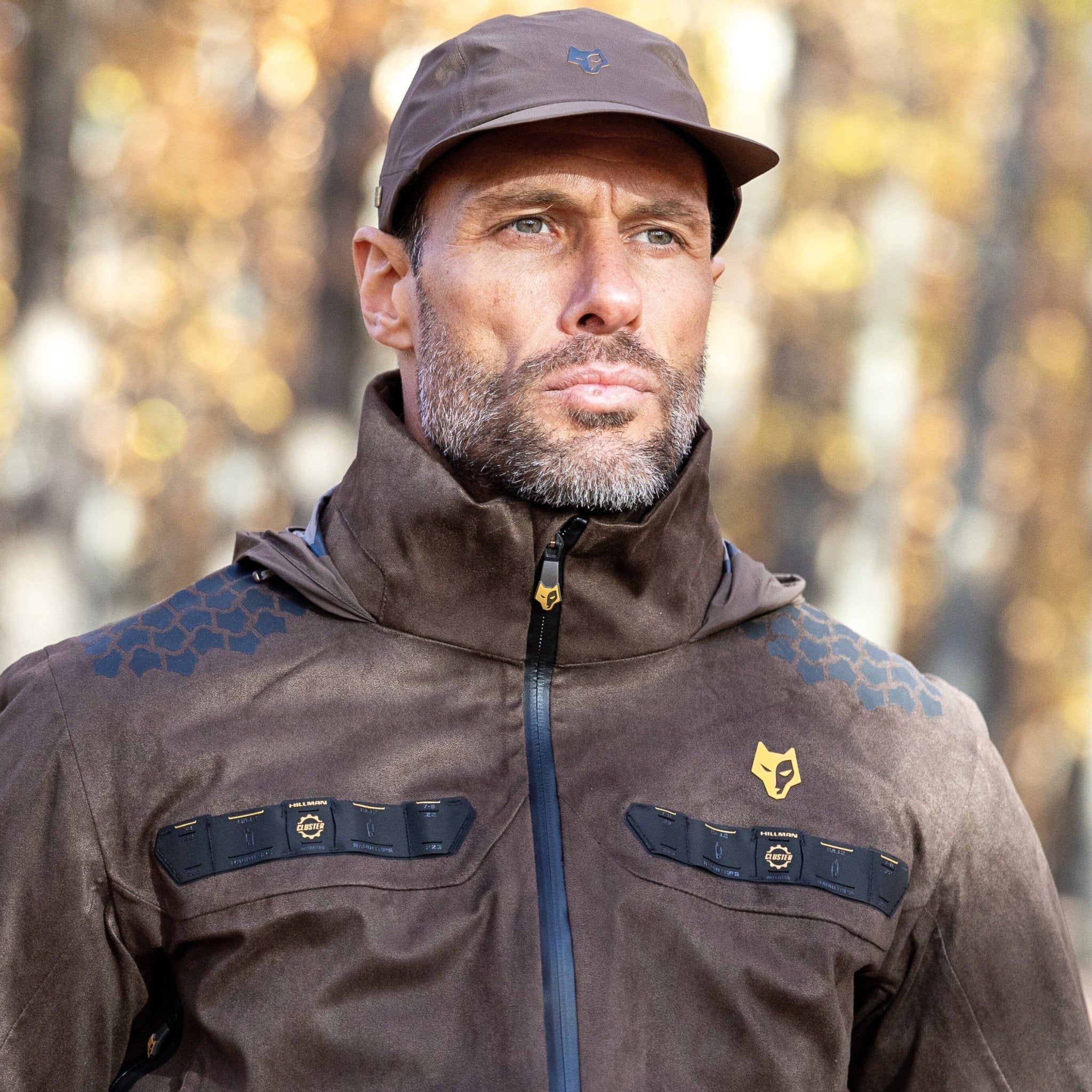
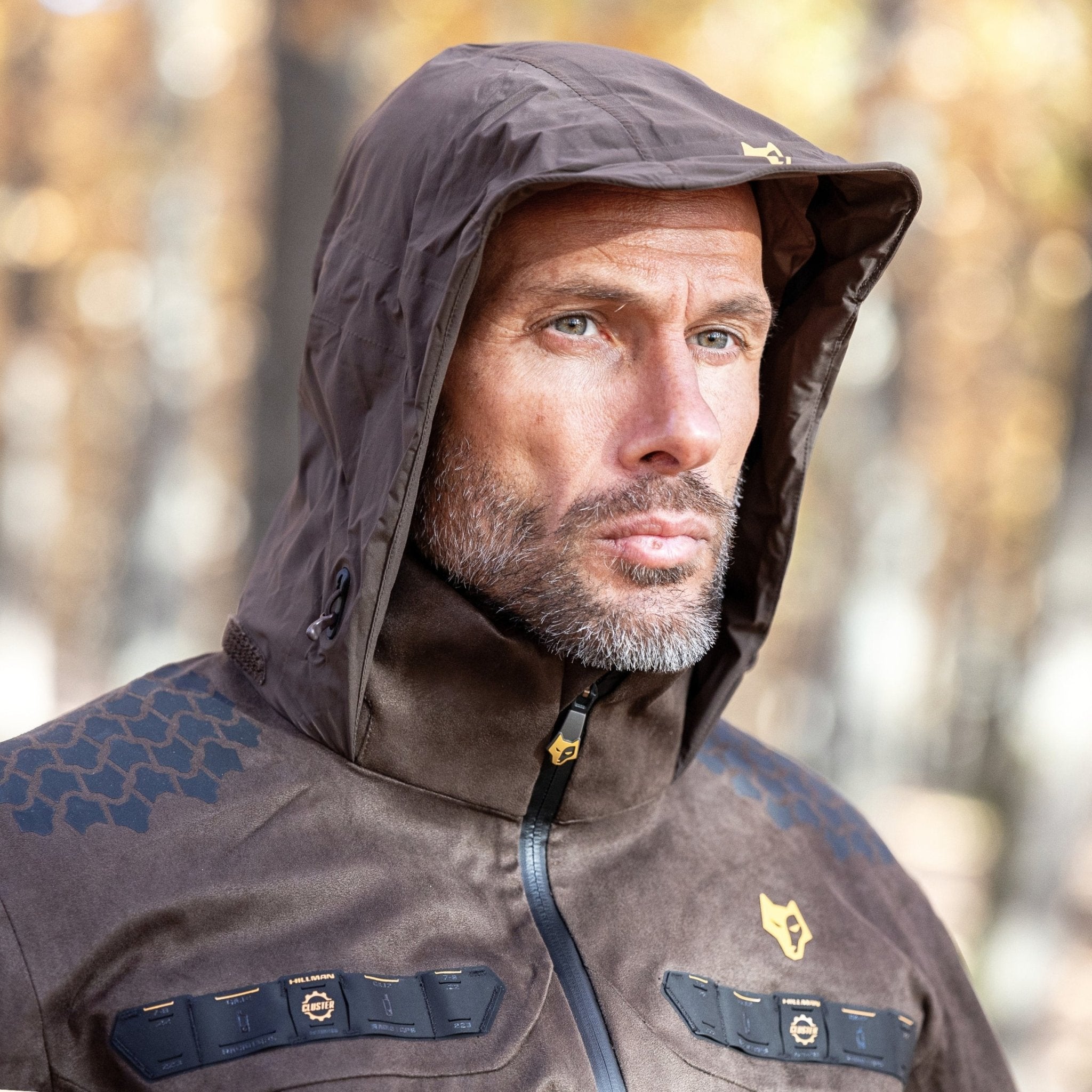
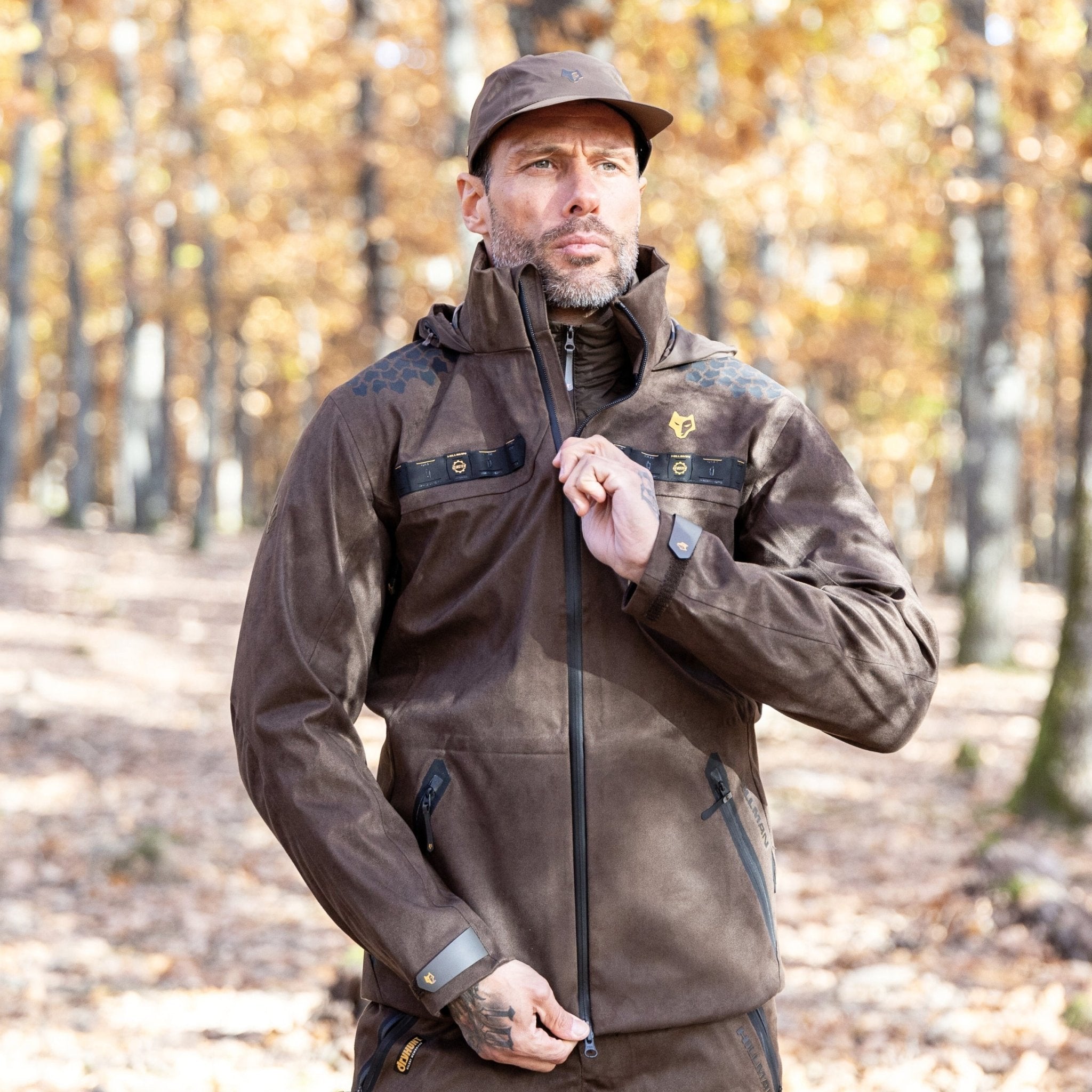
This is where good clothing and quiet kit help too. One mention is enough: Hillman fits naturally into this kind of day because winter cover asks for warmth, silence and freedom of movement rather than bulky kit that scrapes every branch.
Walked Up Woodcock Requires Discipline, Not Just Good Reactions
Walked up woodcock shooting can look informal from the outside, but it is one of the more demanding forms of game shooting. Birds flush unexpectedly. Ground is uneven. Dogs are working close. Trees, banks, ditches and other shooters change the picture every few steps.
A typical walked up shooting day may have four to six shooters and two to four dog handlers, with a captain responsible for safety, pace and communication. That structure matters. Without it, the line stretches, angles become unclear, and a quick flush can turn into an unsafe situation.
Shooters need to be fully aware of where the other guns are, where the dogs are, where the handlers are, and where the safe shooting zones begin and end. Woodcock can fly low, curl back, or break across the line in a way that tempts a rushed shot. The answer is simple but not always easy: do not shoot unless the bird is clearly safe.
Communication is part of the shooting, not something that happens between shots. A quiet word passed down the line, a hand signal, a pause while dogs work a patch of ground, or a clear instruction from the captain can prevent confusion. On difficult terrain, that calm communication is as important as marksmanship.
Slow Footwork Lets Dogs Work the Ground Properly

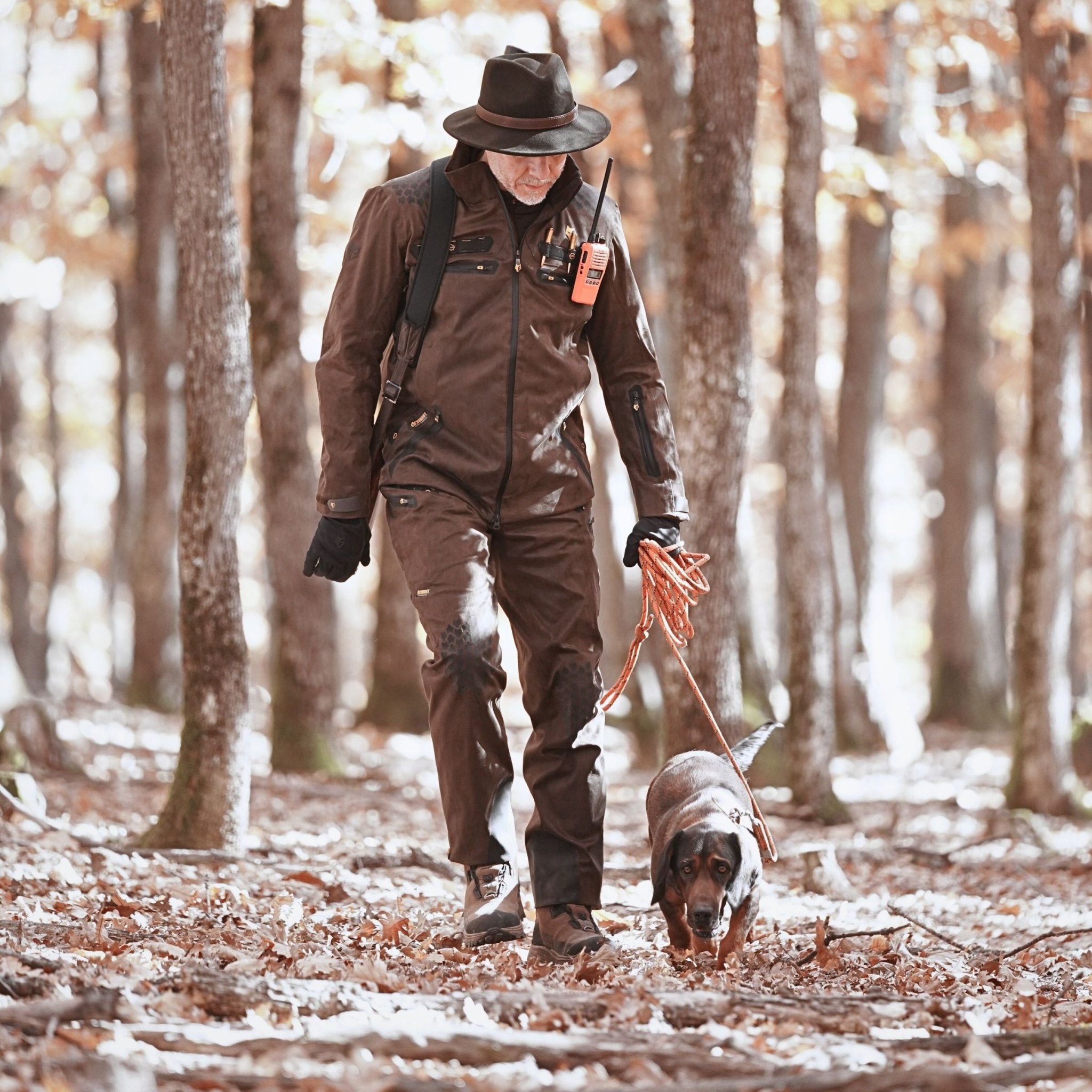
When walking up woodcock, slow footwork gives dogs time to do their job. Rushing through cover is one of the easiest ways to waste a day. The dogs start chasing scent that has already been trampled. Birds lift too far out. Shooters arrive late to the moment. The whole thing becomes noisy and untidy.
Woodcock may hold tight, but they are not stupid. They feel vibration, hear heavy steps and notice disturbance through cover. The slightest careless movement can push a bird before anyone is ready. Slow, erratic movement is usually better than a steady march. Stop often. Let the woods settle. Let the dogs check a patch twice if they need to. Watch their body language instead of staring only at the space ahead.
Quiet footwork matters because woodcock often sit in places that seem too close to hold a bird. Beside a stump. Under holly. In a damp hollow between tree roots. At the edge of open spaces where feeding may have happened during the night. If the line moves like beaters pushing pheasants, many birds will leave unseen.
A good walked up pace has pauses in it. Not dramatic pauses. Just small breaks that let scent gather, dogs work, and shooters reset their awareness. It can feel slow on paper, but in the woods it often creates more chances.
Why Moist Soil And Feeding Ground Should Guide The Route

Woodcock feed mainly on earthworms, though insects and other small invertebrates also matter. That makes soil condition central to the whole day. Moist soil is not a minor detail. It is one of the strongest clues for where birds may be.
During winter, woodcock often move between daytime cover and night feeding areas. They may use woods, wet edges, pasture margins and sheltered open areas depending on weather and food. When the ground is soft, they can probe with their long bills and feed efficiently. When the ground freezes, that feeding becomes harder, and the birds must adjust their foraging habits to survive.
A sensible route follows food as well as cover. Damp deciduous woodland, sheltered rides, boggy corners, leaf mould, old drains and low ground can all be worth attention. Dry, exposed, hard ground may still produce the odd flush, but it rarely deserves the same time unless local history says otherwise.
Hunters who know a wood well often remember where birds have lifted in past winters. That history has value because woodcock may return to the same sites. But it also brings responsibility. If a small area holds birds year after year, it should not be hammered again and again.
Quiet Shooting Also Means Knowing When Not To Shoot

The most experienced woodcock shooters are often the quickest to lower the gun. A bird that jinks behind trees, crosses too low, breaks towards dogs, or rises with no clear backstop should go. There will be other days, and if there are not, forcing the shot was never the answer.
This restraint also applies to numbers. Woodcock are not gamebirds in the same sense as released pheasants or partridges. They are wild birds shaped by weather, migration, breeding success, woodland management and survival pressure across a huge geography. A lucky flush is not a promise that the wood will keep giving.
The importance of this attitude has grown as more people are aware of declining resident birds. Conservation is not separate from shooting. In the best country traditions, it is part of it. Maintaining diverse woodland habitat, reducing damaging browsing pressure from herbivores, limiting disturbance during the breeding season and thinking carefully about predation all support woodcock numbers over time.
Shooters who want woodcock days to remain possible for future generations need to act as if every local decision counts. Because in a small wood, it often does.
Reading The Flush Before It Happens

Woodcock rarely give much warning, but there are signs. Dogs tightening their pattern. A sudden pause near a damp edge. A birdy turn back into shrubs. A handler going quiet. Squirrels moving in the trees may distract the eye, but the ground tells more than the canopy.
The flush itself is never quite the same twice. One bird may rise almost underfoot and fly straight for ten yards before twisting. Another may lift silently from dense undergrowth and skim between trees. Another may break into a small open area and offer a clear, safe second of sight. That quickness is part of the fascination.
Still, the best shots usually come from calm preparation, not reflex alone. Gun ready but not tense. Feet placed. Head up. Muzzle safe. Eyes watching the likely gaps rather than the thickest stem in front of the face. If you are stumbling, talking, rushing or looking at the dog at the wrong moment, the bird will already be gone.
Woodcock shooting rewards people who notice small things. A change in soil. A dog’s shoulders. A patch of cover that looks too ugly to ignore. A cold wind pushing birds deeper into shelter. A quiet corner that has not been disturbed all winter.
The Better Woodcock Day Is Usually The Quieter One

A winter woodcock day does not need to cover heroic distance. It needs to cover the right ground properly. That means choosing damp woodland and scrubby cover, respecting cold weather limits, avoiding early pressure on resident birds, and walking slowly enough for dogs and shooters to work as one.
There is a lot of romance around woodcock, and some of it is deserved. The bird has a strange, old history in British shooting and ornithology. Its courtship flight, known as roding, belongs to spring evenings. Males pass over woodland edges, calling above nesting habitat, while most winter shooters know the species from cold days, wet leaves and sudden flushes.
Both views matter. To watch woodcock, hunt them, conserve them or simply understand them, you have to accept that they are not ordinary birds. They live between woodland and open ground, between local decline and


Share:
Decoying Corvids on Mixed Farms: After The Missed Shot
Flight Pond Evenings: Wind, Entry Routes for Wildfowling Setup