
Crossing Pheasants Over a Hedge Line: What the Best Peg Shooters Notice Early

Read hedge-line pheasants earlier by watching wind, line, feet, gun mount, and range before the bird is truly on you.
Crossing pheasants over a hedge line can look simple from a distance. A bird breaks cover, clears the trees or hedge, shows against the sky, and crosses the line of guns. In the peg, though, it happens fast. Too fast, if you have only started thinking once the bird is already in front of you.
The best peg shooters notice things early. They are not just looking at the pheasant. They are reading the flushing point, the wind, the bird’s line, the height, the curl, the other guns, and their own feet before the gun comes properly into play. That is often the difference between a clean, tidy shot and a rushed poke with the barrels chasing behind the tail.
On a shoot day, especially in driven game shooting, pheasants crossing a hedge can test even a good shot. The bird might climb hard, slide on the wind, drop slightly after the hedge, or swing across your peg at an awkward angle. High birds make this even sharper because there is a fine line between a bird that is well in range and one that has already gone beyond sensible shooting.
Good game shooting begins before the trigger is touched. It starts with noticing.
Reading the Bird Before It Is Yours

A crossing bird over a hedge line rarely flies on the neat, flat path people imagine. The hedge hides the early part of the approach, so the first visible moment can be misleading. A pheasant may look as if it is coming straight, then curl left. Another may appear to be climbing, only to flatten out once it clears the top. Wind can make high pheasants slide sideways in a way that catches people shooting behind.
Experienced shots make a quick mental note of where the bird first shows. That point matters. The flushing point tells you whether the bird has been pushed sharply, lifted gently, or has already chosen its escape line. If it breaks cover low and then climbs, you may have a different shot from one that appears high above the hedge already travelling hard.
You are looking for the true line of the bird, not the first flash of wing. Watch the head. Watch the body. Watch whether the tail is being pushed by the wind. A bird drifting across your right shoulder, for example, may need a very different body position from one that comes over your left shoulder and keeps climbing.
It is easy to be fooled by perceived lead here. The hedge, trees, and sky can distort speed. A bird close to the hedge might look slower than it really is. A high bird with a clean background can look almost lazy, until you miss behind and realise the gun stopped.
Gun Mount Must Match the Line, Not Fight It

A smooth gun mount is not about looking stylish. It gives the shot a chance to happen without panic. If the mount is late, low, or forced, the barrels usually come up behind the bird’s line and the swing becomes a rescue job.
For crossing pheasants over a hedge line, the gun should come to the face while the barrels are already respecting the bird's line. That does not mean snatching at it. It means the lead hand begins guiding the gun before the stock is fully seated. The head stays down. The barrels keep moving. The trigger is pulled only when the bird, the line, the swing, and the range all agree.
Practising gun mount at home with snap caps can help, especially if you shoot side by side on some days and over/under on others. The feel is slightly different. The sight picture changes too. A side-by-side can make some people more aware of the gun barrels, while an over/under can feel cleaner through a high crossing bird. Neither solves poor form. Both punish a stopped swing.
A good gun mount should feel quiet. Not slow, not lazy, but quiet. The best shots rarely look as if they are trying hard. The gun is moving before the shot, through the shot, and after the shot.
Feet Decide More Than People Admit

Footwork is one of the least glamorous parts of game shooting, which is probably why it gets ignored. Yet on high birds and crossing pheasants, feet can decide whether the body moves freely or locks halfway through the shot.
Before the first drive starts, check the likely line. Your peg number, the hedge, the wind direction, the neighbouring guns, and the shoot captain’s instructions all give clues. If birds are expected to cross from left to right, set your feet so that the comfortable part of the swing is where the shot should happen, not where the bird first appears.
For a 45 to 65 degree shot before the bird is overhead, balance matters. A slightly narrower stance often helps on high birds because it allows more agility and keeps the gun moving smoothly. Too wide, and your body can jam at the exact point you need to push through. Too square, and you may end up lifting with your arms instead of turning through the line.
If you are right-handed, pay attention to what happens around the right shoulder. If you are left-handed, the left shoulder can become the point where tension shows. Either way, the feet need to let the body follow the bird without dragging the barrels off line.
The old advice still holds. Move the feet before the bird is on you. Once the pheasant is crossing hard, there is rarely time to rebuild the shot from the ground up.
High Birds Need Honest Range Judgement

High birds are exciting. They also tempt poor decisions. On high bird shoots, there can be a lot of talk about height, cartridges, loads, barrels, and who is shooting well. But the best peg shooters are not firing at everything that appears above them. They are judging range properly.
Consistent, responsible shooting at high pheasants is usually about knowing what is within your own ability and equipment. Many clean birds are taken in that 35 to 50 yard bracket. Beyond that, the picture changes quickly. The pheasant may still look shootable, especially against a clear sky, but looking shootable and being shootable are not the same thing.
It is poor form to shoot at birds that are clearly out of range. It risks wounding, makes extra work for the picking up team, and reflects badly on the gun. It can also spoil the rhythm of the drive for fellow guns when birds are pricked or turned awkwardly.
Some high pheasants on specialist days may be presented at remarkable heights, but not every peg shooter should treat every bird as a personal test. A good shot knows when to let one go. Sometimes the best decision of the day’s shooting is not to fire.
Lead, Swing and the Moment to Pull the Trigger

With high pheasants crossing over a hedge line, lead is not a fixed measurement. It changes with angle, wind, range, speed, and how the bird is flying. A bird curling on a strong wind may need the barrels pushed on a line that does not quite match the first impression. A bird dropping after clearing the hedge can make people shoot over the top. A hard climber can make the shot string arrive behind if the gun stops.
Many experienced shots like to take a high crossing bird when it is still readable, often before it comes too far over the head. The idea of timing around the 10 o’clock position is useful because it encourages the shot to happen while the gun can still move naturally through the line. Leave it too late and the body position becomes cramped. The barrels lift, the head comes off the stock, and the miss is usually behind or underneath.
The important thing is follow-through. Keep the gun moving after the shot. A pheasant is not killed by a picture frozen at the moment you pull the trigger. The shot string has to meet the bird in space, and that only happens cleanly when the swing continues.
Pull through the line of the bird, keep the head down, and let the movement finish. Stopping to look is one of the easiest ways to miss.
Choosing Birds Inside Your Own V
On a driven game shooting day, discipline matters as much as technique. The safest and most sporting peg shooters understand their own “V”, the 45-degree arc in front of and above the peg. That is where your birds live. Not the neighbour's birds. Not birds already committed to another gun. Not low birds that put beaters, pickers up, dogs, shoot staff, or ground game at risk.
It sounds obvious, but excitement changes judgement. A bird crossing fast over the hedge can pull your barrels towards another peg without you noticing. That is why awareness of fellow guns is constant. Before the drive, know where the other guns are. Know where the picking up team is likely to stand. Know where the beaters will appear. Never swing your gun in their direction.
Low birds should be left alone if there is any doubt. Ground, hedge, dogs, people, and the game cart all belong in your safety picture. Ear defenders help you stay comfortable, but they must not make you mentally absent. You still need to hear the shoot captain, the head keeper, and instructions from the line.
Good shooting is not just about how many birds are on the card. It is about how they were taken.
Cartridges, Gauges and Clean Shooting

Cartridge choice matters, but it does not replace judgement. For higher crossing pheasants, many experienced shots prefer shot size 4 or 5 with a minimum 32g load, especially where clean kills at height are expected. Non-lead cartridges are increasingly part of game shooting discussions too, and anyone using them should understand how they pattern through their own gun.
Smaller gauges can be lovely in the right hands and on suitable birds, but they are not a badge of honour if the range is wrong. The same applies to heavy loads. More cartridge does not excuse poor range judgement or a stopped gun.
Carry enough cartridges, but do not let a full cartridge bag make you careless. The best shots often fire less than people think. They are selective. They shoot birds they can kill cleanly. They leave what is wrong, late, low, or unsafe.
That restraint is part of good form.
Clothing, Comfort and the Dress Code

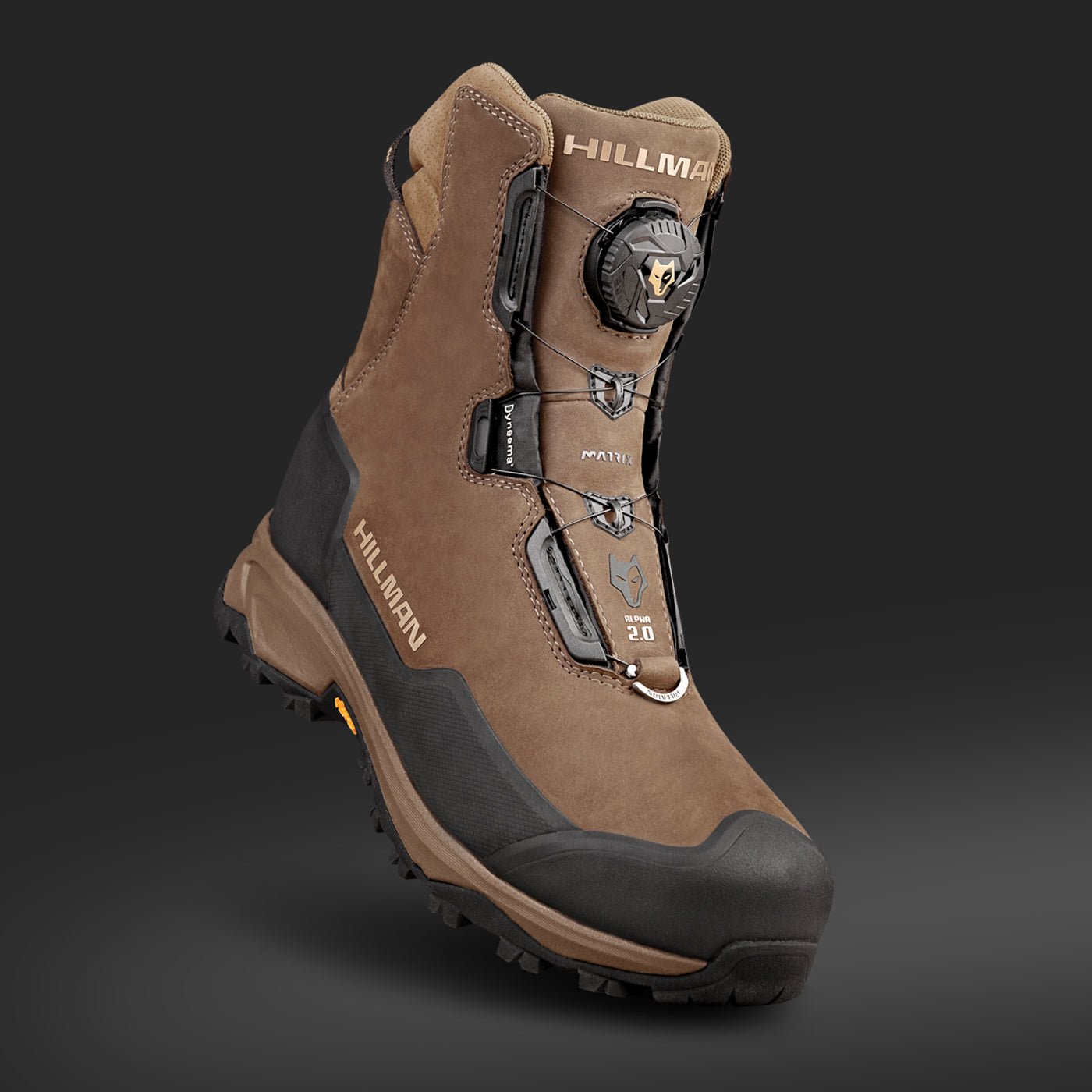
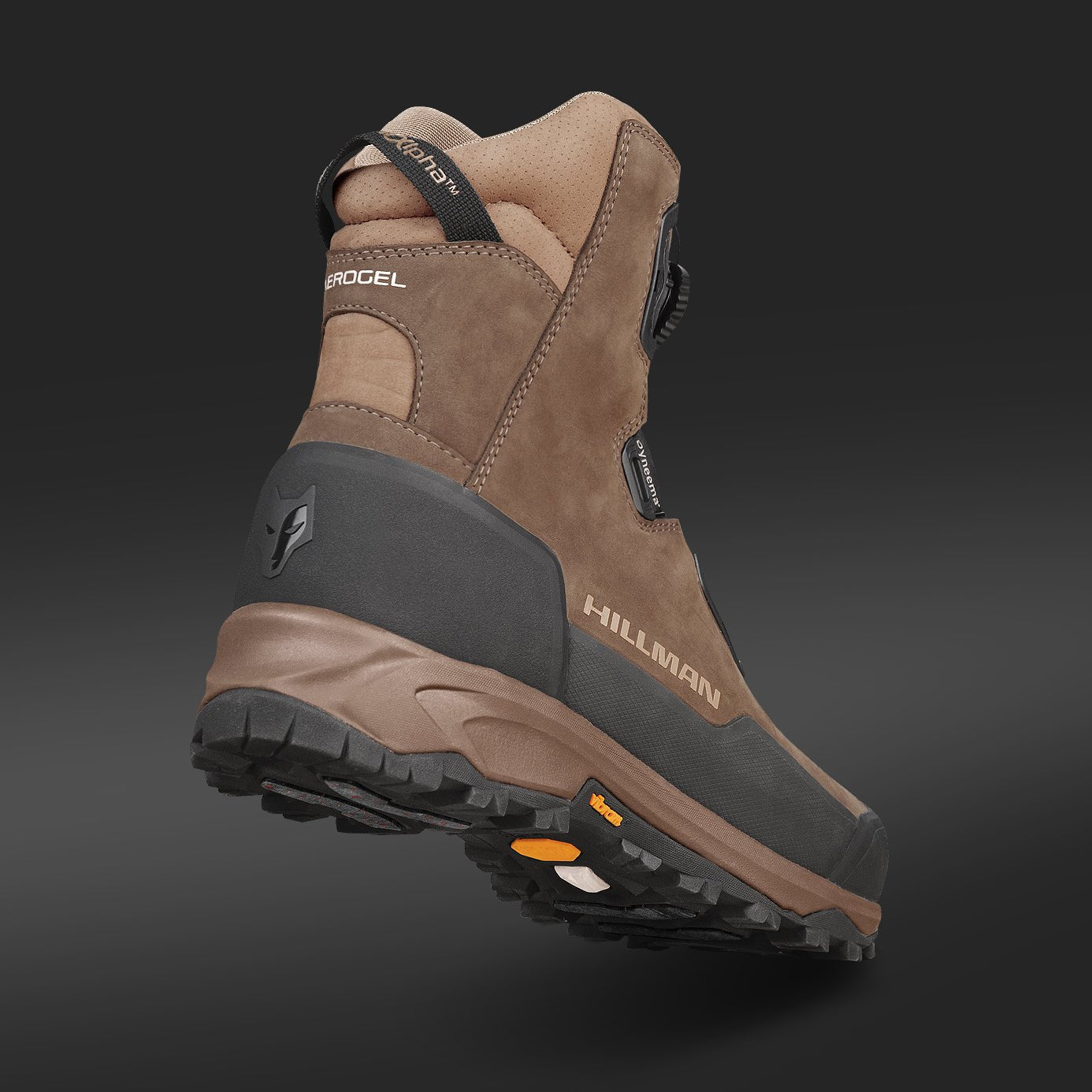
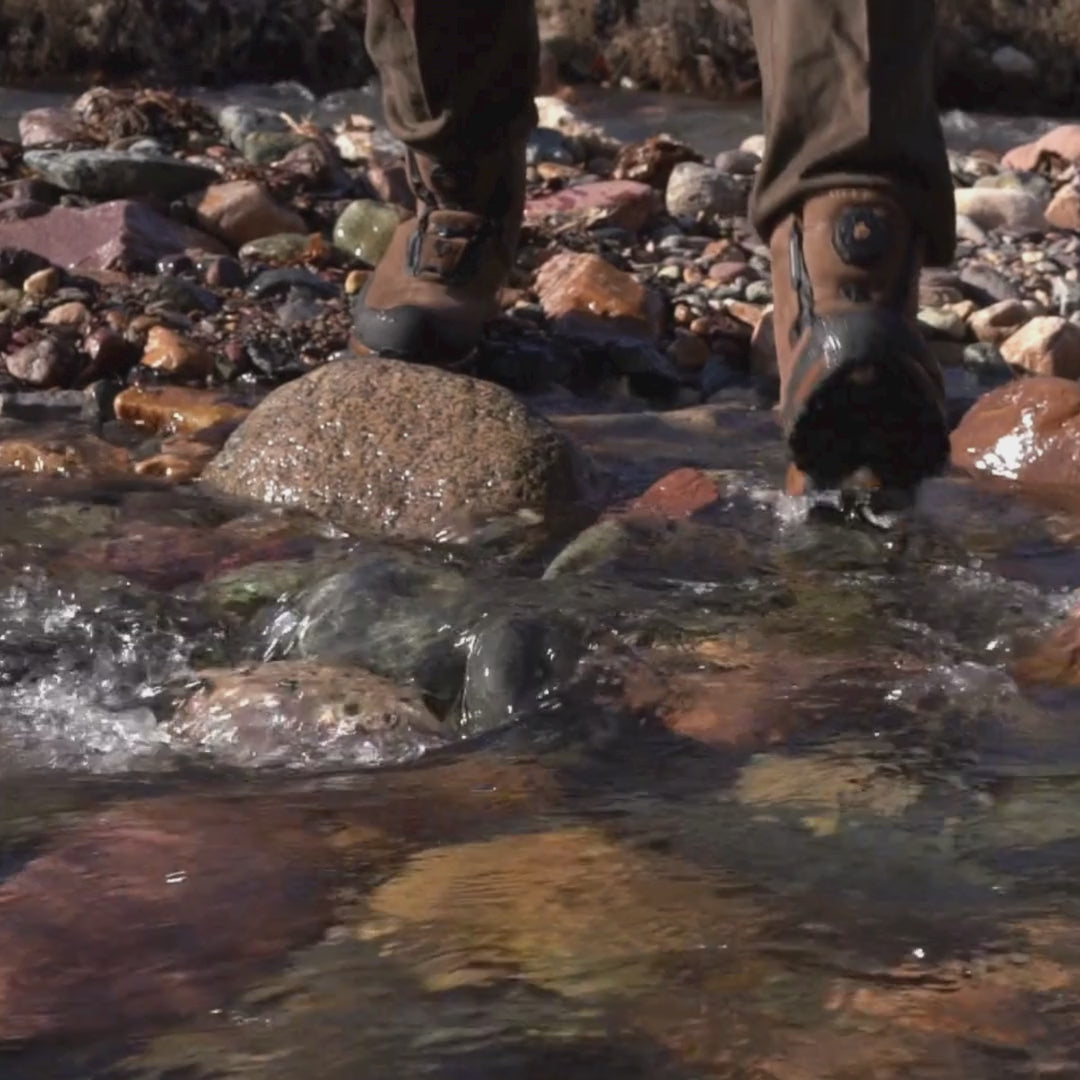
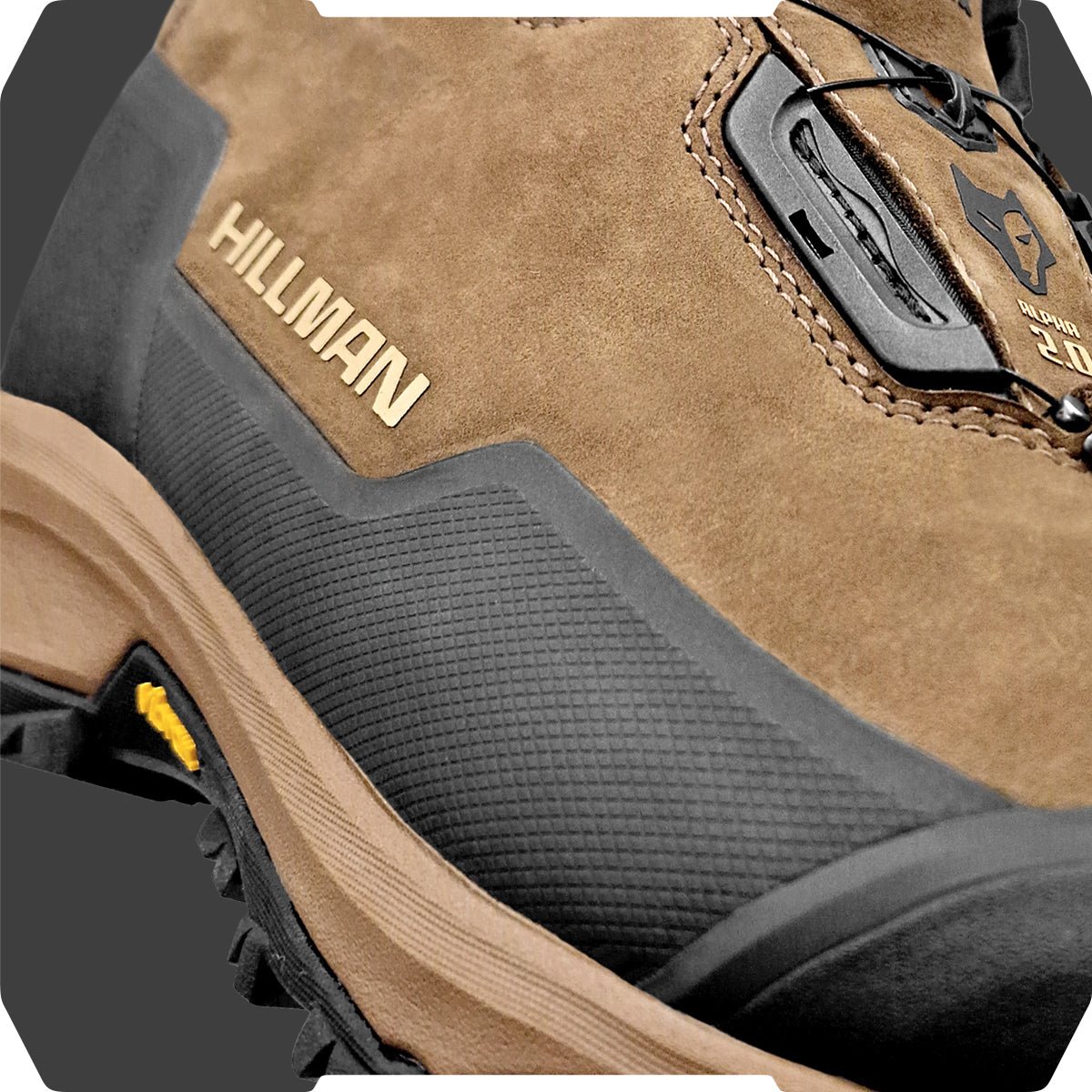
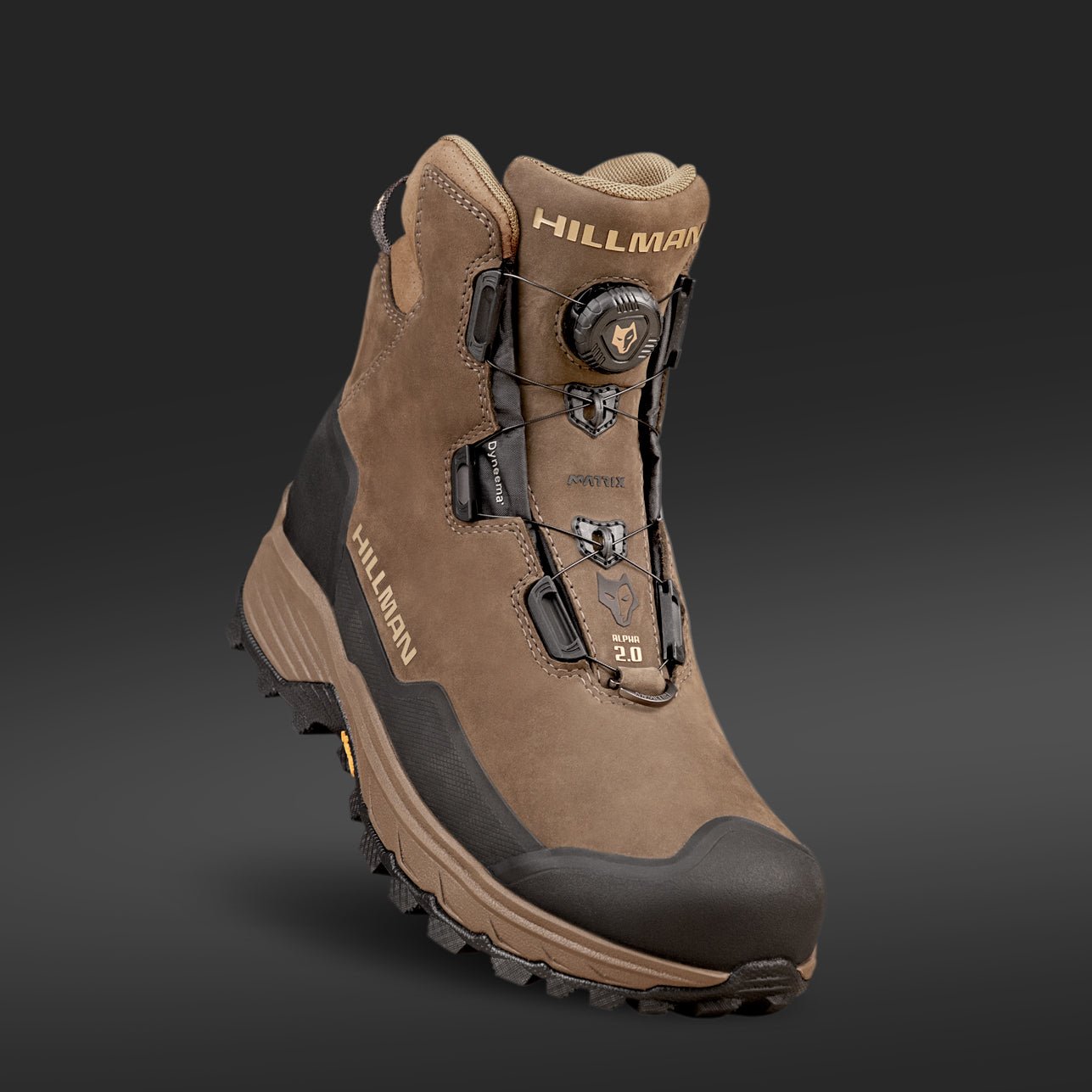
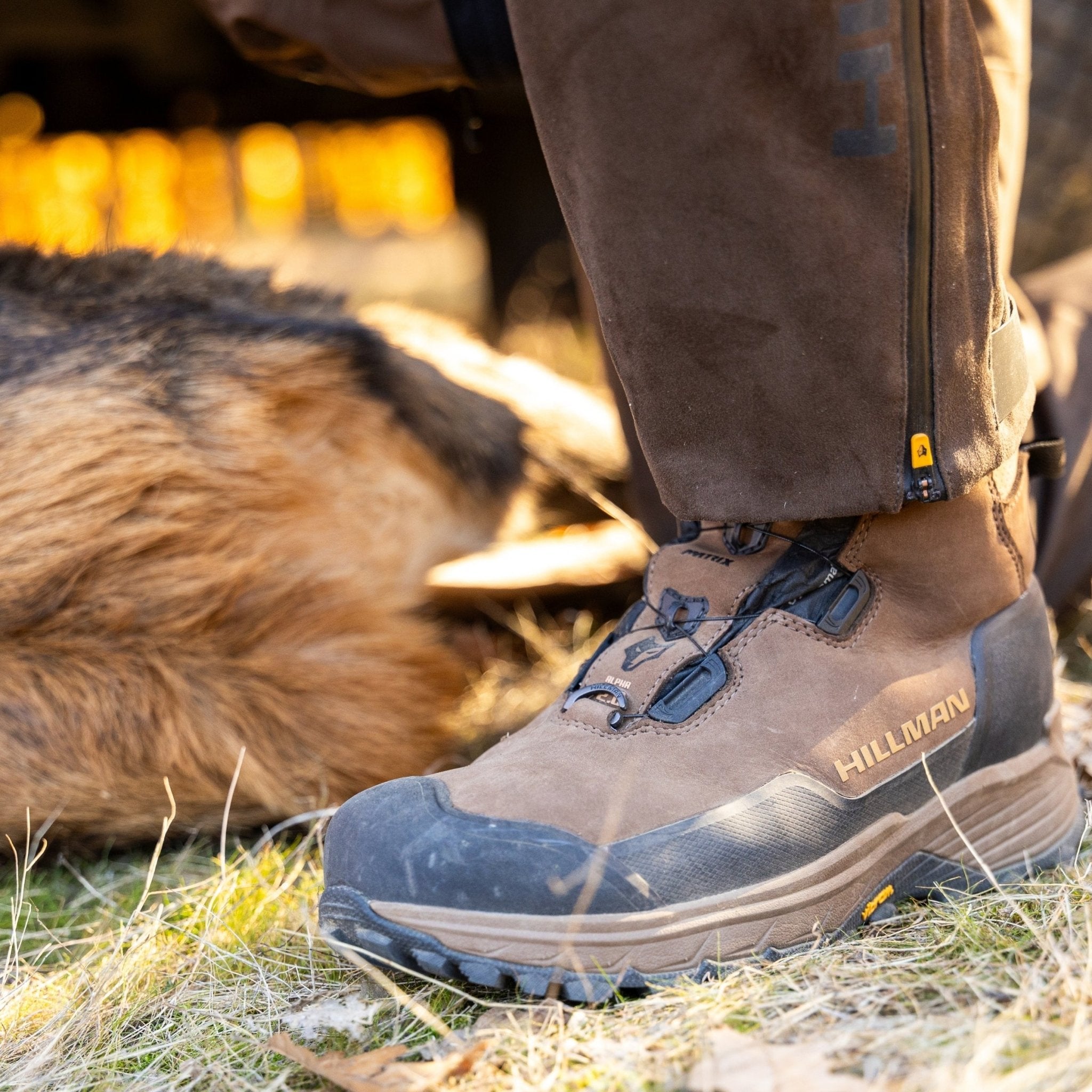
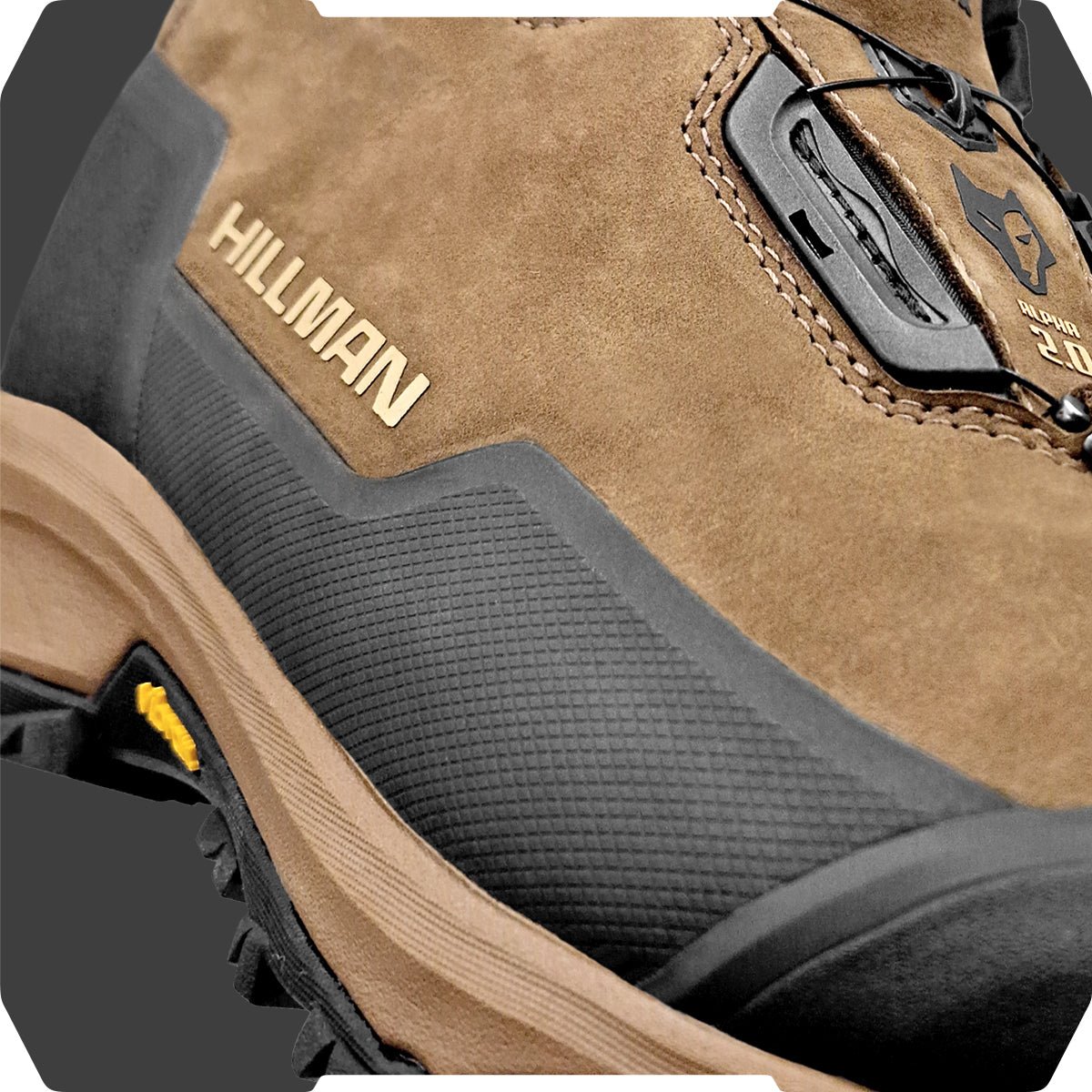
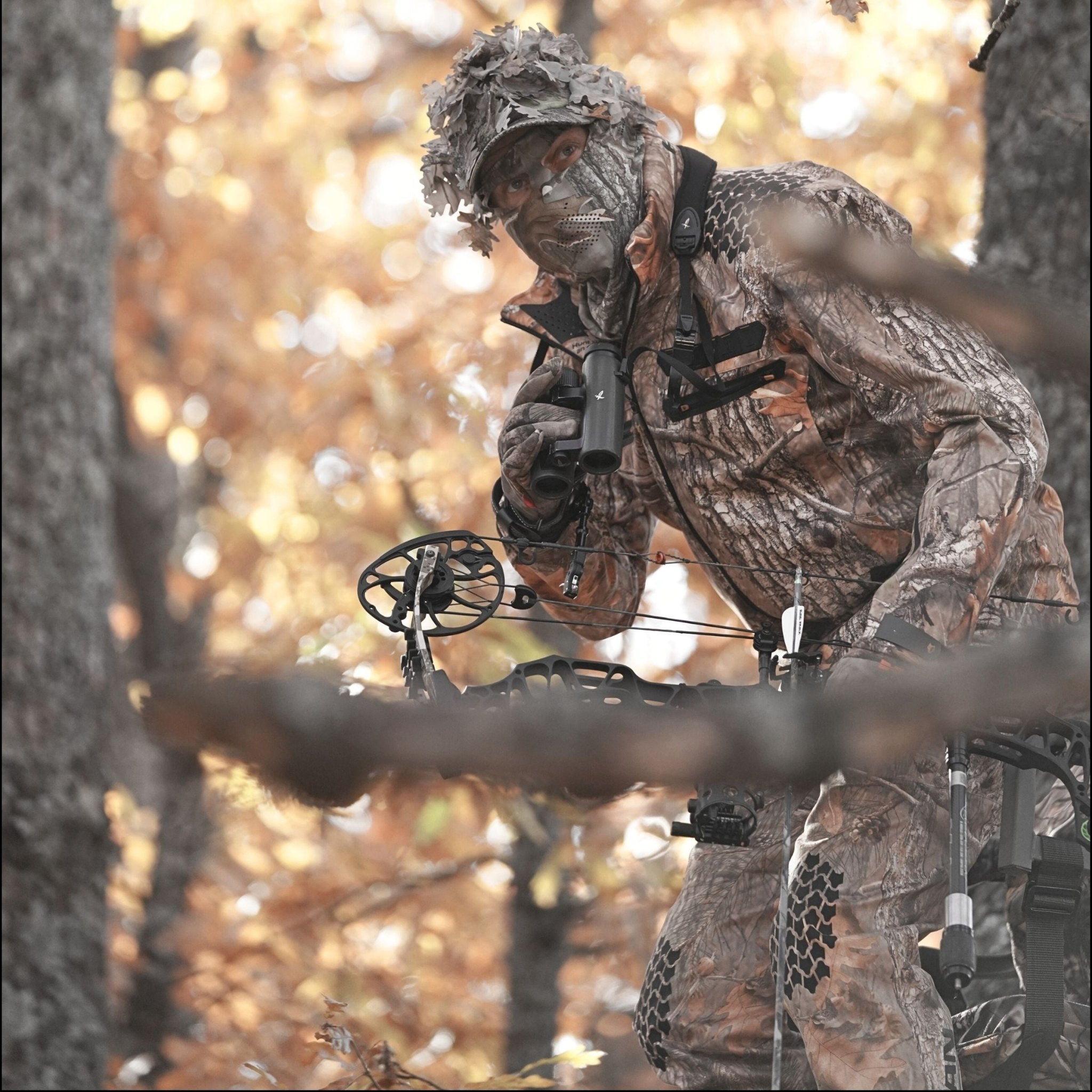
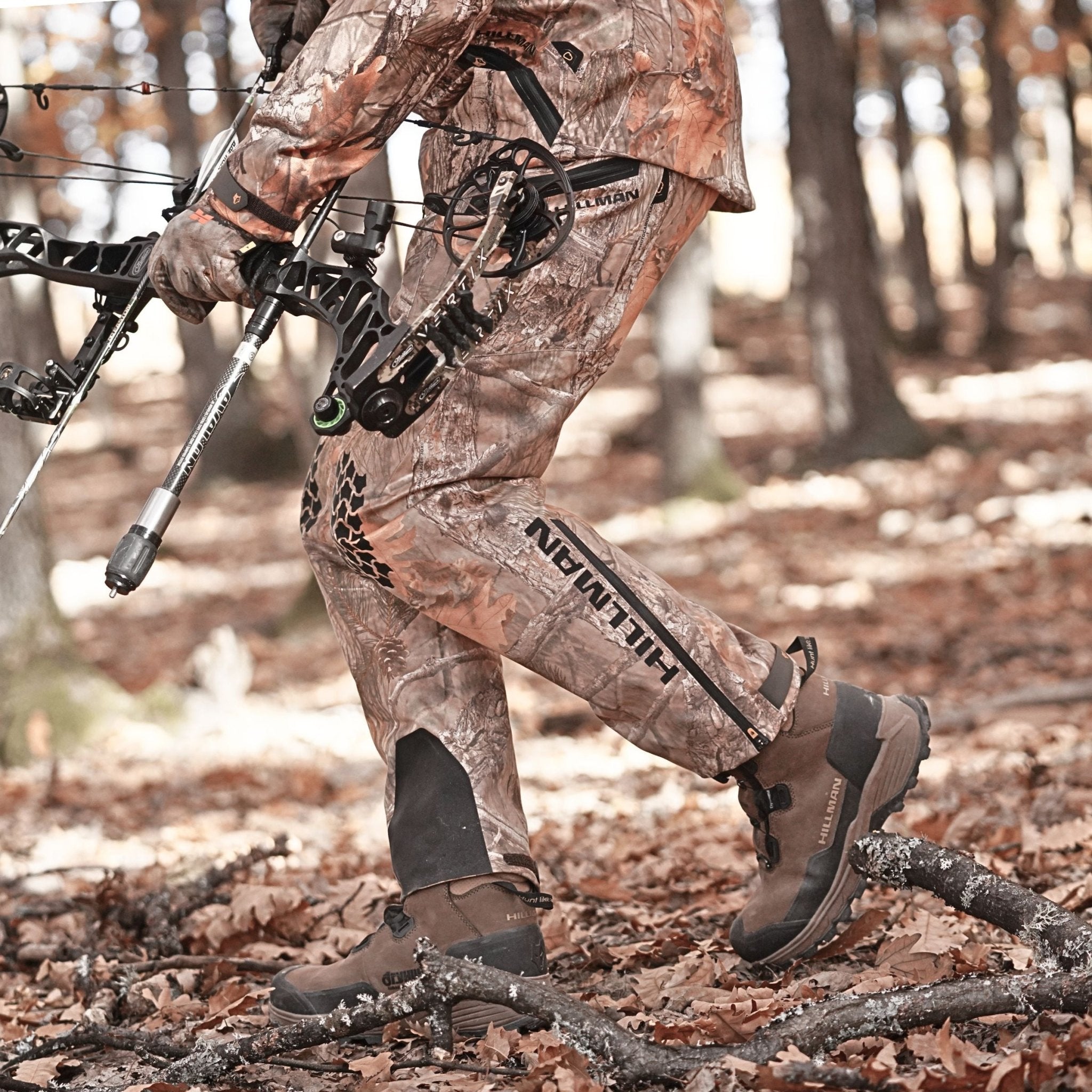
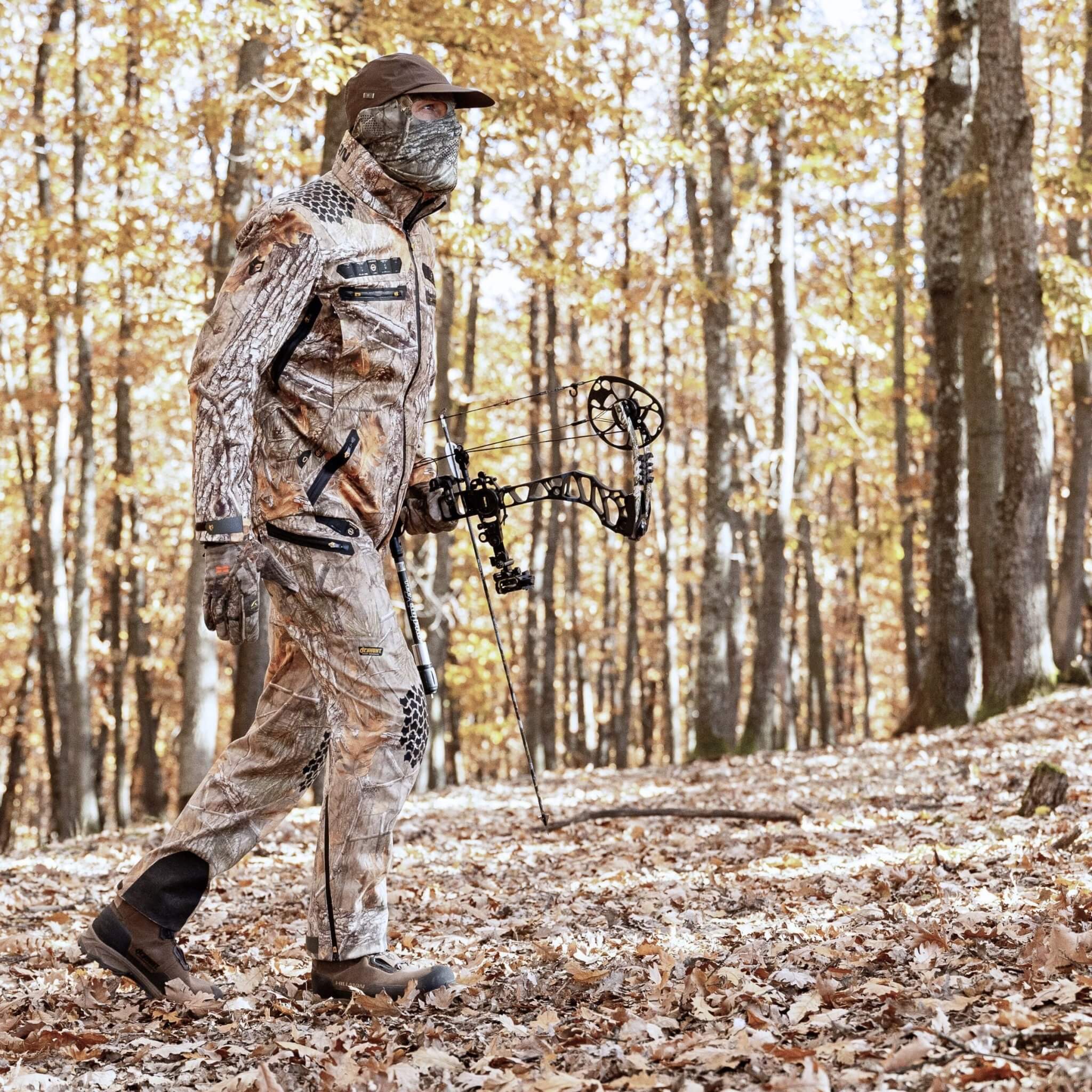
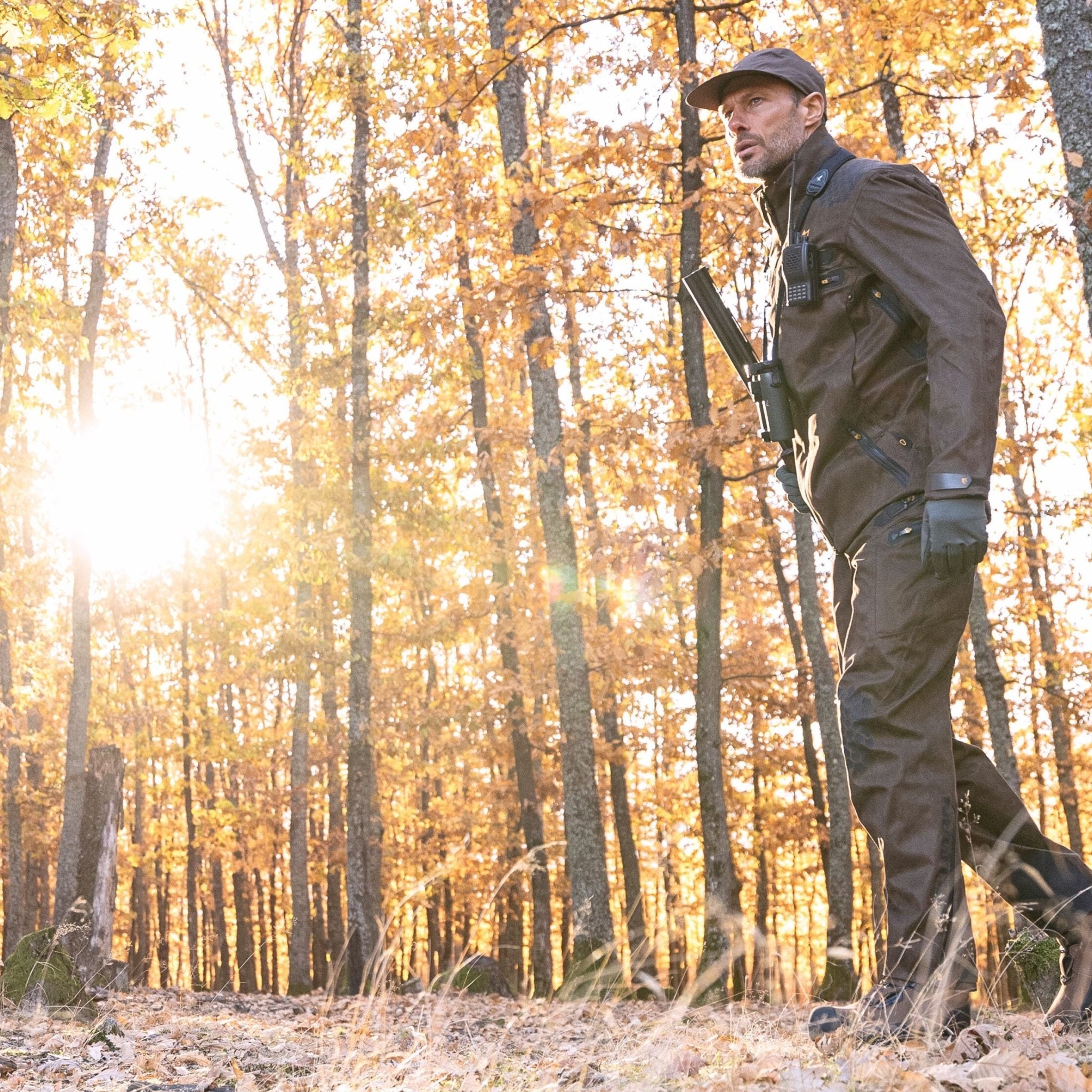
The dress code on a shoot day is not only about tradition. It is also about being dressed well enough to concentrate. Cold feet, wet legs, stiff shoulders, and soaked hands all affect performance. Insulated hunting boots are essential in cold weather because warmth and waterproofing make a long day far more manageable, especially when you are standing still between drives.
Footwear traction matters too. Slippery ground at the peg can ruin a shot before the bird appears. If your feet cannot settle safely, your swing will not be reliable. Wet grass, mud, banks, roots, and uneven ground all change the way you stand.
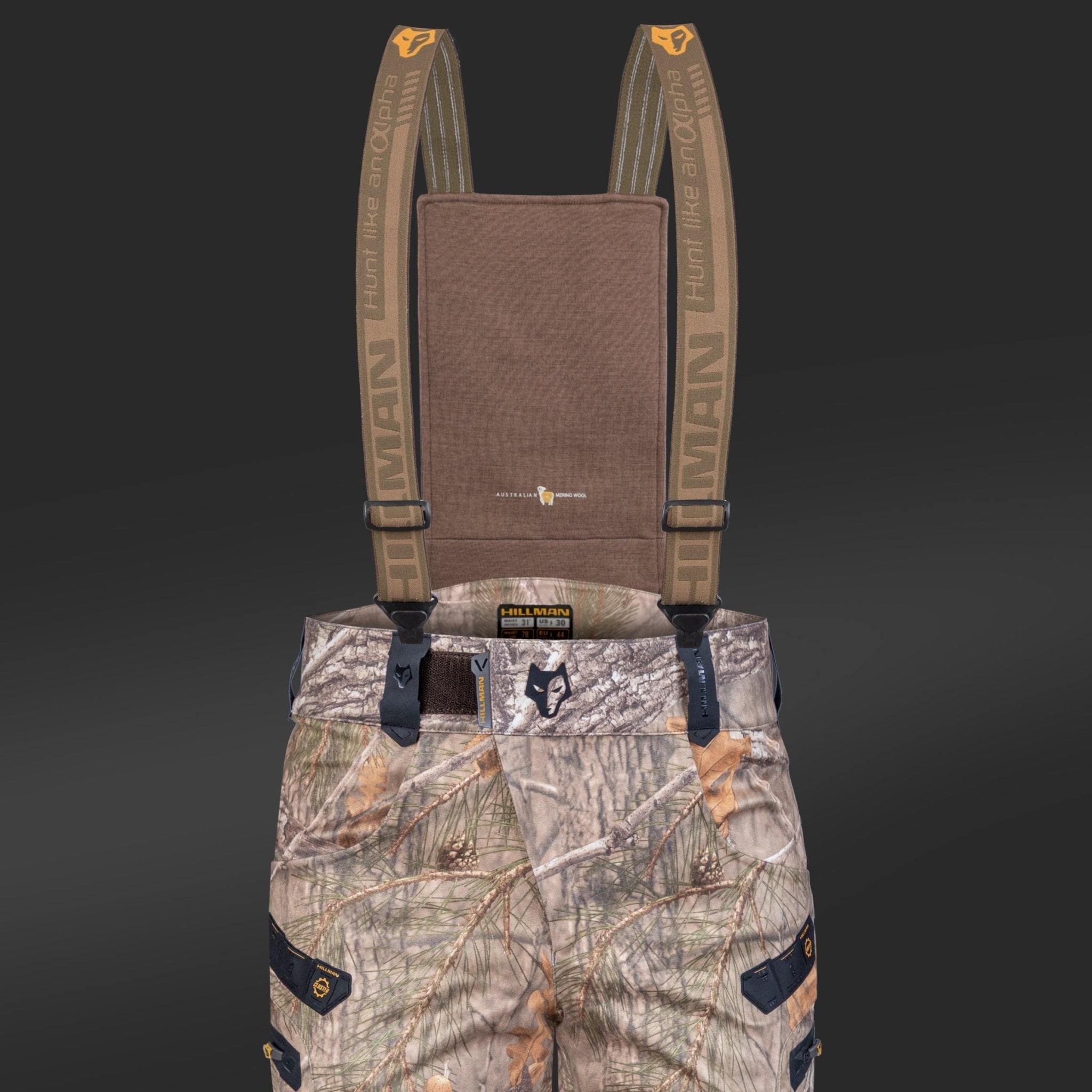
Layering systems help because a day can begin cold, turn mild during the walk to the next drive, then chill again while you wait. Waterproof and breathable membranes in hunting apparel keep you dry without trapping too much heat. Natural fibres such as merino wool and goose down still have a place because they insulate well and feel comfortable in real field conditions.
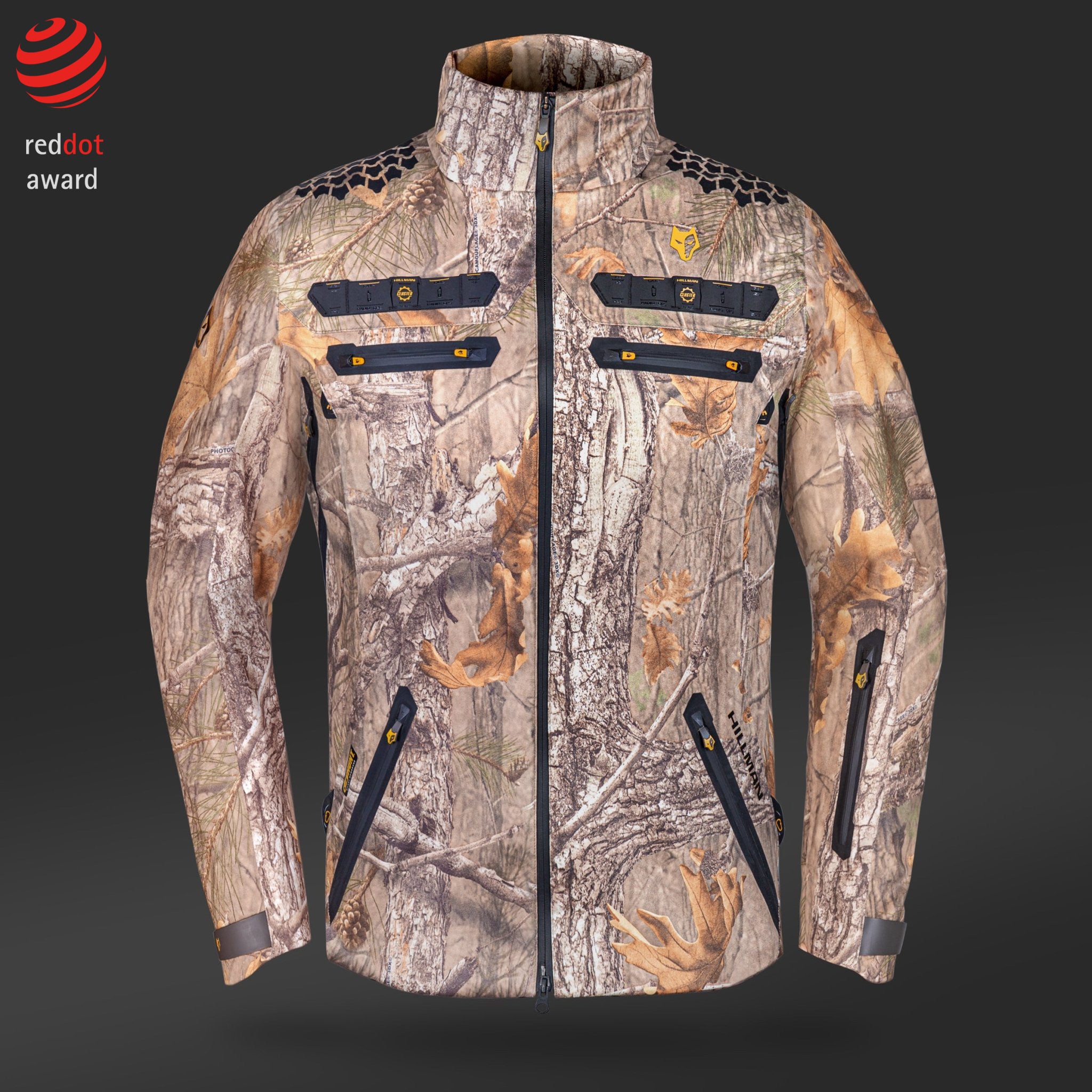
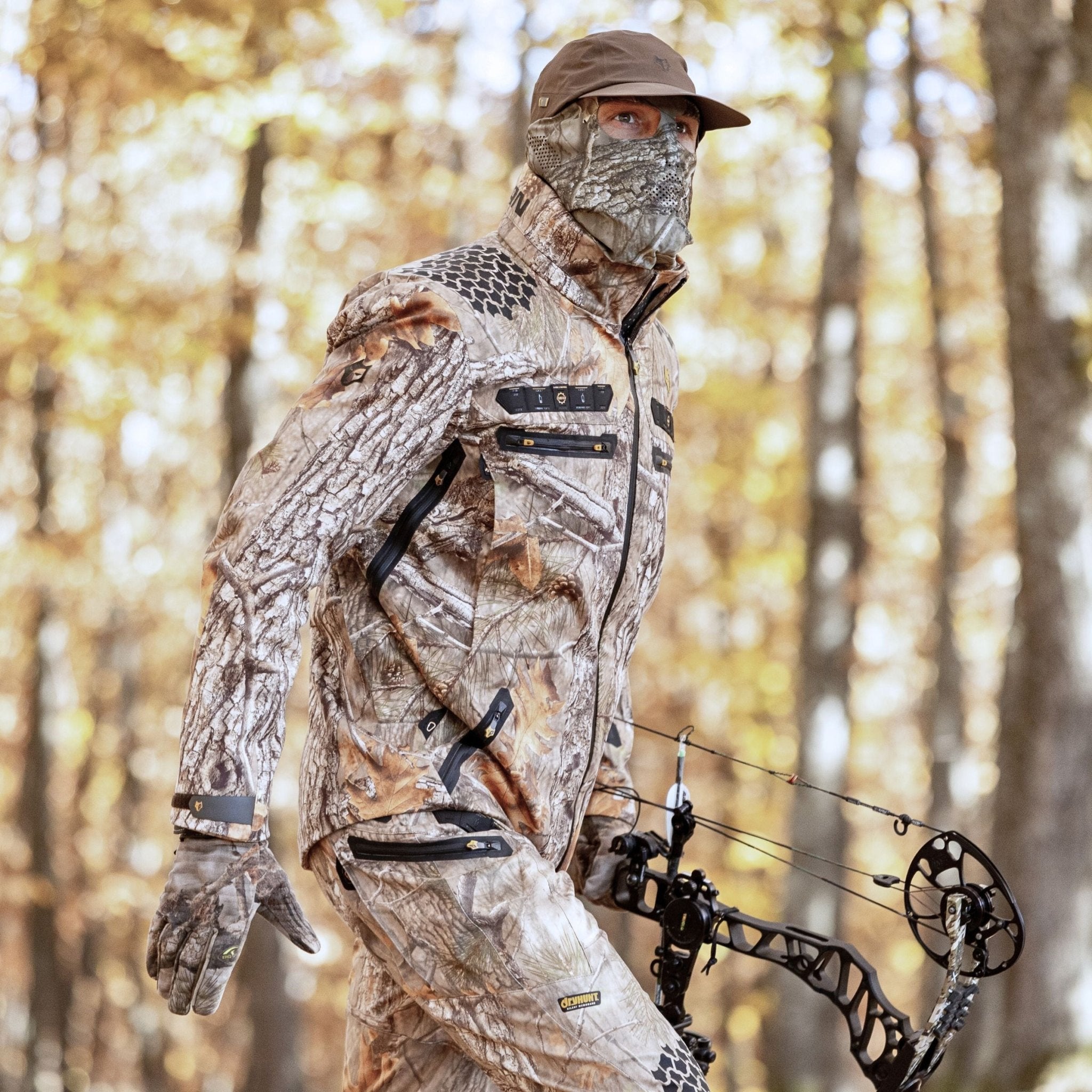
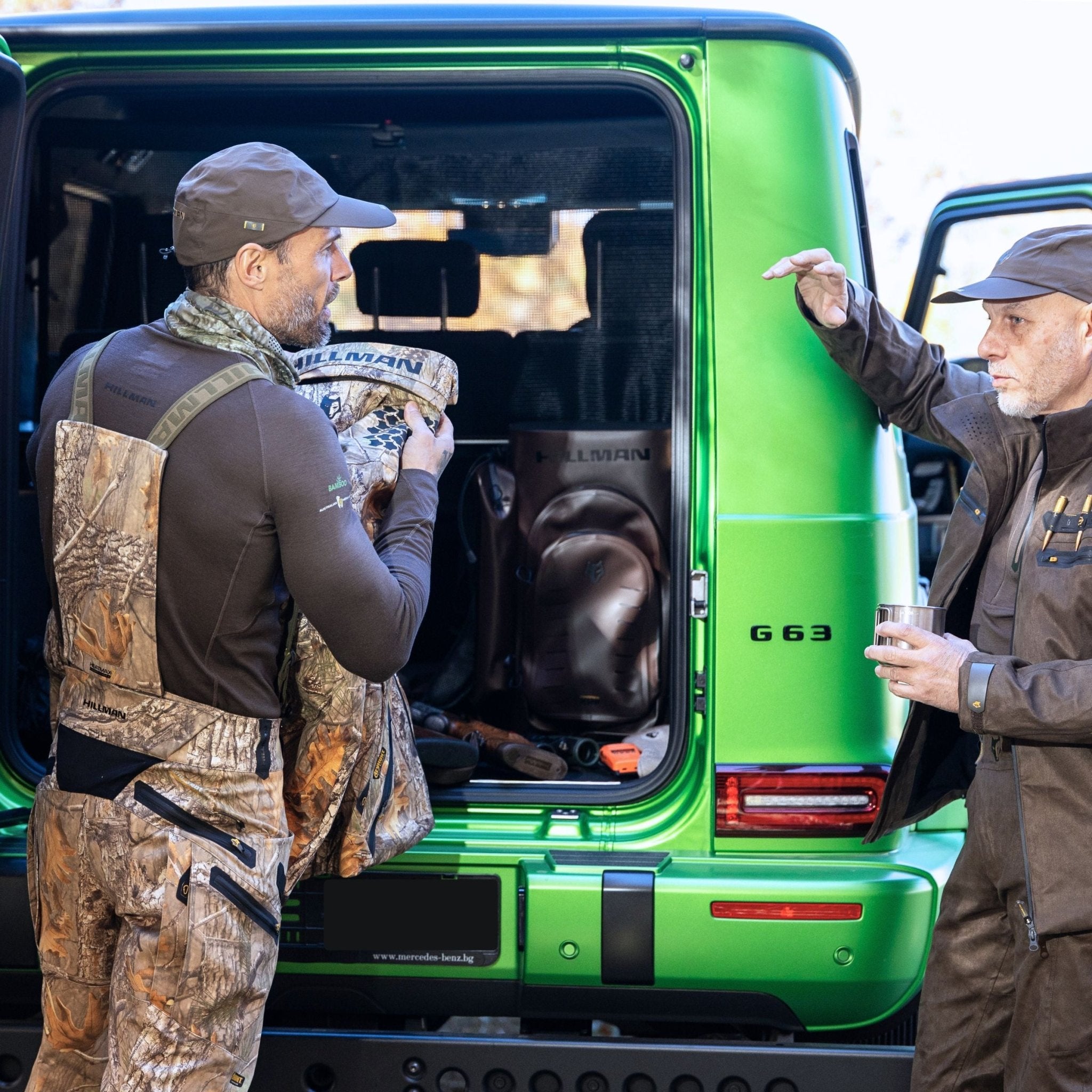
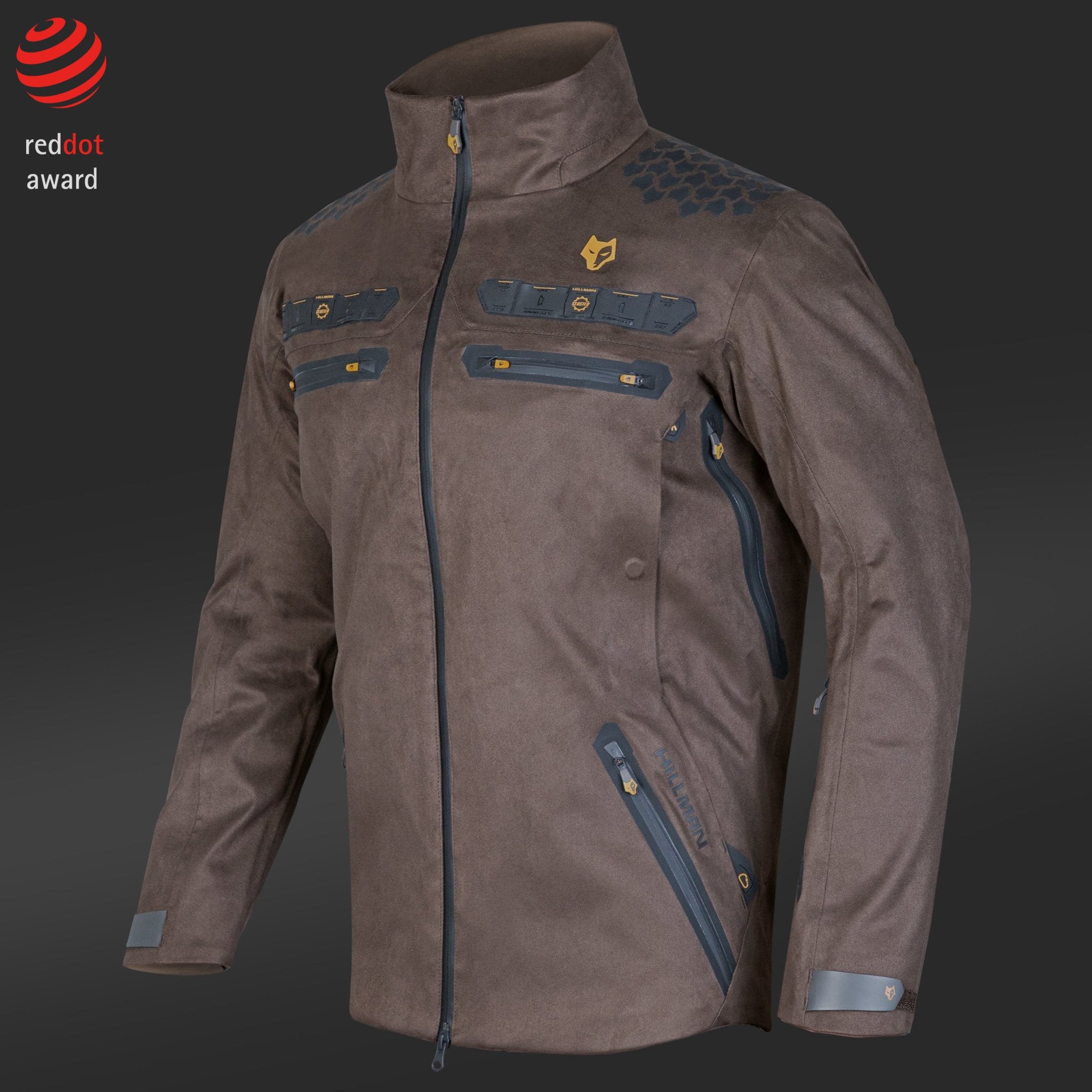
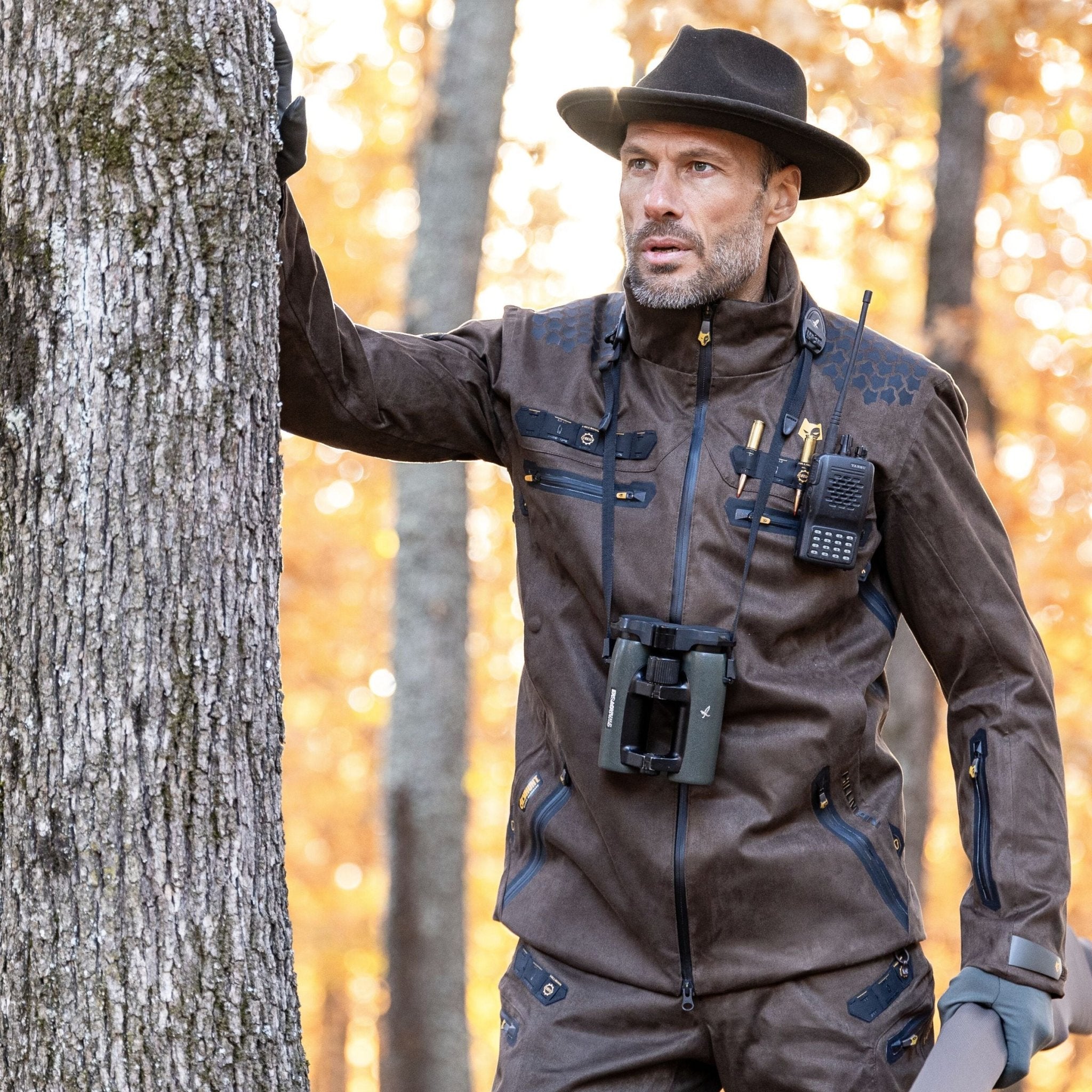
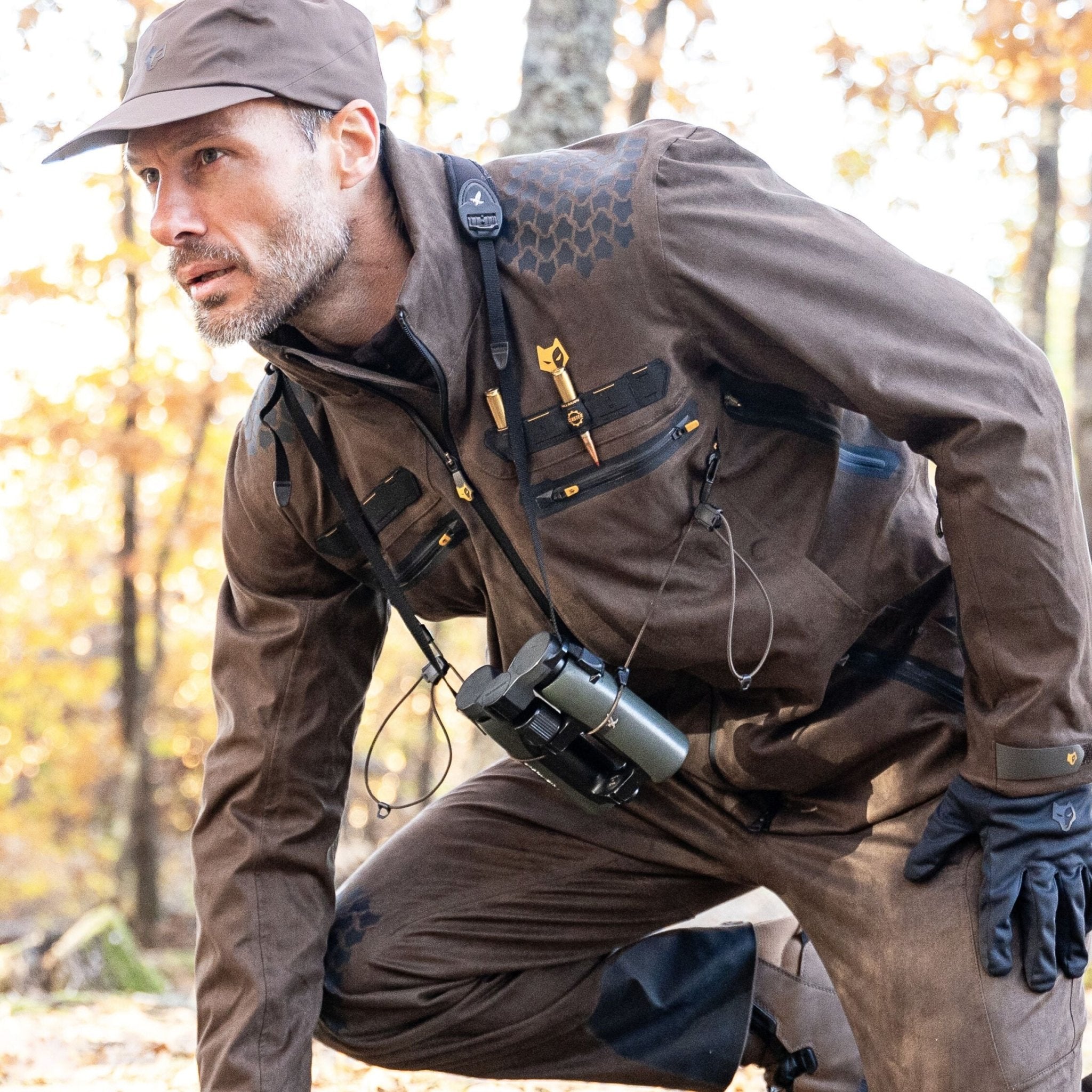
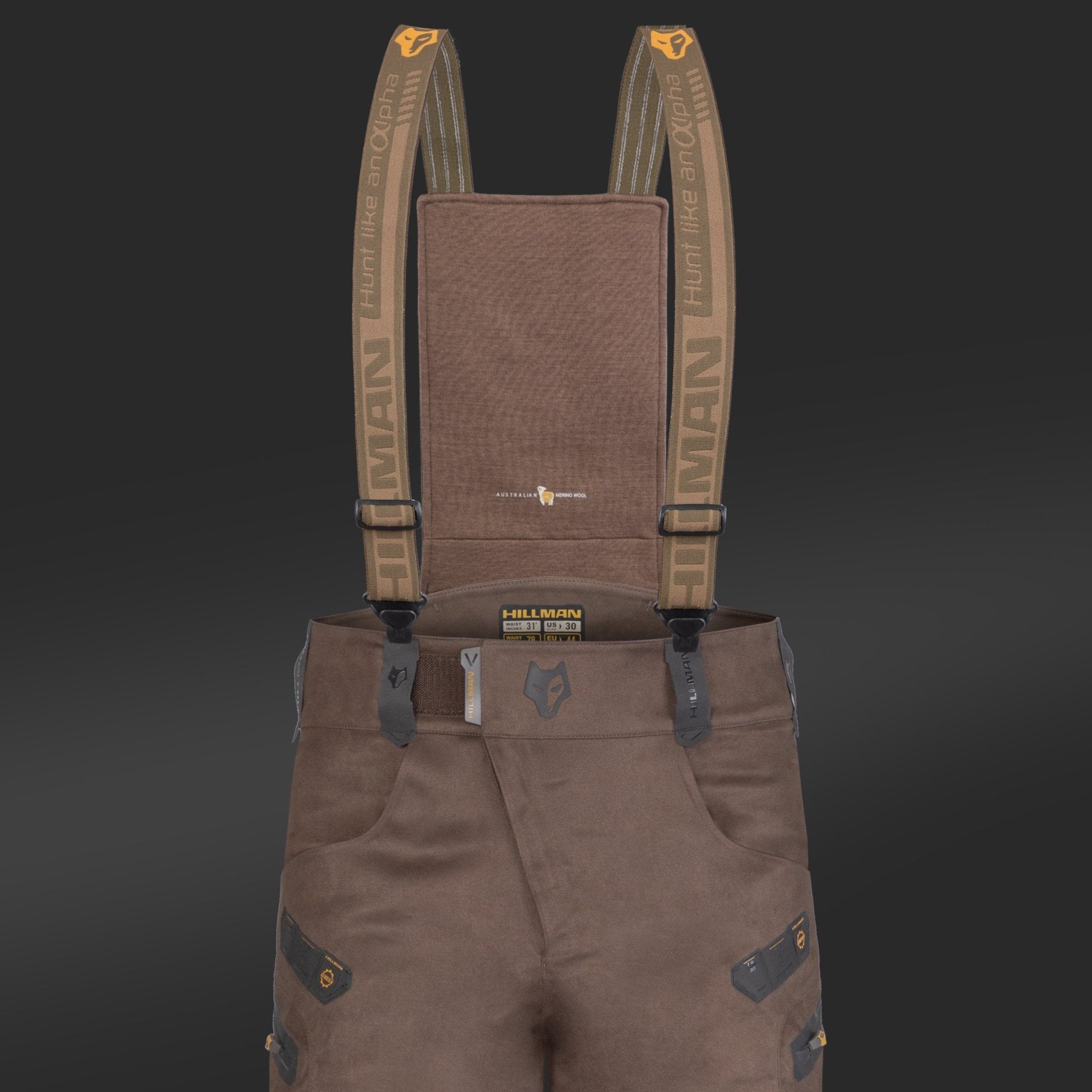
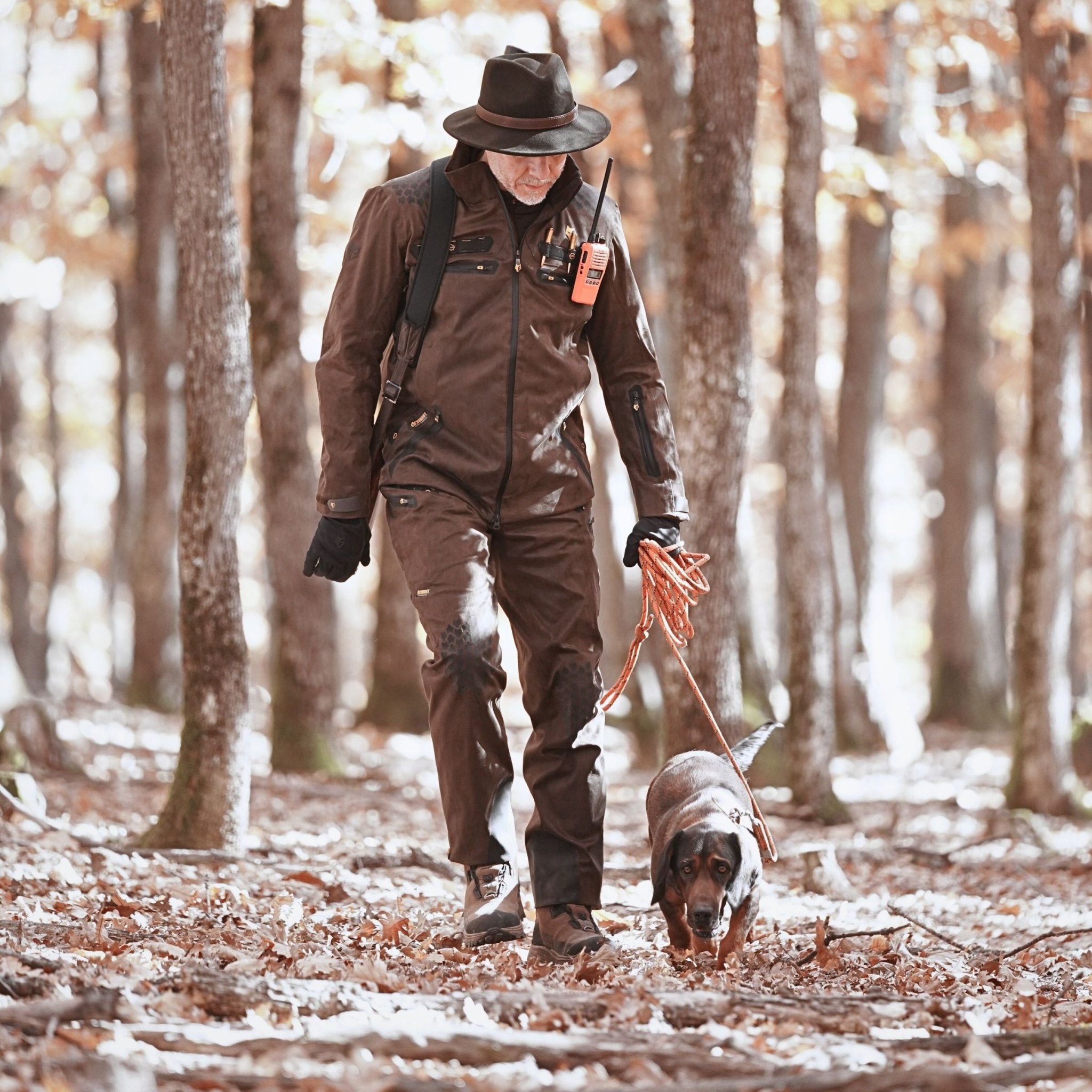
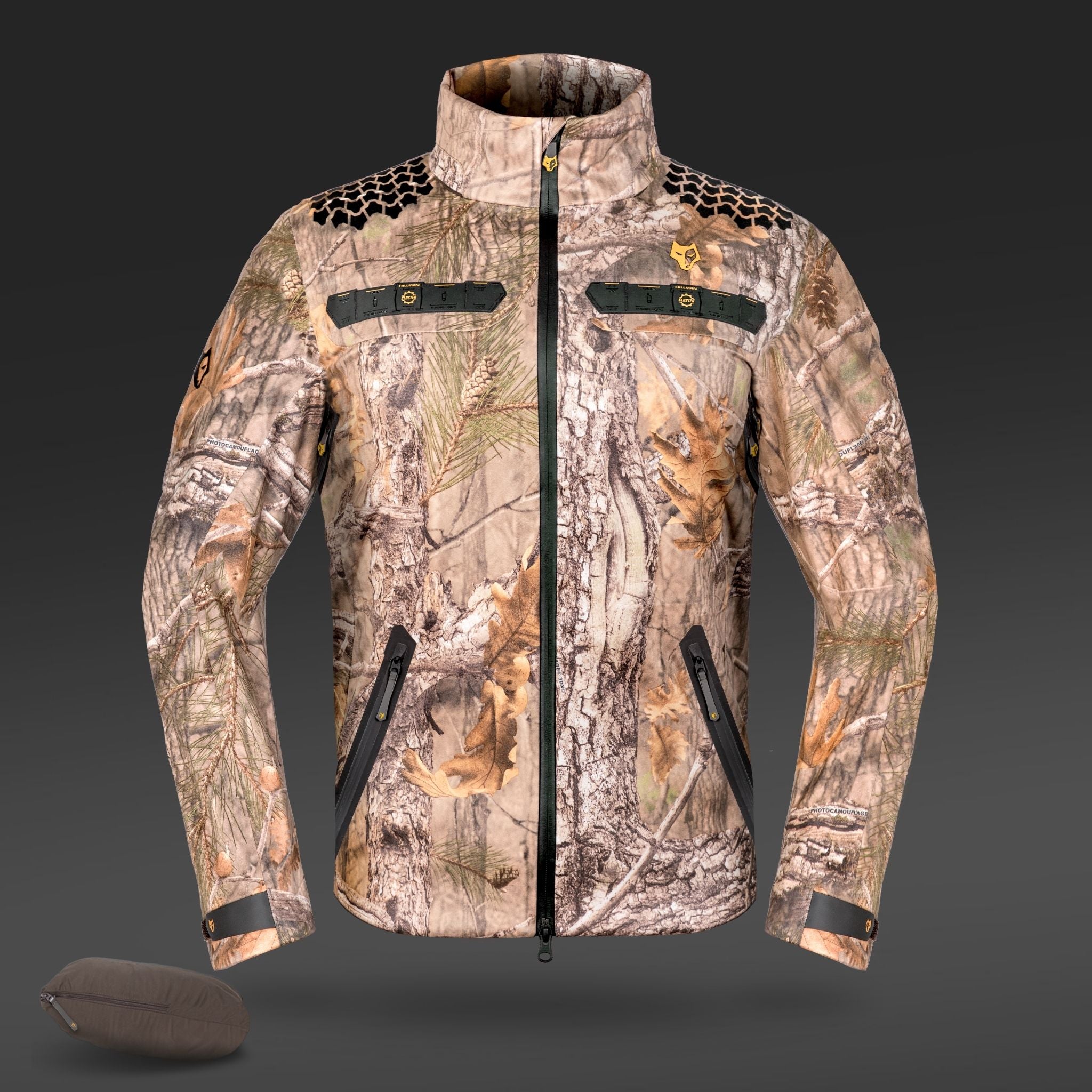
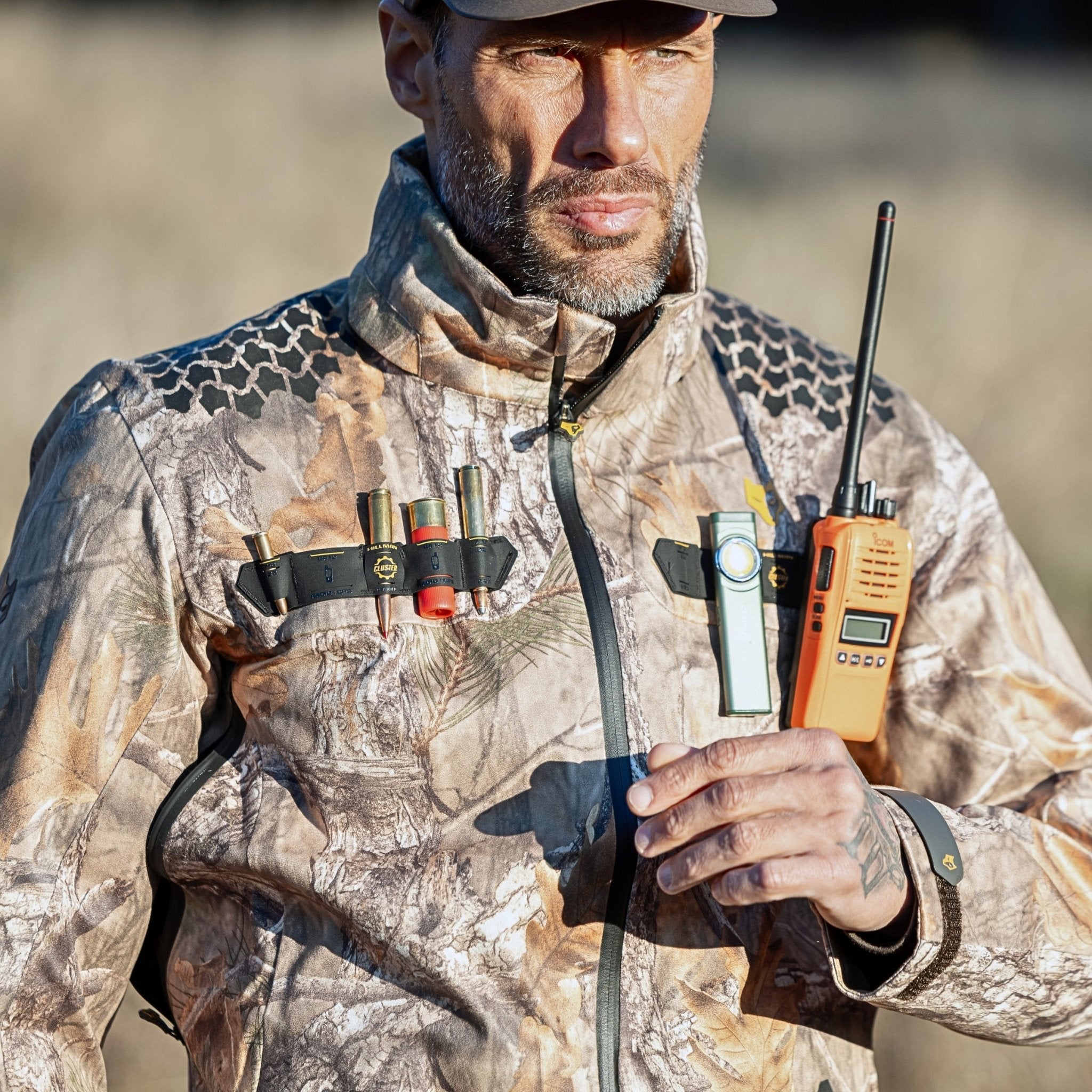
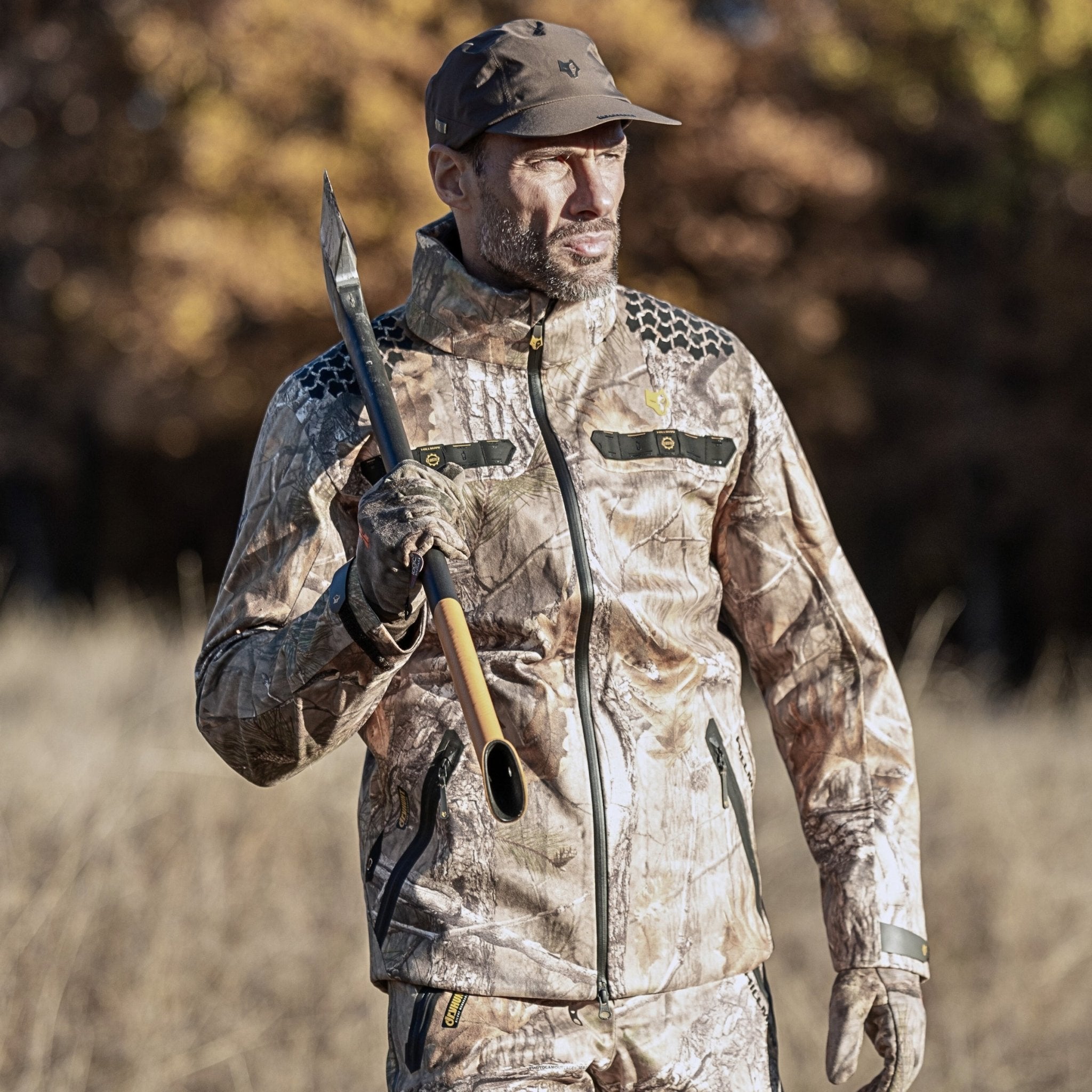
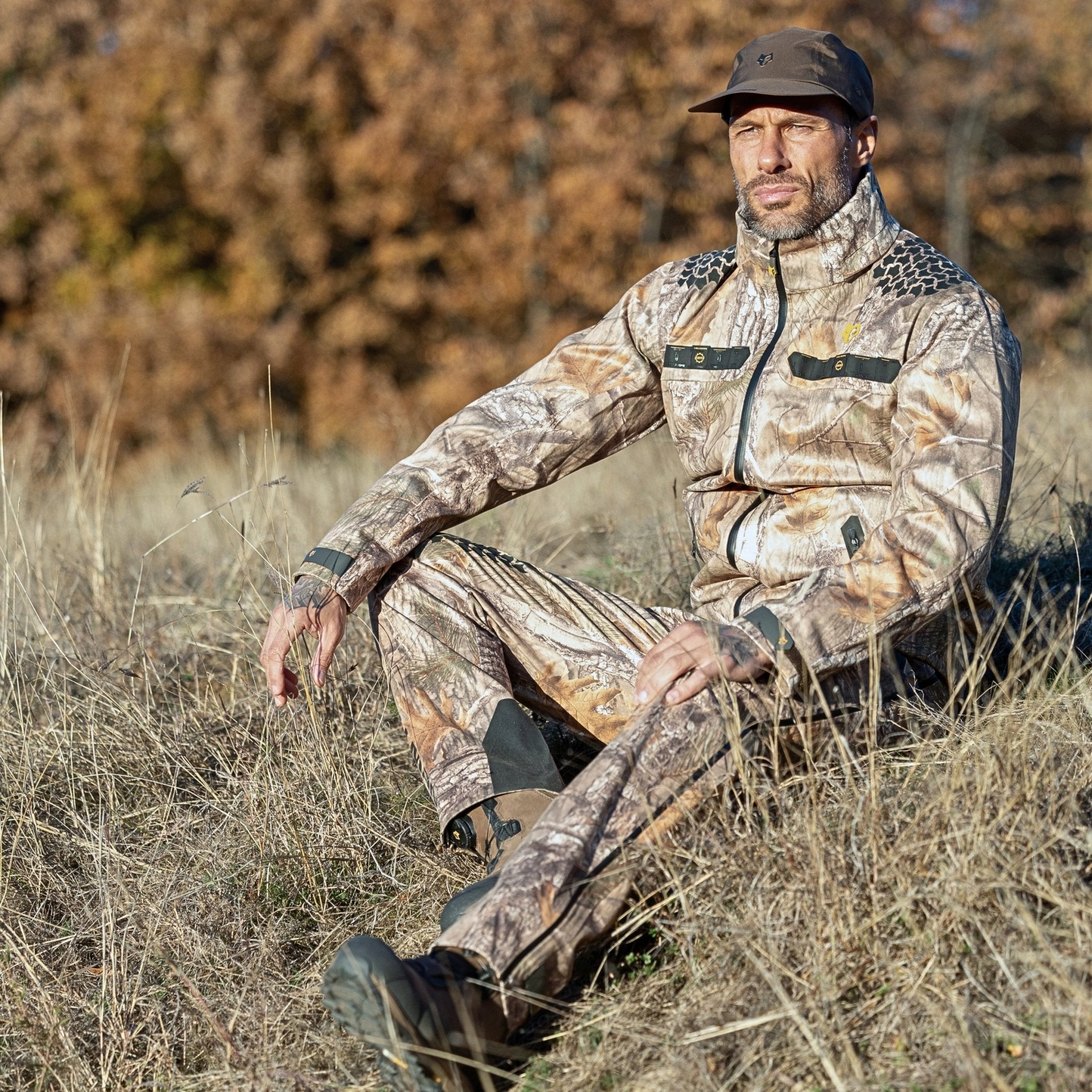
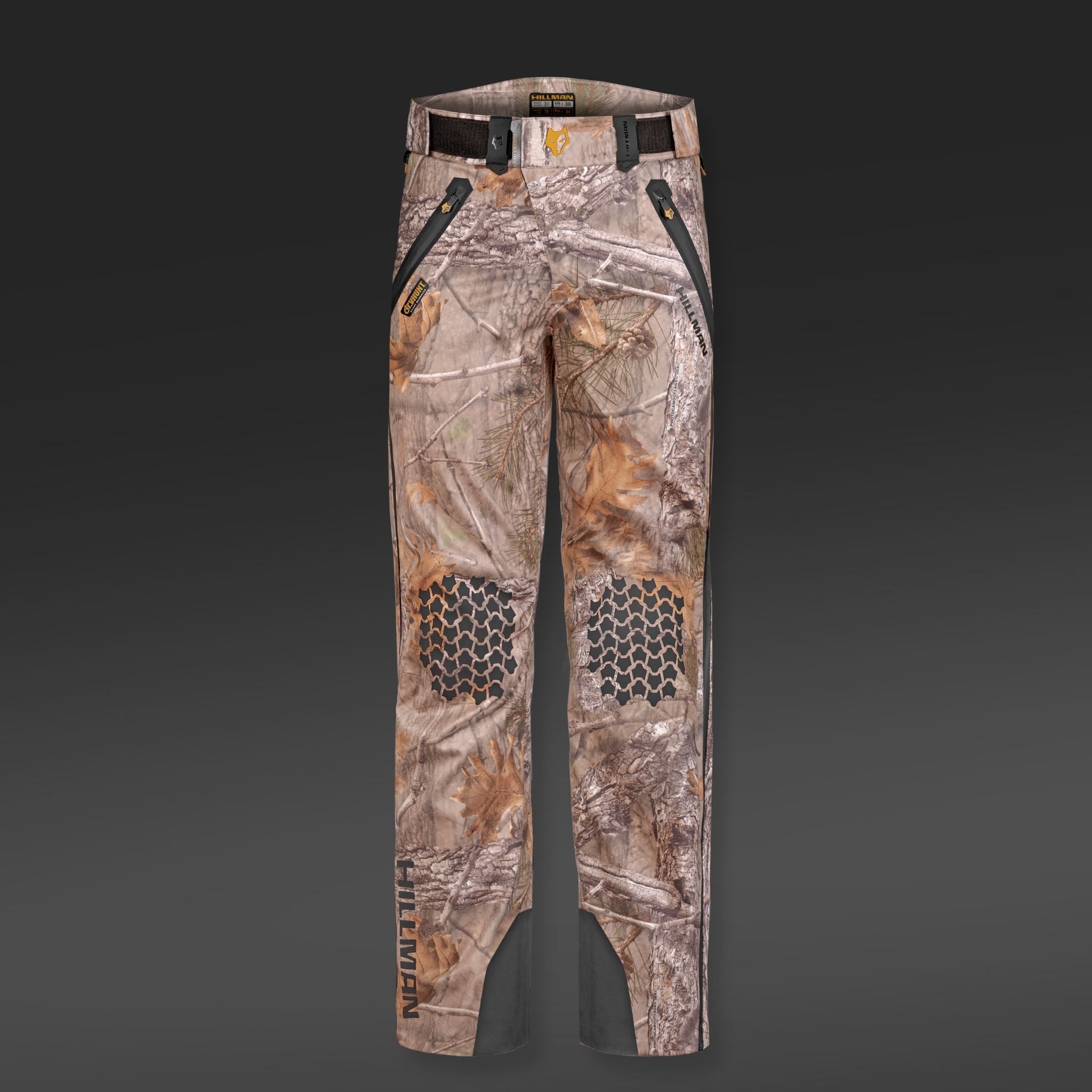
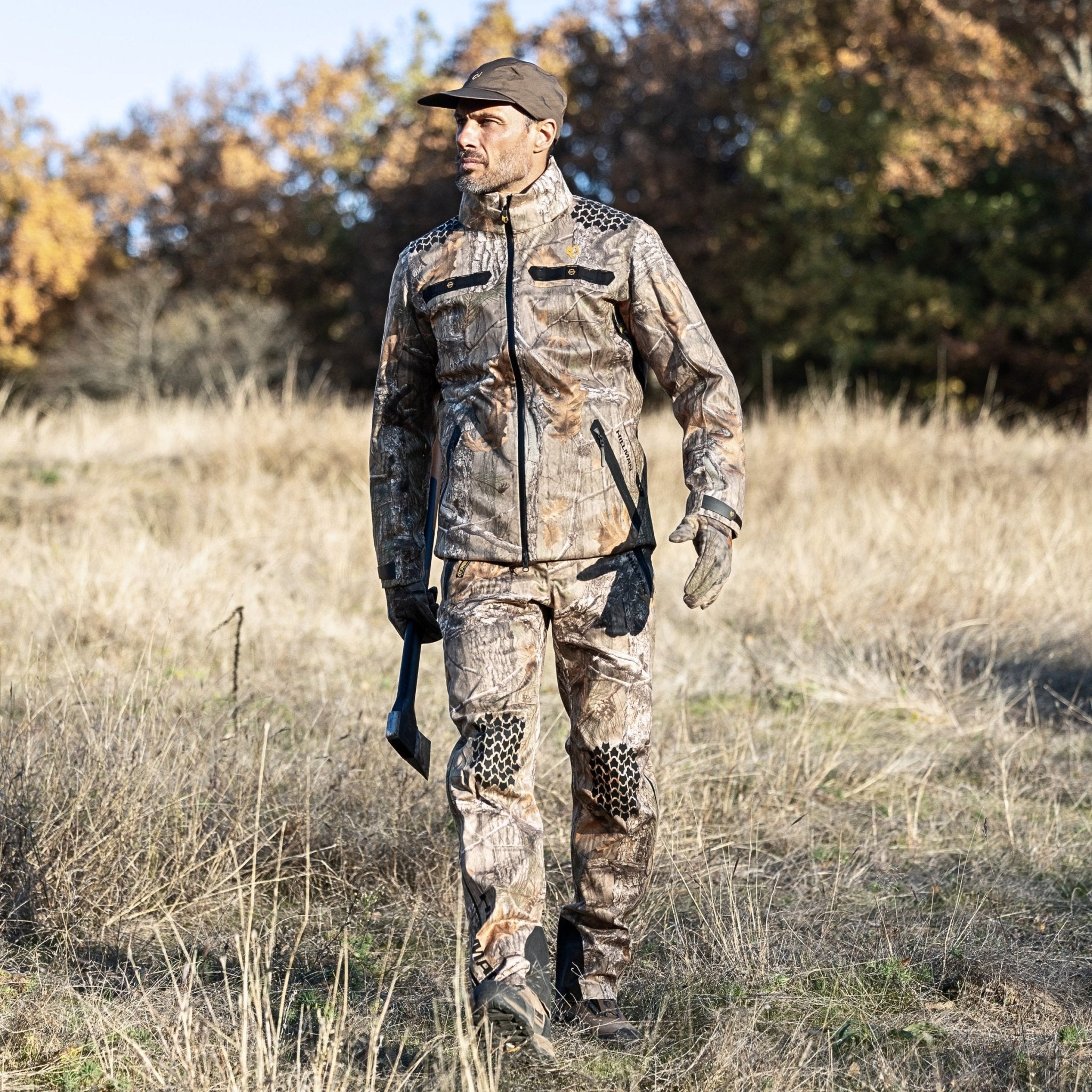
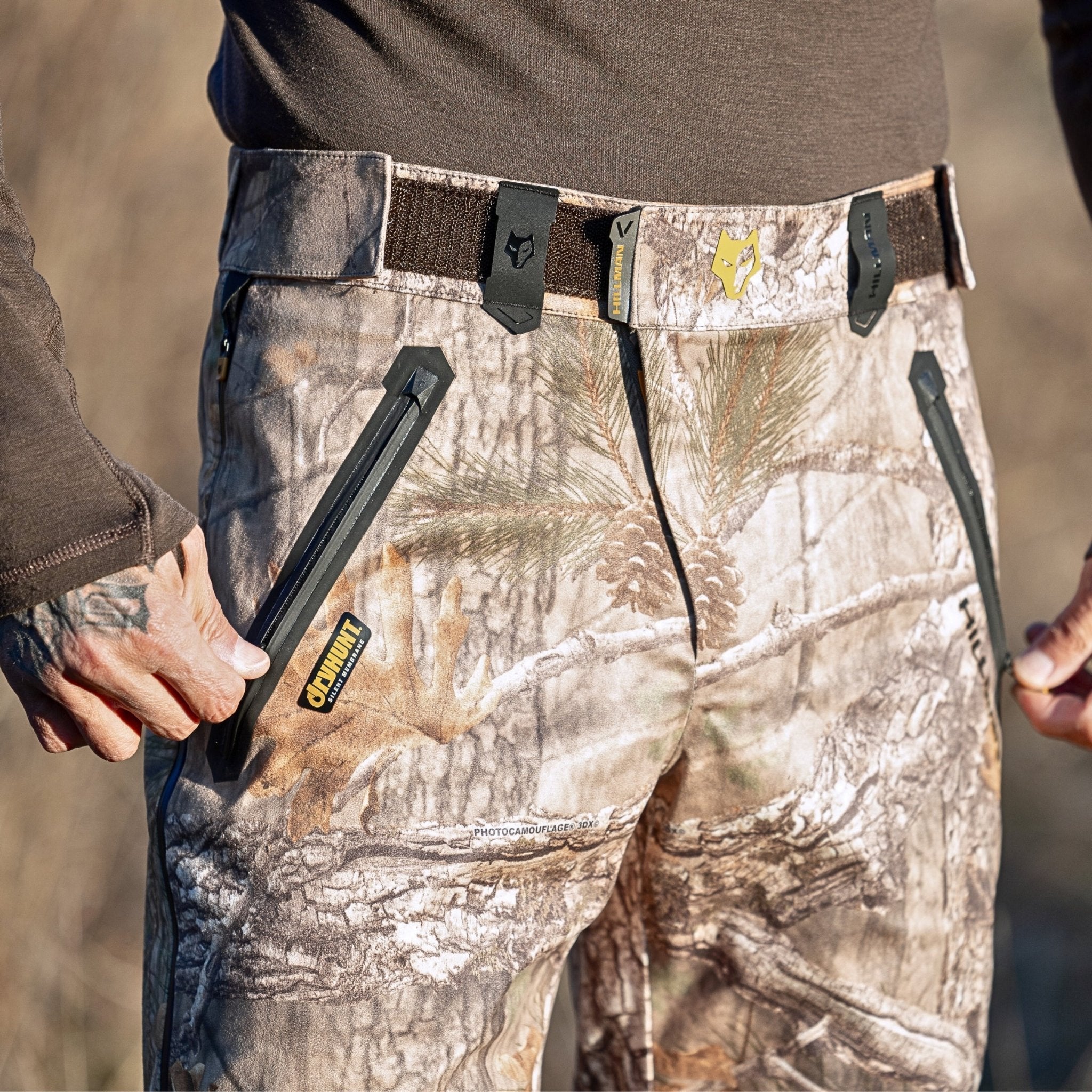
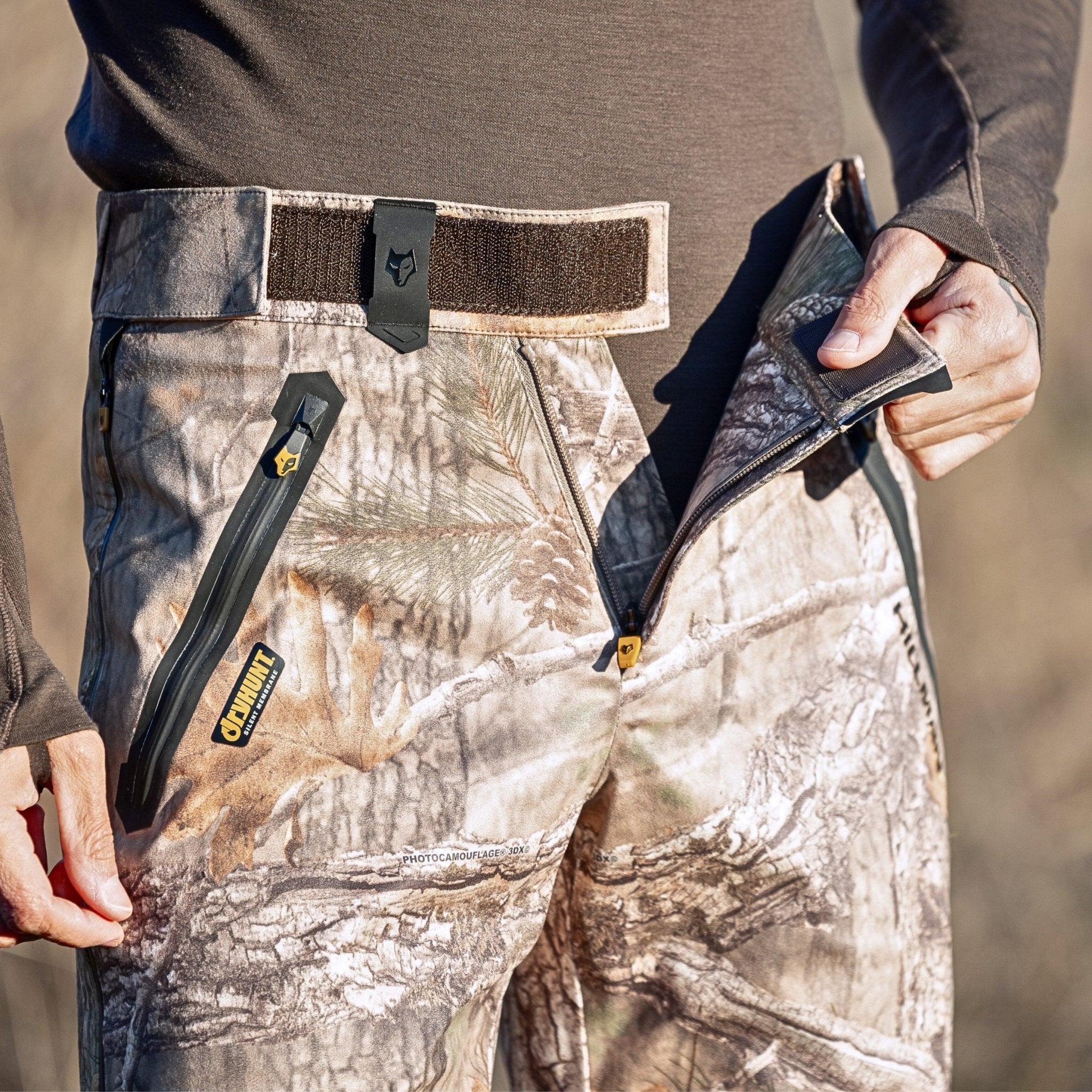
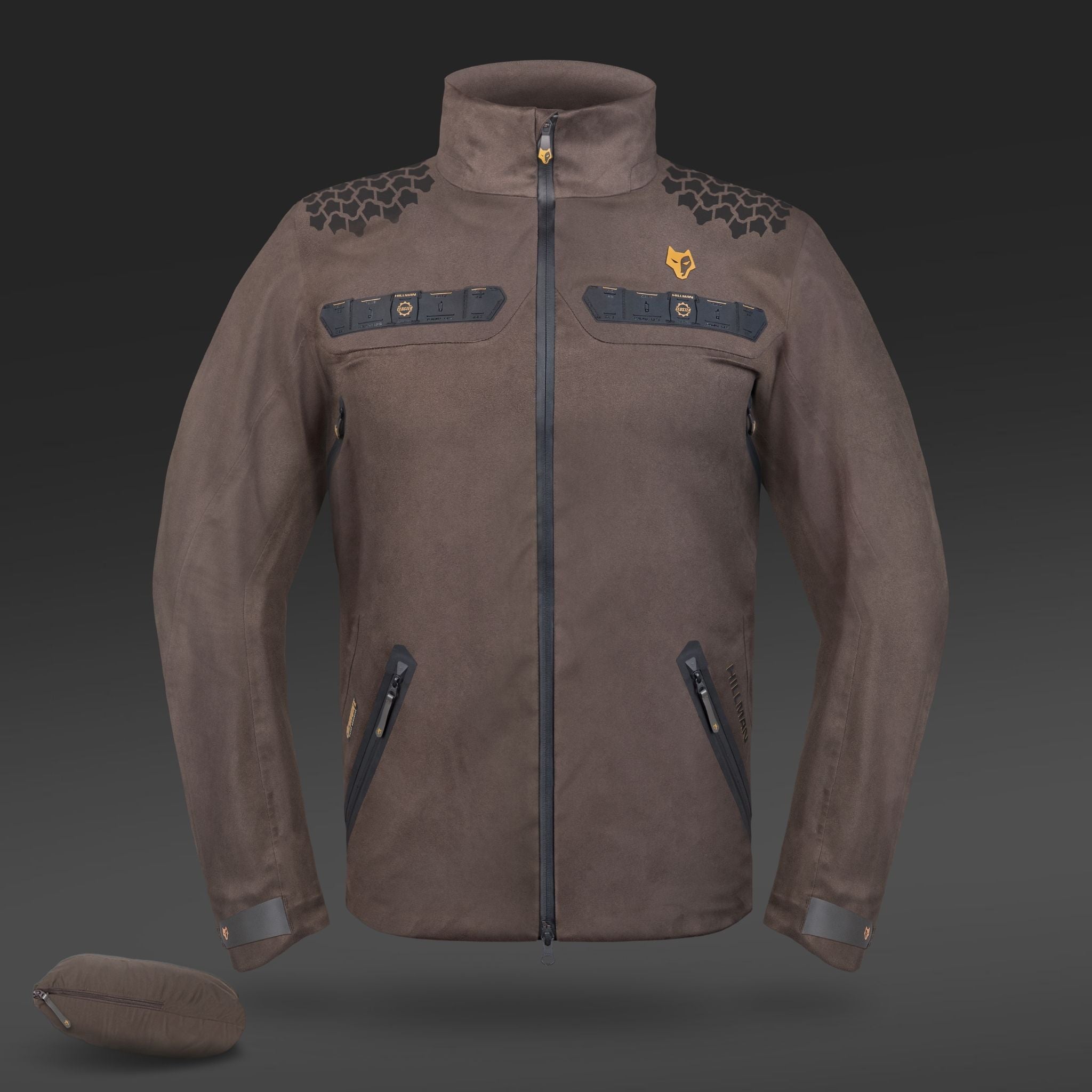
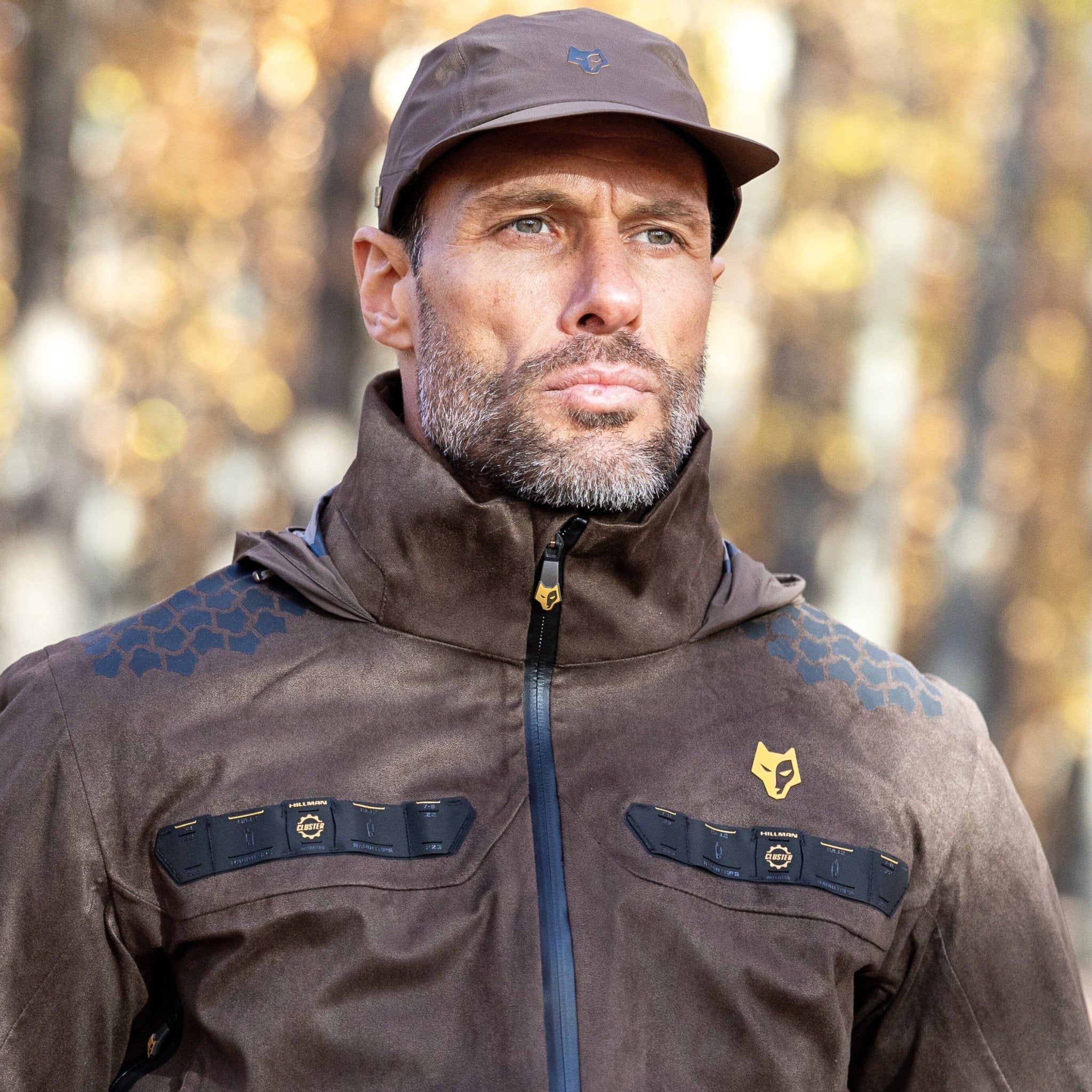
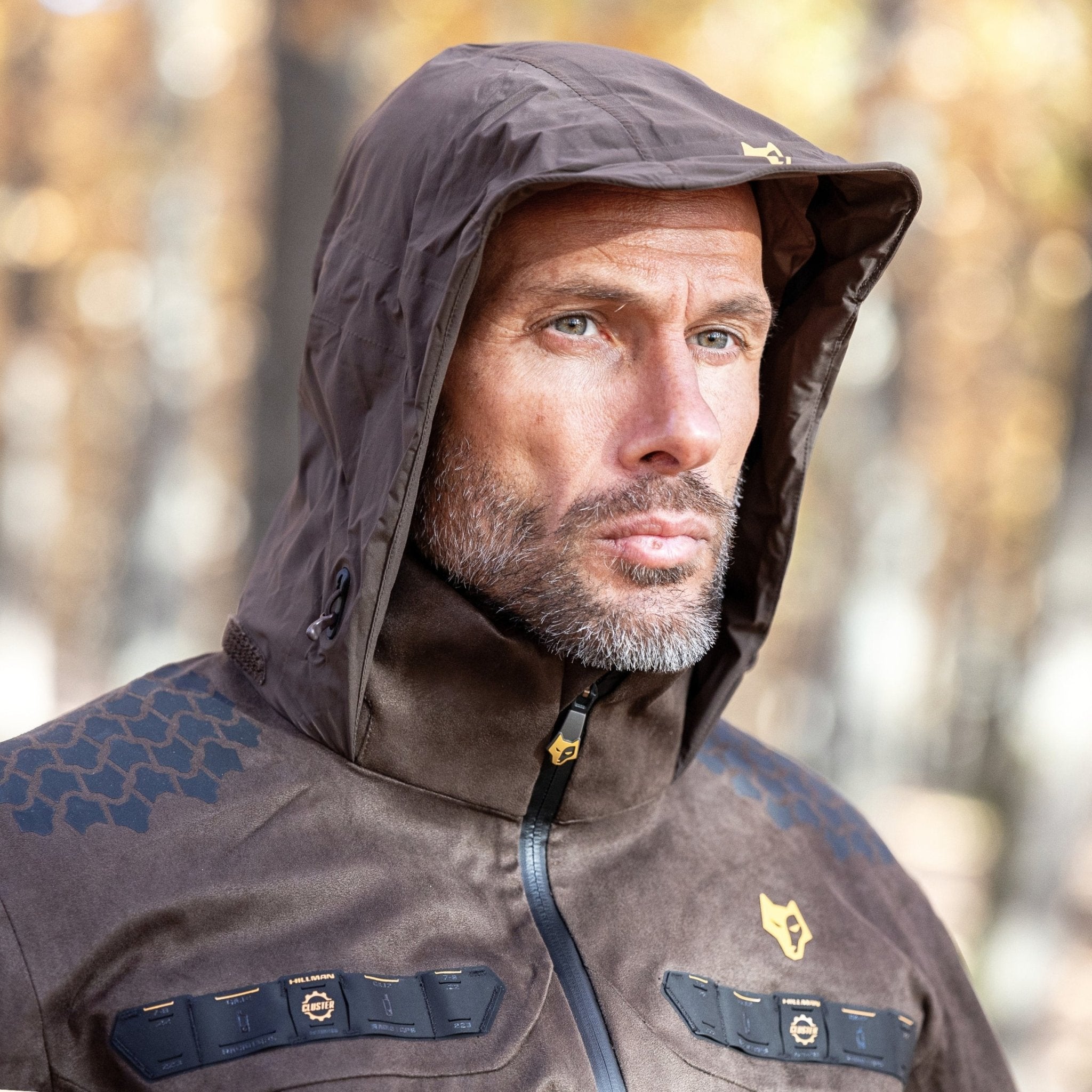
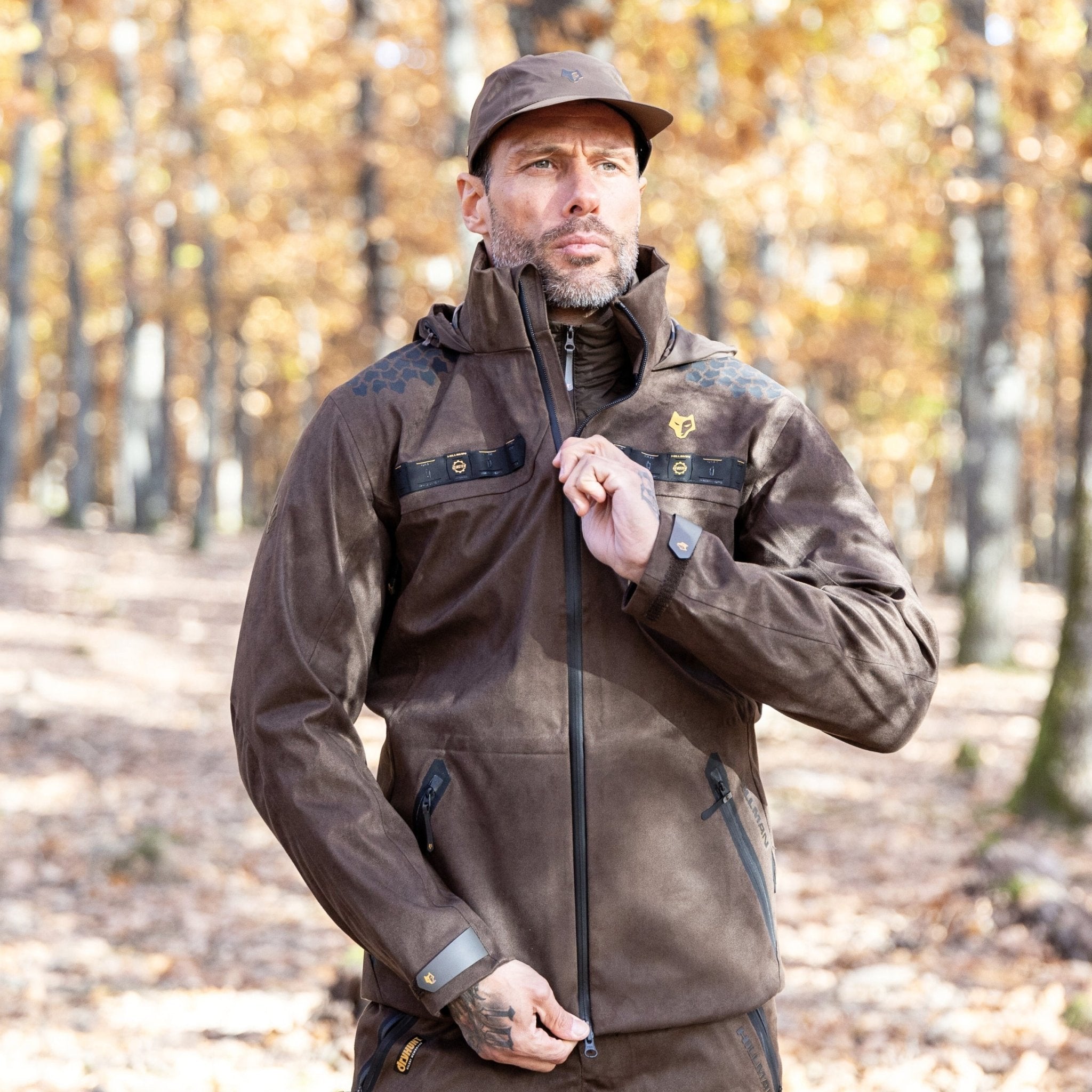
A premium shooting coat from Hillman can sit naturally within that kind of practical dress code: quiet, weather-ready, and built for the sort of day where comfort helps you stay sharp.
Working With the Day, Not Against It

Every day’s shooting has its own rhythm. The first drive may show you how birds are reacting to the wind. The second may reveal whether they are curling earlier than expected. By lunch, you may know which hedge lines are producing high pheasants and which are giving lower, faster birds.
Pay attention. The head keeper and shoot staff usually know what is likely, but birds still make their own choices. Weather, pressure, cover, and previous drives all affect how pheasants break. If you see birds lifting early from a particular corner, remember it. If they are dropping after the hedge because of wind, adjust. If other guns are consistently missing behind, take that as a clue rather than a reason to copy them.
The best peg shooters are not rigid. They adapt without becoming frantic. They notice where birds are coming from, where they are going, how fast they are crossing, and whether the wind is making the line deceptive.
There is nothing wrong with enjoying the day either. A little sloe gin after the shooting, a laugh with fellow guns, and thanks to the keepers are part of the culture. But during the drive, attention has to stay with safety, line, range, and clean shooting.
The End of the Day Still Counts
When the shooting is finished, the day is not quite over. Birds need to be gathered. The picking-up team and pickers have done important work, often out of sight. The game cart tells part of the story, but not all of it. A smaller bag of cleanly shot birds is better than a larger one with too many doubtful shots.
It is customary to thank the gamekeepers and staff at the end of the day, often with a tip. That gesture matters because a shoot day is built year-round, not just on the morning everyone arrives dressed and ready. Cover crops, feeding, dogging-in, planning drives, managing the ground, and looking after the birds all sit behind that one crossing pheasant over the hedge.
Always follow the Code of Good Shooting Practice. It protects the sport, the quarry, the people on the ground, and your own reputation as a gun.
The best peg shooters notice early because they respect how much is happening before the shot. The bird is only one part of it. Wind, feet, gun mount, line, range, safety, and timing all have to come together. When they do, the shot feels simple. Not easy. Simple.



Share:
Rabbit Evenings on Permission: Safe Angles, Slow Ground
What to Wear for Roe Buck Stalking in Summer: No Overheating