
What to Wear for Roe Buck Stalking in Summer Without Overheating

Summer roe stalking clothing: light, quiet, breathable gear for wet grass, wind, ticks, long walks and staying cool.
Summer roe buck stalking sounds easy when you are sitting at home looking at the weather. Then you get out there, walk one slope, push through wet grass, hit a sunny ride, and suddenly your “good jacket” feels like a plastic bag.
That is the trap.
The question is not only what to wear for roe buck stalking in summer without overheating. It is how to dress so you can walk, stop, glass, kneel, crawl a little, wait too long, then move again without turning into a sweaty mess.
Roe deer stalking in summer is active. You are not just sitting in one spot. You might be in woodland stalking ground at first light, then crossing open ground, then standing still for extended periods because a roe buck is half-hidden near a hedge and one stupid movement will ruin it.
So your clothing has to work. Not look fancy. Work.
Heavy tweed, thick shooting jackets, stiff waterproofs and bulky winter gear are usually wrong for this job. They trap heat. They make noise. They slow you down. In summer, the right stalking clothing is light, quiet, breathable and easy to adjust when conditions shift.
Start With Body Temperature, Not Fashion

The whole thing starts with body temperature. If you overheat in the first twenty minutes, the rest of the stalk becomes annoying. You sweat. The sweat sits on your skin. Then you stop moving and get chilled. Then you put a layer on. Then you move again and sweat more.
Bad cycle.
Good deer stalking clothing should let heat and moisture escape. It should keep you comfortable without making you feel wrapped up like it is December. Experienced stalkers often start slightly cool because they know walking will bring warmth fast.
Cotton is not your friend here. It gets damp, stays damp and feels horrible once you stop. Lightweight synthetic fabrics or merino wool make more sense. They wick moisture, dry faster and help keep your body temperature steadier.
Summer roe stalking is not about wearing as little as possible either. You still need protection from wet grass, ticks, midges, brambles, sun, wind and rough cover. The trick is getting protection without cooking yourself.
Base Layers Do More Than People Think

Base layers play a critical role, even in warm weather. That first layer sits against your skin, so if it is wrong, everything feels wrong.
A good base layer wicks moisture away before it builds up. That matters when you are walking slowly uphill, carrying stalking gear, stopping to glass, then moving again. A damp shirt stuck to your back is not just uncomfortable. It makes you lose focus.
For summer, go light. A thin long-sleeve base layer or breathable shirt is usually better than a short sleeve top. Long sleeves help with sun, ticks, midges and scratches from woodland cover. Just make sure the fabric breathes.
Merino wool is good if you like natural fibres and want some odour control during long hours. Lightweight synthetic shirts dry quickly and can be very practical too. What you do not want is a tight, shiny, noisy shirt that sticks to your skin and makes you hate life after one climb.
The right clothing should feel boring. That is good. You should forget it is there.
Do Not Wear a Mid Layer Just Because You Packed One
A mid layer is useful, but it should not be automatic in summer. Too many people put one on at the truck because the morning feels cool, then regret it once the stalking activity starts.
A thin fleece, light grid fleece or simple mid layer is enough for most summer roe stalking. Wear it when you are glassing, waiting in shade or standing in wind on open ground. Pack it away when you start moving properly.
That is the point of layers. You are not trying to prove how tough your gear is. You are trying to stay comfortable.
If conditions shift, a light mid layer gives you options. Cool air at sunrise, warm walking, damp shade, a sudden breeze, then sun again. That is normal. Your clothing needs to move with it.
Your Outer Layer Should Be Quiet and Breathable

The outer layer is where a lot of stalkers mess up. They grab a big waterproof jacket because rain is possible. Fine, until they start walking and it traps every bit of body heat inside.
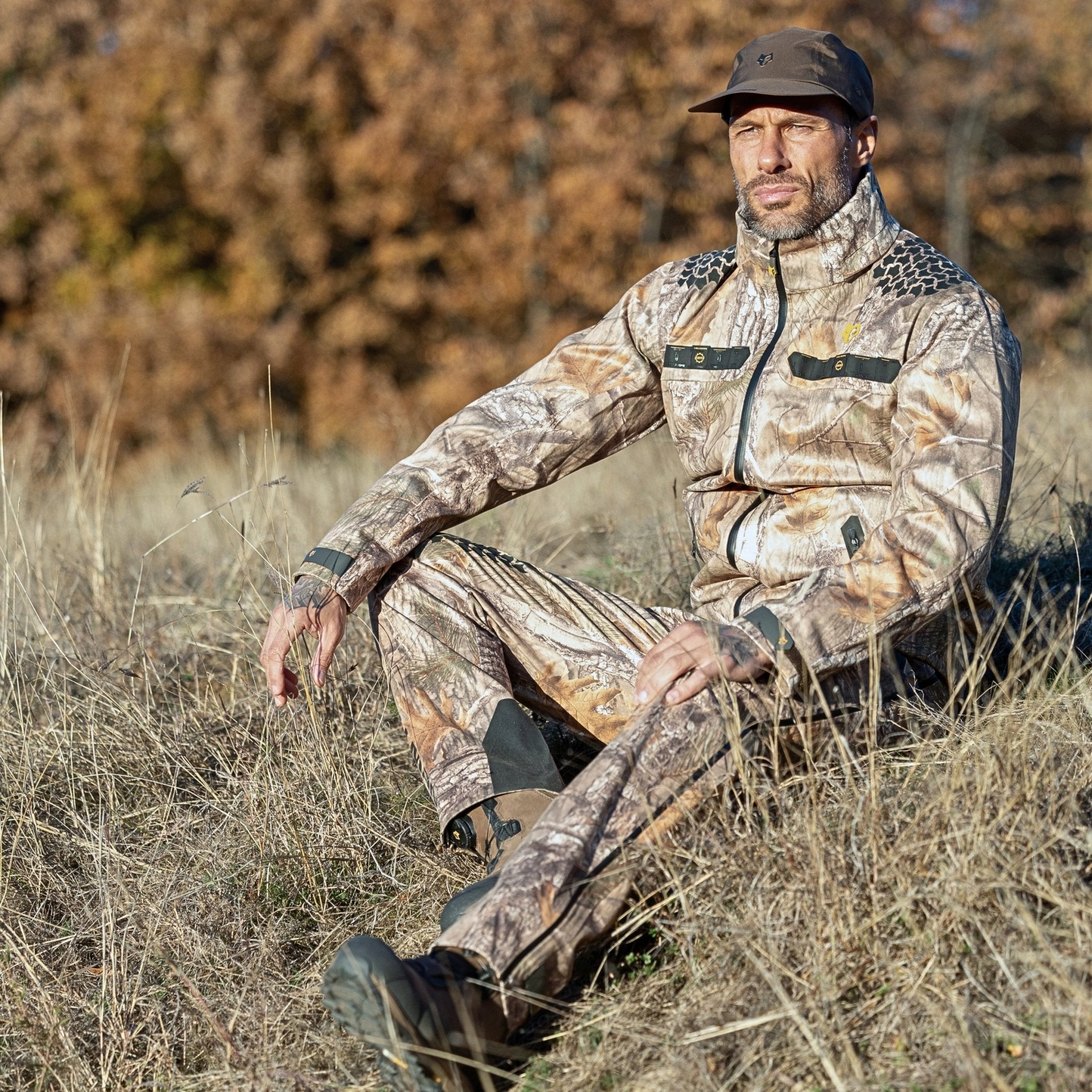
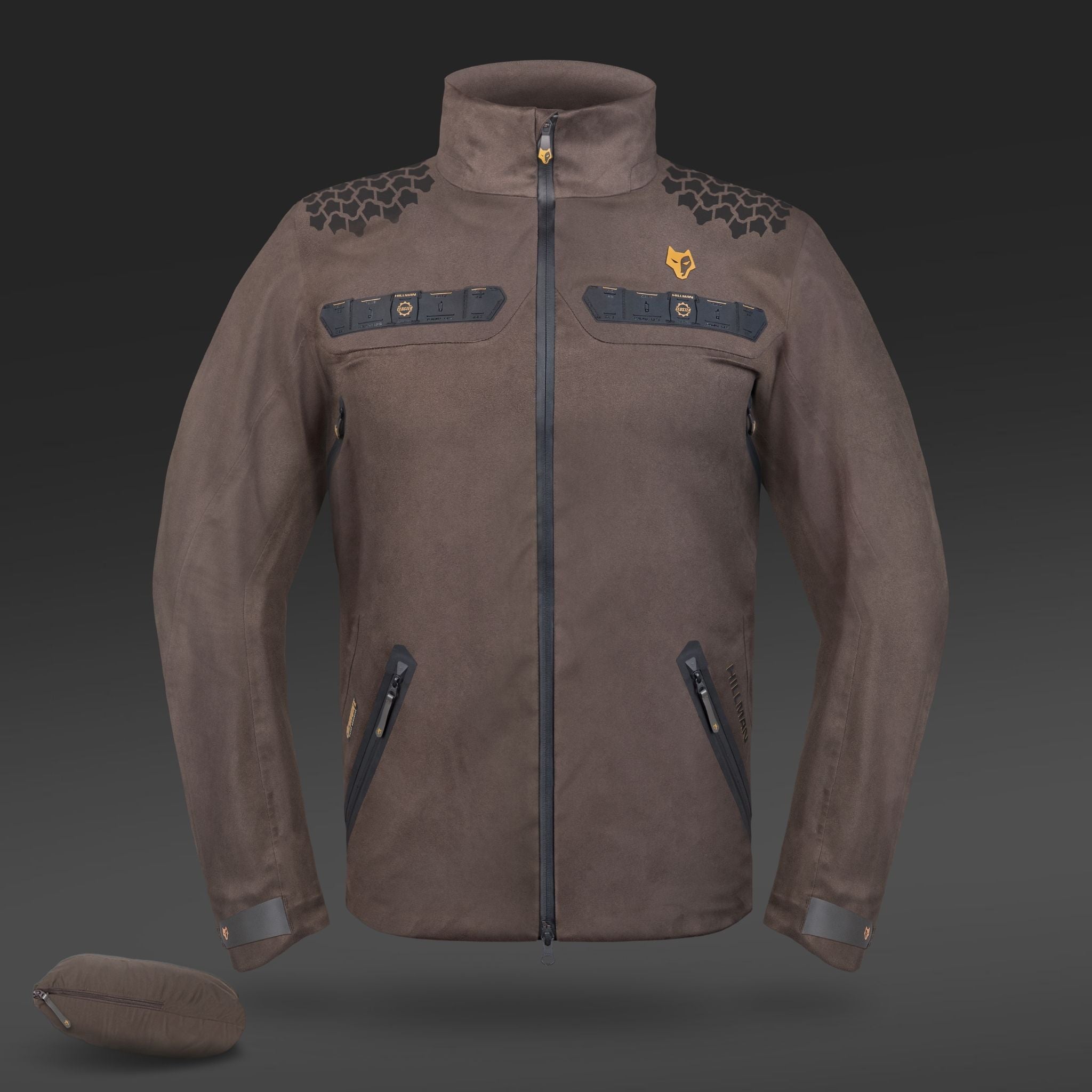
A summer outer layer should be light, quiet and breathable. It should block wind, handle drizzle, protect against wet vegetation and pack down when you do not need it. It should not feel like wearing a bin liner.
Weather protection still matters. UK summer weather can turn quickly. Wet grass alone can soak you before rain even starts. But weather protection does not mean dragging out your heavy winter shell.
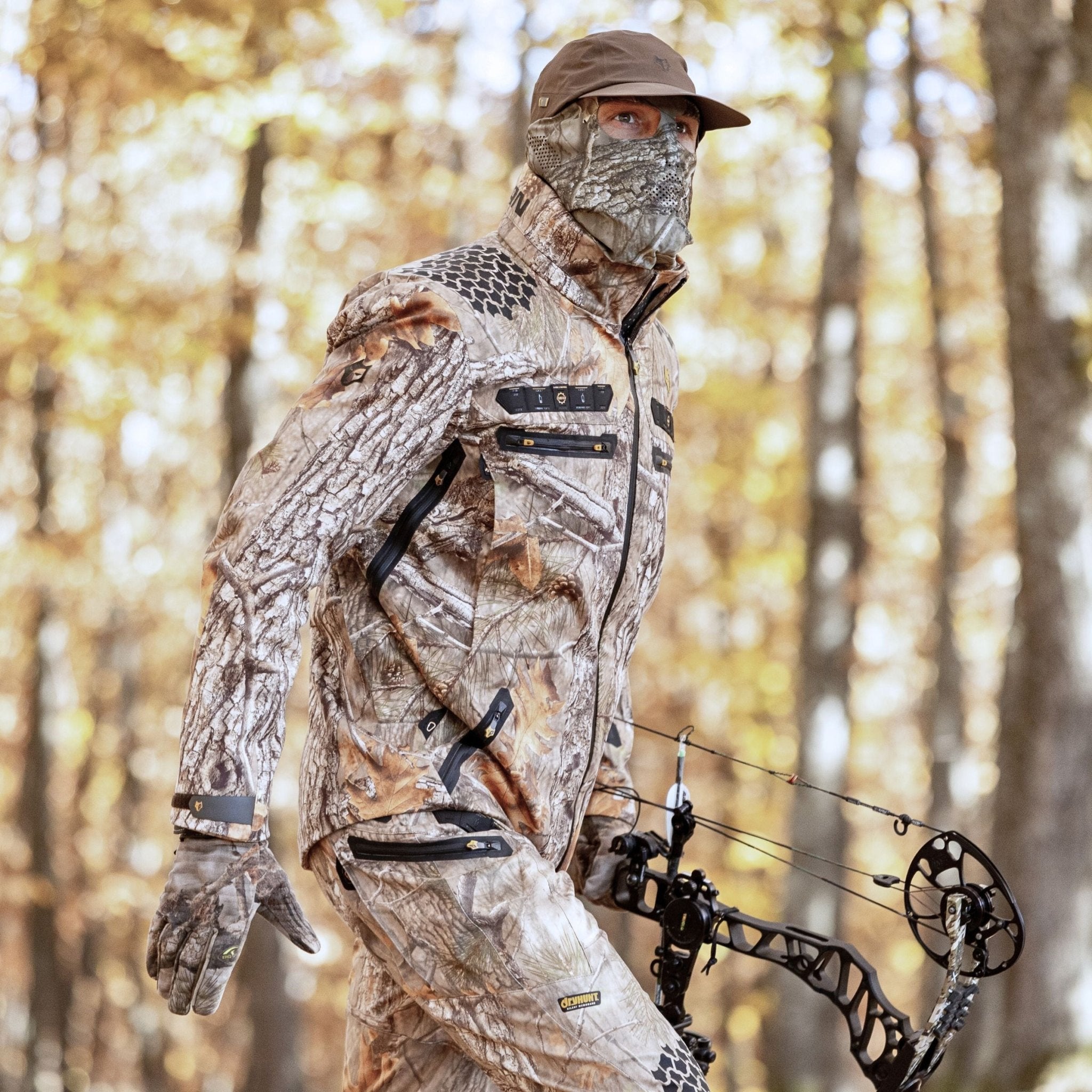
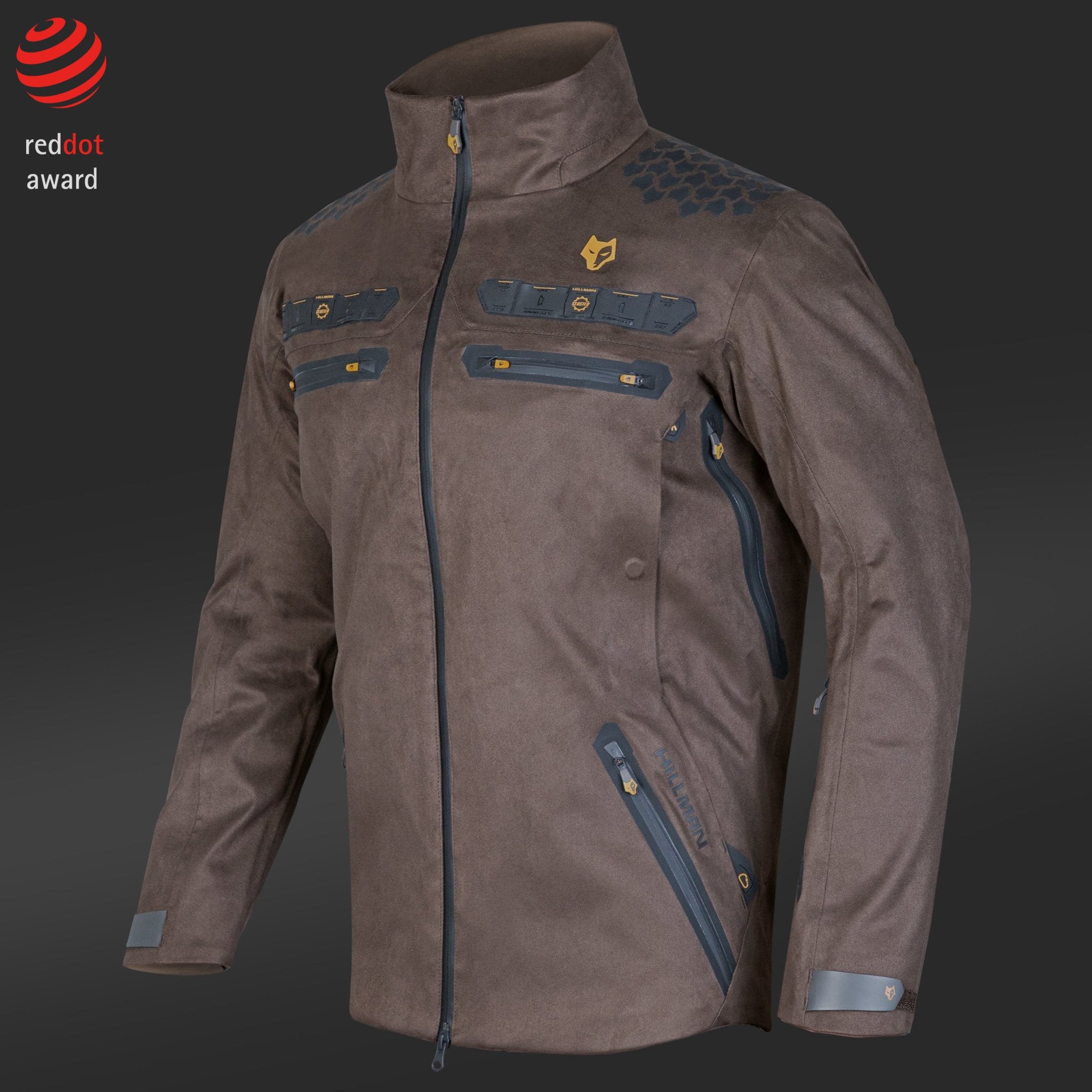
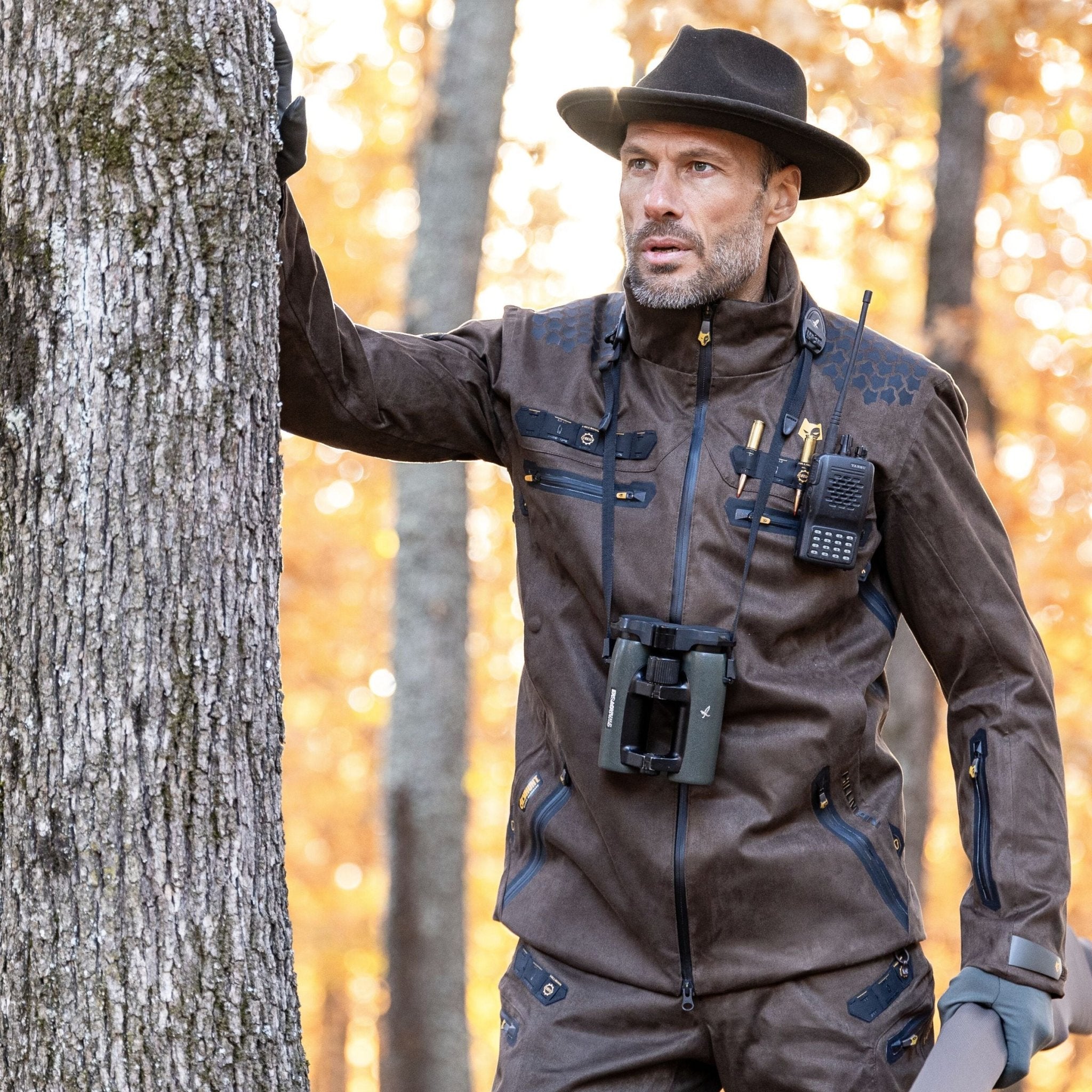
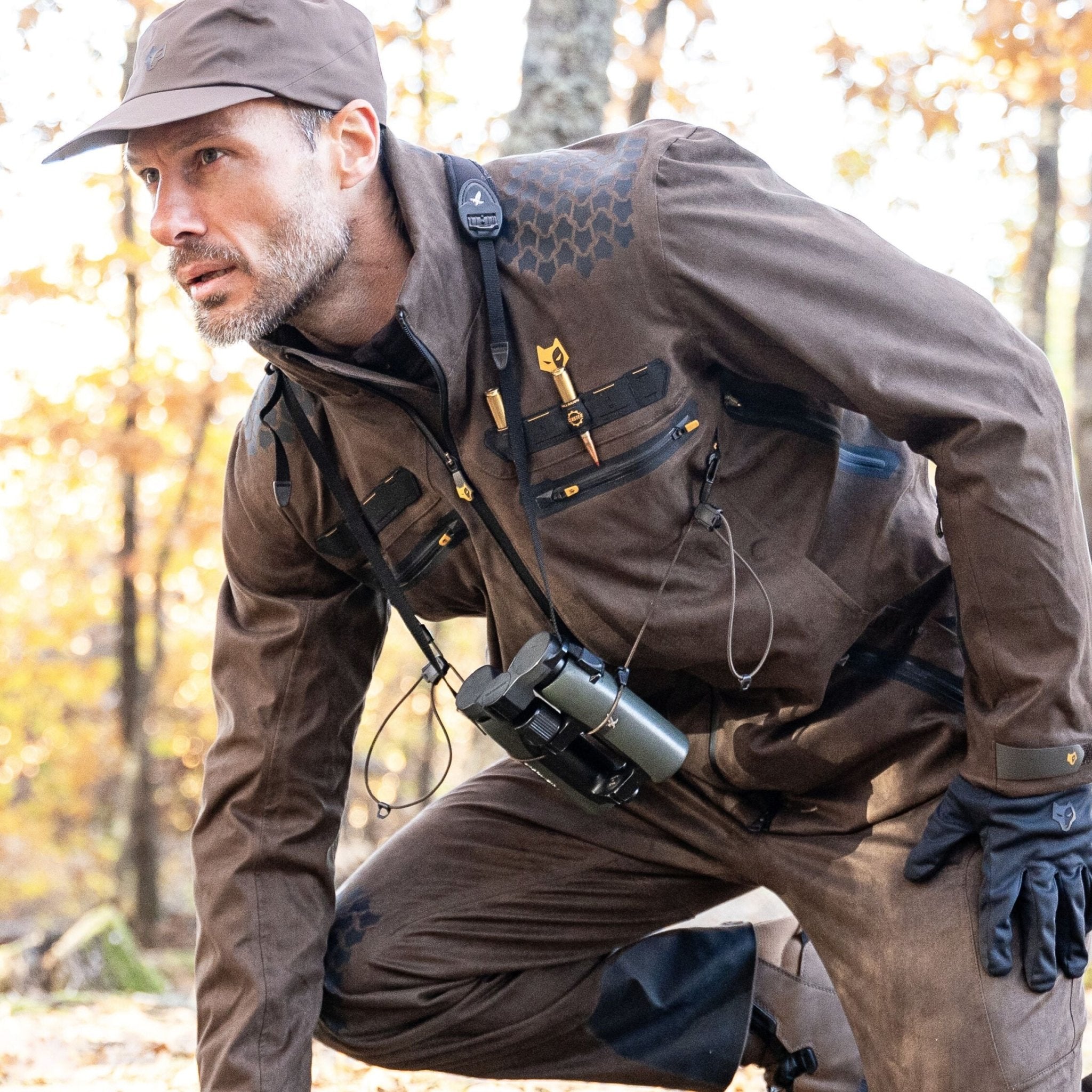
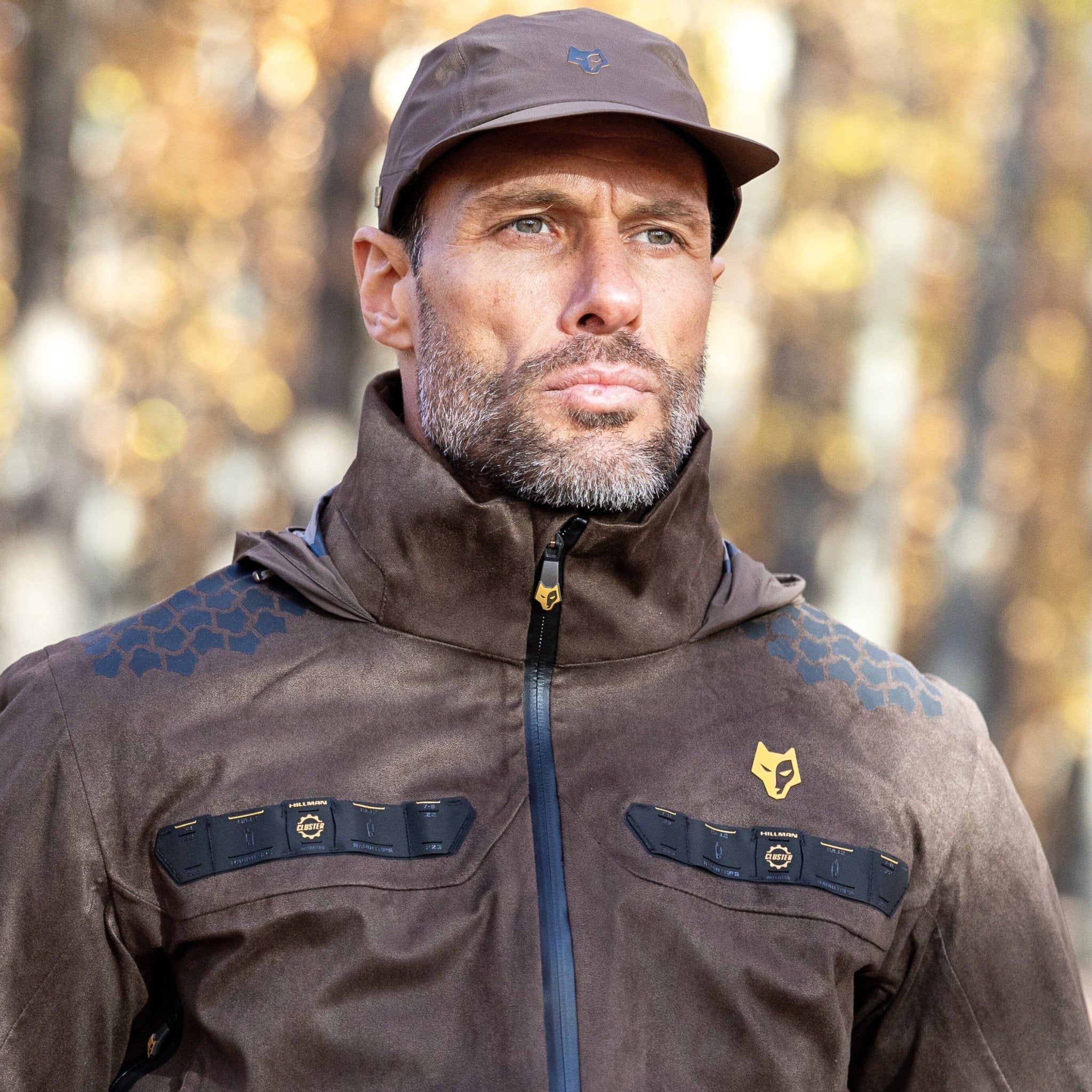
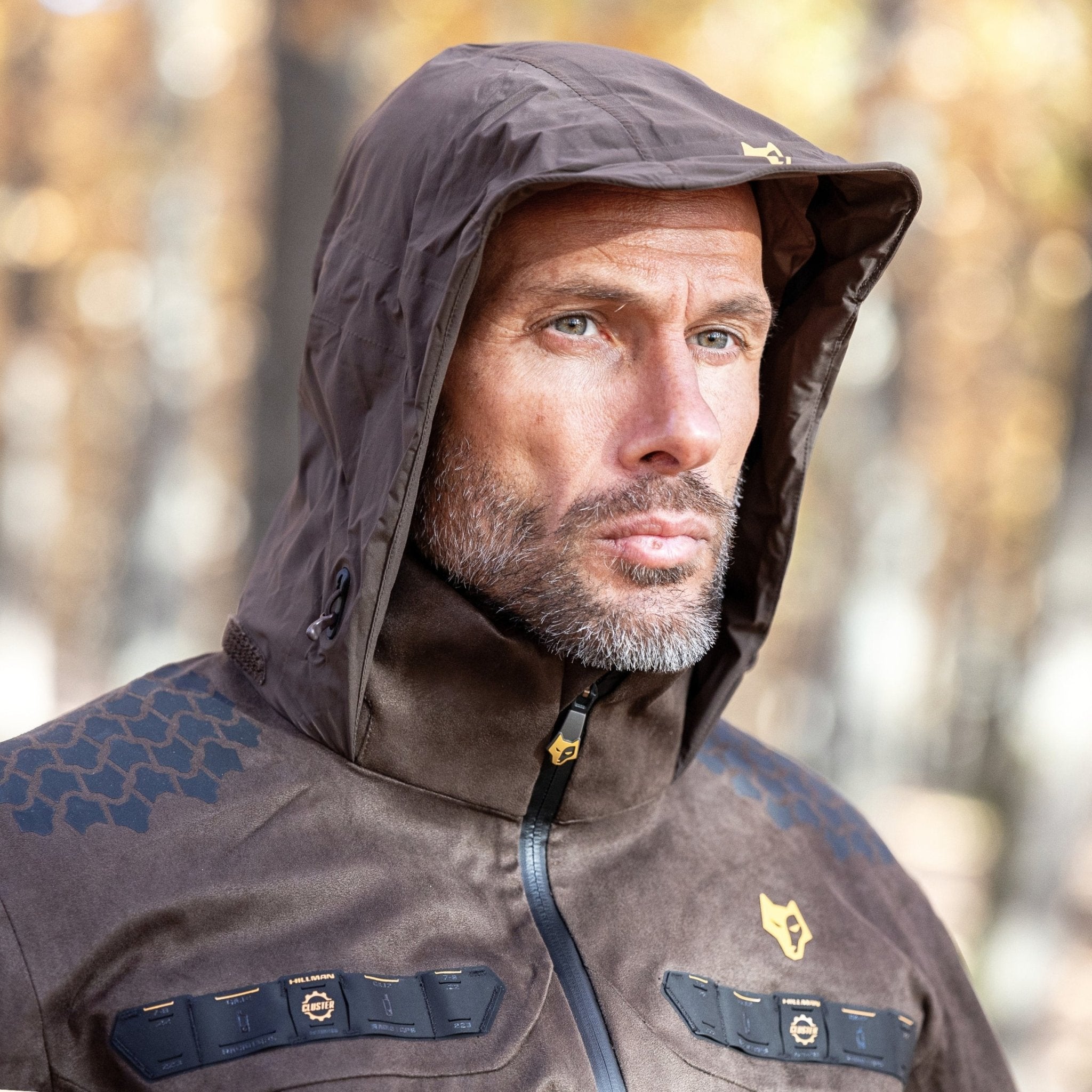
Look for quiet fabric, useful ventilation, decent cuffs and a cut that lets you raise the rifle without pulling tight across the shoulders. Two-way zips and vents help dump excess heat. Simple details matter more than marketing noise.
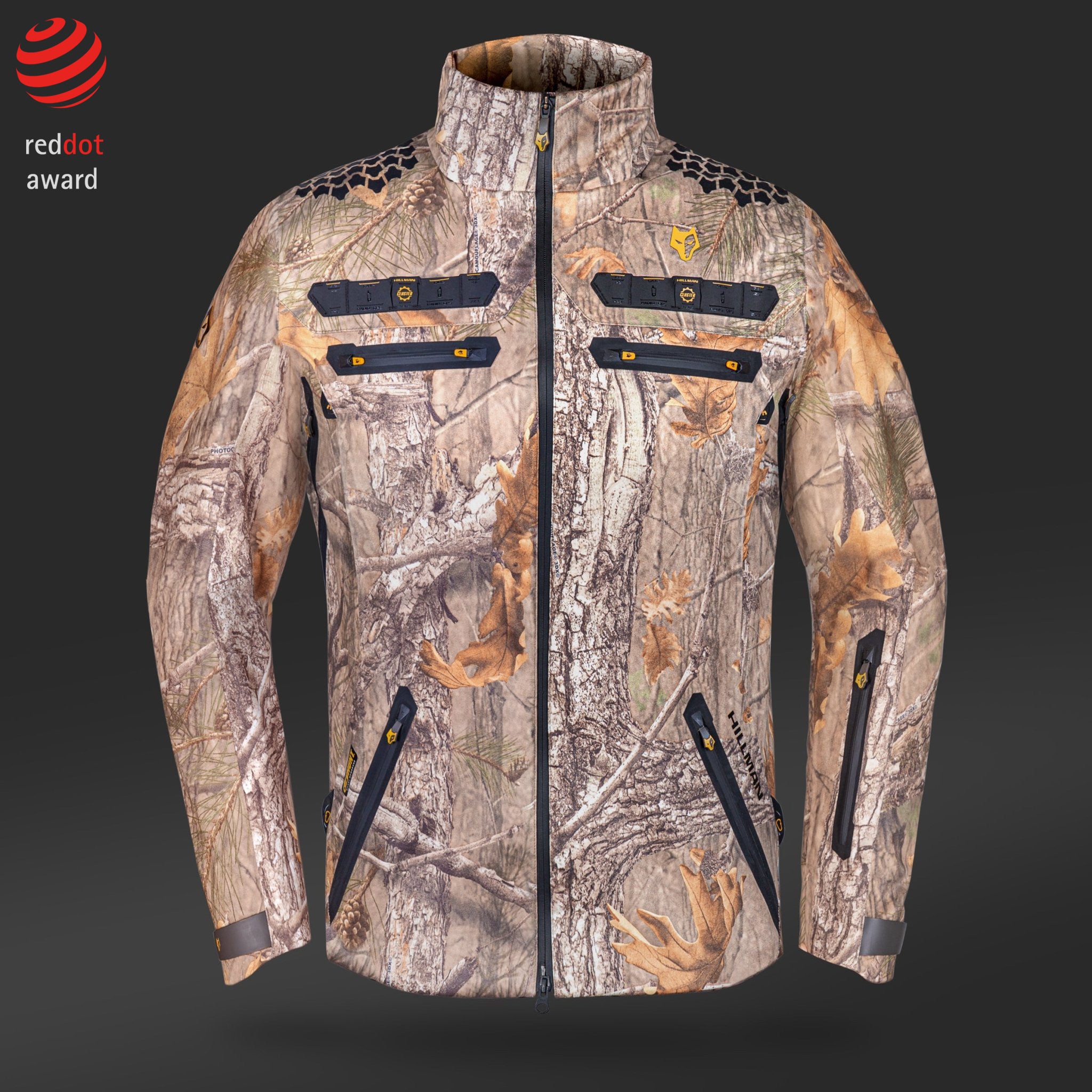
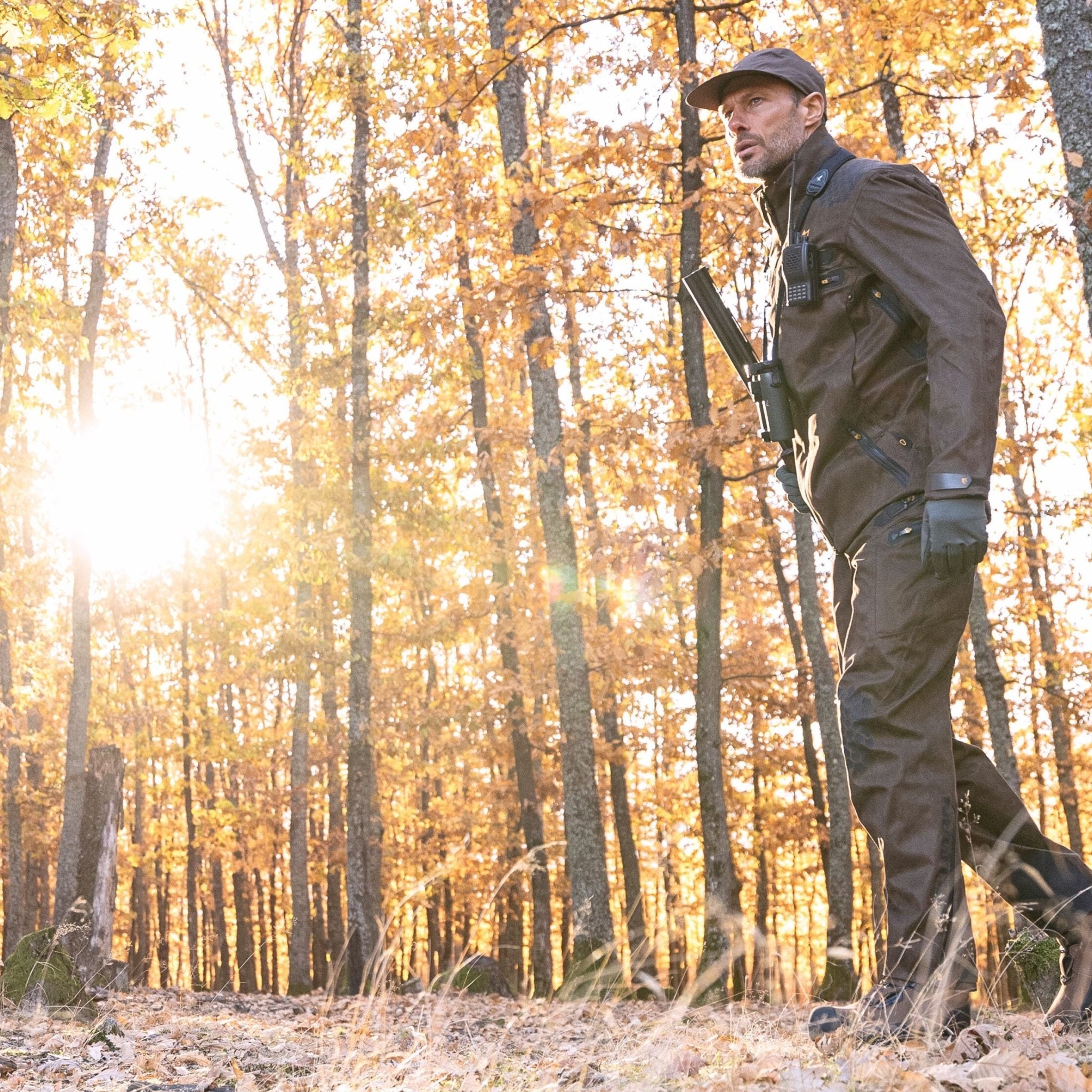
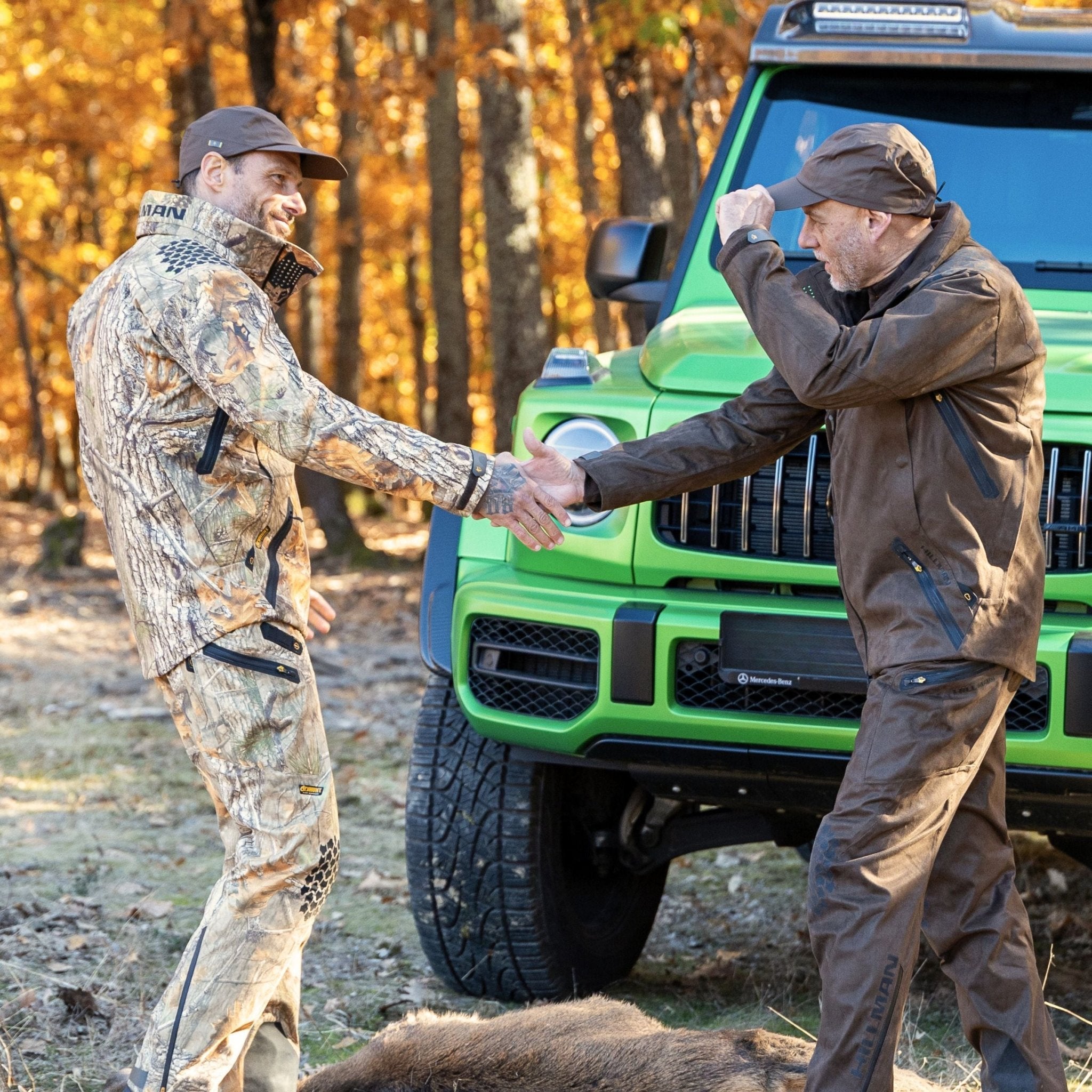
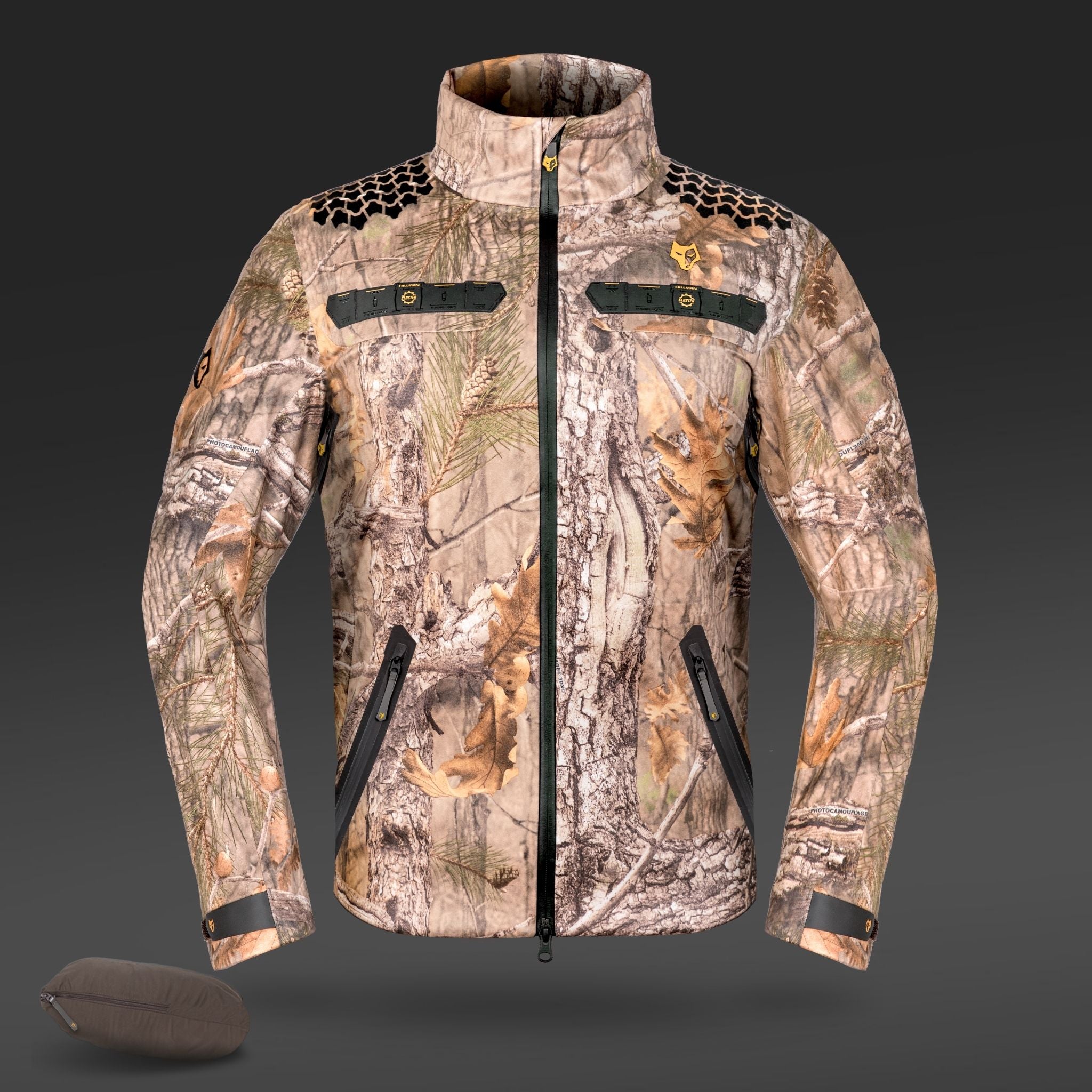
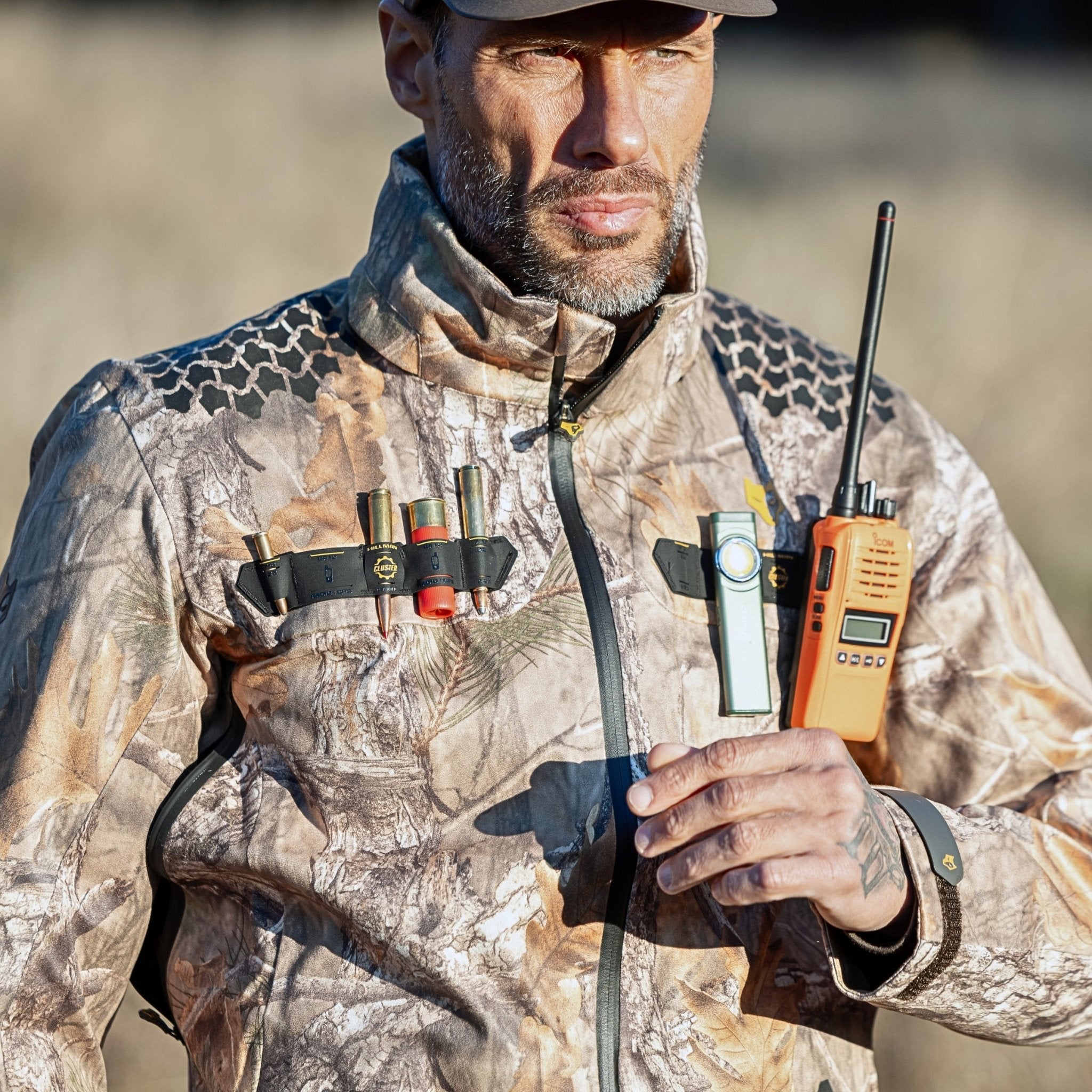
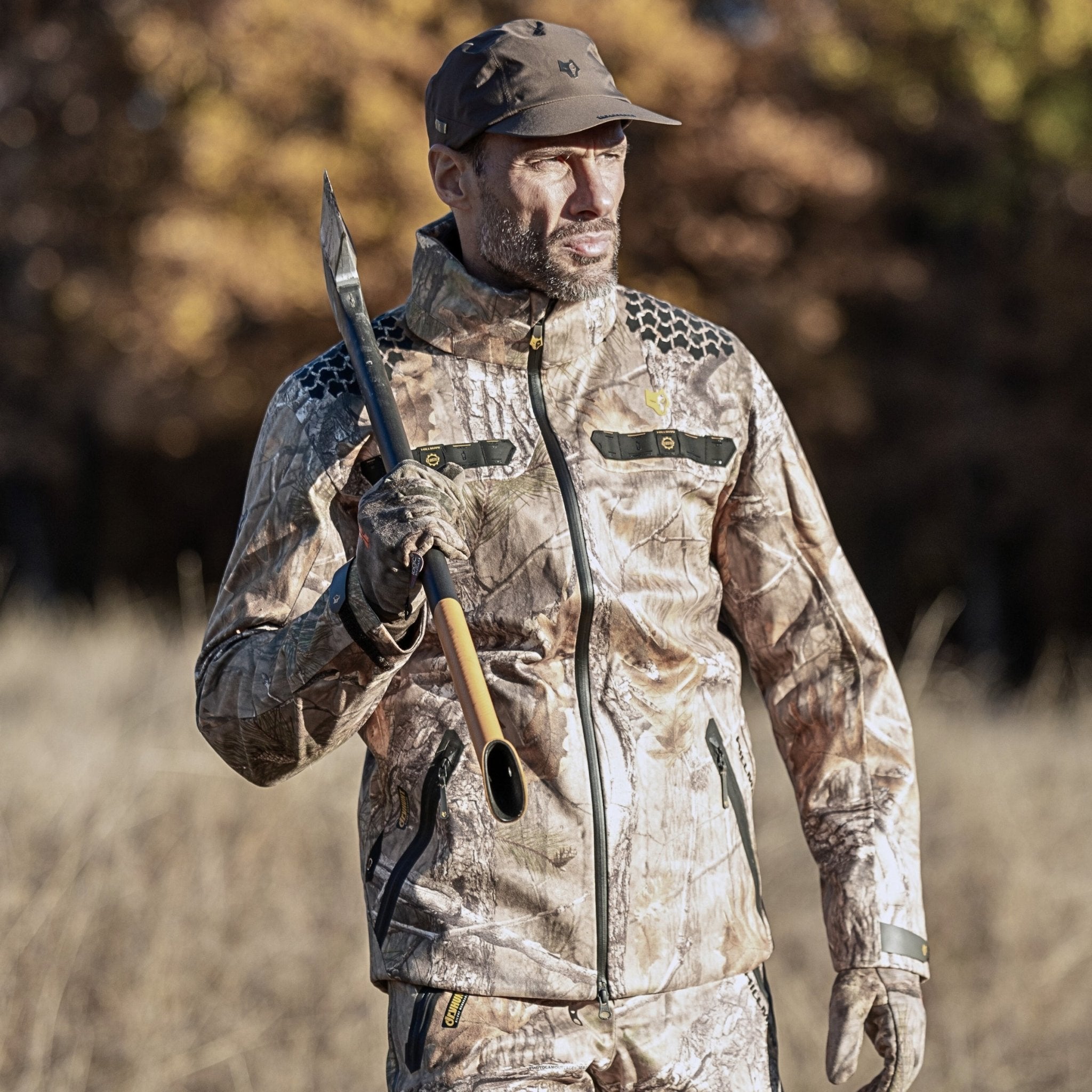
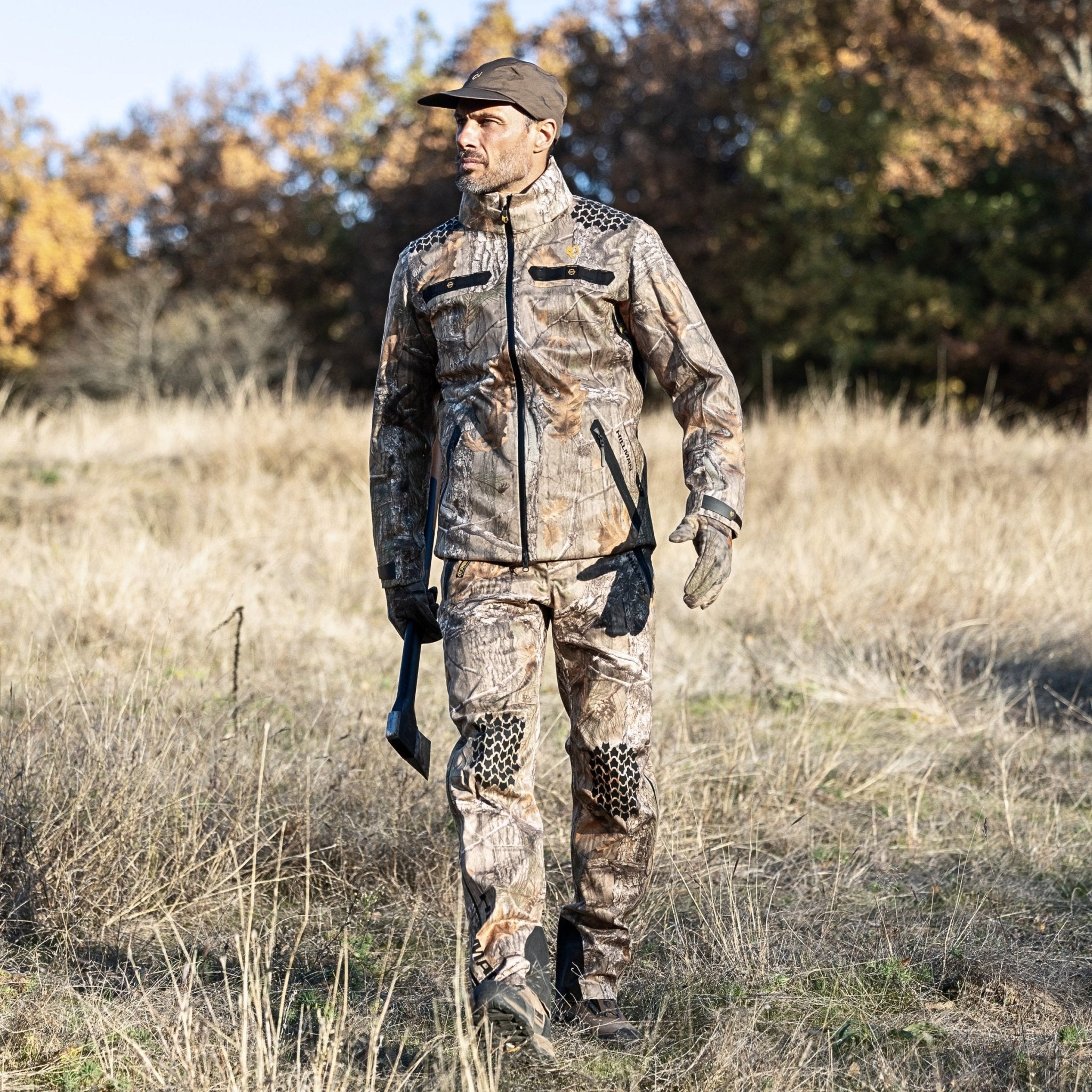
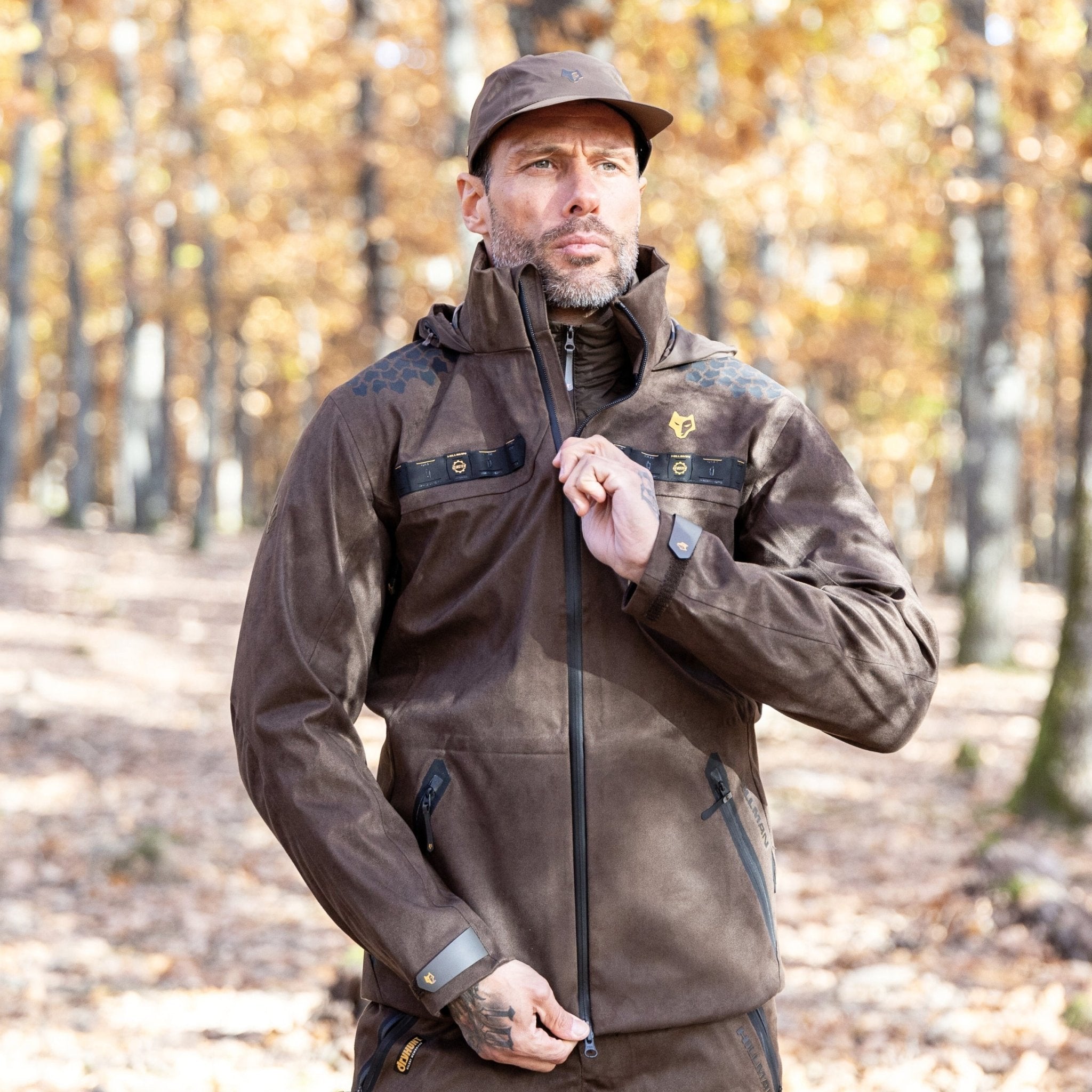
A quiet, light stalking jacket from Hillman can sit in that useful middle ground when you need cover from wind and showers without feeling boxed in.
And test the sound. Some rain jackets are technically good but stupidly loud. If it crackles when you move your arm, it will sound worse in still woodland.
Stalking Trousers Need to Take Abuse Without Roasting You

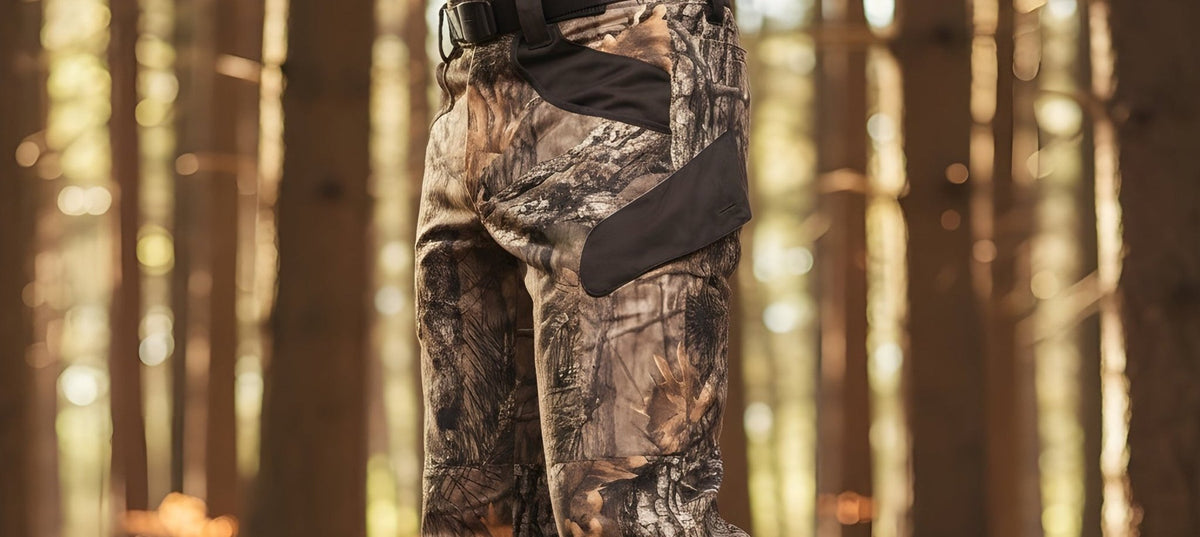
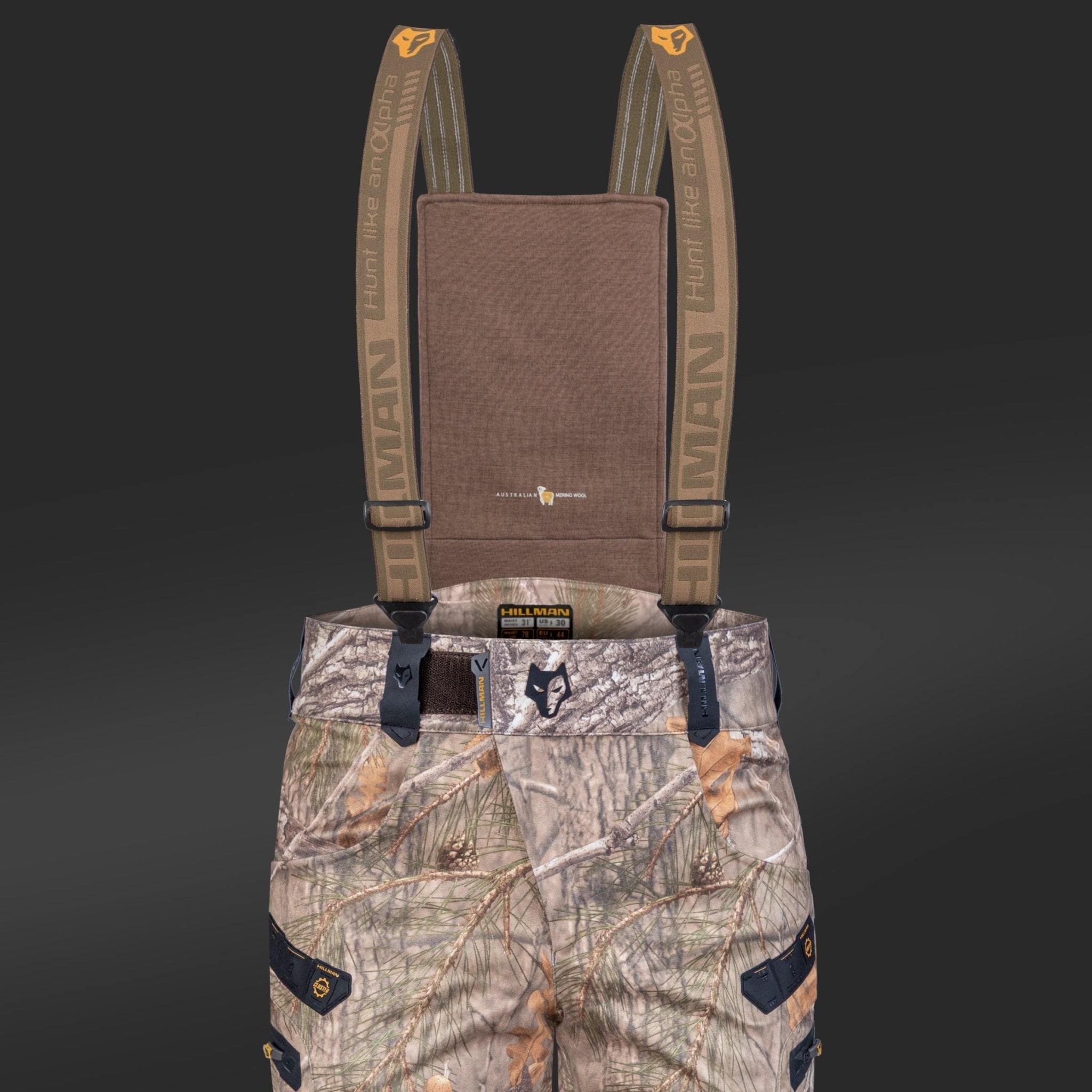
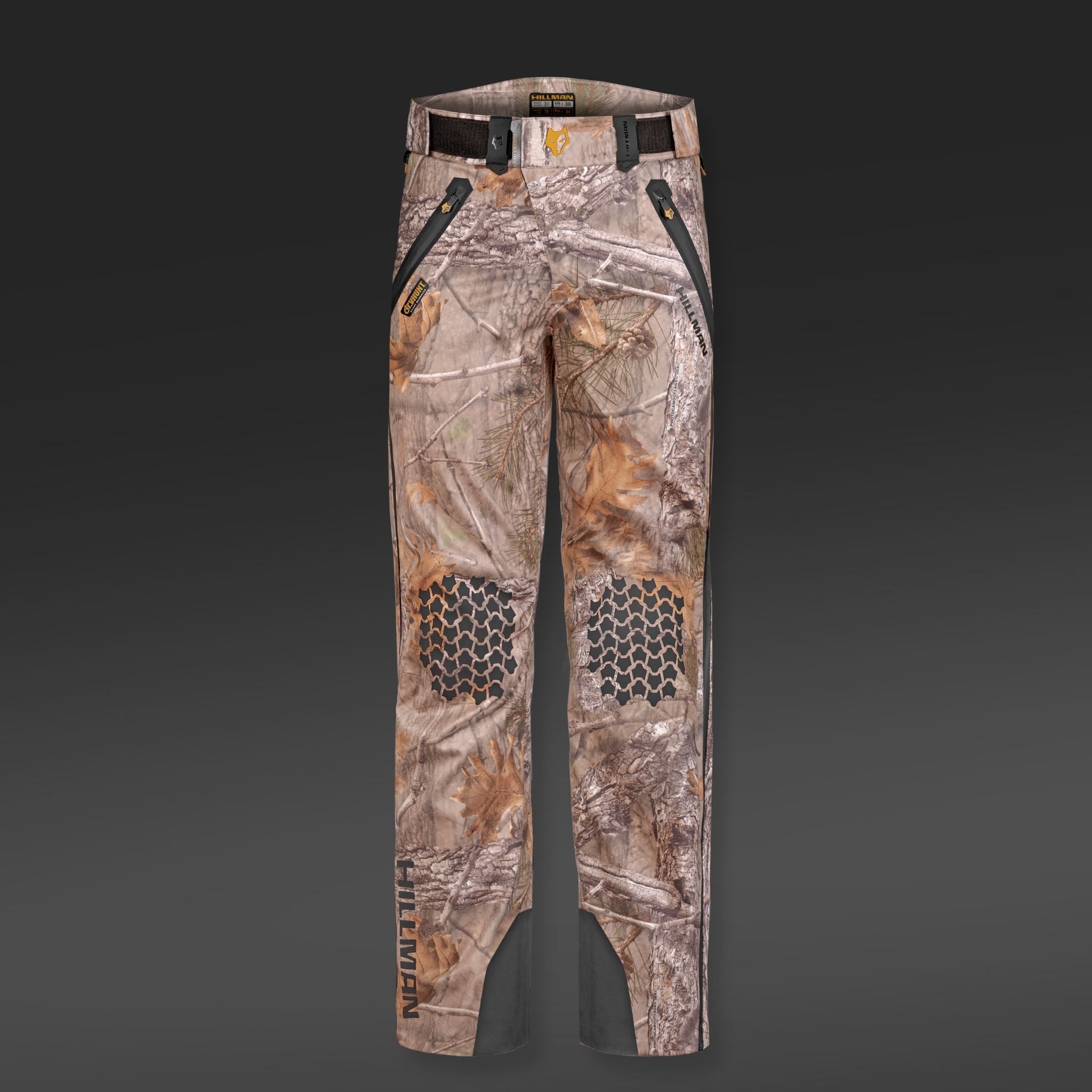
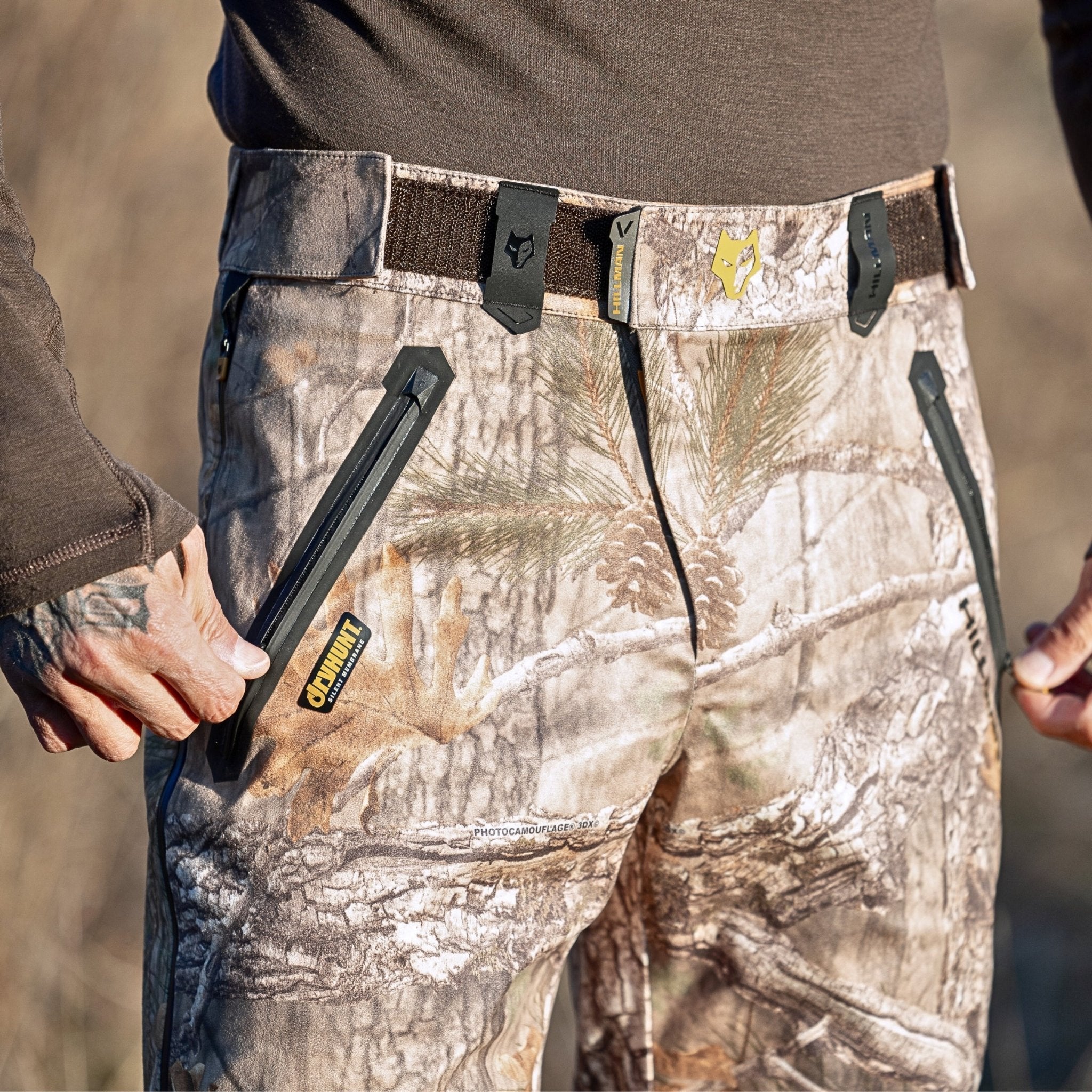
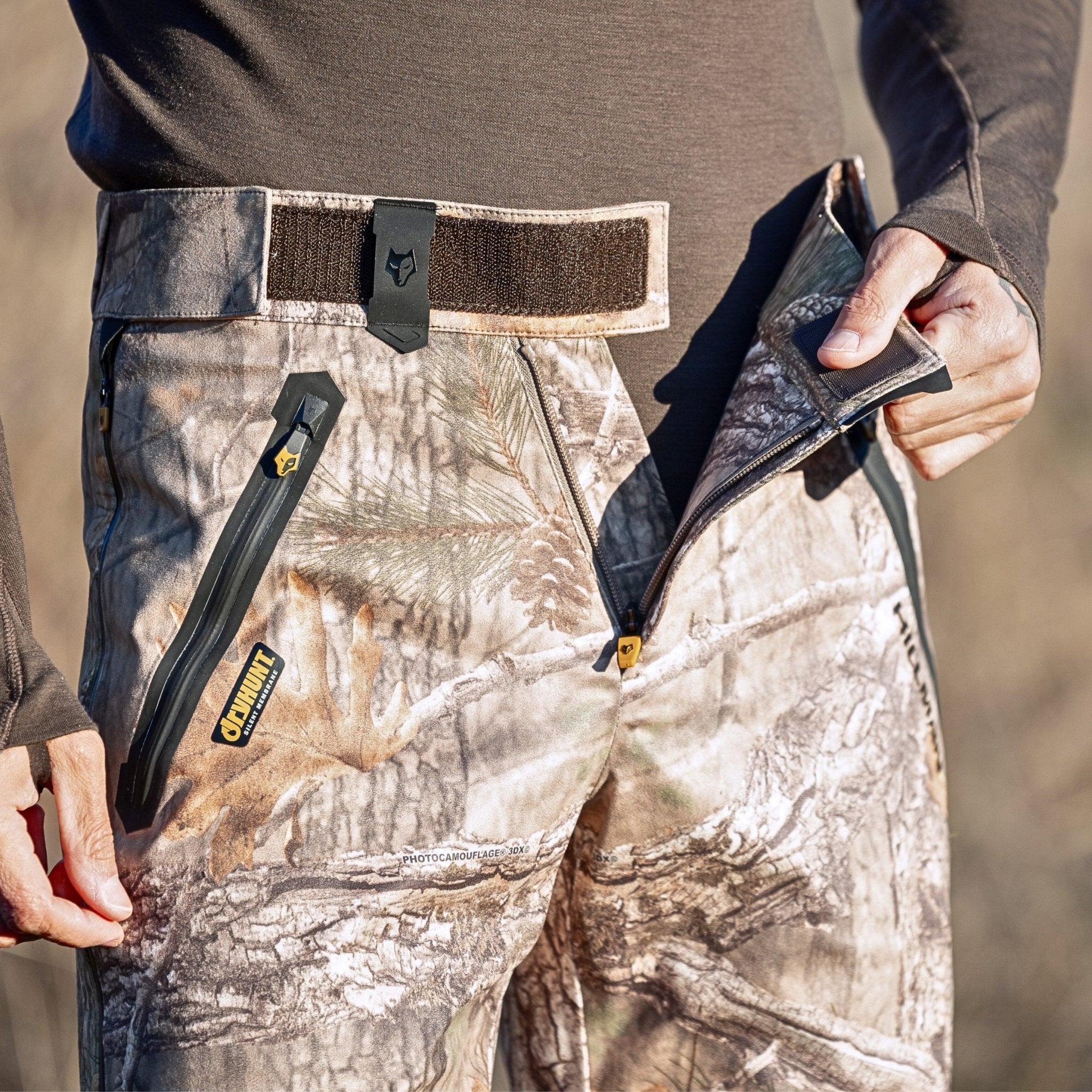
Stalking trousers for summer have a rough job. They need to be light enough for heat, tough enough for bracken and thorns, quiet enough for close stalks, and quick drying enough for wet grass.
Shorts are usually a bad idea. Yes, they are cooler. They also leave your legs open to ticks, midges, nettles, scratches and wet cover. Not worth it most of the time.
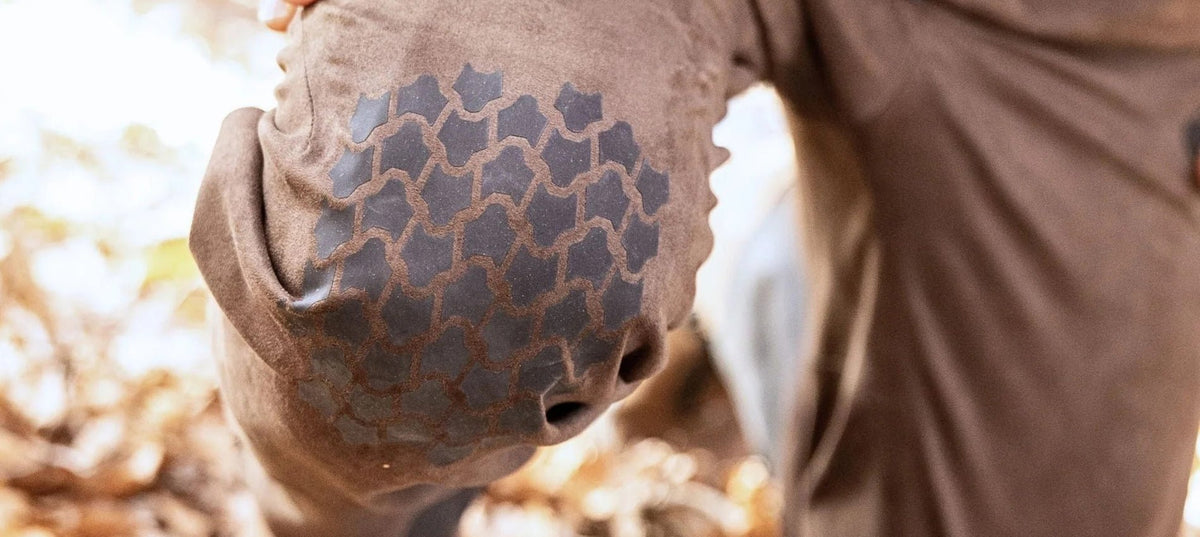
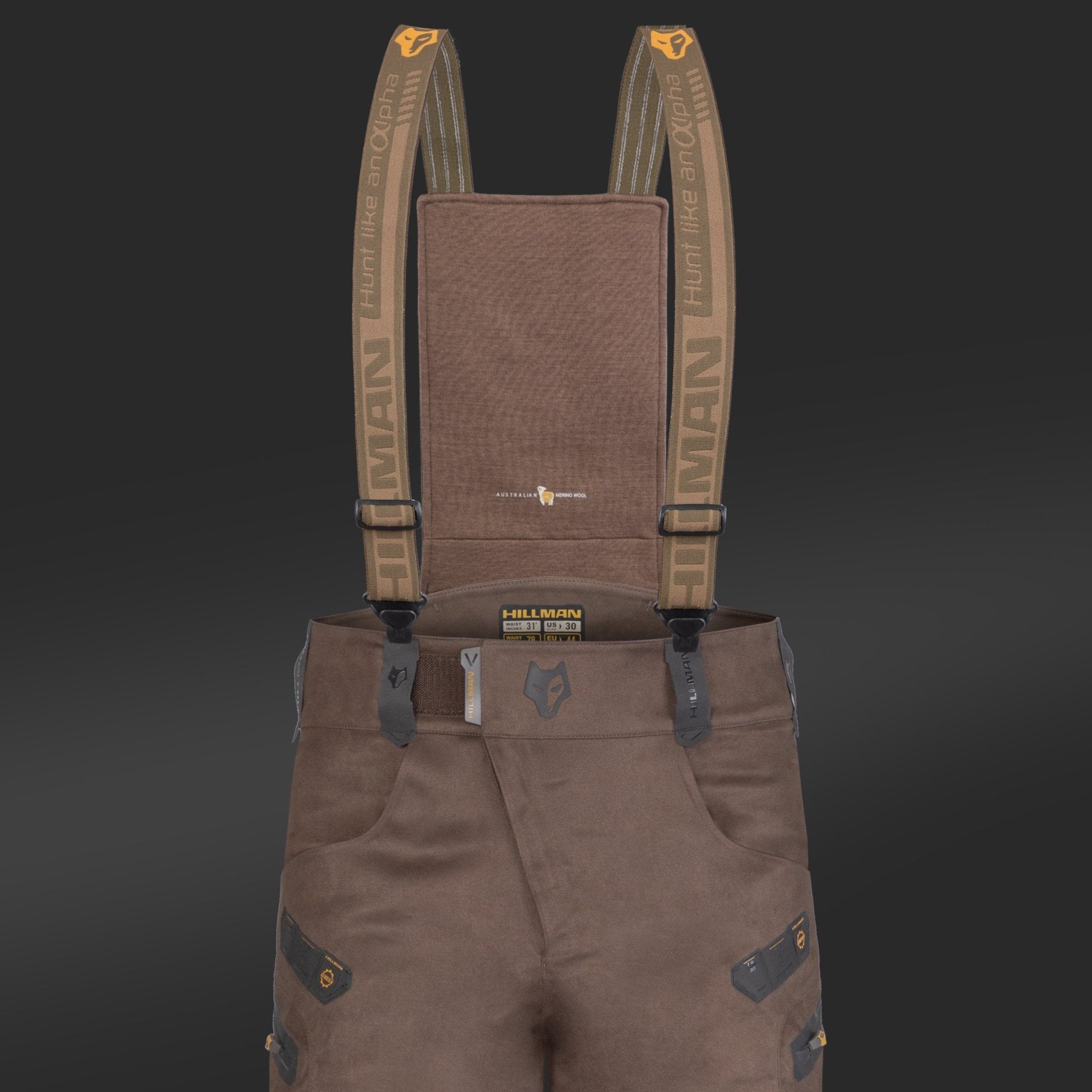
Good summer stalking trousers should breathe well, move easily and dry fast. Stretch helps when crossing fences, kneeling, crawling, stepping over ditches or climbing banks. Reinforced knees are useful if you spend time low to the ground.
Waterproof trousers can help in proper rain, but they are often too hot for normal summer roe deer stalking. A water-resistant pair makes more sense for many outings. Enough protection for wet grass and light weather, but not so much that your legs boil.
Pockets are useful, but keep them sensible. Big loose pockets full of gear can knock, rustle and catch on cover. Quiet pockets are better than many pockets.
Footwear Can Save the Day or Ruin It

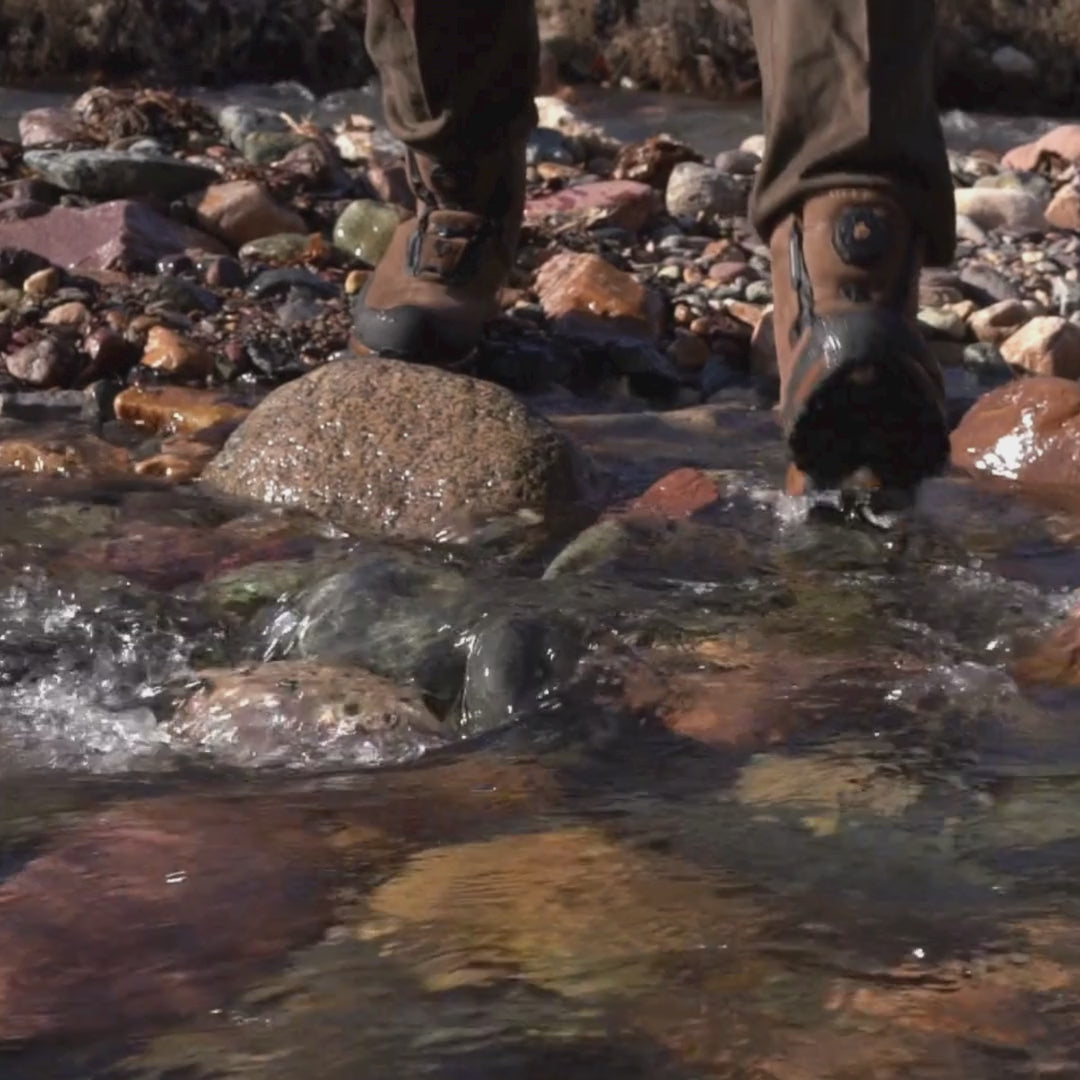
Footwear matters more than people admit. Summer does not mean dry ground. Early mornings usually mean wet grass. Woodland tracks can stay muddy. Low fields can hold water. A stalking outing can start dry and still leave your feet soaked.
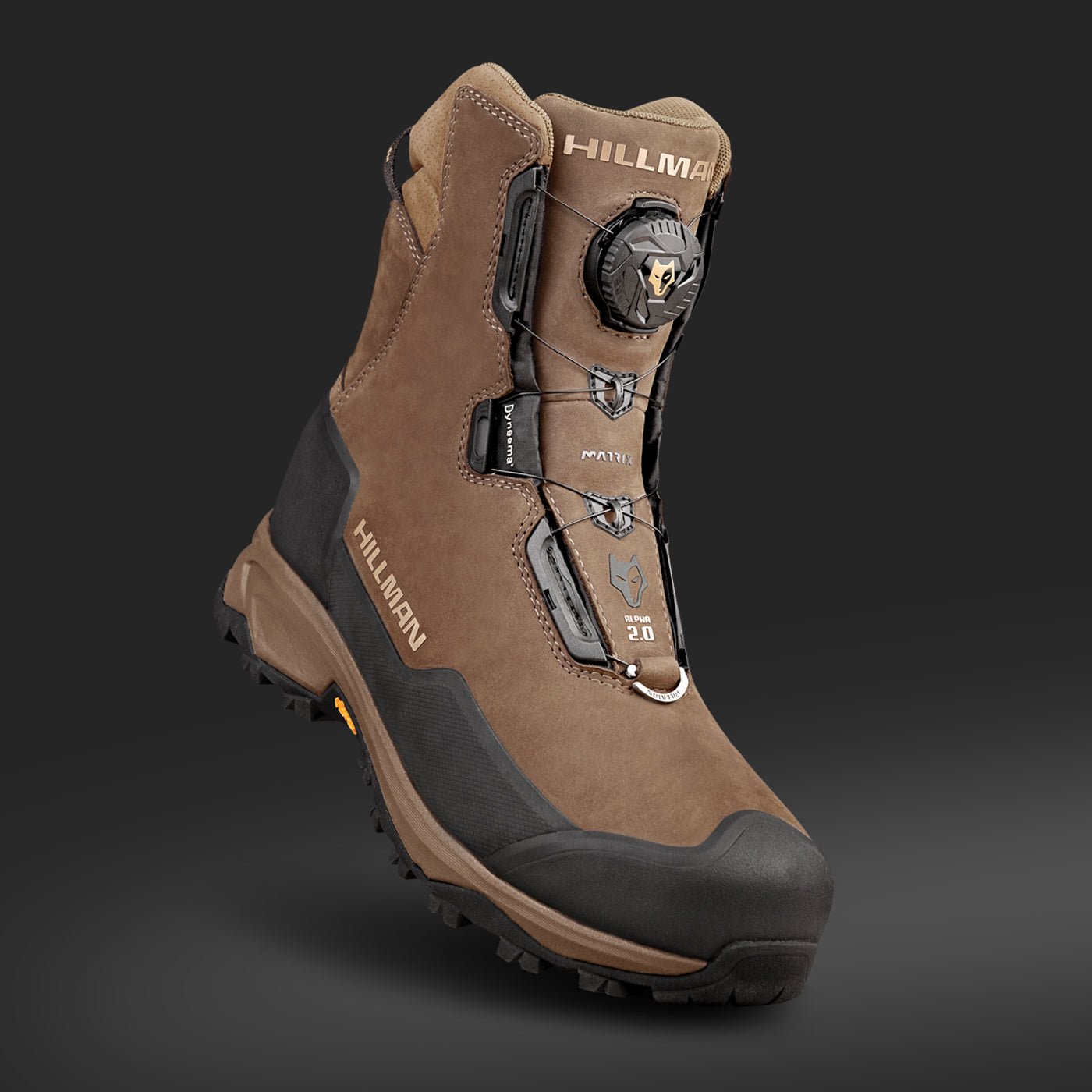
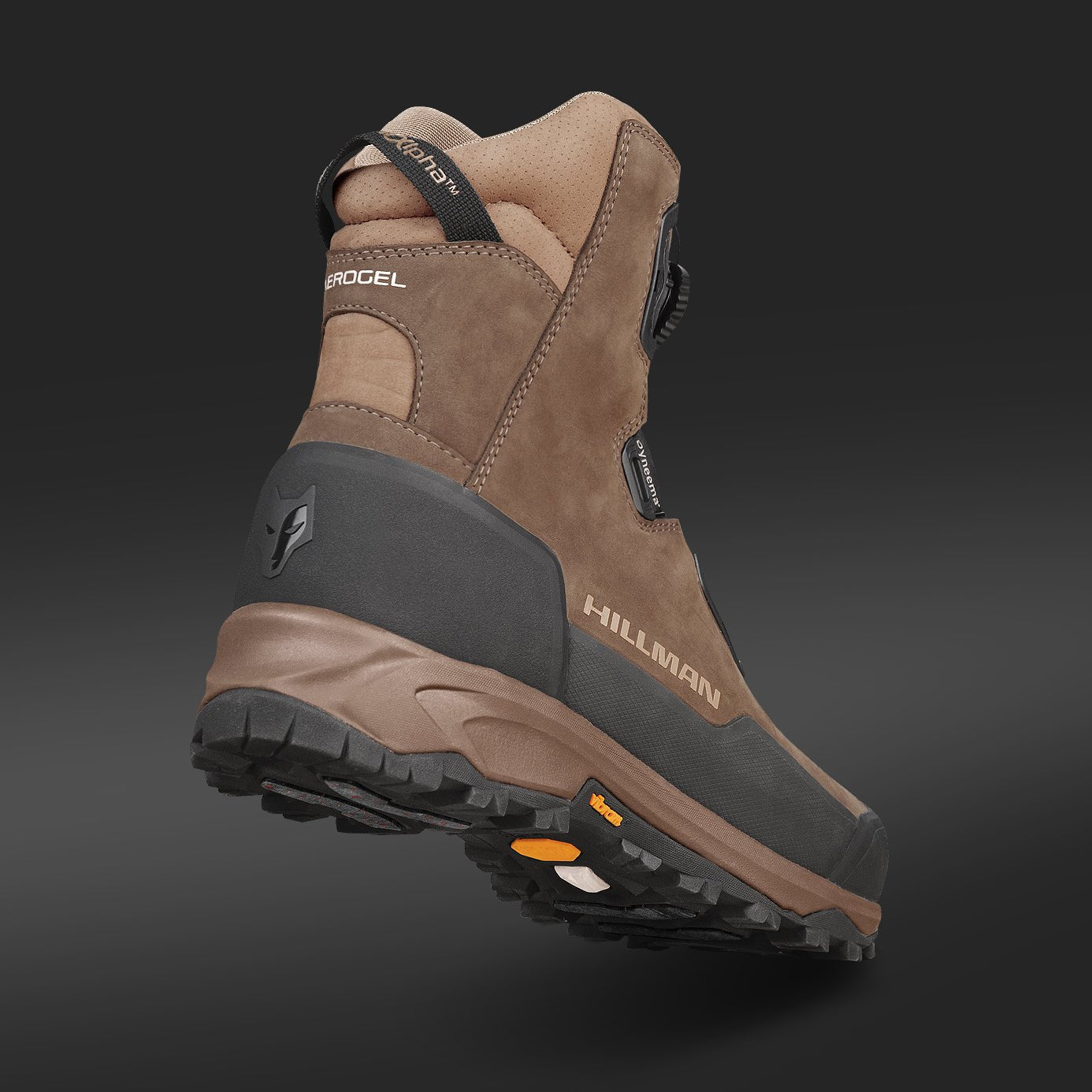
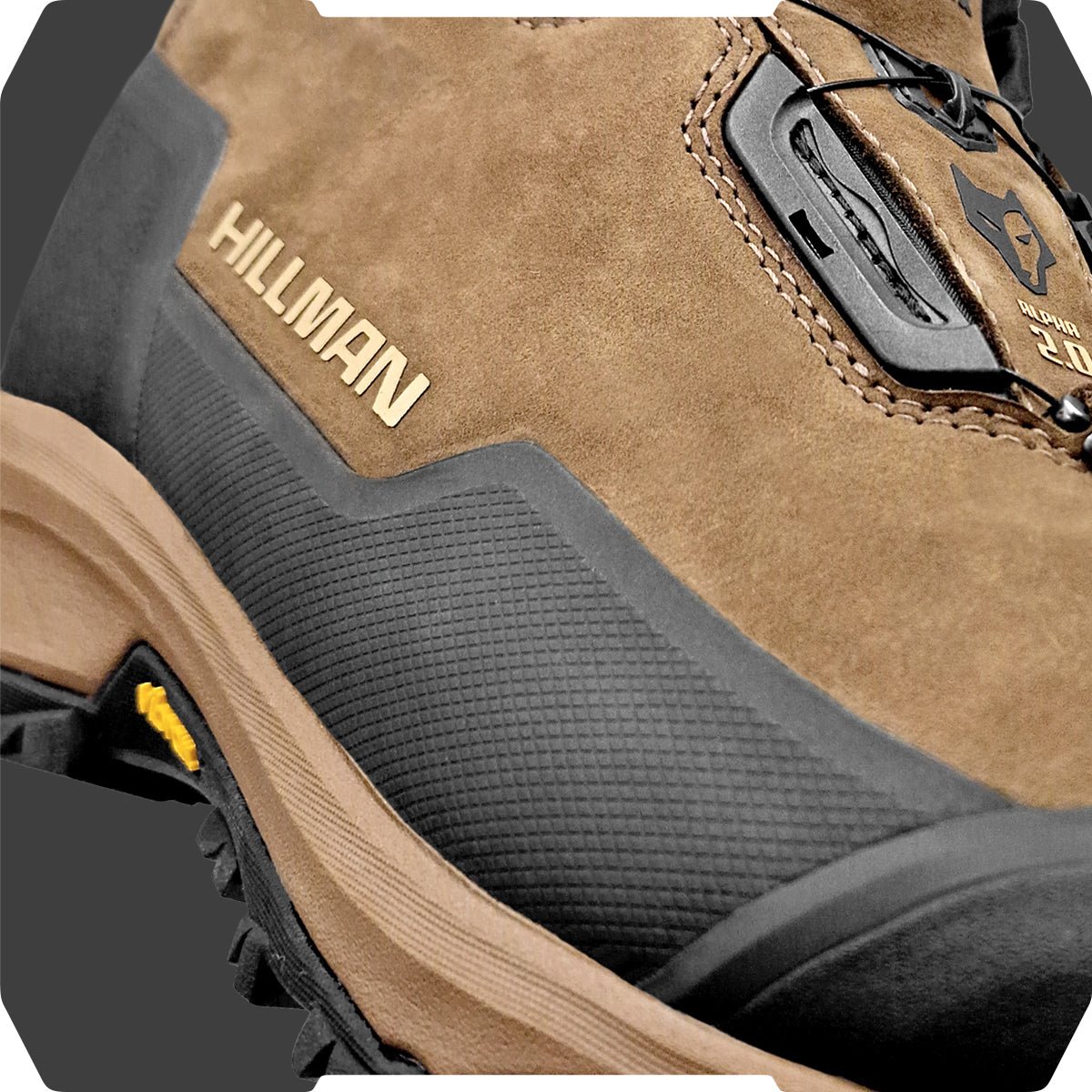
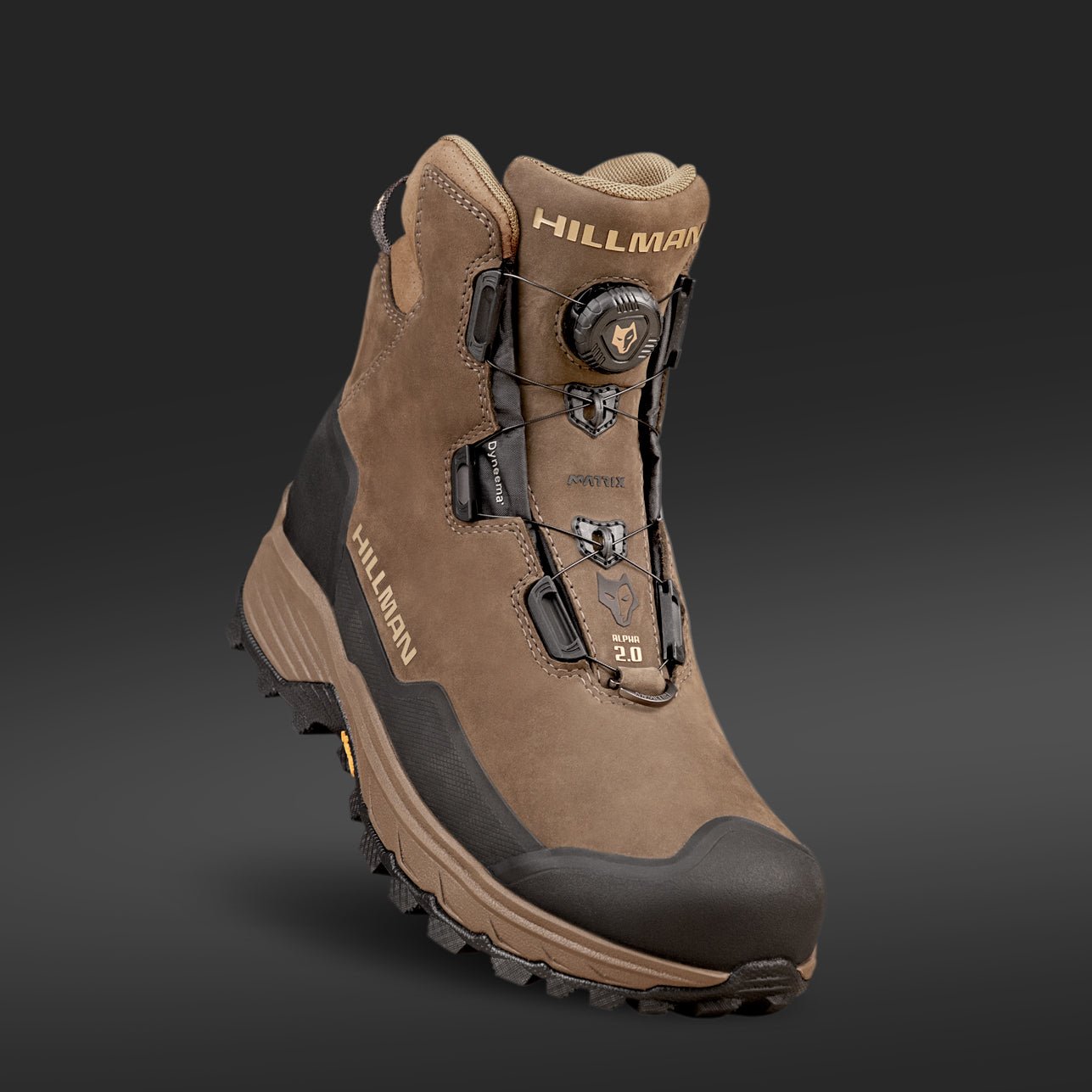
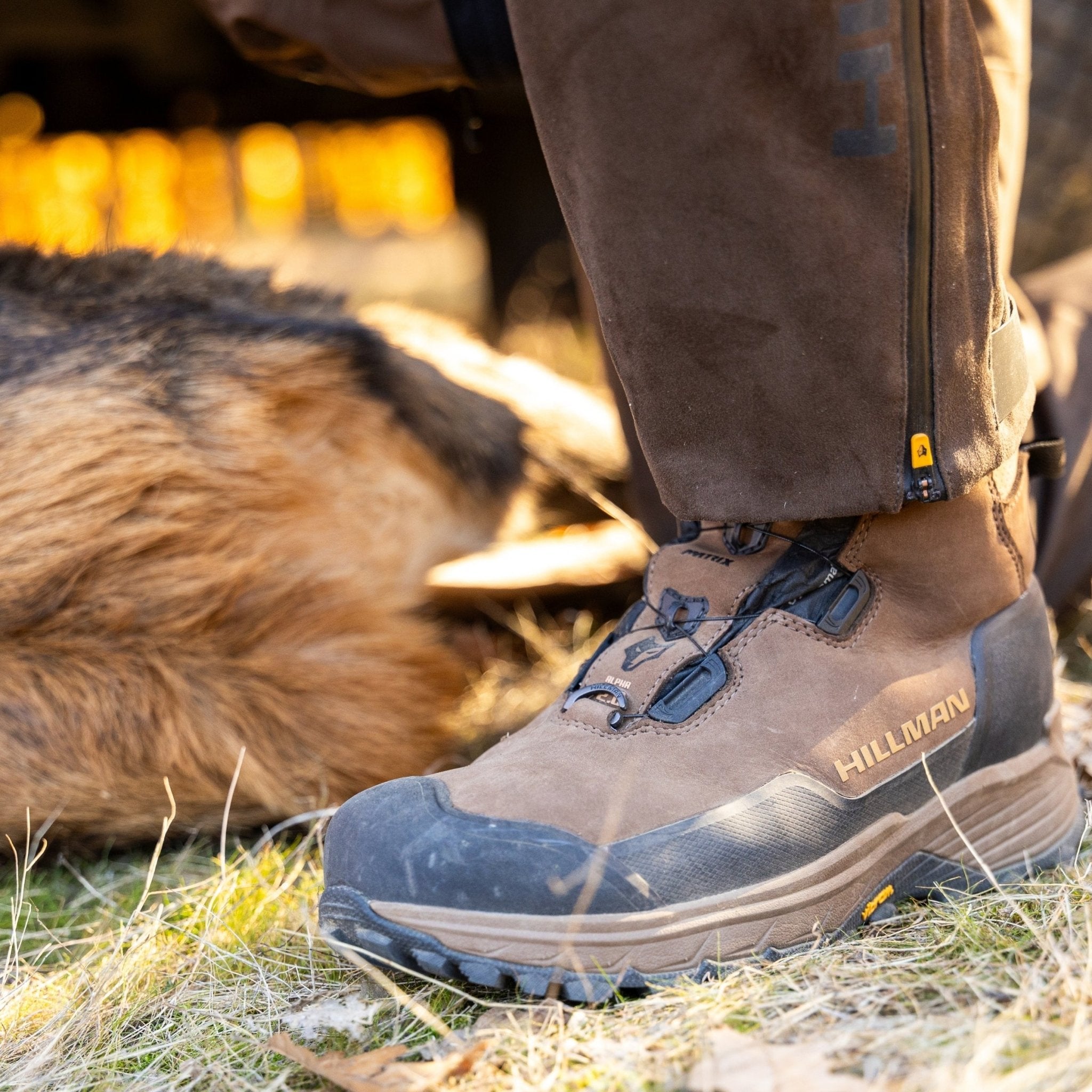
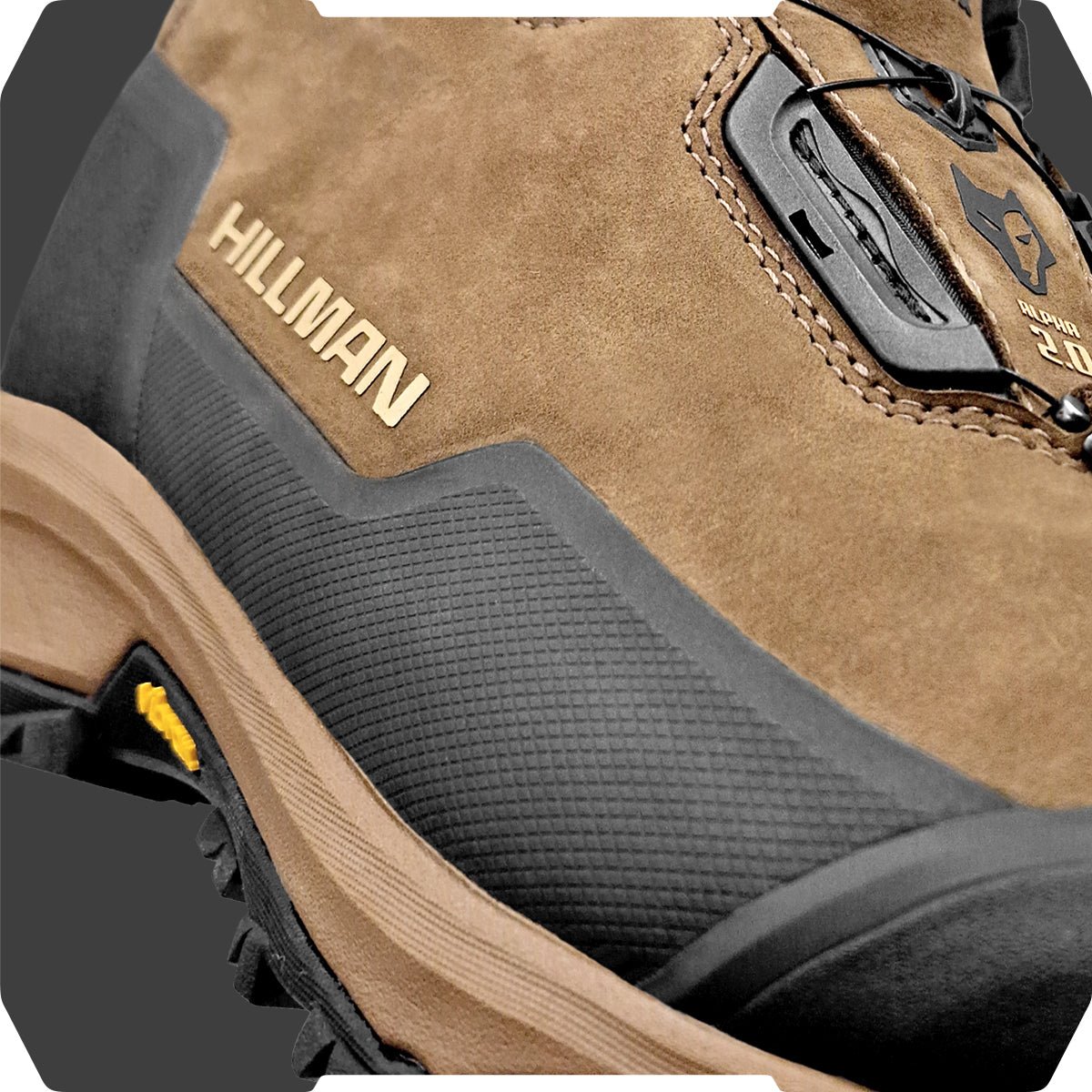
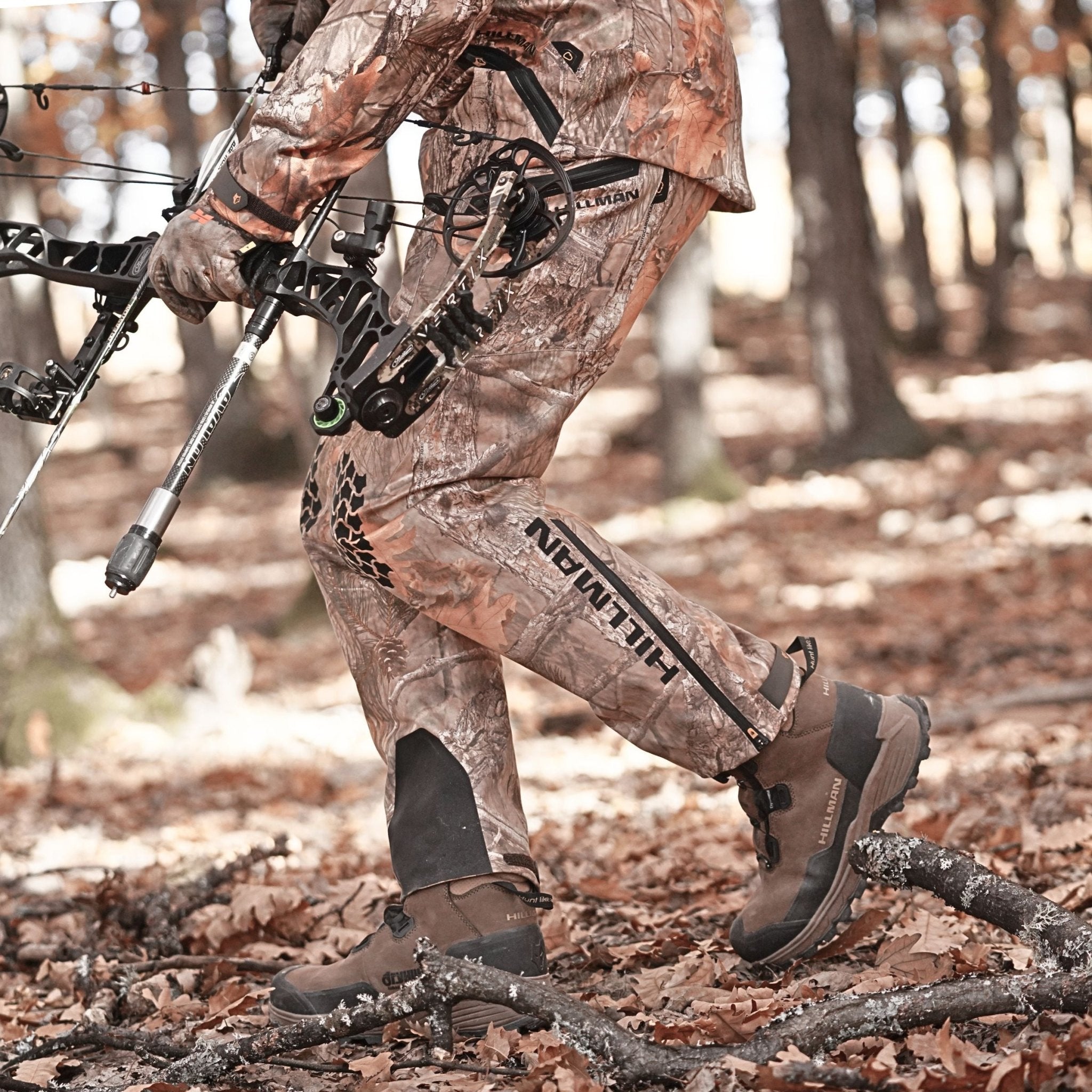
A good pair of waterproof stalking boots is hard to beat. High-leg boots help keep water out when moving through wet vegetation, and they give more ankle support on slopes, ruts and uneven ground.
But do not wear heavy insulated winter boots unless you really need them. They make your feet sweat. Sweaty feet rub. Then you get blisters. Then every step becomes annoying.
Lightweight waterproof boots with decent support are usually the right gear for summer deer stalking. Add good socks. Wool or moisture-wicking socks help control heat, reduce rubbing and keep your feet comfortable through long hours.
Bad boots make you think about your feet. Good boots let you think about deer.
Camouflage Is Not Magic

Camouflage helps, but do not overthink it. Roe deer are not checking brand names. They notice movement, shape, shine and sound.
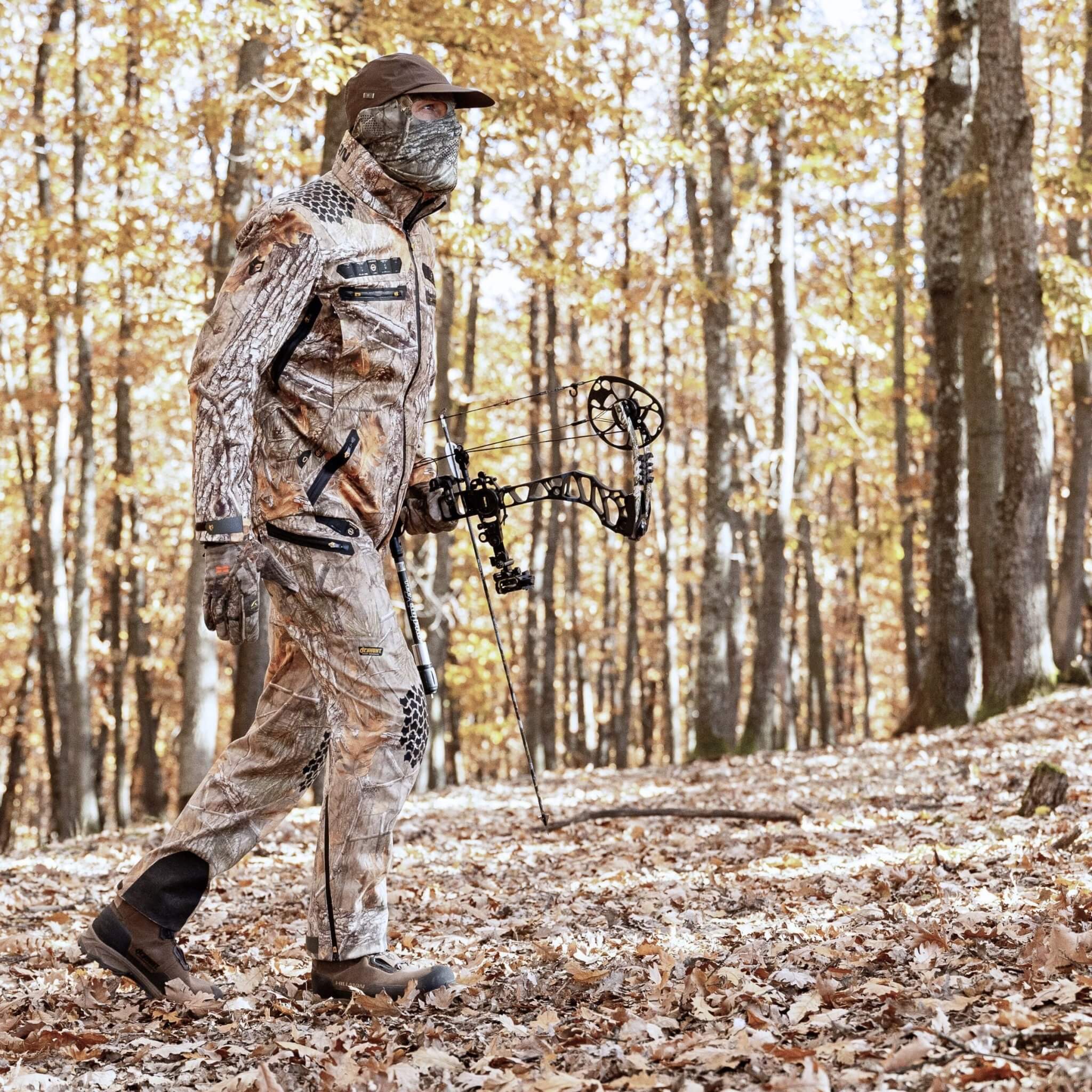
Muted greens, browns and dull earth tones work well in woodland stalking and field edges. Very bright colours are obviously bad. Blue is worth avoiding too, because deer can pick it up more strongly than many people realise.
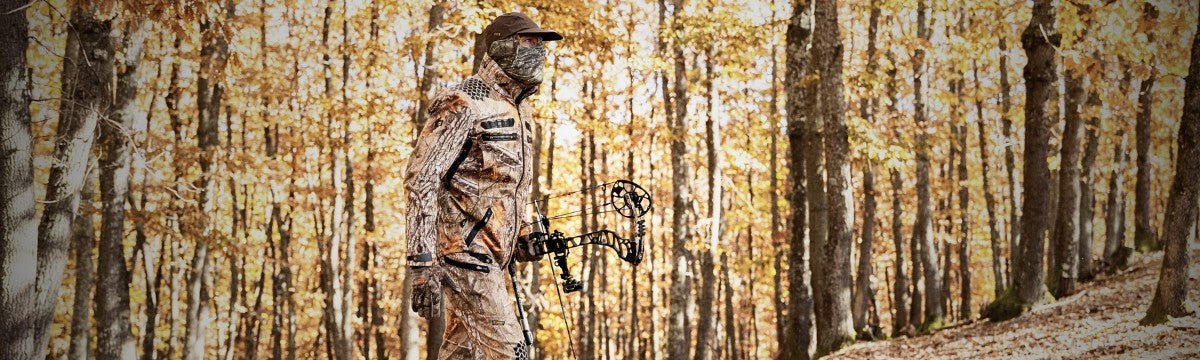
The main thing is breaking up the human outline. A plain quiet jacket in the right colour can be better than a loud camo jacket with a fancy pattern. Full camo can help, but it will not save you if you skyline yourself, wave your arms around or sound like a crisp packet.
Remain undetected by moving slowly, using cover and keeping your outline broken. Clothing helps. It does not do the whole job.
Staying Quiet Is Part of the Clothing System

Staying quiet is not only about foot placement. It is also about fabric, zips, pockets, cuffs, pack straps and anything else that moves when you move.
Before using clothing for deer stalking, test it properly. Raise your rifle. Twist your shoulders. Kneel. Sit. Pull something from a pocket. Rub sleeve against body. If it makes noise indoors, it will be worse outside.
Soft brushed fabrics are usually better. But they still need to breathe and dry quickly. Some very soft fabrics hold water. Some waterproof fabrics are too noisy. The right stalking clothing is always a compromise.
Gloves should be thin enough to handle binoculars, sticks and the rifle safely. A neck gaiter should not scratch loudly against your collar. A cap should not block your hearing. These small things matter when you are close.
Summer Accessories Worth Carrying

Do not carry half the shop. Summer stalking gear should be useful and quiet.
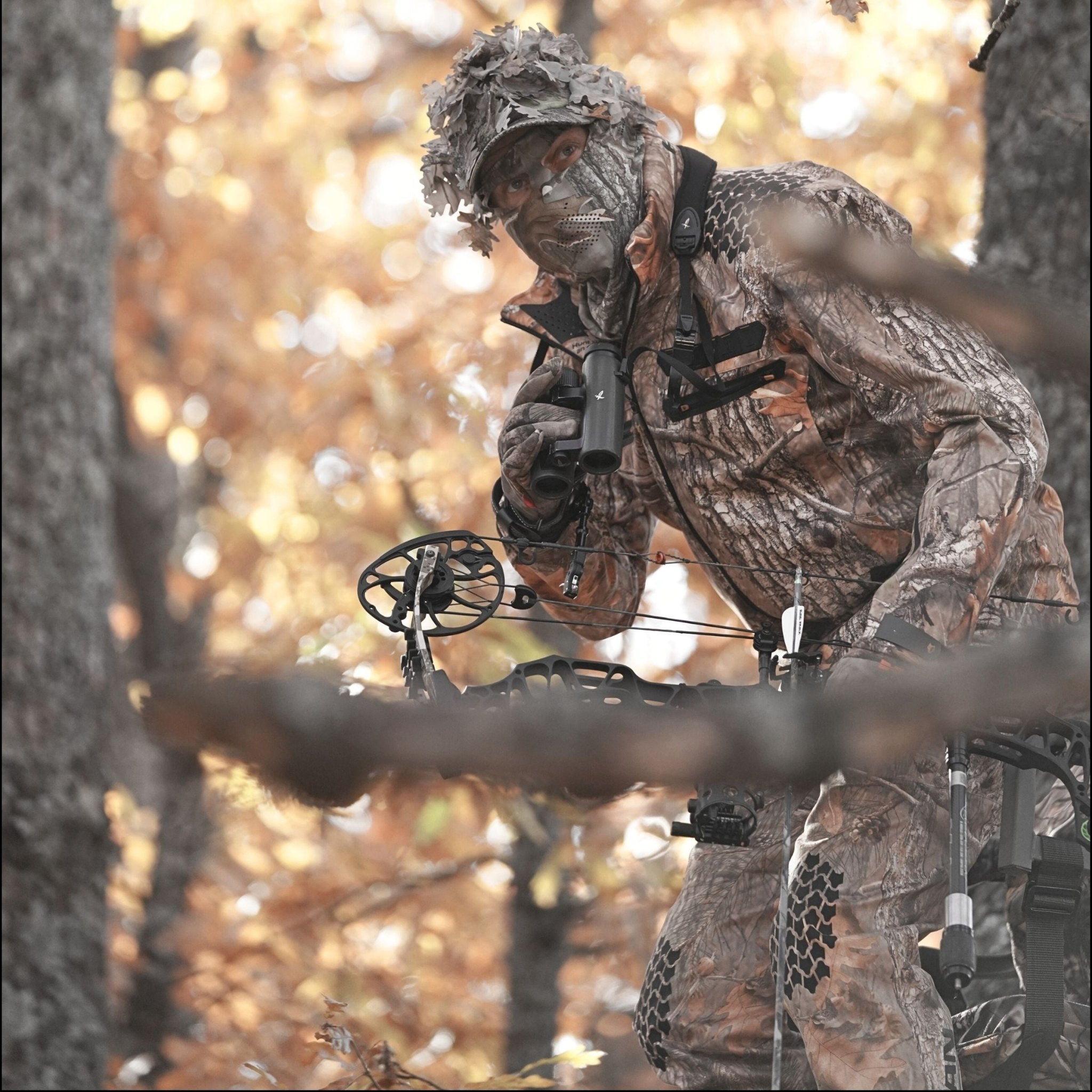
Thin gloves help hide pale hands and protect against insects and brambles. A lightweight cap helps with glare and light rain. A thin neck gaiter can break up your face outline, but it needs to breathe or you will just pull it off after ten minutes.
Tick and midge protection matters. Long grass, bracken, woodland rides and still evenings are perfect for them. Cover skin where you can. Use suitable repellent if needed. Check yourself properly after the stalk.
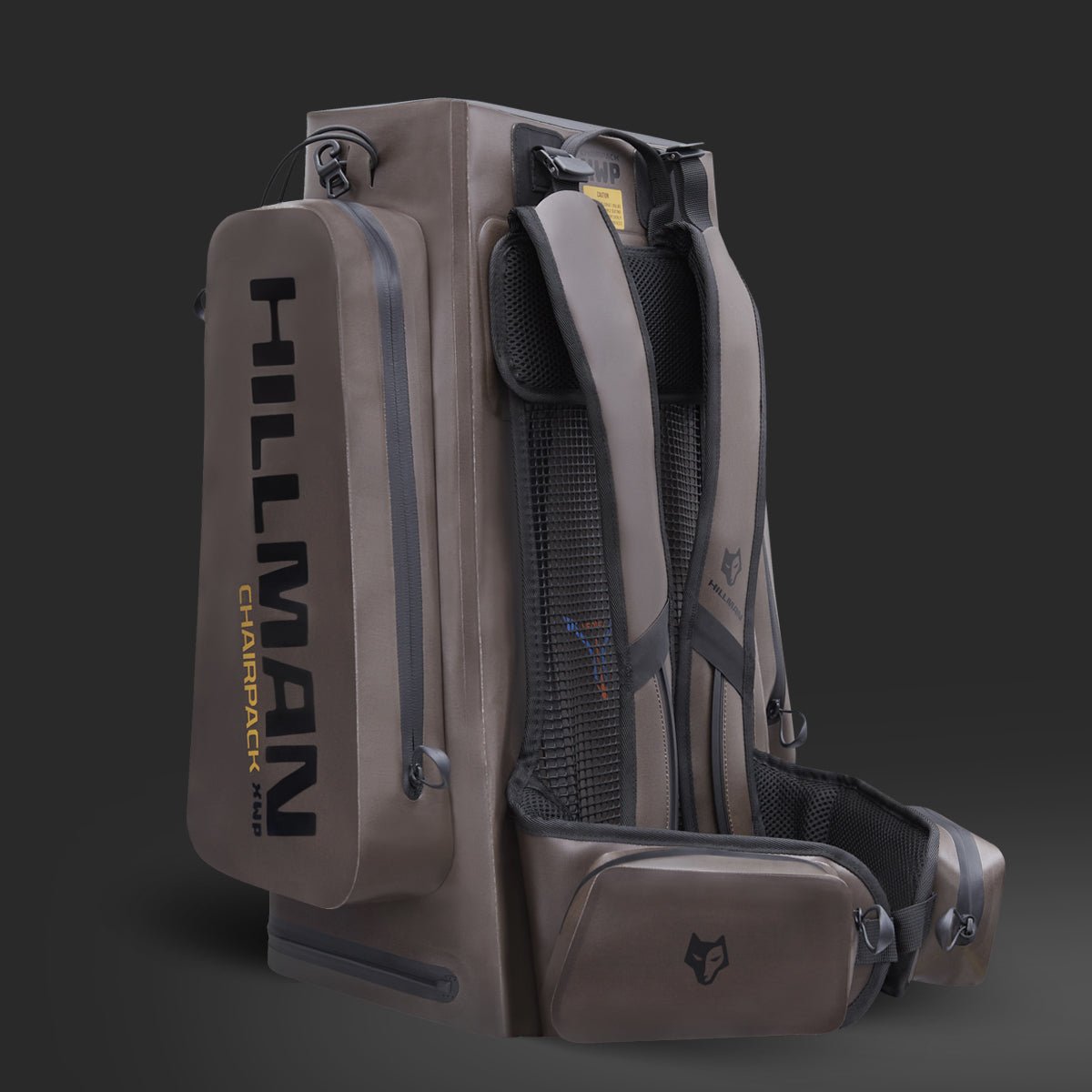
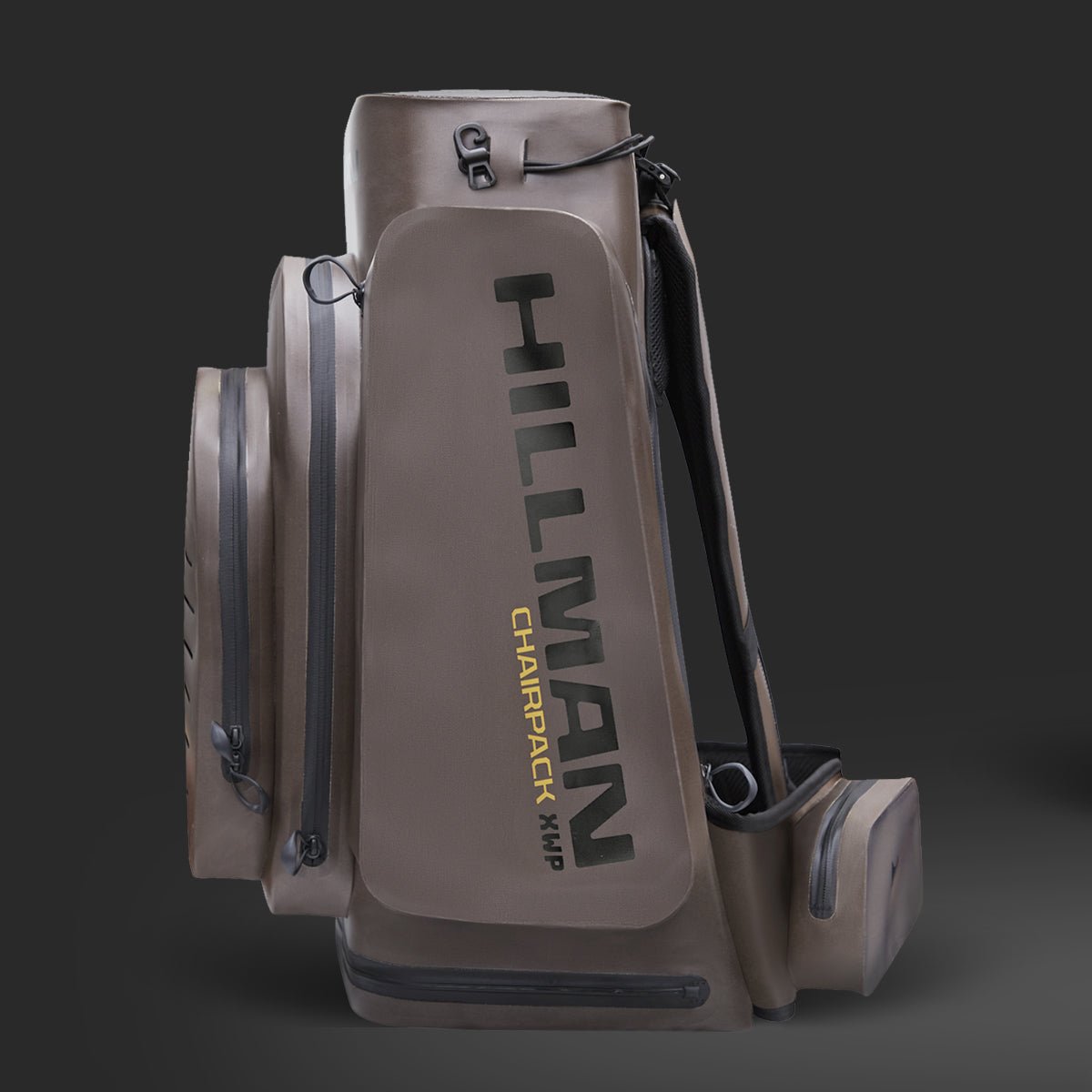
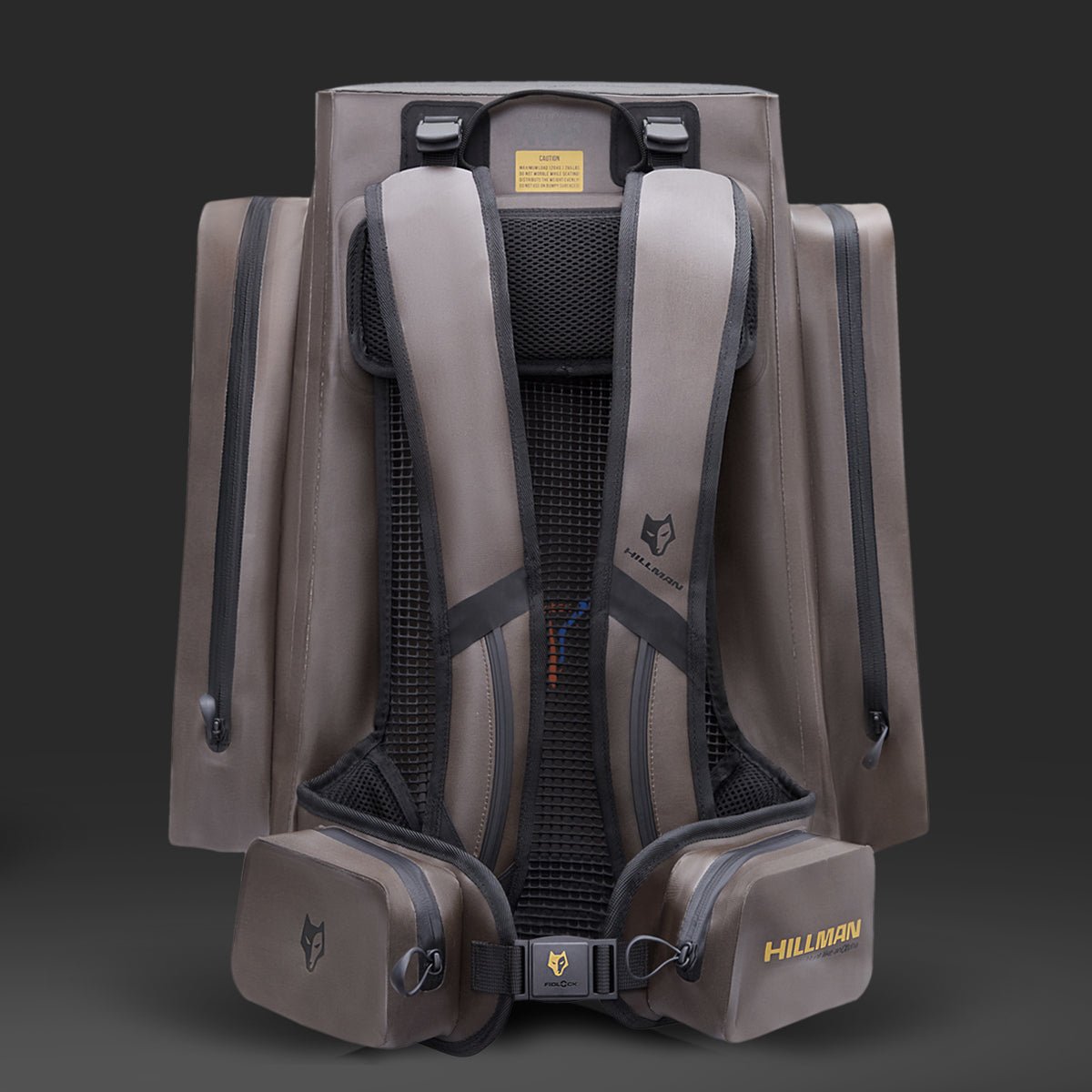
A small quiet pack is useful for a light outer layer, water, spare gloves, first aid basics, drag rope and other stalking gear. Keep it organised. If everything inside knocks together, you have made yourself a walking rattle.
Woodland Stalking and Open Ground Need Slightly Different Thinking

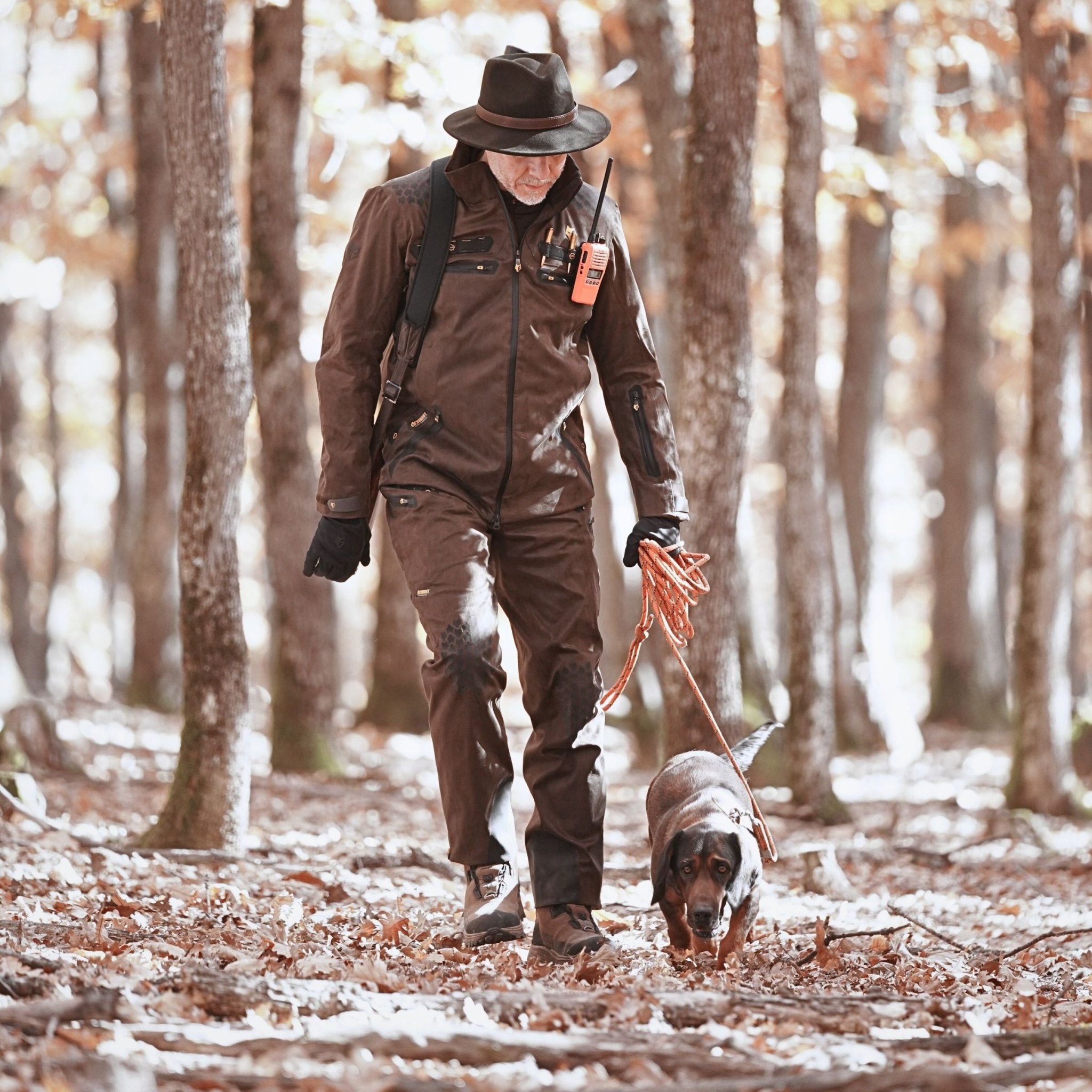
Woodland stalking is about silence, soft movement and protection from cover. You brush against branches, kneel in leaf litter, move through damp rides and deal with shade. Quiet fabric and darker muted tones usually work well.
Open ground is different. Wind matters more. Your outline matters more. Sun and glare matter more. You may need a light outer layer even in summer because wind can chill you once you stop moving.
You do not need two totally different outfits. You need layers that can handle both. Breathable base layer. Optional mid layer. Quiet outer layer. Light tough trousers. Good boots. That system works across most summer roe stalking conditions.
Long Hours Make Comfort Important
Roe stalking can be slow. Very slow. You walk, stop, watch, wait, move again, then wait some more. Clothing that feels only slightly annoying at the start can become a real problem after long hours.
Comfort is not softness. It is function.
If you are too hot, you rush. If your trousers pull when you kneel, you avoid kneeling. If your jacket is noisy, you move less naturally. If your feet hurt, your patience goes.
The right gear keeps you focused. Base layers handle sweat. Mid layers add warmth only when needed. The outer layer gives weather protection without trapping too much heat. Trousers protect your legs and move properly. Boots keep feet dry and stable.
That is the goal. Stay comfortable enough to do the job properly.
Final Thoughts on Summer Roe Deer Stalking Clothing
What to wear for roe buck stalking in summer without overheating comes down to a simple system. Dress light. Avoid cotton. Use breathable layers. Keep the outer layer quiet. Wear quick-drying stalking trousers. Pick boots that protect your feet without cooking them.
Do not dress for how cold it feels at the truck. Dress for how warm you will get after walking.
Summer deer stalking clothing should help you stay cool, dry, quiet and focused. When it works, you stop thinking about your kit and start paying attention to wind, cover, movement and the deer in front of you.


Share:
Crossing Pheasants Over a Hedge Line: Best Peg Shooters Tips
Muntjac Stalking in Woodland: Clothing and Movement