
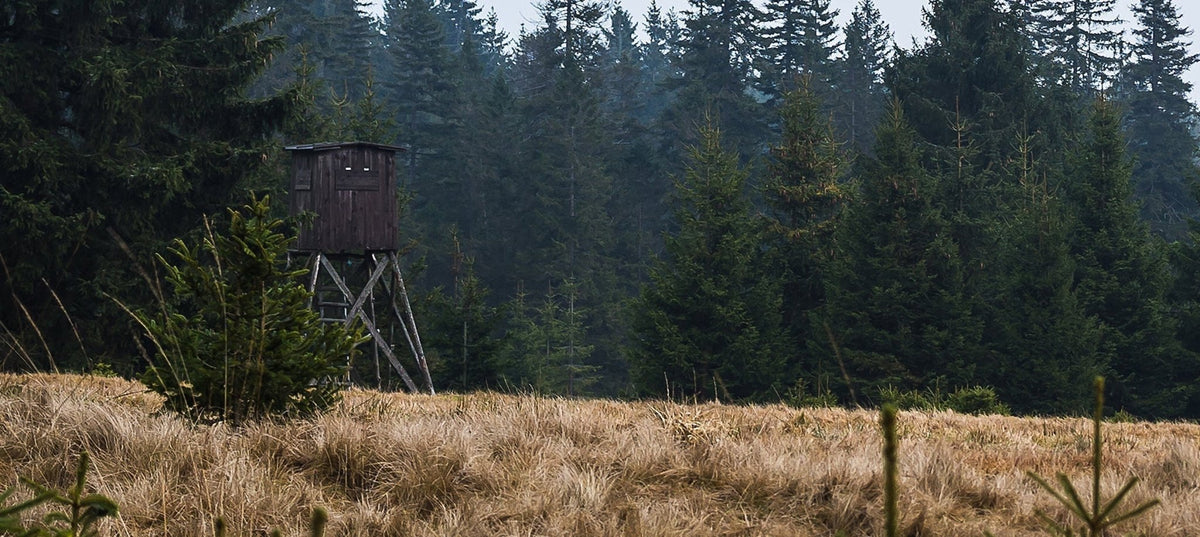
Muntjac Stalking in Woodland: Clothing and Movement for Close-Range Chances

Quiet clothing and slow movement help you stalk muntjac close in wet woodland without spooking them.
Muntjac stalking in woodland is not tidy. It is not like sitting on an open hill, glassing ground and pretending the plan will stay neat.
Most of the time you are dealing with wet ground, brambles, roots, rotten sticks, dark rides, and dripping branches. Then a small deer can appear as if it grew out of the forest floor. One second the woodland looks empty. Next second, a buck steps out at close range and you have almost no time to think.
That is why clothing and movement matter so much. Not in a polished catalogue way. In a simple way. If your jacket is loud, you lose. If your boots slap the ground, you lose. If your backpack squeaks, you lose. If your body temperature is all over the place and you start rushing, you lose.
Good deer stalking clothing for muntjac has to do a few boring things very well. It has to stay quiet. It has to handle rain and wet ground. It has to keep you comfortable for long hours. It has to let you lift the rifle without your outer layer bunching up like a sack.
Roe deer and red deer often give you more room to work. Muntjac rarely do. In woodland stalking, everything is closer, tighter and less forgiving.
Quiet Stalking Clothing Comes Before Fancy Features

For muntjac, quiet stalking clothing matters more than clever pockets, brand labels or some magic camouflage pattern.
A jacket can have full weather protection, a big hood, zips everywhere and all the usual hunting clothing talk. Fine. But if the outer fabric scrapes every branch, cracks when you turn, or rubs against itself, it is not helping you. It is telling the deer where you are.
Muntjac are often taken at short range. That means every small noise gets bigger. A stiff cuff. A zip pull. Loose rounds tapping in a pocket. A sling swivel knocking against a buckle. A backpack strap brushing bark. It all sounds worse in still woodland.
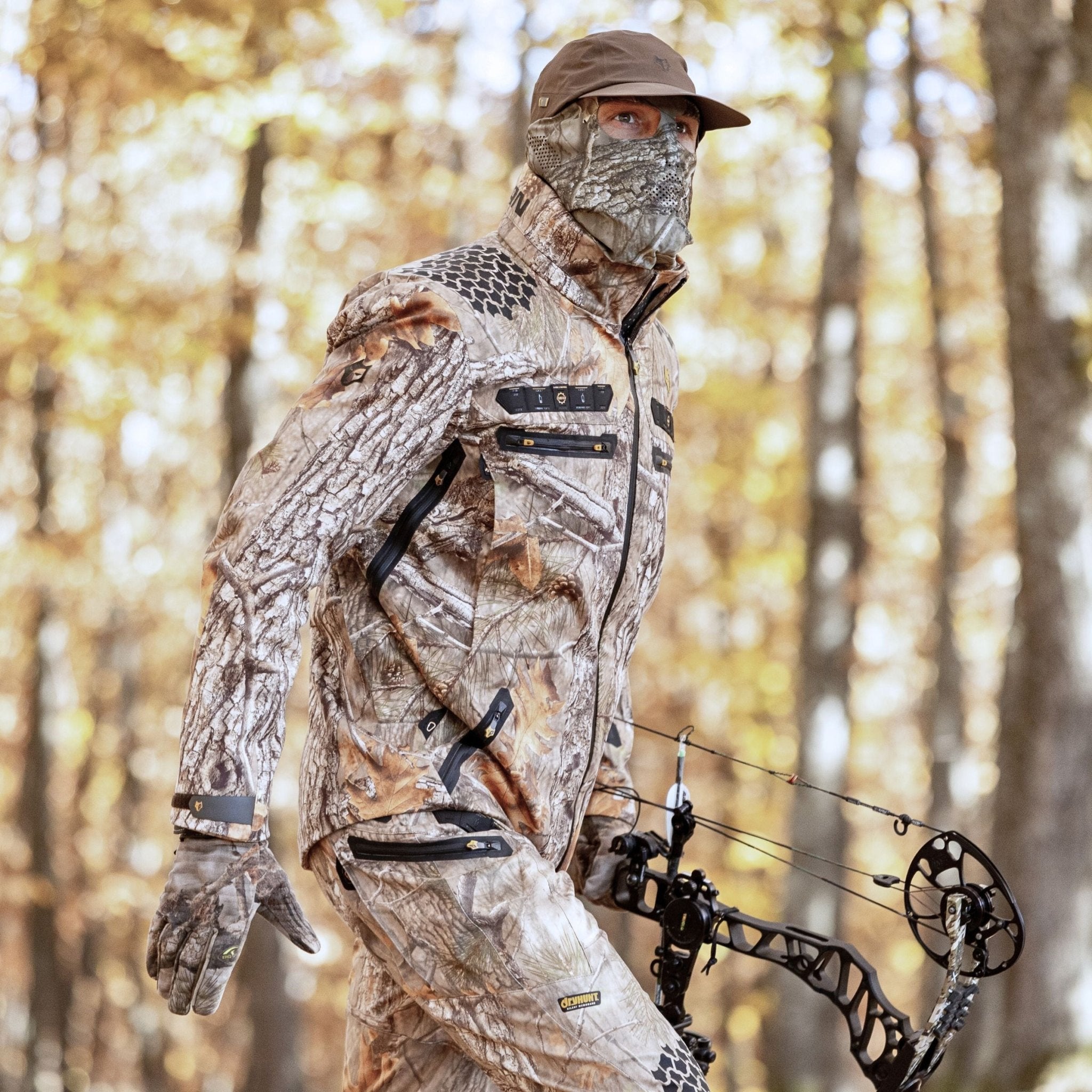
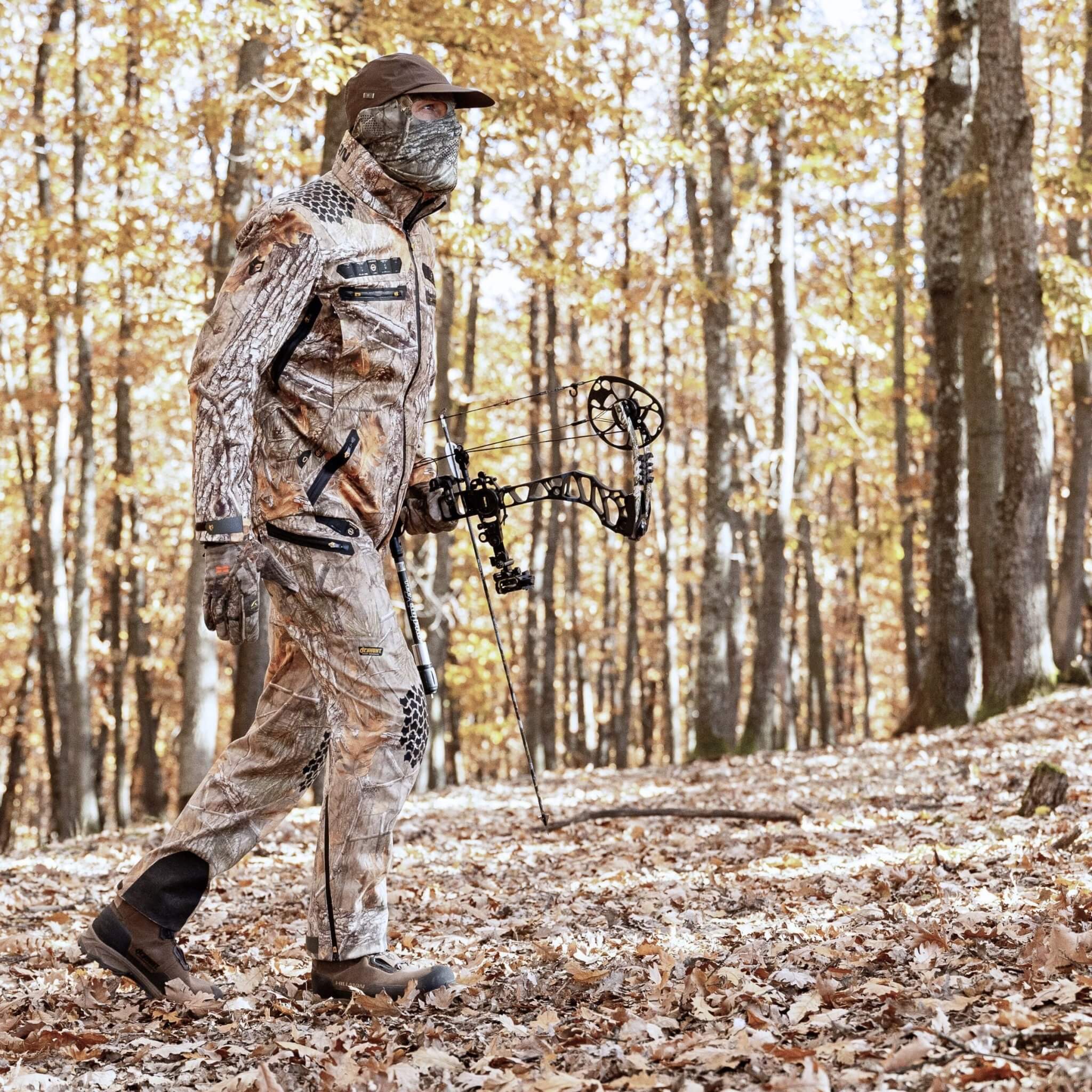
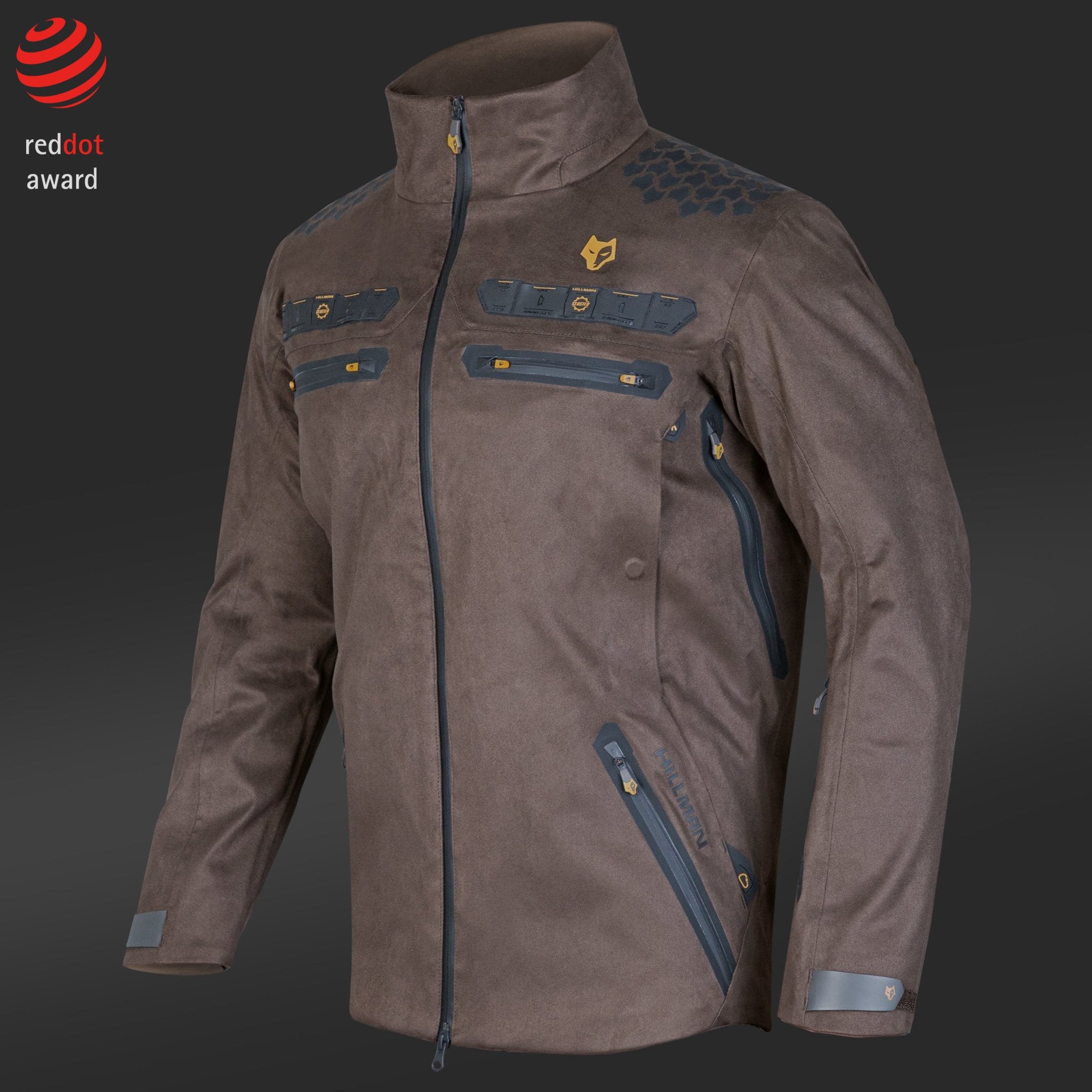
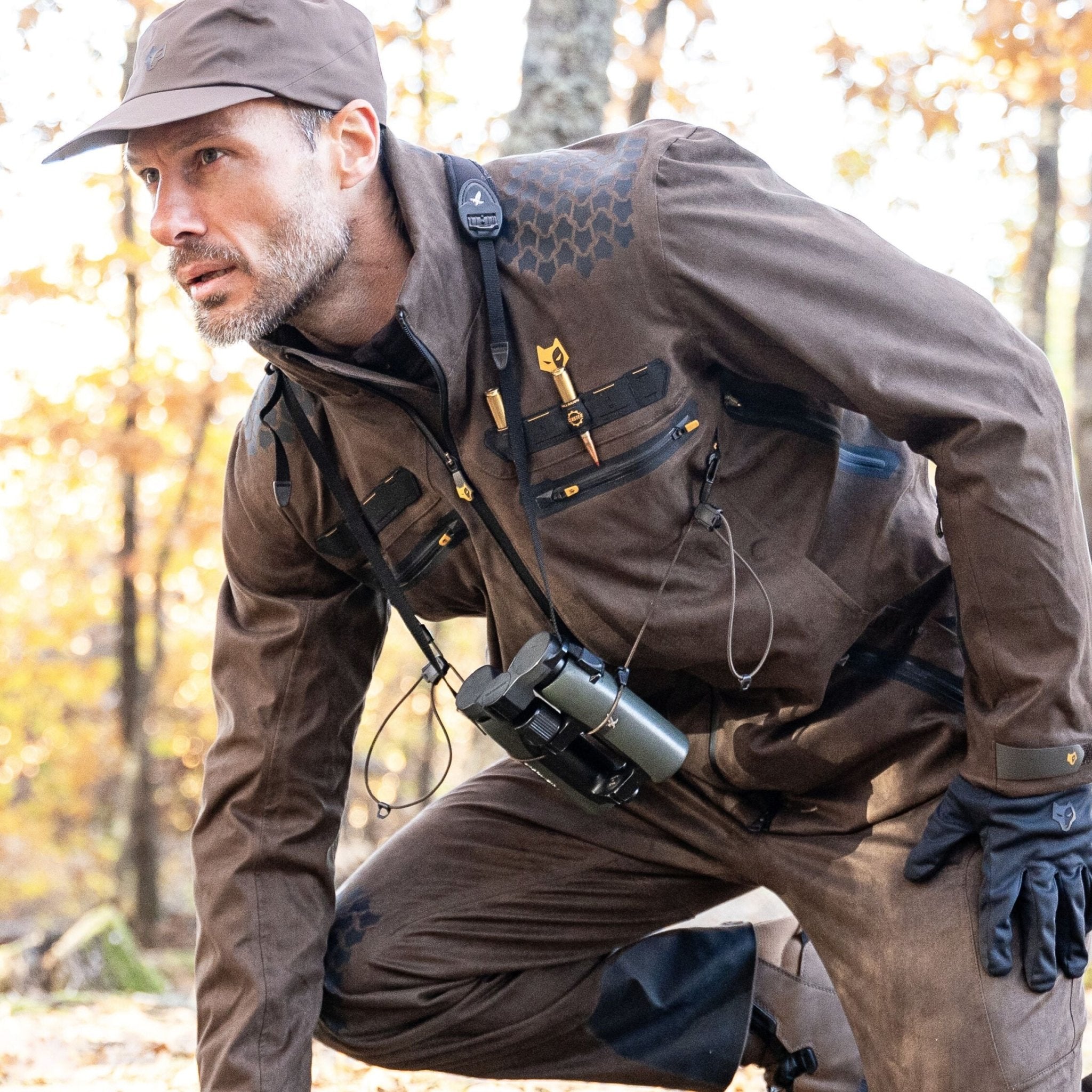
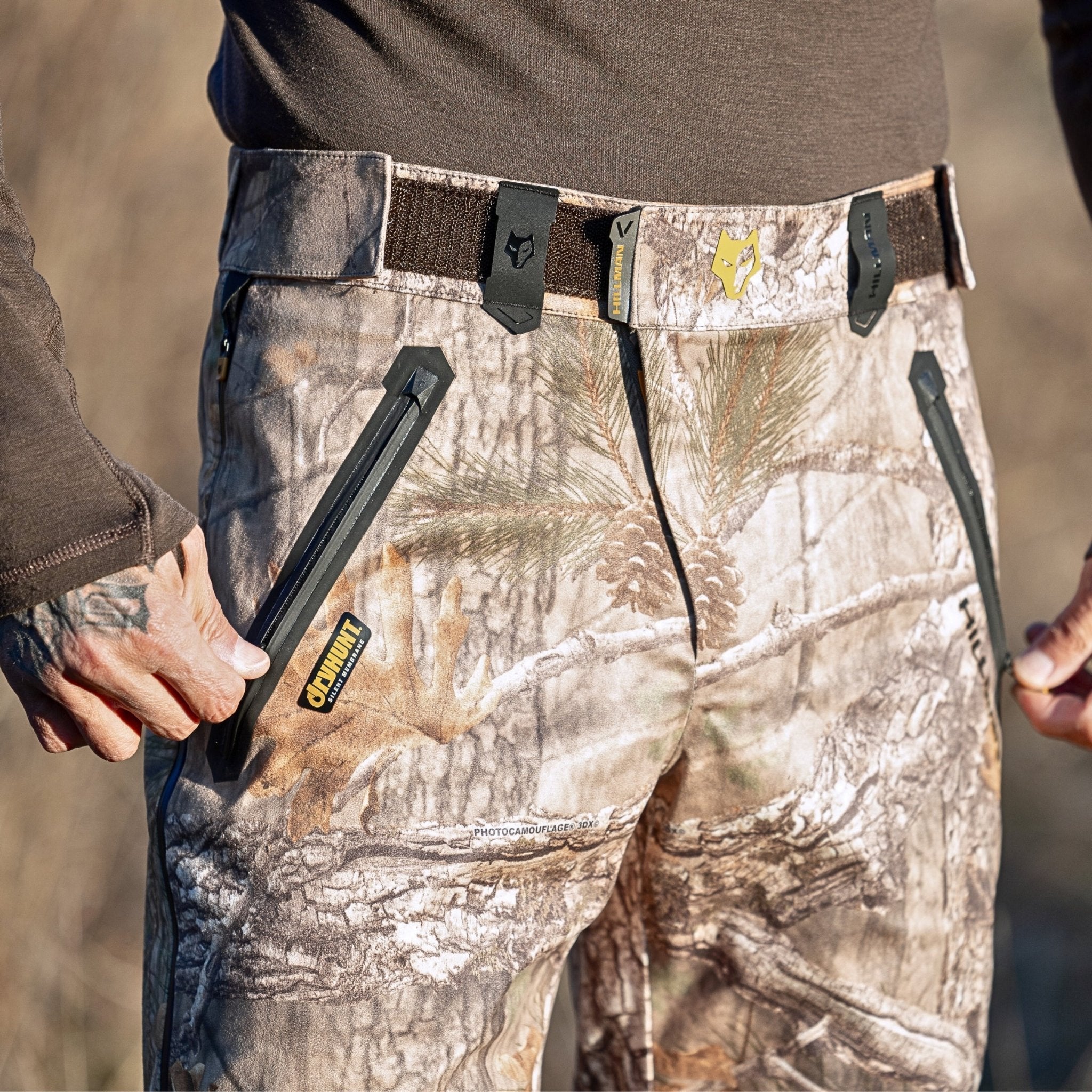
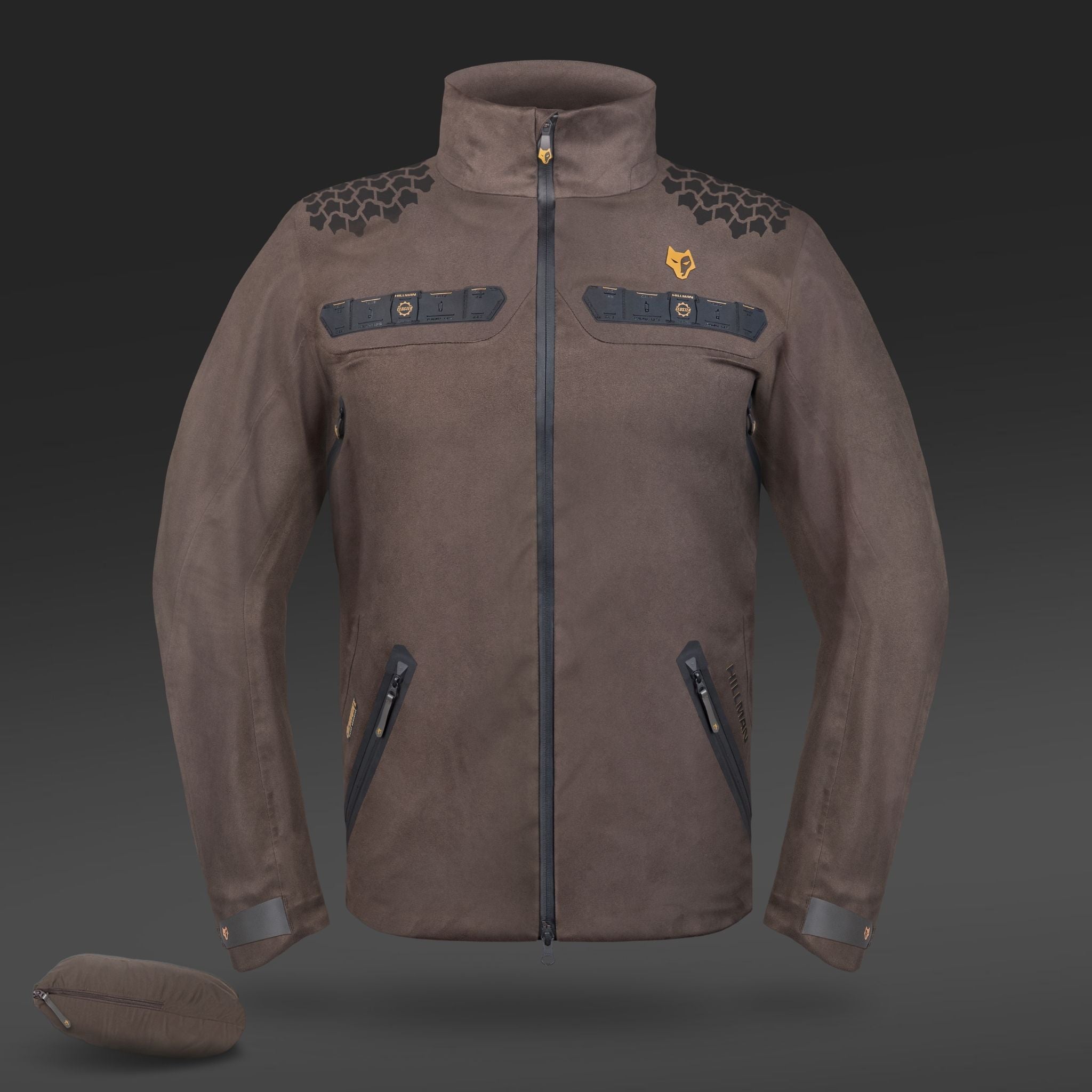
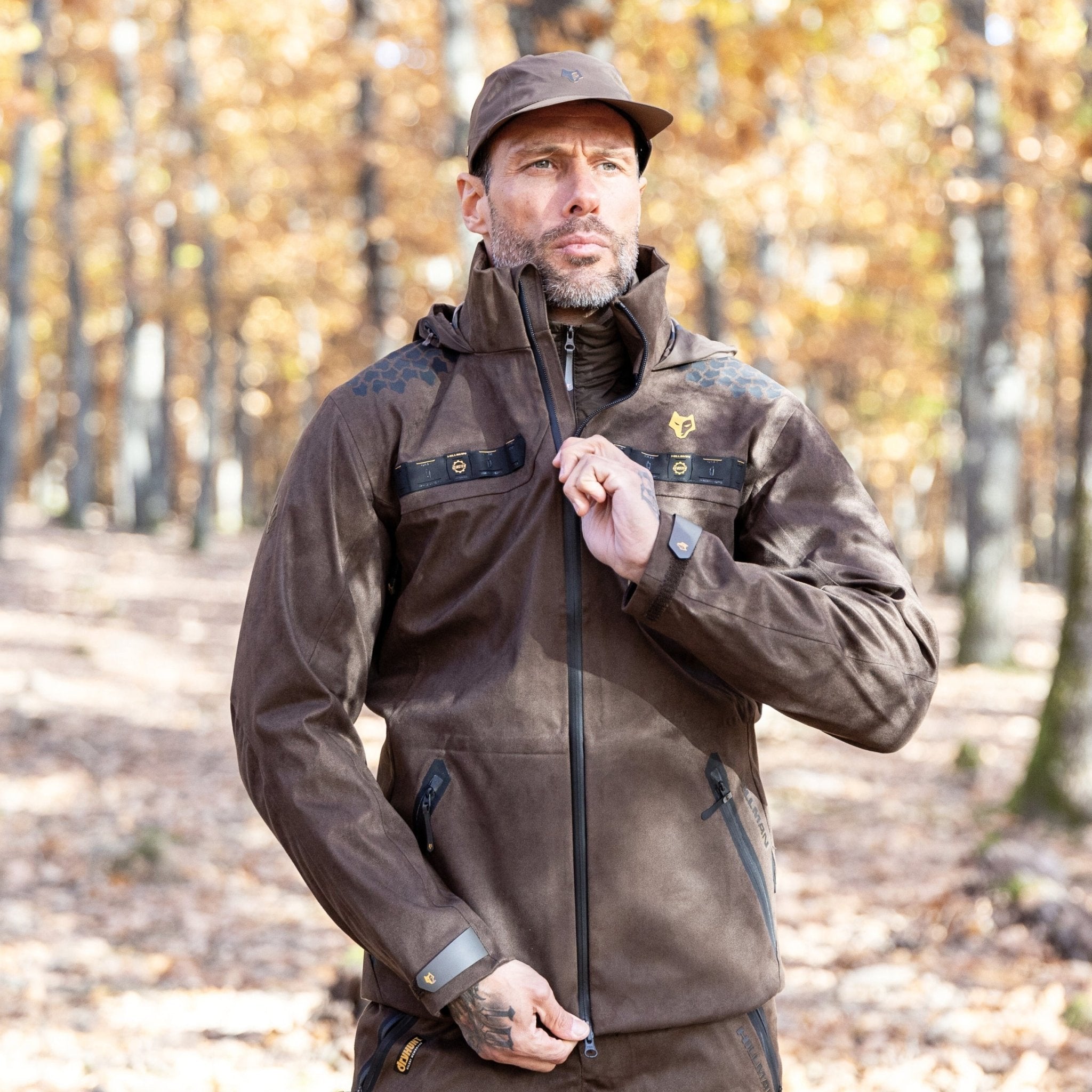
Right stalking clothing should use quiet fabric and a soft outer fabric. Brushed material is usually better than shiny hard-shell waterproof clothing. Pockets should shut properly. Nothing should flap. Nothing should clatter. Nothing should make you fiddle with it while stalking deer.
This is where proper deer stalking clothing earns its place. General outdoor clothing can work for walking. Deer stalking needs something else: weather protection without noise, comfort without bulk and a cut that lets the rifle come up cleanly.
Silence first. Everything else comes after.
Do Not Dress Like You Are Already Sitting Still

Plenty of hunters overdress before they have even left the vehicle. They feel cold, put on too much clothing, start walking, and then sweat through the first layer within one hour.
That is a stupid way to start a stalk.
Sweat turns into trouble fast. You walk in warm, then stop beside a ride or thick cover. Now the damp base layer chills you. Then your shoulders tighten. Your hands get clumsy. Your patience drops. You start moving badly.
Muntjac stalking is stop-start work. Walk a little. Freeze. Scan low. Listen. Move again. Crouch under branches. Step over timber. Stand still for extended periods because something cracked ahead and you are not sure what it was.
So keep the layer system simple. A base layer should move moisture off the skin. A mid layer should add warmth without turning you into a padded barrel. The outer layer should block wind, rain and wet vegetation.
Body temperature is not just comfort. It controls focus. Too hot and you rush. Too cold and you move like you hate being there. Stay comfortable and you stay focused. That gives you a better chance when the moment finally comes.
Weather Protection Is Useless If It Sounds Like Plastic
Woodland weather has its own problems. It can feel fine at the gate and cold under the trees. Rain can stop, but branches keep dripping. Wet grass and brash can soak your trousers even when the sky looks harmless.
You need weather protection. But you do not always need loud waterproof clothing.
A quiet outer layer is usually the better choice unless the rain is properly rough. It should deal with wind, light rain, wet leaves and pushing through cover. It should also breathe well enough that you do not cook yourself during short bursts of walking.
Full weather protection has its place. Nobody wants to be soaked through on a long hunt. But full protection is no good if the garment makes so much noise that every muntjac in the block knows you are coming.
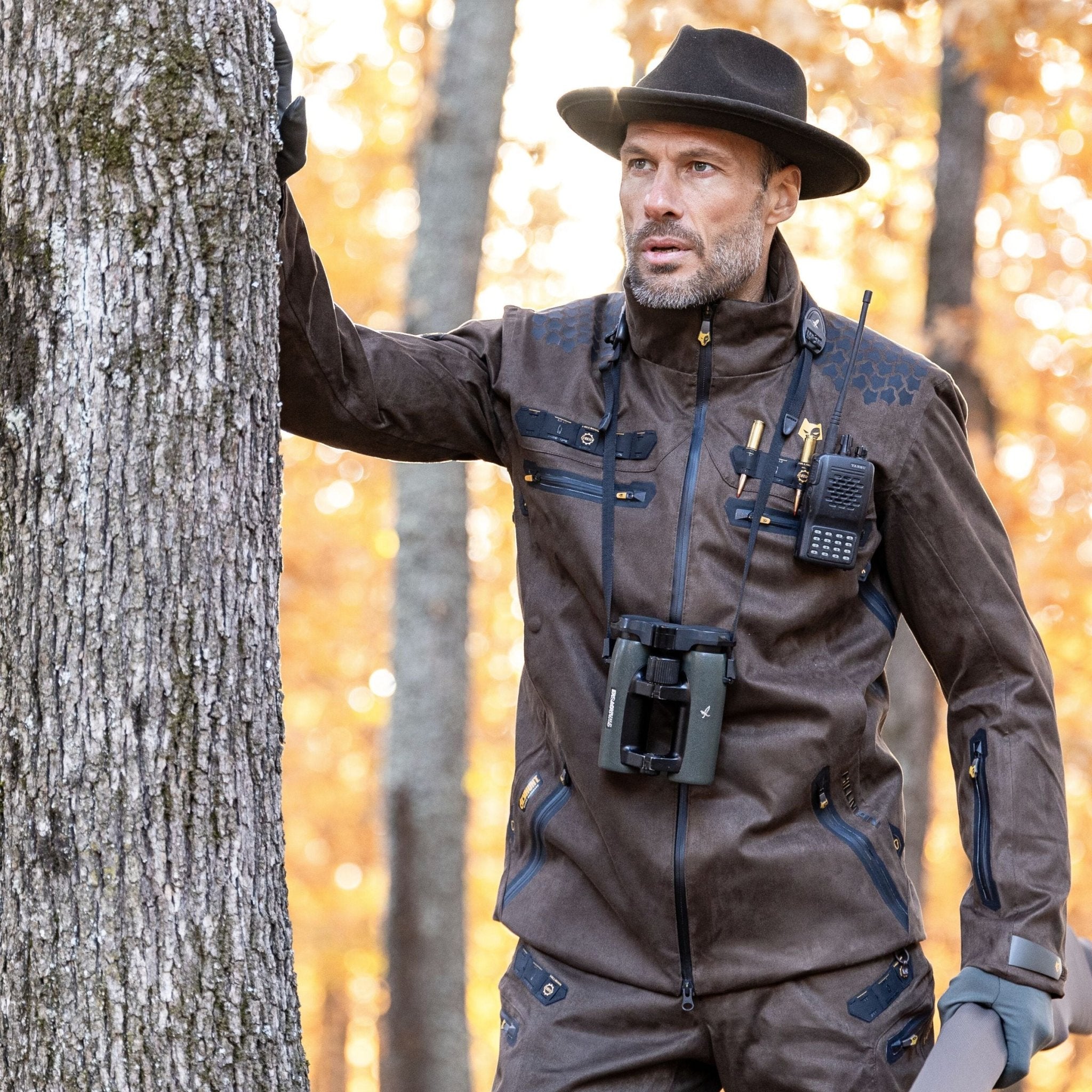
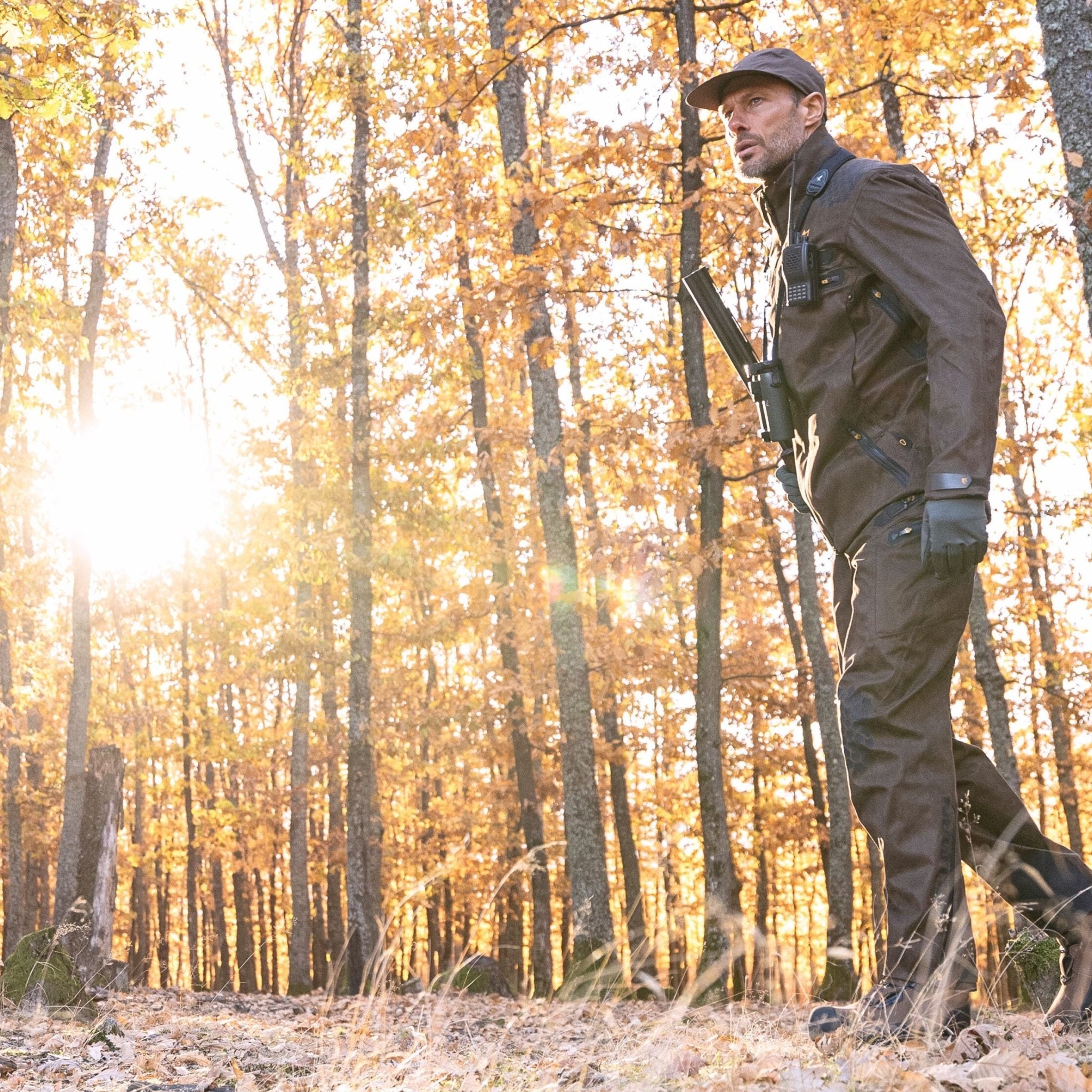
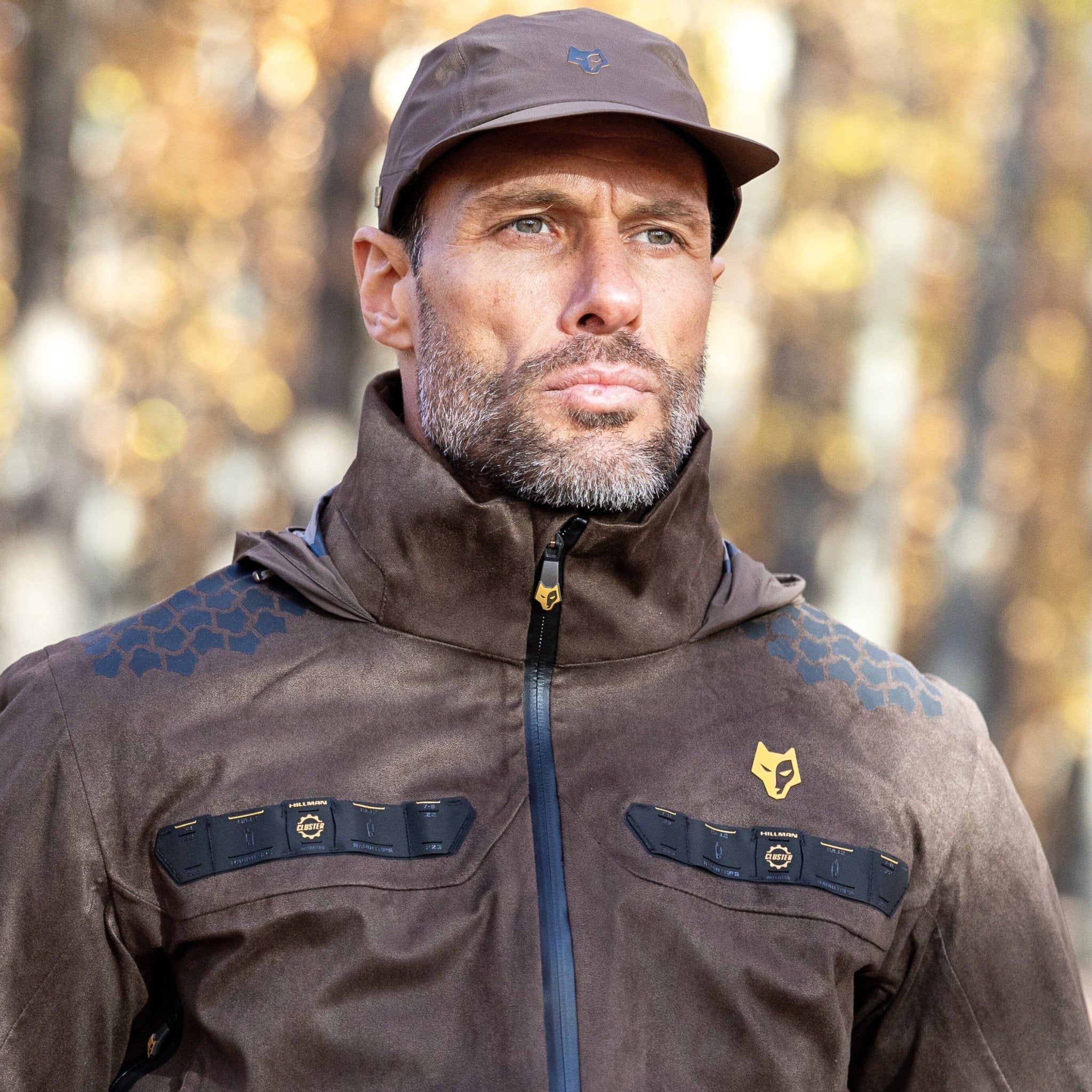
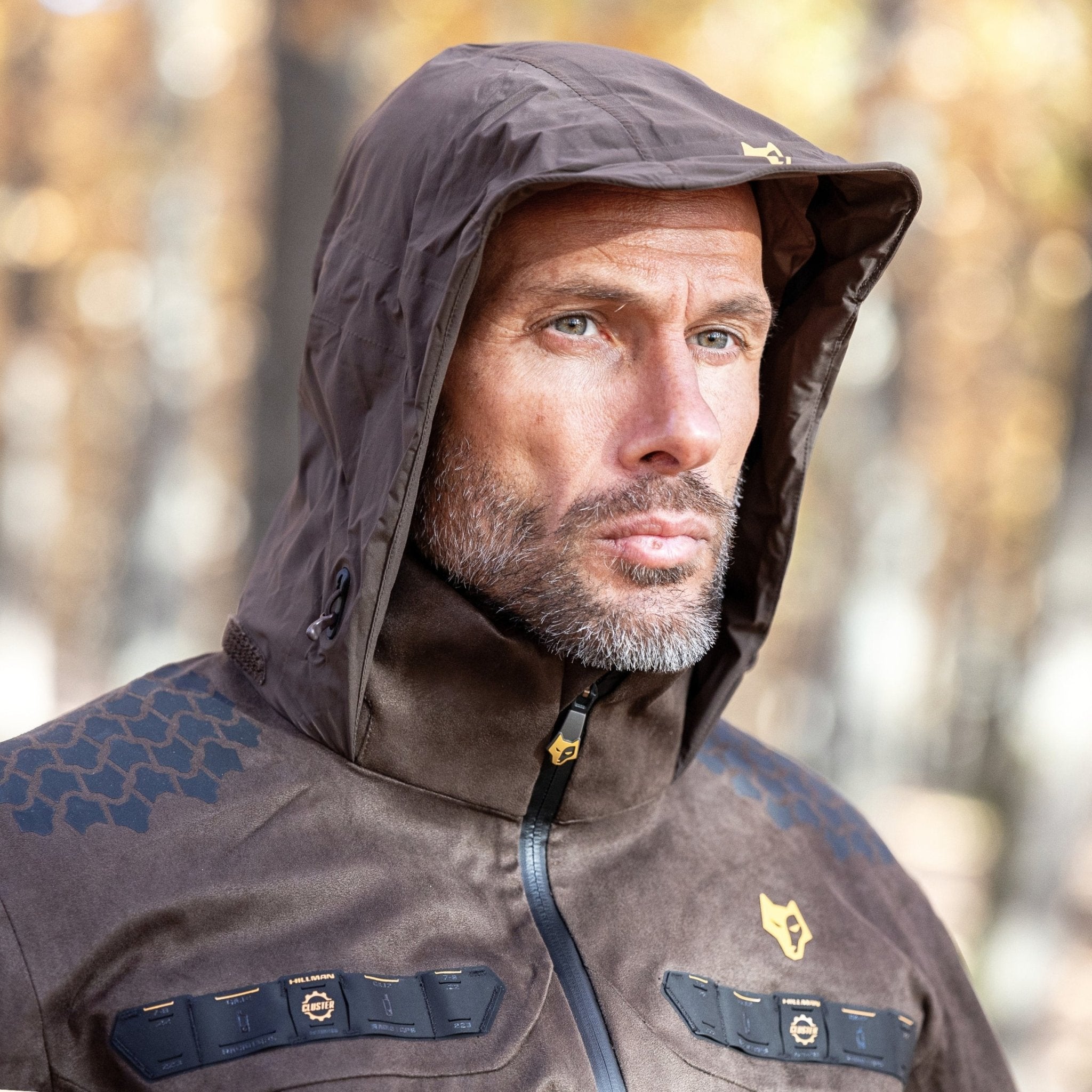
The best stalking jackets for woodland stalking are not always the heaviest. Often the best stalking jackets are soft, quiet, breathable and easy to vent. A hood is useful too, but only if it does not block your hearing or rub every time you turn your head.
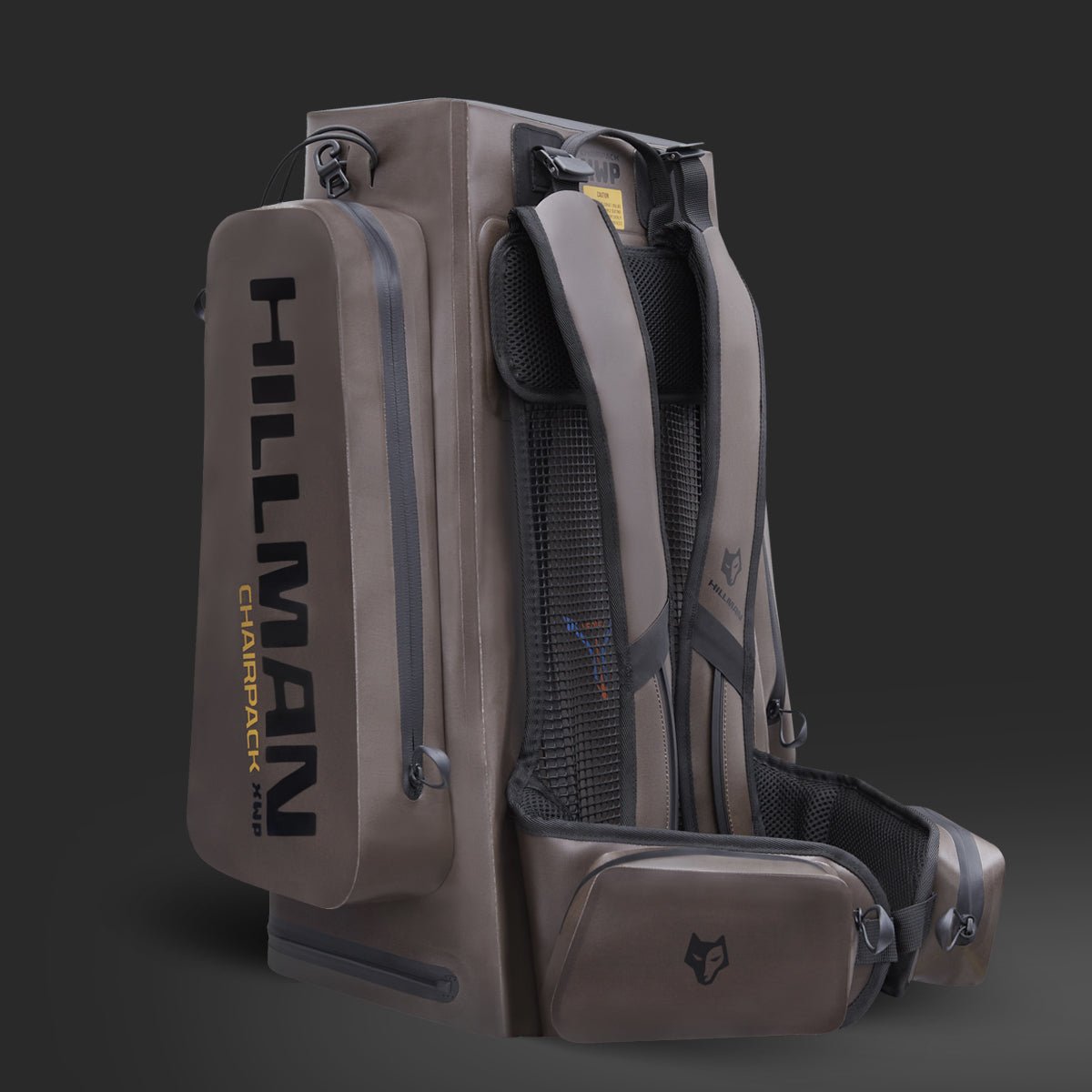
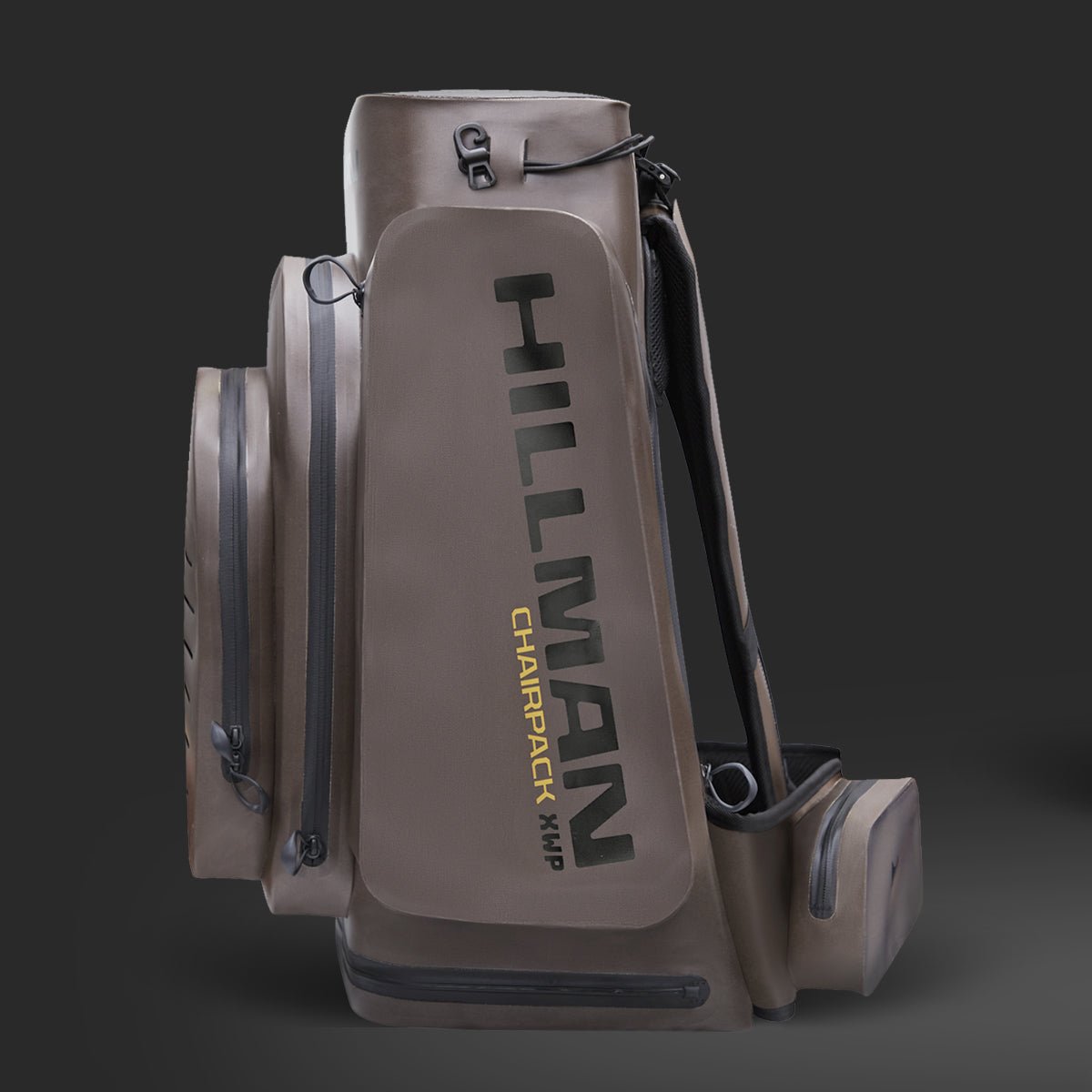
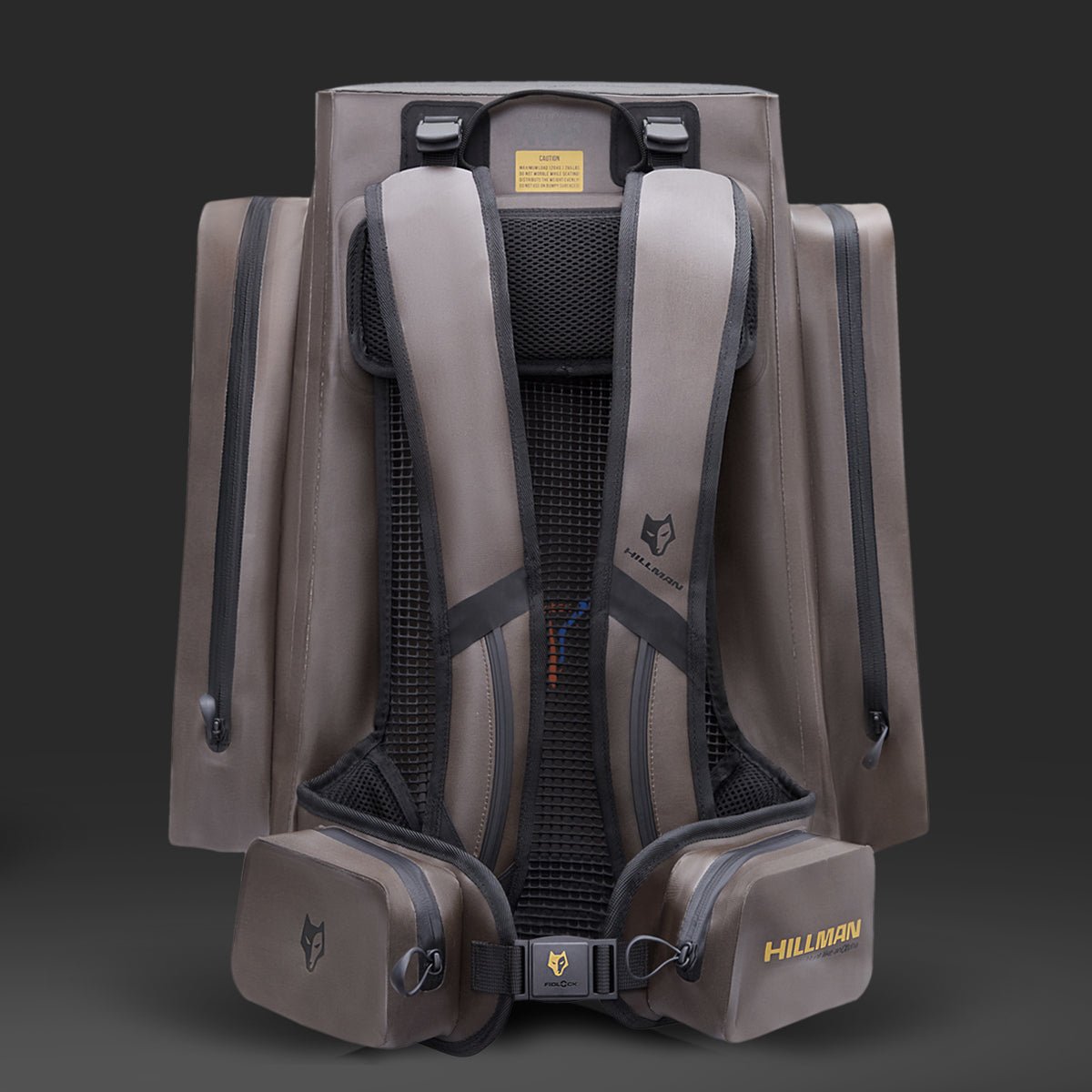
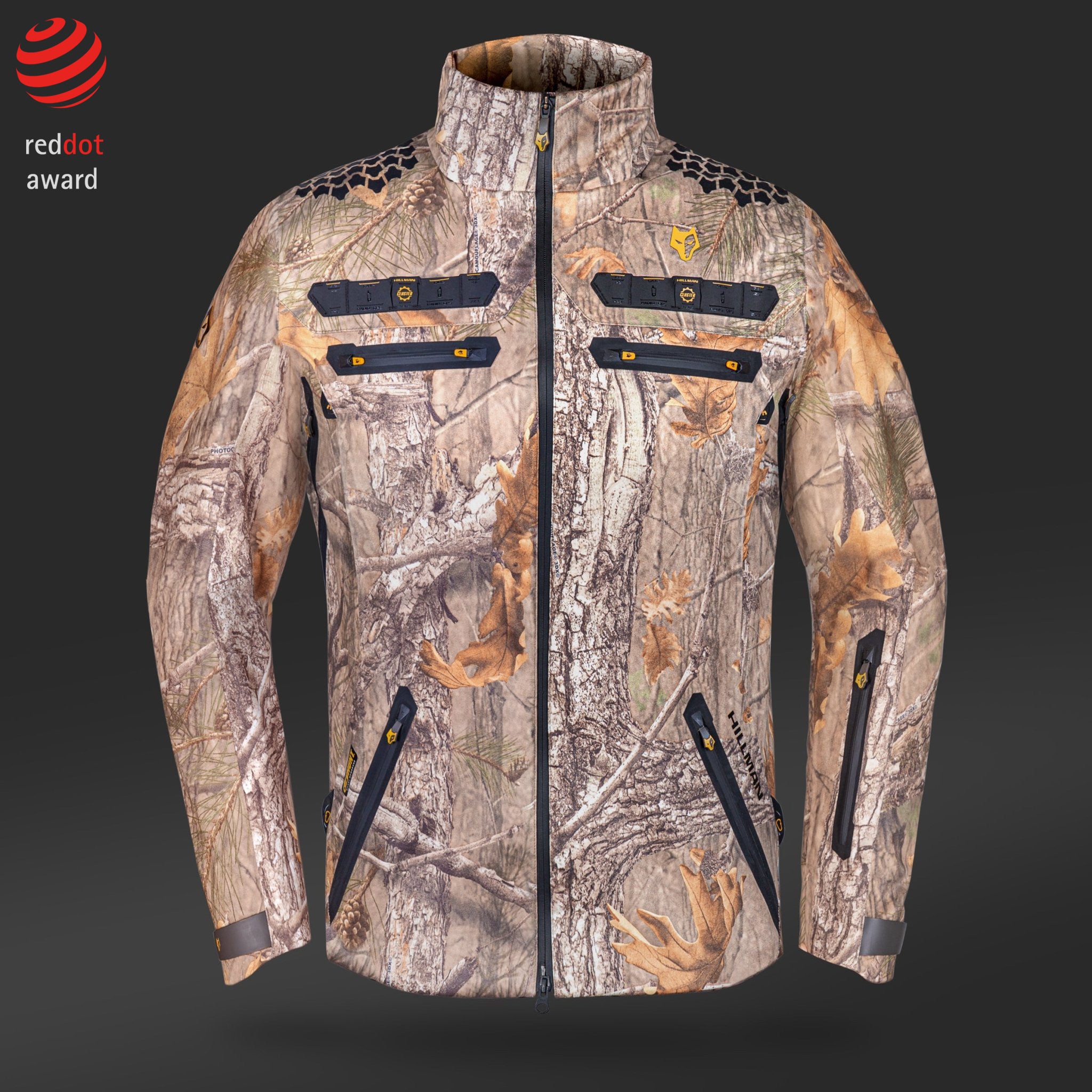
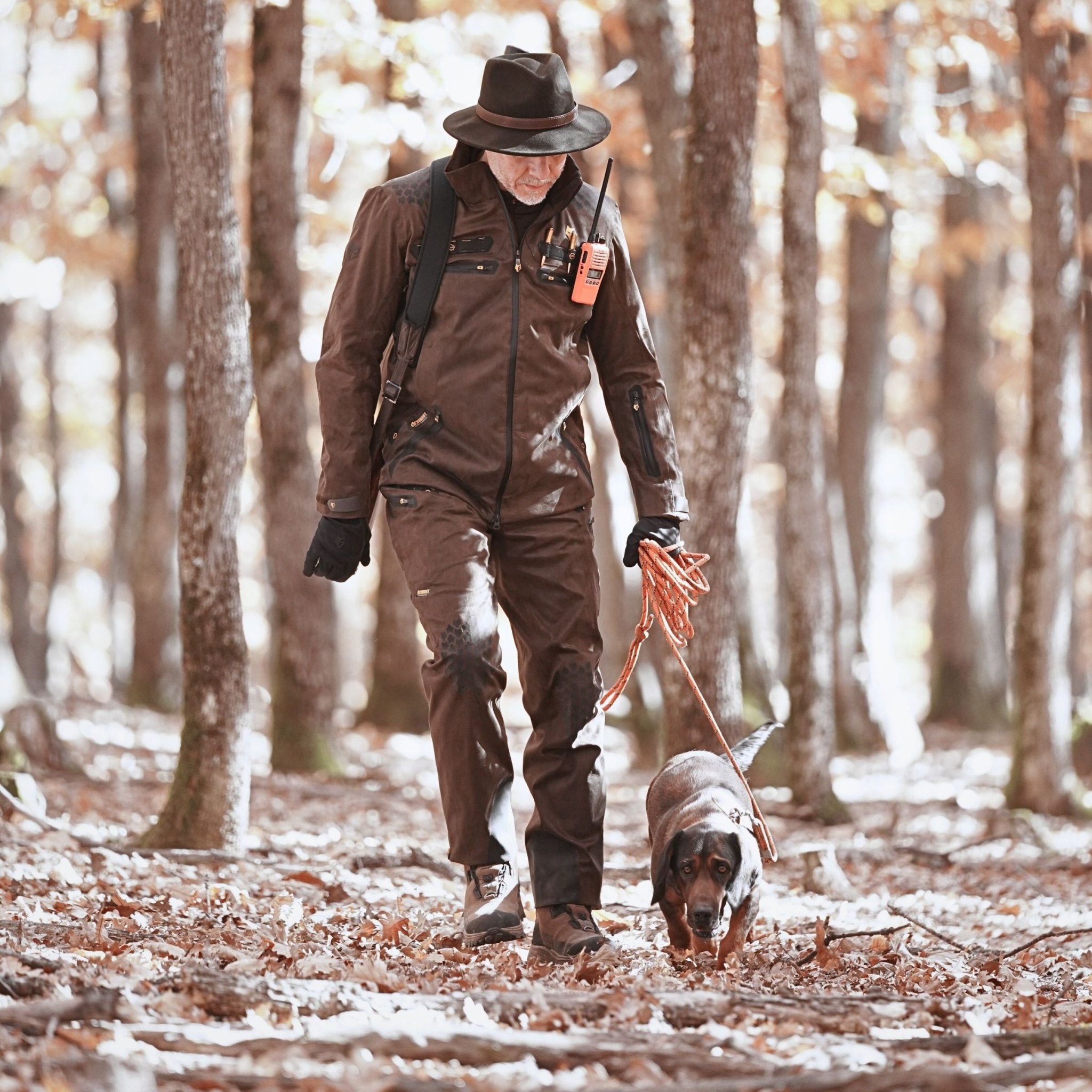
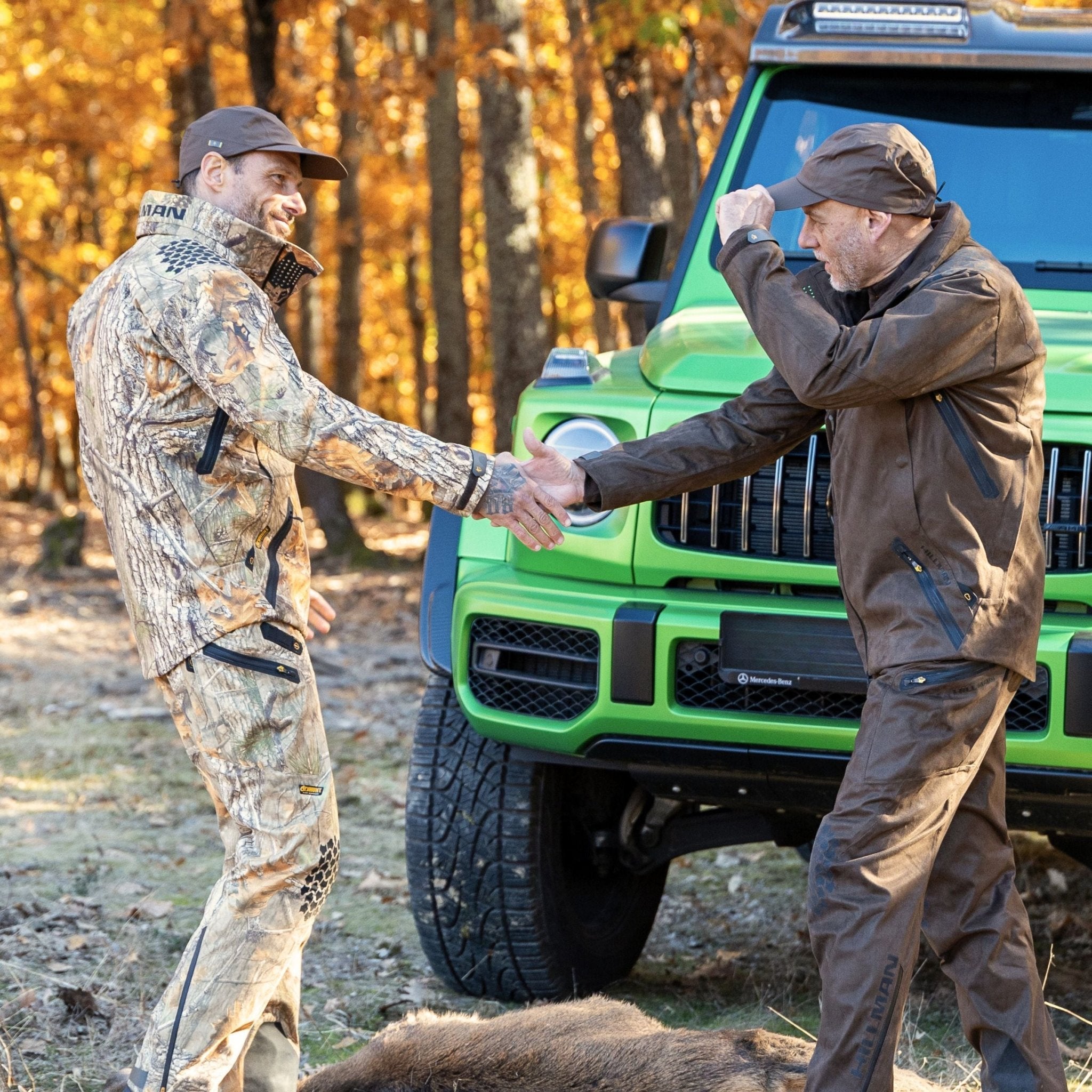
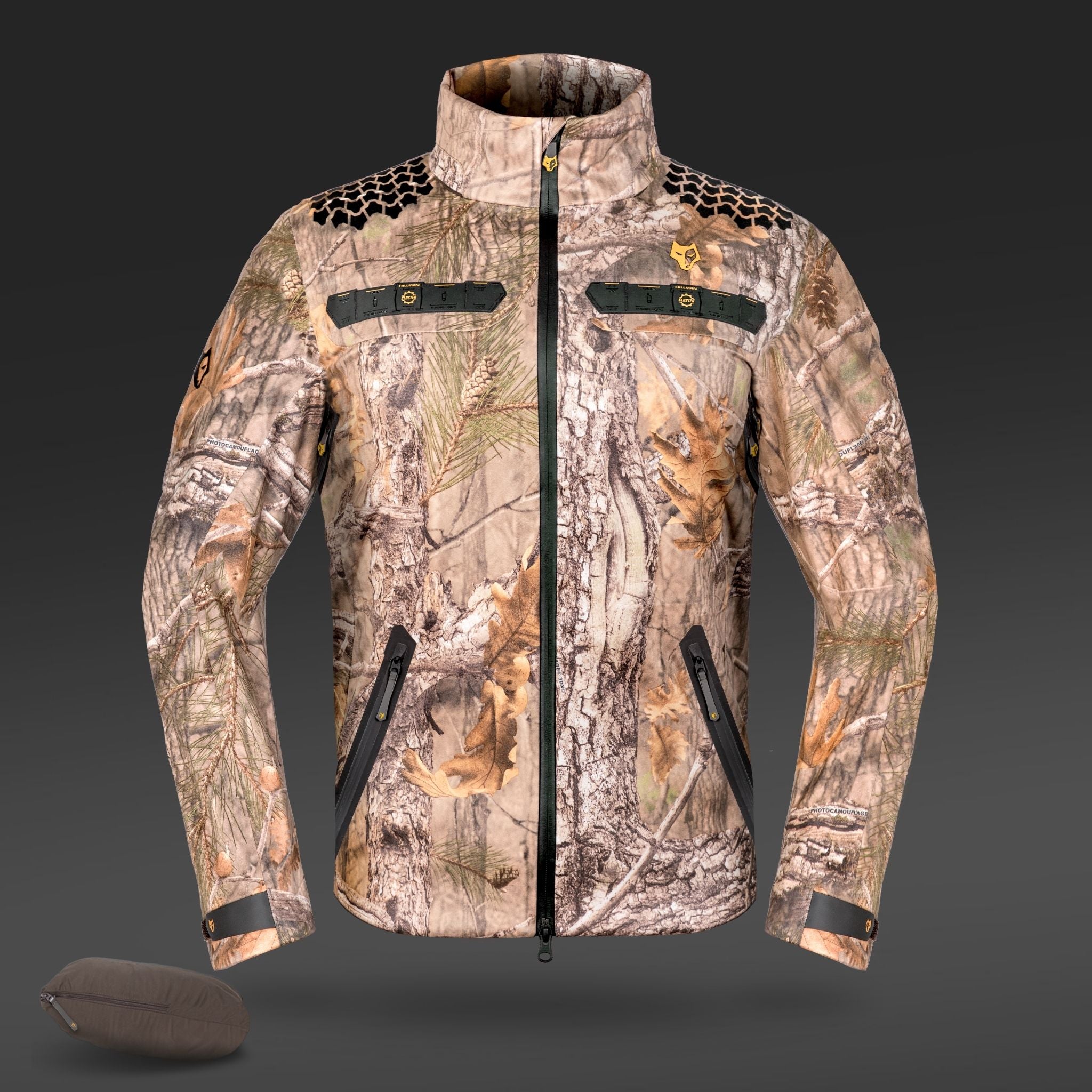
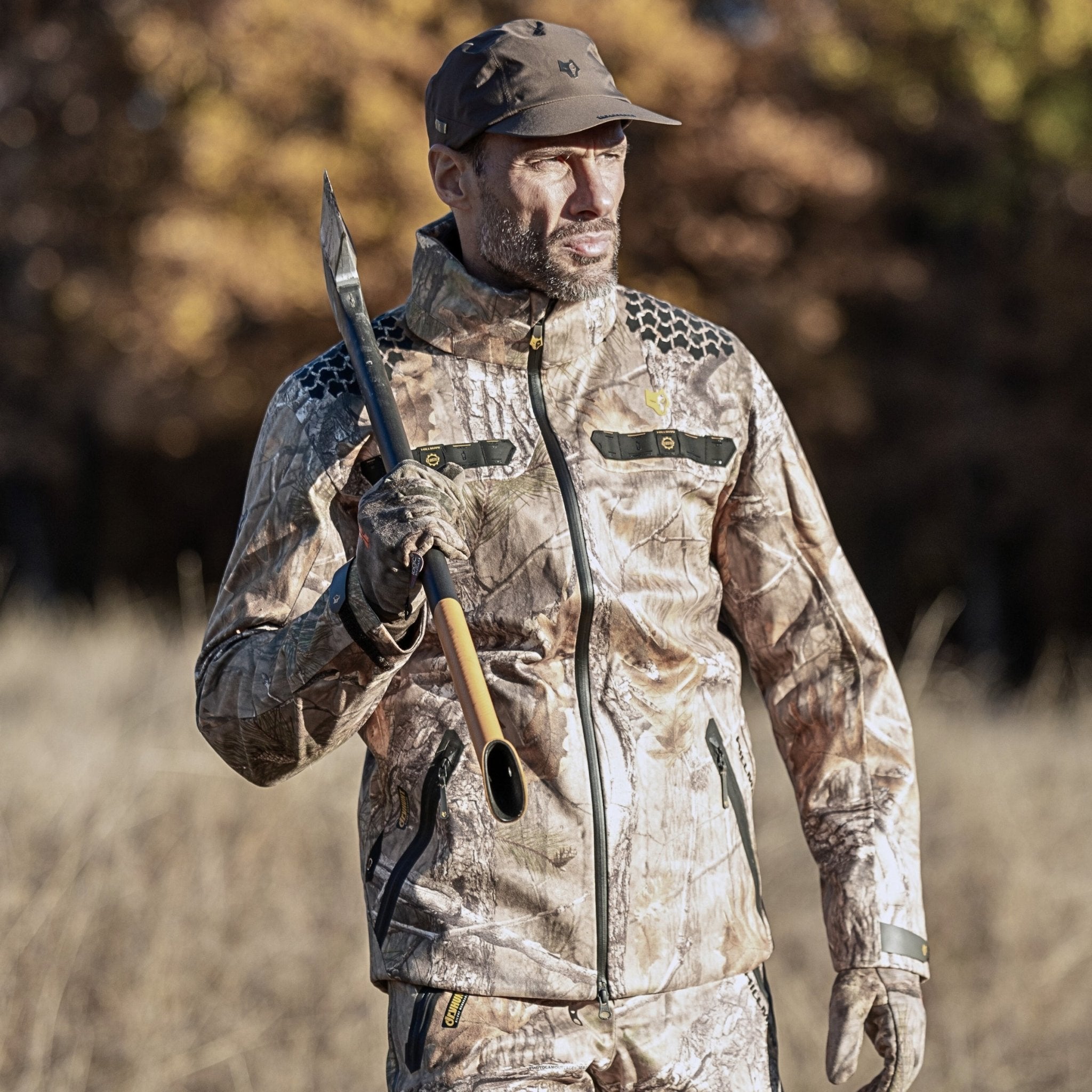
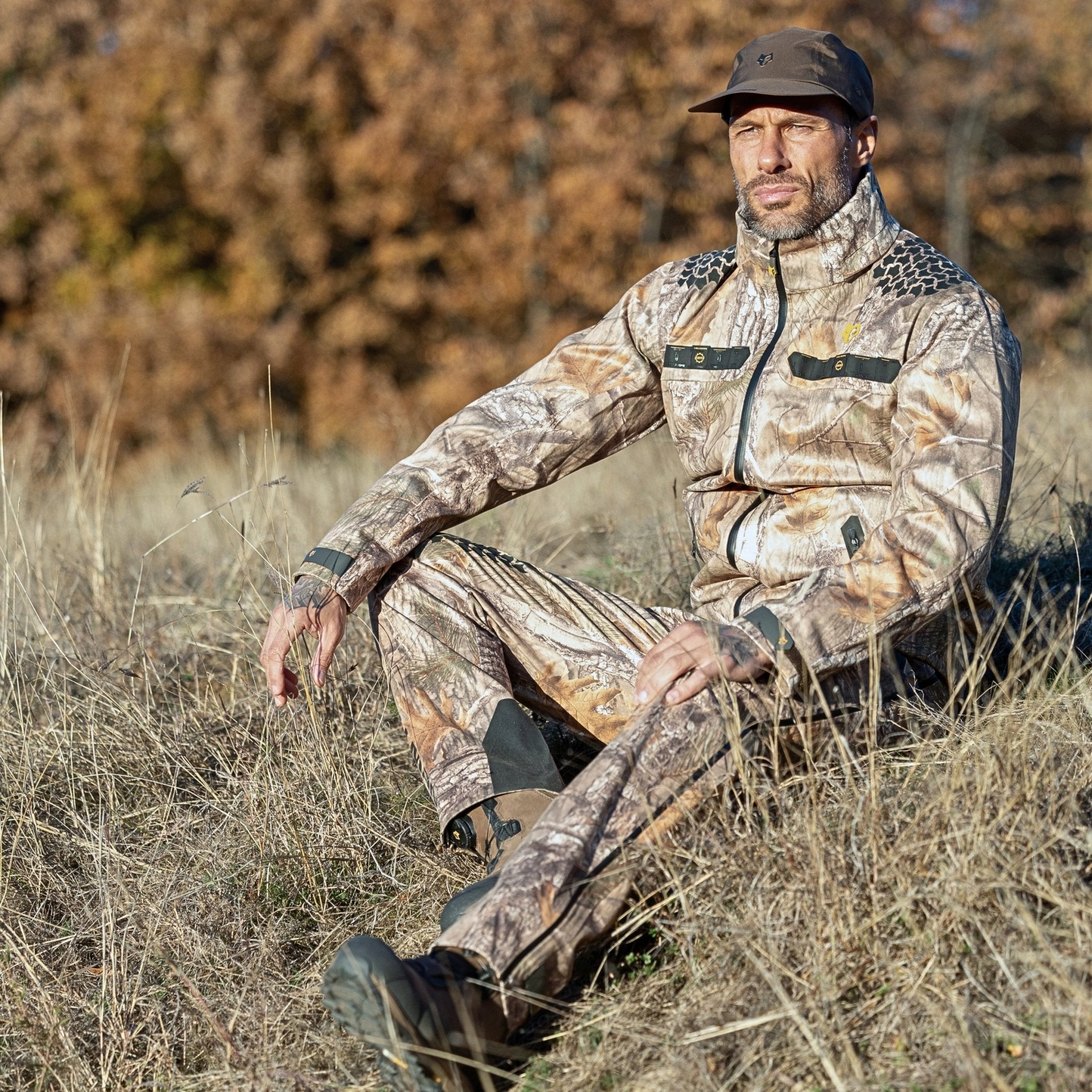
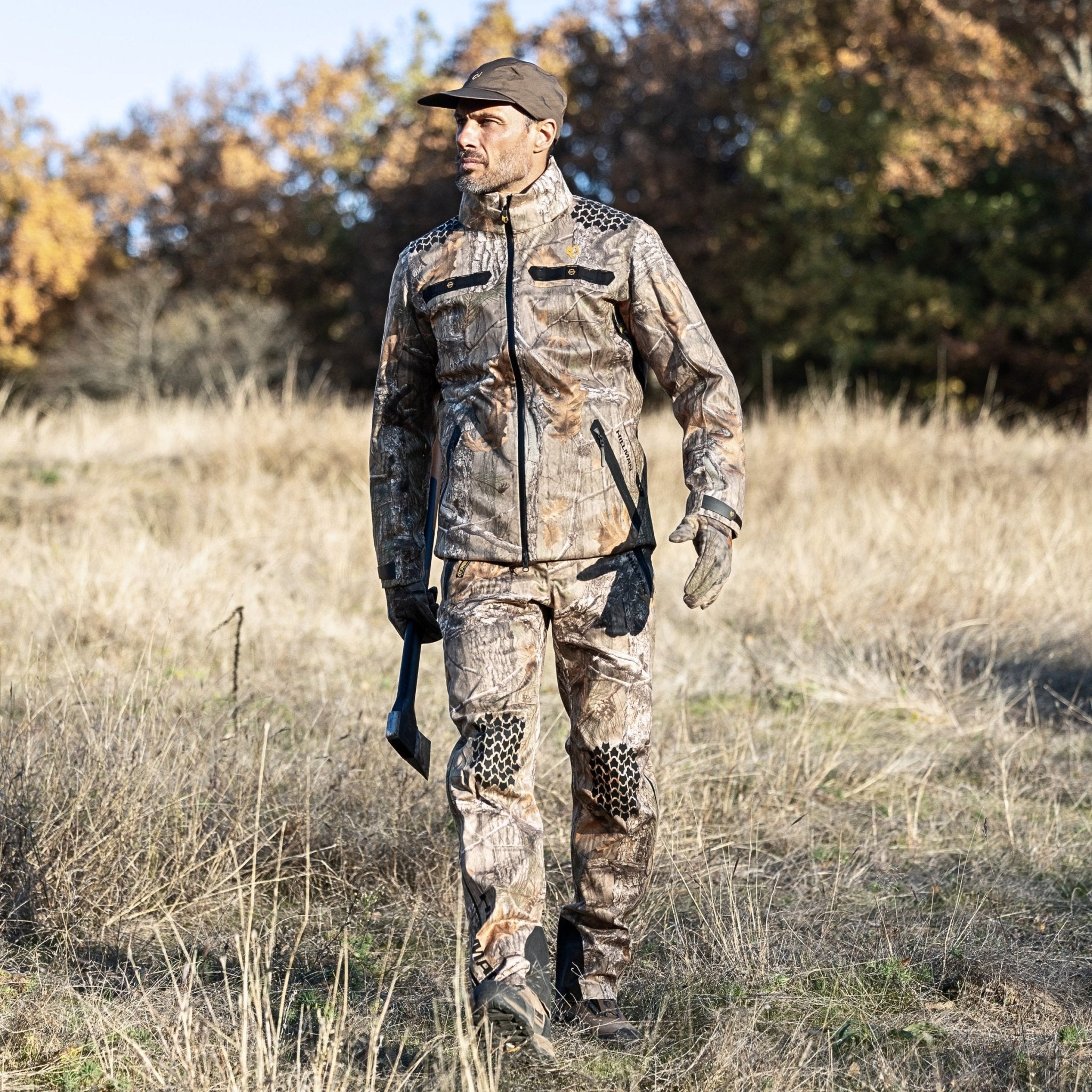
Hillman designs hunting clothing for this exact balance: weather protection, low noise and movement that does not fight the stalk.
Stalking Trousers Take a Beating in Dense Undergrowth

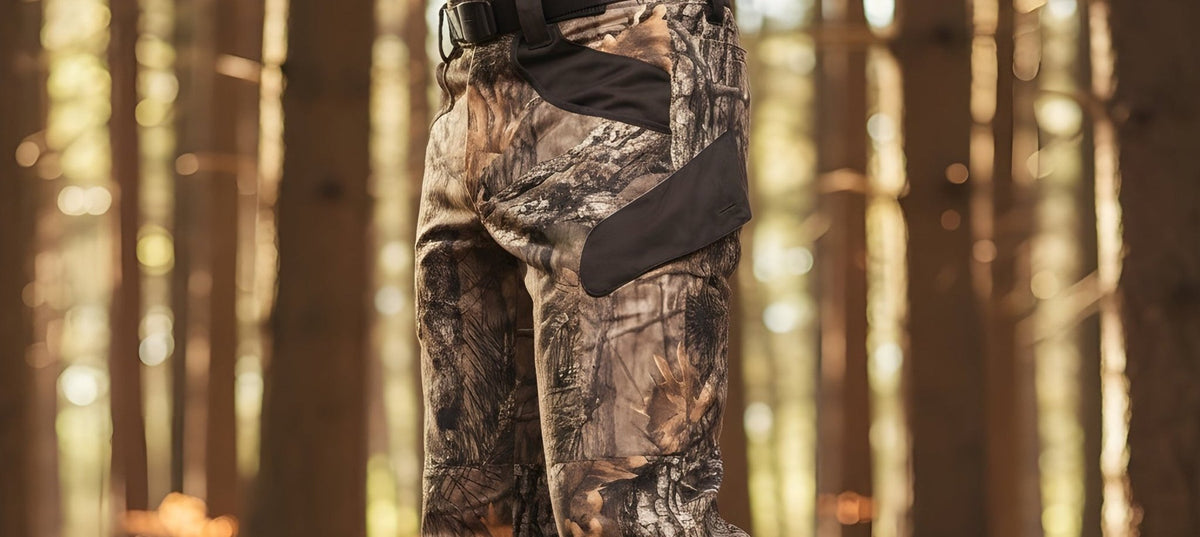
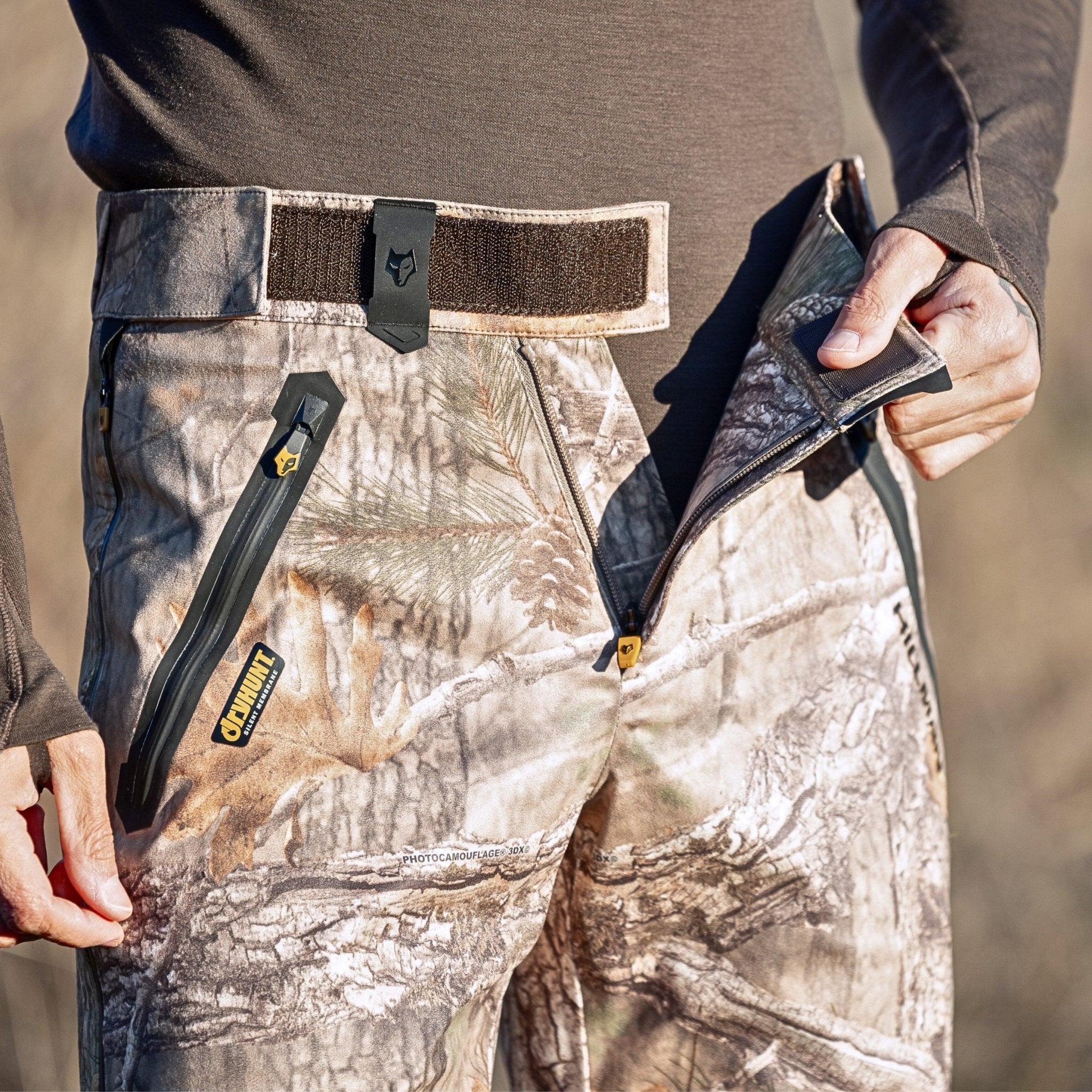
Stalking trousers get punished in muntjac woodland.
You kneel in wet ground. You brush through brambles. You lean against trees. You crawl a bit even when you told yourself you would not. You push through dense undergrowth and every weak bit of fabric gets tested.
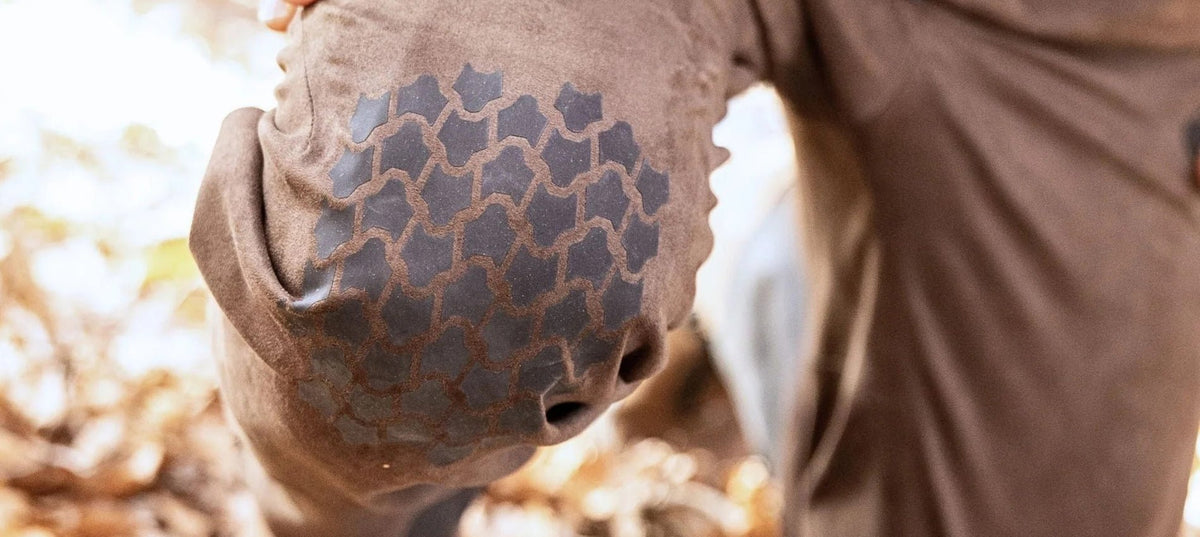
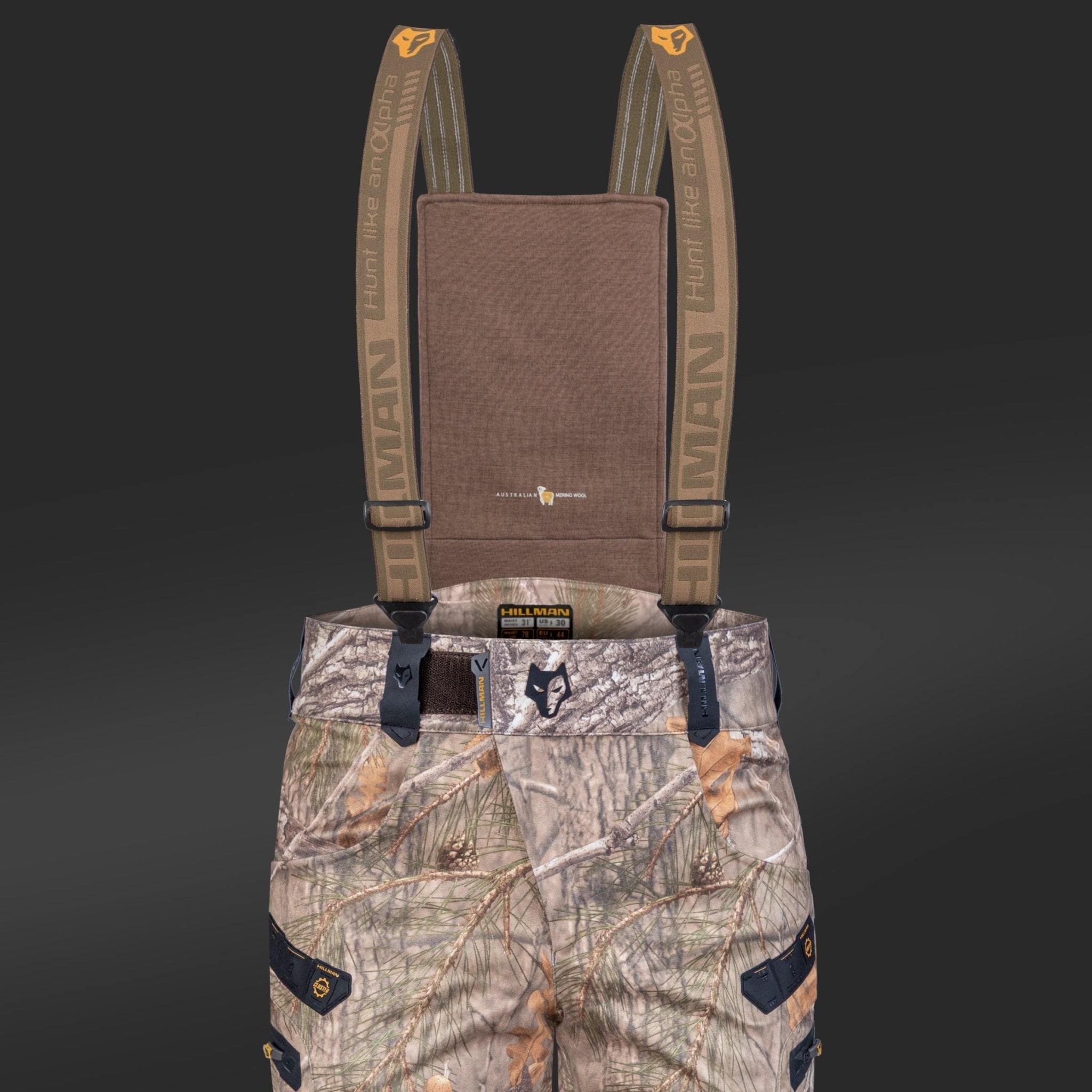
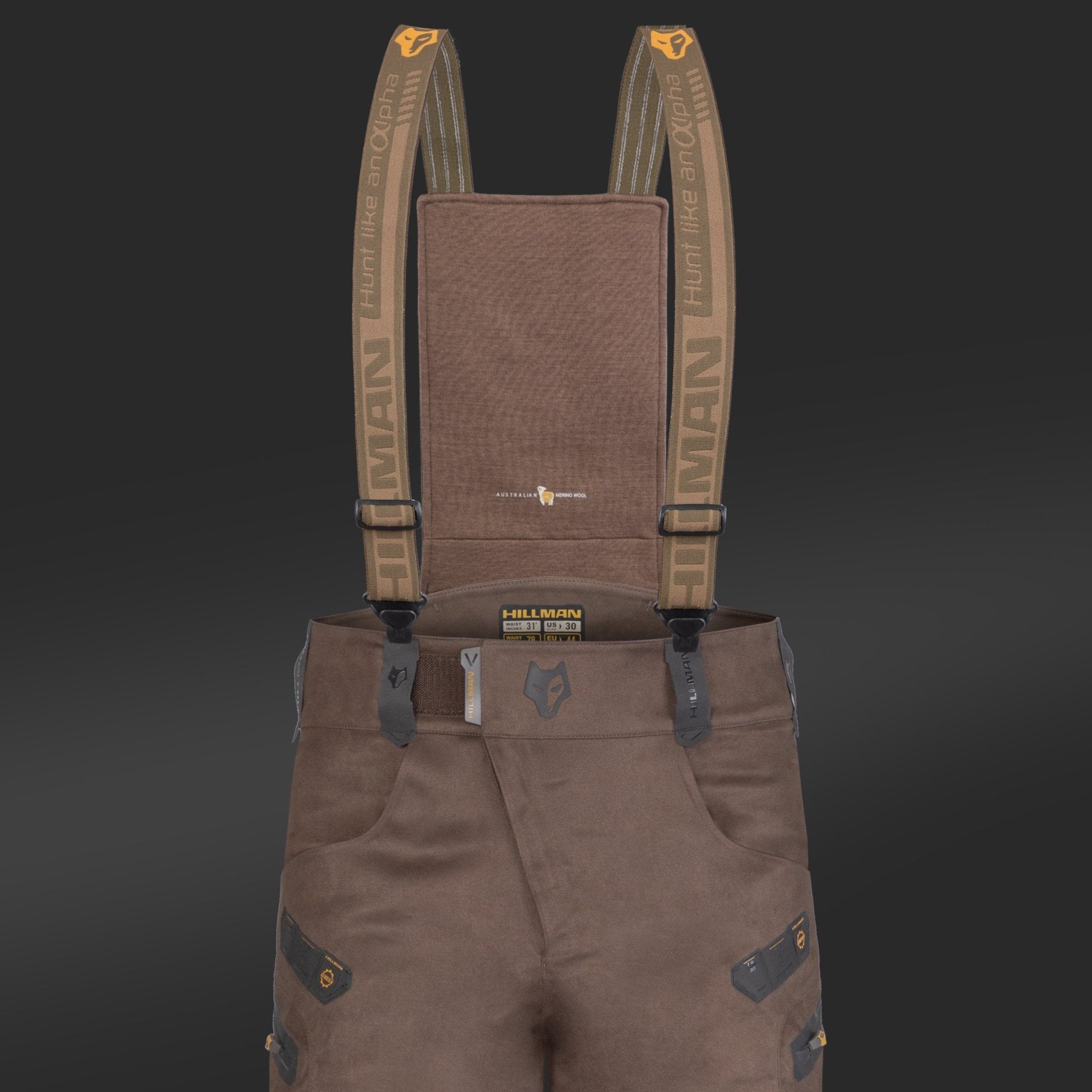
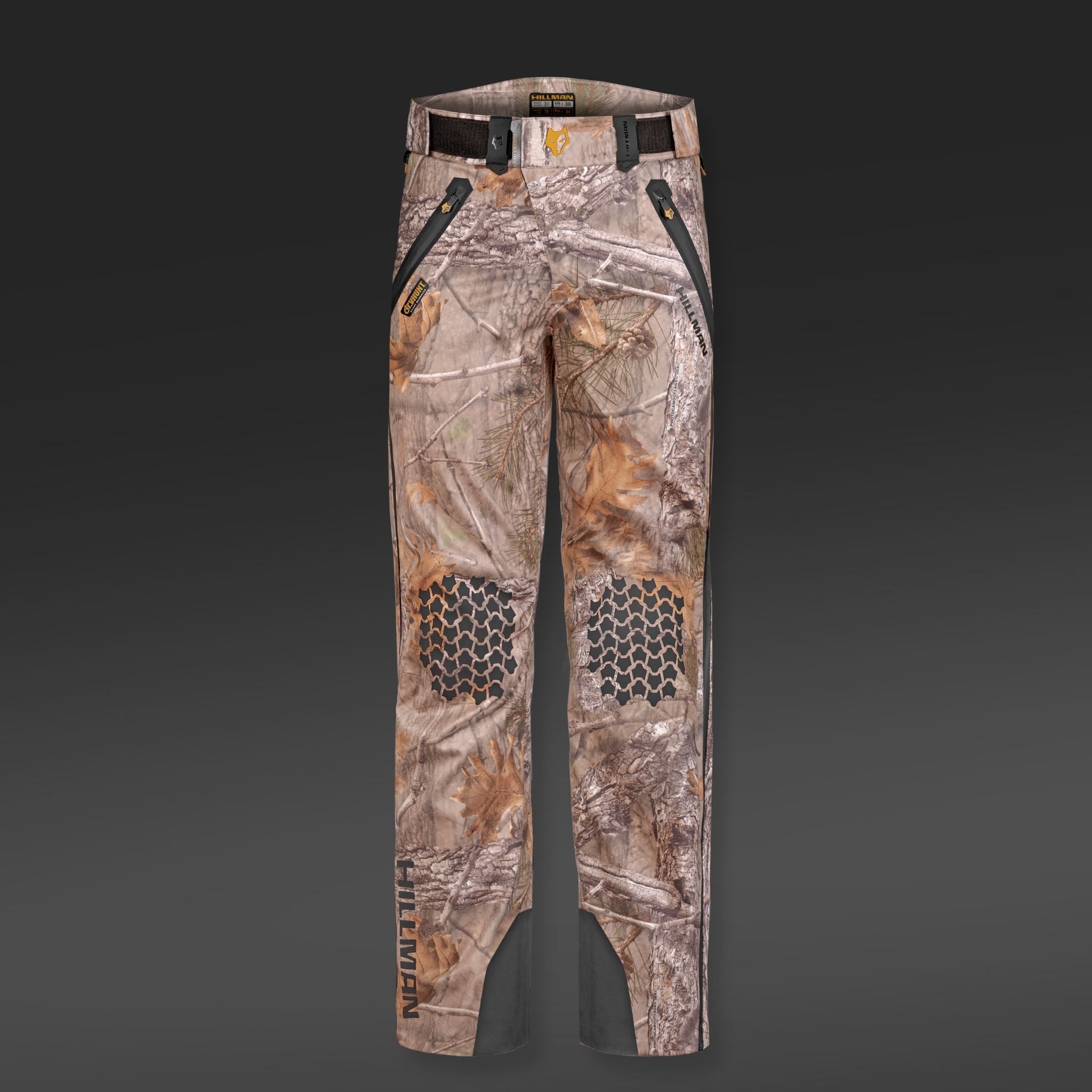
The right clothing here is not delicate. It needs to be quiet, tough and comfortable for slow movement. Reinforced knees can help, but not if they are stiff and noisy. A good pair of stalking trousers should let you kneel, step over timber and move through cover without catching on every thorn.
Fit matters more than people think. Baggy trousers snag. Tight trousers pull when you crouch. You want the middle ground: tidy enough not to flap, loose enough to move.
Open ground clothing does not always work in woodland. In open ground, fabric is not constantly rubbing against branches. In woodland, it is. If the material is loud, the woodland hears you before the muntjac sees you.
Move Like Every Step Can Betray You
Moving quietly is not the same as walking slowly. Some hunters walk slowly and still sound like they are carrying a bucket of bolts.
Use the heel-to-toe roll. Set the heel down lightly. Feel the ground. If there is a twig under the boot, stop before your full weight goes down. Then ease the foot flat.
Yes, it feels painfully slow. Good. That is usually the point.
Muntjac often catch repeated movement. So do not creep forward like a robot. Take a few careful steps, stop, scan low, listen, then move again. Let the woodland settle around you.
Look low. Look under branches, not just between trees. Muntjac are small animals. Sometimes you see a leg, an ear, the line of a back, or a flick of movement before you see the whole deer.
The aim is not to cover terrain quickly. The aim is to remain undetected long enough to create a shot chance.
A successful stalk often feels boring right until it suddenly is not.
Wind Direction Still Runs the Whole Hunt

You can wear the best stalking gear in the world and still ruin the stalk with bad wind.
Human scent carries. Deer know it. Muntjac may be small, but they are not clueless. If your scent is drifting into the cover ahead, the hunt may be over before you ever see the quarry.
Work into the wind or across it when you can. If the wind starts swirling under the canopy, slow down and rethink the line. Woodland wind can be awkward. Rides, dips, thick blocks and open patches all mess with airflow.
Do not pretend scent control clothing fixes wrong wind. It does not. It might help a little at the edges, but wind discipline still matters more.
If the wind is wrong, change the stalk. Simple.
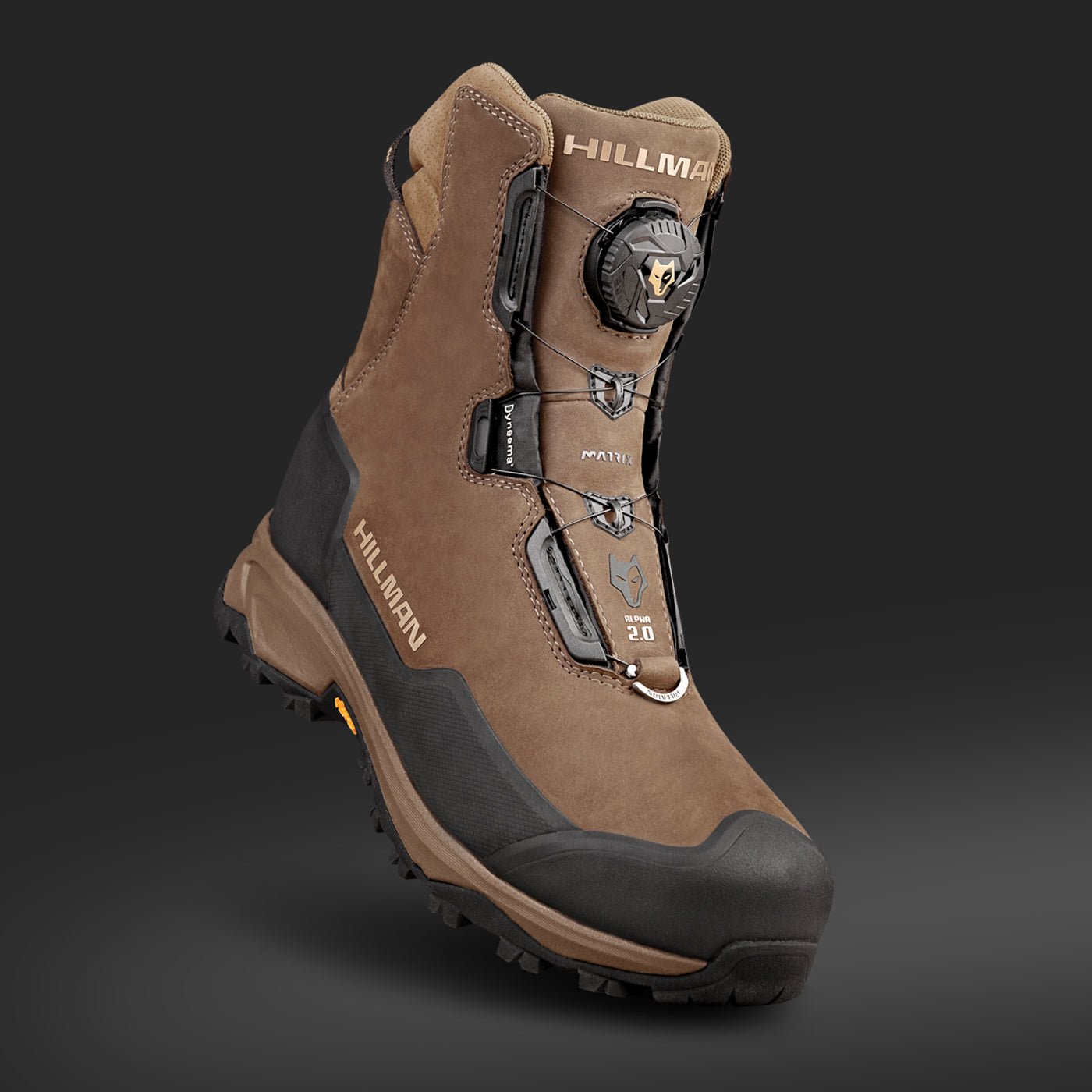
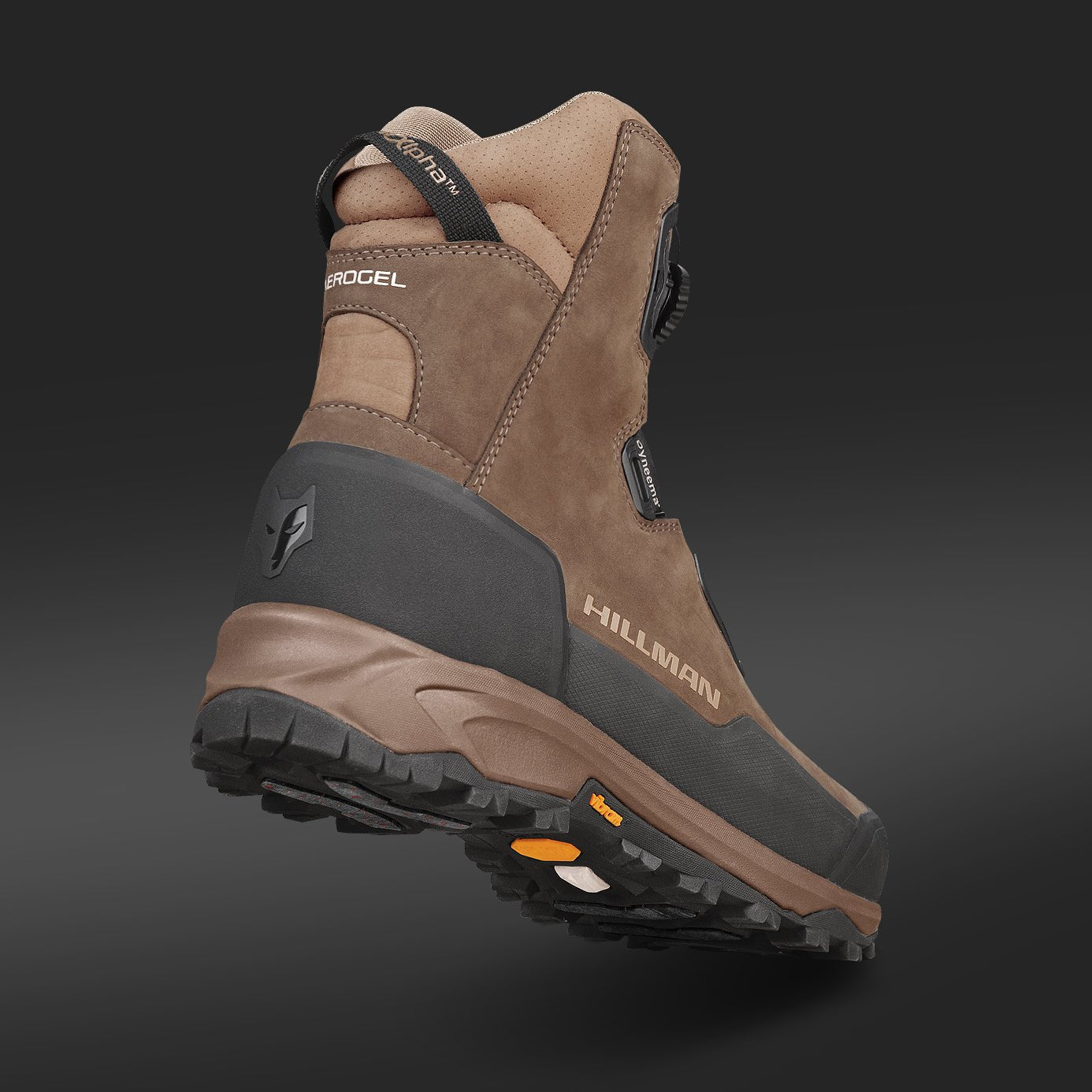
Boots Need Grip, Waterproofing and Some Feel

Footwear can ruin woodland stalking fast.
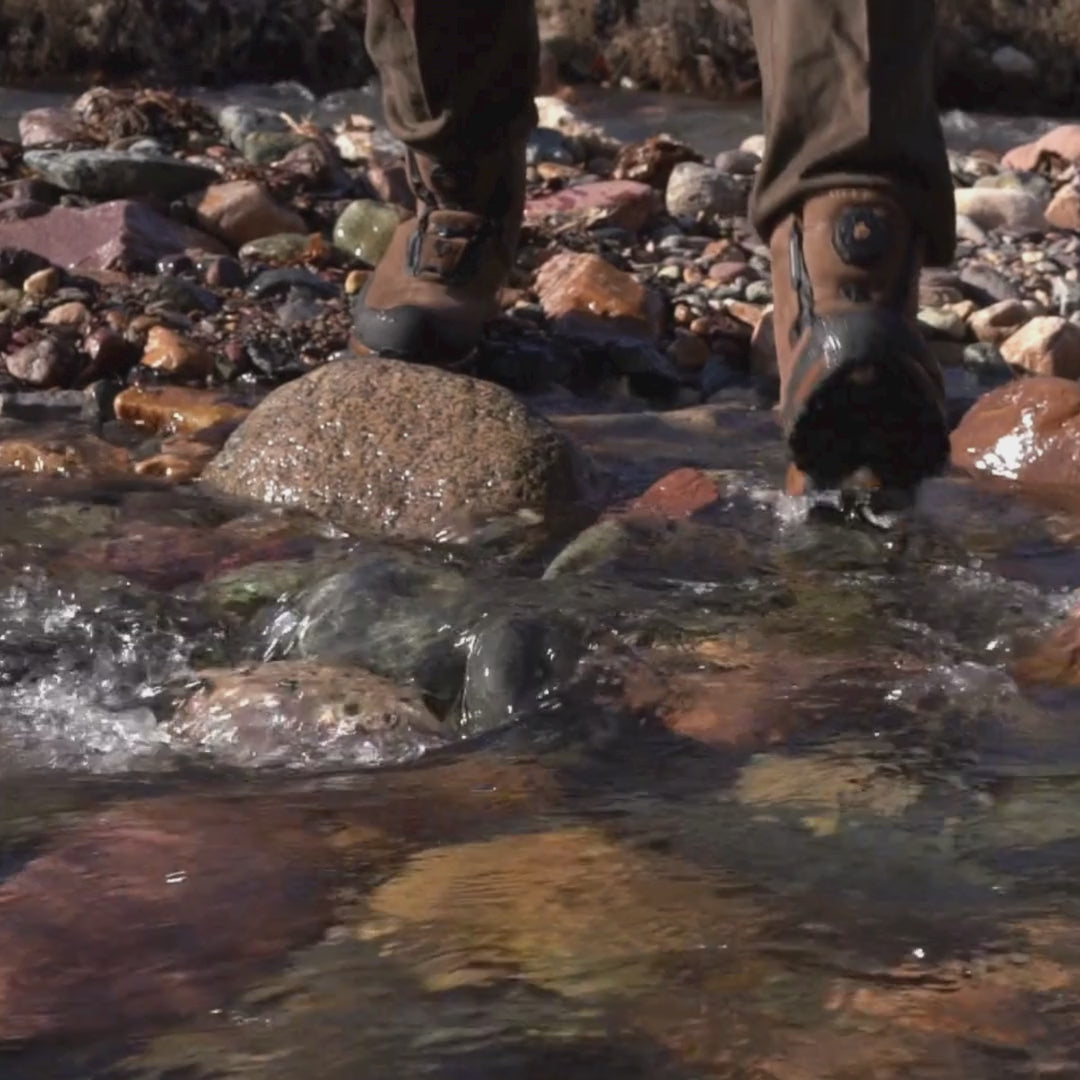
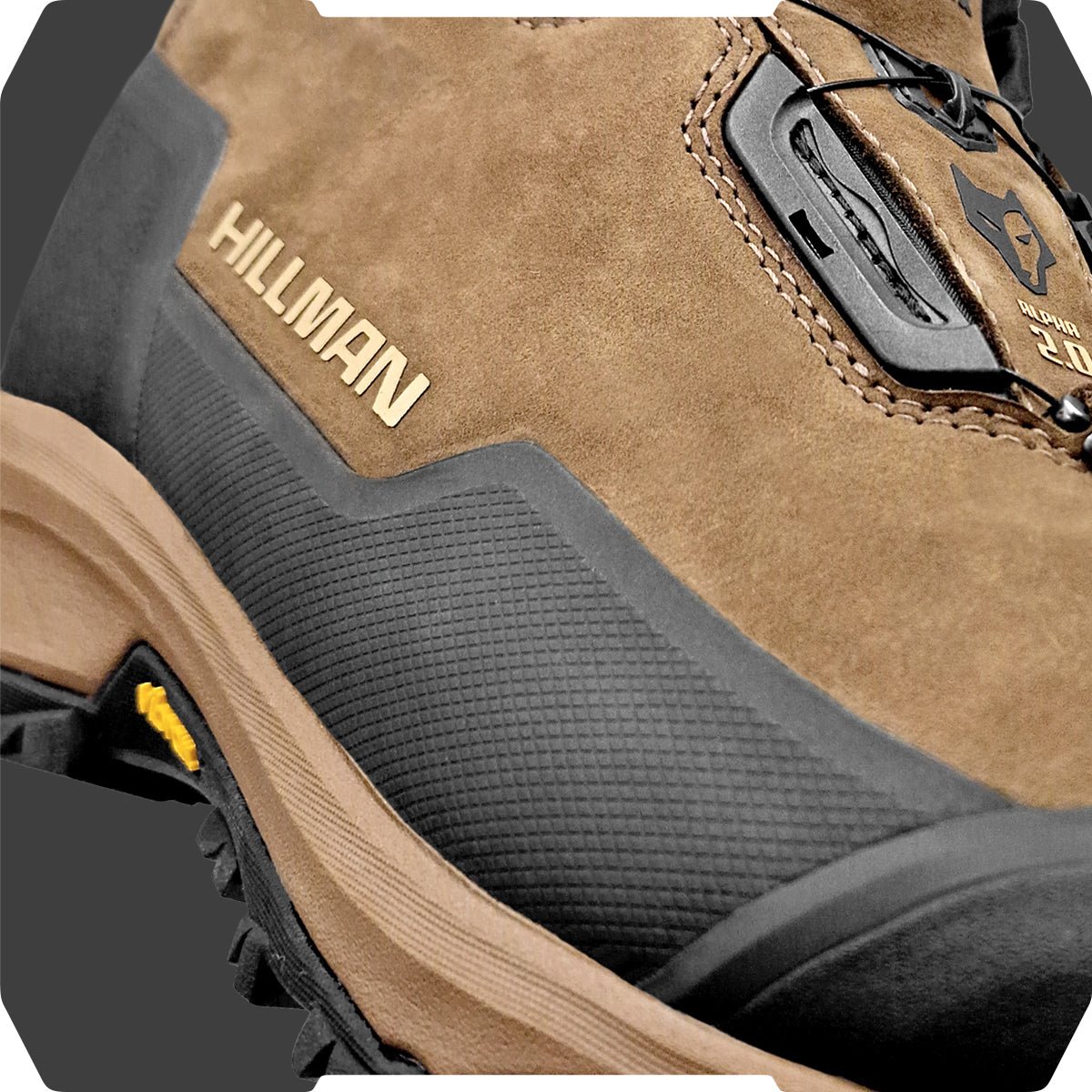
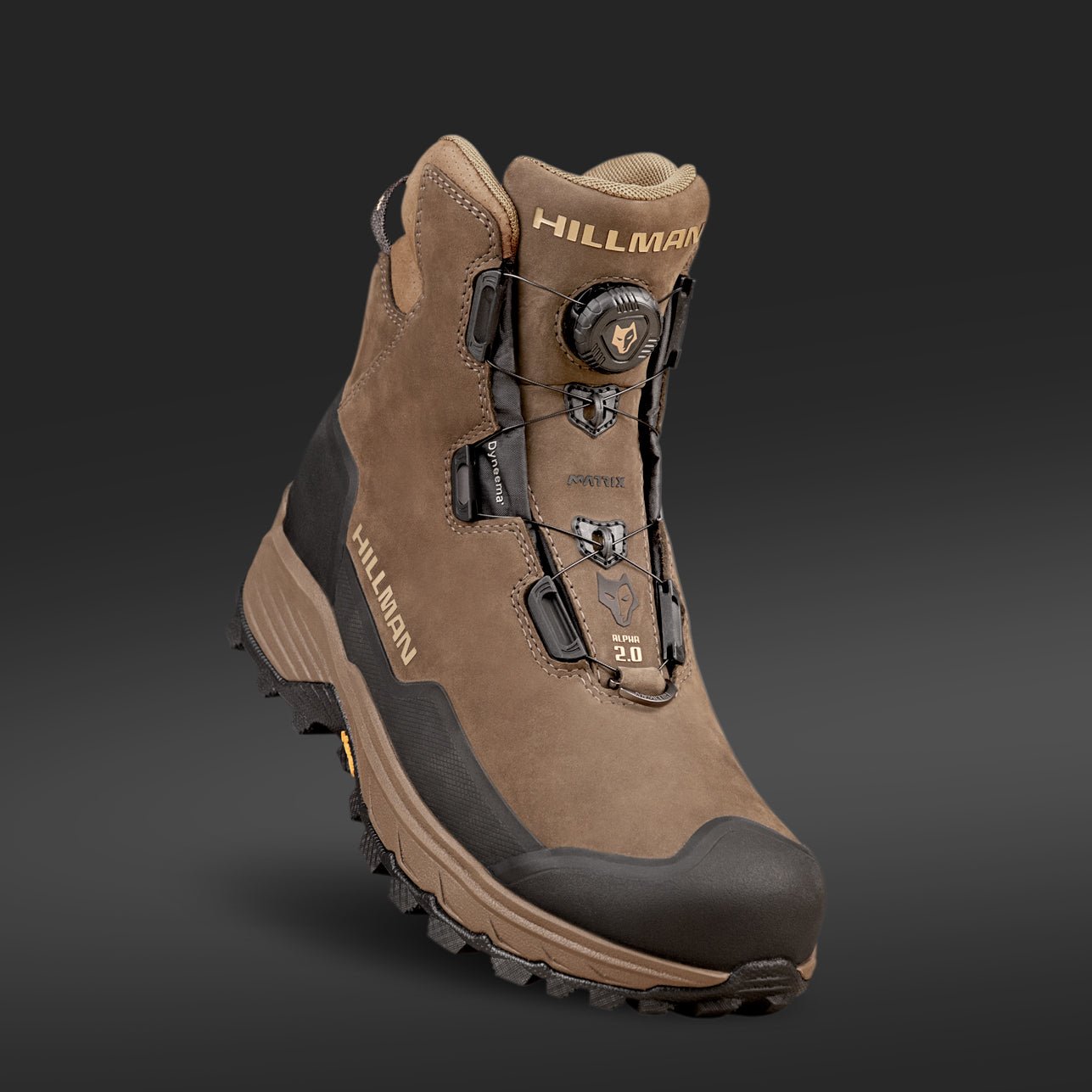
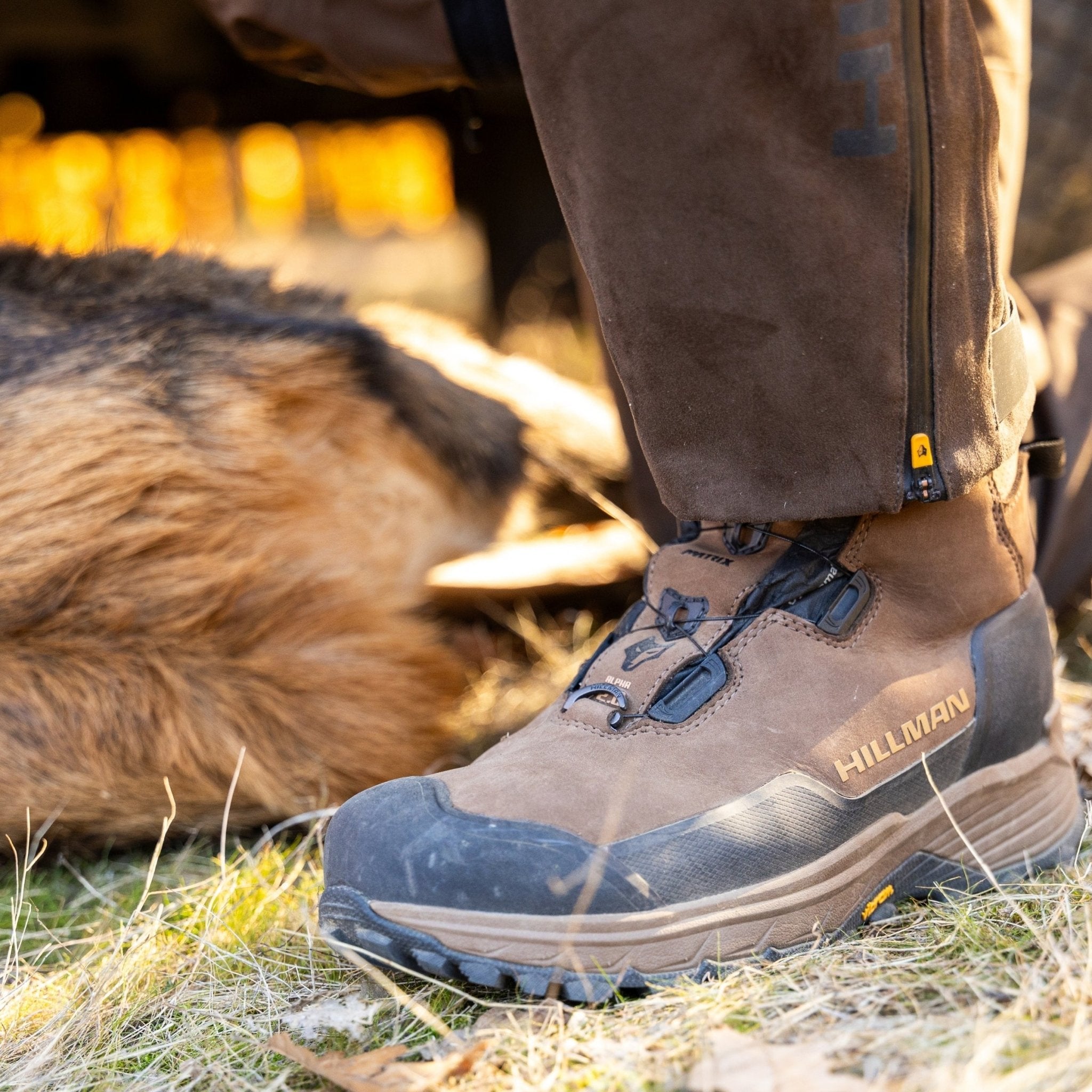
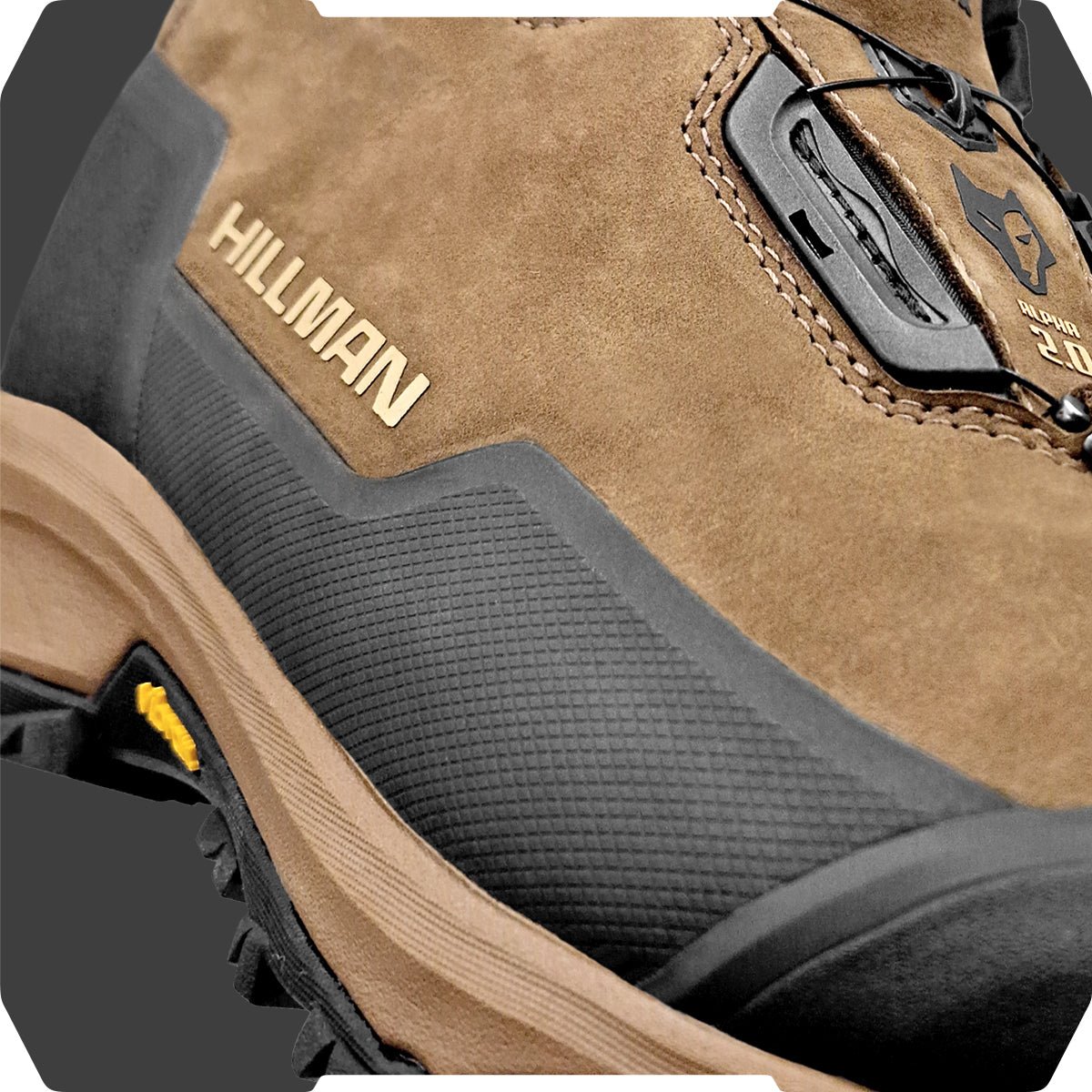
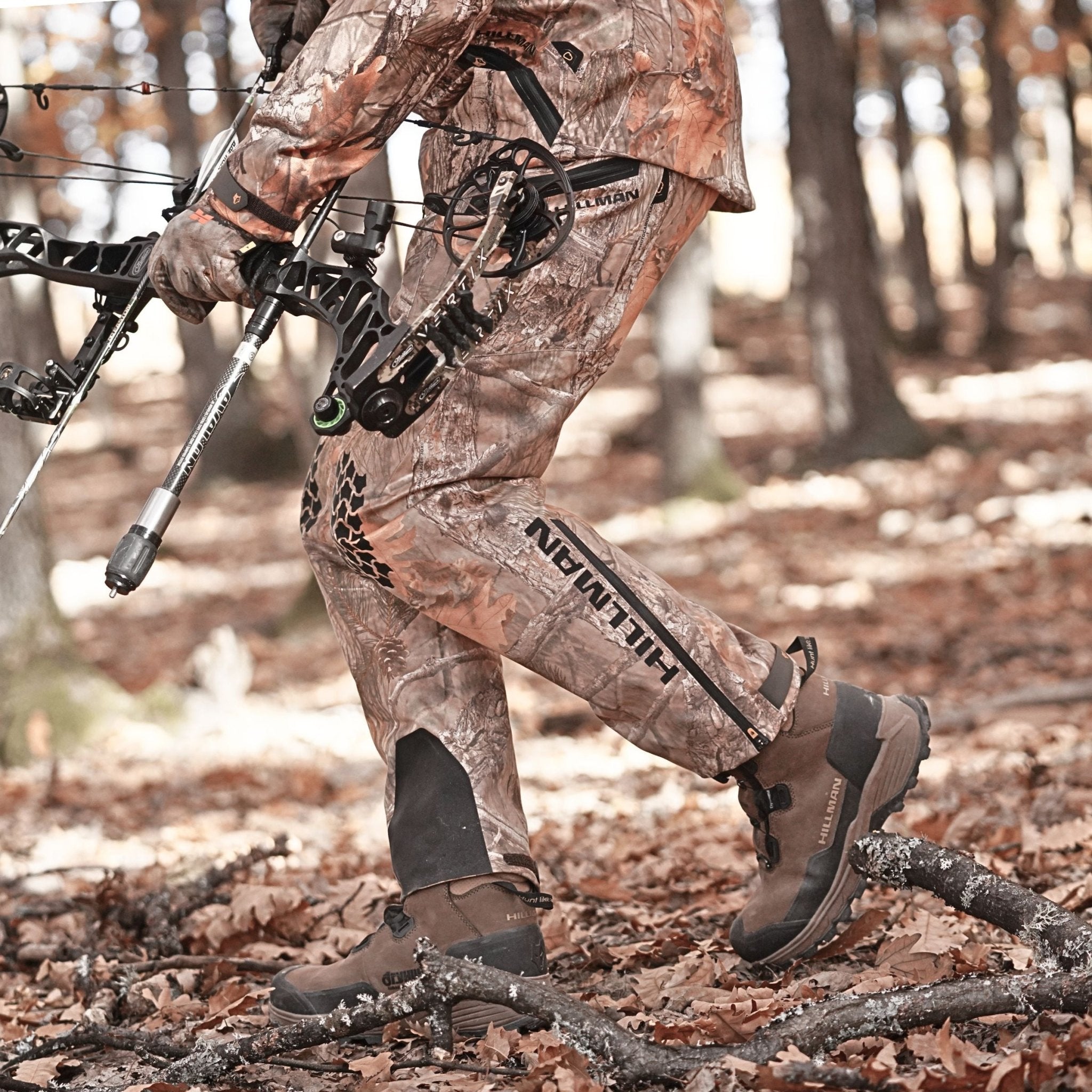
Wet ground, mud, roots, leaf litter and hidden holes need waterproof boots with real grip. But muntjac stalking also needs feel. A stiff boot can be good on an open hill, but in tight woodland terrain it can make you heavy and noisy.
You need boots that keep feet dry, grip muddy rides and still let you place each step quietly. If you cannot feel anything underfoot, you will snap more sticks. If the boots are too soft and weak, you will slip, swear under your breath and lose focus.
Socks matter too. Damp socks and cold toes make hunters impatient. Once you are uncomfortable, small decisions get sloppy. That is when noise creeps in.
Good boots should be boring. Dry feet. Quiet steps. Decent grip. No drama.
Camouflage Helps, But Pale Hands Give You Away Faster
Camouflage is useful, but it is not magic.
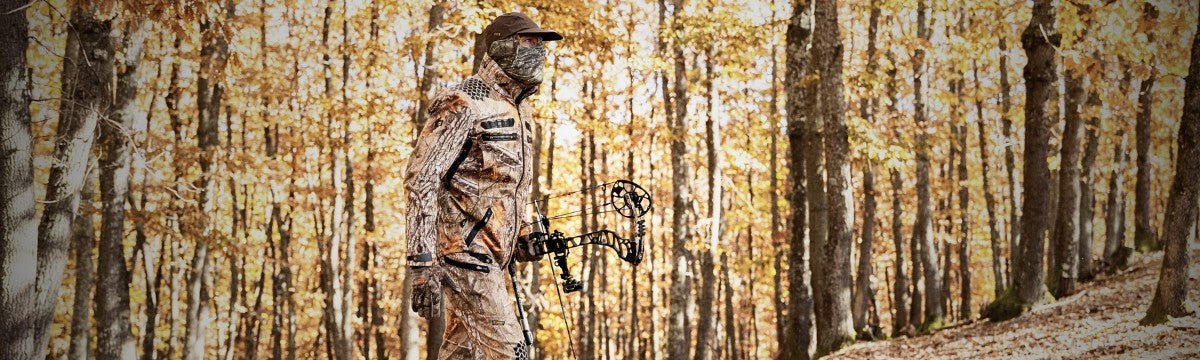
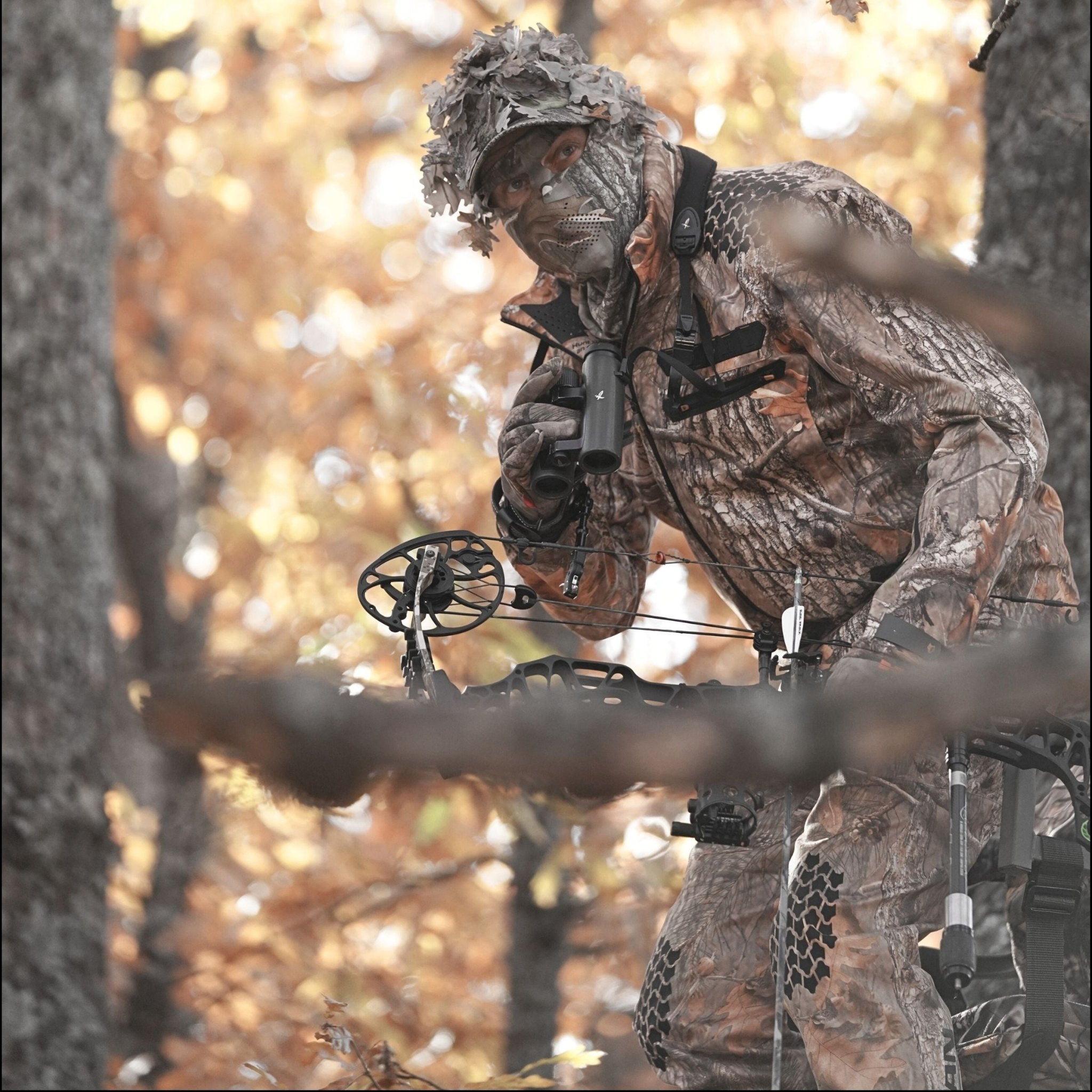
In woodland, the main job is to break up the human outline and hide the bright bits. Hands and face flash badly in shade. A bare hand lifting binoculars or touching the rifle can stand out more than your jacket pattern.
Dark gloves or camouflage gloves are worth wearing. A light face veil can help too, especially when you are moving slowly through cover or waiting near a ride.
Do you need the perfect camouflage pattern? No. You need clothing that fits the ground, does not shine, does not rustle and does not make you look like a tall human shape moving through the trees.
Earth tones work. Woodland camo works. Staying quiet and still works better than both.
High Seat or Stalking on Foot

A high seat can be excellent for muntjac. In thick summer woodland, visibility from the ground can be awful. From above, you may see rides, glades, feeding edges and small tracks that are almost invisible at ground level.
A high seat also helps with scent and movement. You are not pushing through every twig and bramble. You sit, watch and let the wood calm down.
But stalking on foot still has its place. Some muntjac use tiny pockets of cover, bramble edges and narrow paths where sitting in one spot will not always produce. If the wind is right and the ground is quiet, careful movement can open chances you would not get from a seat.
The best choice depends on conditions, not pride. A professional stalker will not force a stalk when the ground is too loud. If the wind, terrain and weather suit sitting, sit. If they suit moving, move.
And sort the serious stuff before the hunt. Permission, firearm rules, local requirements and safe backstops are not small details. They are part of responsible deer stalking.
Keep Stalking Gear Simple and Quiet
Too much stalking gear makes noise. It also gives you more things to mess with.
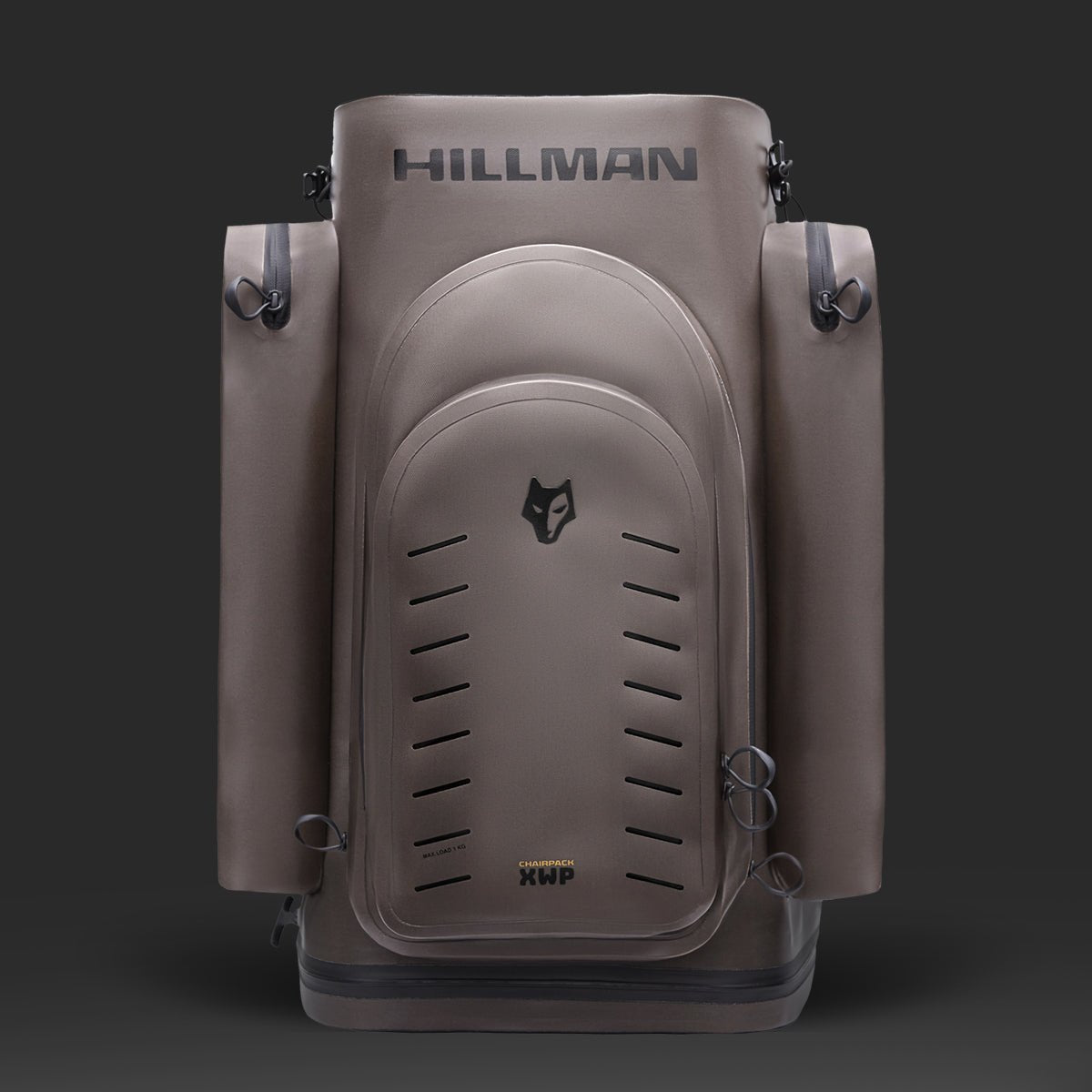
You do not need half a shop hanging from your body for muntjac stalking. Carry what matters and keep it tidy. Rangefinder, gloves, spare layer, knife, first-aid basics, documents, maybe a drink and whatever safety gear you need.
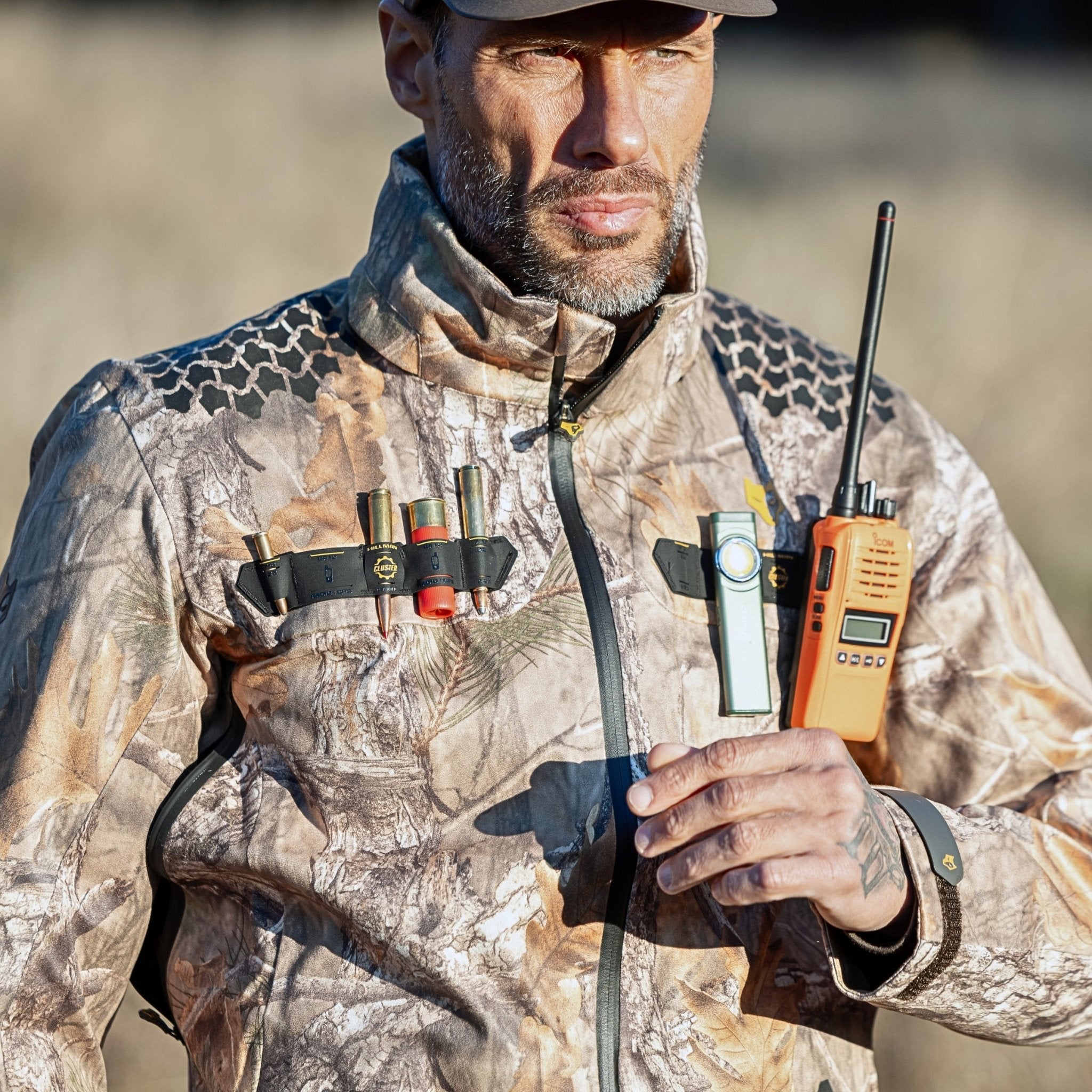
Tie loose straps down. Stop metal knocking against metal. Do not stuff pockets so full that every step sounds busy.
Check the rifle setup before you enter the wood. Sling swivels, buckles, zips and jacket fabric can all knock together if you ignore them.
Silence starts before the stalk starts. Once you are already in cover, it is too late to reorganise everything.

Change Clothing Before Conditions Force You To
Most hunters change layers too late.
They walk until they sweat. Then they stop and get cold. Or they sit in a thin layer until the chill has already got into them, then start digging through the backpack.
Do it earlier.
If you are warming up, vent the jacket before sweat builds. If you are about to stand still for extended periods, add warmth before you feel properly cold. If rain starts hard, sort the outer layer before everything underneath is damp.
Conditions shift quickly in woodland. Dry to wet. Still to windy. Warm walking to cold waiting. Right clothing gives you options, but only if you use those options in time.
Muntjac stalking is often decided by one small moment. You want to be ready for it, not fighting a zip, wiping moisture from your face or shivering because you waited too long.
Final Thoughts on Muntjac Stalking Clothing and Movement
Muntjac stalking in woodland is close, quiet and unforgiving. It does not care what your gear cost. If the jacket is loud, the boots are clumsy or your movement is sloppy, the deer will not hang around while you fix it.
Choose stalking clothing that stays quiet first. Build layers around body temperature. Wear trousers that can handle wet ground, brambles and slow movement. Use boots with grip and enough feel for careful foot placement. Cover your hands and face. Watch the wind because it matters more than your pride.
Then slow down more than you want to.
Let the wood settle. Look low. Stop often. Listen properly. Move only when the ground lets you.
That is when muntjac chances usually come. Not when you rush. Not when you force it. When you finally stop sounding like a person crashing through woodland.


Share:
What to Wear for Roe Buck Stalking in Summer: No Overheating
Red Deer Stalking on the Hill: Layers, Wind and Waterproofing