
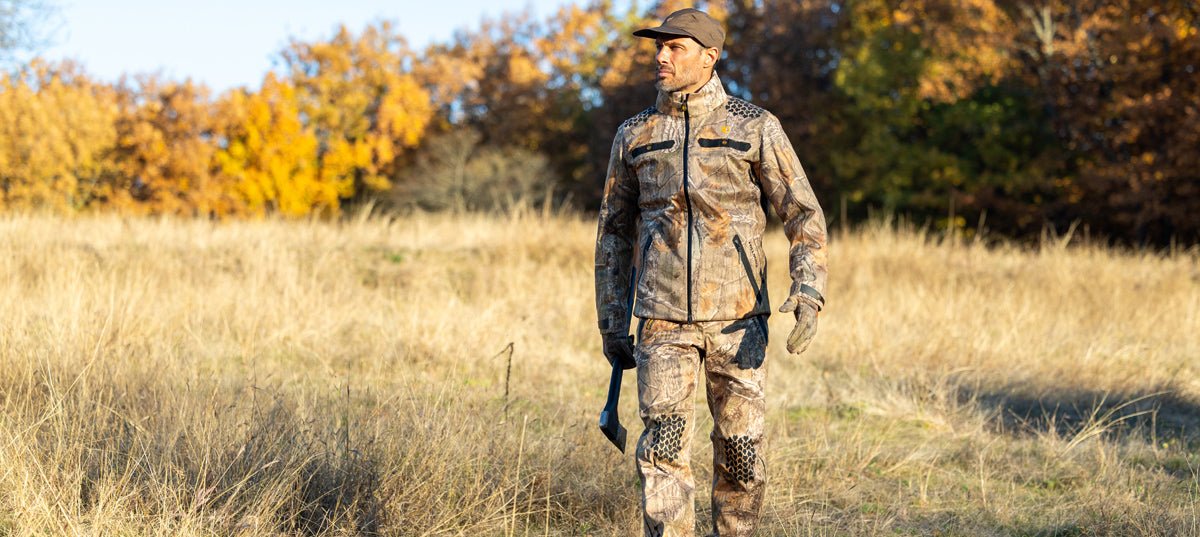
Red Deer Stalking on the Hill: Layers, Wind and Waterproof Protection

Hill stalking needs quiet layers, waterproof kit, a good sense of the wind, and clothing that keeps you dry without turning you stiff.
Red deer stalking on the hill is rough on clothing. Simple as that. A jacket can feel fine at the truck and useless twenty minutes later. You climb, sweat, stop to glass, get cold, then the wind cuts over the ridge and reminds you the hill does not care what the label on your gear says.
That is why red deer stalking on the hill layers matter. Not because layering sounds clever. Because the weather keeps changing and your body temperature changes with it.
Hill stalking is not a walk to a high seat. You deal with open ground, rough terrain, wet cover, biting winds, driving rain, long hours and plenty of waiting. Then, when the chance comes, you still need quiet movement and a steady rifle position.
Good deer stalking clothing should help you stay dry, stay warm enough, and move without noise. Bad hunting clothing makes you hot, wet, loud, and distracted. Once that happens, staying focused gets harder than it needs to be.
The Base Layer Has One Job: Keep Sweat Off You

The base layer is where the whole thing starts. Get this wrong and the rest of your clothing has to fight a losing battle.
On rugged terrain, you sweat fast. You might not notice it while climbing, because you feel warm. Then you stop behind cover, the wind hits you, and suddenly that damp shirt is freezing.
A proper base layer should move moisture away from your skin. It should dry quickly and help regulate body temperature. That matters during active stalking, especially when unpredictable conditions keep switching between warm work and cold waiting.
Do not wear cotton and pretend it will be fine. Cotton holds moisture. Once it is wet, it stays wet. That is the last thing you want on the hill.
In warmer months, use a lighter base layer. In colder weather, go warmer, but still breathable. Warm is useful. Soaked is not.
Mid Layer Warmth You Can Actually Control

A mid layer is not there to cook you. It is there to add warmth when you need it and get out of the way when you do not.
Fleece, wool or light synthetic insulation can all work. The right gear is something you can unzip, vent, remove or pack without turning the stalk into a wrestling match.
Hill stalking is stop-start. You may walk hard for one hour, then sit glassing for extended periods. You may climb in still air and then hit cold wind on the top. Conditions shift all day.
This is why experienced stalkers usually avoid dressing like they are already freezing before they even leave the vehicle. They know the climb will build heat. They know the cold comes later, when movement slows.
The mid layer should help you keep body temperature steady. Too much warmth and you sweat. Too little and you shiver behind the binoculars. Either way, your focus suffers.
Outer Layer for Wind, Rain and Ugly Weather
The outer layer is the bit that takes the punishment. Rain, wind, wet heather, rock, peat, bracken, fences, crawling, sitting, kneeling. It all hits the outside first.
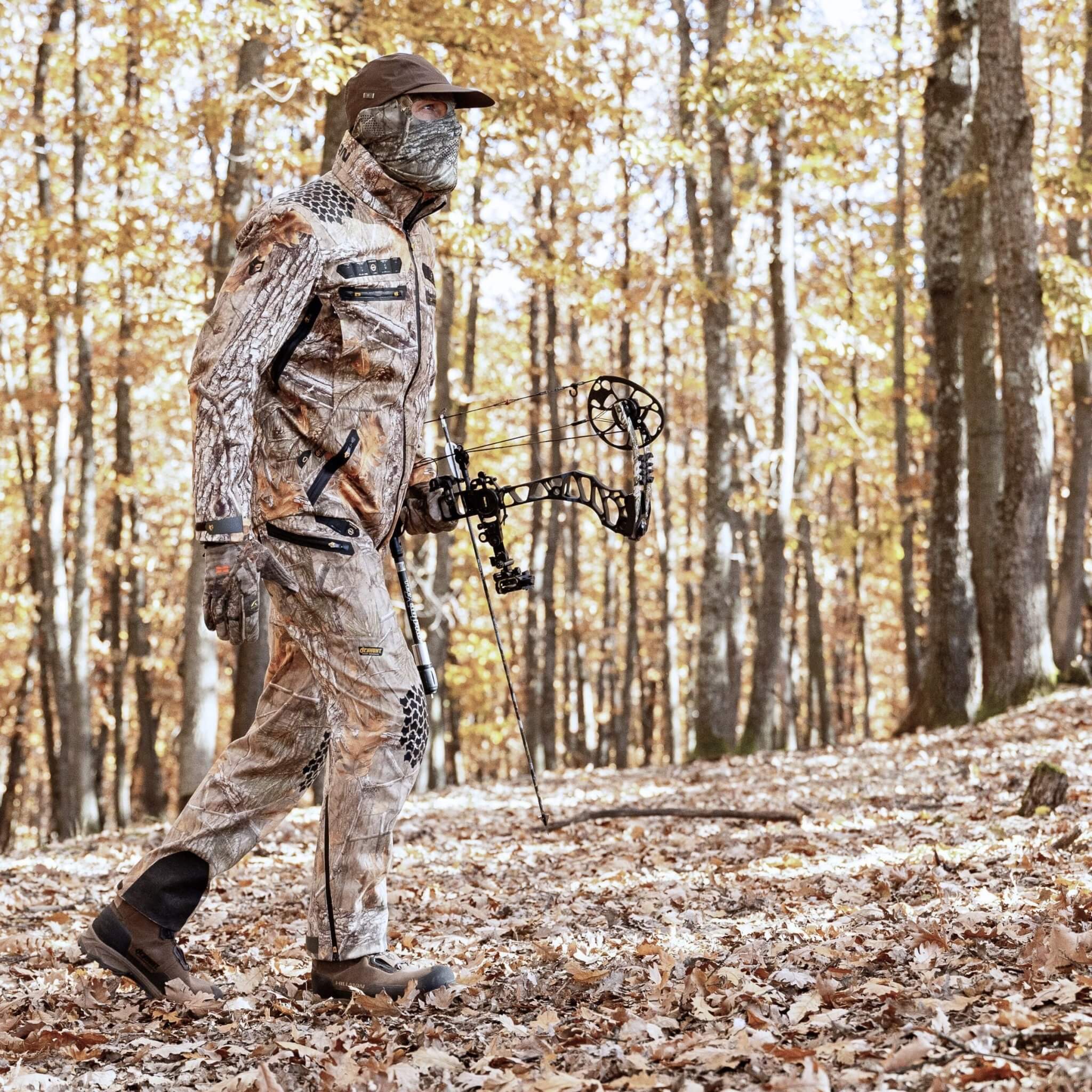
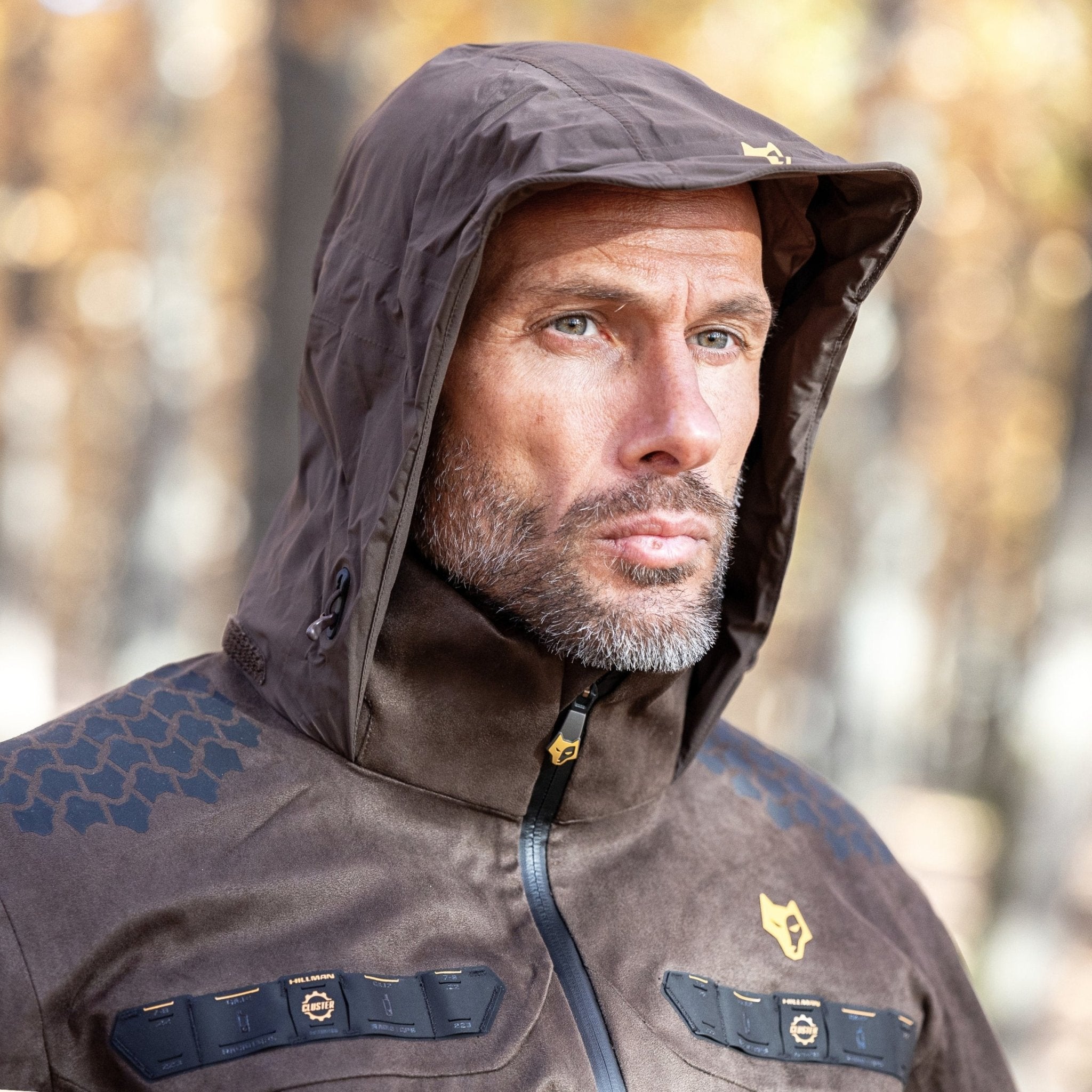
For red deer stalking, the outer layer should be fully waterproof, windproof, breathable and quiet. If it is waterproof but loud, it is only half useful. If it blocks rain but traps sweat, you still end up wet.
Good waterproof clothing should stop rain getting in while allowing moisture out. That is not a small detail. On hard climbs, sweat builds quickly. If the jacket cannot breathe, you get clammy, then cold.
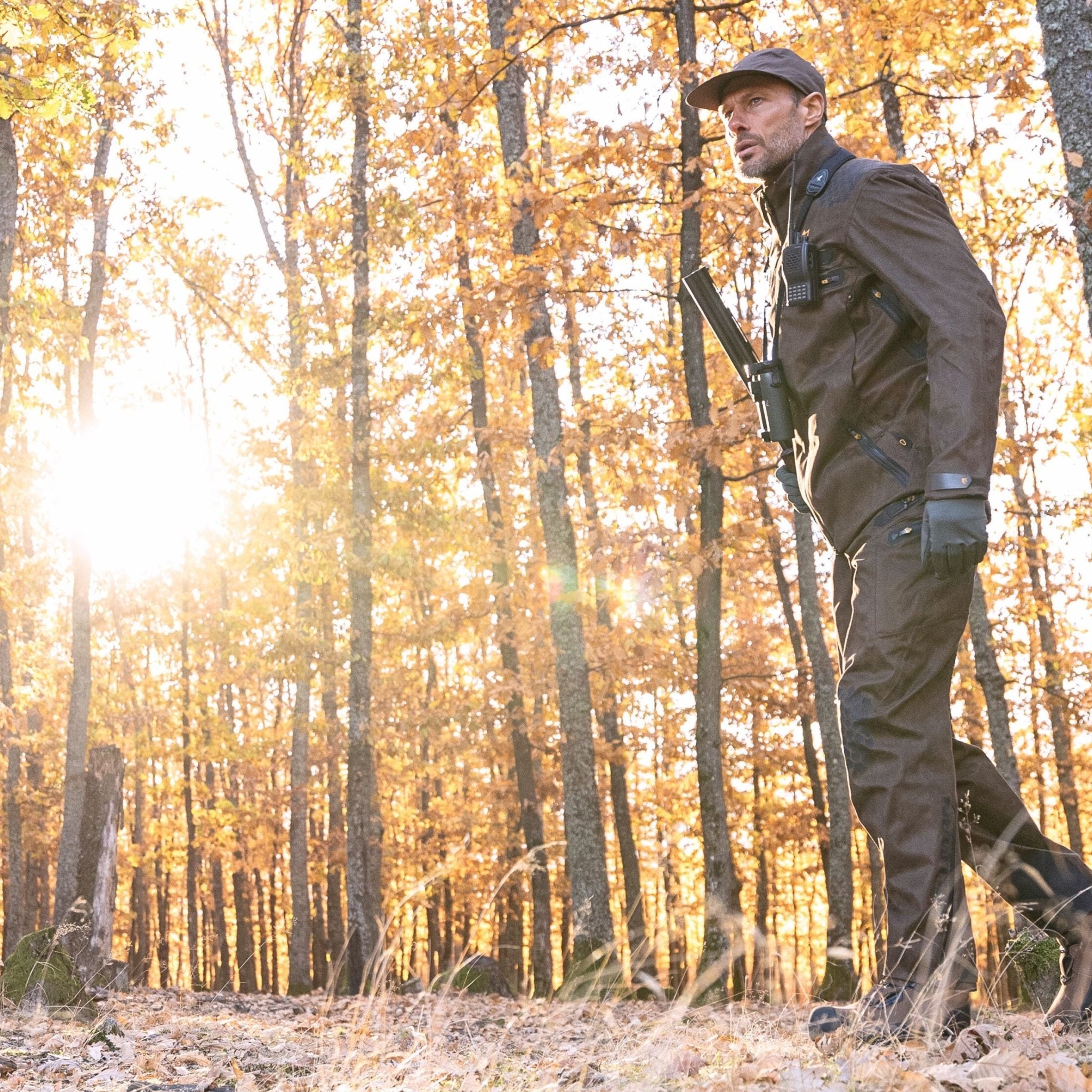
Quiet fabric makes all the difference when closing the range. A stiff jacket that scratches and crackles every time you shift position can ruin a careful approach. So can loose fabric flapping in the wind.
All weather protection has to work with stalking, not against it. You need protection from driving rain and biting winds without moving like a robot.
Shooting Jackets Are Not Automatically Stalking Jackets

Shooting jackets are not all the same. Some are fine for game shooting. Some suit rough shooting. Some look smart and do very little once the hill turns wet and windy.
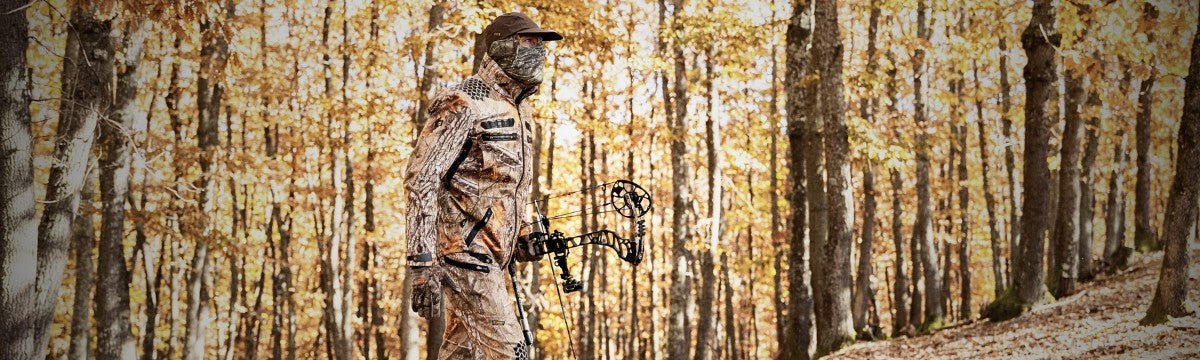
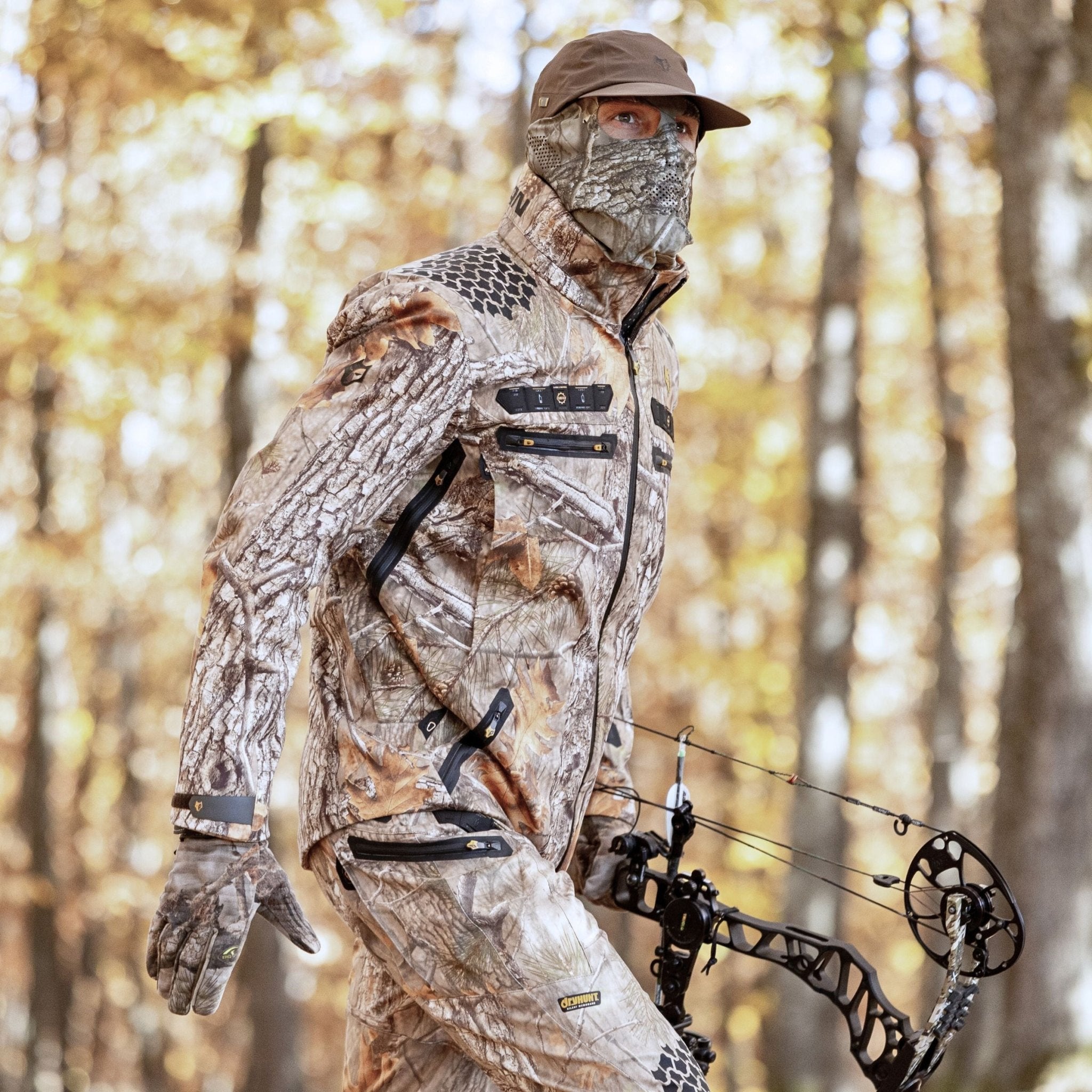
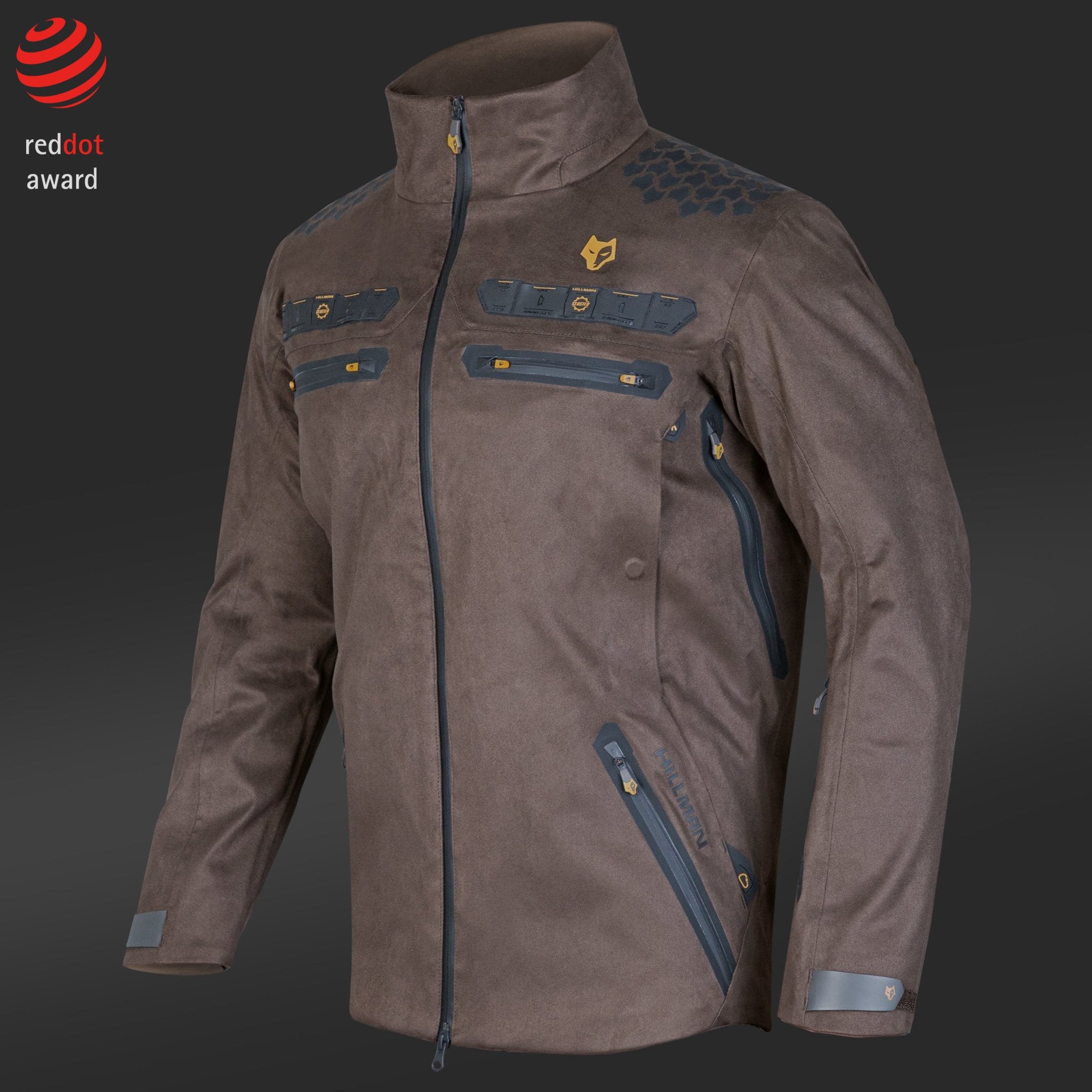
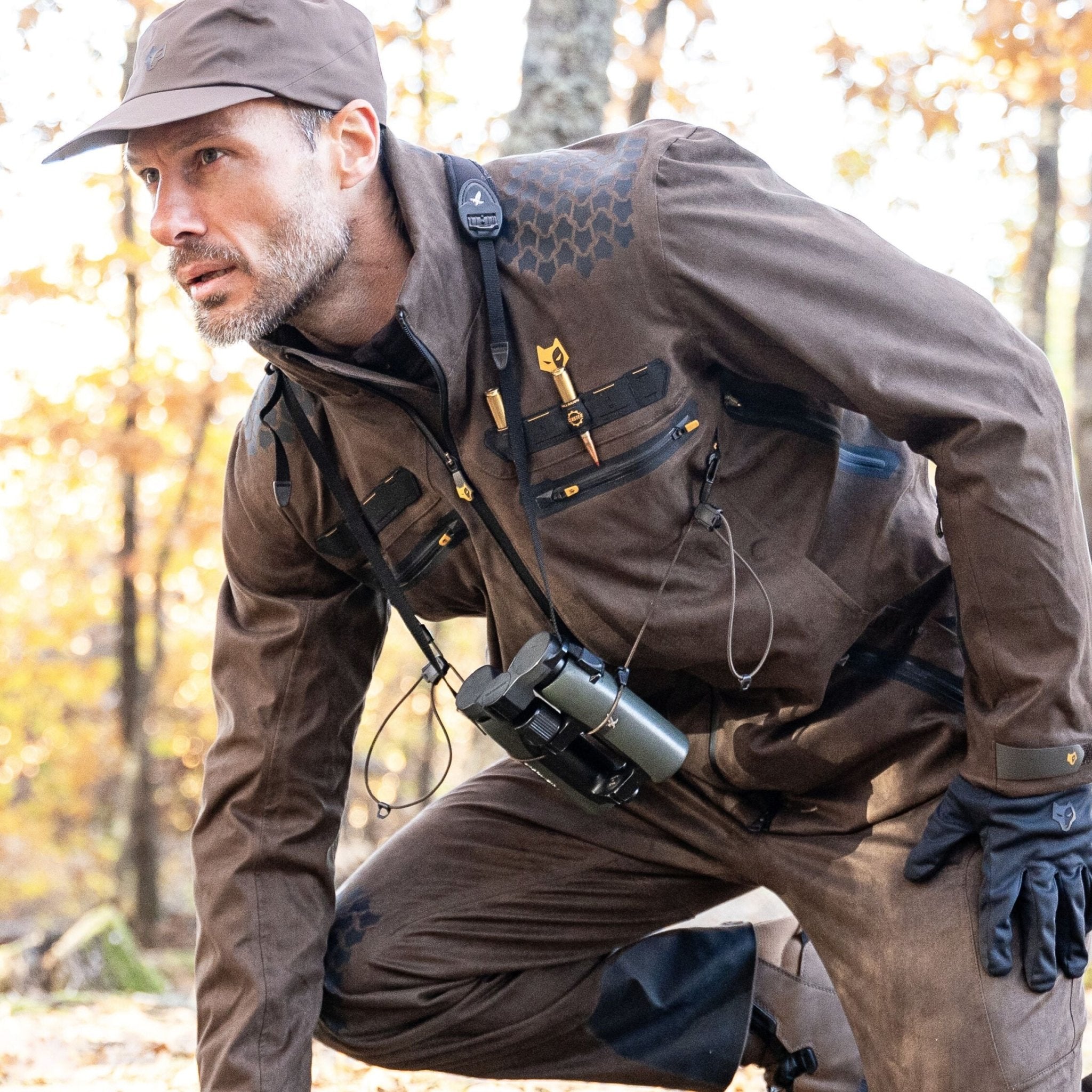
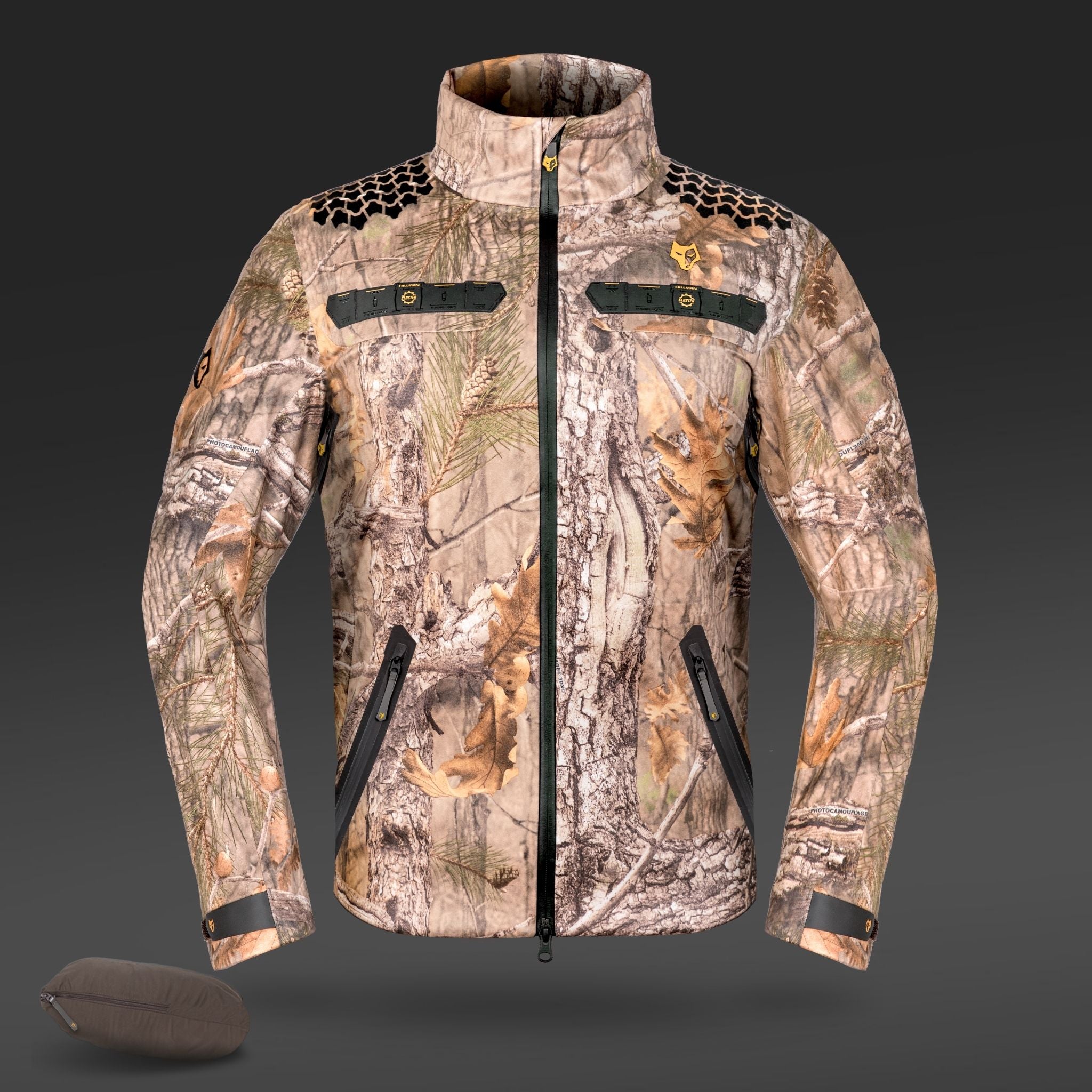
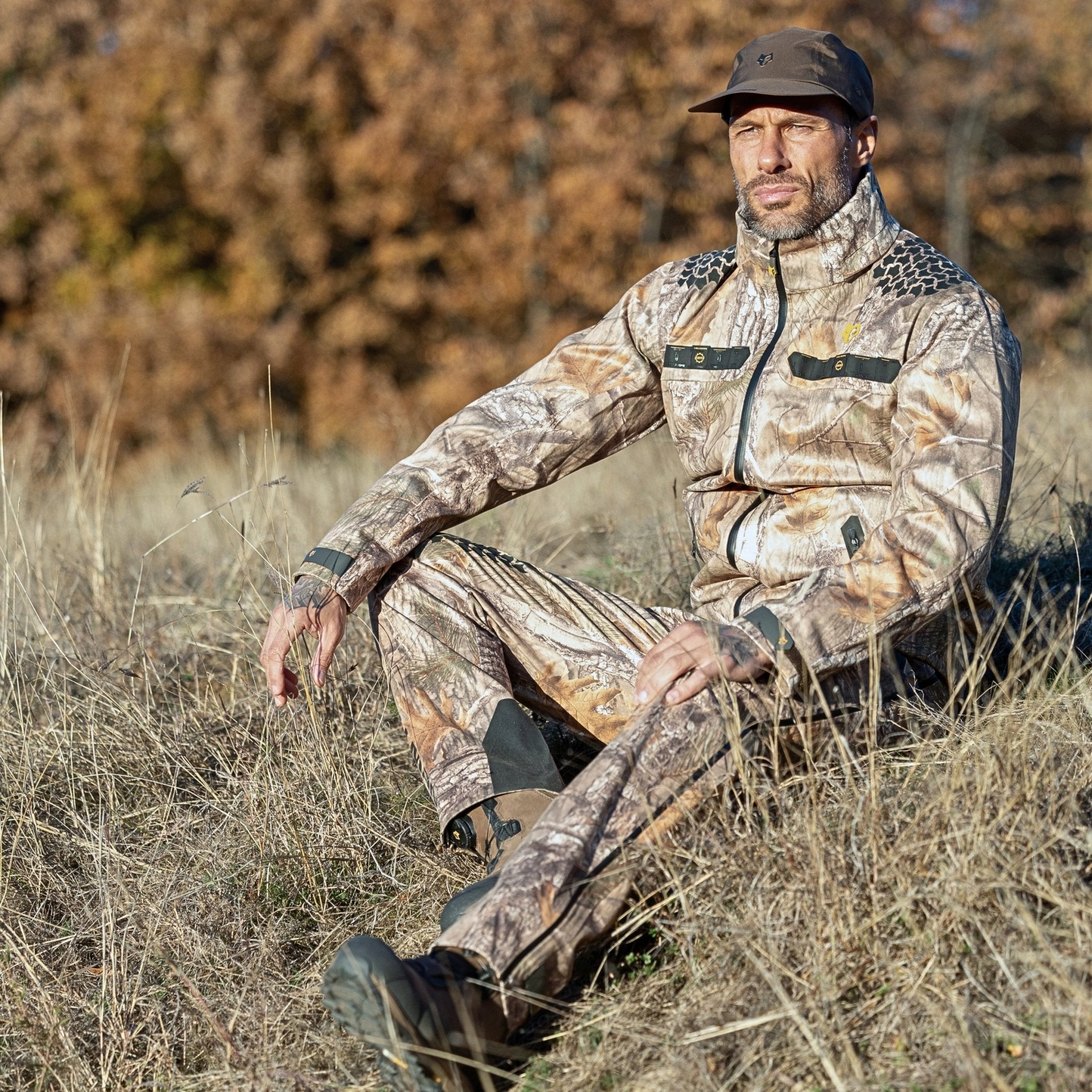
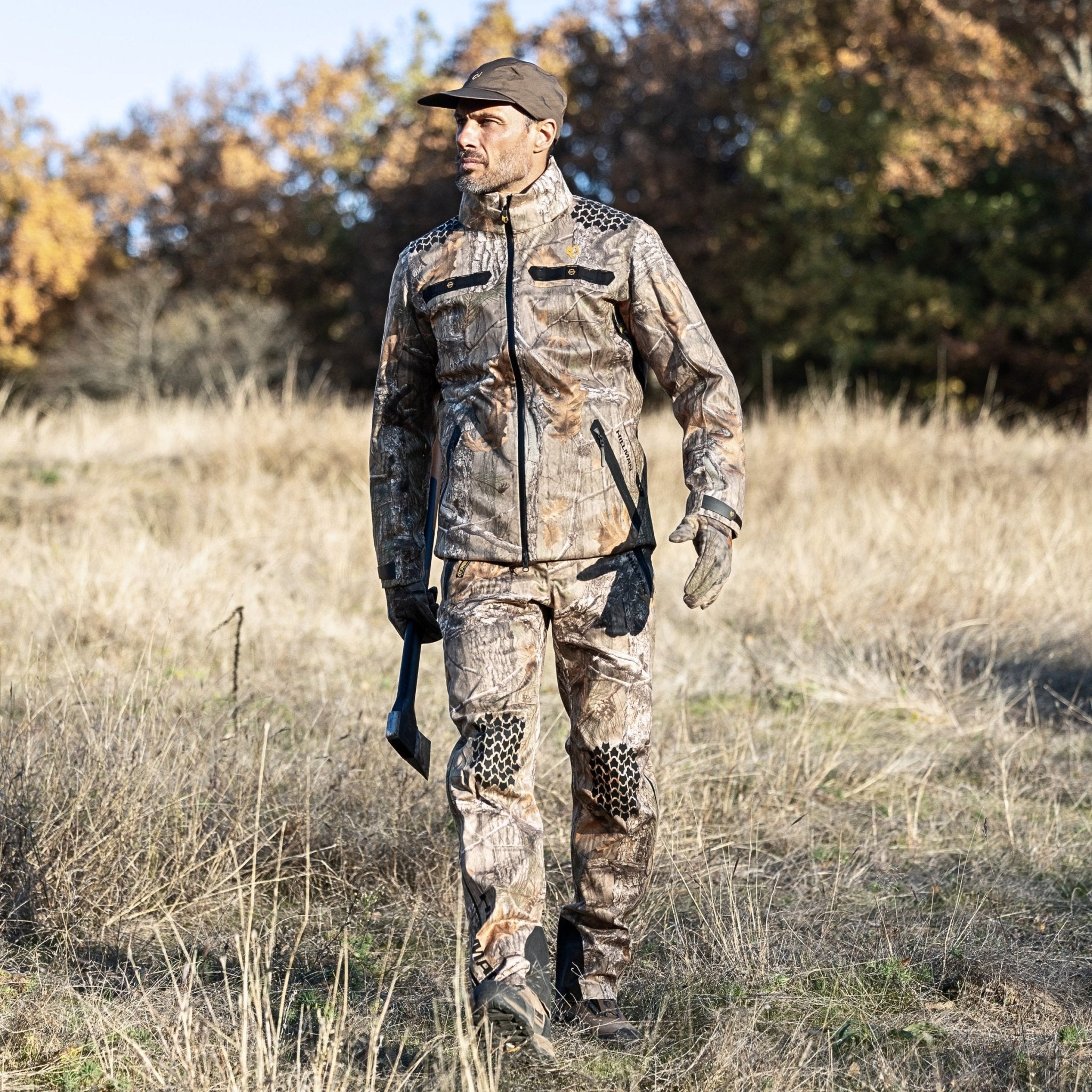
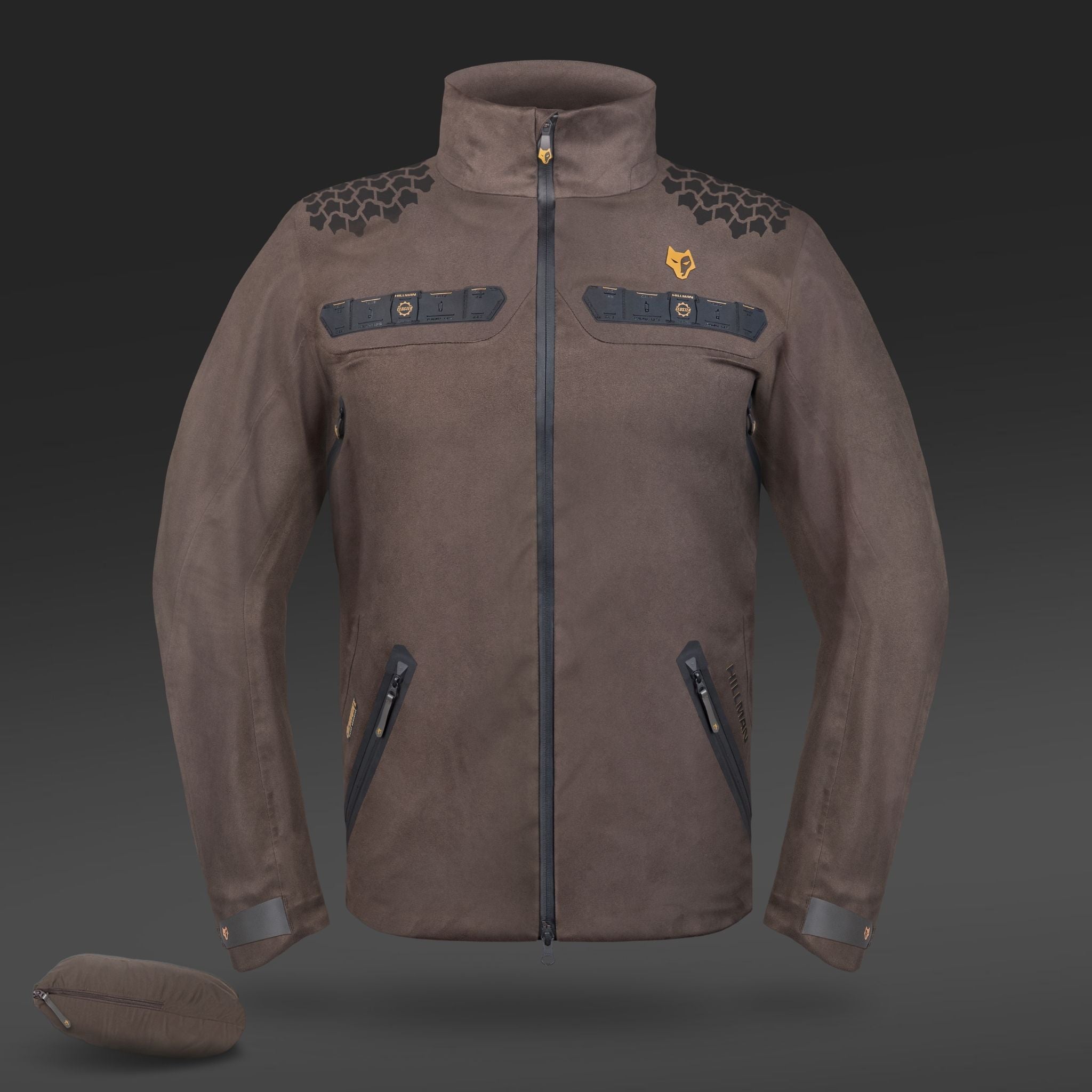
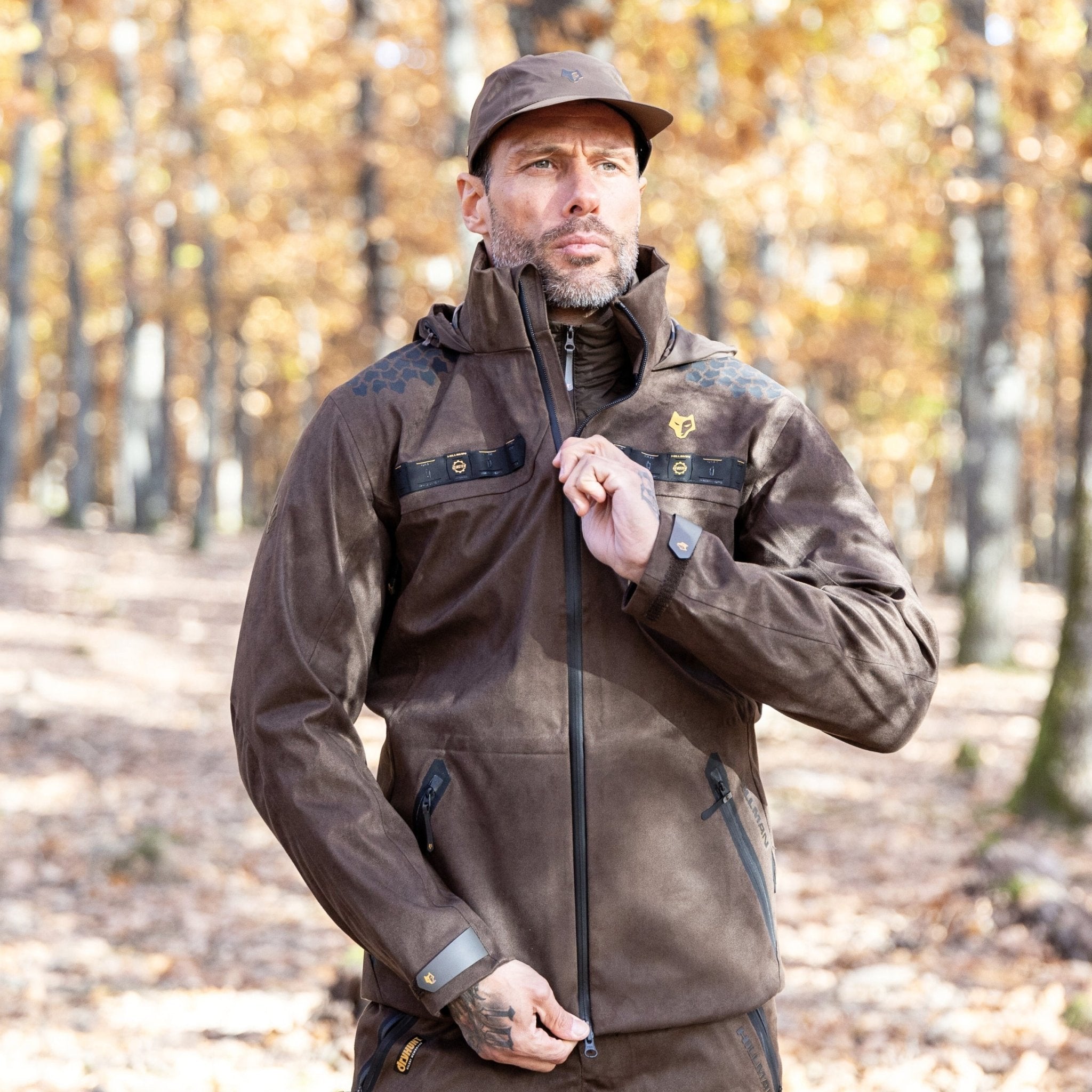
Men’s shooting jackets for deer stalking need a different balance. They need modern functionality, durable materials, waterproof protection and freedom through the shoulders for rifle use. They also need to stay quiet when you crawl, kneel or lie prone.
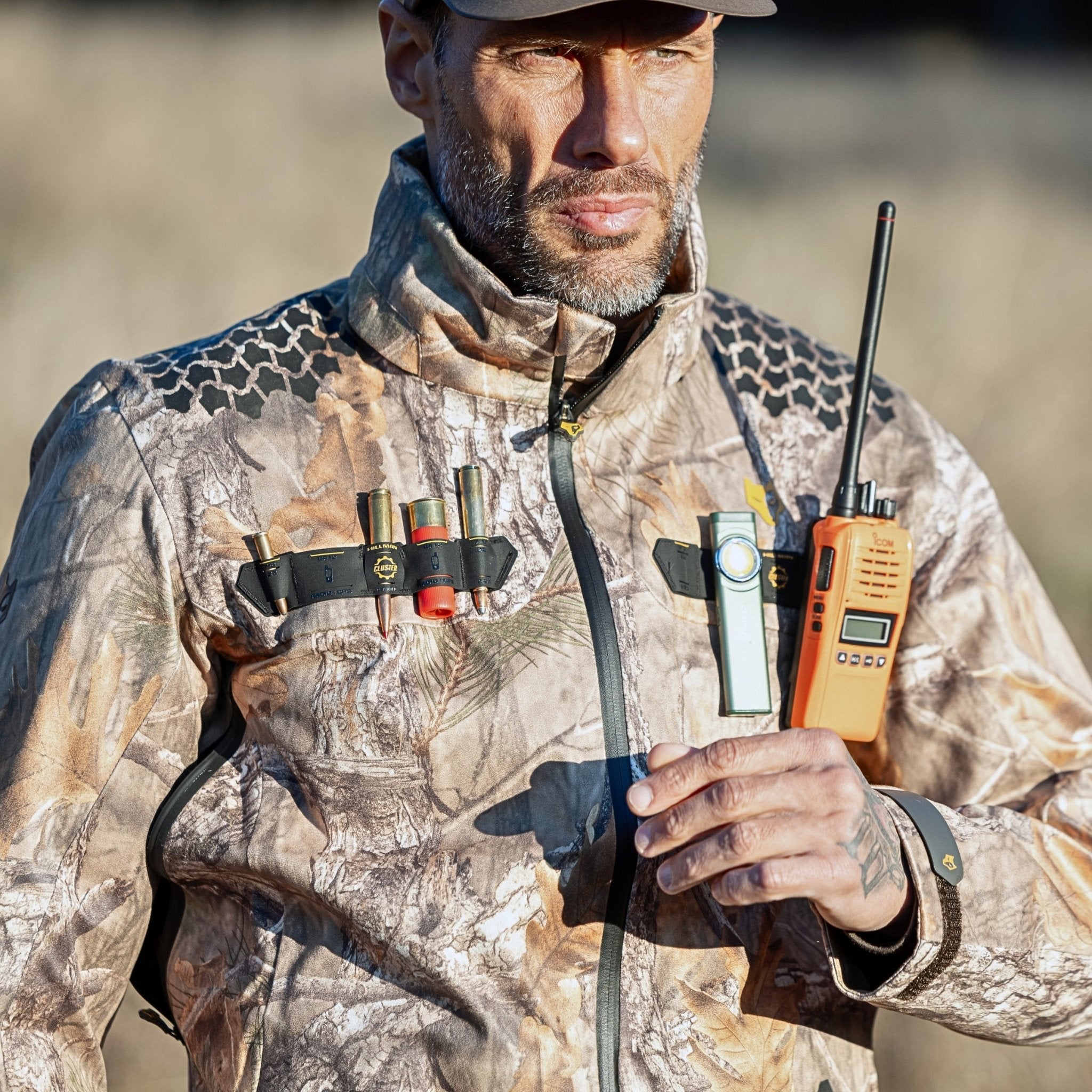
Too many pockets can be a nuisance. They bulge, rattle or catch when you are flat on the ground. A hood is useful, but not if it blocks hearing. Heavy fabric can be tough, but too much weight becomes annoying over long hours.
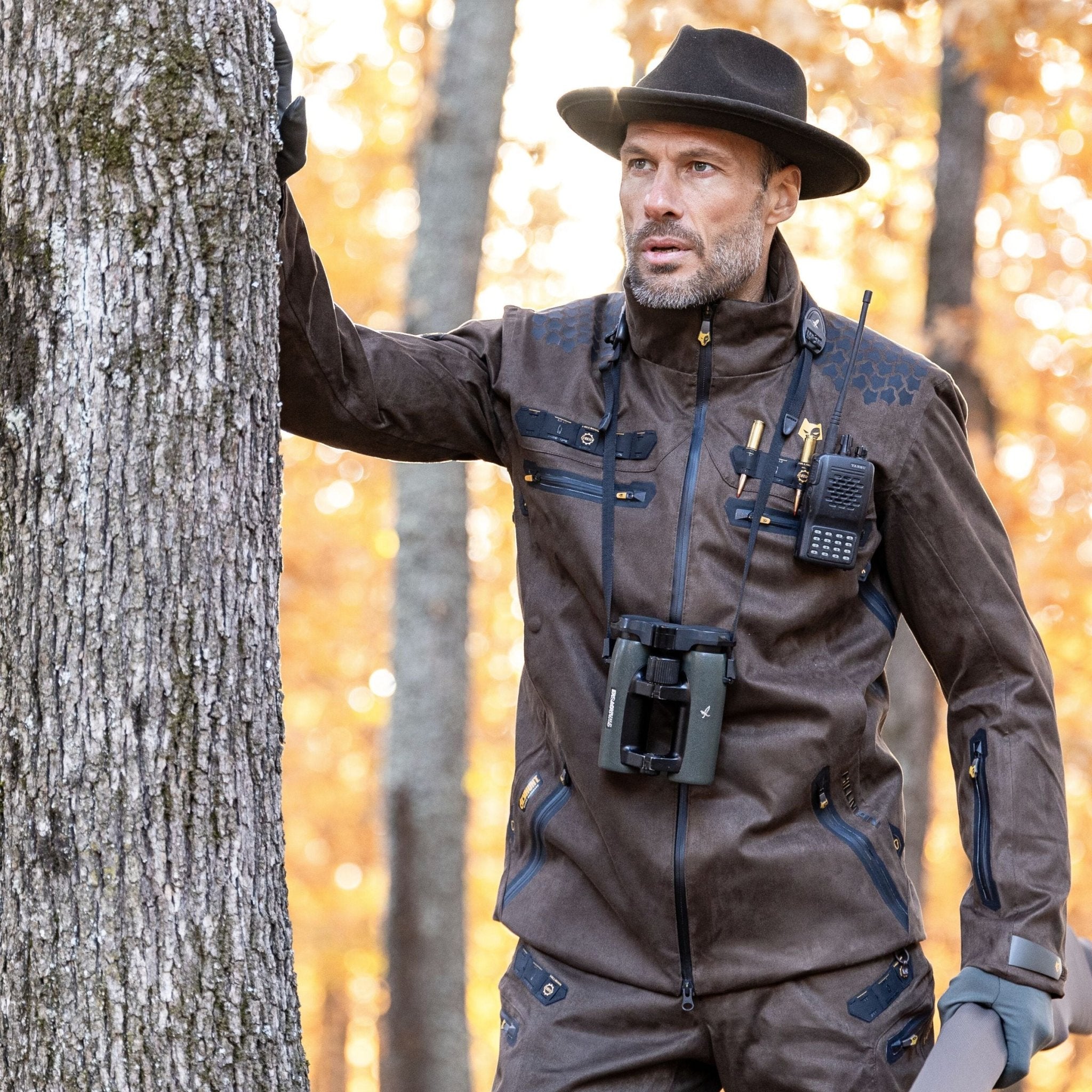
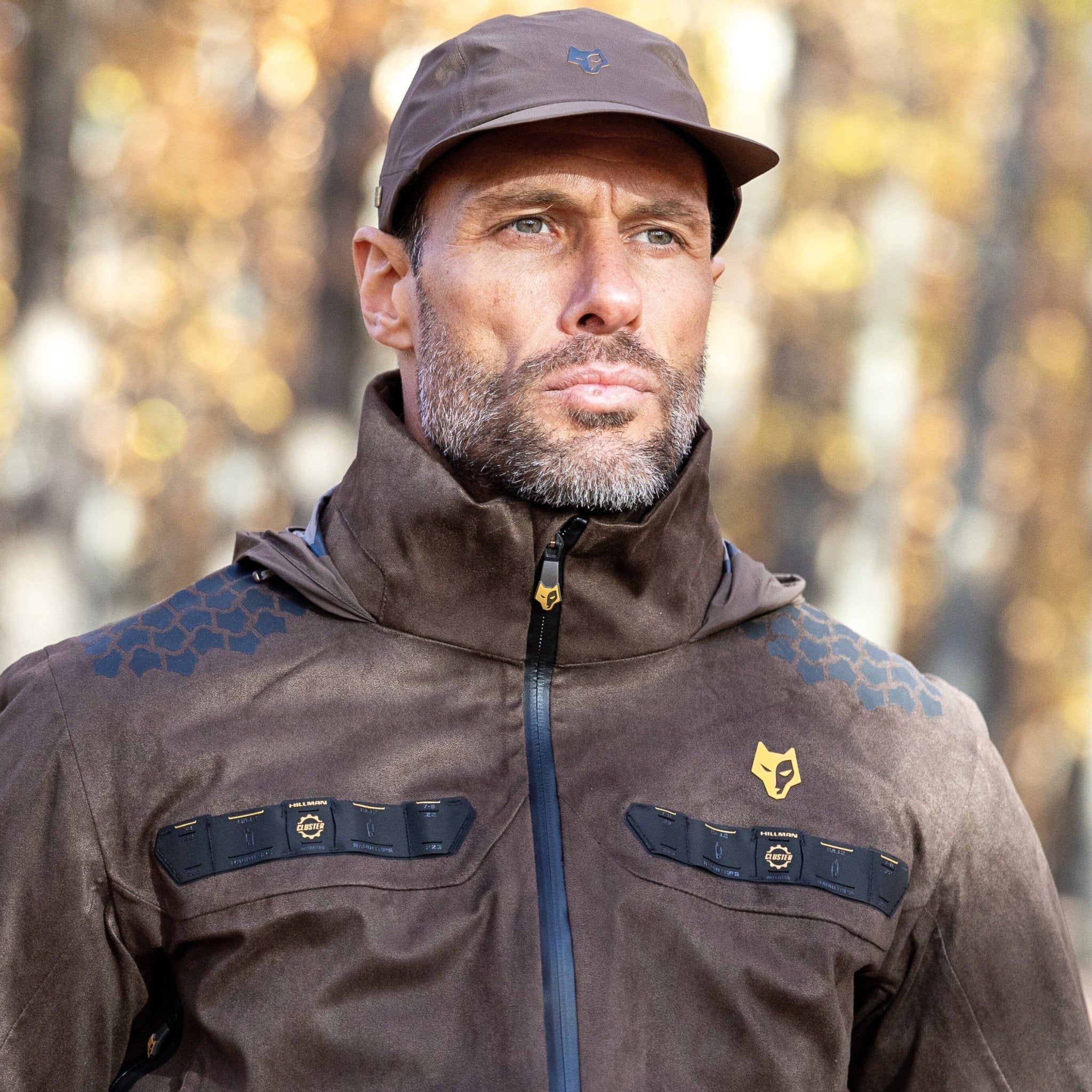
The best stalking jackets are practical. Quiet outer fabric. Good cut. Proper cuffs. Useful pockets. Enough weather protection for open hill ground. Not showroom nonsense.
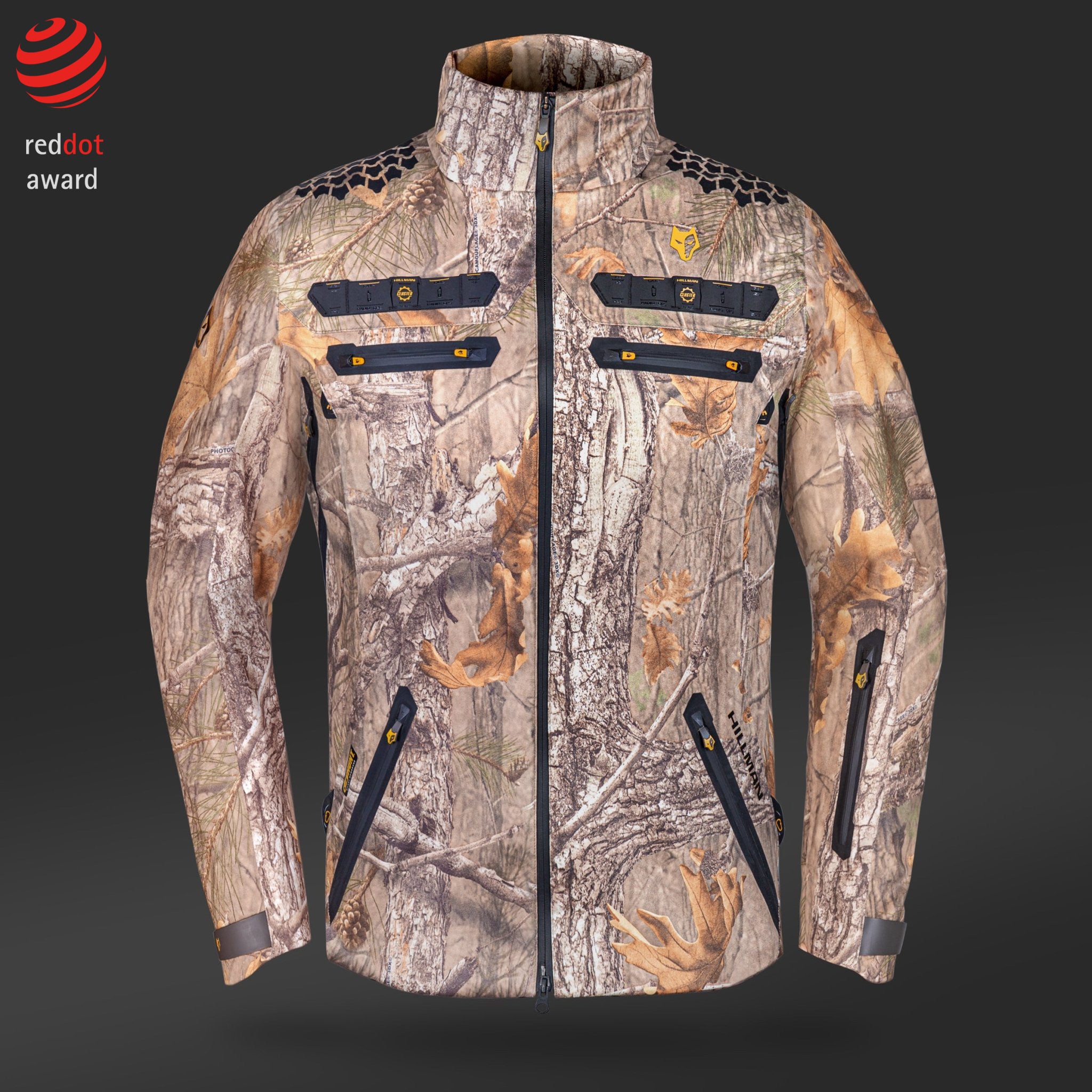
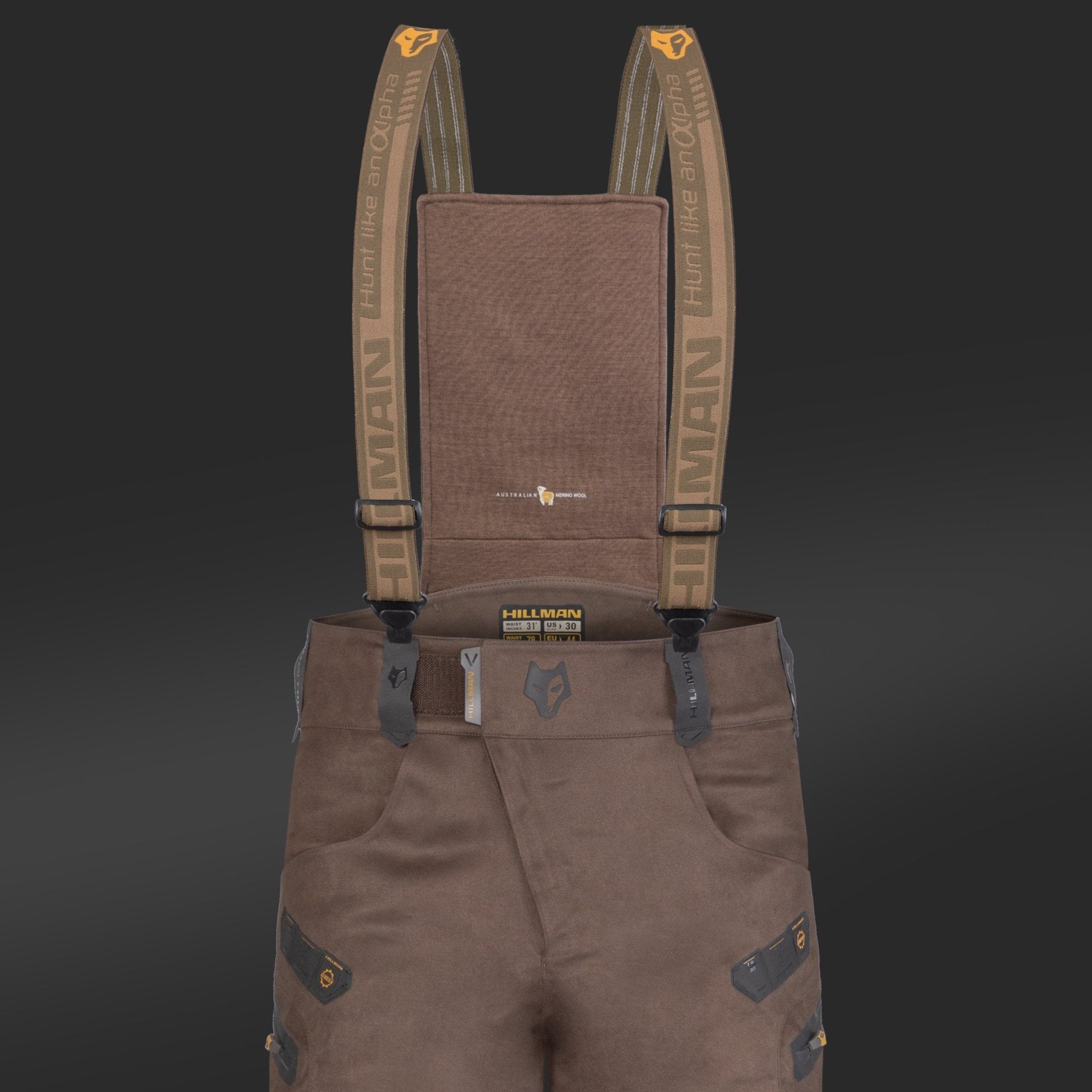
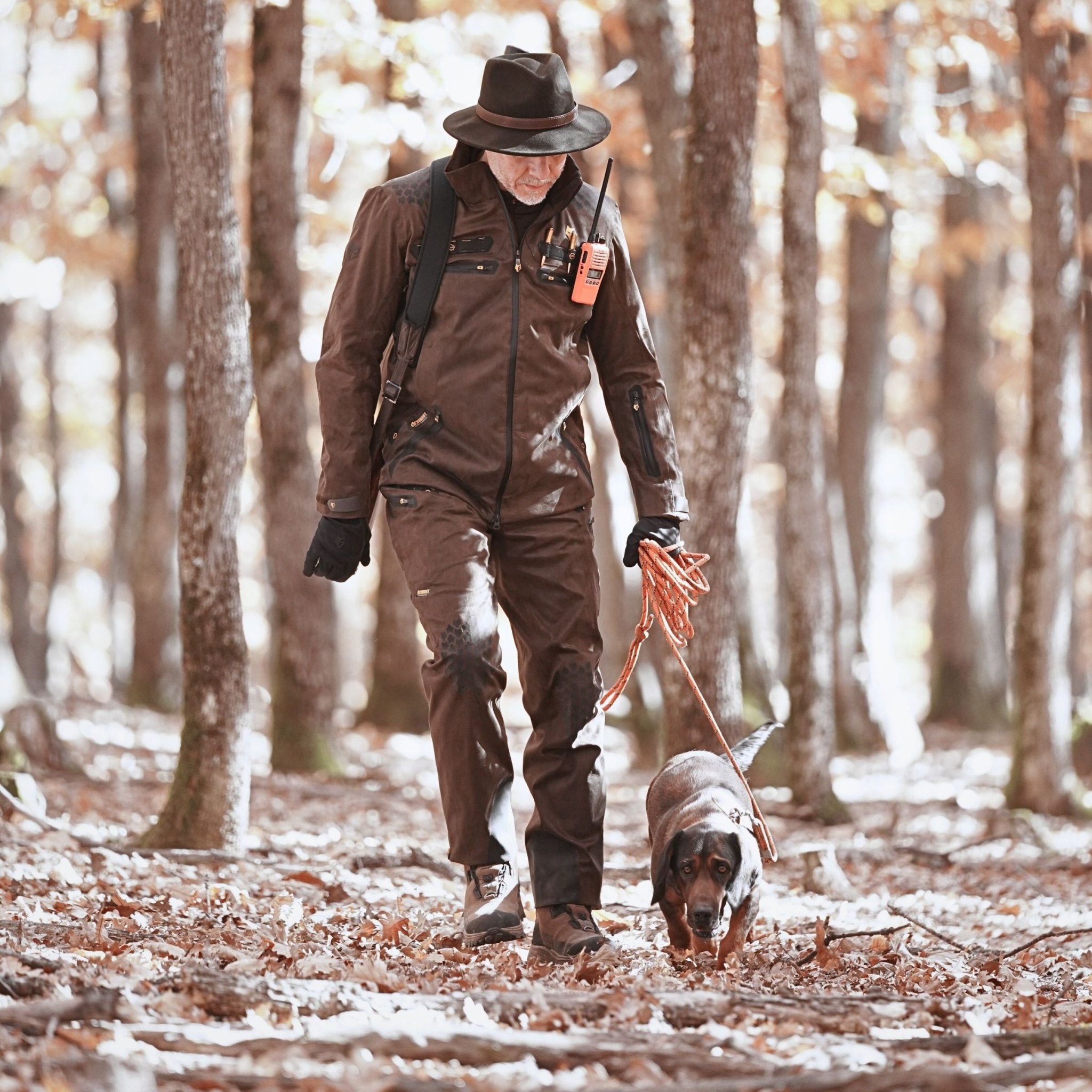
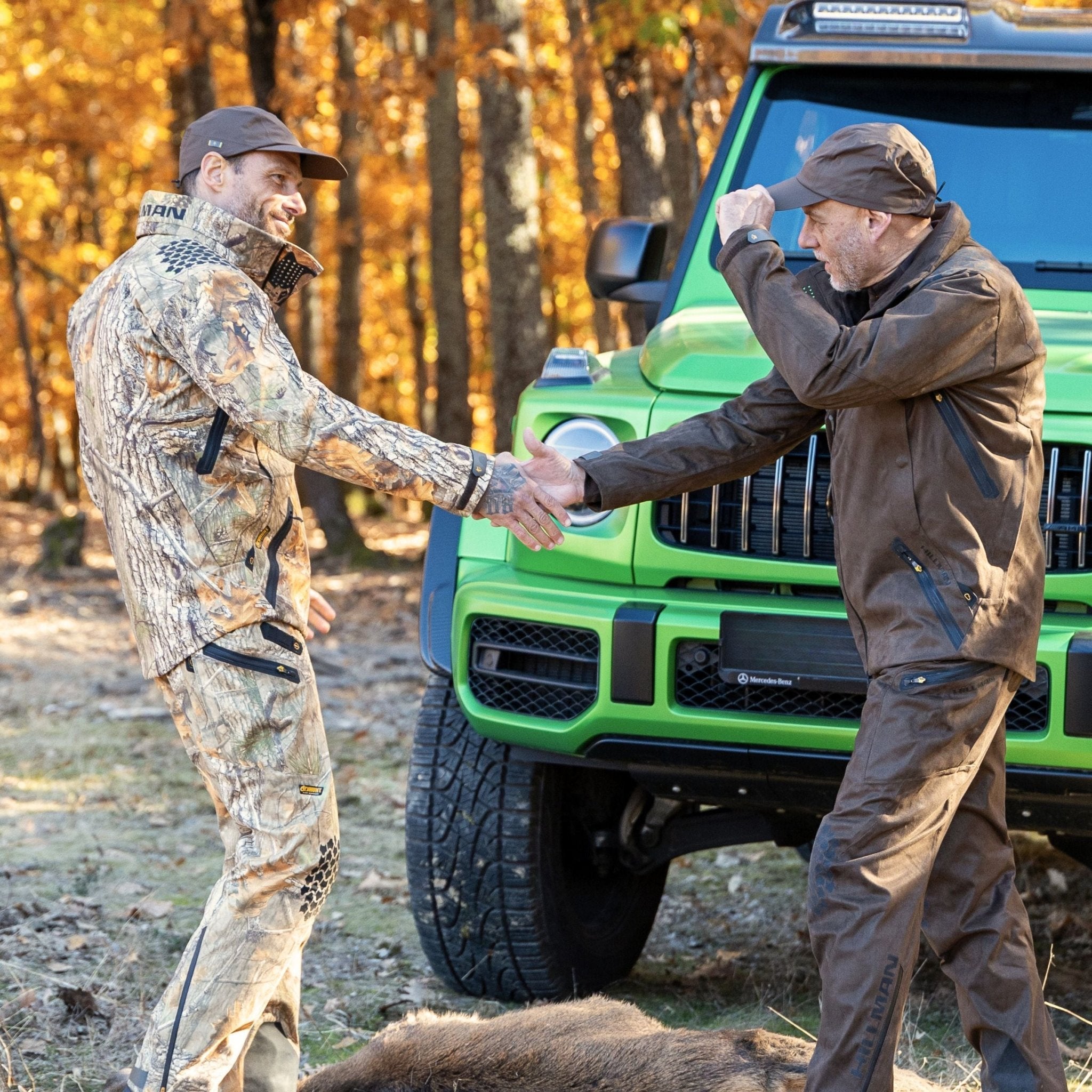
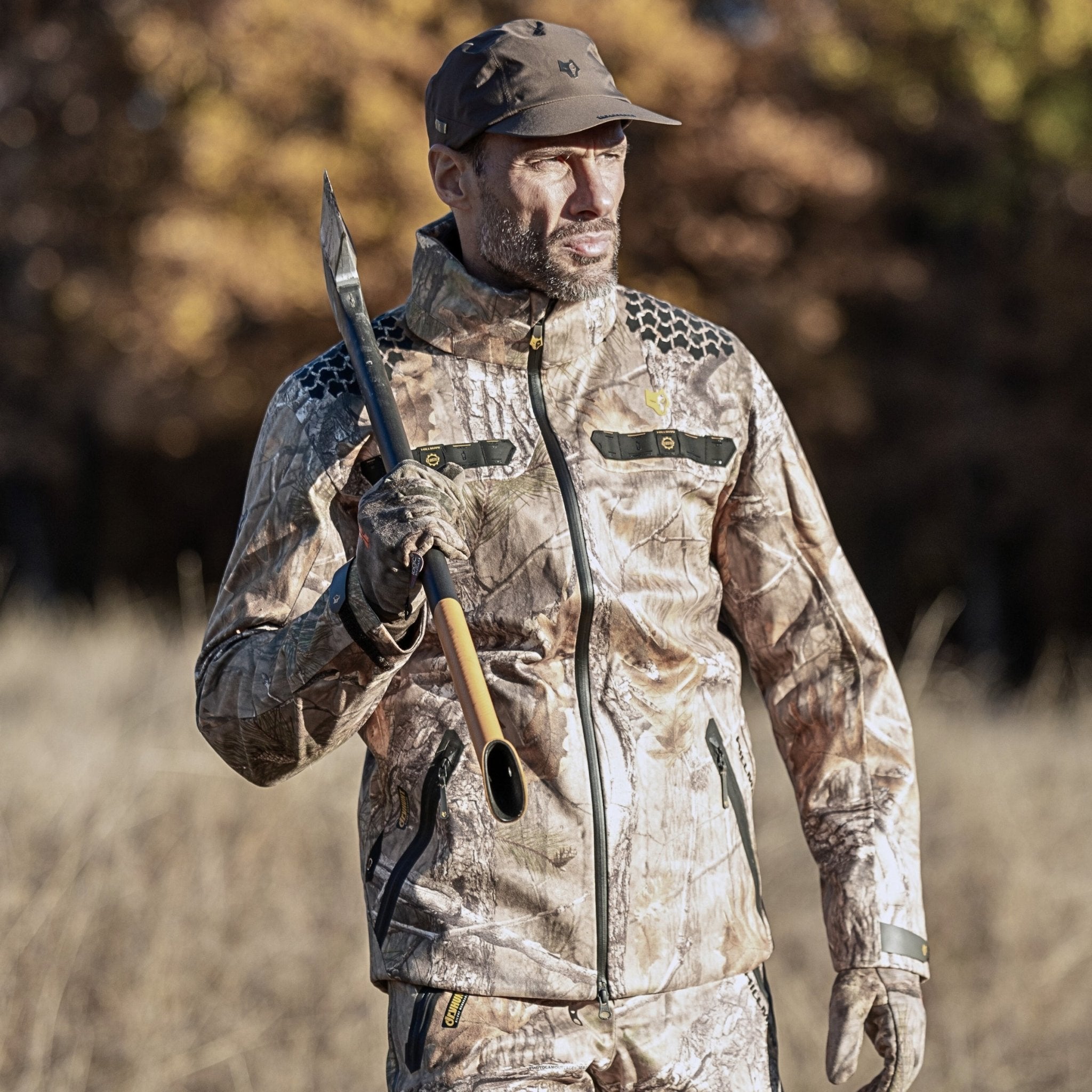
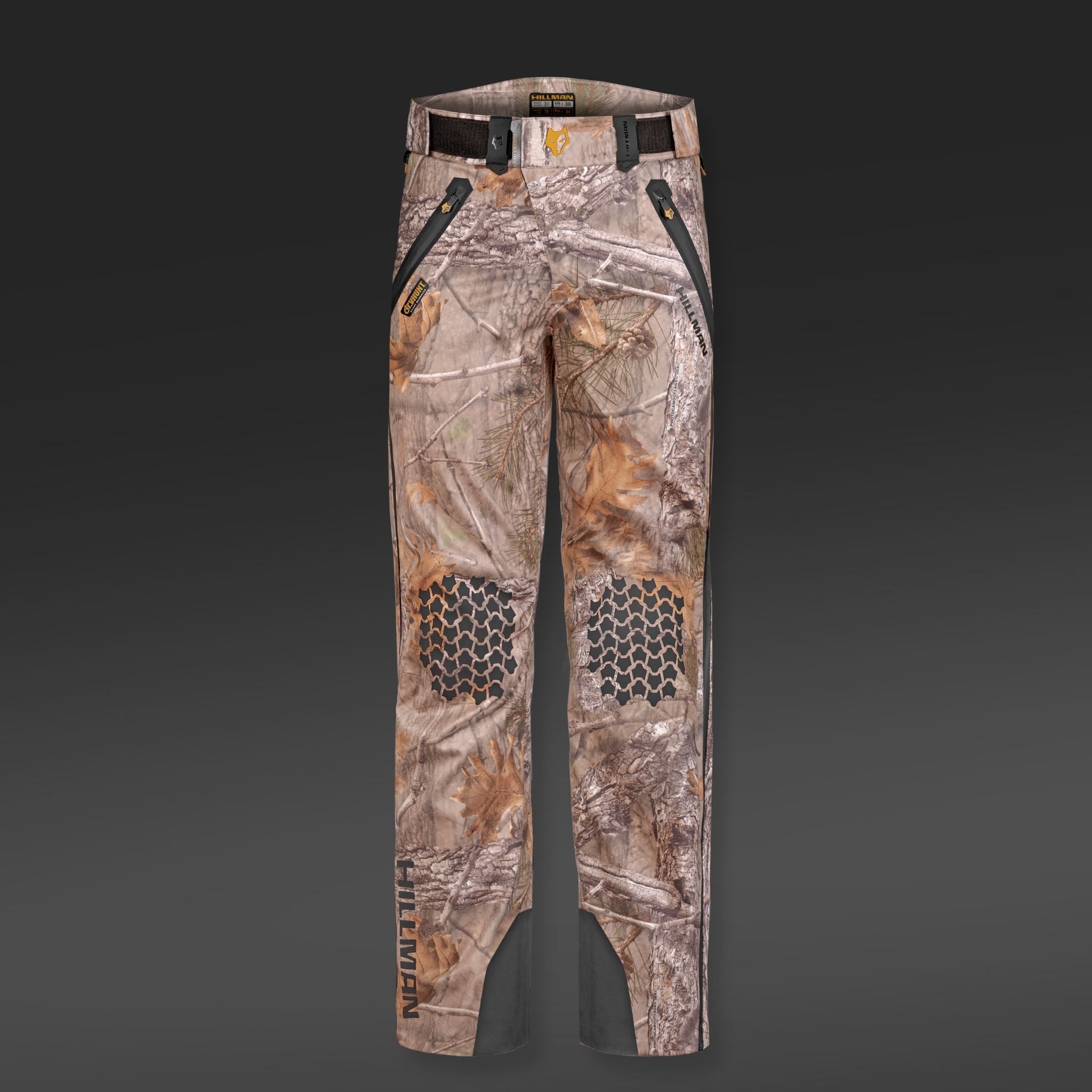
Hillman designs hunting clothing around that kind of real field use, where comfort, protection and movement all matter when the weather turns poor.
Deer Stalking Clothing for Open Ground

Deer stalking clothing for open ground has to do more than look like hunting gear. On the hill, there is less cover and more wind. Red deer can spot poor movement from a long way off, and the weather has plenty of space to hit you.
Dense woodland and lowland stalking have their own problems, but hill stalking exposes everything. Bad colour choice, noisy clothing, weak waterproofing, poor boots, too much bulk. It all shows up.
Green, brown, muted camouflage and broken camo patterns usually work well. You are not trying to disappear. You are trying to avoid standing out as a clear human shape.
Avoid bright blue on the hill. Orange may be used in some hunting or shooting situations for safety, depending on the rules or estate requirements. For UK deer stalking, check the specific requirements before guessing.
Camo helps, but movement matters more. A perfect camouflage pattern will not save you if you skyline yourself or walk across open ground like you are on a footpath.
Rough Terrain Destroys Weak Clothing

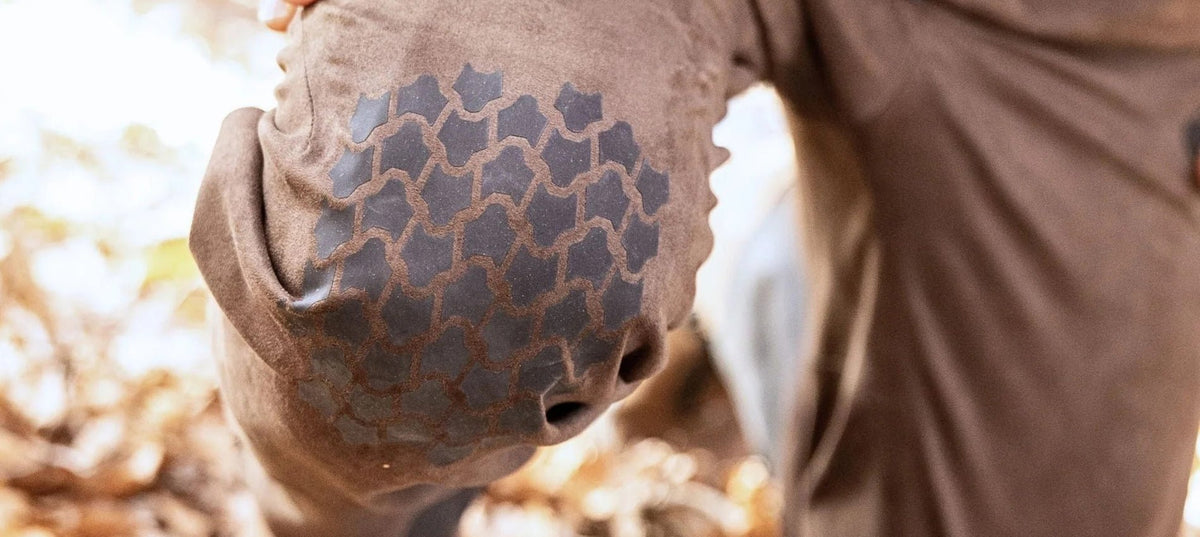
Rough terrain is where cheap clothing starts to fail. Wet peat, sharp rock, heather, thorn, fences and crawling all wear fabric down. A jacket or trousers that feel fine on easy ground can turn useless once the terrain gets ugly.
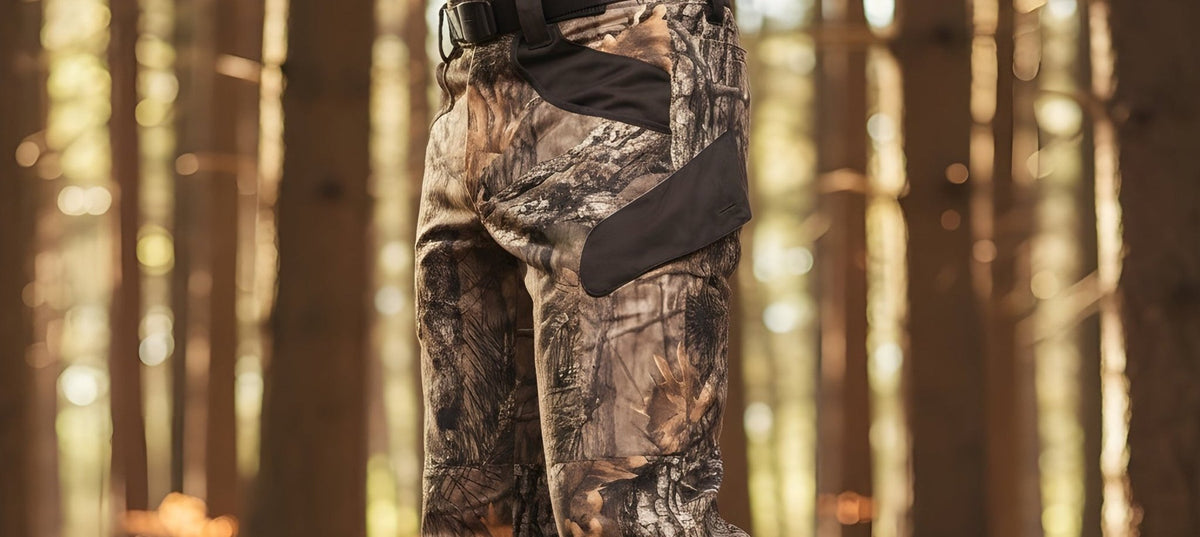
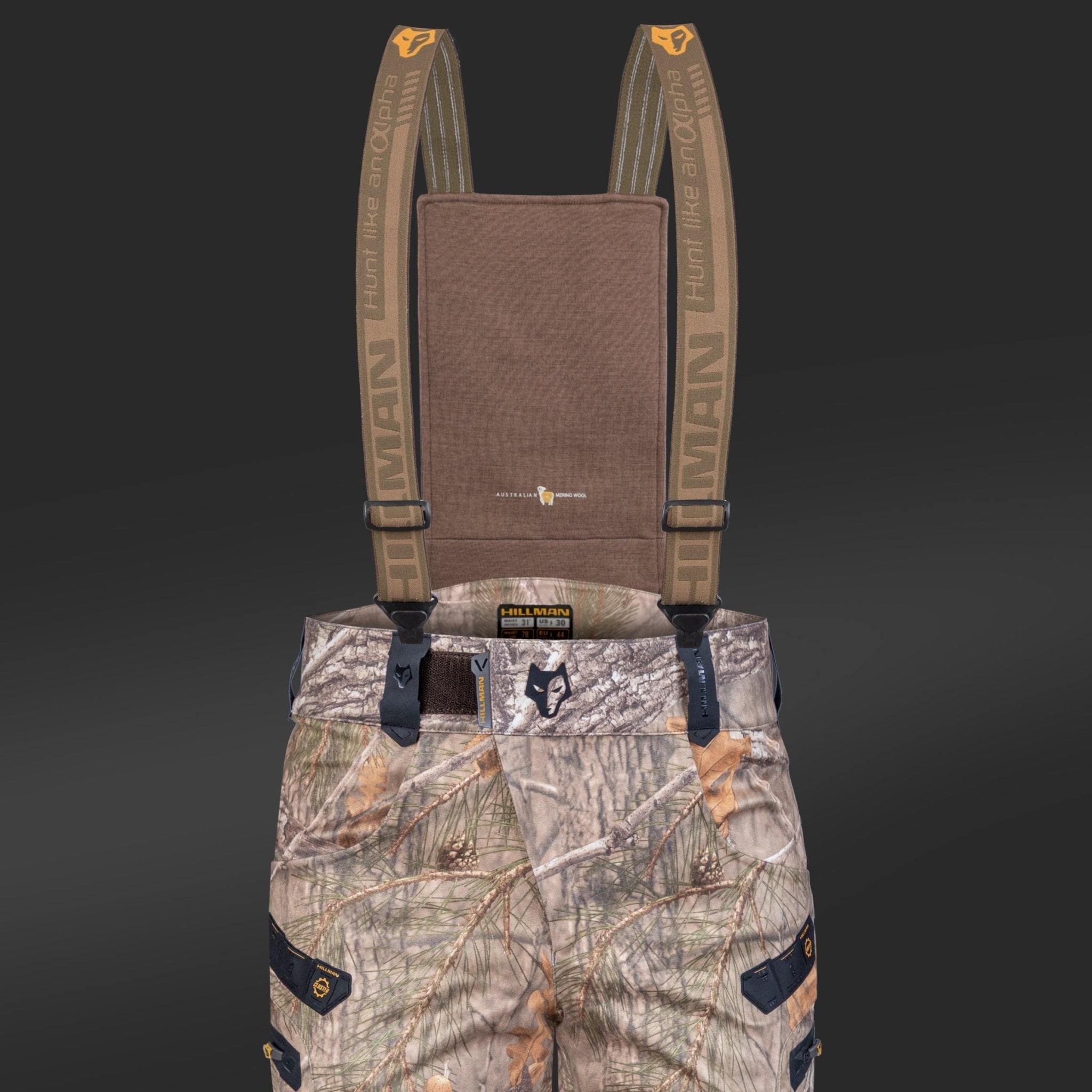
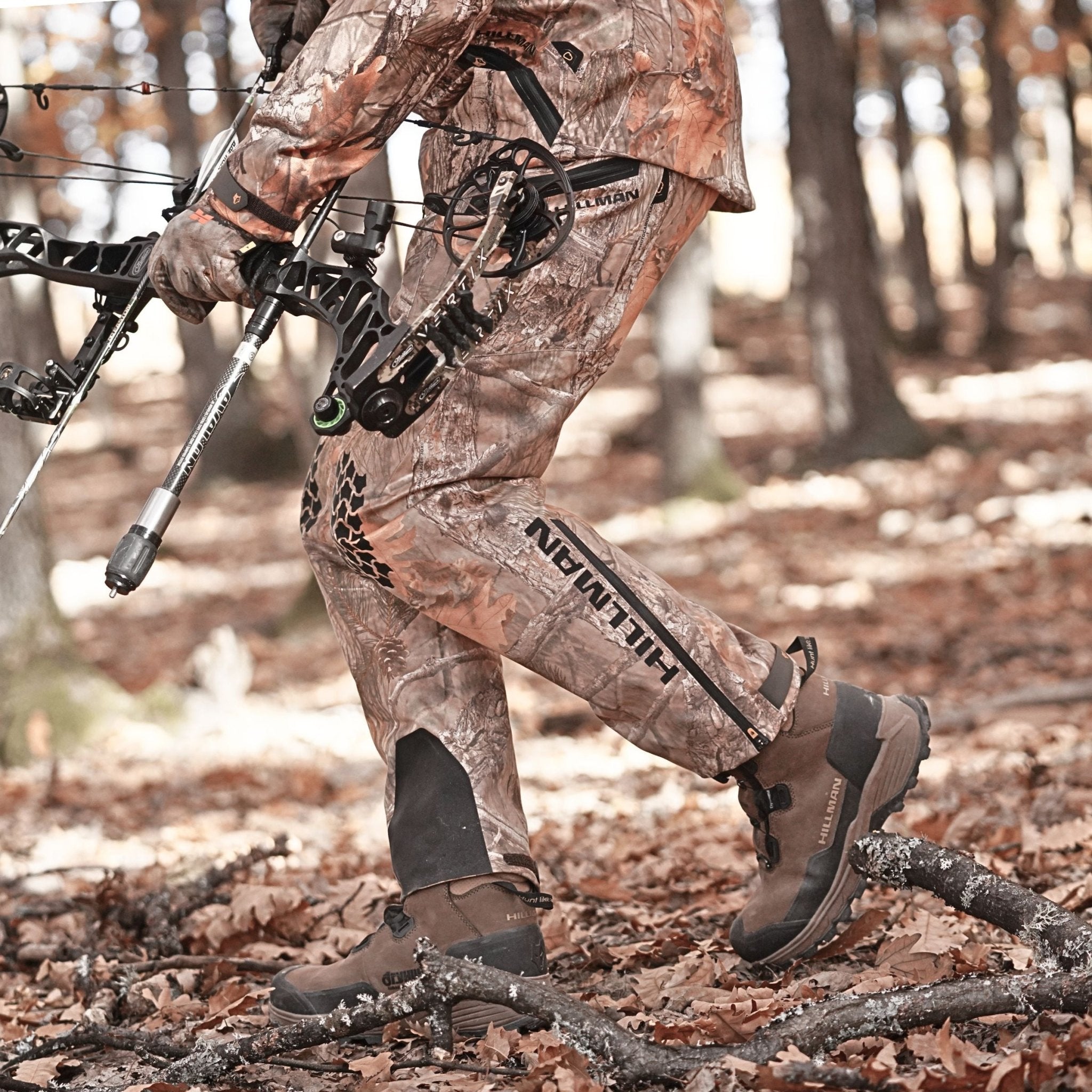
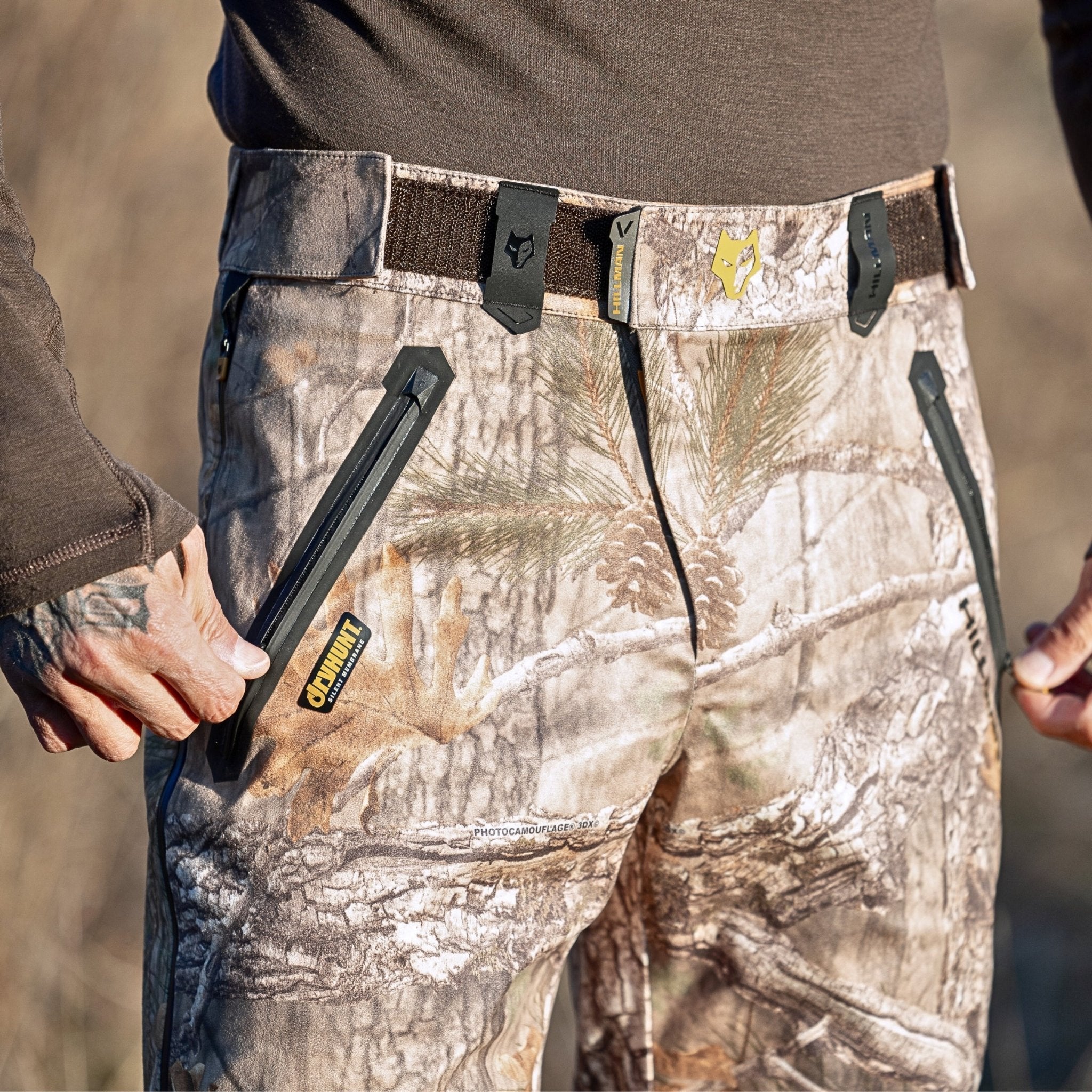
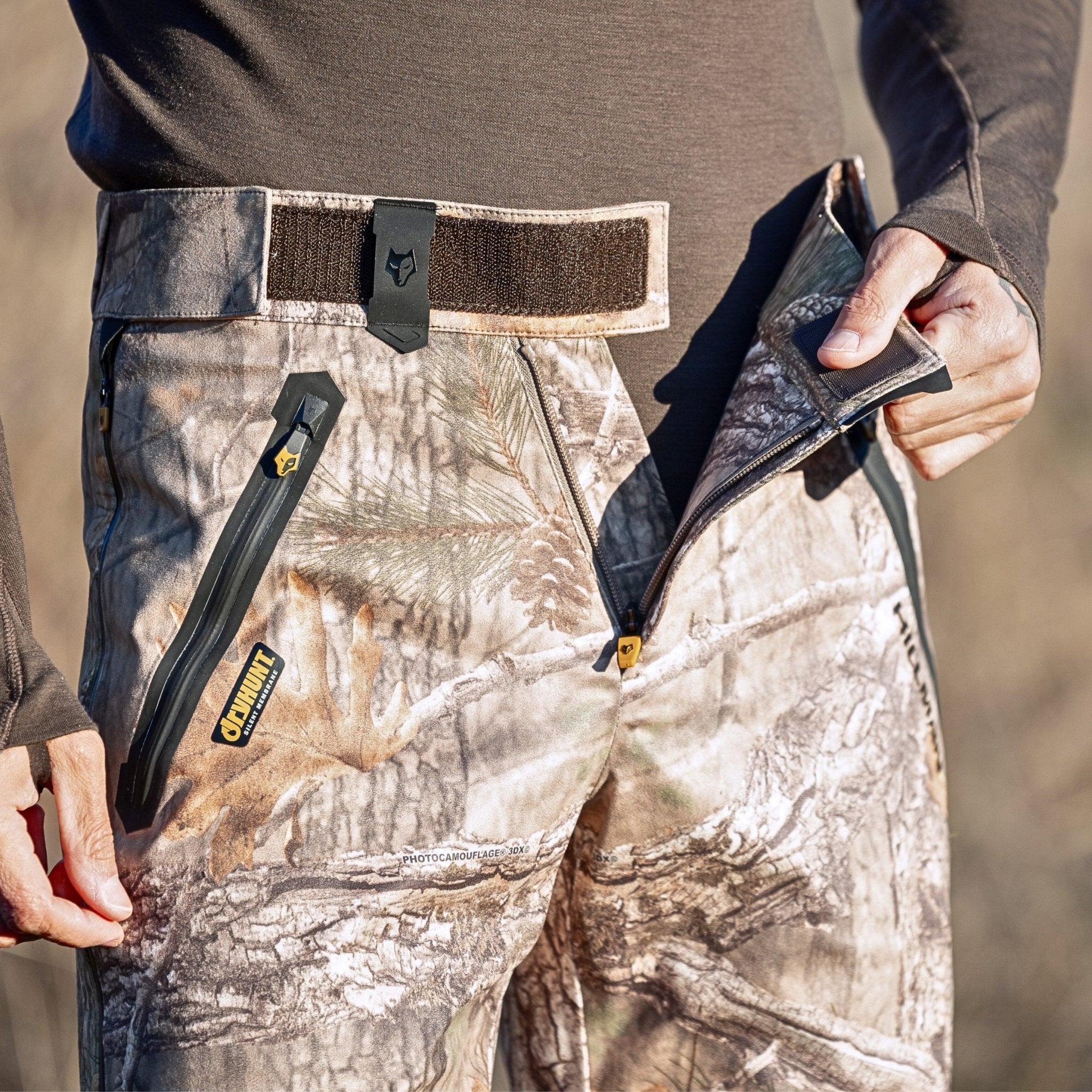
Durable materials matter. Stalking trousers need to resist wet cover and still let you move. Jackets need strength without becoming stiff and noisy. Gloves need grip and warmth without making rifle handling clumsy.
There is always a balance. Too light and the gear may fail. Too heavy and you sweat through it. The right clothing sits somewhere in the middle: tough enough for rugged terrain, quiet enough for stalking, comfortable enough for long hours.
Ensuring comfort is not about luxury. It is about staying useful. If you are soaked, scratched, cold or constantly adjusting gear, you are not paying enough attention to the deer.
Boots, Wet Feet and the Long Walk Back

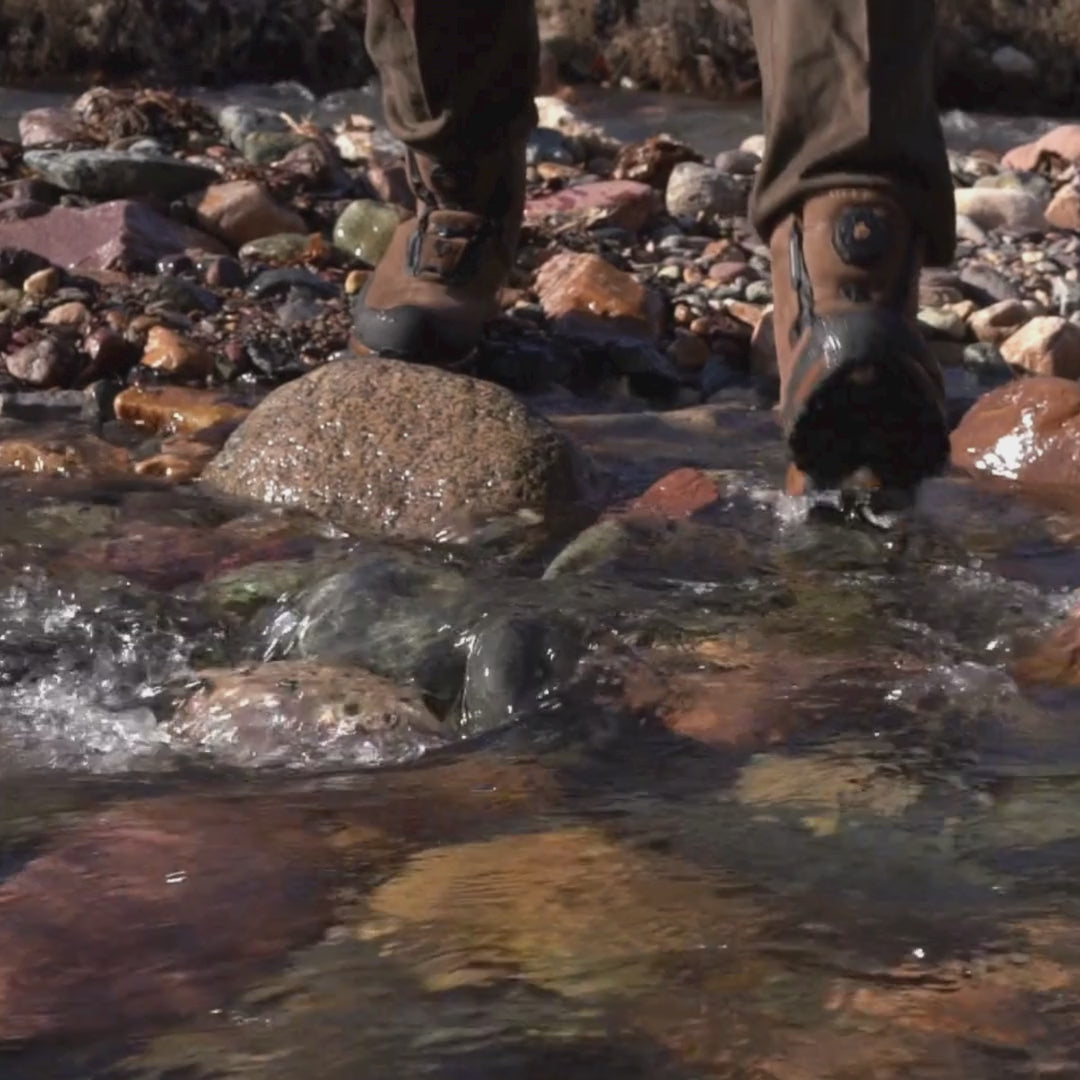
Wet feet are miserable. Worse, they pull your attention away from the stalk. Once your socks are soaked and your boots are cold, every step starts to matter too much.
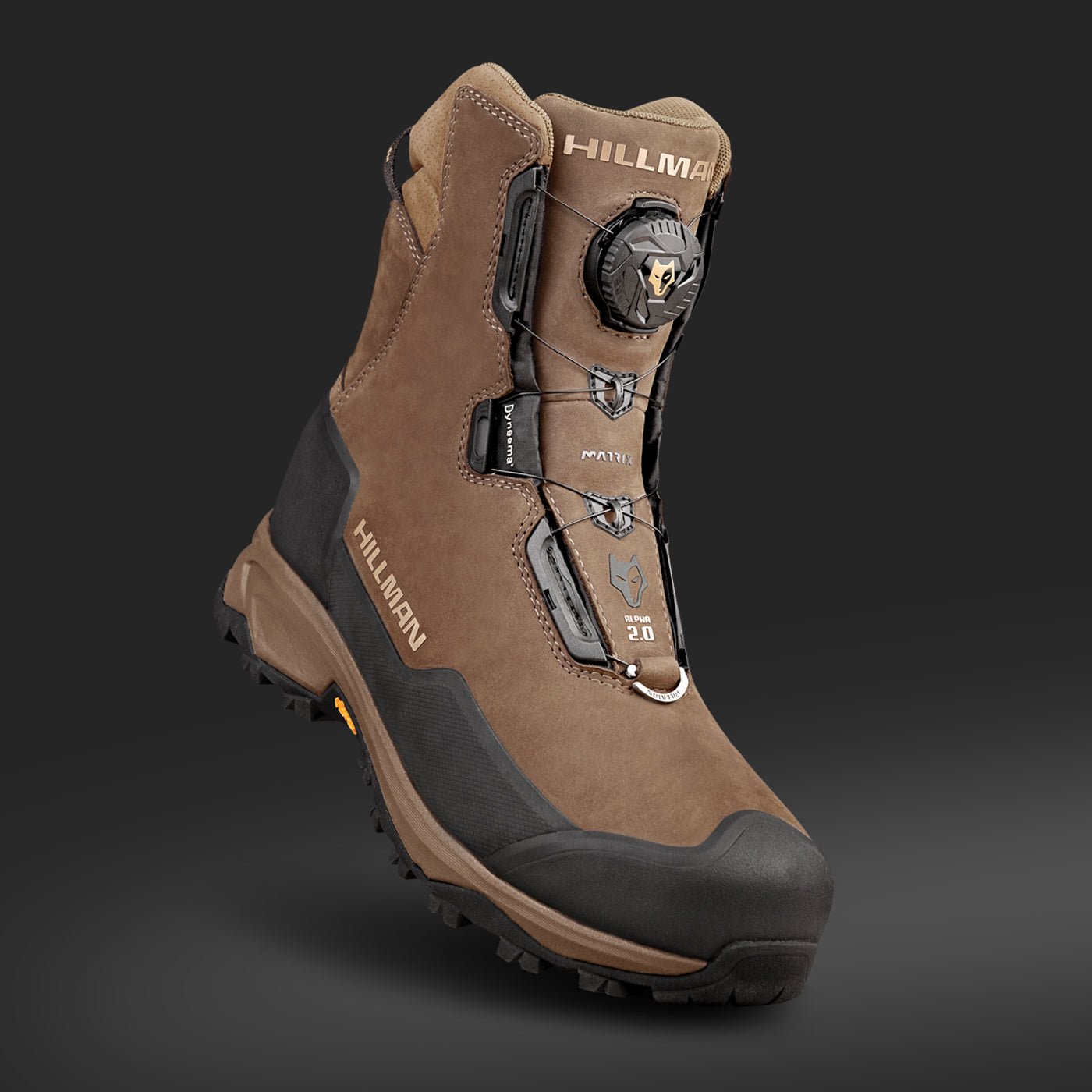
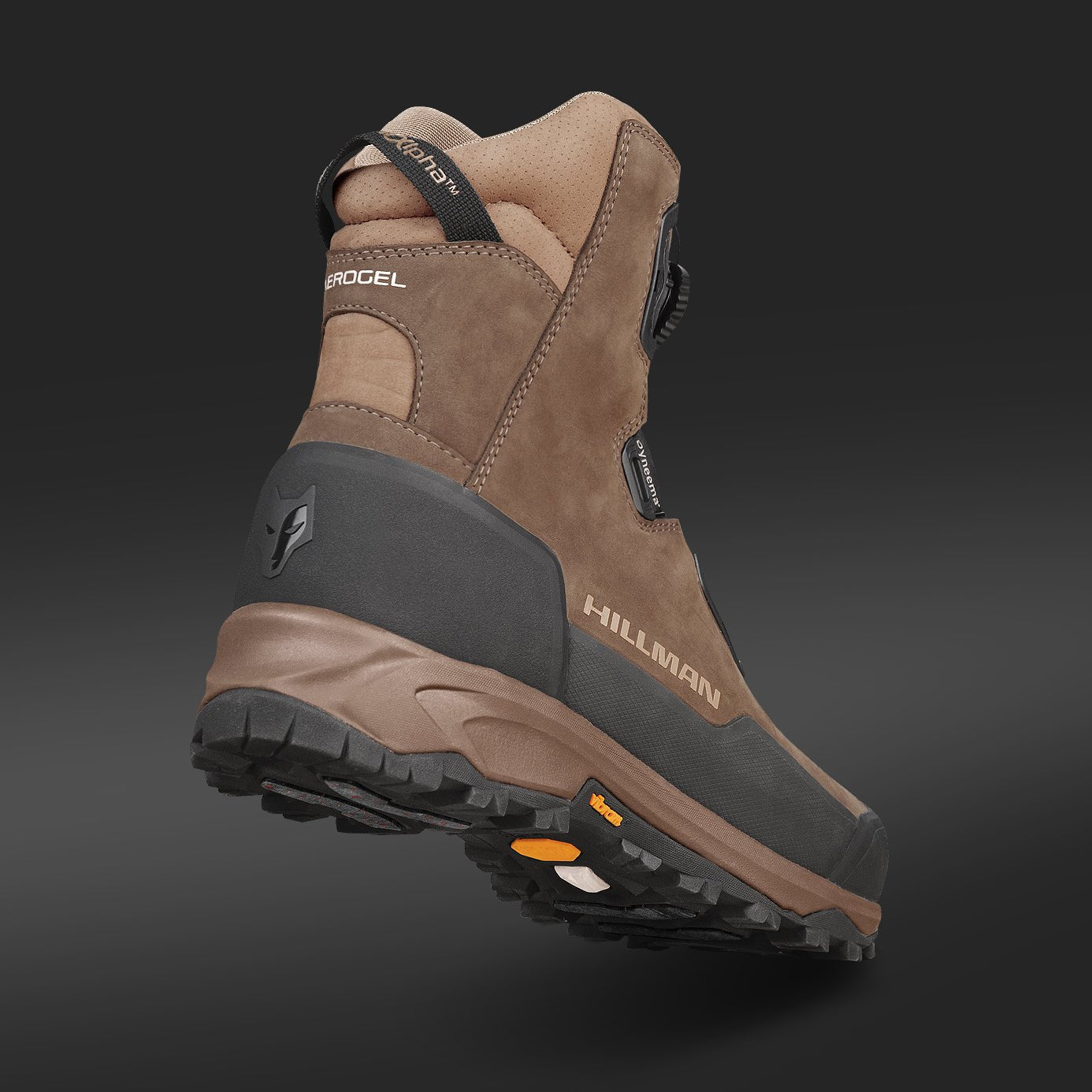
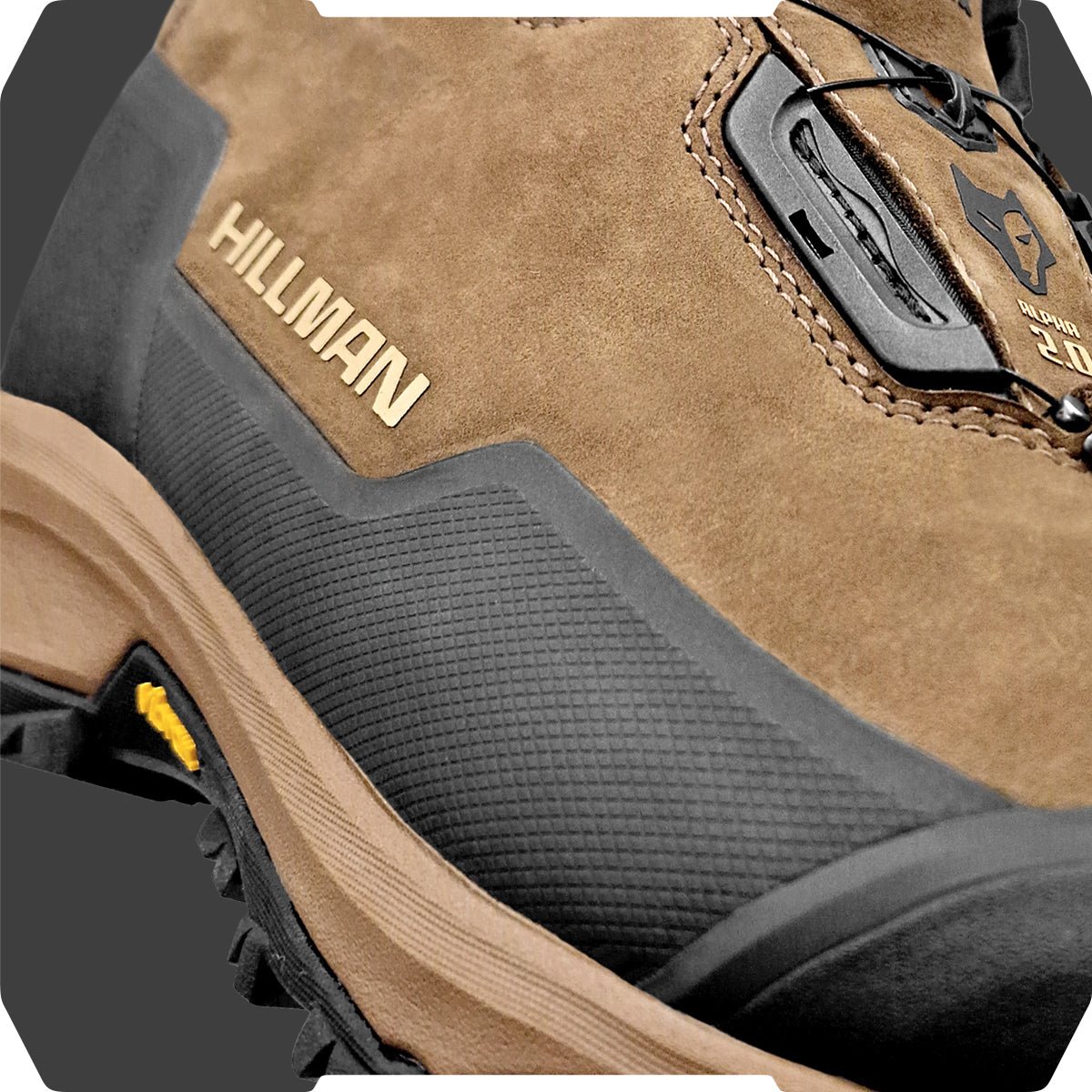
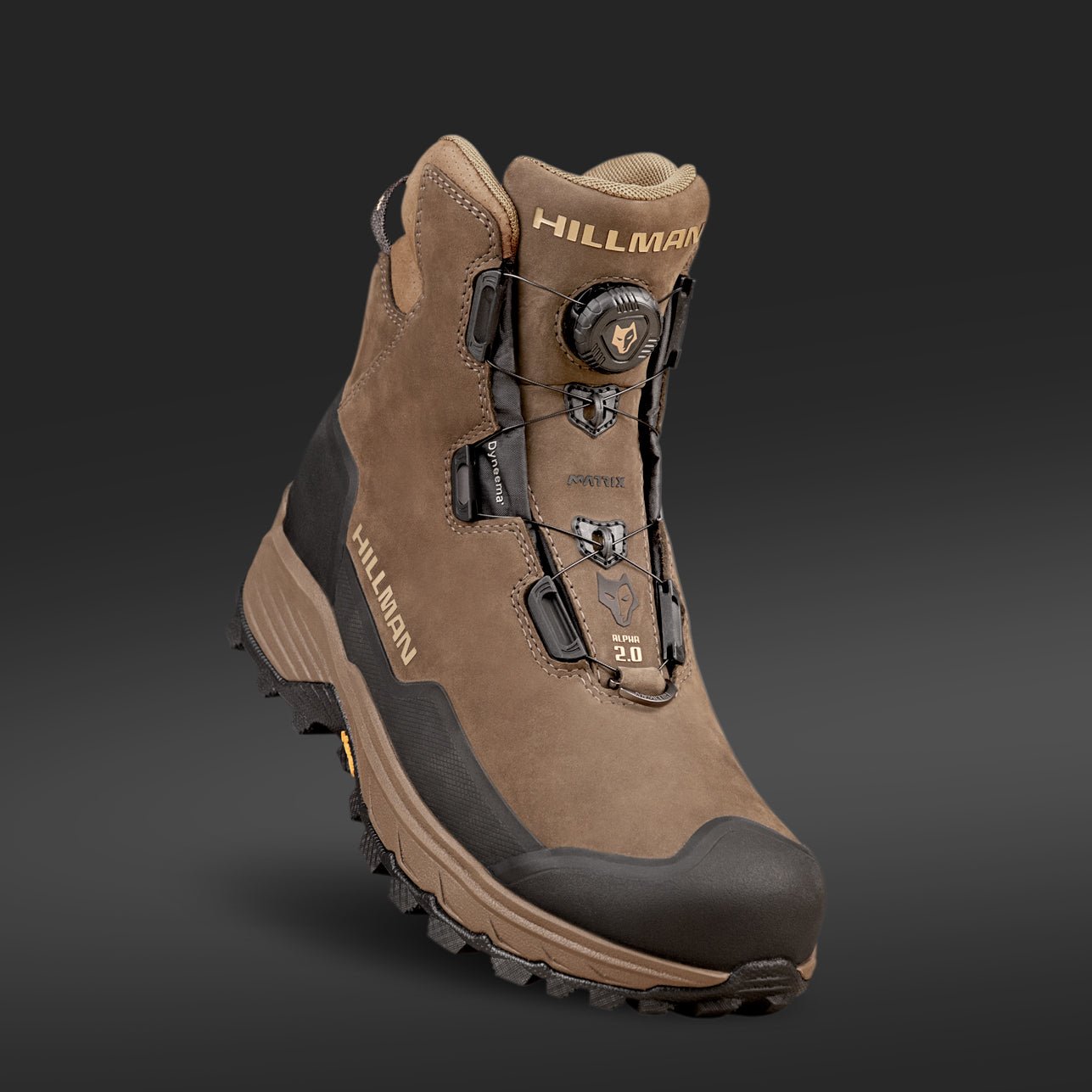
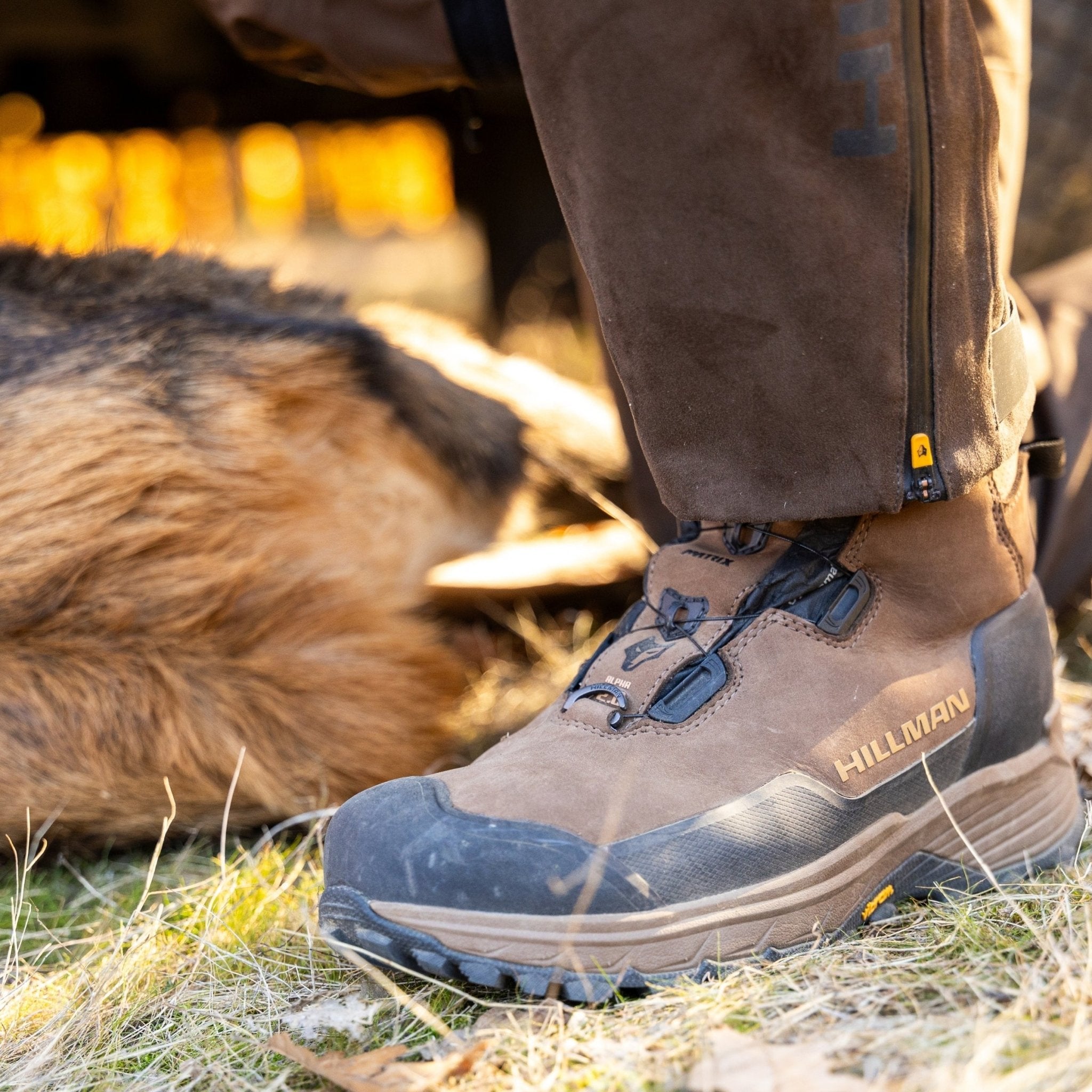
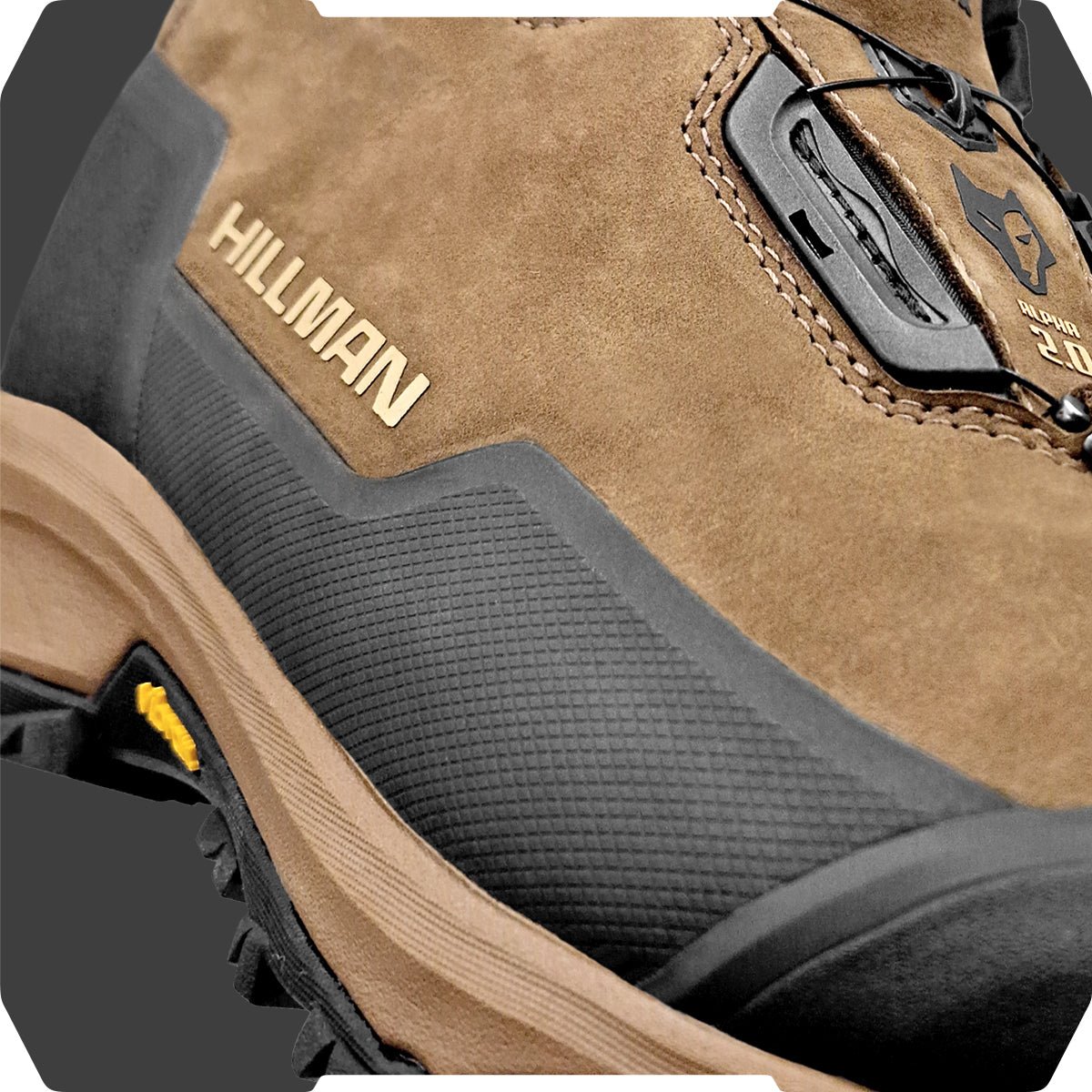
Boots for red deer stalking need grip, waterproof protection and support. Hill ground can mean steep grass, rock, peat, bog, wet heather and awkward side slopes. A poor pair of boots makes all of that slower, louder and more tiring.
In cold weather, insulated boots can help. They keep warmth in during slow movement or extended periods of glassing. In warmer months, too much insulation can make your feet sweat, which creates the same wet problem from inside.
Choose boots for terrain first. A boot that works in a high seat or on easy lowland stalking may not be enough for long hill days.
Gloves and Small Gear Still Matter

Gloves are small until your hands are numb. Then they become a big problem.
For hill stalking, gloves need warmth, grip and enough feel for safe rifle control. Huge thick gloves might be warm, but they can make equipment awkward. Thin gloves are better for feel, but not always enough in rain and wind.
Many hunters carry a light pair and a warmer pair. That is not overthinking it. Wet gloves in cold wind are miserable, and cold hands make everything slower.
The same goes for pockets and small stalking gear. Keep things quiet. Loose kit, clacking zips and overfilled pockets make unnecessary noise. You do not need half the shop hanging off you. You need the right gear where you can reach it without fuss.
Wind Direction Beats Fancy Clothing
Wind matters more than expensive clothing. Red deer have a strong nose. If your scent blows into them, the stalk is probably finished.
Hill wind is awkward. It rolls over ridges, pulls through gullies and shifts with temperature. You can feel one direction on the open face, then something different once you drop into cover.
Use the wind with the shape of the ground. Move into it or across it where possible. Use folds, gullies and ridges to stay hidden. Do not skyline yourself. Do not stomp across open ground and expect the clothing to save you.
Good clothing helps you stay dry, quiet and comfortable. It does not fix bad fieldcraft.
Glassing Before Moving

Good glassing saves wasted effort. Red deer stalking is not about marching around until something appears.
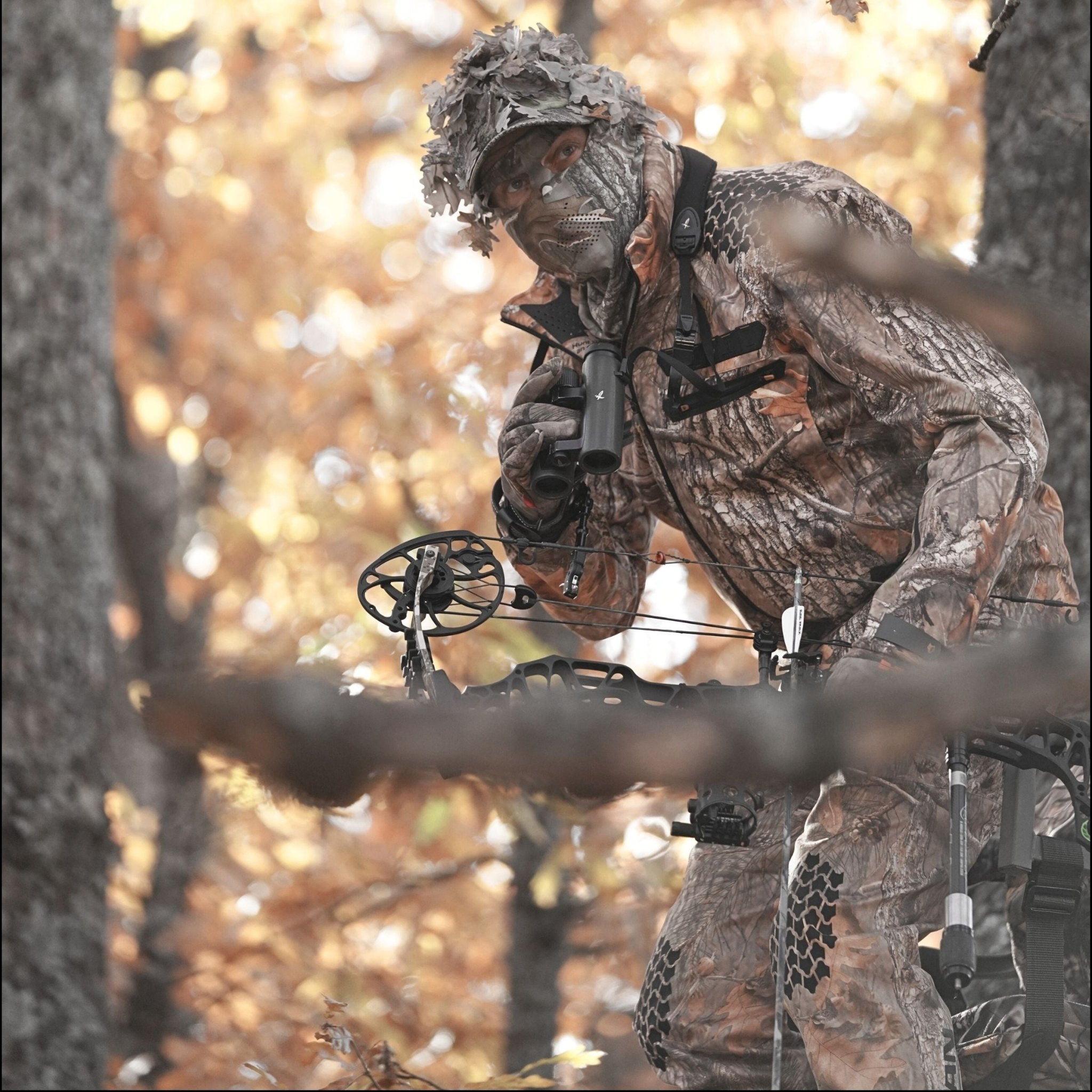
Use binoculars before crossing open ground. Watch the deer. See how they feed, where they are moving and what the wind is doing. Look for cover. Think about the final approach before you start burning energy.
A spotting scope can help when judging deer at range. This matters for proper management, not just antlers. Sometimes the right animal is old, weak or in poor condition. Sometimes it is not the one that first catches your eye.
Red deer are big animals. Extraction can be serious work, especially on remote hill ground. The plan does not end with the shot. Your clothing, equipment and body need to last the full day.
UK Rules and Specific Requirements

Red deer stalking in the UK comes with rules. Know them before you go.
In Scotland, stag season runs from 1 July to 20 October. Hind season runs from 21 October to 15 February. Always check current local rules before stalking, because dates and requirements can vary.
You need a valid UK Firearm Certificate with the correct calibre conditioned for deer, plus proper landowner permission. For large red deer in England, the law requires a minimum calibre of .240 or a rifle firing a bullet of not less than 100 grains with muzzle energy of at least 1,700 foot-pounds.
That is not separate from the rest of the subject. Red deer stalking is planned, legal and disciplined hunting. Clothing is only one part of doing it properly.
Choosing the Right Clothing for Hill Stalking
Choosing the right clothing is mostly about being honest. What is the weather doing? What is the terrain like? How far are you walking? Do you run hot? Do you get cold fast when you stop?
The basic system is not complicated. Base layer for sweat. Mid layer for warmth. Outer layer for rain and wind. Waterproof boots for wet feet and rough terrain. Gloves that still let you use the rifle safely. Camouflage or muted colours that suit the hill.
Do not dress for one perfect moment. Dress for changing conditions. Warm climb, cold glassing, sudden rain, open wind, quiet approach, long drag or extraction.
The right clothing lets you forget about it. That is the point. Stay dry, stay warm enough, move quietly and keep your attention where it belongs.


Share:
Muntjac Stalking in Woodland: Clothing and Movement
Stalking Trousers vs Shooting Breeks: What Works Better?