
How to Layer for High Seat Deer Stalking When You Walk In Warm and Sit Cold

Walk in cool, sit warm. No fancy talk: just deer stalking layers that stop sweat, cold, rain, noise and stupid kit choices.
High seat deer stalking looks easy on paper. Walk in, climb up, sit down, wait. That is it. Then people get cold, start moving about, rustle their jacket, rub their hands, shift their feet, and wonder why the deer never came close.
The problem is not always the deer. A lot of the time, it is the clothing.
You walk in warm. Your body temperature rises. Maybe the ground is wet, maybe the ride is uphill, maybe you are carrying stalking gear, rifle, sticks, pack, flask, whatever else. You feel fine. Maybe even too warm. Then you get into the high seat and stop moving. Suddenly the wind finds your back, your damp base layer turns cold, and the nice comfortable walk becomes a miserable sit.
That is the whole trick with how to layer for high-seat deer stalking when you walk in warm. You are dressing for two different jobs. First, movement. Then, stillness.
If you wear too much deer stalking clothing on the way in, you sweat. If you wear too little when you sit, you freeze. So the answer is not “wear the biggest jacket.” The answer is to manage your layers properly.
Walk in cool. Sit warm. Stay dry. Stay quiet. Remain undetected.
Start With a Base Layer That Actually Works

The base layer is the first layer, and it matters more than people think. Get this wrong and the rest of your stalking clothing has to fight against it all day.
Do not wear cotton. Cotton holds moisture. Once it gets damp, it stays damp, and when you stop moving it starts dragging heat away from your skin. That is bad news in a high seat, especially during long hours or extended periods in cold wind.
Use a good base layer made from merino wool or proper synthetic fabric. It should move moisture away from your skin and dry faster than cotton. This is not about looking technical. It is about not sitting there with a wet back while the wind cuts through your jacket.
A long-sleeve base layer usually makes more sense than a short sleeve. It protects your arms, handles sweat better and gives your mid layer something dry to sit over. In wet conditions, cold mornings or rough UK weather, base layer bottoms can help too.
The fit should be close, not tight. You need it to wick moisture, but you still need to climb, sit, turn slowly and shoulder the rifle without feeling wrapped up like a parcel. If the layer restricts movement, it is wrong.
A good base layer will not make you hot by itself. That is the point. It keeps the skin drier so the other layers can do their job.
Carry the Mid Layer, Do Not Cook Yourself In It

The mid layer is where warmth starts, but timing is everything.
A fleece, soft insulated garment or light warm jacket is useful for high seat stalking. But most of the time, it belongs in your pack during the walk in. Not on your back from the start.
If you wear the mid layer too early, you trap heat. Then sweat builds. Then you sit down damp. Then you get cold. Same mistake, every season.
Walk in lighter than feels perfect. Let yourself be a bit cool at first. Once you reach the high seat, wait a minute or two. Let the heat come off. Then put the mid layer on before the chill gets into you.
This pause matters. If you throw all your layers on while still steaming, you trap moisture inside the clothing. That is how people end up cold even inside expensive hunting clothing.
The mid layer should also be quiet. Avoid shiny, slippery, crackly fabric. In close quarters, little sounds carry. A sleeve scraping on the rail, a noisy zip, fabric rubbing when you lift the rifle - all of it can draw attention.
Soft fleece, brushed fabric and low-noise insulation are better. Warm is good. Quiet and warm is better.
Use an Outer Layer That Blocks Weather Without Making Noise
The outer layer has the dirtiest job. It has to stop wind, rain, wet branches and cold air. It also has to stay quiet while you move slowly.
Plenty of waterproof jackets are fine for walking the dog or standing around at a show. They are not always fine for deer stalking. Some are too stiff. Some sound like a crisp packet. Some are waterproof but barely breathable. That means rain stays out, but sweat stays in. You still end up wet.
For high seat deer stalking, the outer layer should give proper weather protection without making a racket. Windproof, waterproof, breathable and quiet. That is the mix.
It also needs enough room for layers underneath. If the jacket pulls tight across the shoulders or arms, it will restrict movement. Then you start moving awkwardly. Awkward movement is easier for deer to catch.
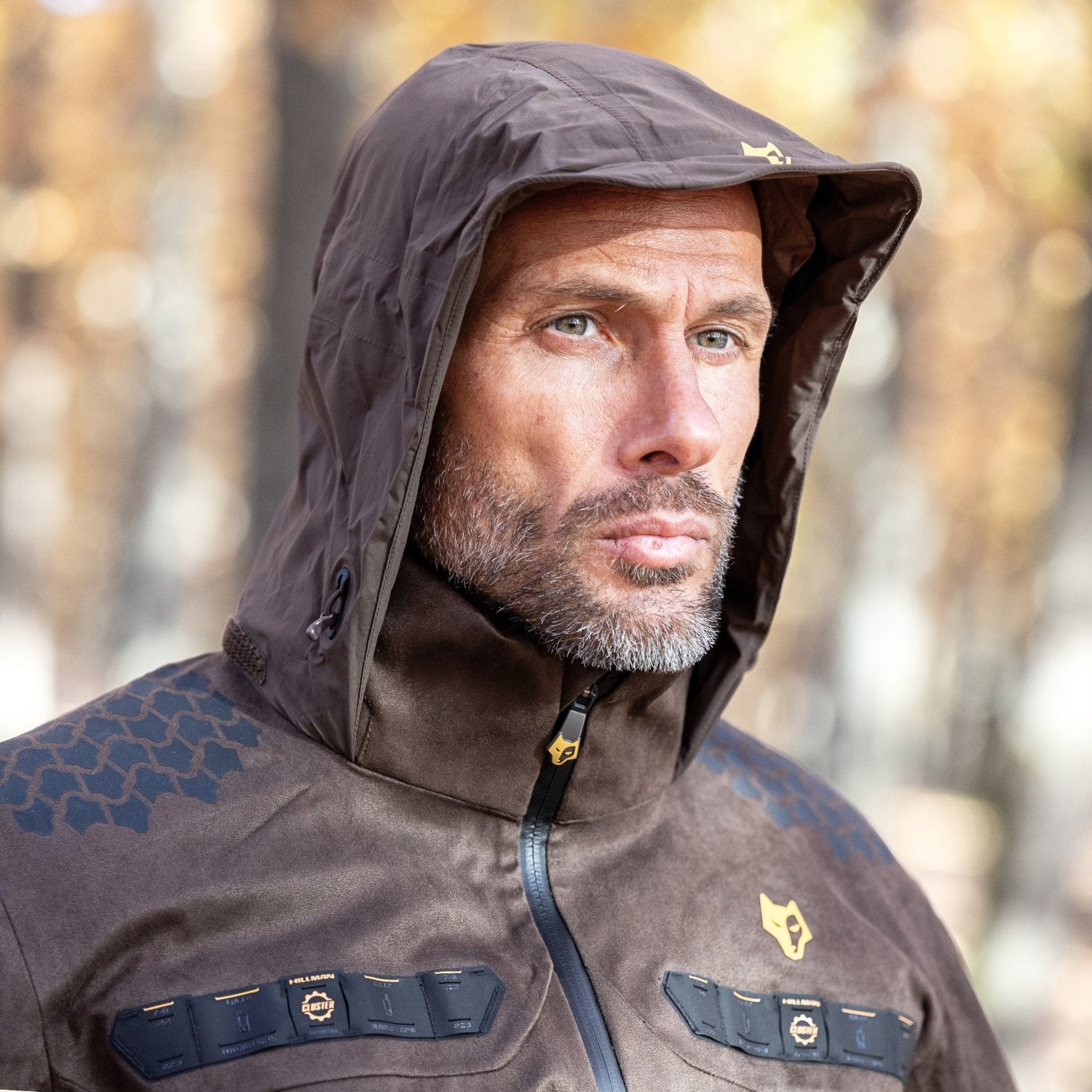
Good stalking jackets should feel calm when seated. No tight lap. No pulling across the back. No hood scraping loudly every time you turn your head. The hood should protect from rain and wind, but it should not block your hearing completely.
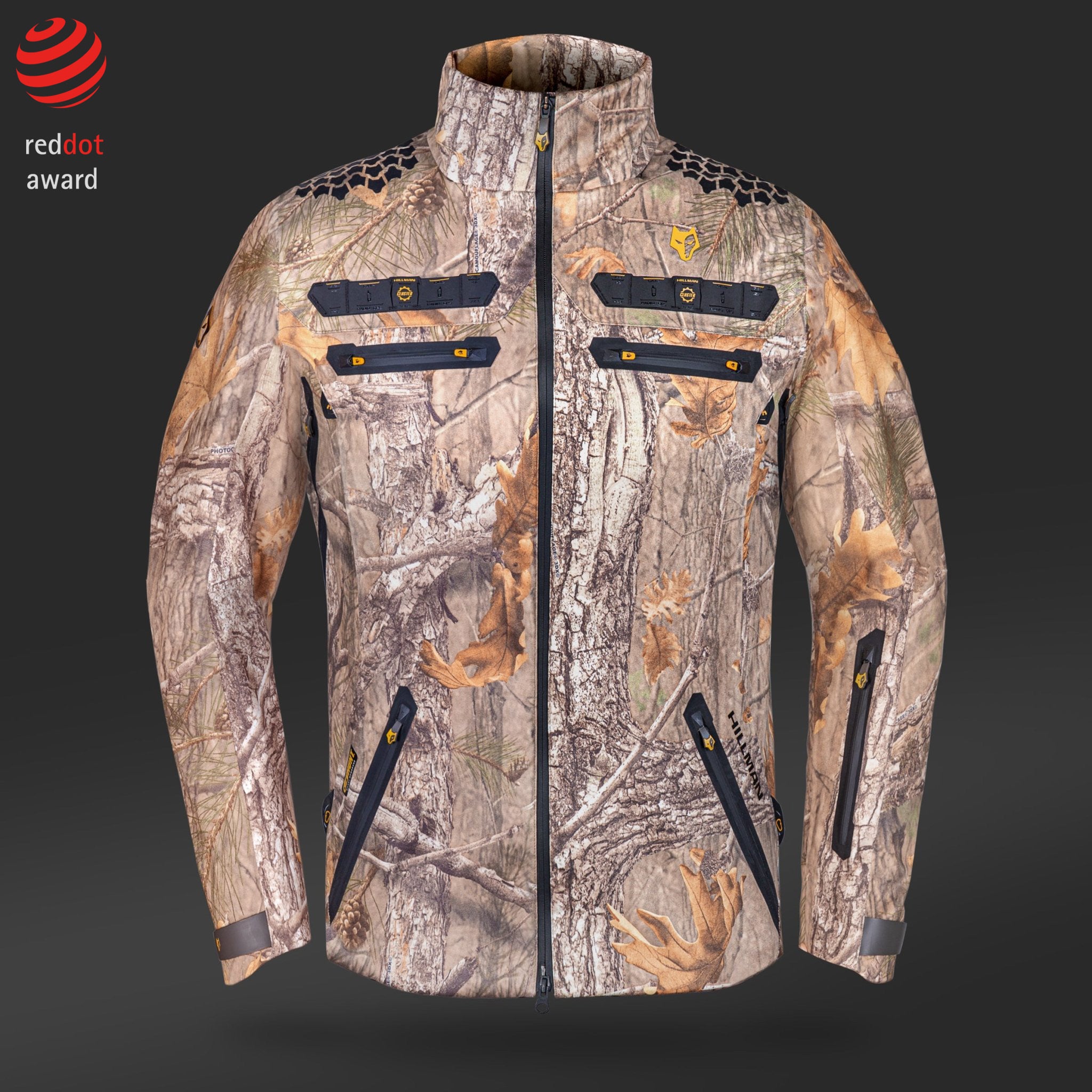
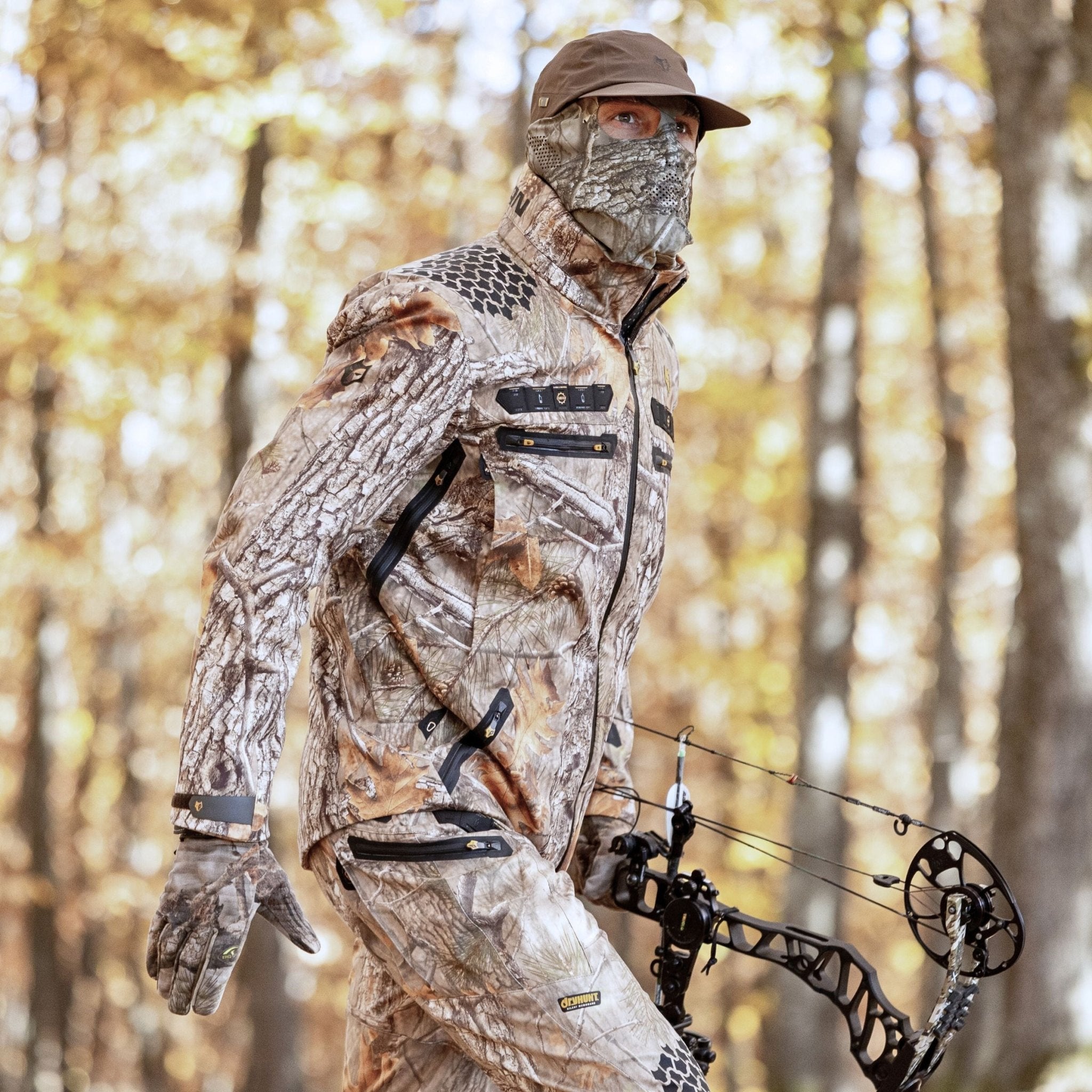
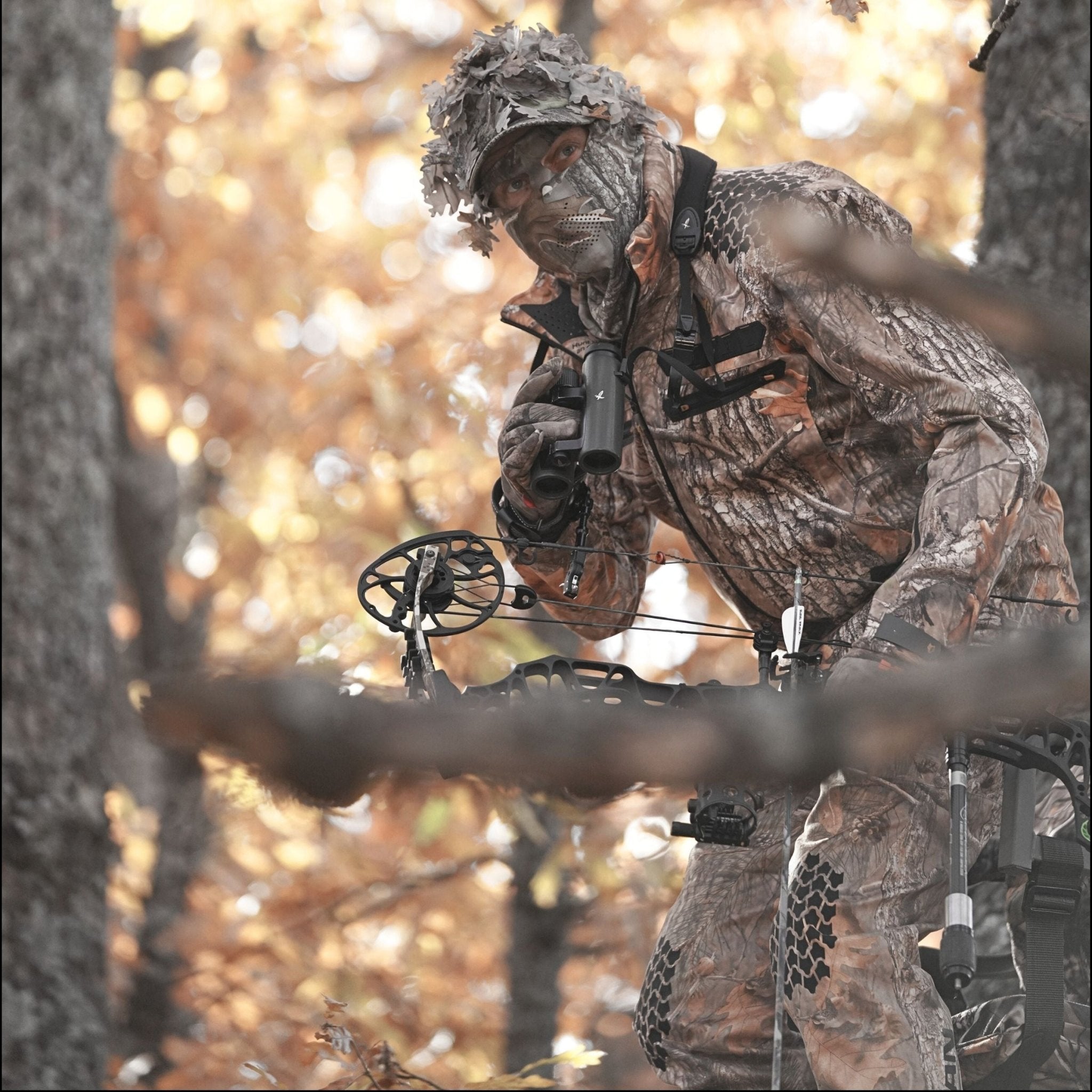
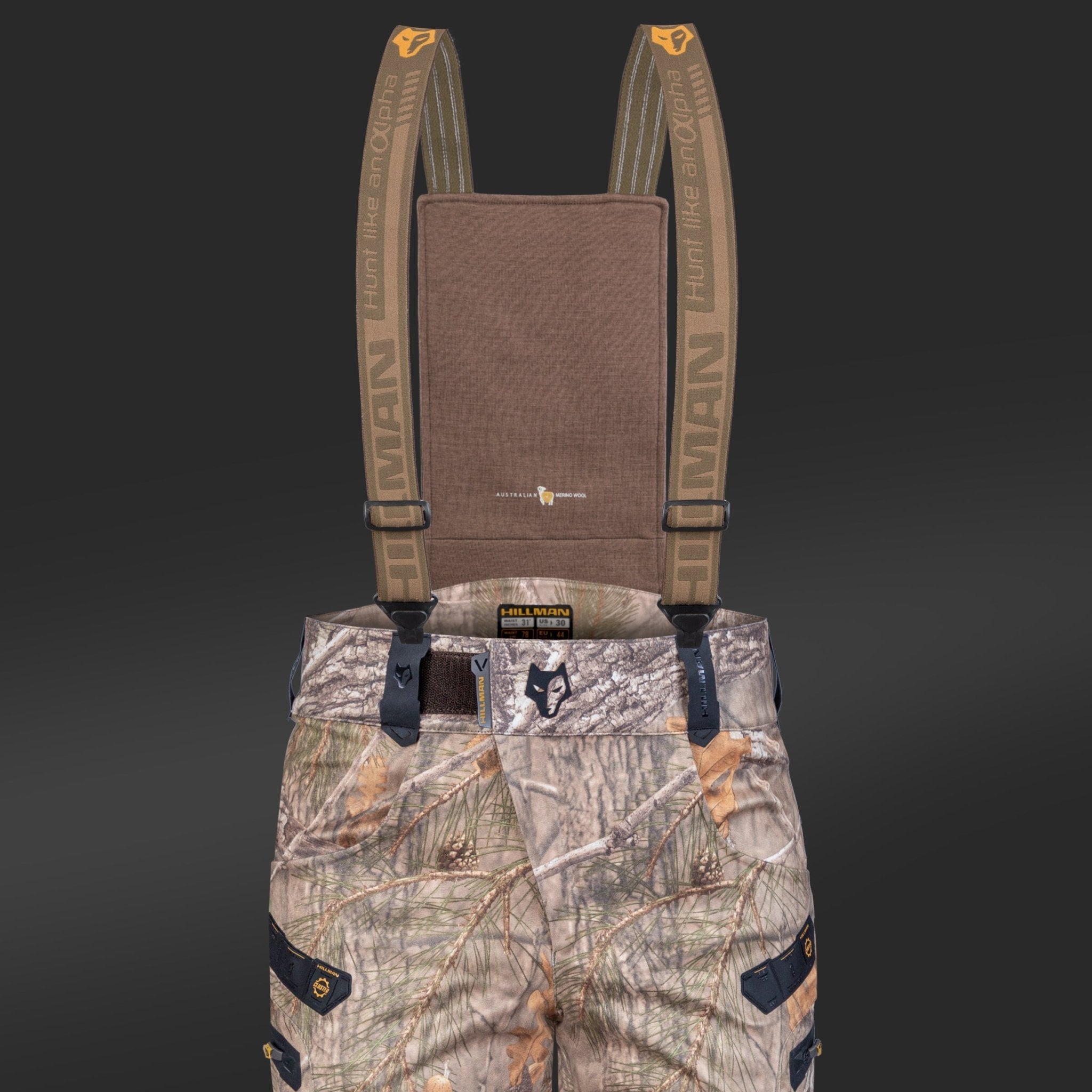
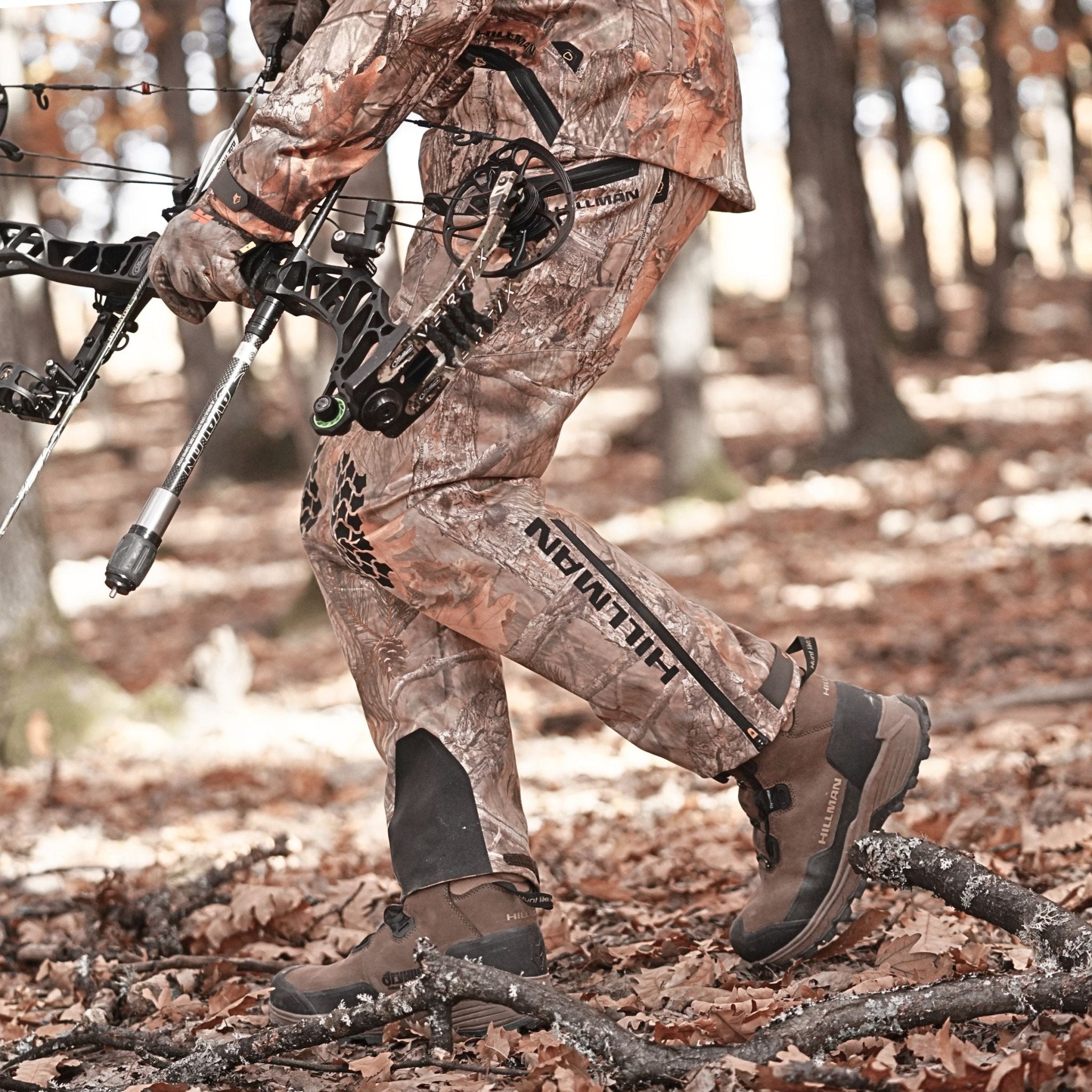
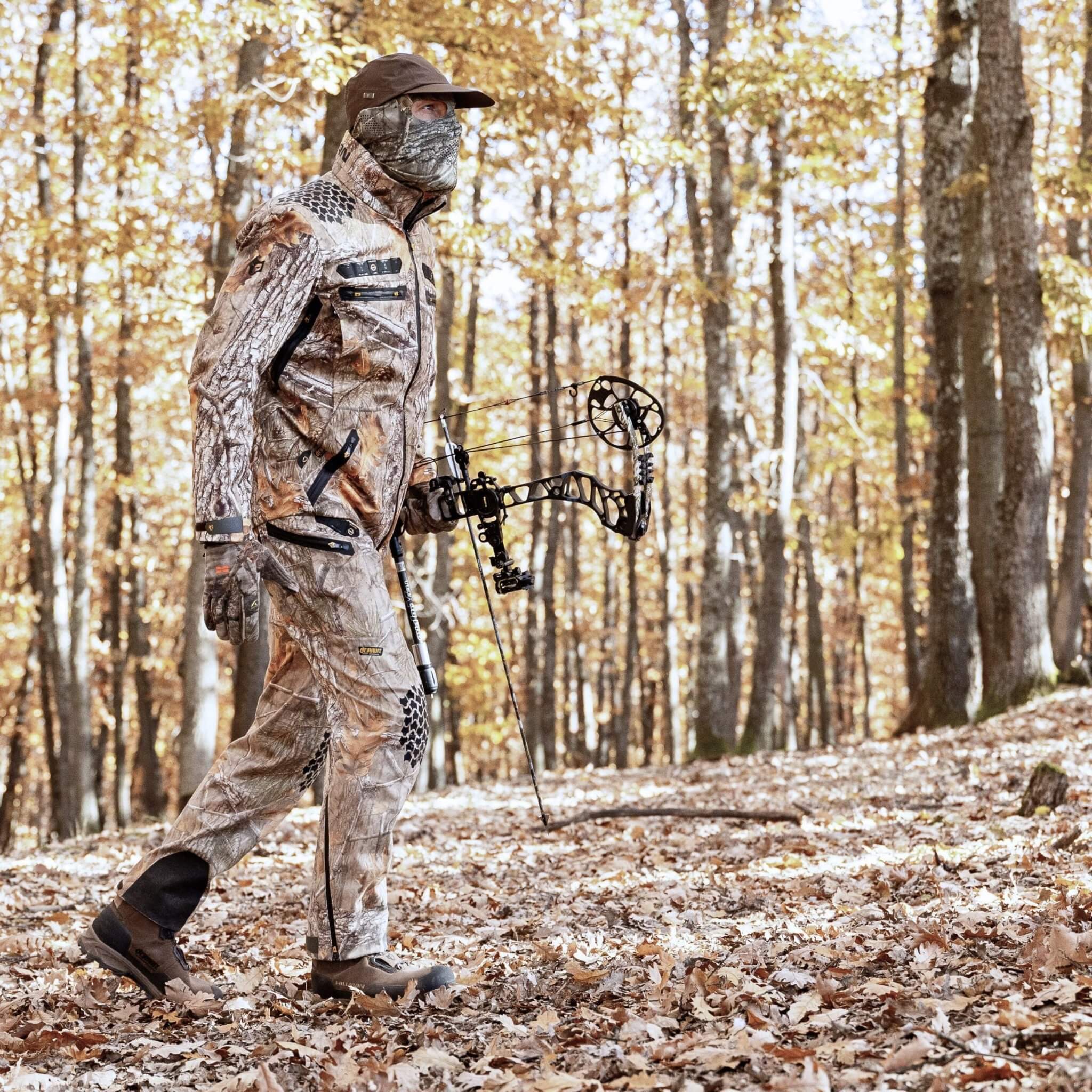
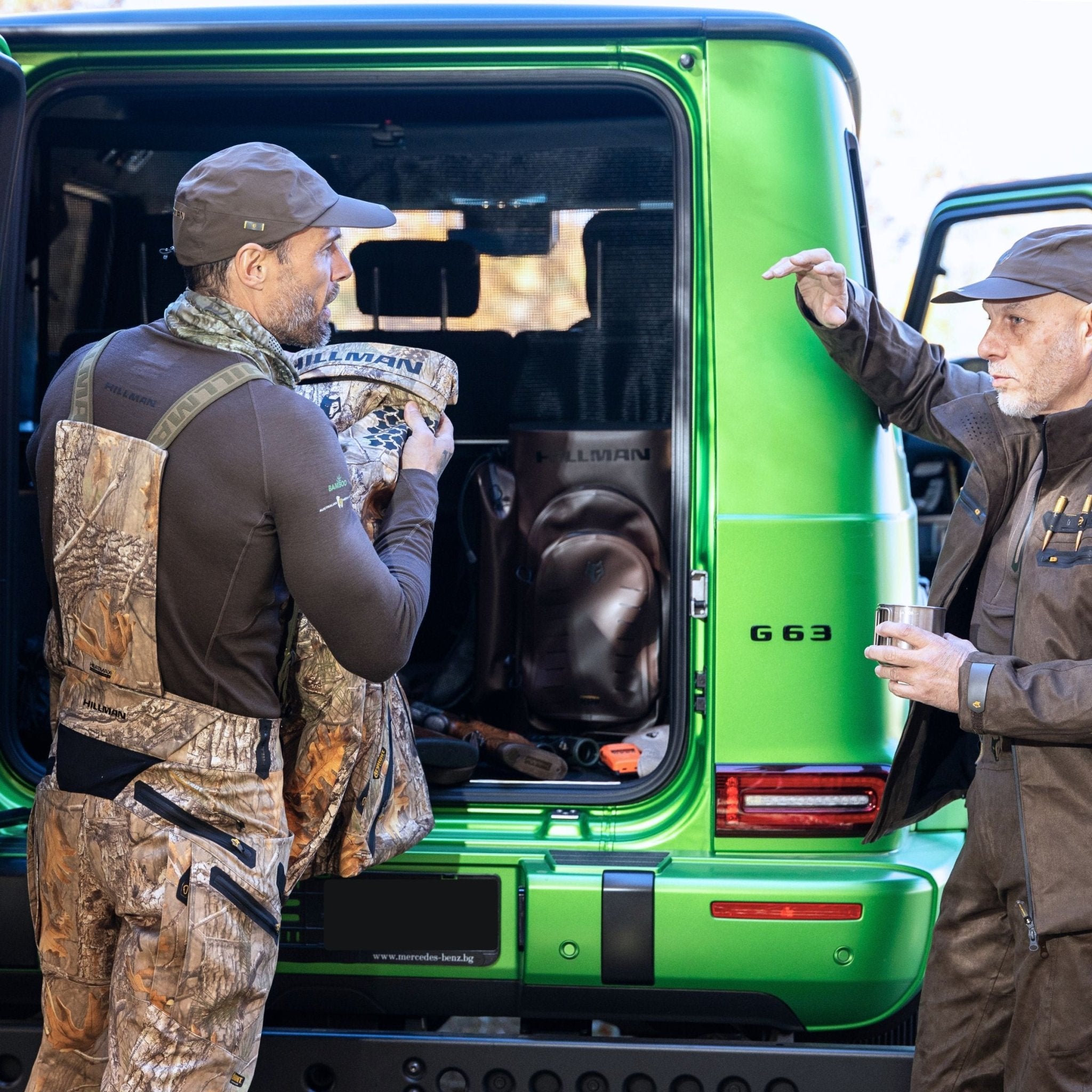
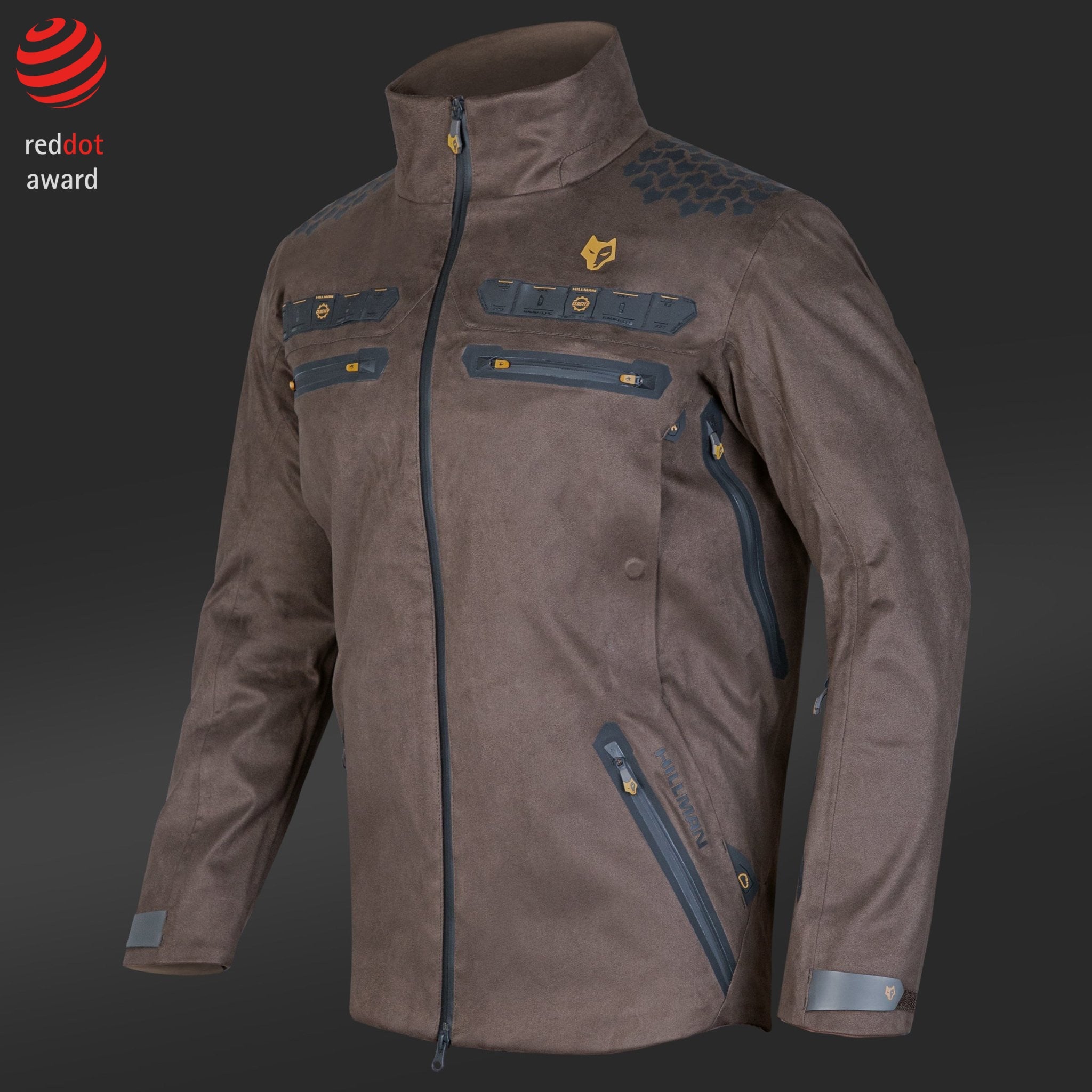
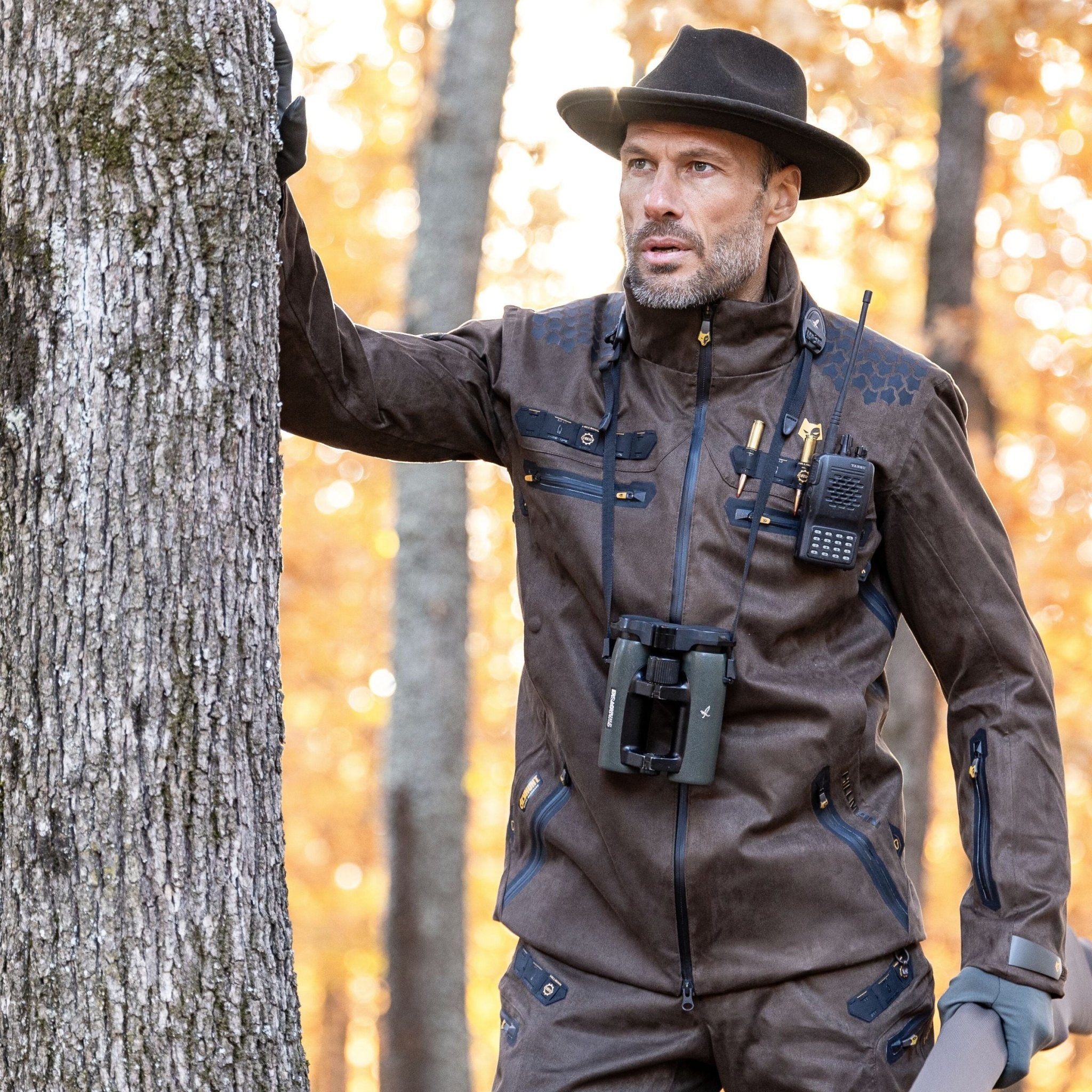
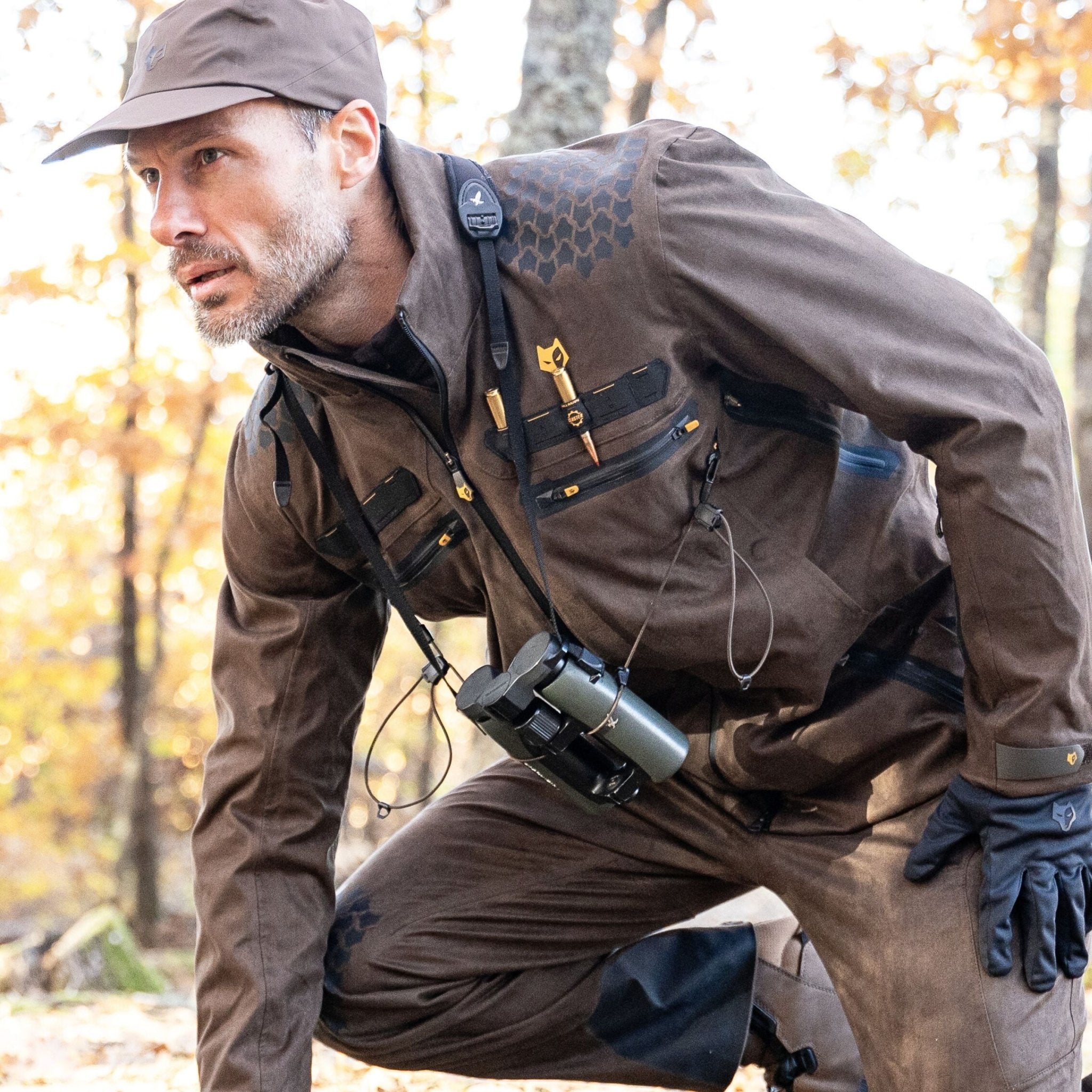
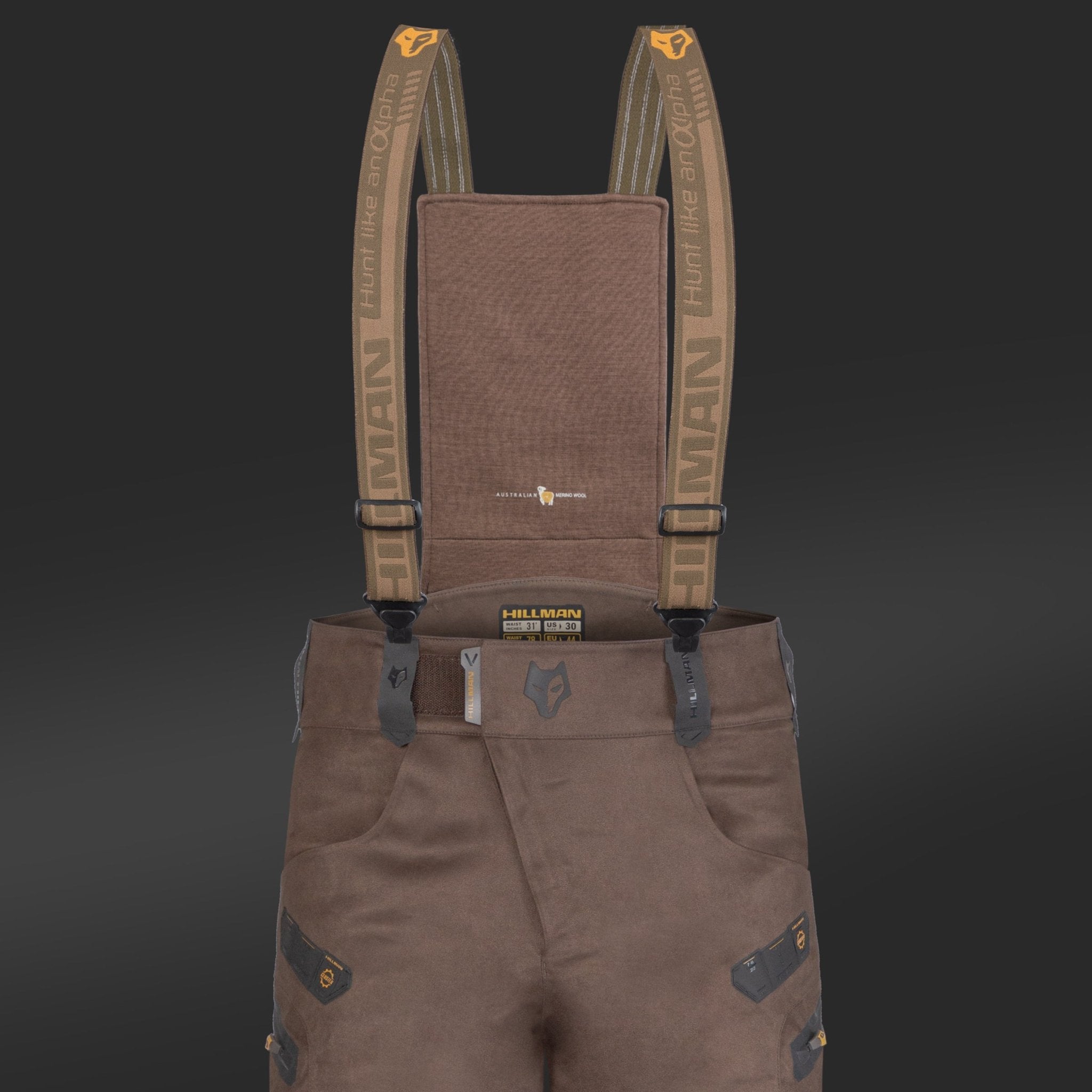
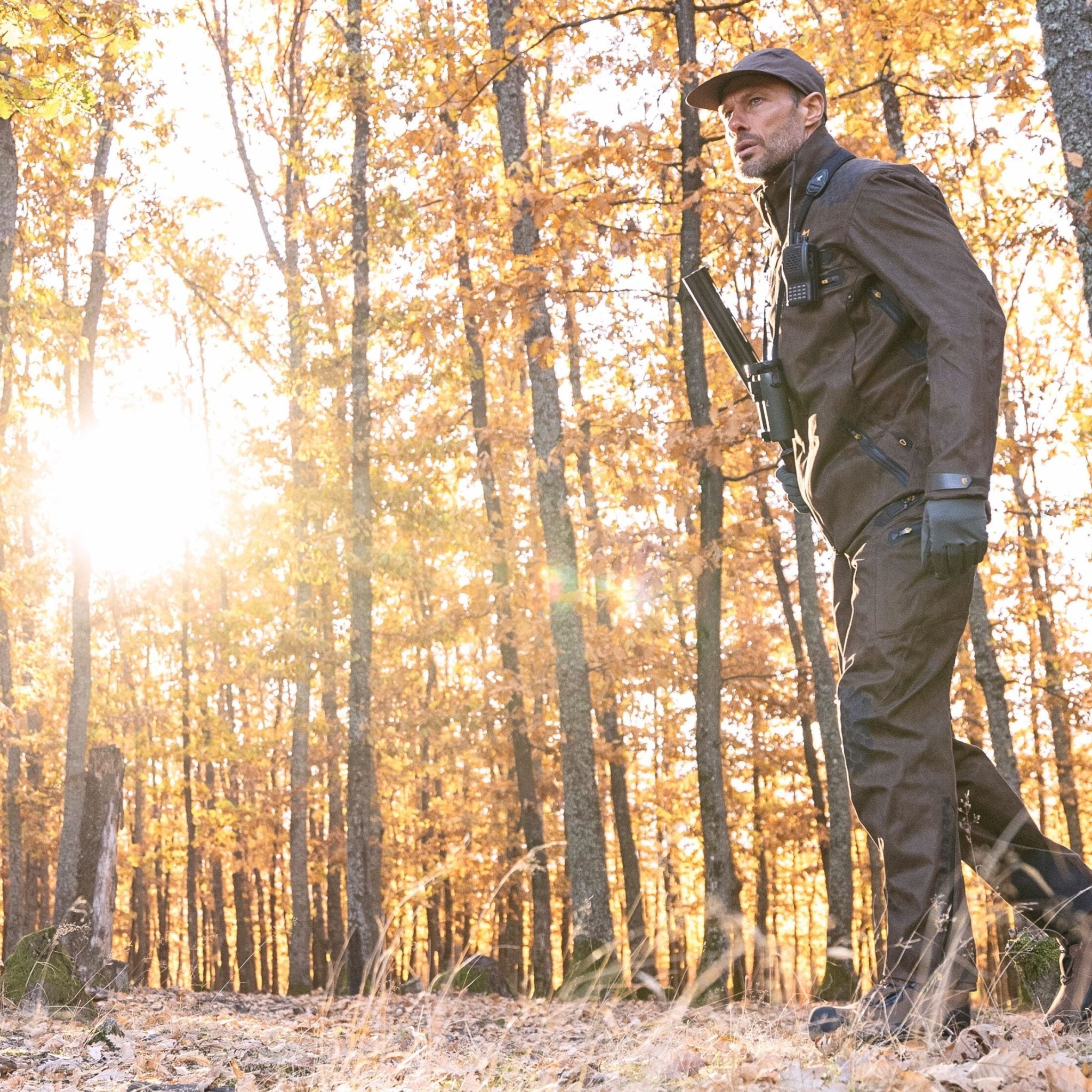
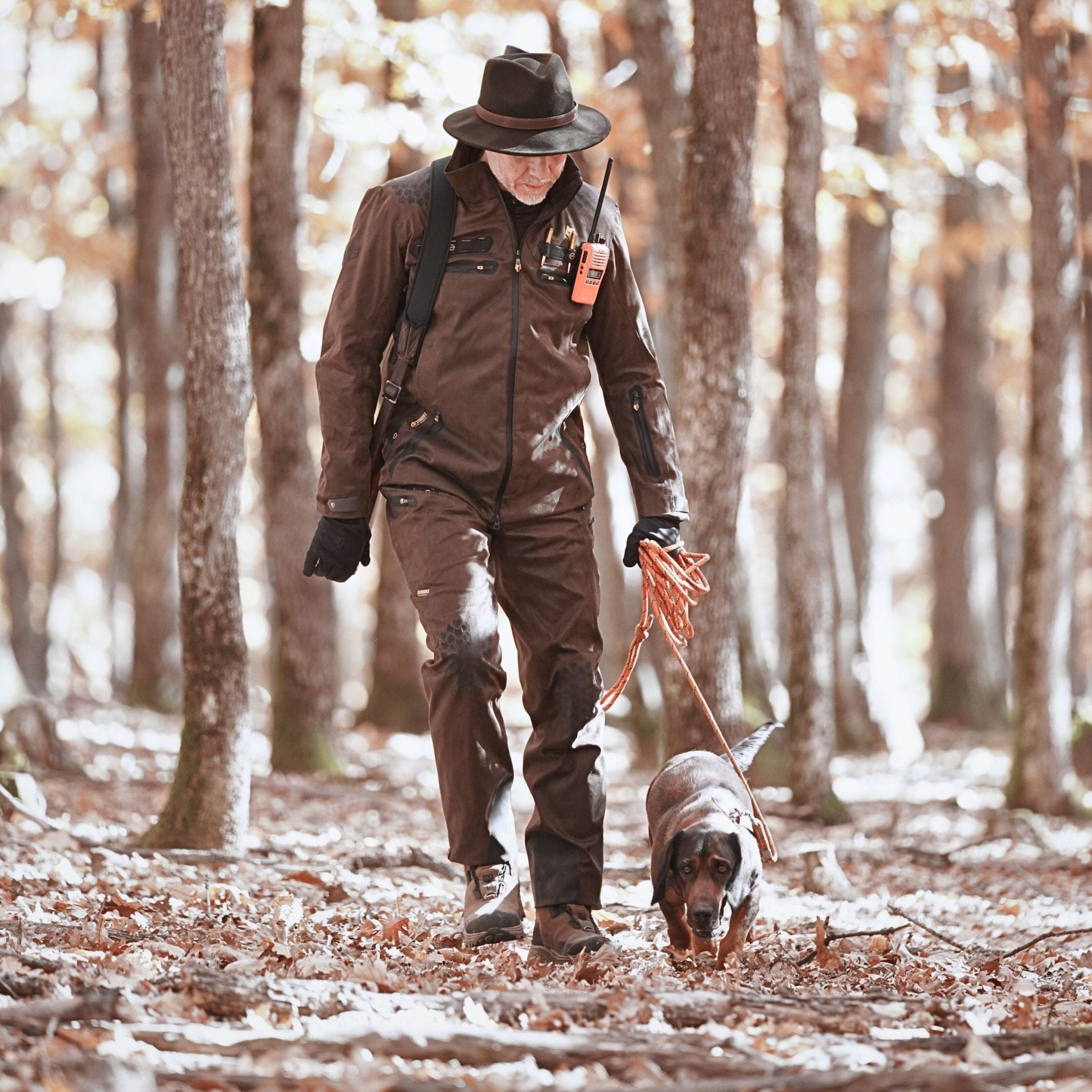
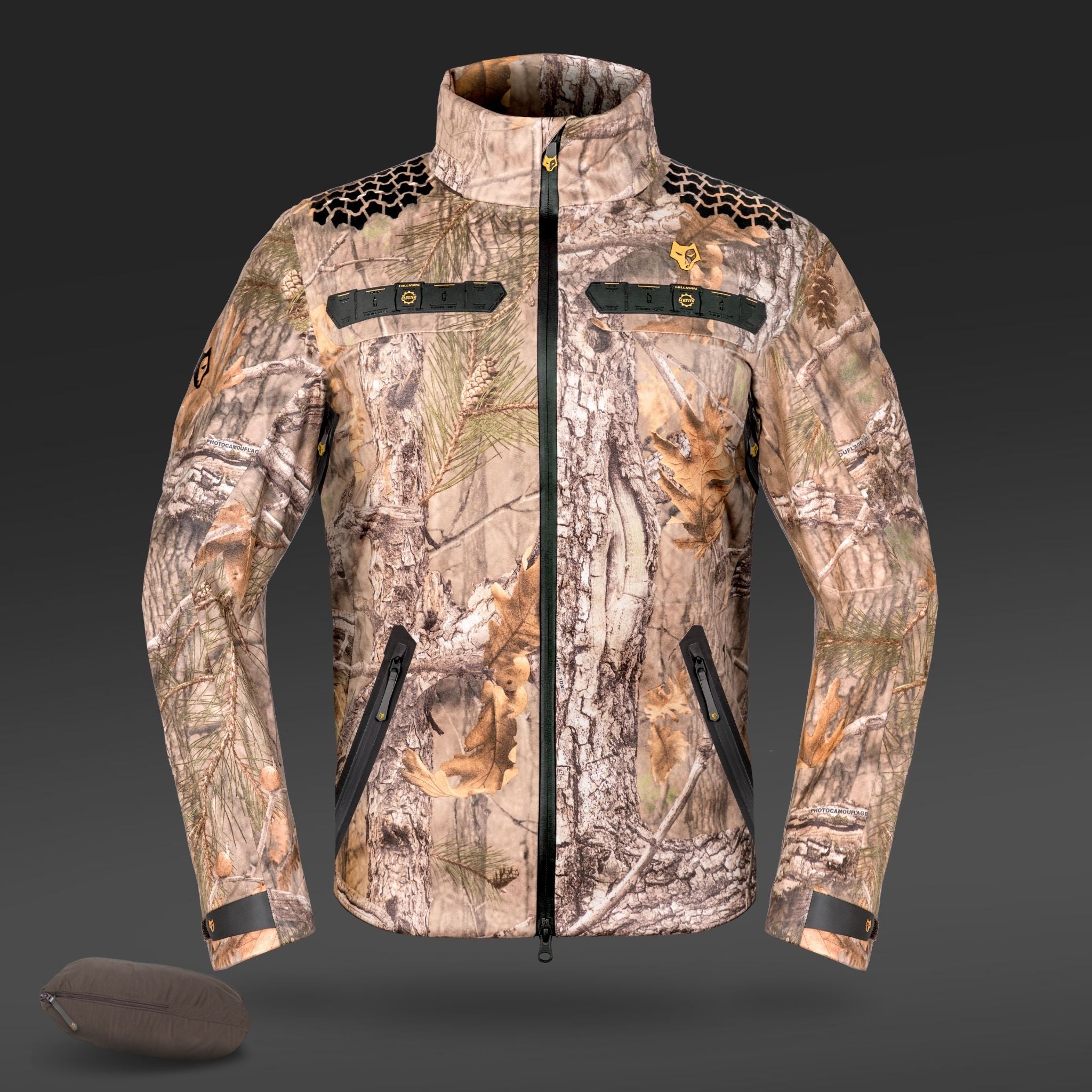
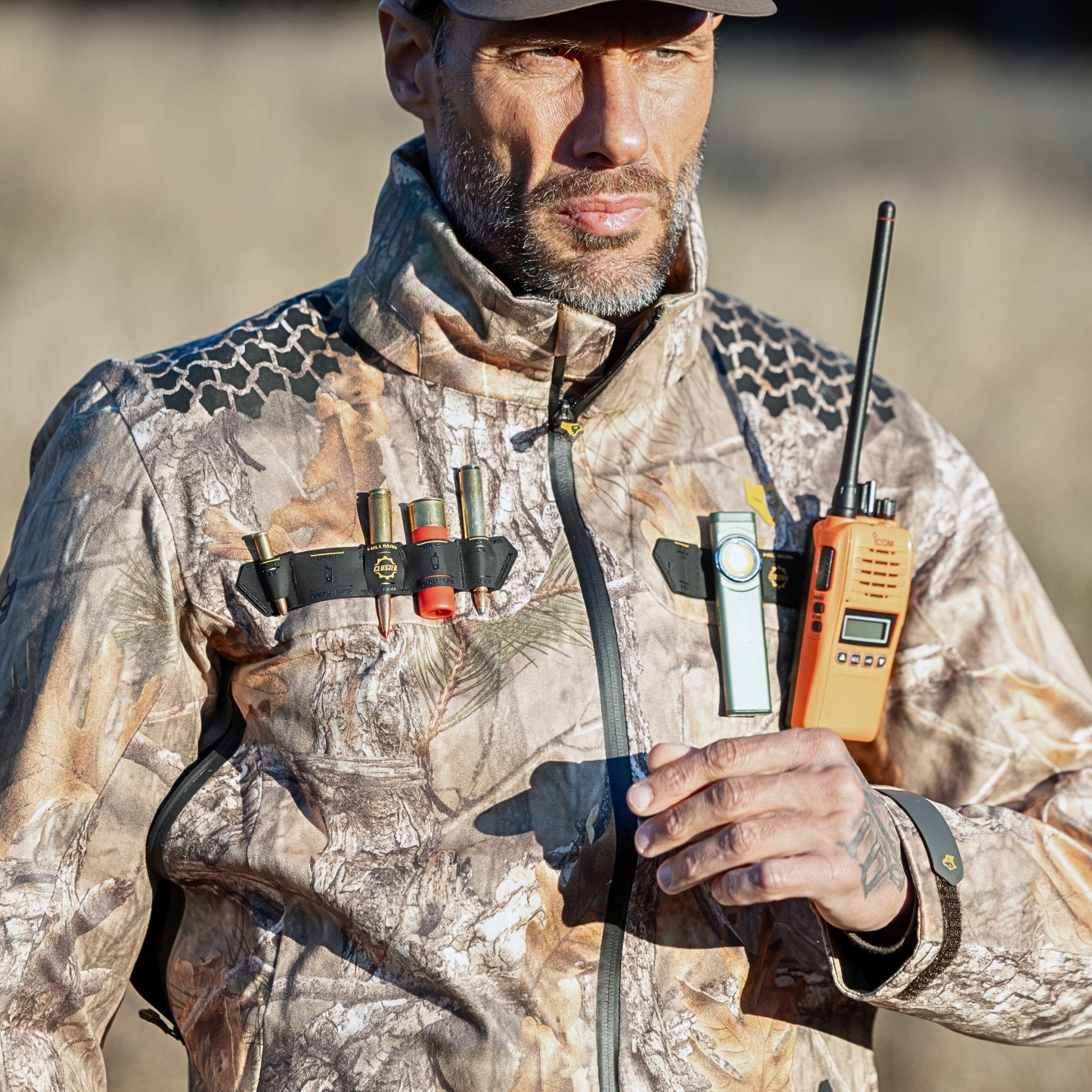
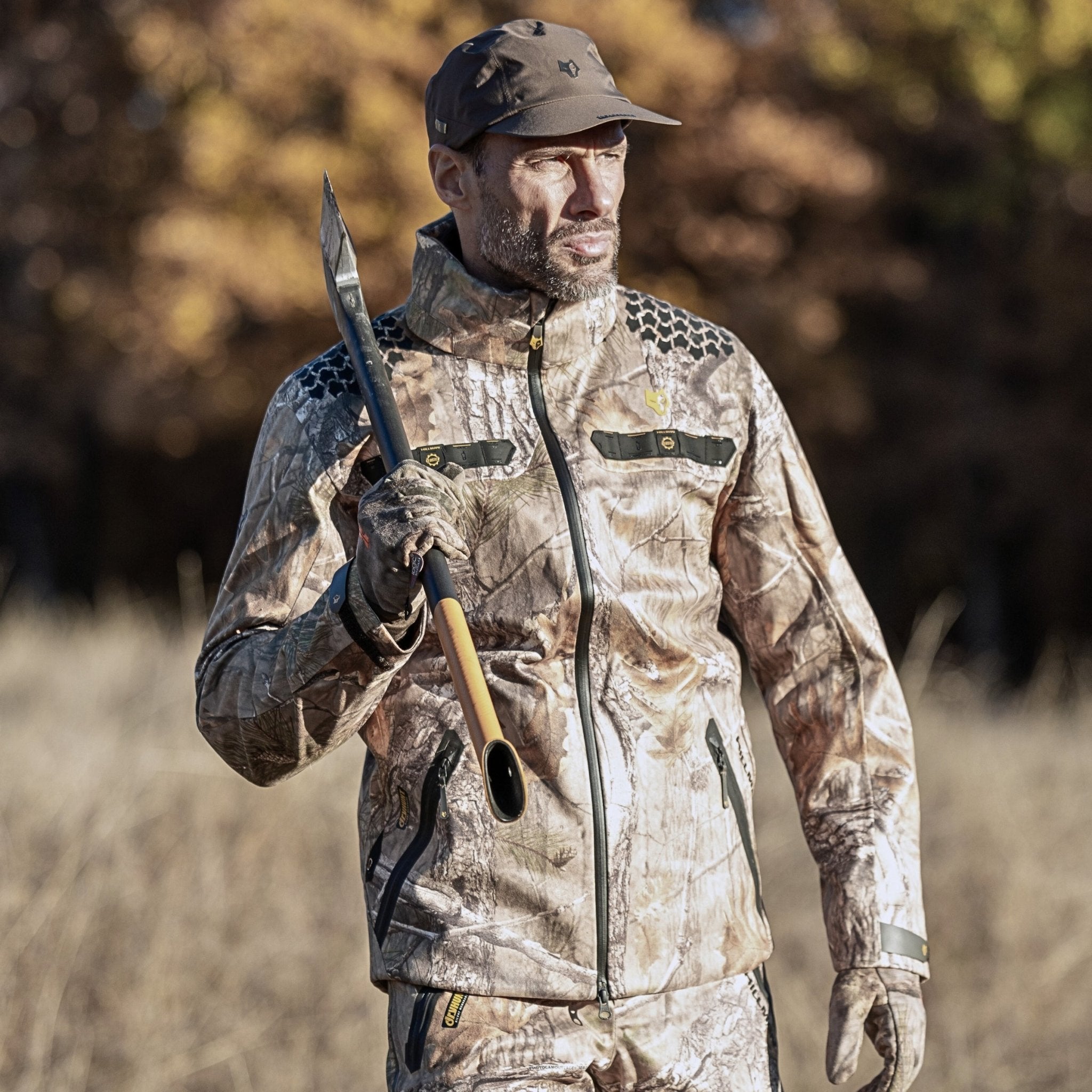
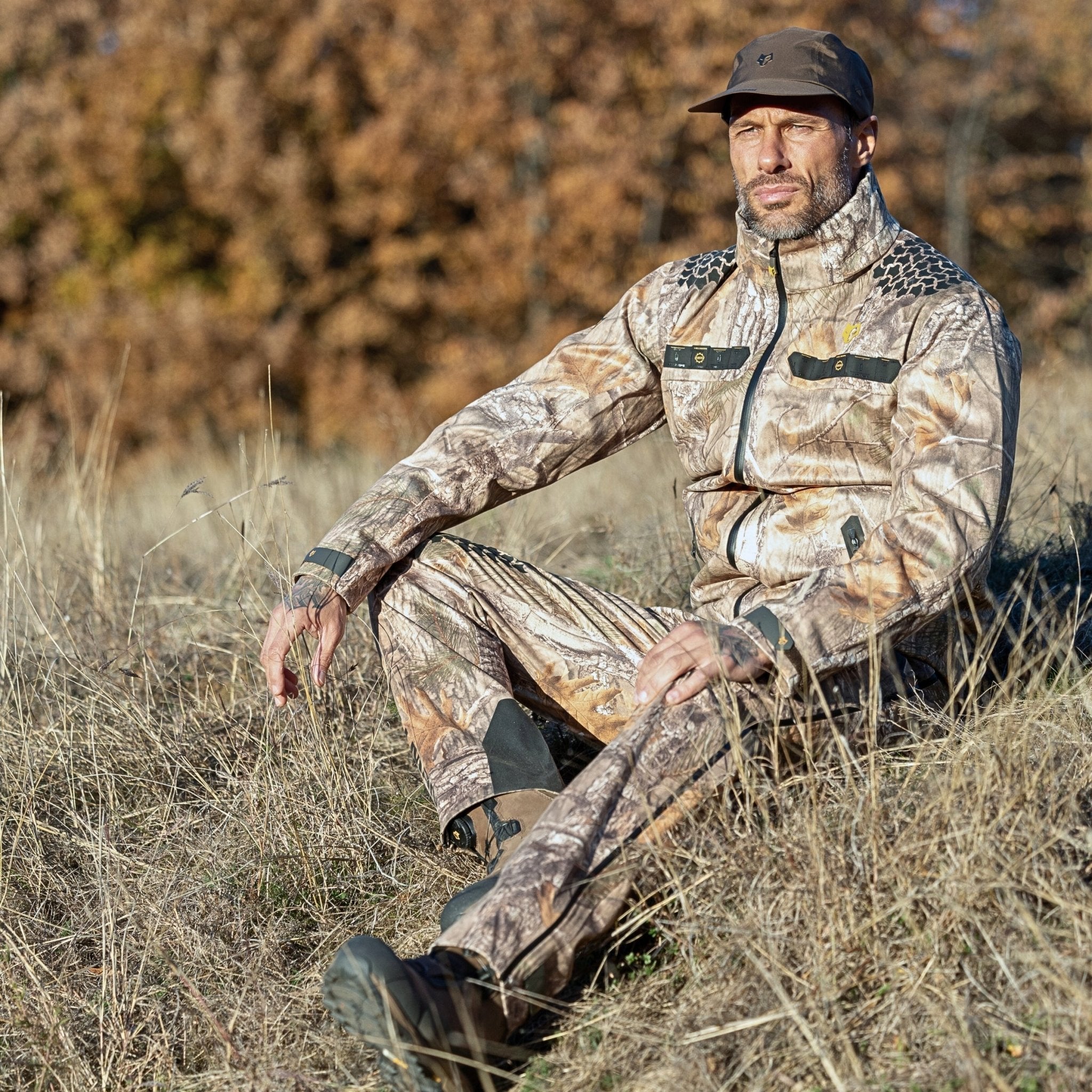
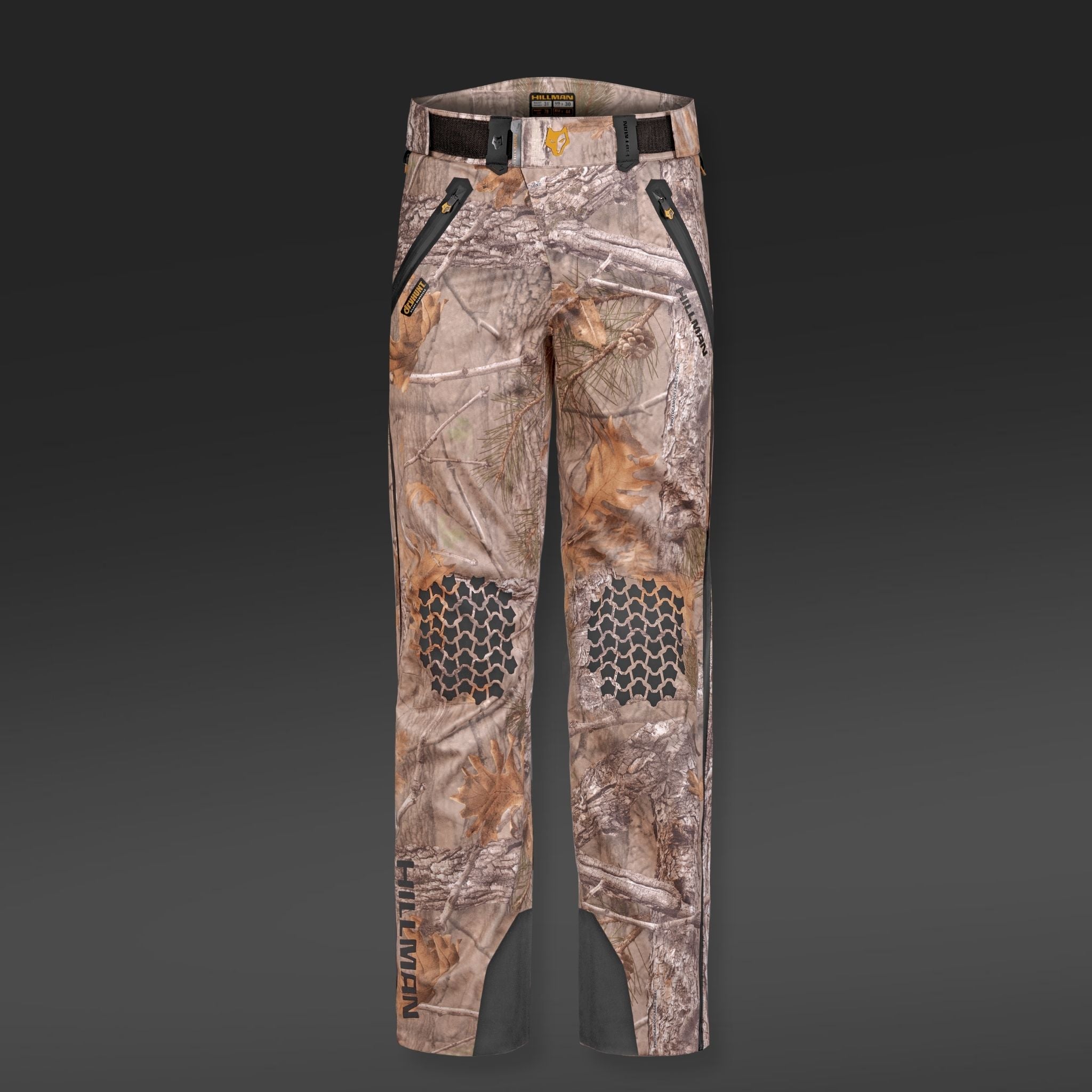
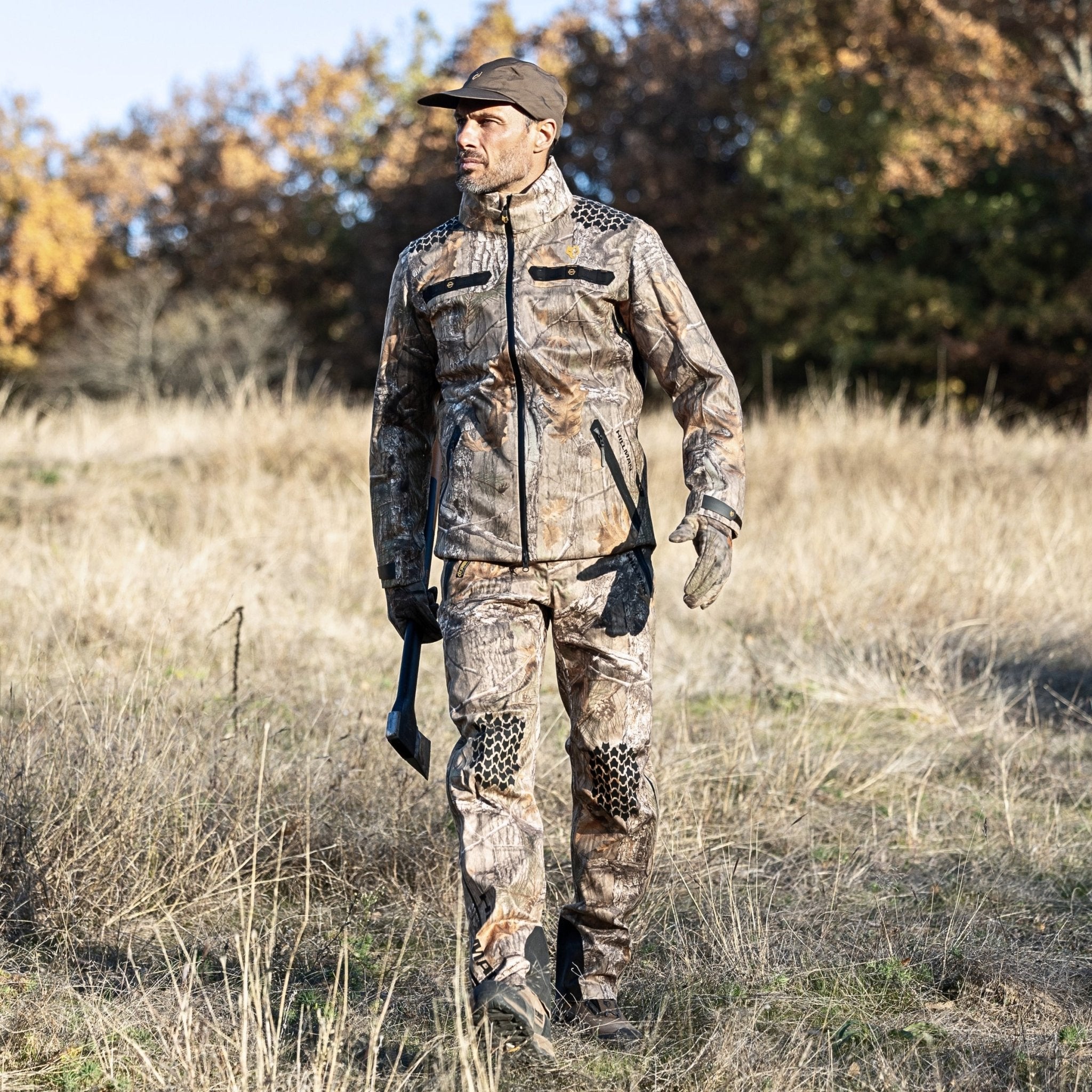
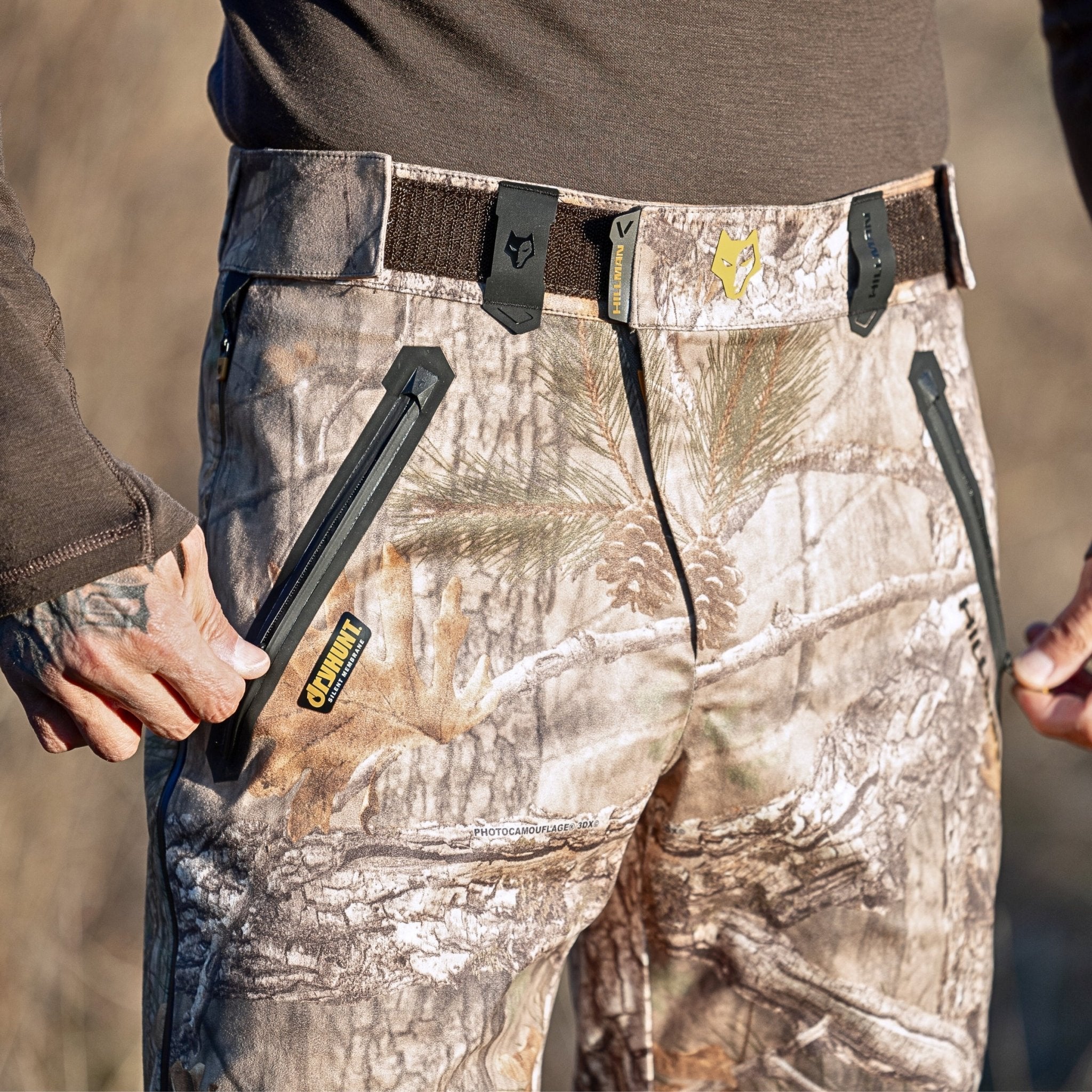
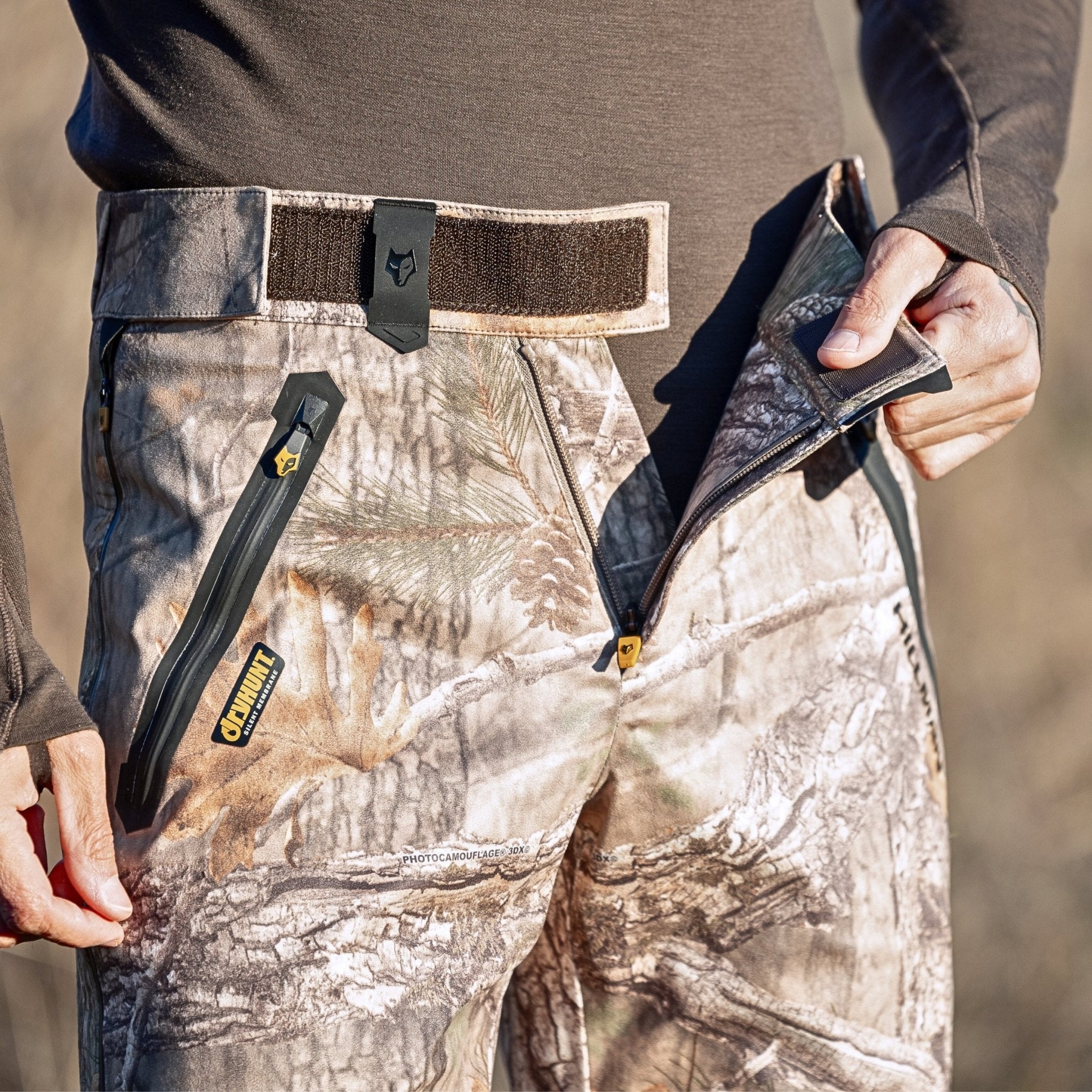
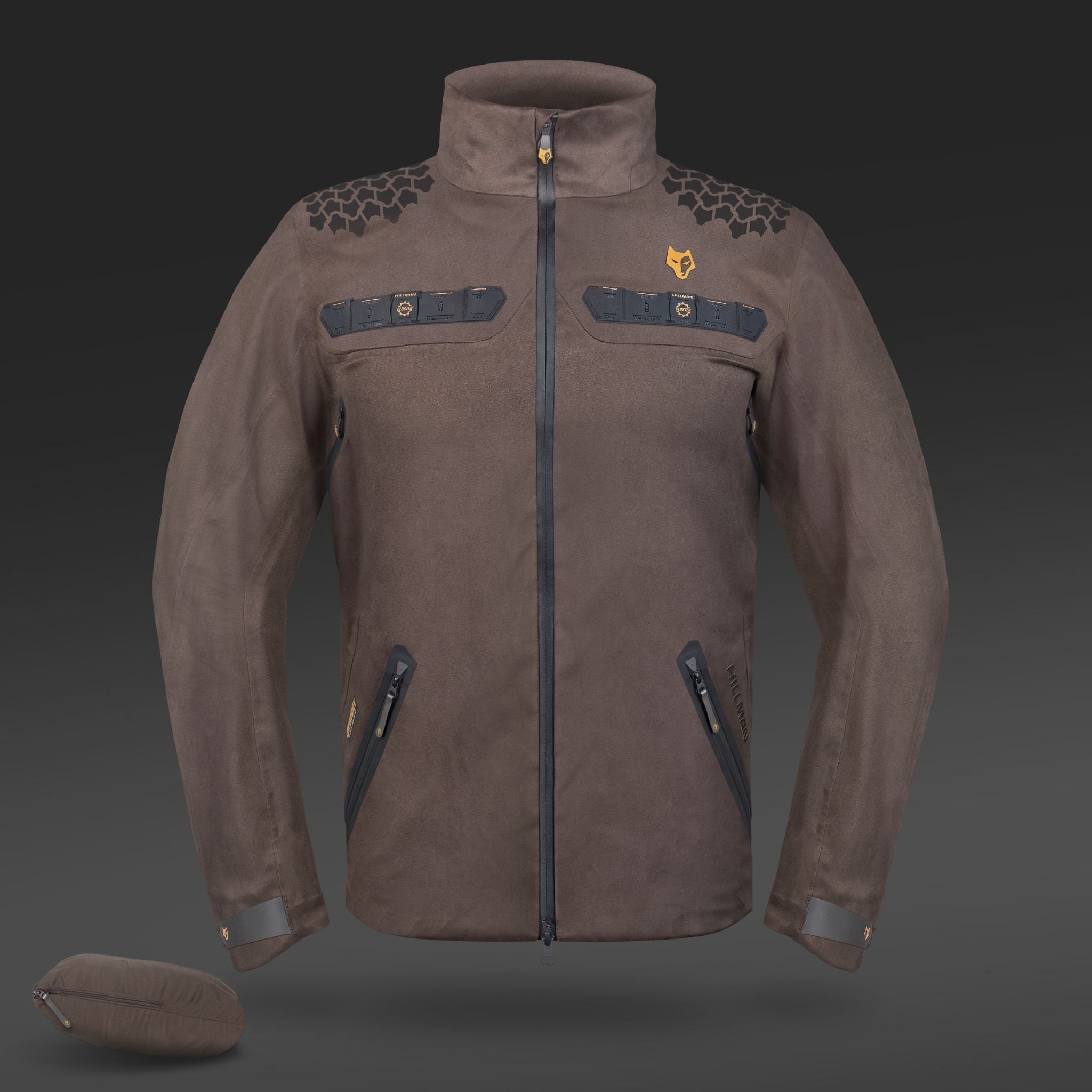
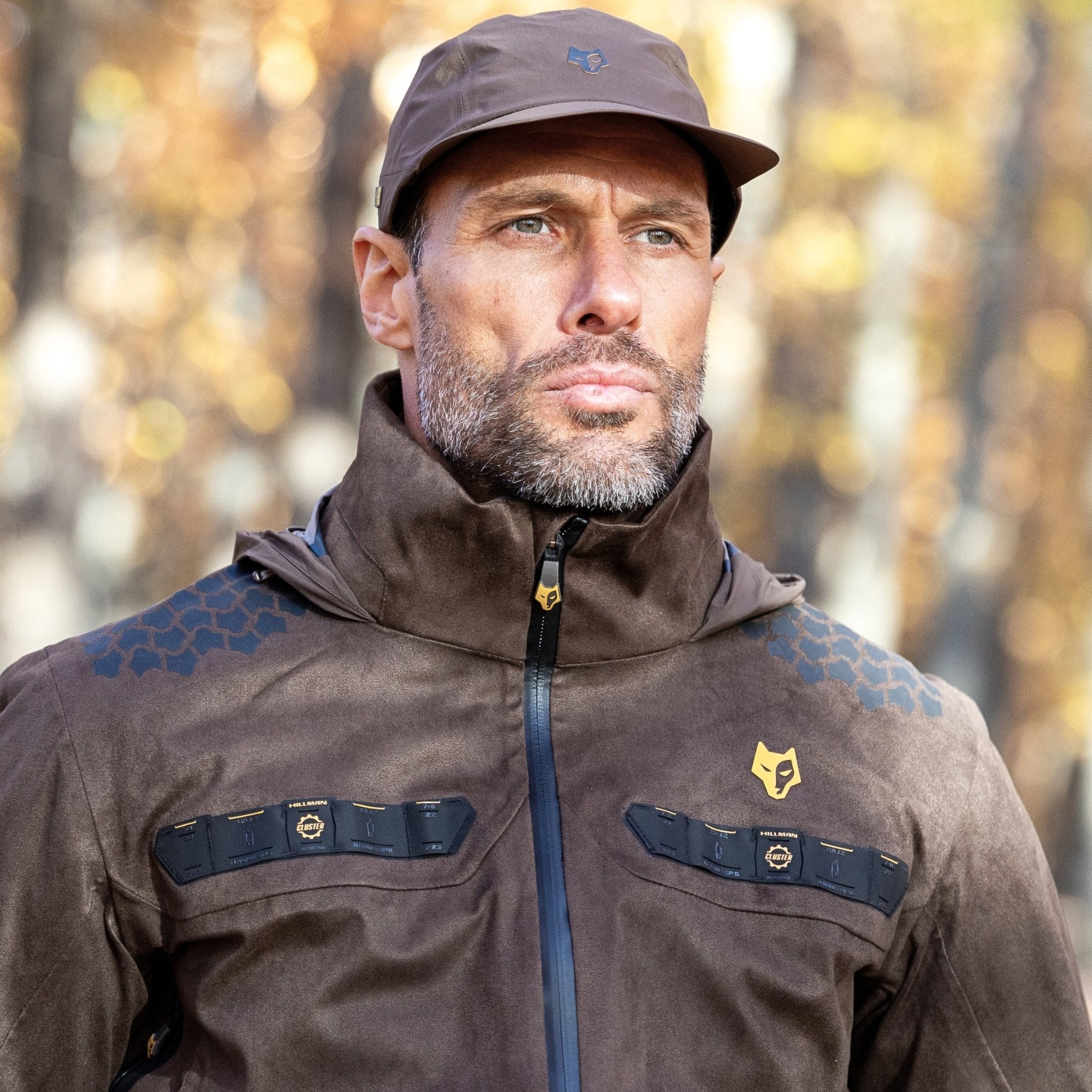
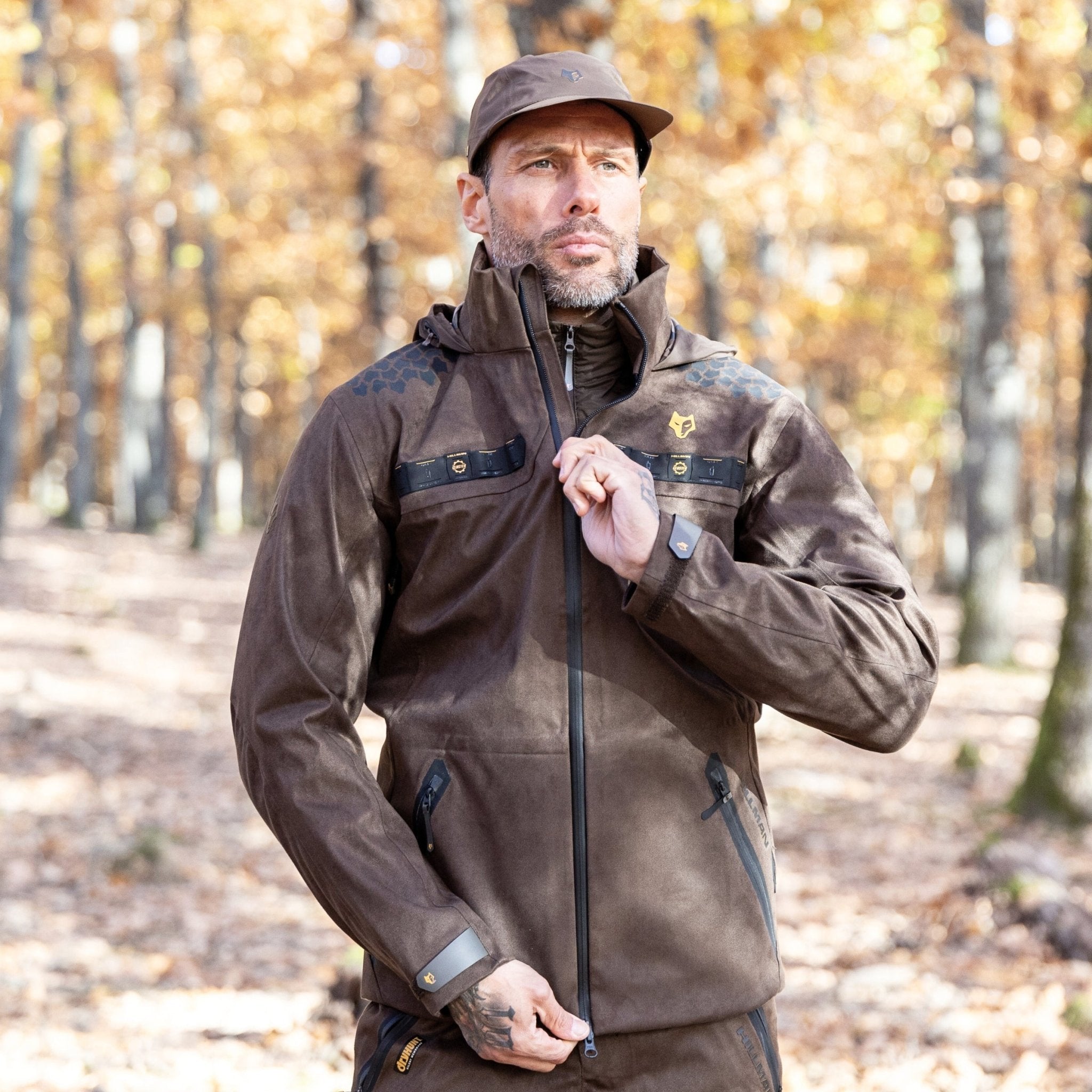
This is where technical stalking clothing earns its keep. Hillman gear is built around that balance: weather protection, quiet movement and comfort when you have to sit still for hours.
Weather Protection Means More Than “It Might Rain”

People often think weather protection just means a waterproof jacket. It is more than that.
You may start with a dry morning and still end up wet. Wet ground, dripping trees, fog, heavy rain, cold wind, damp seat rails, long grass, mud on the way in. The forecast can look harmless and the stalking ground can still be soaked.
Full weather protection means the clothing handles real conditions, not just a neat little shower. You need waterproof protection from rain and wet cover. You need wind resistance when the high seat is exposed. You need breathability when conditions shift and your body temperature keeps changing.
The best stalking jackets are not always the thickest jackets. Thick can be clumsy. Heavy can be sweaty. What matters is staying dry, staying quiet and staying able to move without fighting your gear.
General hunting clothing can work, but stalking gear needs to be more specific. It has to suit slow movement, long waits and close quarters where noisy fabric is a real problem.
Use Vents Before You Are Already Sweating

Vents are there for a reason. Use them early.
Pit zips, side vents, thigh vents and breathable panels help dump heat before sweat builds up. Do not wait until your base layer is wet. By then, you are already behind.
If you are walking uphill, crossing wet ground, pushing through woodland stalking routes or carrying extra gear, open the vents. Let heat out. Keep the body temperature under control.
Before you sit, close them. Simple.
A proper layering system is not only about owning the right layers. It is about using them at the right time. Base layer moves moisture. Mid layer gives warmth. Outer layer blocks wind and rain. Vents stop you overheating while moving.
Miss that and the whole setup gets worse.
Match Clothing to the Stalking Ground

Camouflage helps, but it is not magic. Deer still see movement. They still notice a bright shape. They still hear noise.
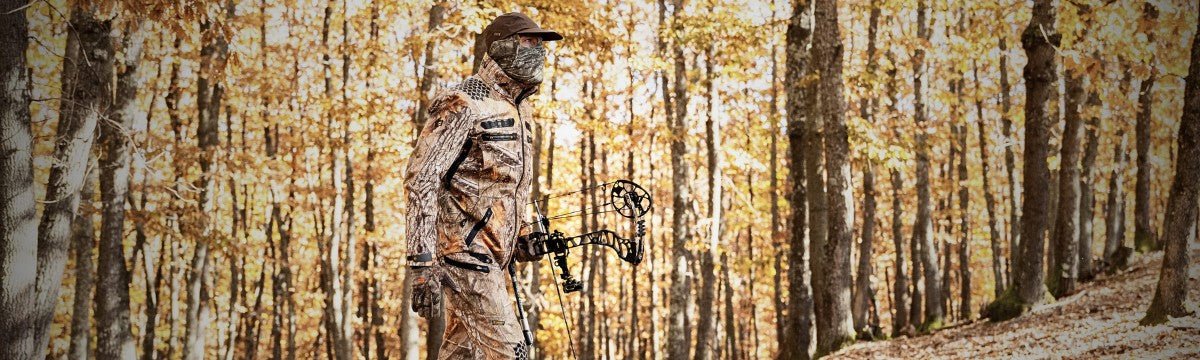
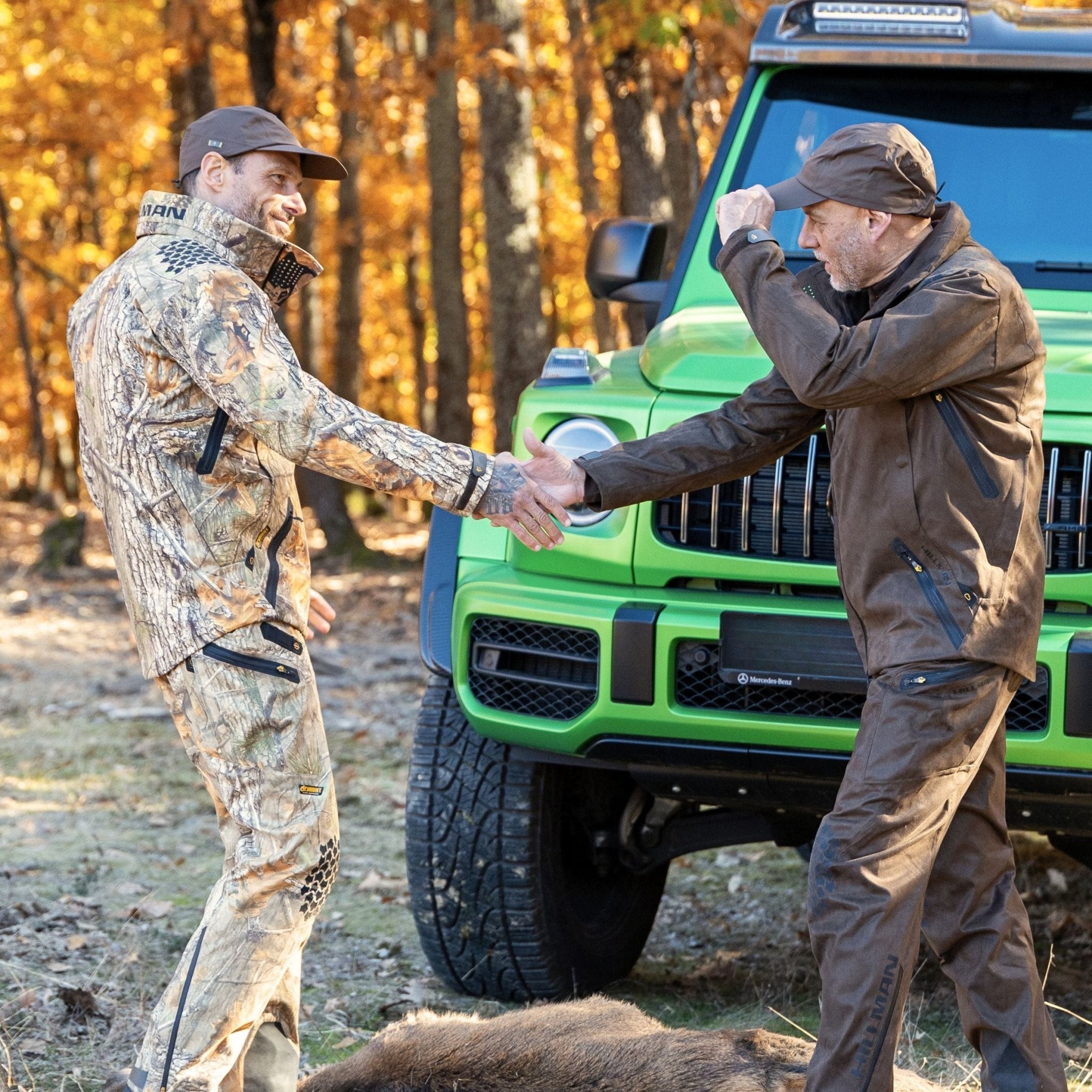
For woodland stalking, dark green, brown, muted camo and dull natural colours usually work well. You want to break up your outline and disappear into the background a bit. You do not need to look like a showroom mannequin. You need to not stand out.
Use the terrain. Sit with a dark background behind you where possible. Avoid sitting against the skyline. Let branches, trunks, shadow and ground cover help.
In open ground, heavy camouflage is not always needed, but low-key colours still matter. Bright clothing can draw attention fast unless safety rules demand it.
Match your clothing to the stalking ground. Wet woodland, rides, hill edges, open ground and mixed cover all feel different. But the basic idea stays the same. Quiet colours. Slow movement. Less shine. Less noise. Less chance of being picked out.
Keep Hands, Feet and Head Warm

Cold hands and feet ruin a hunt quickly. You can have a brilliant jacket and still lose focus because your fingers are numb or your feet are cold.
Take a warm hat. Take gloves that suit the weather. Thin gloves might be fine for the walk in, but not always for the wait. You need to feel the rifle safely, but you also need enough warmth to stop your hands going stiff.
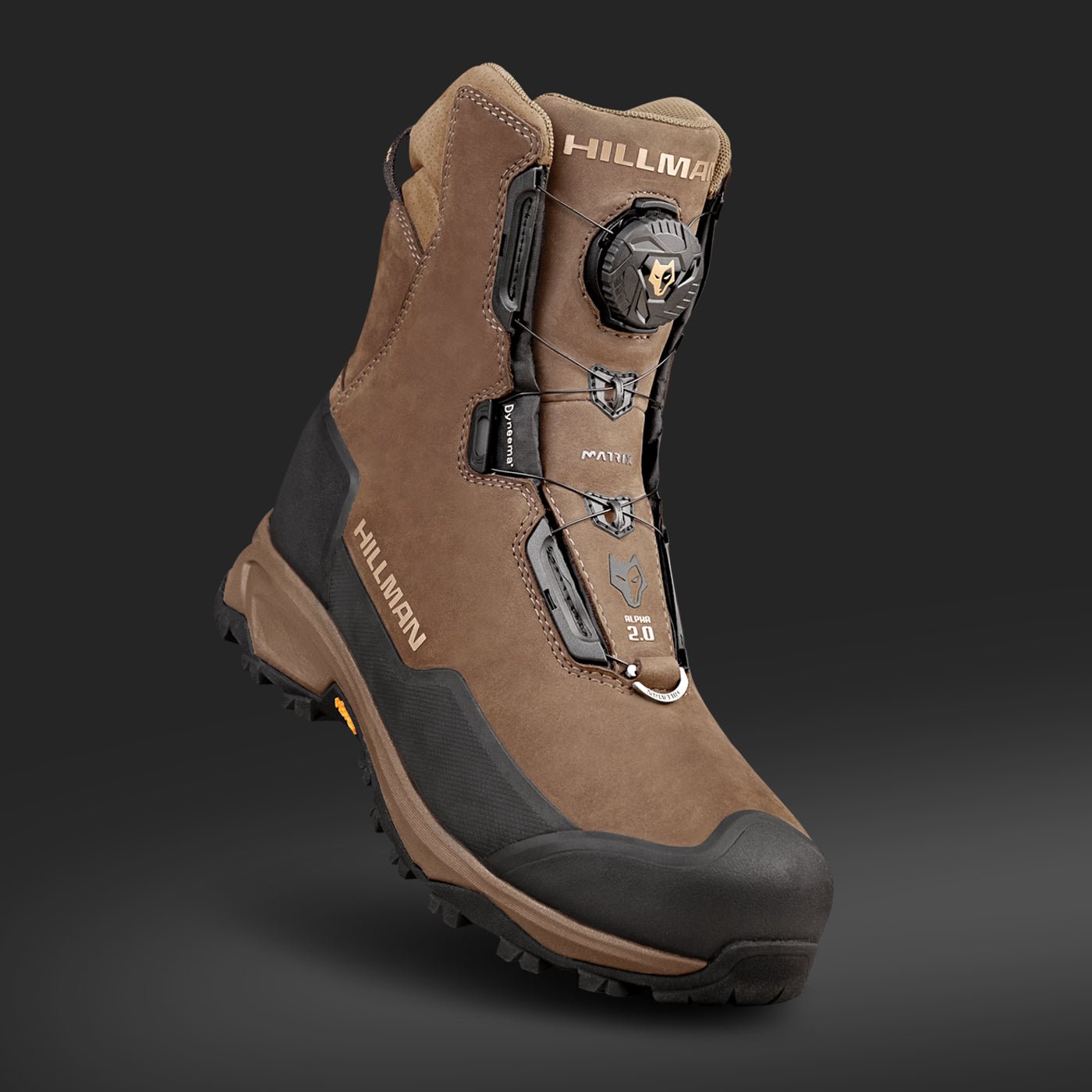
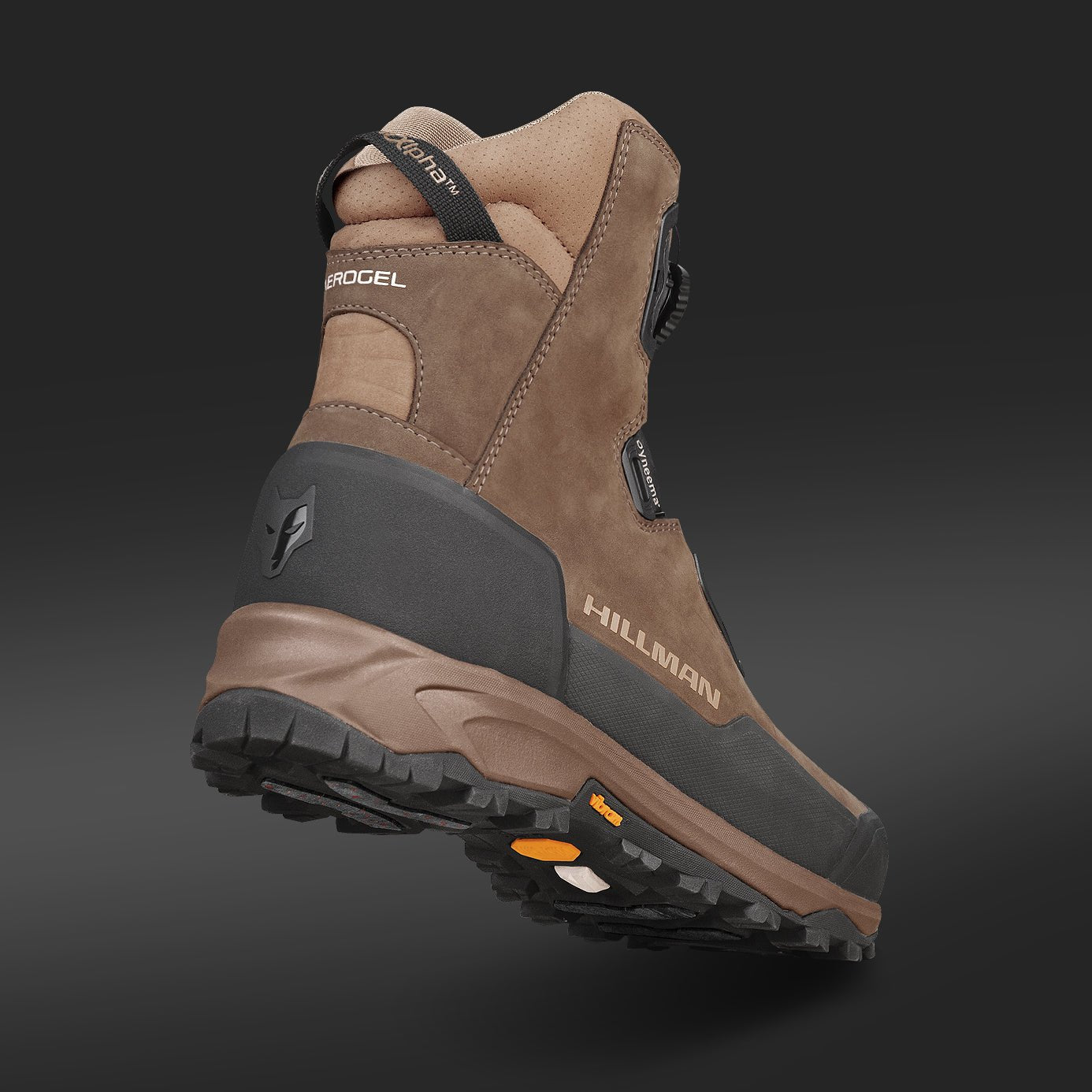
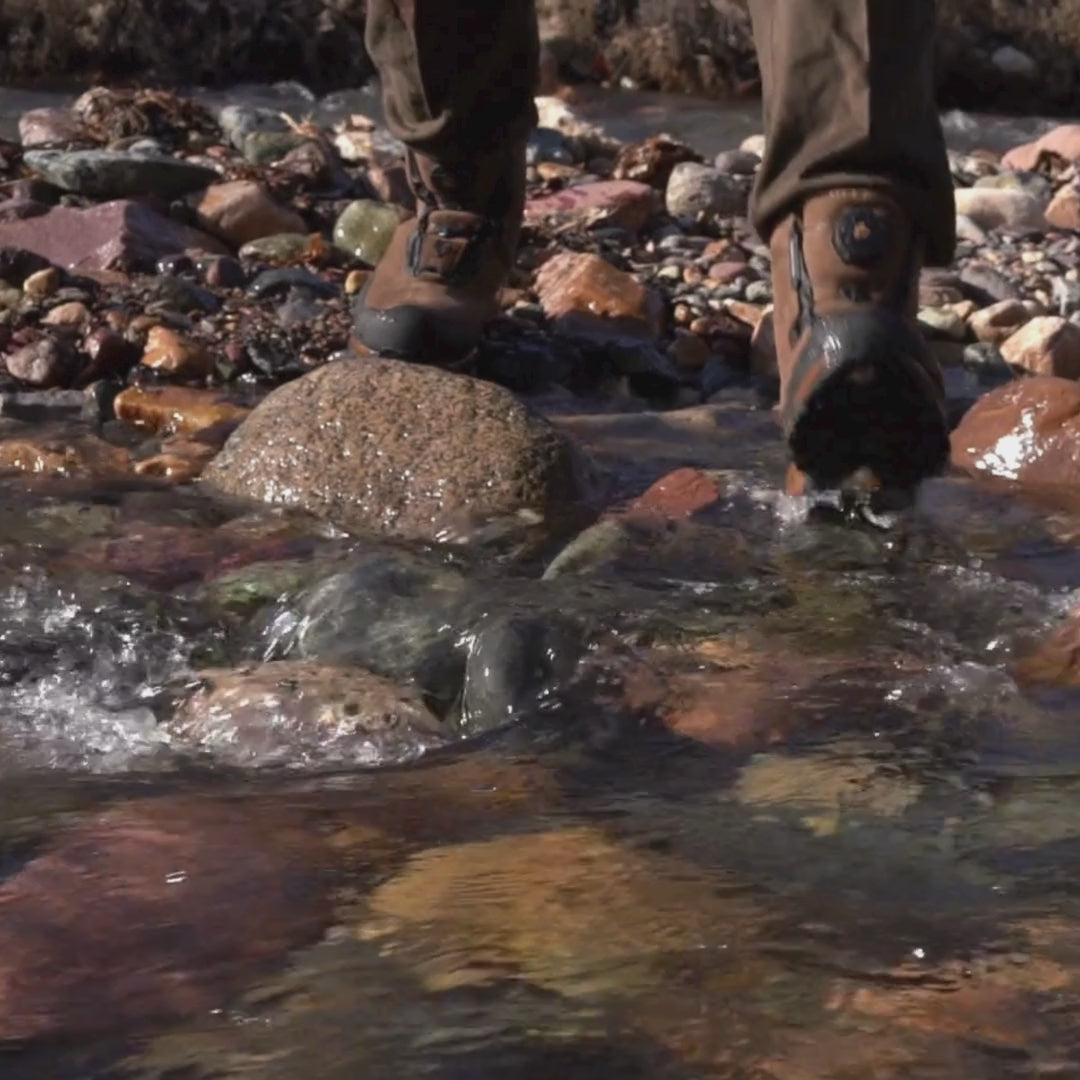
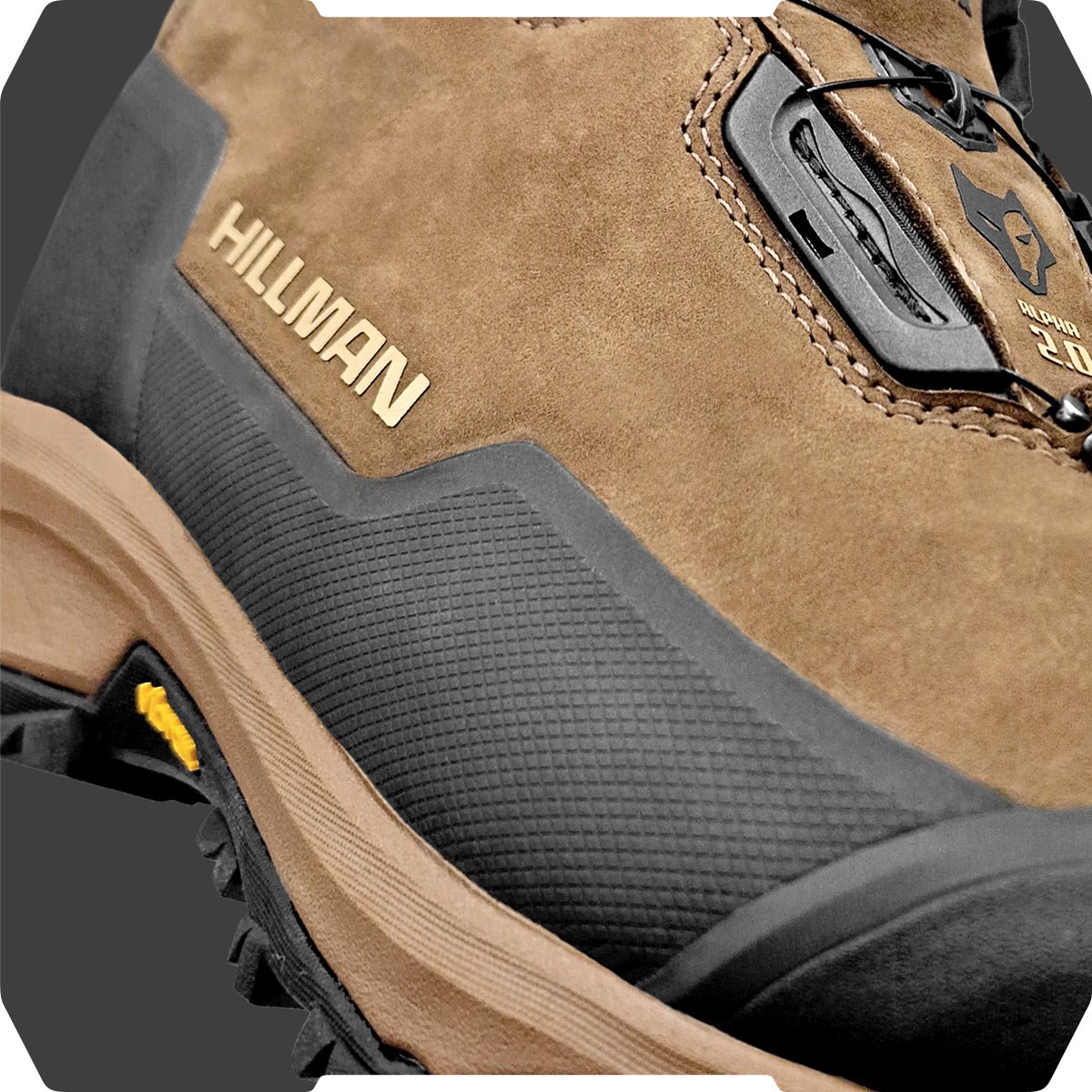
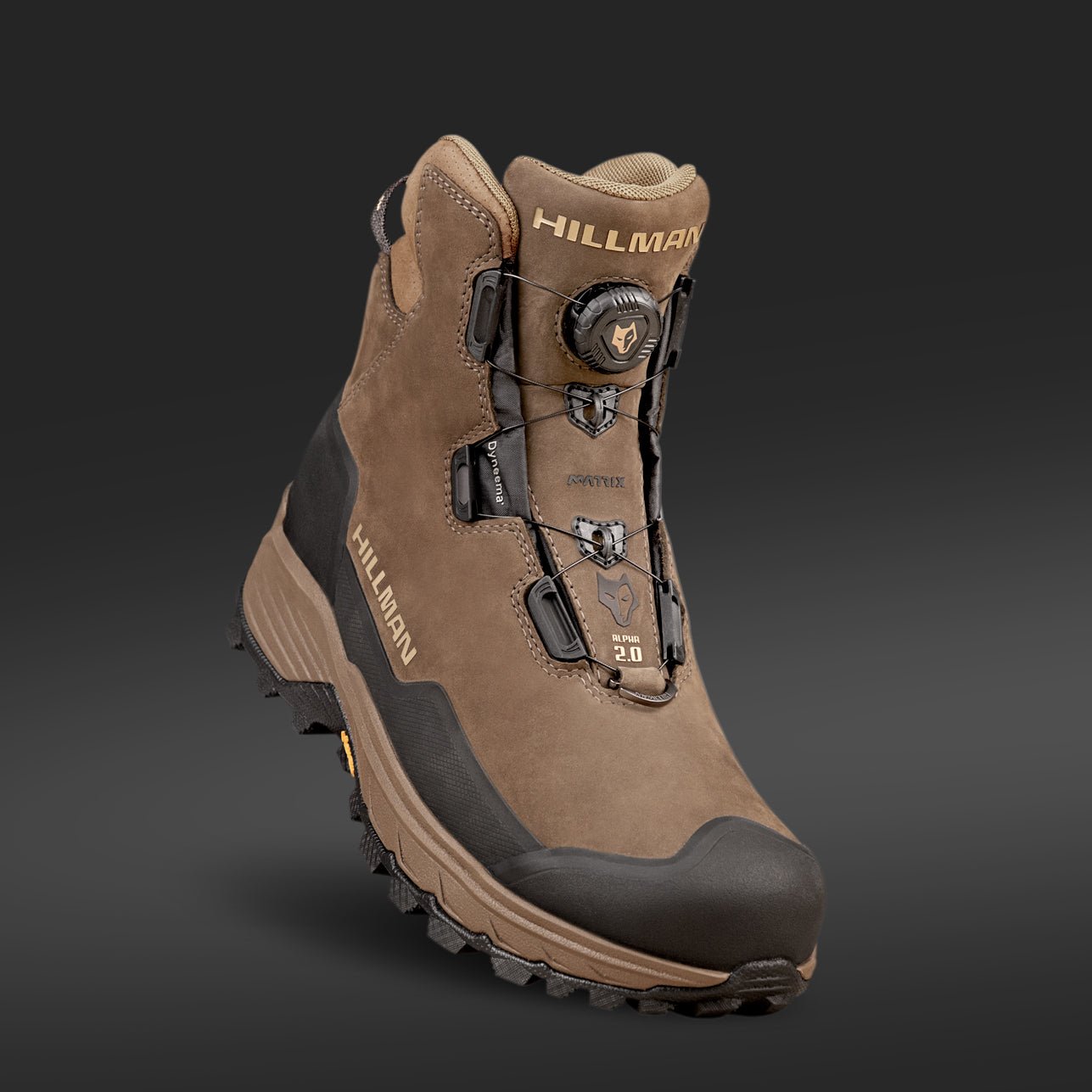
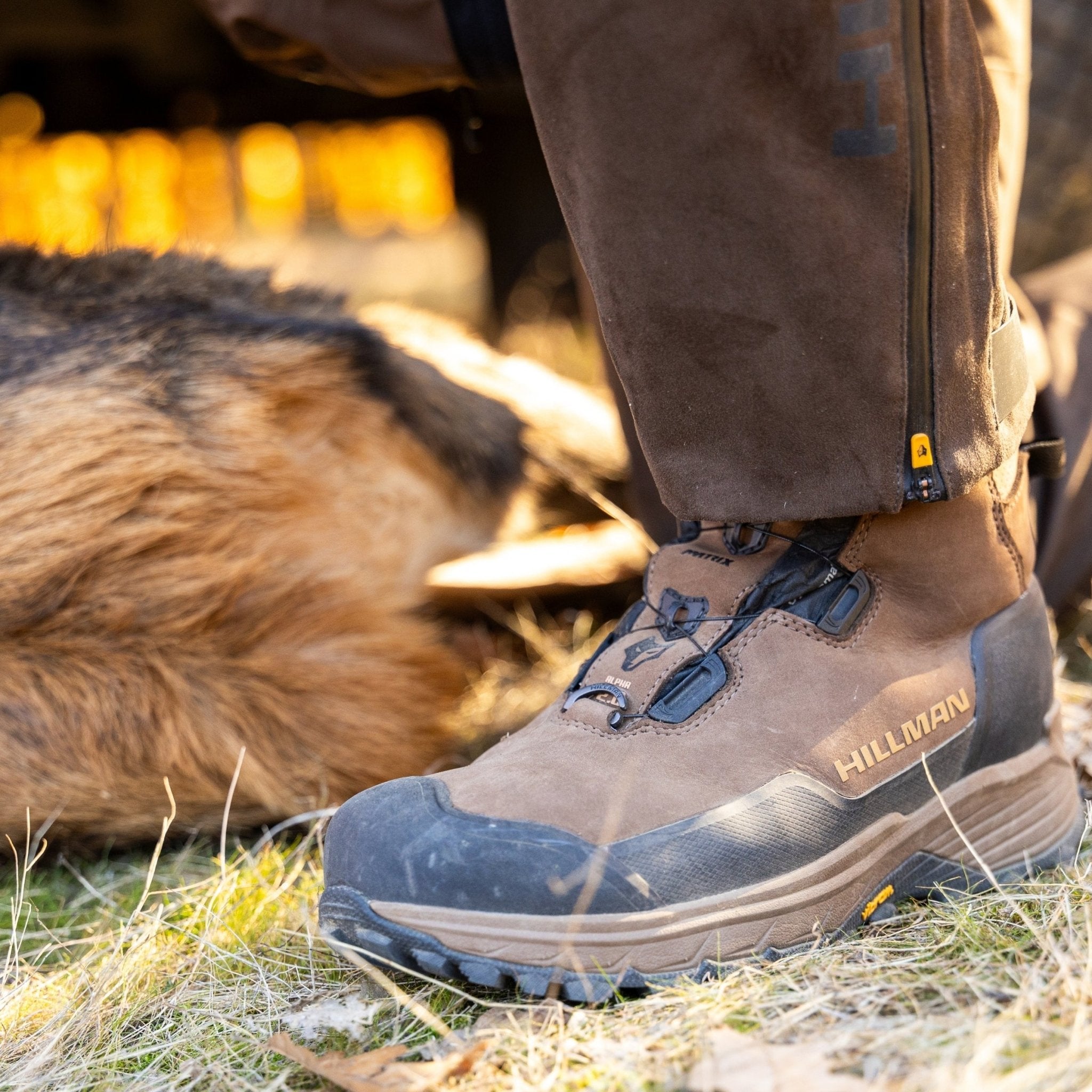
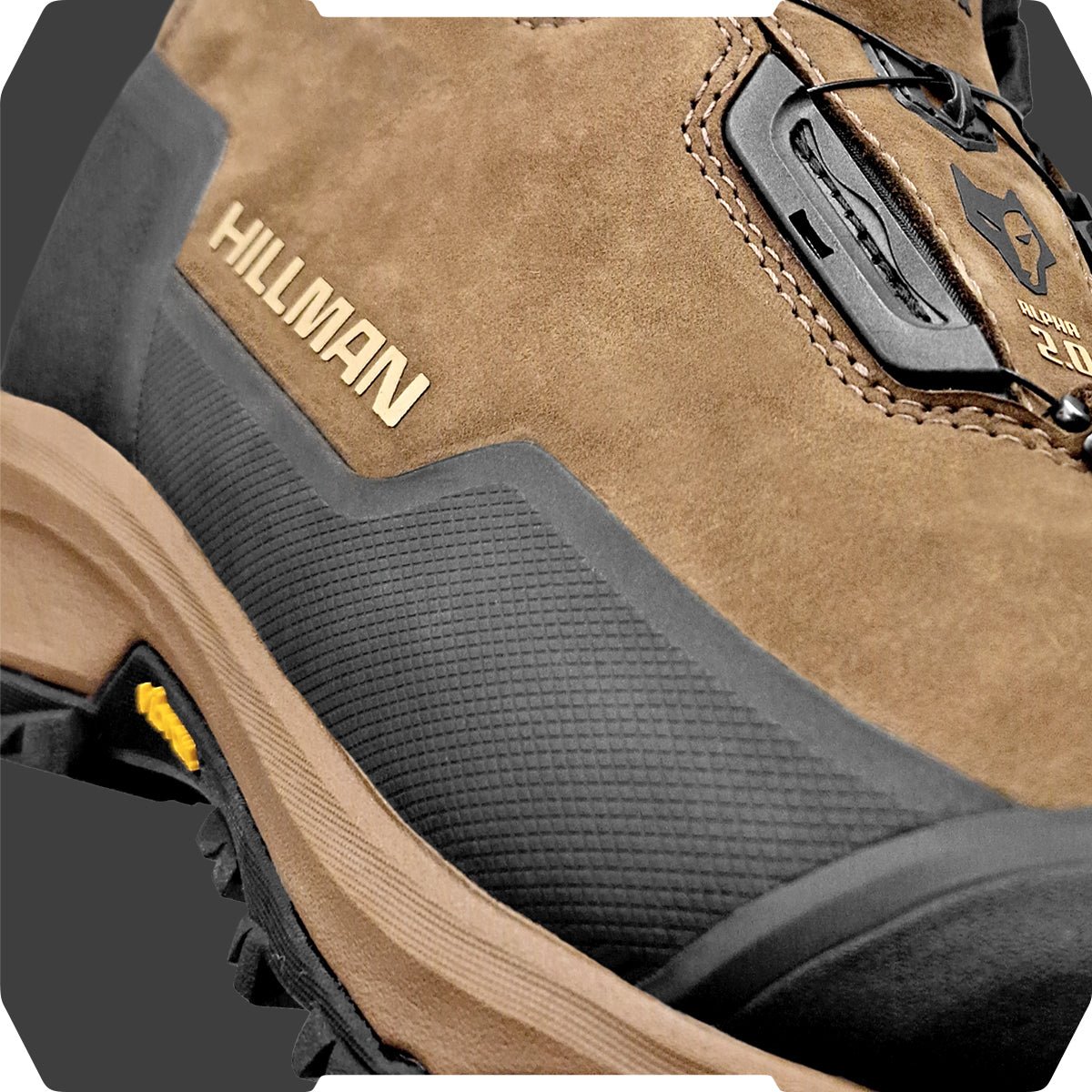
Waterproof boots matter. High seat approaches often include wet grass, mud, roots, banks, ruts and uneven terrain. Bad boots make that worse. Wet feet in a high seat are miserable.
Do not wear boots that are too tight. Tight boots restrict circulation. Less circulation means colder feet once you stop moving. Good socks need space to work. Thick socks crushed inside tight boots will not fix anything.
Dry feet help you stay patient. Wet feet make every minute feel longer.
Pockets, Hood and Fit Matter More Than You Think

When you sit still for long hours, small clothing problems get annoying fast.
A loud pocket zip. A hood rubbing against your ears. A jacket riding up. Trousers pulling tight at the knees. Gloves that make every small job clumsy. None of this feels like a big deal at home. In a high seat, it becomes a pain.
Pockets should be easy to reach without big movement. Rangefinder, gloves, spare ammo, phone, calls and small gear should be where you can get them quietly. If you have to dig around like you are searching through a toolbox, the pocket layout is wrong.
The hood should protect from rain and wind, but not make you deaf. Hearing matters. You may hear deer before you see them.
Fit is most important when seated. Try the full setup sitting down, not just standing up. A jacket that feels fine in front of a mirror can pull across your lap, shoulders or arms once you are in position. You need room to turn, aim and remain comfortable without dragging fabric everywhere.
Dress for Changing Conditions, Not the Forecast

UK weather is not polite. A dry morning can turn wet. A calm evening can turn windy. A mild walk in can become a cold sit.
So dress for changing conditions, not just the weather app.
Keep the system flexible. Walk in light. Carry warmth. Add layers after you stop. Keep waterproof protection ready. Use vents. Avoid cotton. Pack spare gloves or socks if the ground is ugly or heavy rain is likely.
You do not need every layer on from the vehicle. That is how people sweat before the real waiting starts. You need to use the right layer at the right time.
That is the difference between feeling comfortable and sitting there cold, damp and distracted.
A Simple High Seat Layering System That Works
Start with a moisture-wicking base layer. Wear light stalking clothing over it for the walk in. Keep the mid layer packed unless it is properly cold.
When you reach the high seat, pause. Let the heat settle. Then add the mid layer. Put on gloves and a hat before you get cold. Close vents. Sort your pockets. Settle down quietly.
The outer layer should be quiet, waterproof, windproof and roomy enough for the layers underneath. Boots should be waterproof and not tight. Socks should stay warm and dry. Colours should suit the stalking ground: dark green, brown or muted camo usually does the job.
Do not walk in dressed like you are already freezing. Do not sit down sweaty. Do not wear noisy fabric. Do not trust cotton. Do not ignore cold feet.
Walk in cool. Sit warm. Stay dry. Stay focused.


Share:
Best Clothing for Walked-Up Grouse Days: Light and Tough