
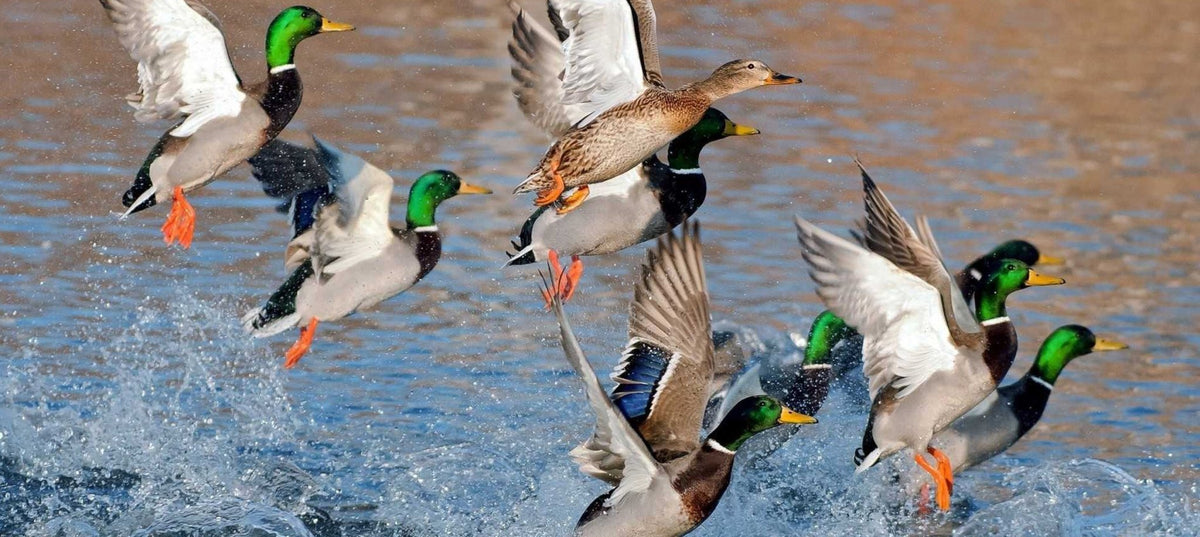
Wildfowling Clothing for Mud, Wind and Long Waits on the Foreshore

Wildfowling clothing for mud, wind and cold foreshore waits. Waders, jackets, gloves, socks and kit that works.
Wildfowling clothing for mud is not about looking tidy. Nobody on the foreshore cares if your jacket looks smart in a photo. What matters is simple: can you get across wet marsh, soft mud, cold water and rough ground without ending up soaked, cold and annoyed before anything even flies?
A jacket can feel fine outside the house. Then you sit in rain for an hour and find out it is rubbish. Trousers can feel strong on dry grass, then turn heavy and cold once mud and salt water get into them. The foreshore is good at showing up weak kit. It does not take long.
This kind of shooting is harder on clothing than many people expect. You get wind, rain, sloppy mud, cold water, long periods of sitting still, then sudden movement across a creek or along a muddy edge. Shooting clothing has to deal with all of that without rustling, trapping sweat or making you move badly.
Good shooting gear is there to keep you dry enough, warm enough and free enough to do the job. You may be carrying a gun, cartridges, calls, torch, phone, food and sometimes working with a dog in poor light. If the clothing fights you, the whole outing becomes harder.
Wildfowling is not one neat season with one neat type of weather. Early season can be wet and mild. Later on, cold, snow, rain and sharp wind can all arrive together. That is why the kit has to handle unpredictable weather, not just a dry morning with a bit of breeze.
Shooting Jackets for Wind, Rain and Waiting Around

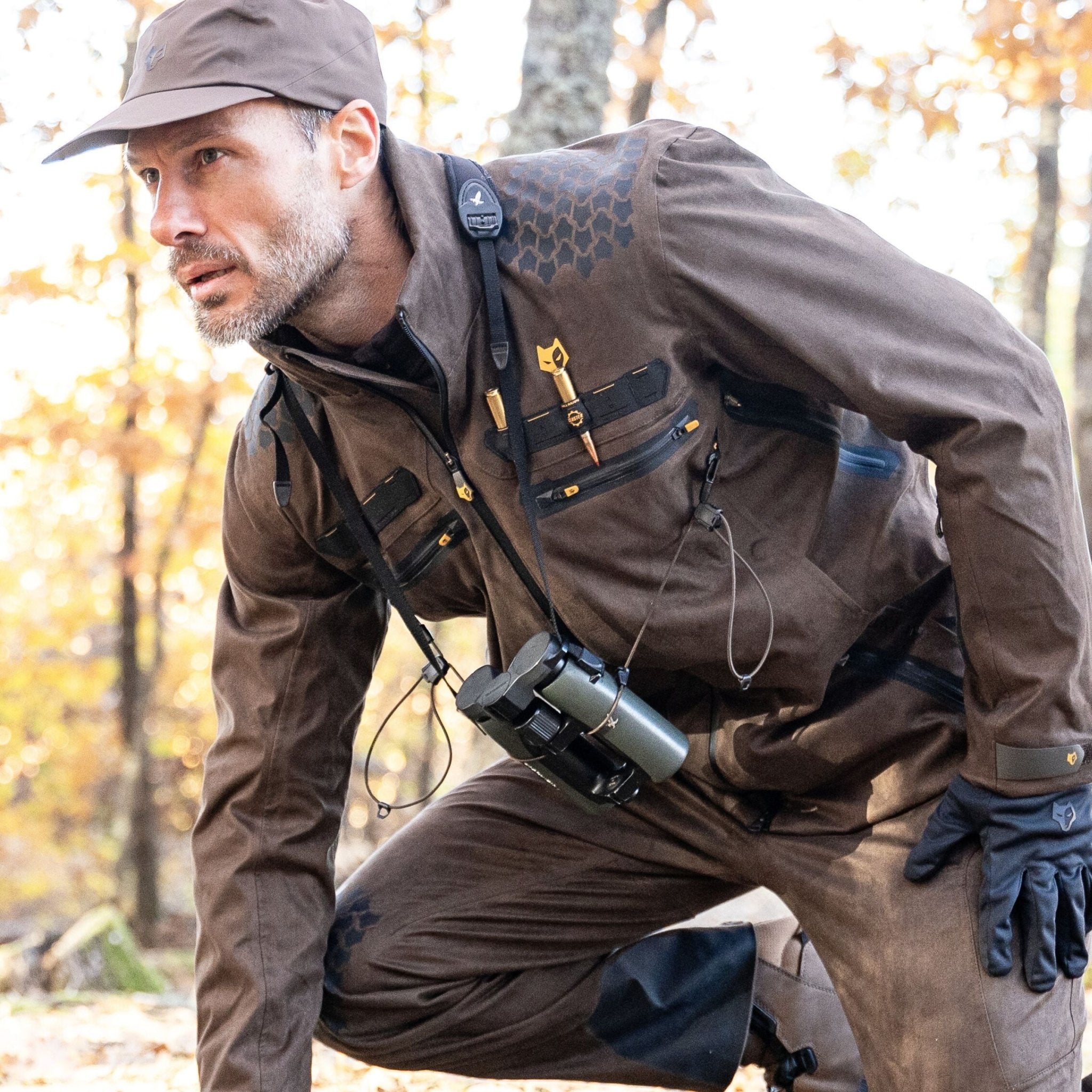
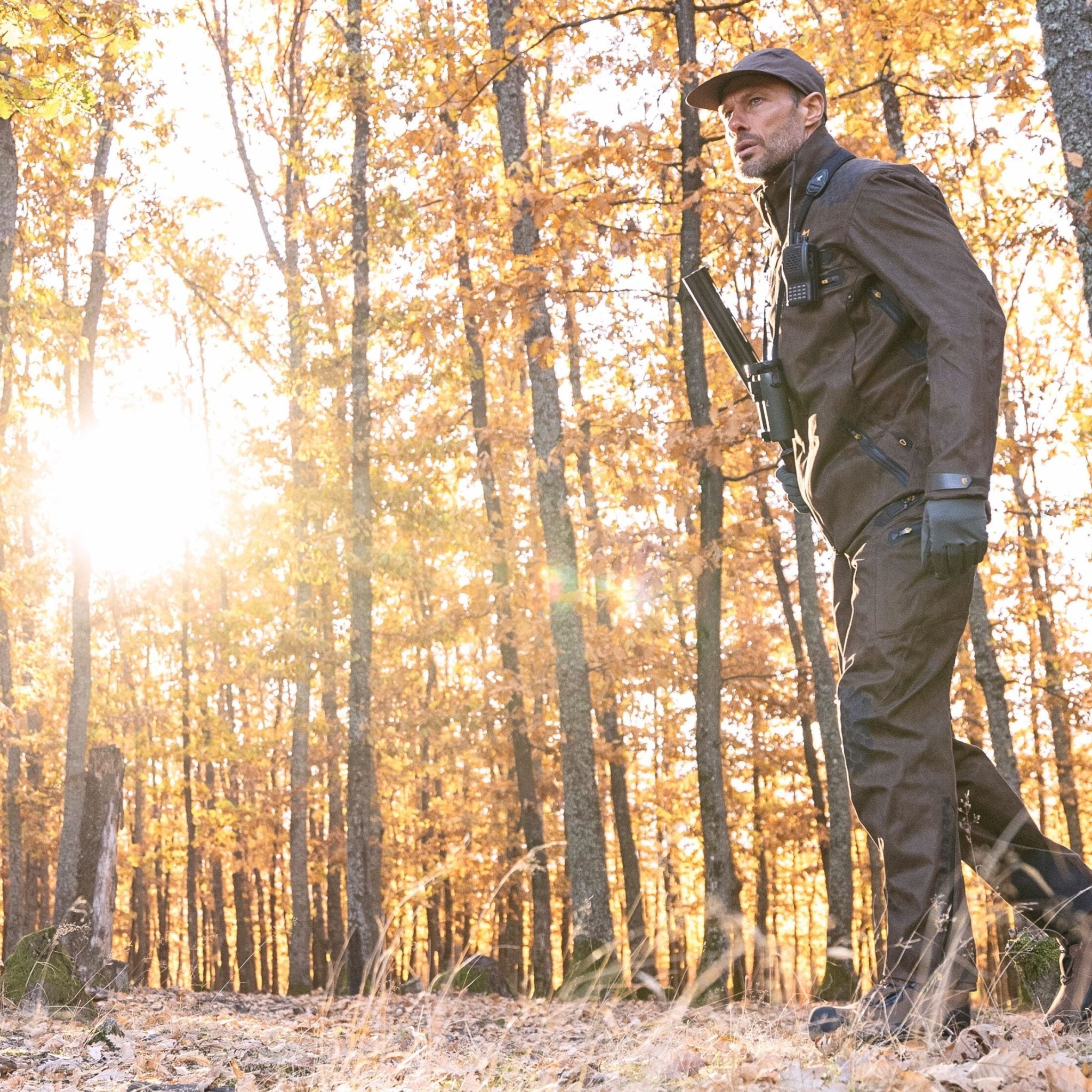
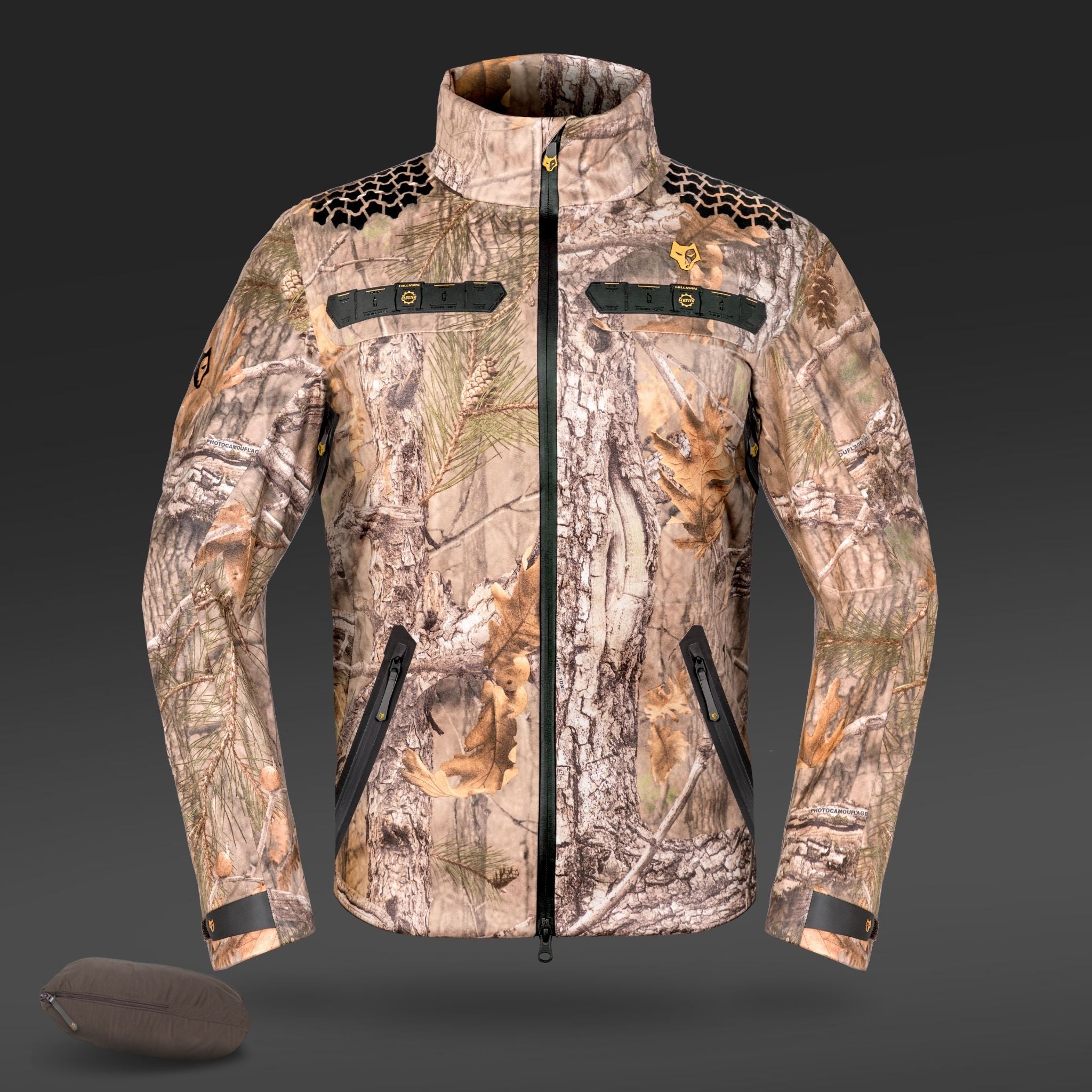
Shooting jackets for wildfowling need to be more than a nice field coat. A tailored fit is fine if you are standing around somewhere dry. On the foreshore, you need waterproof protection, quiet fabric, warmth where it matters and enough length to keep your lower back and seat covered when you kneel, crouch or sit.
Short jackets can feel easy when walking. That is the problem. Once you sit low, they ride up. Your back gets wet. Then the cold starts working through you. After that, you are thinking about your jacket instead of the birds.
The best jackets for this kind of hunting experience are built to withstand bad weather. Waterproof and breathable materials matter because wildfowling is never one steady pace. You sweat walking out, then cool fast when you stop. If your clothing holds that moisture, you are cold before flight time.
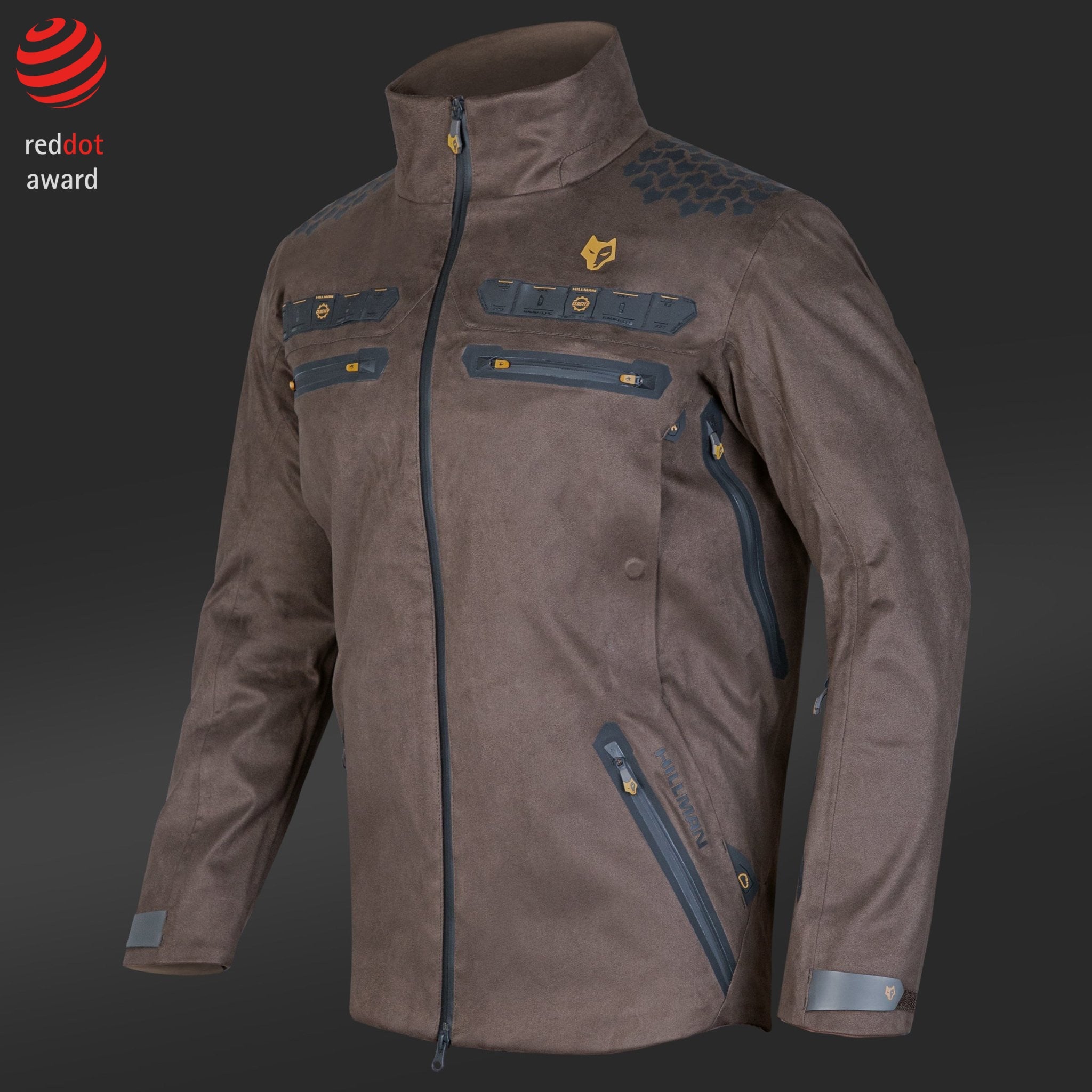
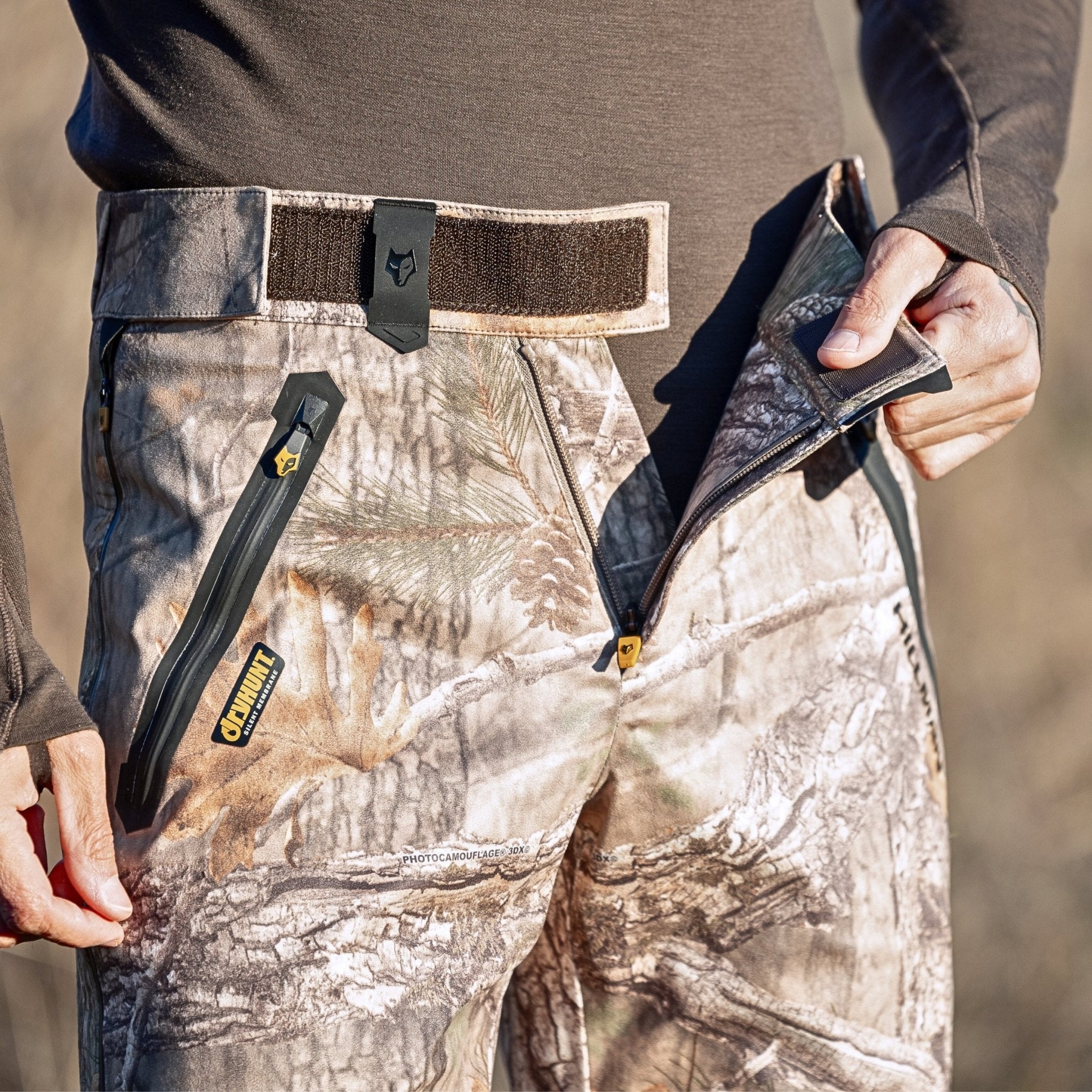
A head-over smock or anorak can make sense. Fewer openings mean fewer places for rain, salt water and mud to get in. Adjustable cuffs, a proper hood, storm flaps and a solid zip matter more than fancy trim. Double zips help when sitting. Big pockets help when you need cartridges, gloves, calls or a small torch without making loads of noise.
Quiet fabric matters too. A noisy jacket is a silly way to lose a chance. Soft brushed fabrics, tricot-style shells and quiet waterproof materials reduce rustle when you lift the gun or reach into a pocket. In wind, poor light and close birds, little sounds still matter.
Some people like tweed for shooting. Fair enough, in the right place. But on open marsh, with salt water, mud and hard rain, tweed is not always the answer. Wildfowling jackets need to be practical first. Looking traditional is no use if you are wet and cold.
Waterproof Trousers and Chest Waders in Soft Mud
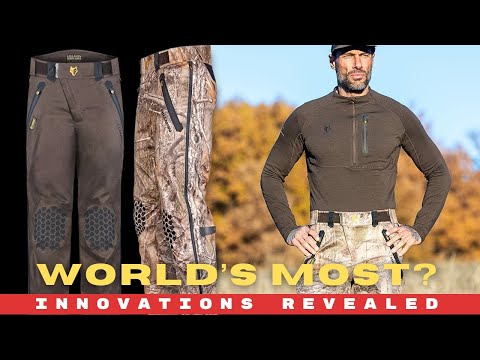
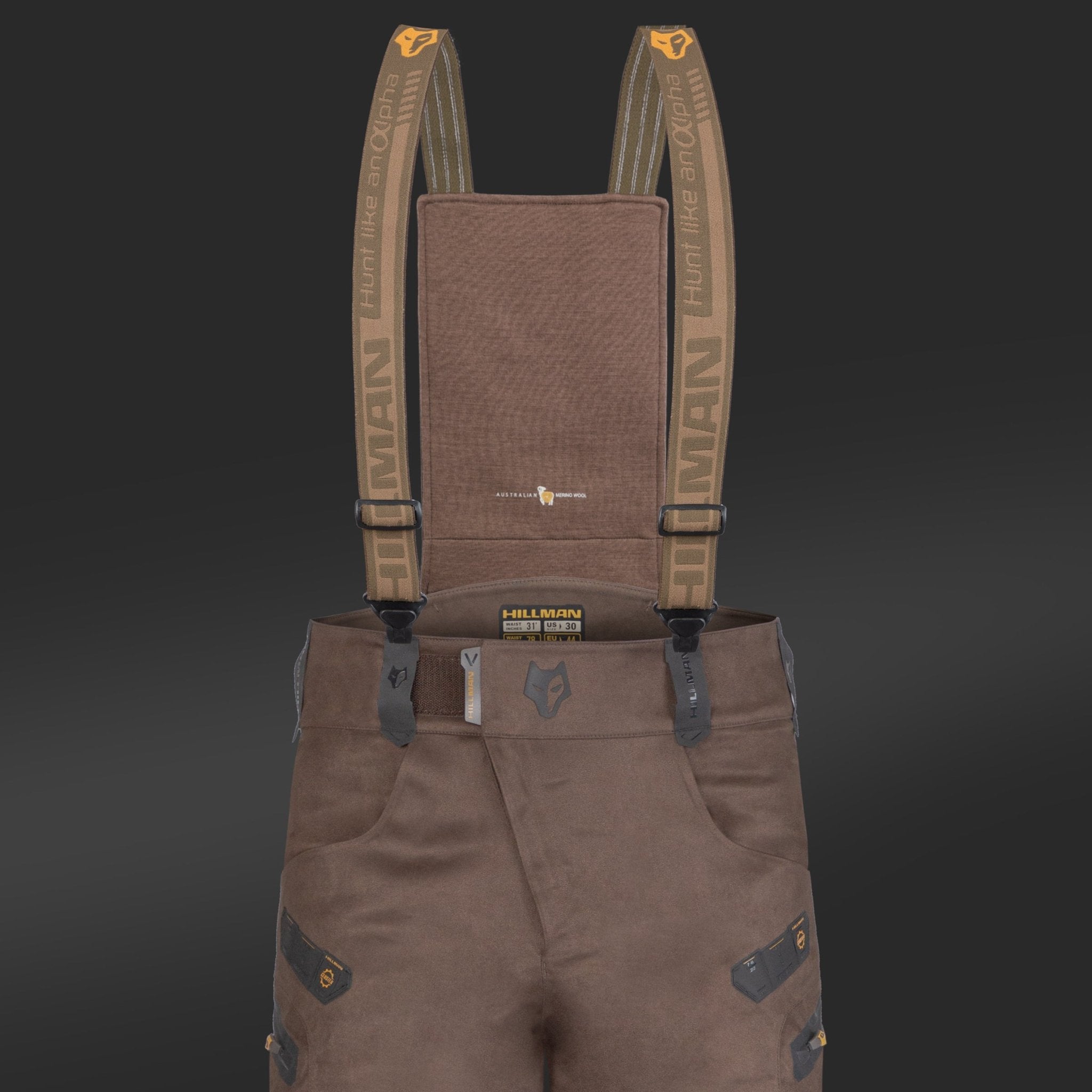
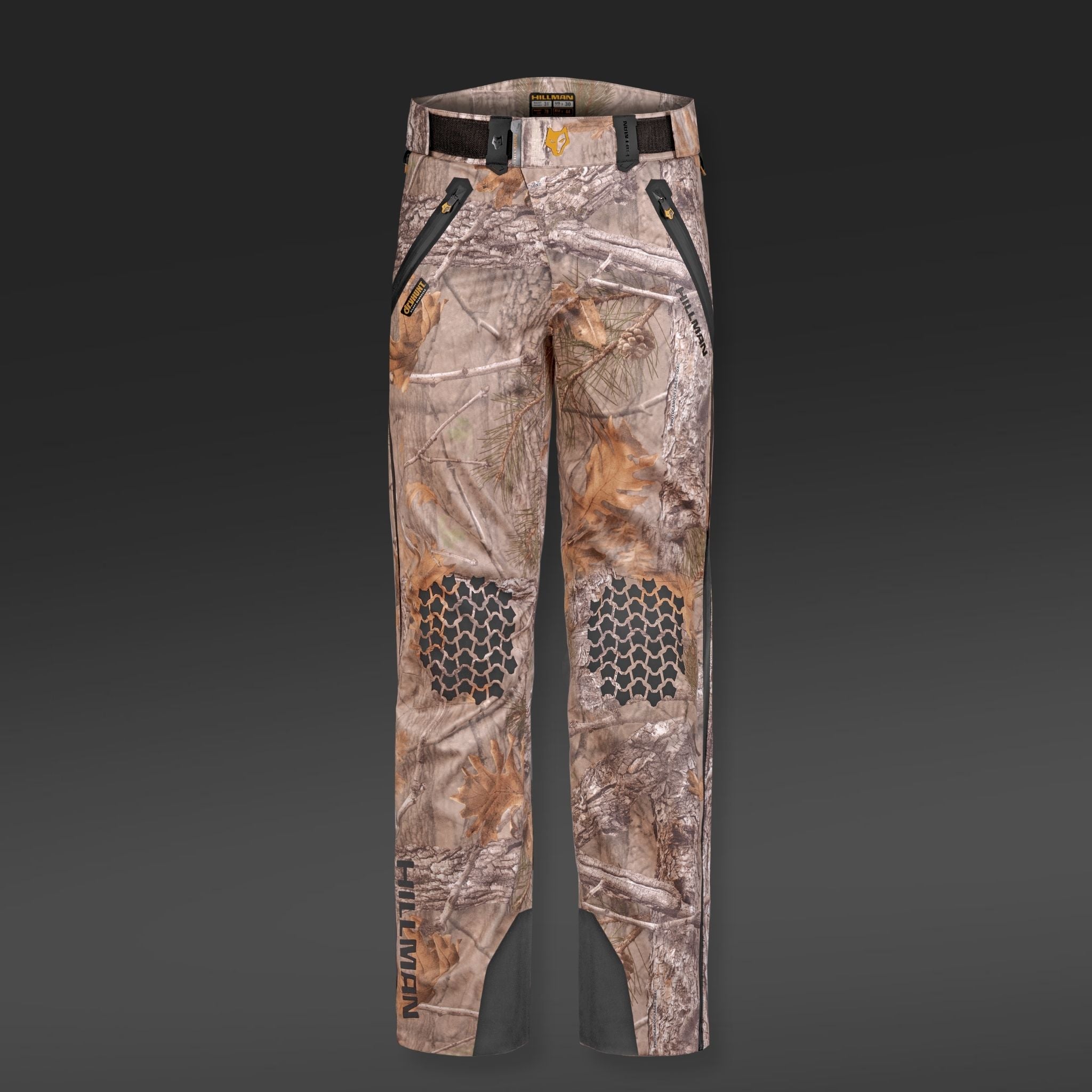
Waterproof trousers have a place. On firm marsh edges, wet grass, stubble approaches or shallow wet ground, they can be enough. They should be tough, flexible and able to shed rain without turning stiff or noisy.
But once soft mud, creeks and deeper water are involved, waterproof trousers are not enough. That is when chest waders or thigh waders become essential equipment, not some extra bit of kit you might take.
Neoprene waders are warm, which helps in the cold season. The downside is heat. If you have a long walk through thick mud, neoprene can make you sweat badly. Then you stop. Then the sweat turns cold. Breathable chest waders are often better when you are moving a lot because they help reduce overheating while still keeping water out.
Breathable chest waders are especially useful around muddy creeks. You can kneel, set up low, handle the dog, choose a spot near the tide line and stay still without water getting in. They need enough room for layers underneath, but not so much loose fabric that it catches, flaps or fills with mud.
Terrain decides the setup. Shallow wet ground may only need waterproof trousers and high boots. Broken foreshore, deep mud and creek systems usually need chest waders. A sturdy wading pole should go with them. It is not decoration. It checks depth and mud before your leg finds out the hard way.
Do not forget that waders are only part of the wider range of wildfowling equipment. They do not fix bad socks, a poor base layer or a weak jacket. One good item cannot carry the whole setup.
Layers That Keep You Warm Without Soaking You From Inside

Cold on the foreshore creeps in. You walk out warm. Sometimes too warm. Then you stop, sit still and the wind finds every damp bit of clothing. That is when bad layering shows up.
Cotton shirts are a poor choice. A cotton shirt might feel fine at first, but it holds sweat. Once you stop moving, that sweat cools and you get cold. Simple as that. Cotton gets wet and stays wet.
A moisture-wicking thermal base layer is a better first layer. It moves moisture away from the skin and gives you a better chance of staying warm during long waits. Over that, fleece or a light insulated mid-layer adds warmth without making you too bulky.
The outer layer does the hard work. It needs waterproof protection, wind resistance and enough breathability to stop the inside getting damp from sweat. Durable breathable membranes help regulate body temperature when you switch between walking, kneeling, sitting and sorting gear.
Do not pile on too many layers just because the forecast says cold. Too much clothing on the walk out can be as bad as too little when you stop. A better way is to carry an extra fleece or medium insulated layer in a waterproof bag and put it on when you reach the spot.
This is where boring kit earns its place. Dry layers, warm socks, hats and gloves are not exciting. They just work. On a cold foreshore, that is enough.
Dirt Camo, Marsh Colour and Staying Hidden

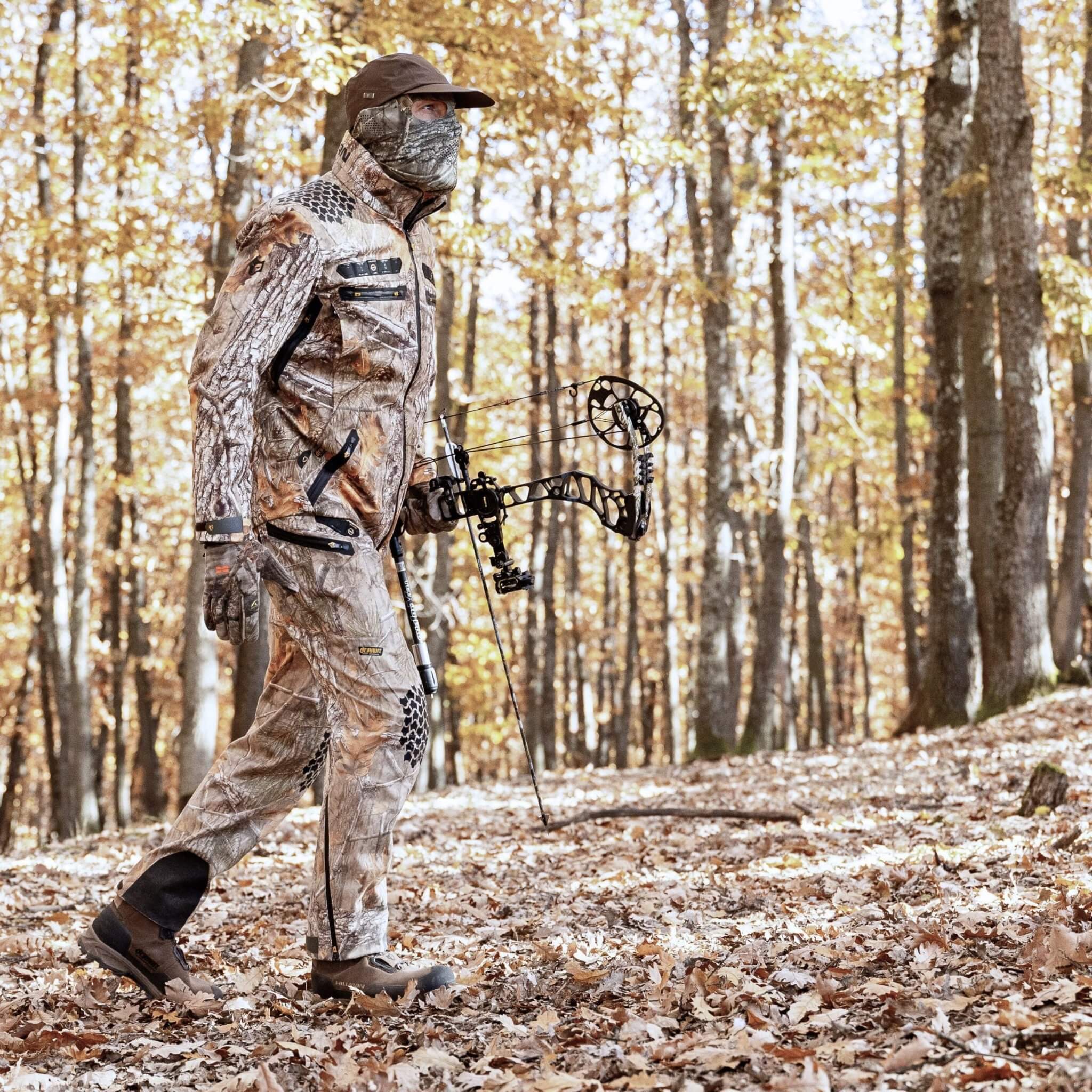
Dirt camo and marsh camouflage make more sense on the foreshore than clean, sharp-looking patterns. Wildfowling is mostly brown mud, dull green marsh grass, dark creek edges and flat winter light. Some woodland pattern works in some places, but on open mudbanks it can look wrong.
Camouflage is not magic. It helps break up the human outline. Birds pick up shape and movement quickly. The colour does not need to be perfect, but it must fit the place. Brown, green, grey and dark muted tones usually work better than blue, pink, bright orange or shiny black kit.
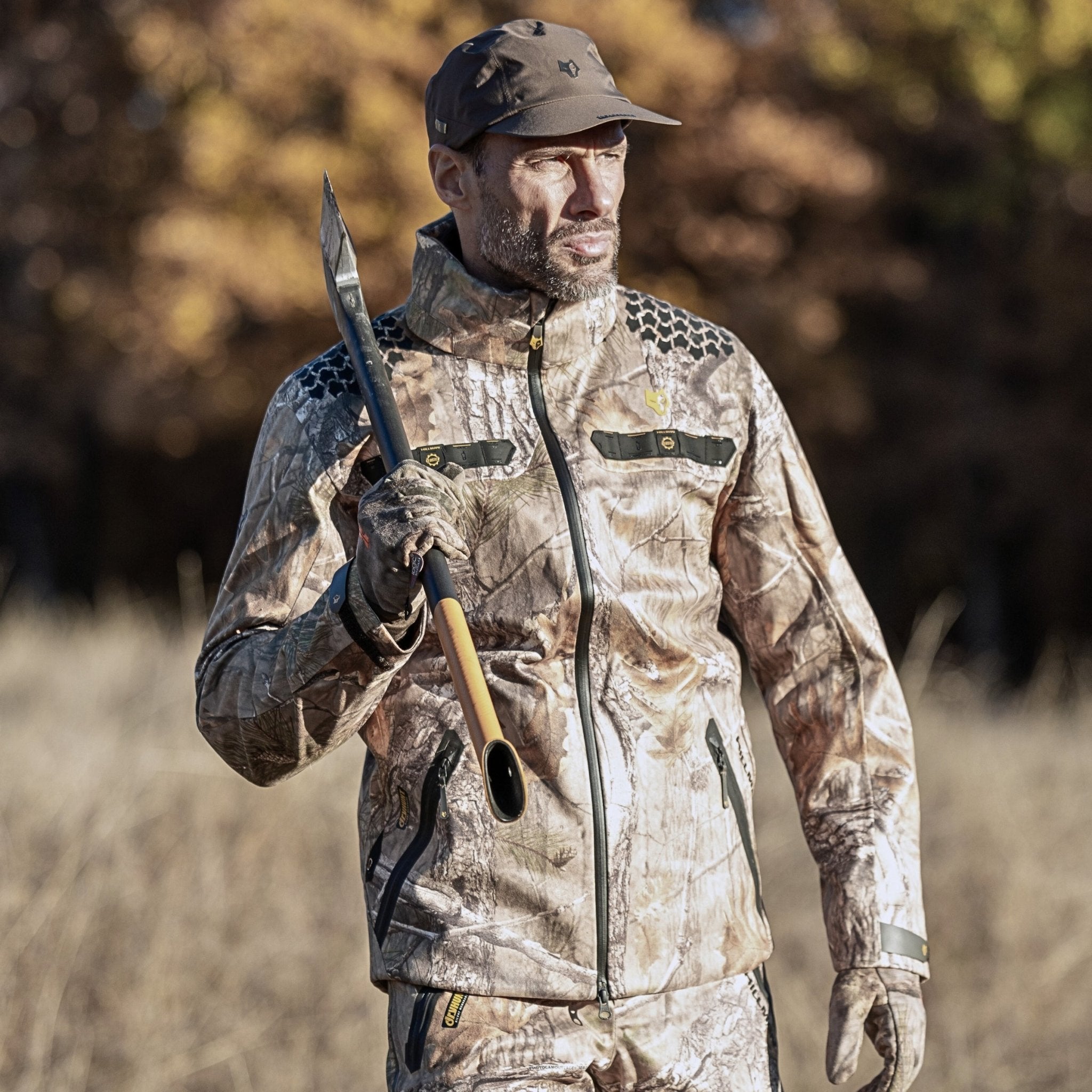
Some camouflage patterns are developed specifically for marsh, reeds and mudbanks. That helps when you are tucked into a bank or sitting low against natural cover. But pattern alone will not save you. Movement, shine and outline matter more.
Bare hands and a pale face stand out badly. People spend money on jackets and then forget hats, gloves and face covering. A warm hat, thin shooting gloves and a darker face cover can finish the setup without adding much weight.
The aim is not to vanish like smoke. It is to look like another dark lump in the marsh. If your clothing catches light, flaps in the wind or looks too clean against mud, birds may spot it.
Practical Features That Actually Matter

Practical features are not little luxuries in wildfowling clothing. They are what stop the whole thing becoming a pain when your hands are cold, light is poor and everything is wet.
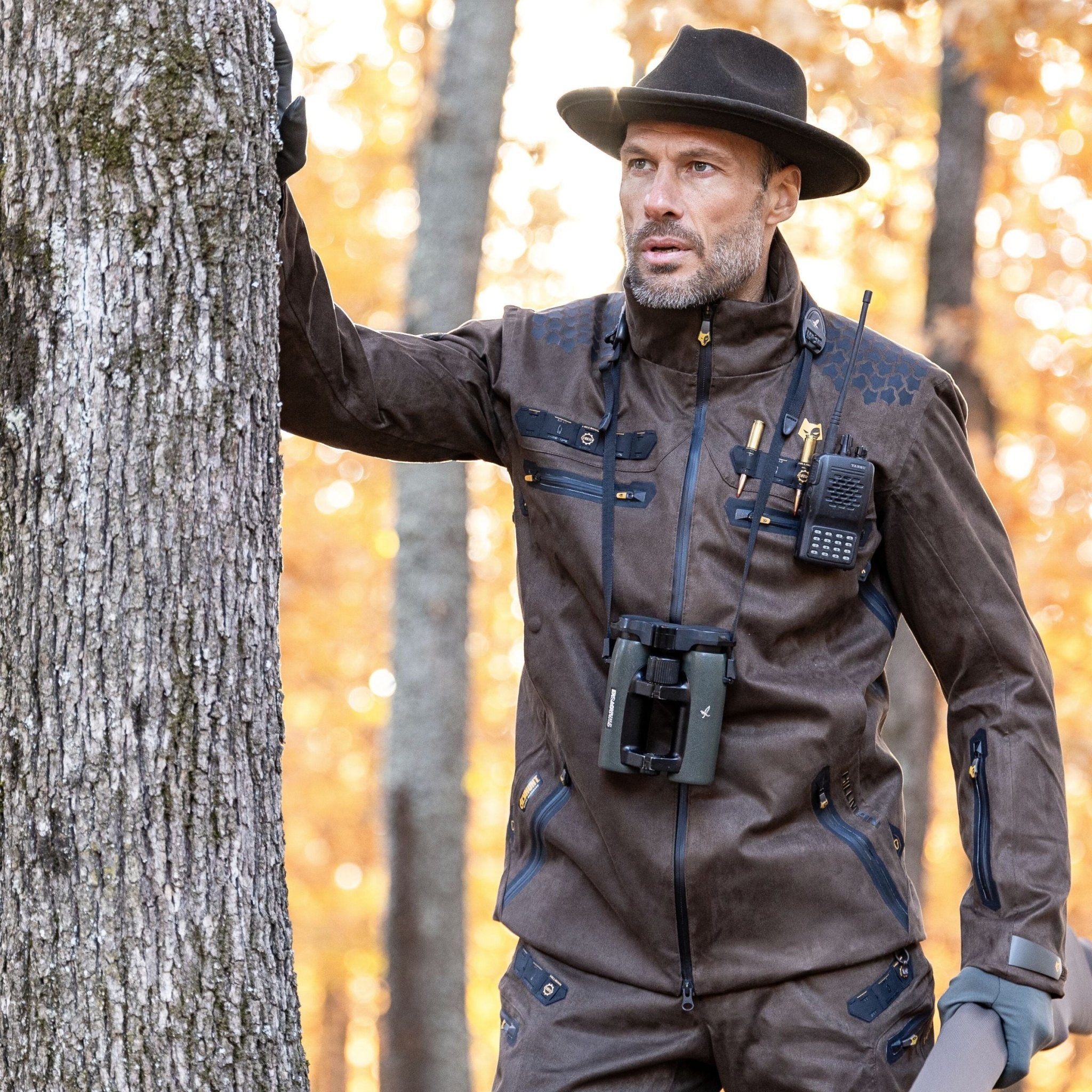
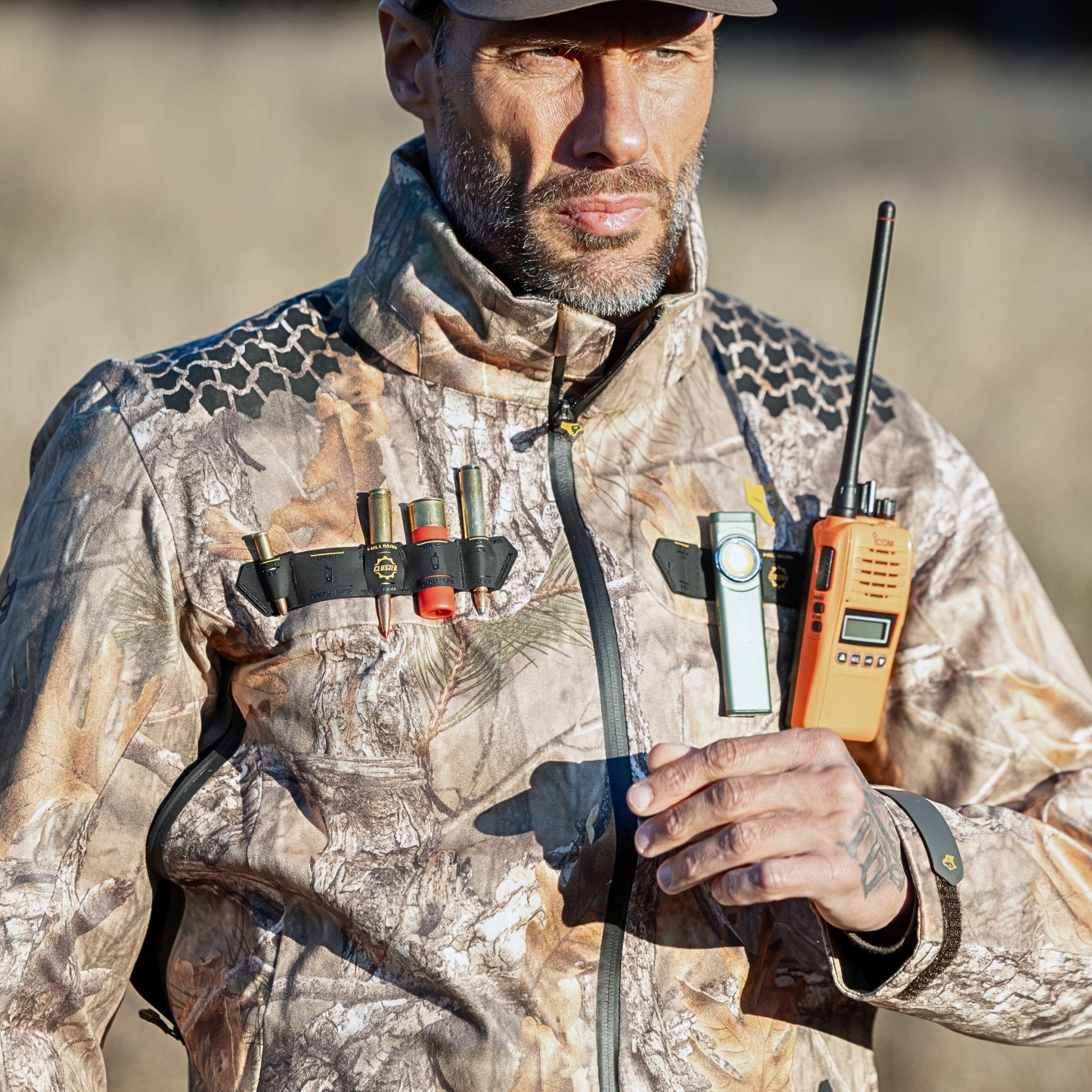
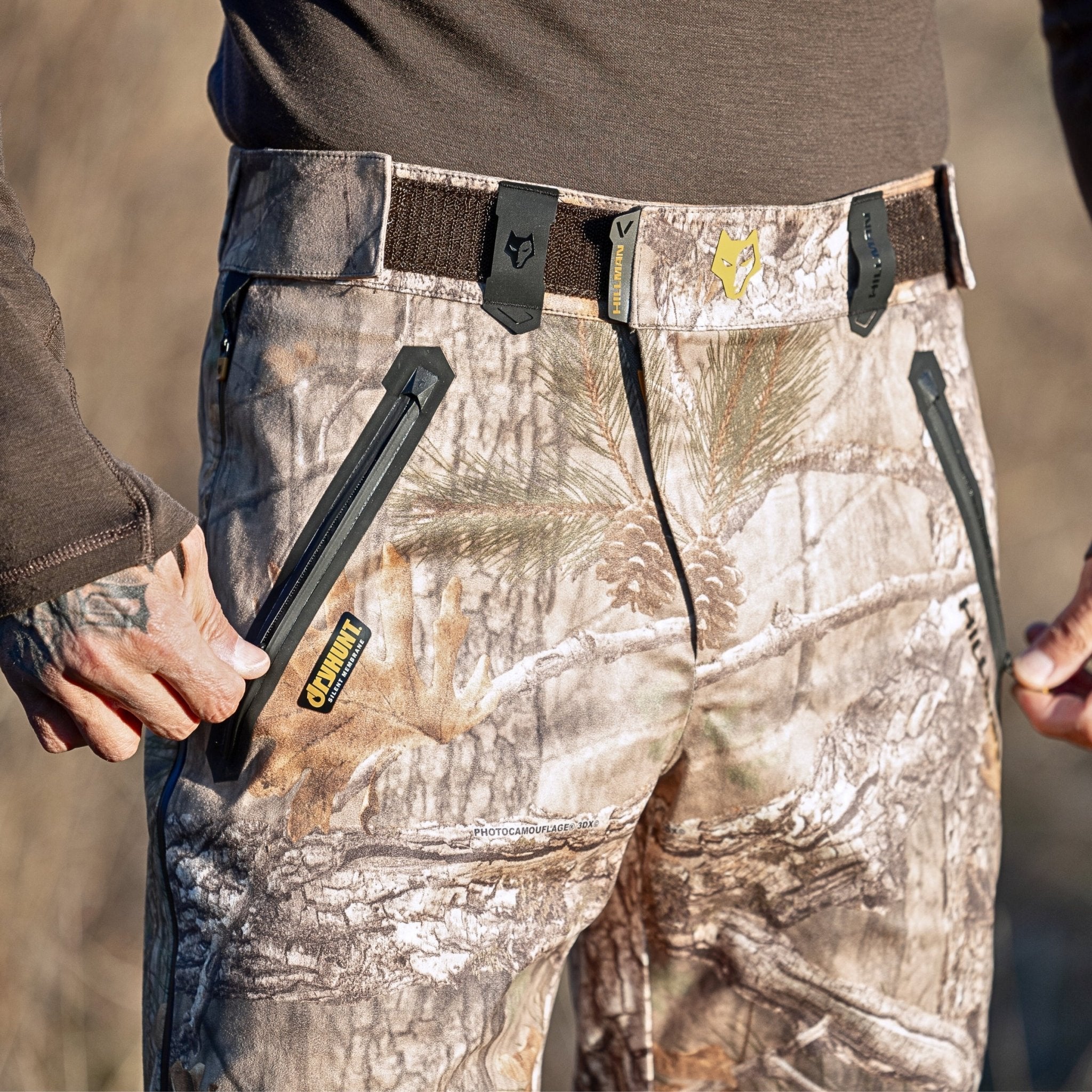
Pockets should be easy to reach with gloves worn. Cartridge pockets should be quiet. Zips should still work after grit and mud have touched them. A jacket that needs two hands and perfect daylight to open a pocket is not much use on the foreshore.
A longer cut keeps you covered when kneeling or sitting. Adjustable cuffs stop water running up your sleeves. A hood should turn with your head, not block your side vision. Chest pockets are useful for calls, phone or torch, but anything electronic needs extra waterproof protection. Salt water ruins things fast.
Socks matter more than people like to admit. A good pair helps manage warmth and moisture inside boots or waders. Thin socks can leave you cold. Socks that are too thick can restrict circulation and make your feet colder anyway. Fit matters.
Gloves are the same kind of compromise. Heavy gloves are warm but clumsy. Thin gloves give better gun feel but less warmth. A lot of wildfowlers rely on two pairs: one warm pair for waiting and one lighter pair for shooting. Nothing clever. It just works.
Stock levels and product ranges change, but useful features do not change much. Quiet pockets, good cuffs, waterproof fabric, tough seams and enough freedom to move are still what matter. The rest is mostly decoration.
Clothing, Gear and Safety Need to Work Together

Wildfowling is not just a nice great outdoors adventure with a gun. Mud, tide, wind, darkness and cold all add risk. Clothing has to work with the rest of your safety kit. If your jacket is overloaded, you move badly. If your waders are too hot, you tire faster. If your coat restricts your arms, awkward ground gets worse.
A wading pole is vital. Use it to test mud and depth before stepping. Carry a torch, spare light, charged phone in protection, whistle, food and a dry layer. None of that replaces judgement, but it gives you options when the weather turns or the walk back takes longer than planned.
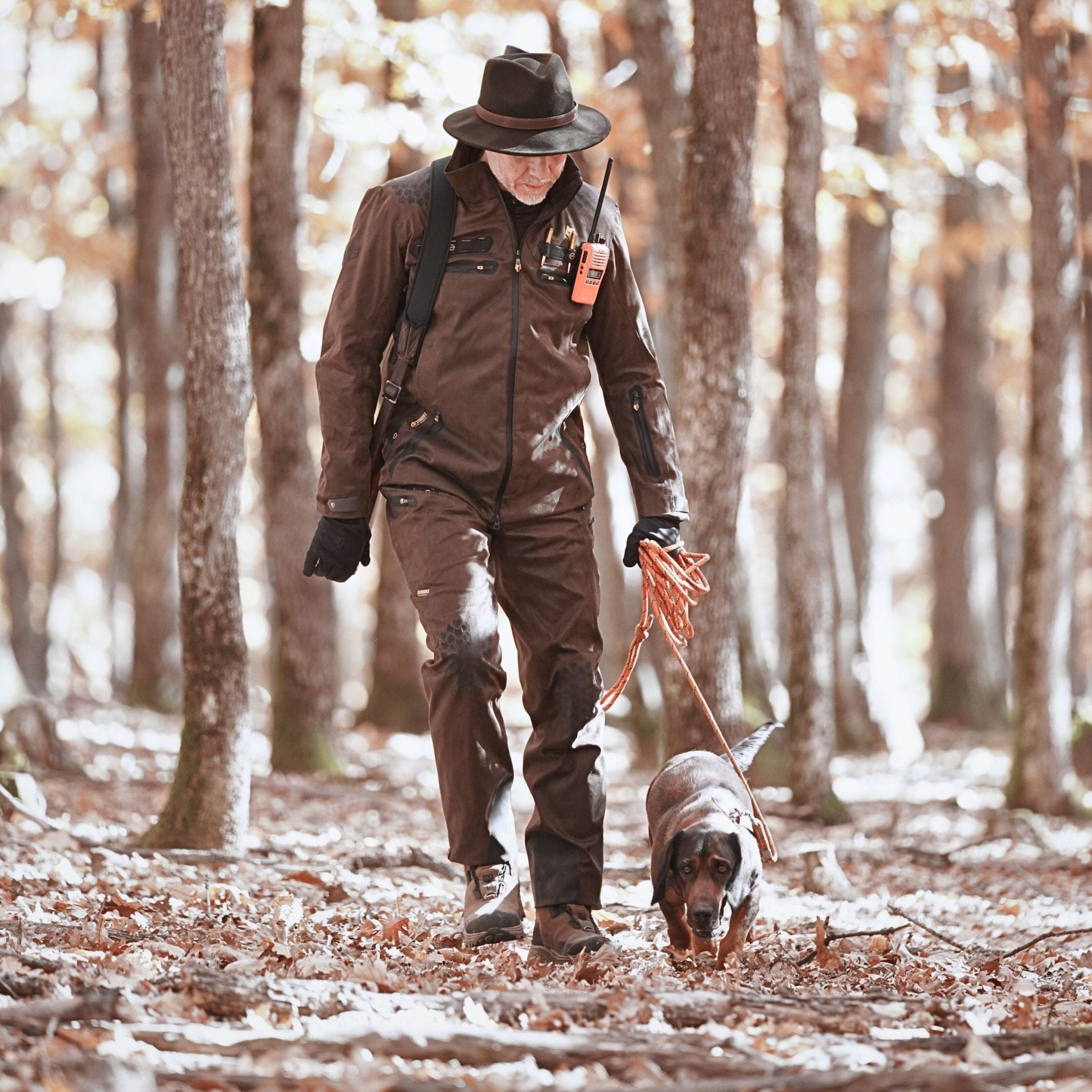
Your clothing should let you carry what you need without turning you into a walking stock room. Think about where cartridges sit. Where calls go. Where the torch goes. How you reach gloves or a hat without emptying every pocket into the mud.
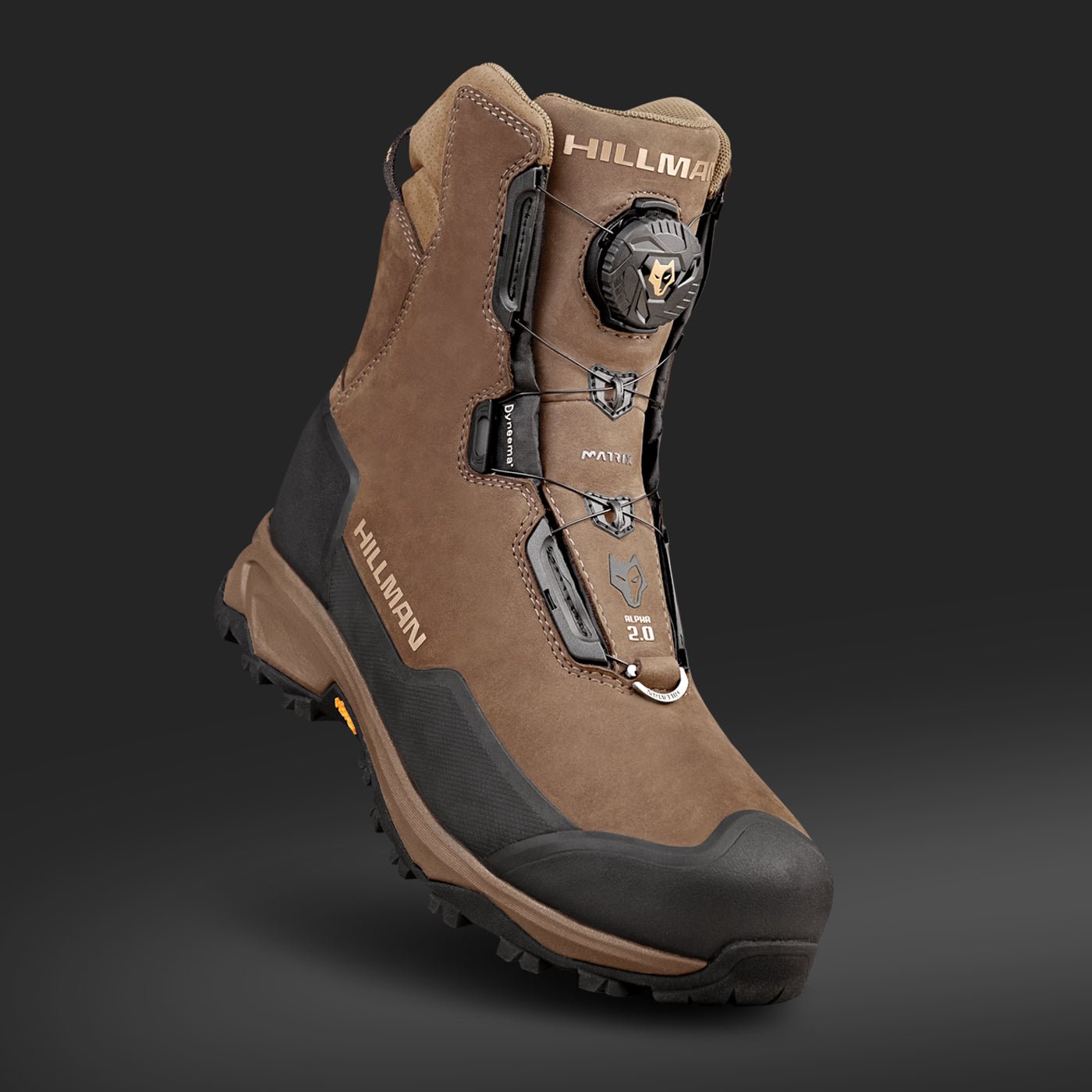
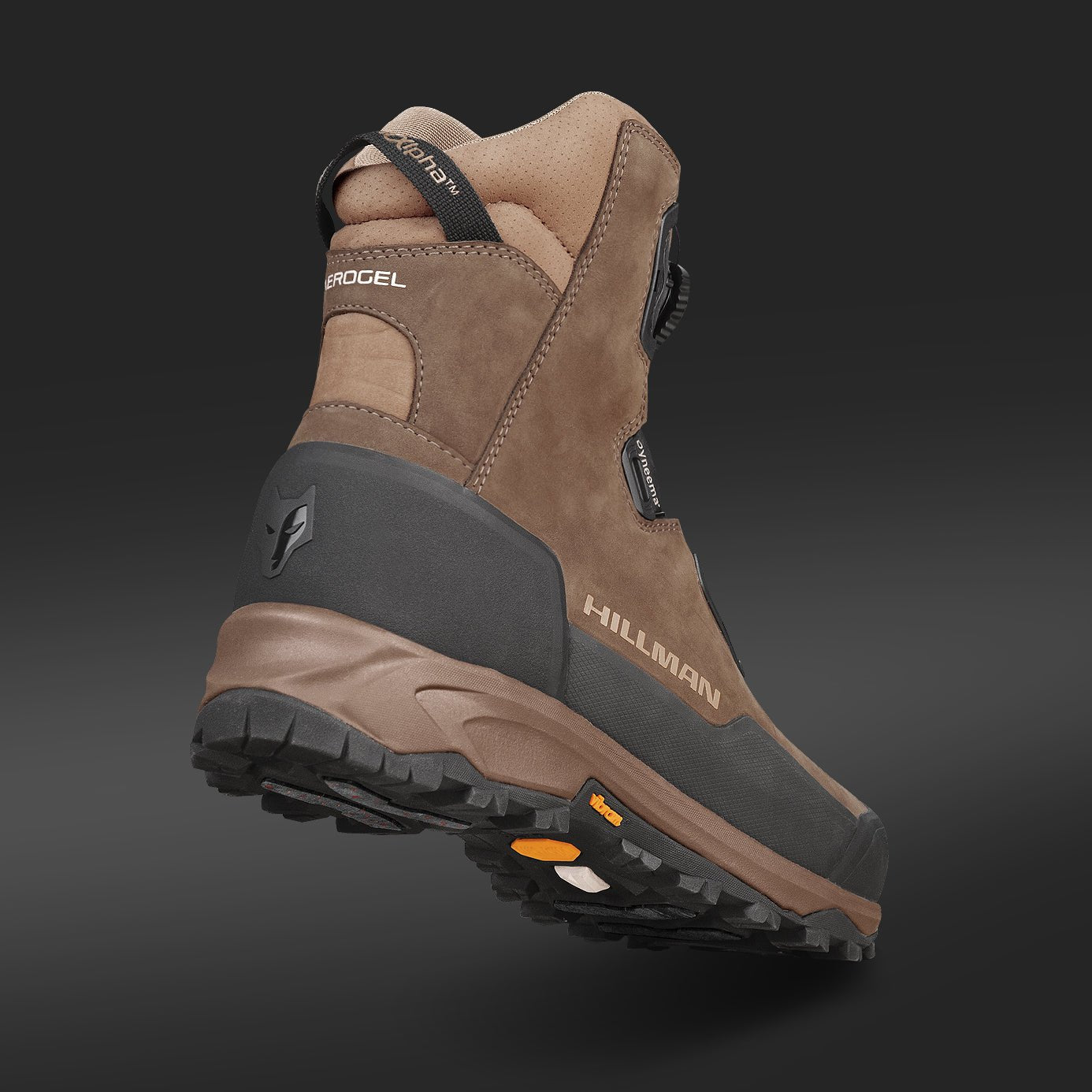
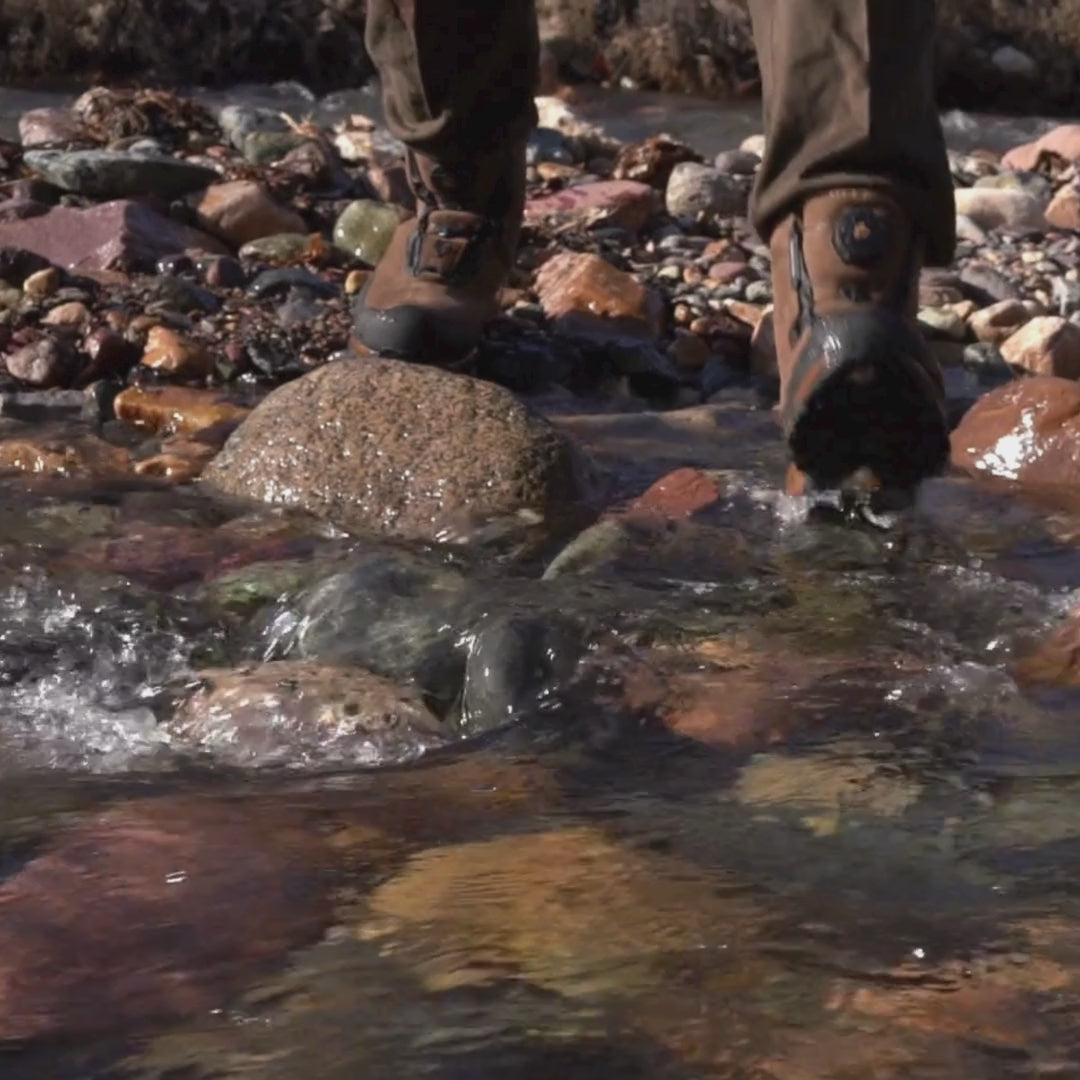
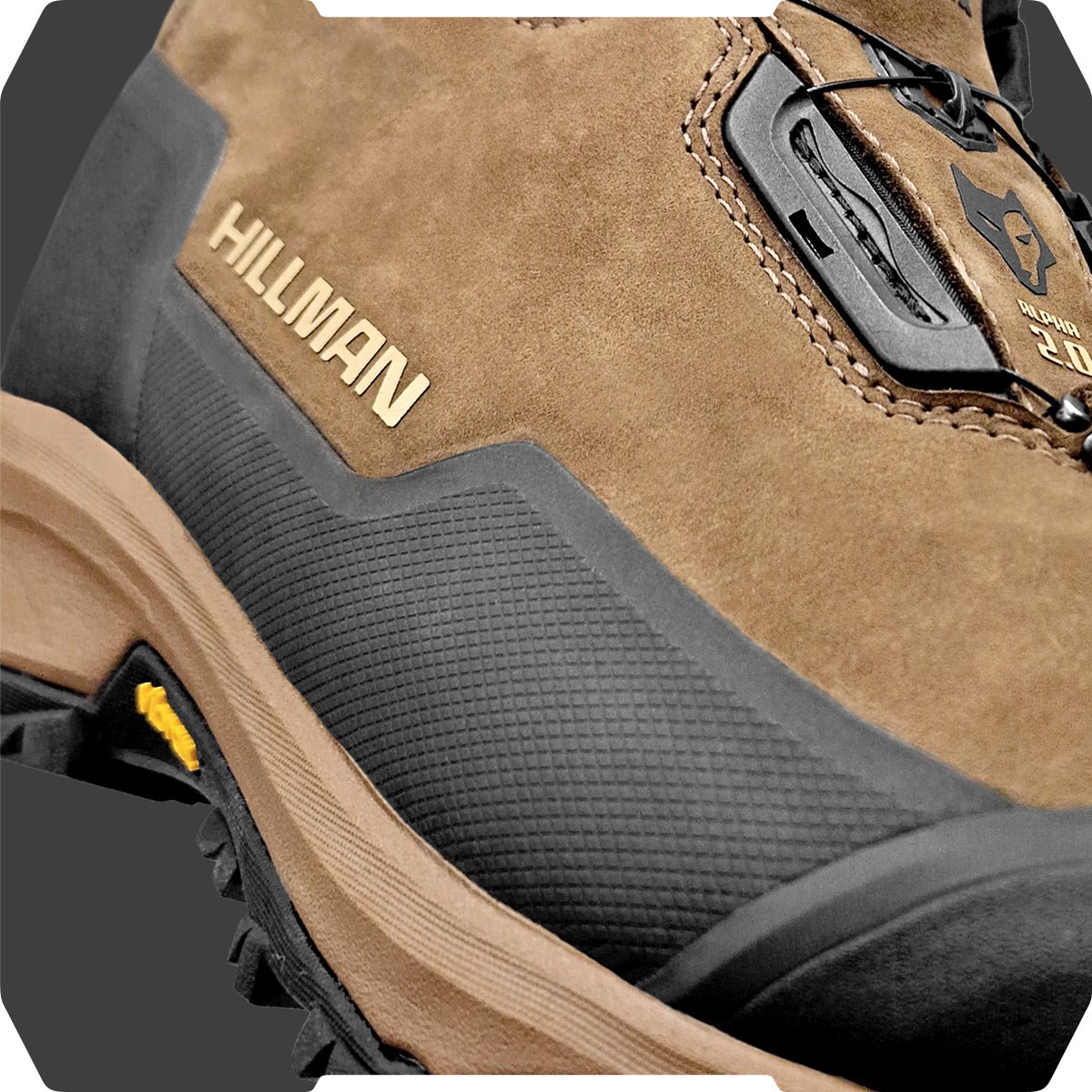
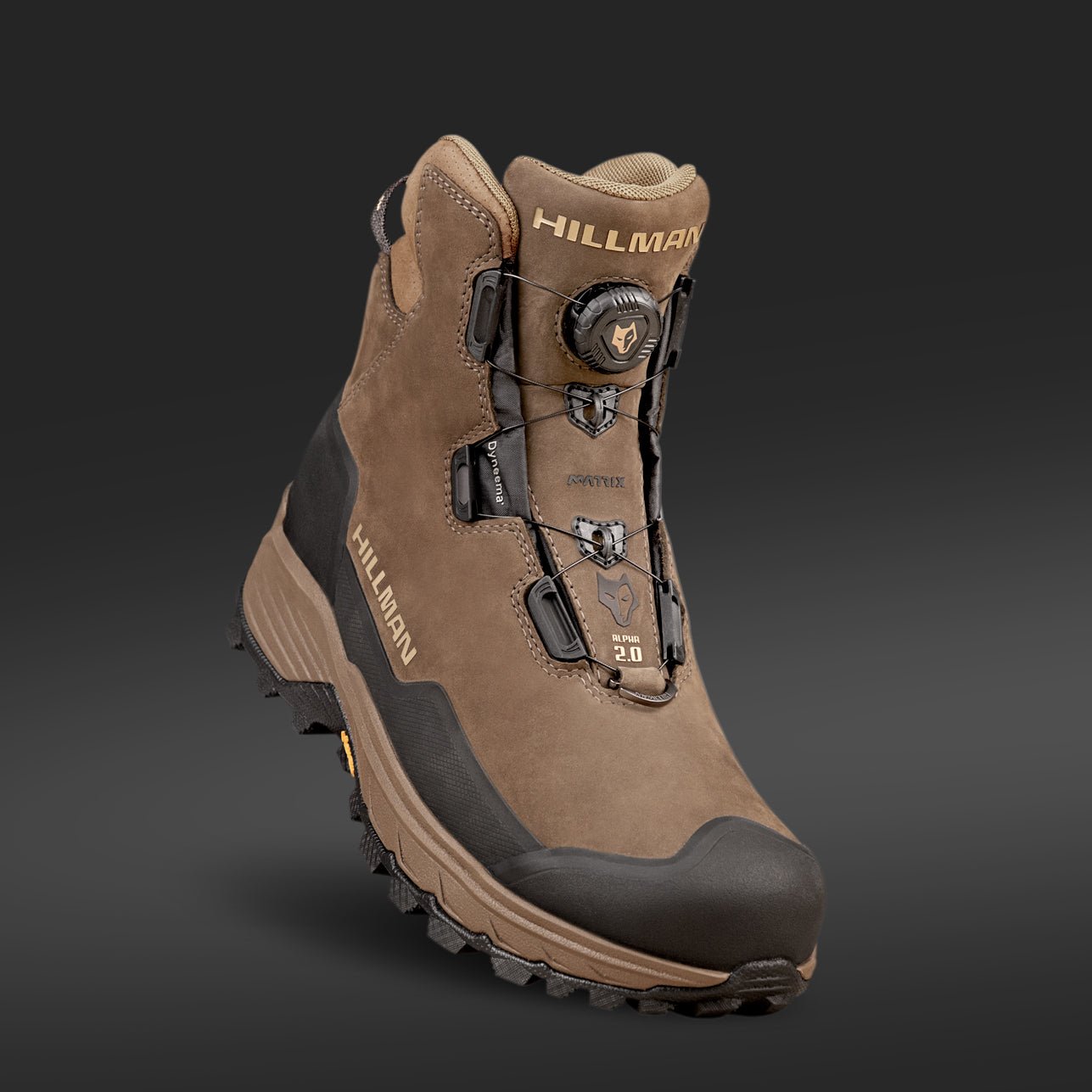
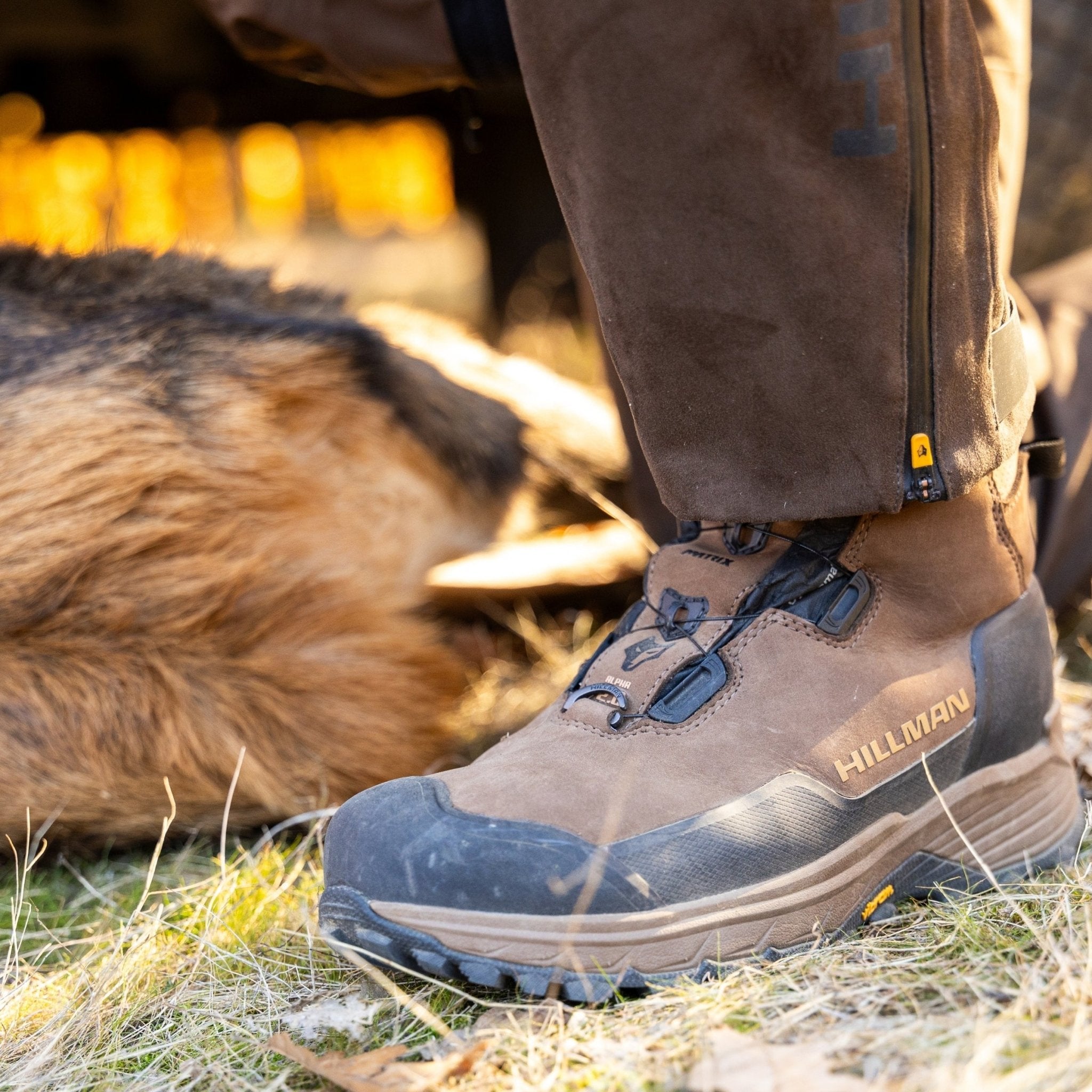
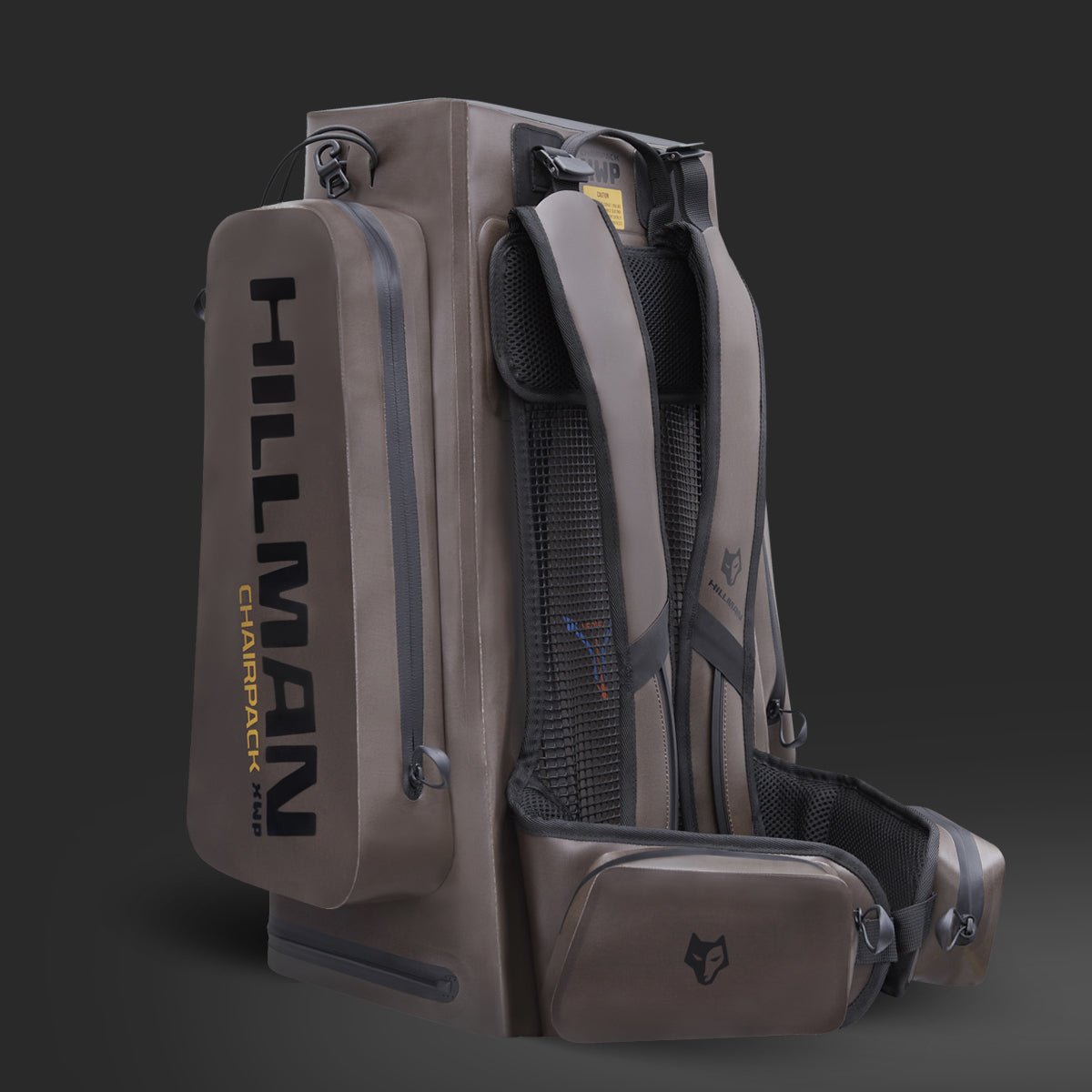
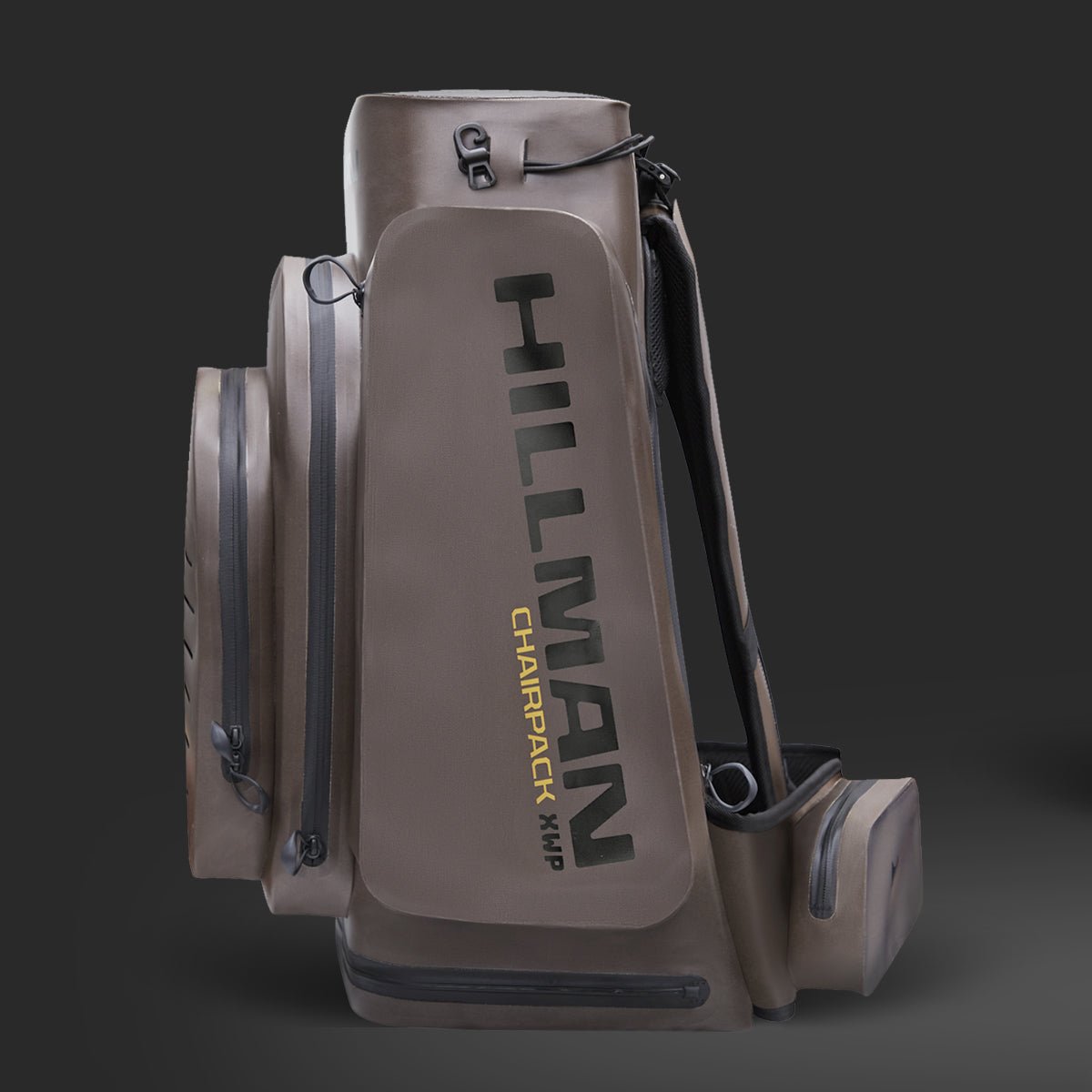
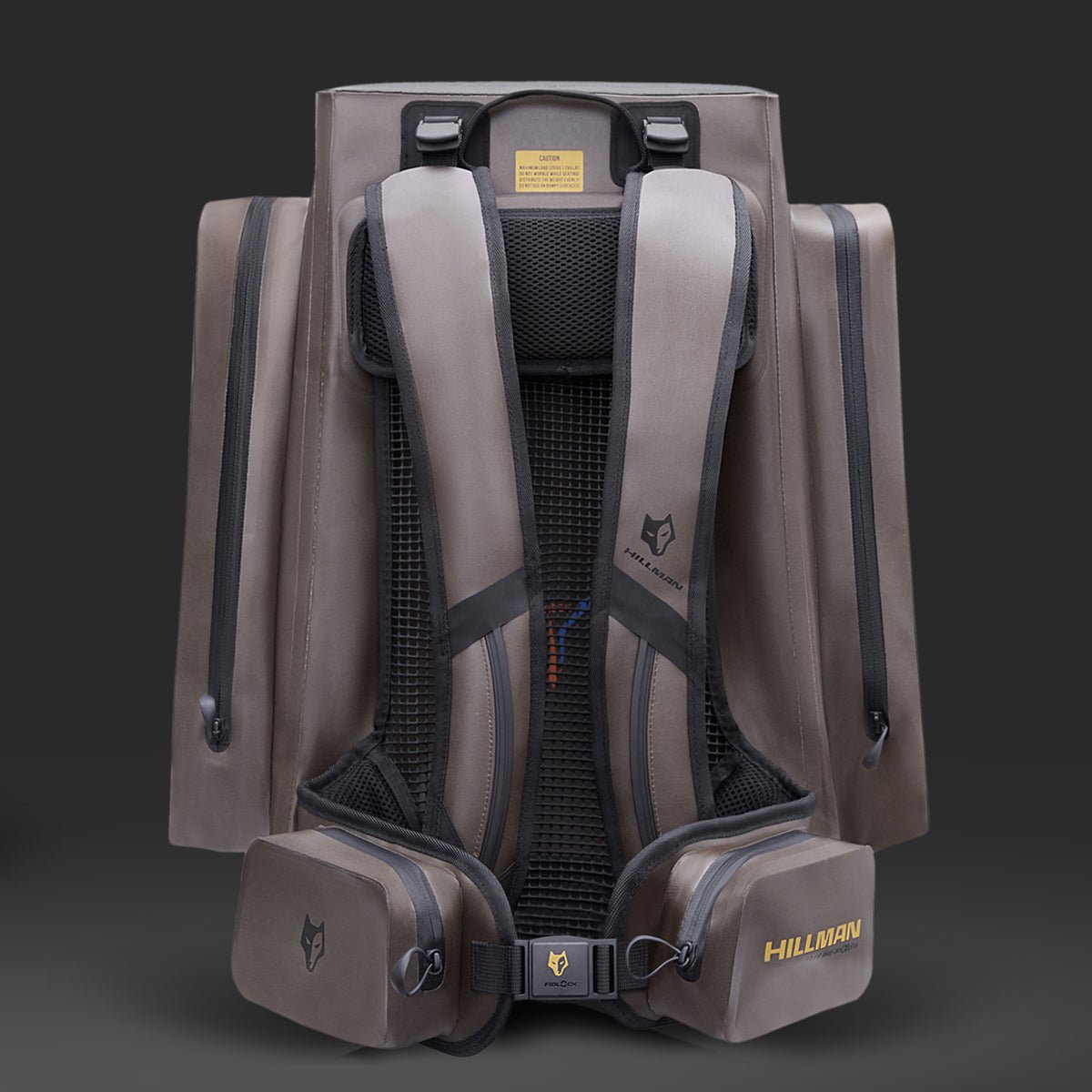
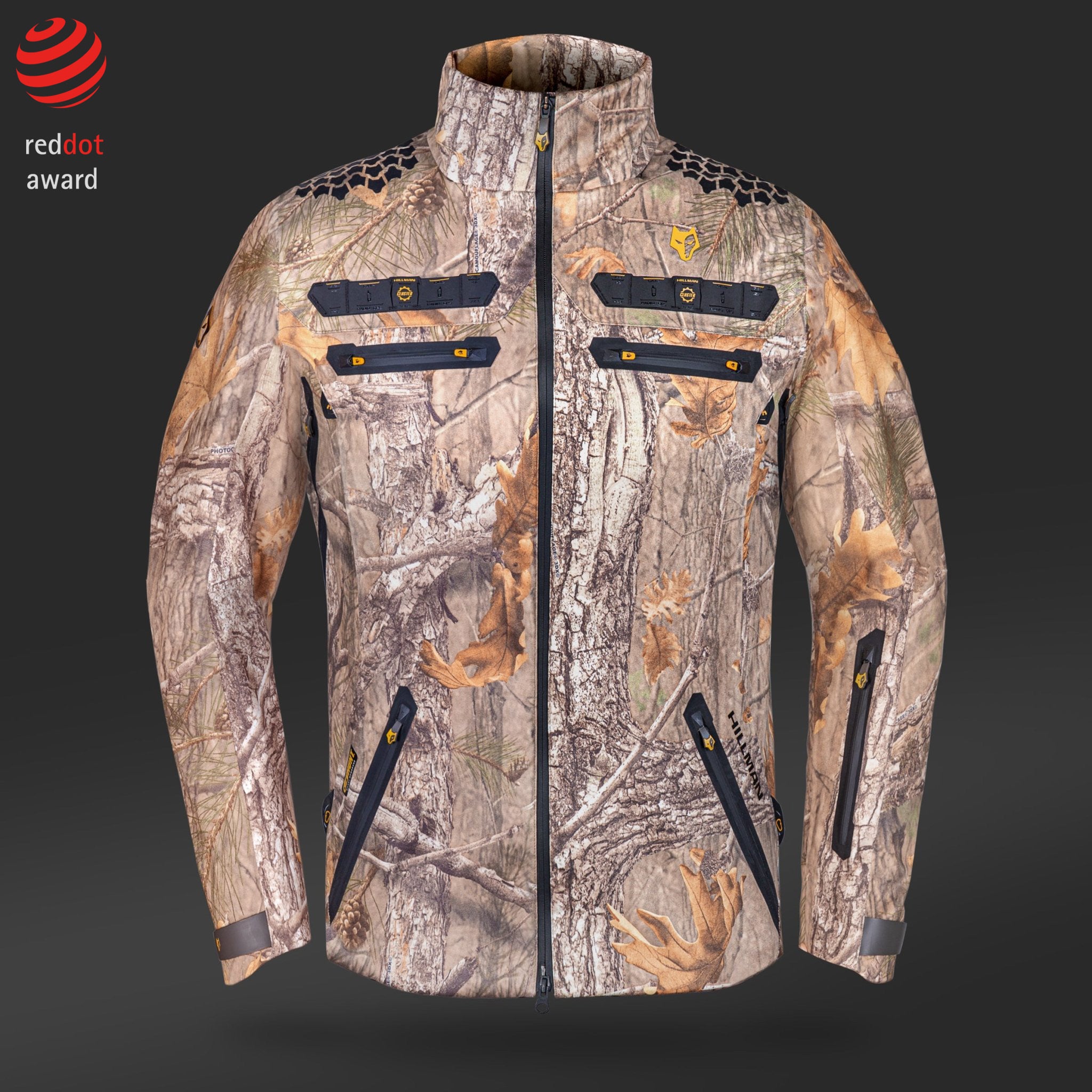
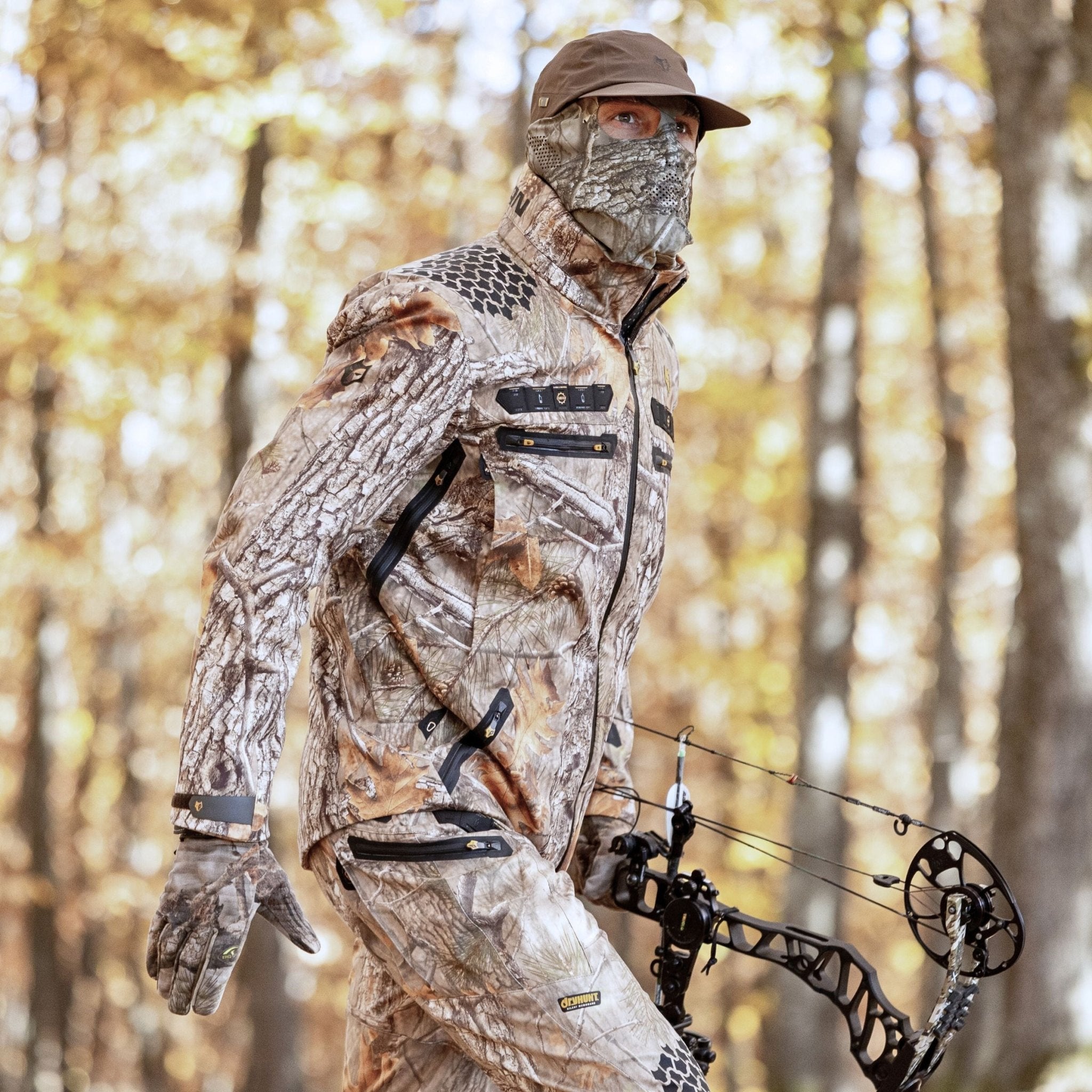
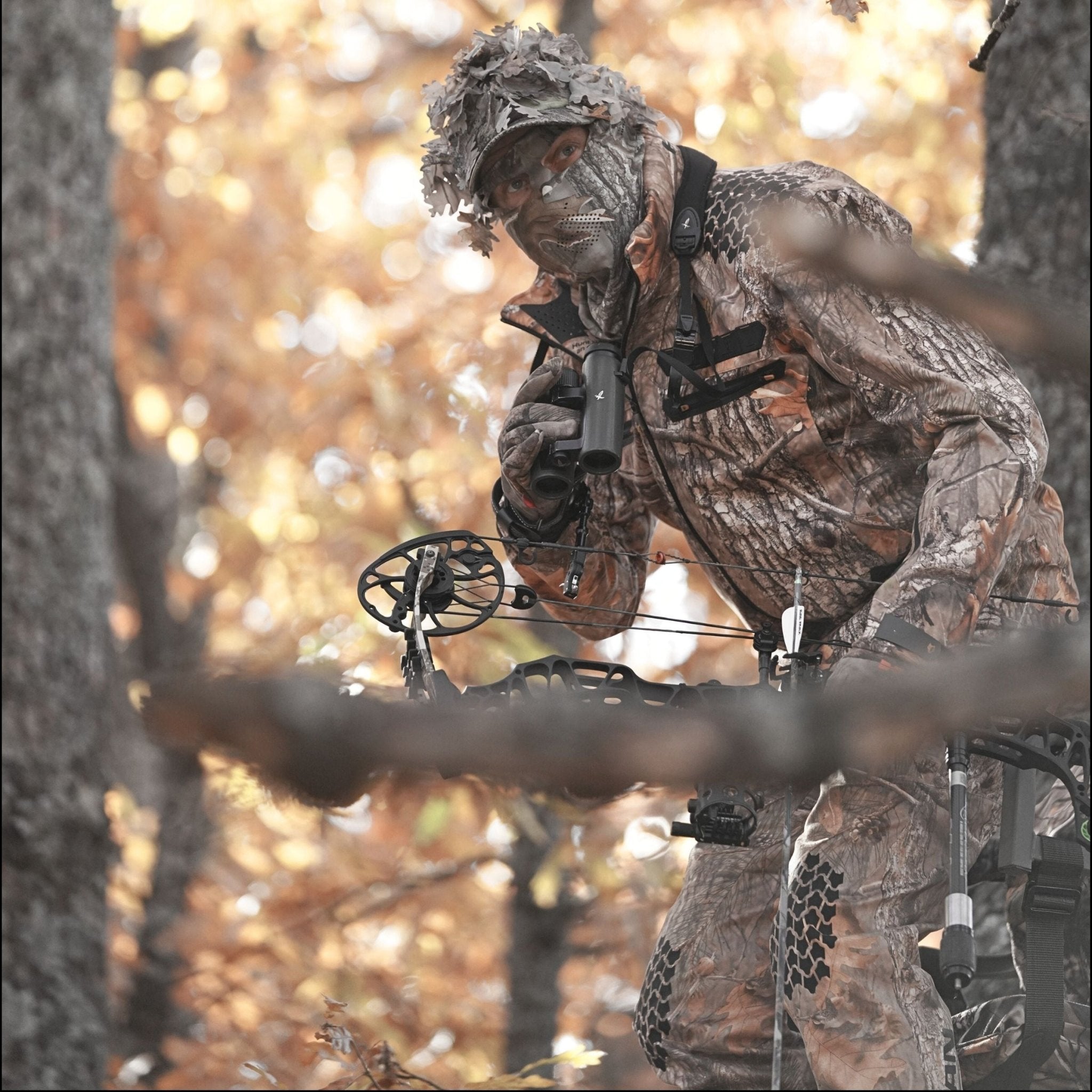
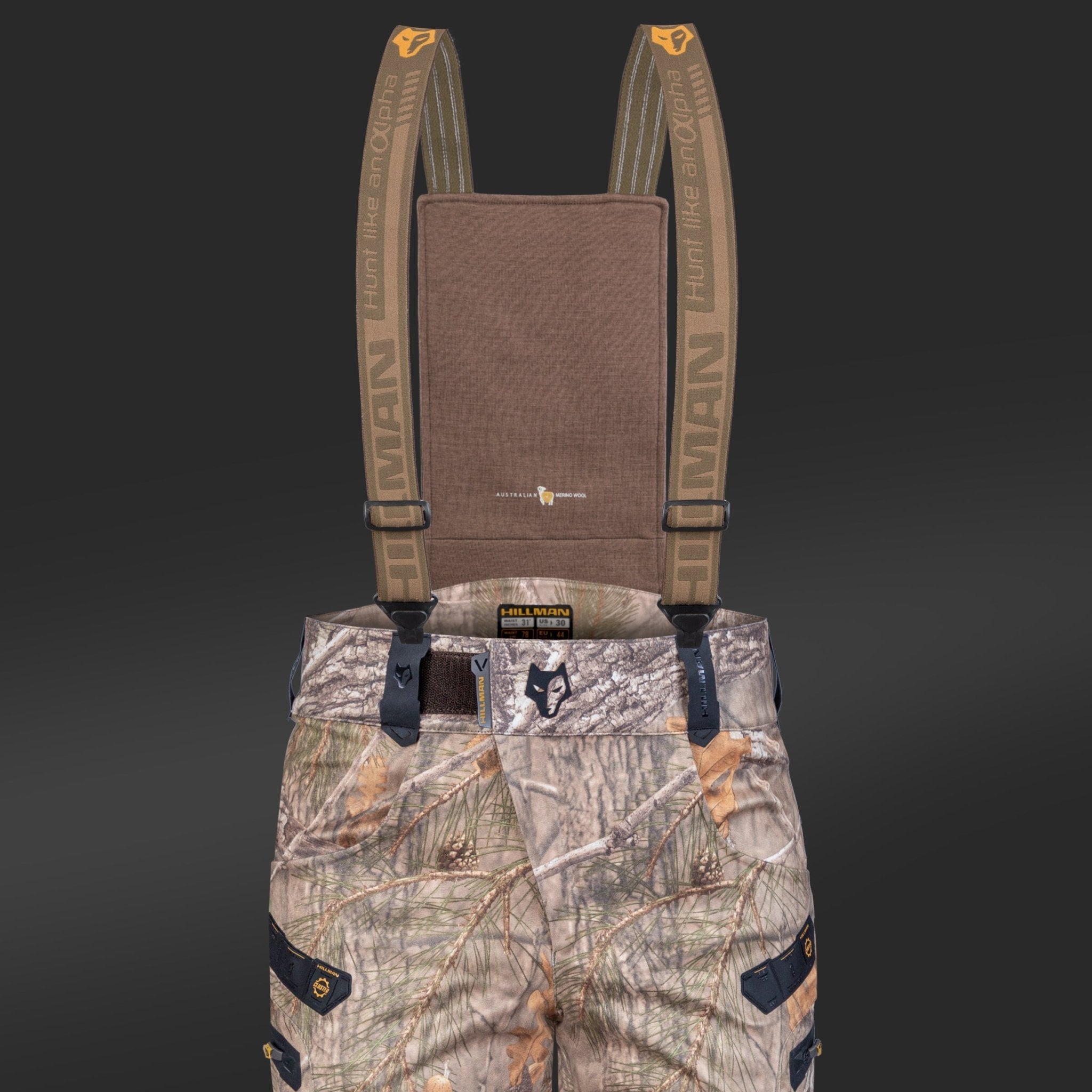
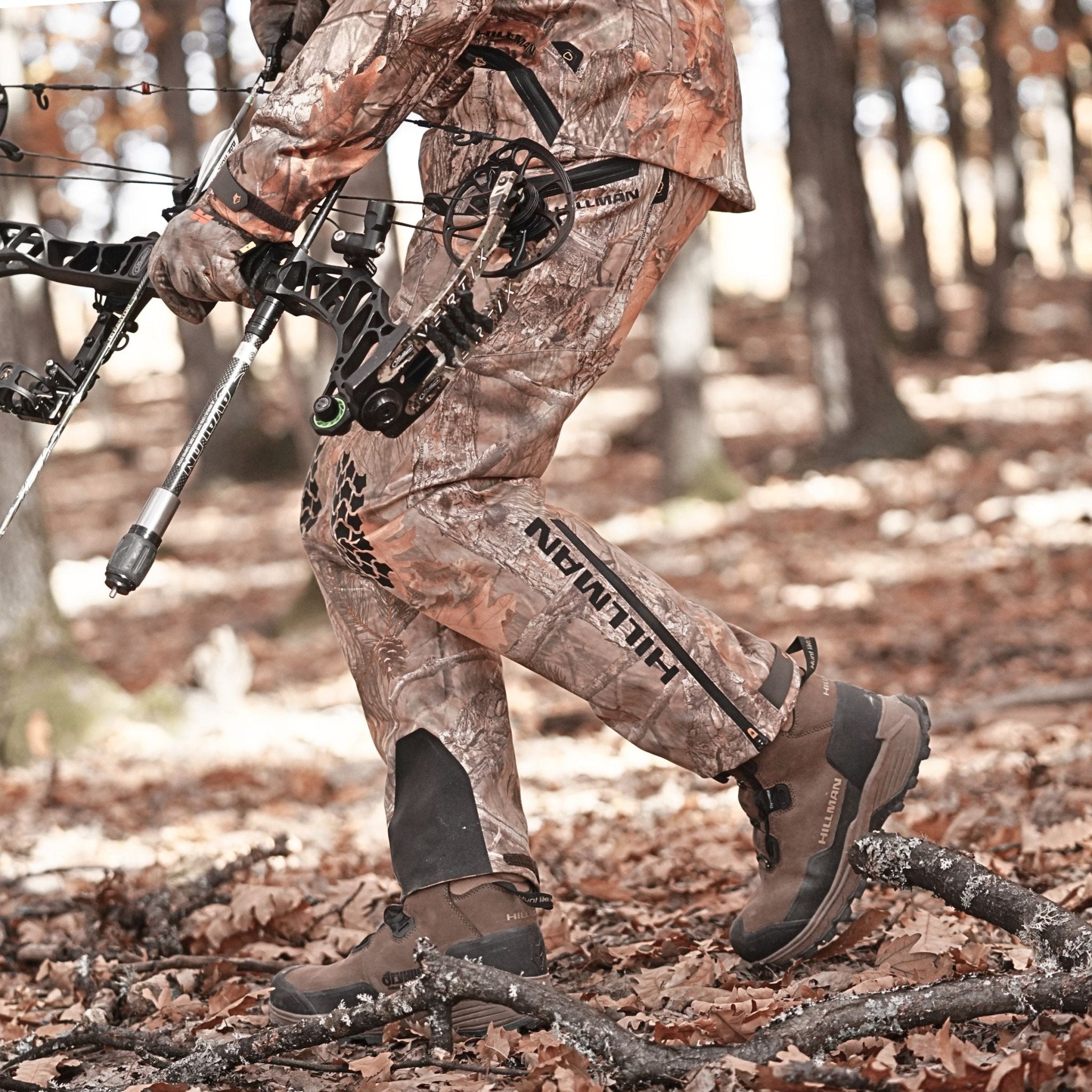
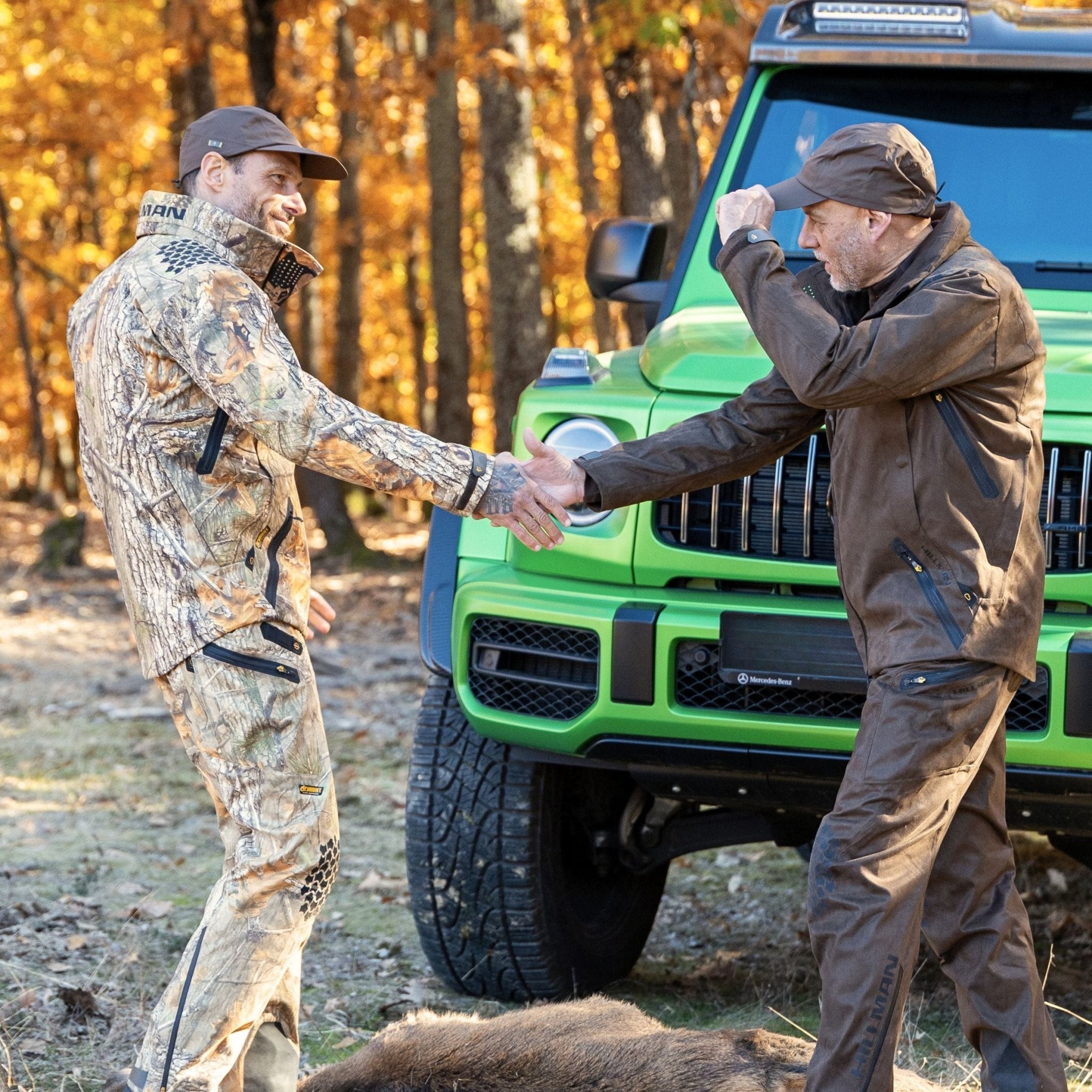
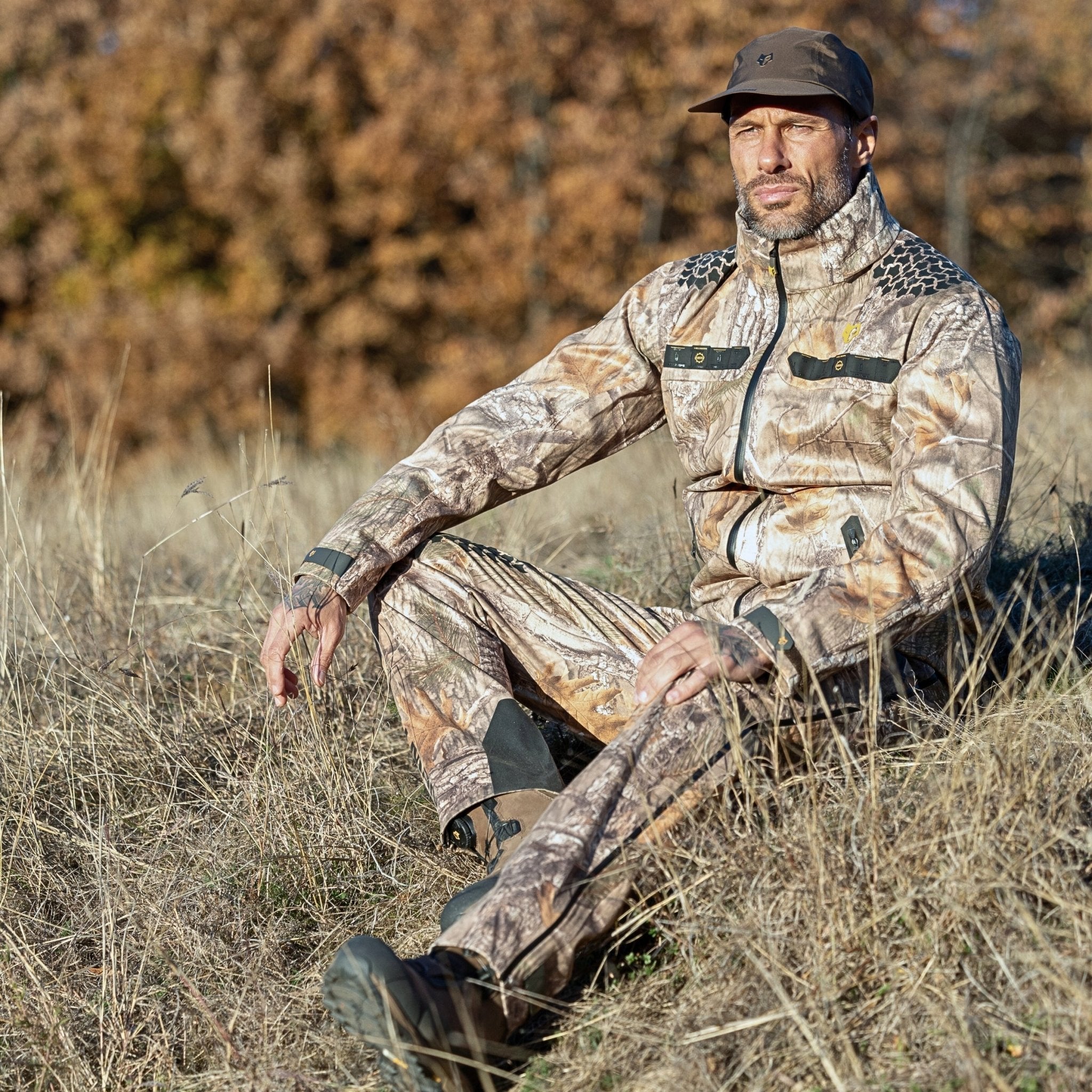
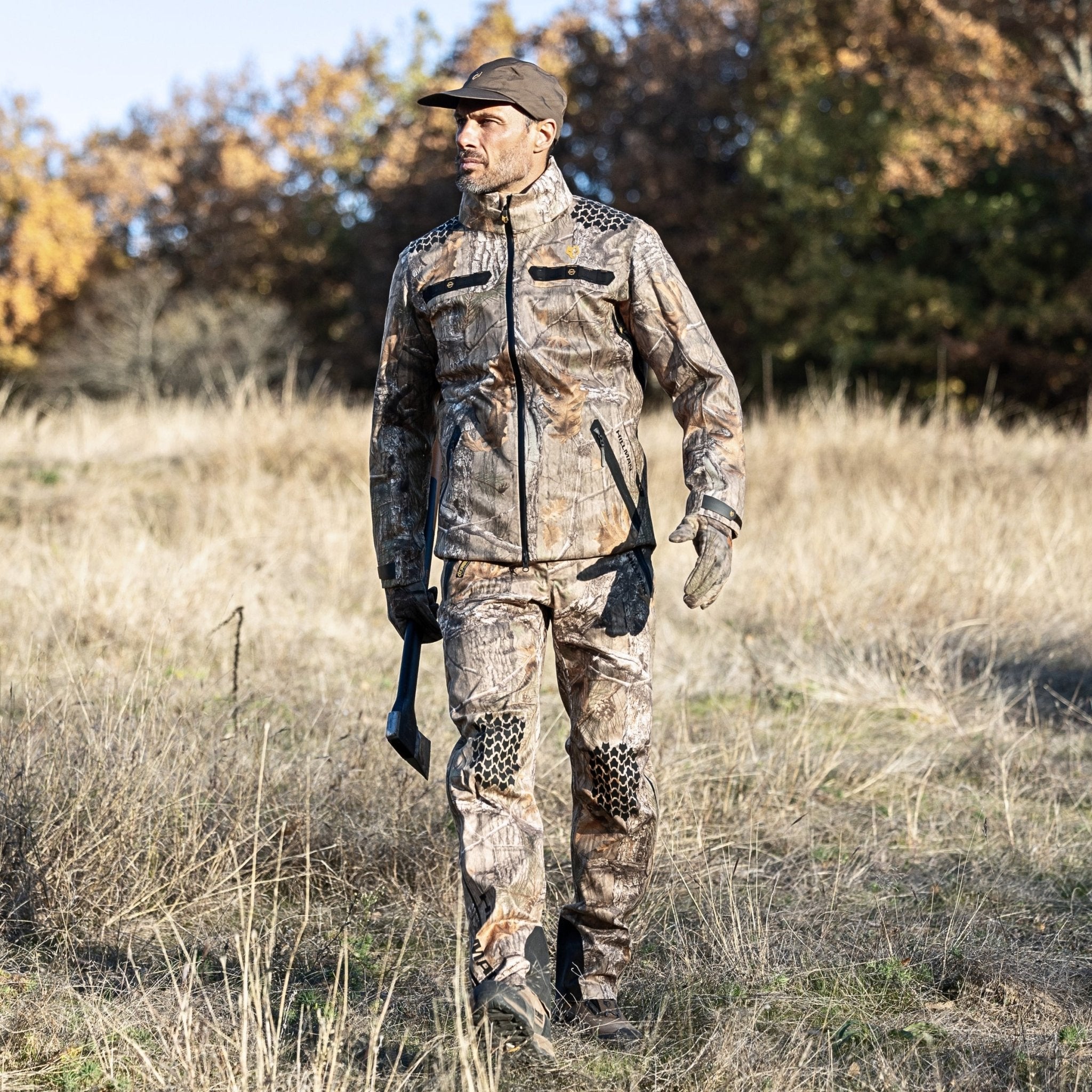
Hillman builds outdoor clothing around that sort of real field use, where mud, rain, wind, cold and long waits are not theory but the normal job.
Do not treat a safety kit like something you throw in at the end. It has to fit with the clothing. A torch buried under three layers of pockets is not useful. A phone with no waterproof protection is asking for trouble. A spare fleece that gets wet in your bag is just extra weight.
This is not about sitting by a fire telling old shooting stories. This is wet, dark, cold ground where small mistakes can become big ones. The right gear gives you more freedom to move, more comfort when waiting and better control when things get rough.
Choosing Wildfowling Kit That Will Last

Quality matters because wildfowling is hard on clothing. Mud gets into seams. Salt water attacks zips. Cold wind tests insulation. Rain finds weak points. Cheap suits can look fine at first, then fail when you actually need them.
Good shooting clothing should support performance, not distract from it. It should be waterproof where needed, breathable when you are active and quiet when birds are close. Durable materials help with all-day comfort and reduce overheating when moving through soft mud or carrying equipment over rough terrain.
There is no one perfect range for every wildfowler. Some need heavy cold-weather jackets for long waits. Some need lighter breathable waders for active marsh work. Some like a more tailored outer jacket. Others prefer a smock. That is fine.
The point is simple: every item needs a job. If it does not help you stay dry, warm, hidden, safe or mobile, it probably does not need to come with you.
A good wildfowling setup should handle the elements without making you fight your own kit. Jacket, trousers, chest waders, socks, gloves, hat, torch, calls, cartridges, dog gear and food all need to work together. When they do, you can focus on the marsh instead of your own discomfort.




Share:
Woodpigeon Decoying Clothing: Stay Hidden, Dry, Comfortable